
How people lived and worked before electricity: springhouses, root cellars, ice harvests, flax brakes and the everyday skills that kept a household running. Each Old Ways story comes as a short video and, for most topics, an in-depth article.
Each story below is the full, sourced article and includes its video. Just want to watch? See every Old Ways video →
-
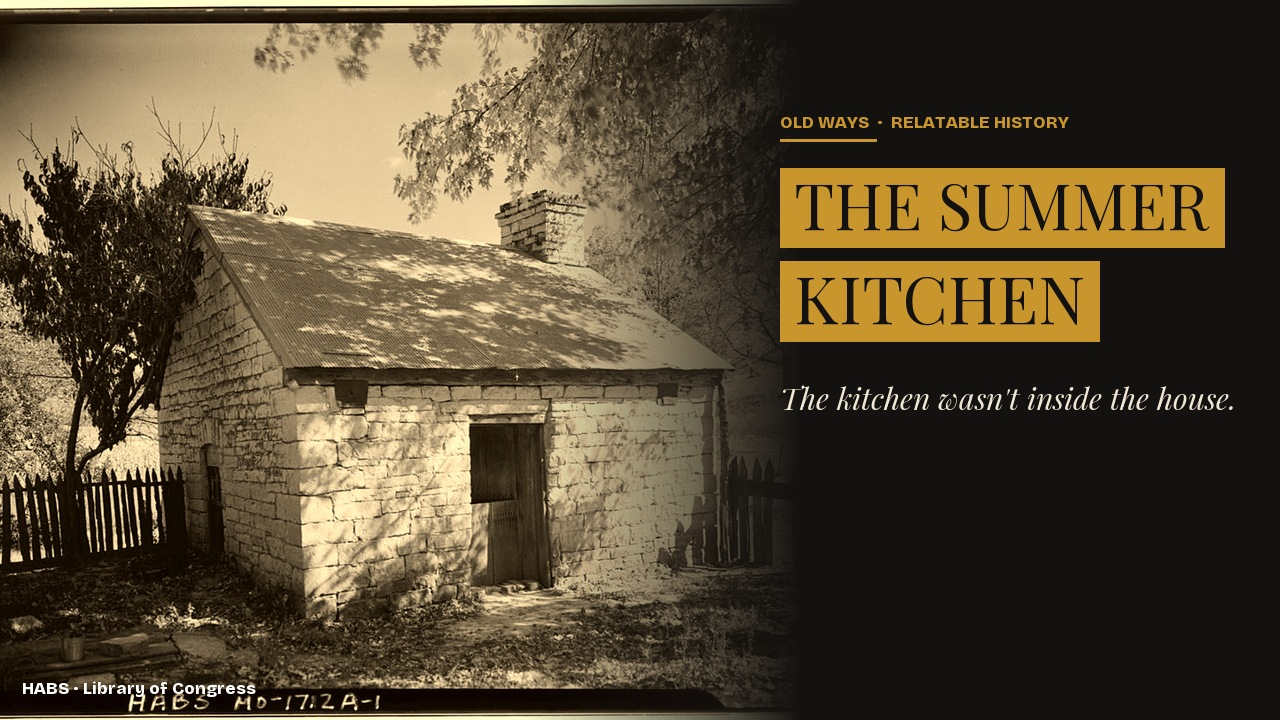
Who Really Worked in America’s Summer Kitchens
A detached kitchen looks like a convenience in an old photograph. For the people who worked in one — enslaved cooks, farm wives, hired girls — it was a full day’s labor in a building built to keep that labor out of sight.
-
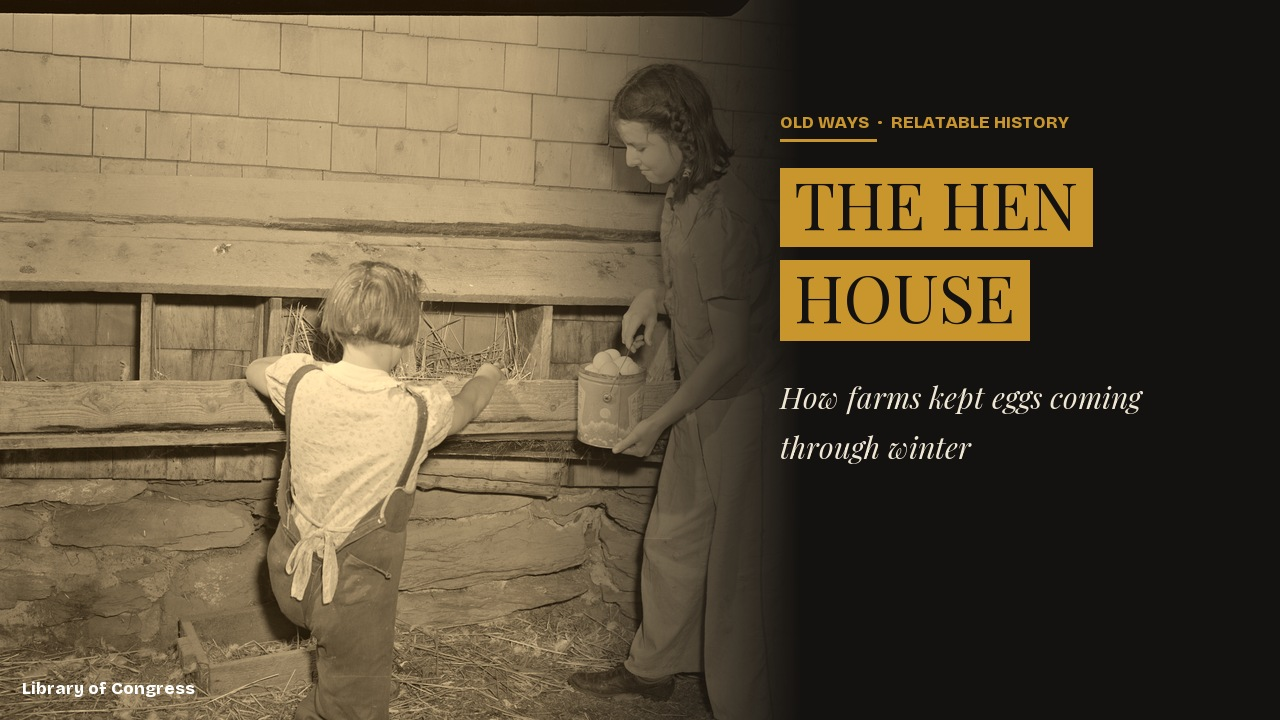
The Egg Money History of the Farmhouse Henhouse
For a farm wife a century ago, the henhouse out back wasn’t incidental. It was one of the only incomes she controlled herself, built on sun angles, careful records, and eggs sold by the basket.
-
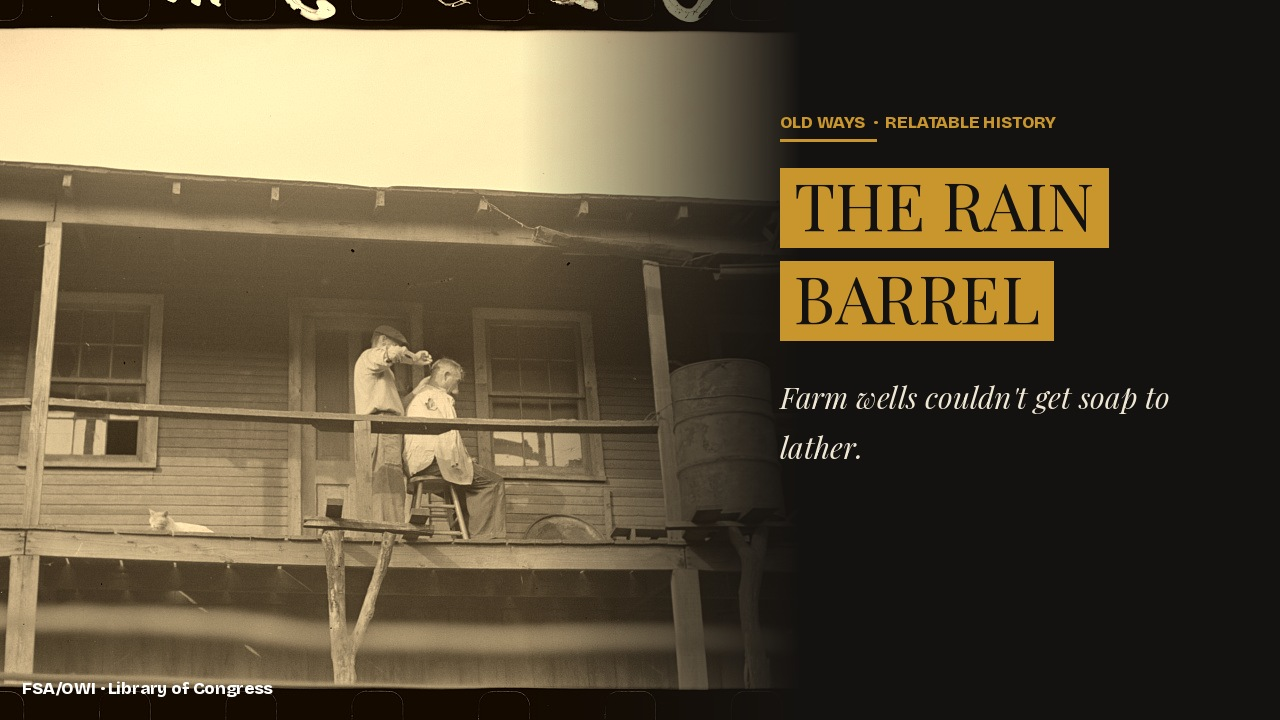
Why Farms Caught Rainwater Instead of Using the Well
A well could run twenty grains of hardness to the gallon; a barrel under the eave ran close to zero. That difference built an entire piece of unpowered farm equipment around a roof and a cask.
-
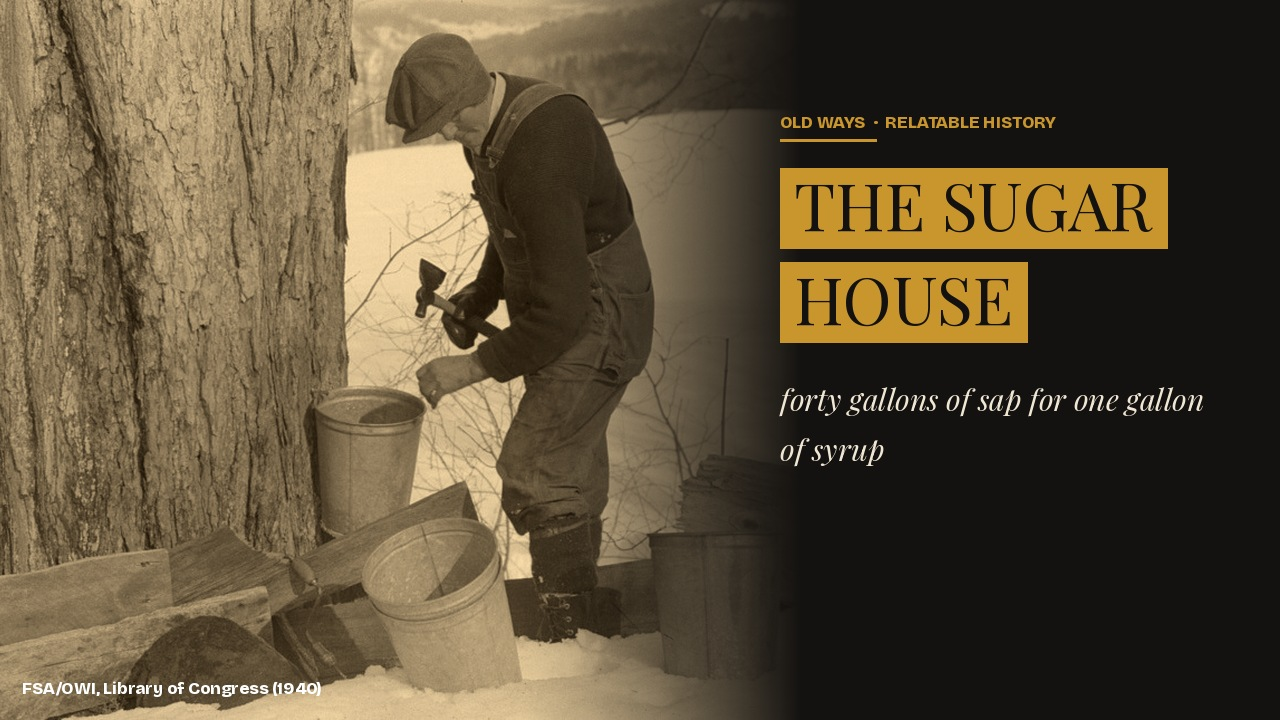
The Maple Sugar Abolition Movement That Almost Worked
A Philadelphia doctor, a Founding Father, and a network of Quakers all believed maple trees could end American demand for sugar grown by enslaved labor. For about a decade, it looked like it might.
-
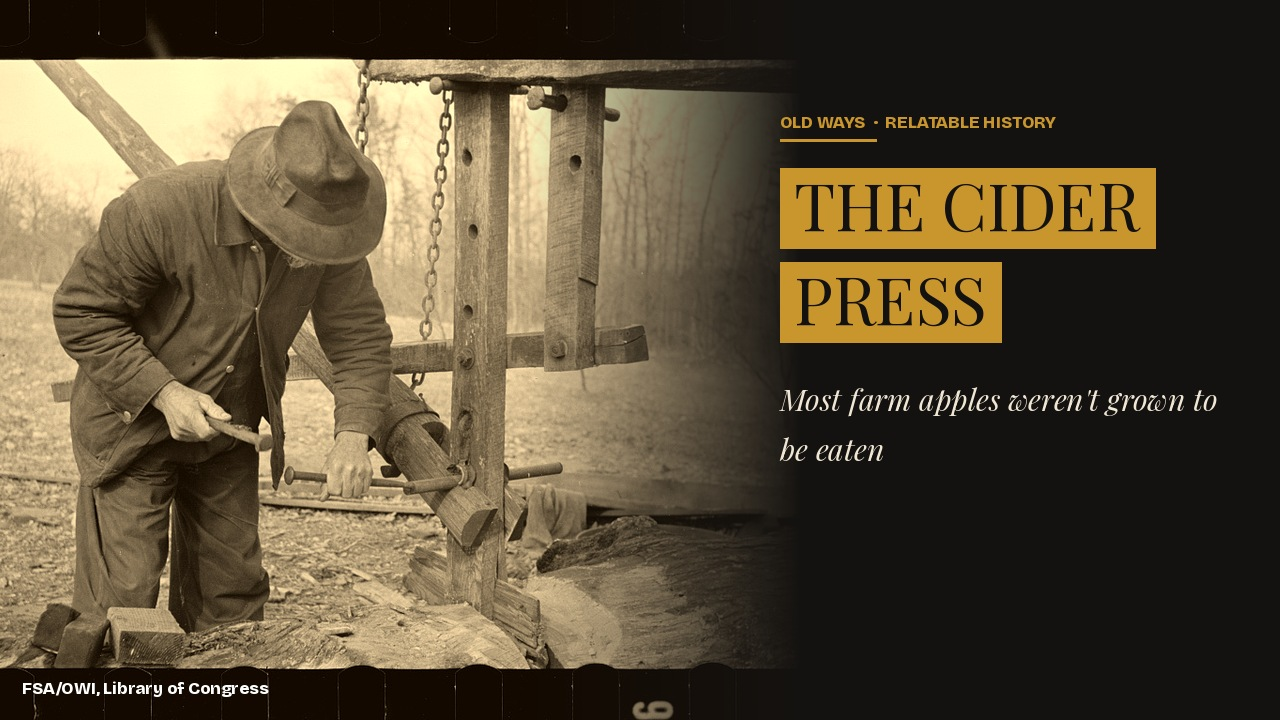
How Cider, Not Beer, Became Colonial America’s Everyday Drink
A bushel of bitter, inedible farm apples, a hand-cranked grinder and a wooden screw press were how a colonial household drank through an entire year without touching the well.
-
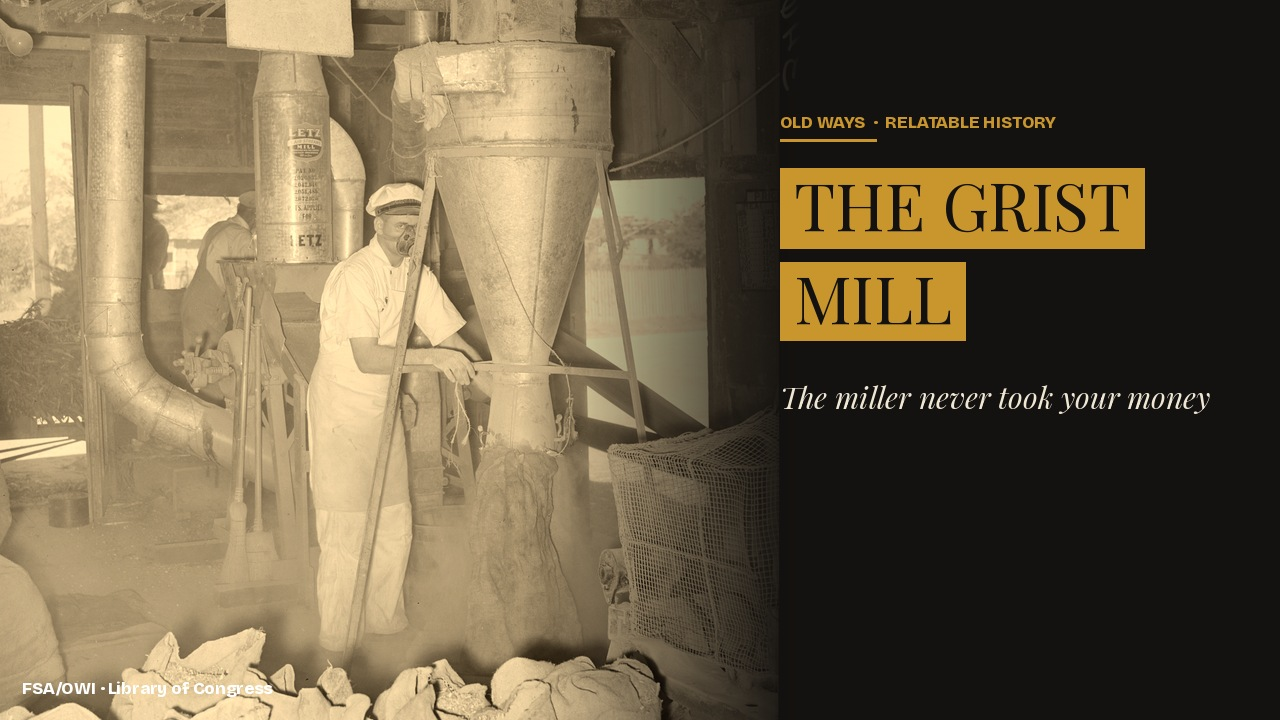
How a Water-Powered Grist Mill Turned Wheat Into Flour, No Cash Involved
A grist mill never sent a bill. Farmers paid in grain, by a fixed fraction called the toll, and the arrangement held for roughly three centuries before steel rollers ended it in a decade.
-
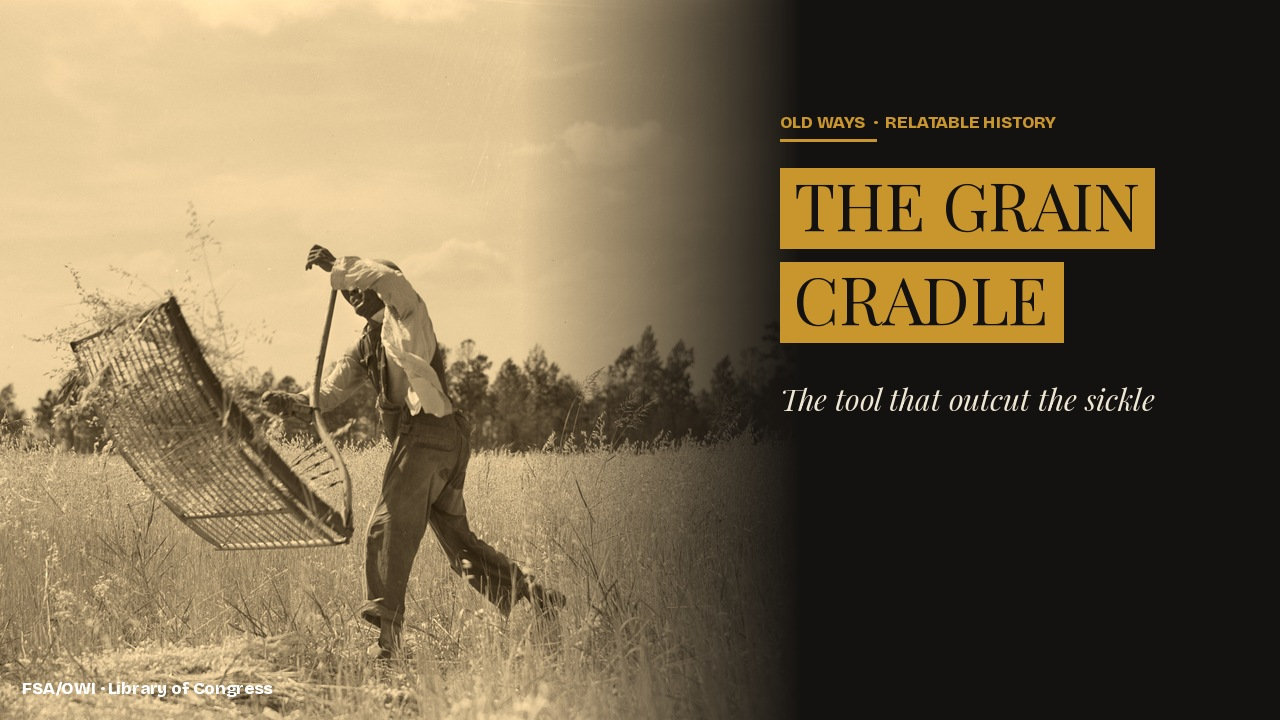
How Farmers Harvested Wheat With a Grain Cradle
A cradler swinging a claw of wooden fingers could out-cut a sickle three to one and still lose the race to a horse. The forty-year run of the tool that came between them.
-
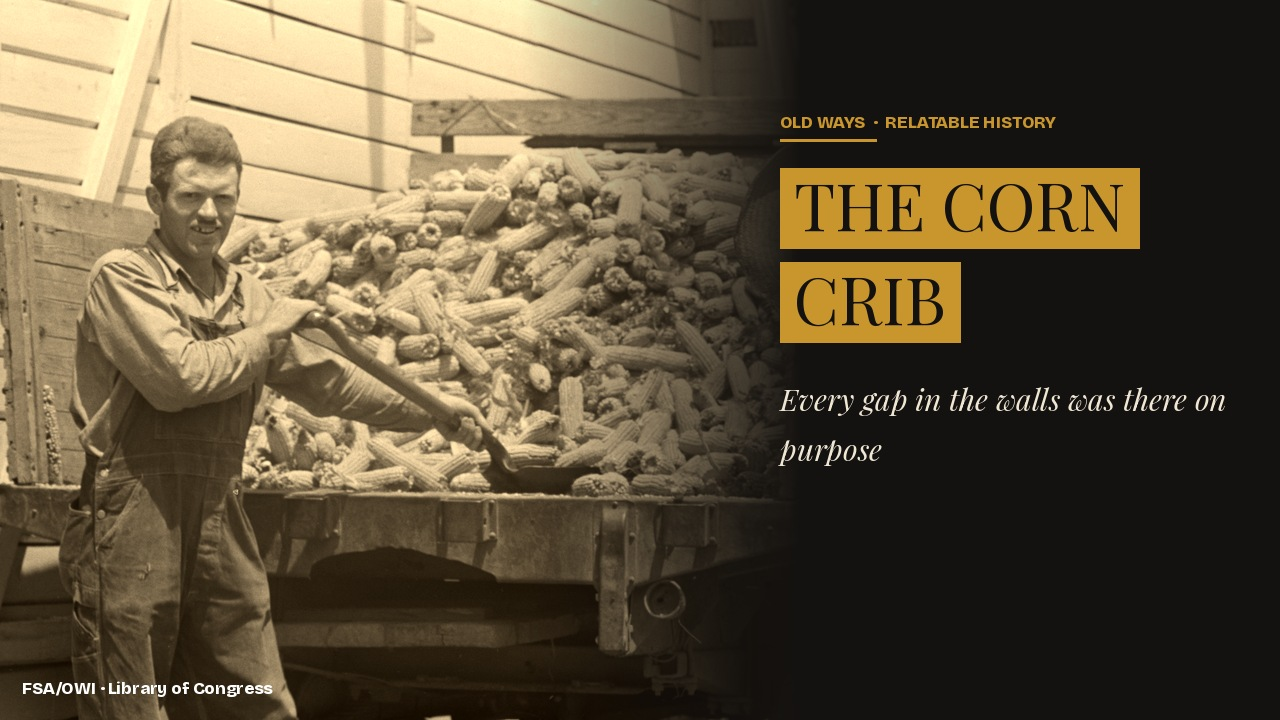
Why a Corn Crib’s Walls Lean Outward, and Why It Never Fell Over
A corn crib’s slats, taper and stilts were not shortcuts or decay. Each one solved a specific problem in keeping a winter’s worth of corn from rotting with nothing but moving air.
-
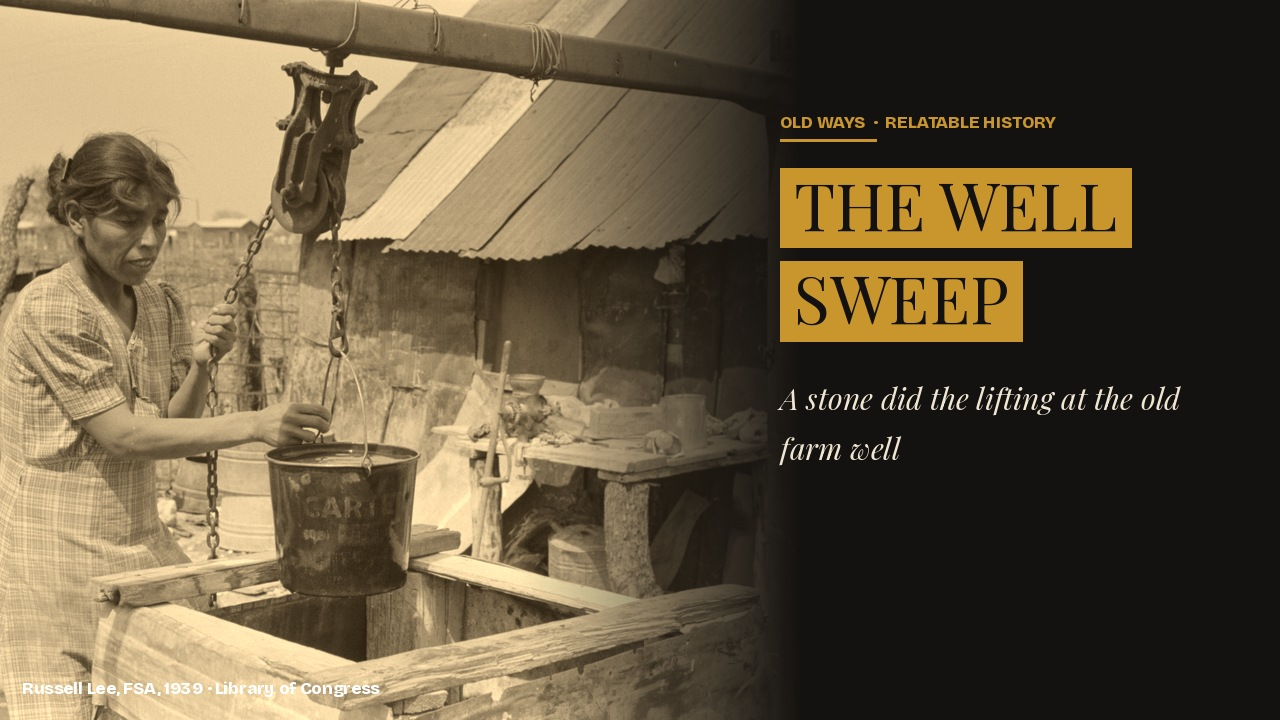
How the Well Sweep Drew Water Before There Were Pumps
A counterweighted pole did most of the lifting at the farm well for four thousand years. Here is the mechanism, the daily labor behind it, and why it finally came down.
-
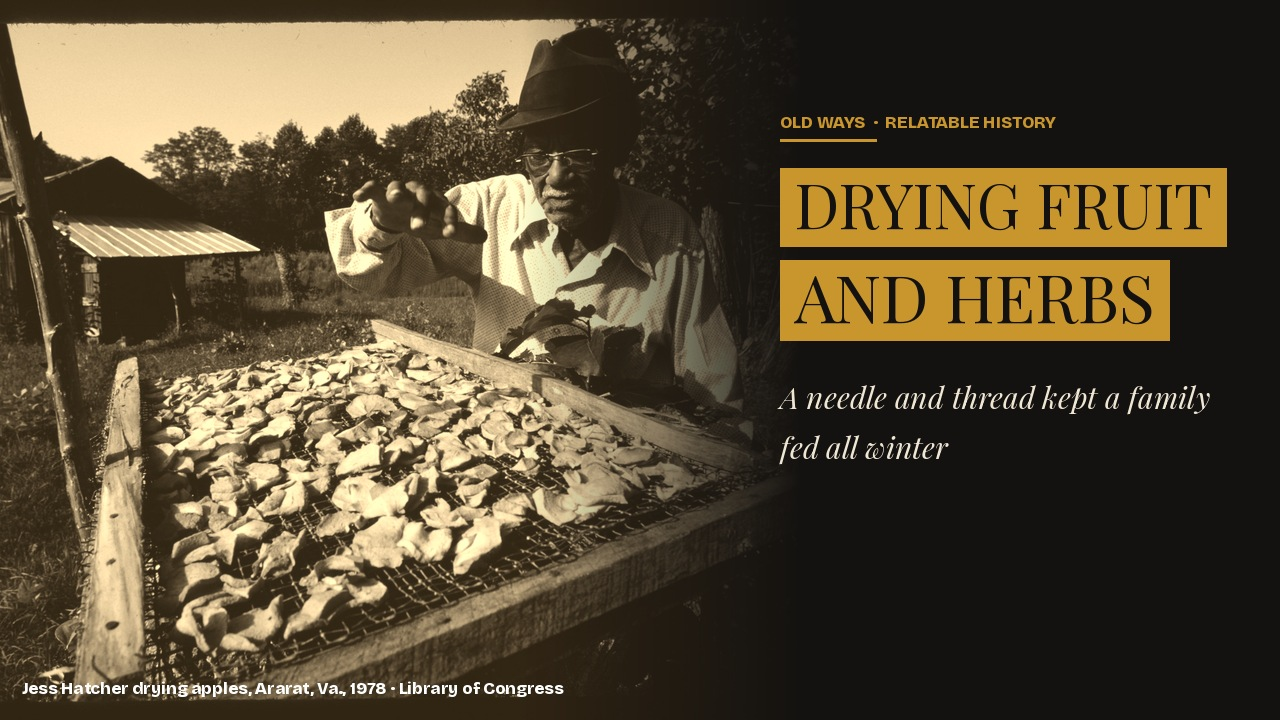
How Home Food Drying Fed American Farms for 150 Years
Before refrigeration, drying was how a farm survived winter on its own harvest. It also became an export industry, a wartime program, and, twice, a subject of federal instruction.