
How people lived and worked before electricity: springhouses, root cellars, ice harvests, flax brakes and the everyday skills that kept a household running. Each Old Ways story comes as a short video and, for most topics, an in-depth article.
Each story below is the full, sourced article and includes its video. Just want to watch? See every Old Ways video →
-
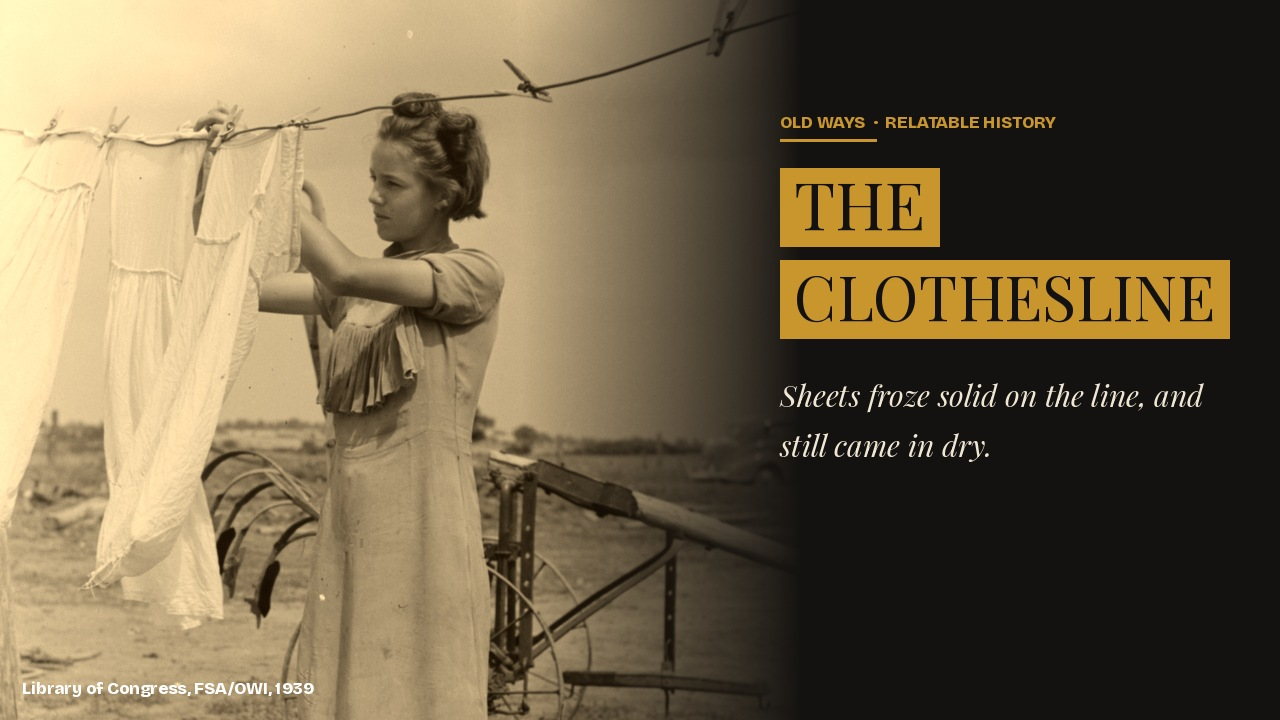
The Clothespin Patent History Behind America’s Favorite Free Dryer
A hundred and forty-six patents were filed for a stick with a spring. Inside the rivalry, the science and the law that grew up around the household’s original dryer.
-
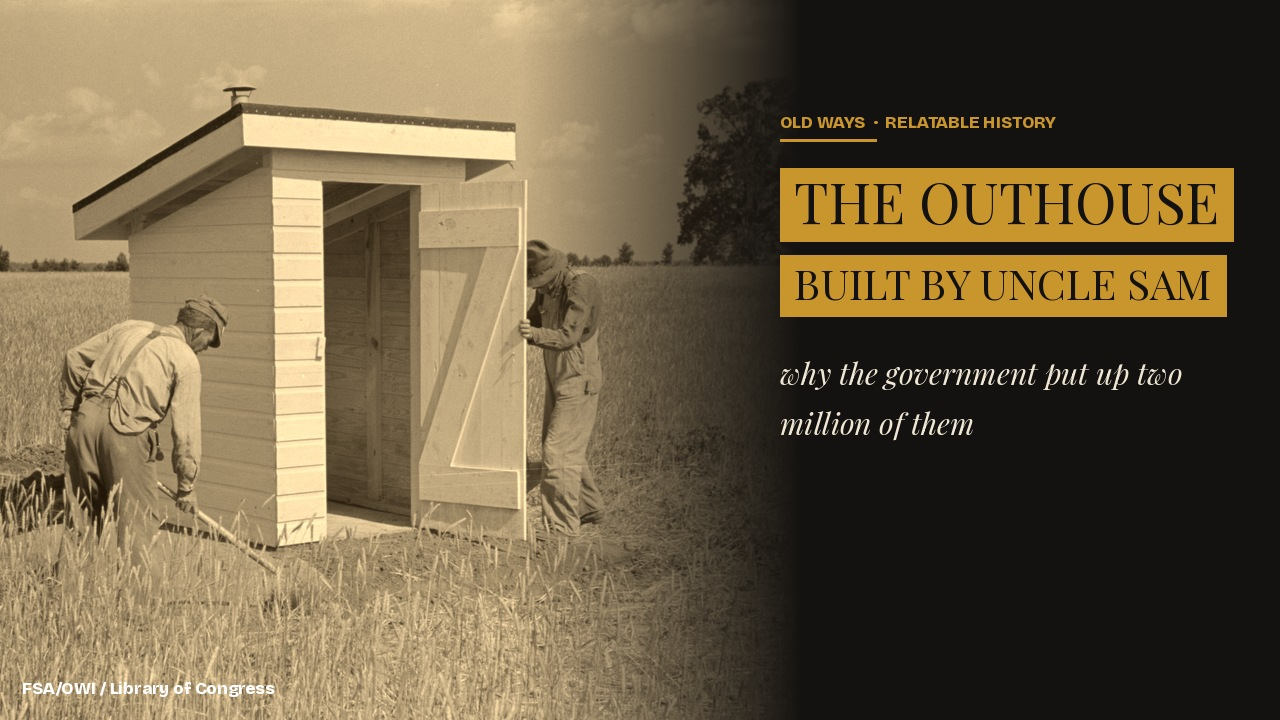
The WPA Sanitary Privy Program That Built Two Million Outhouses
Between 1933 and 1945, federal work crews built 2.3 million concrete outhouses across rural America on purpose, as a public health program. Here is how the sanitary privy actually worked.
-
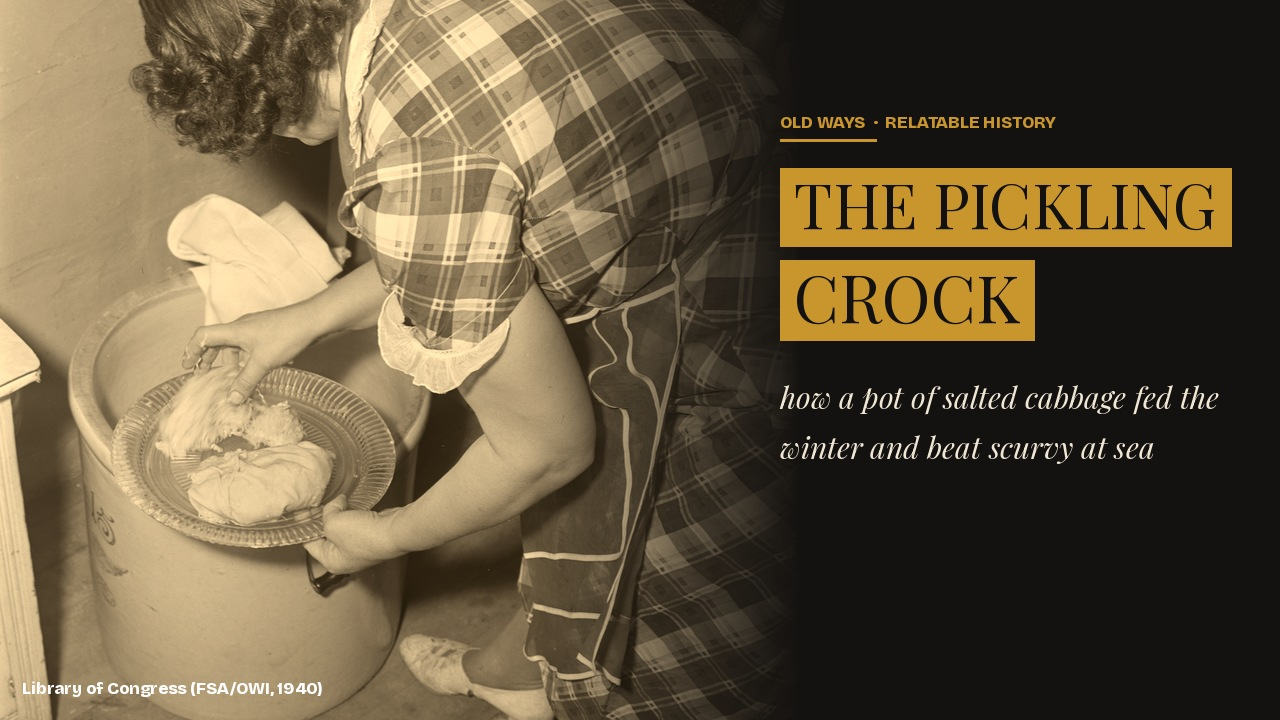
The Chemistry Inside a Sauerkraut Crock, and Why It Actually Works
A crock, a sack of salt and a few weeks of patience turned raw cabbage into a food that would not spoil and would not make anyone sick. The reason it worked is stranger than the recipe.
-
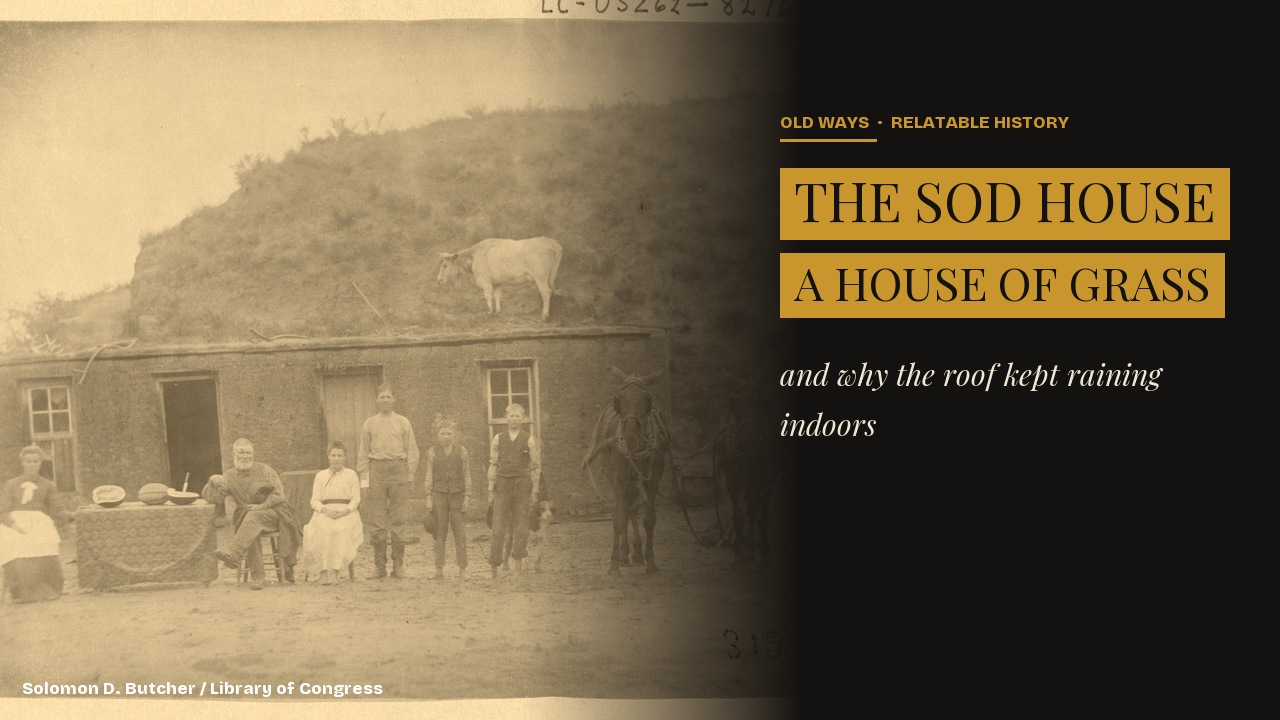
How Sod Houses Were Built on the Nebraska Prairie: The Construction, the Homestead Act, and the Life Inside
The Homestead Act gave settlers 160 free acres and required a house on them. With no timber for fifty miles, they built one out of the prairie itself. Here is how a sod house was actually cut, stacked, and lived in.
-
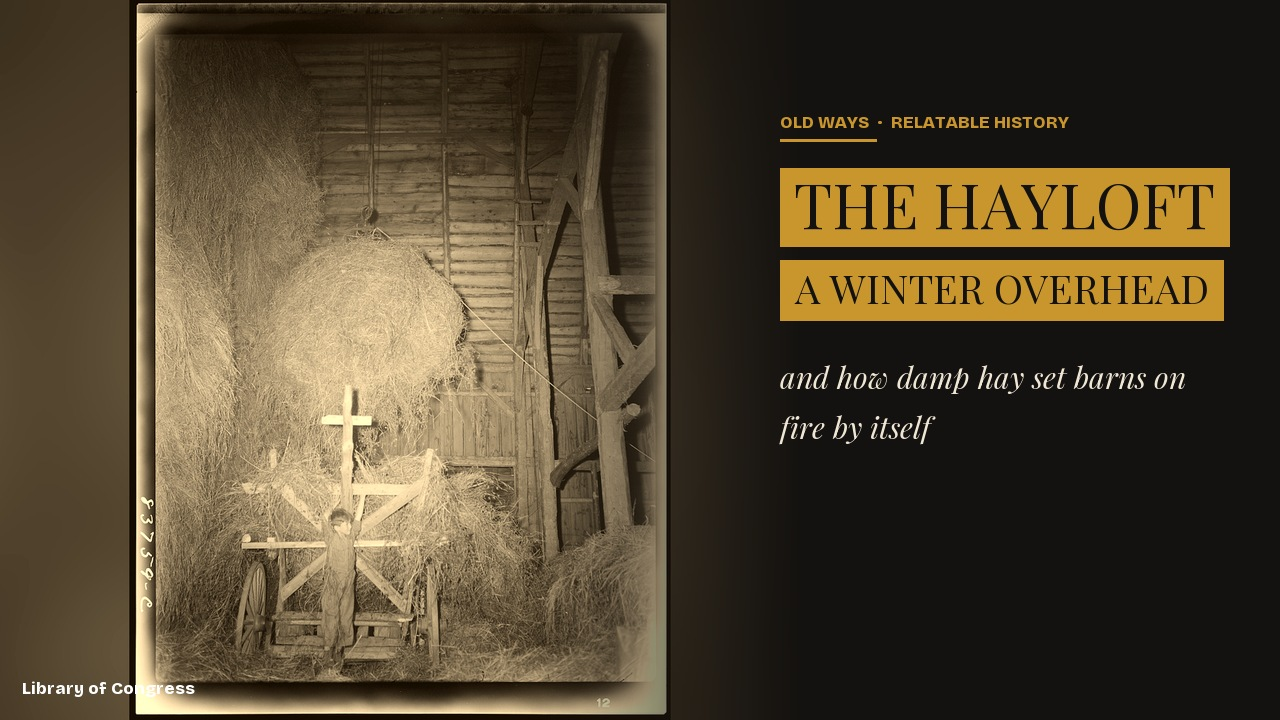
How One Farmer’s Patent Rebuilt the American Barn
A single 1867 patent let American barns double their storage for free. It also could not solve the other problem: hay packed too damp will heat itself past the point of catching fire on its own.
-
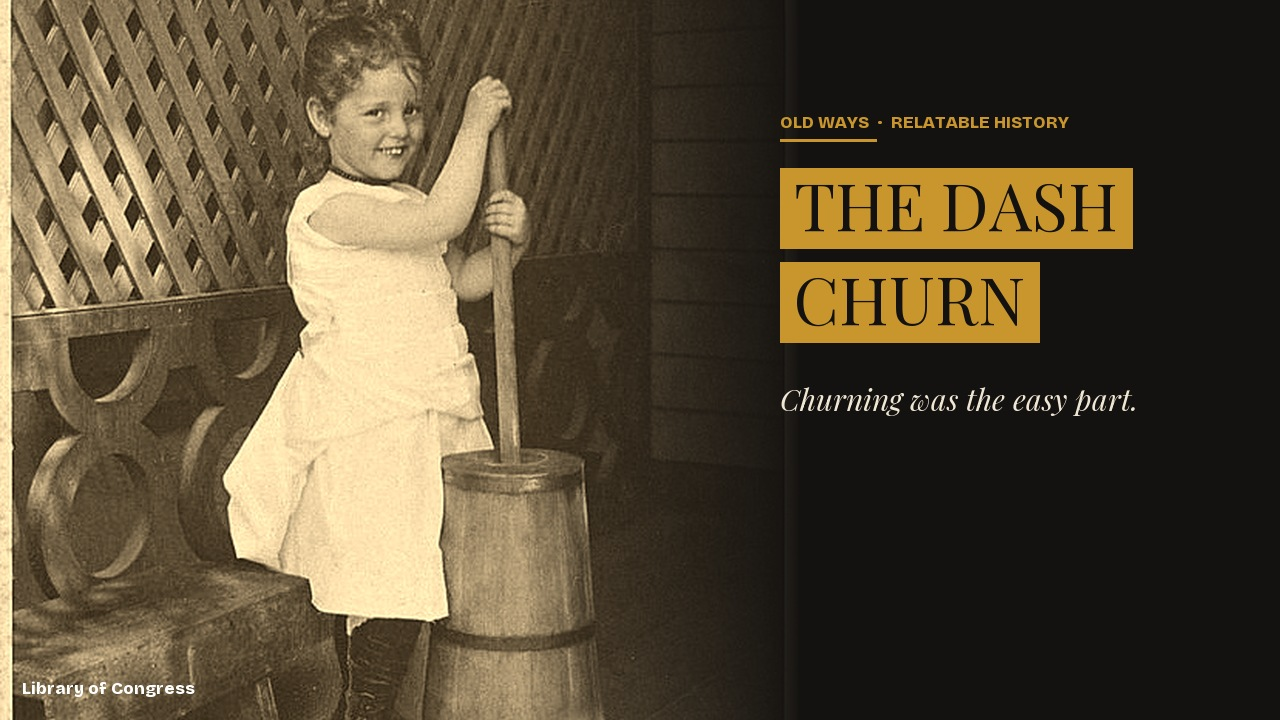
Butter and Egg Money: How Farm Wives Financed the Household
Long before women could easily hold a bank account in their own name, a great many of them held a butter crock. Here is how butter and egg money worked, and what the dairy industry did to protect it.
-
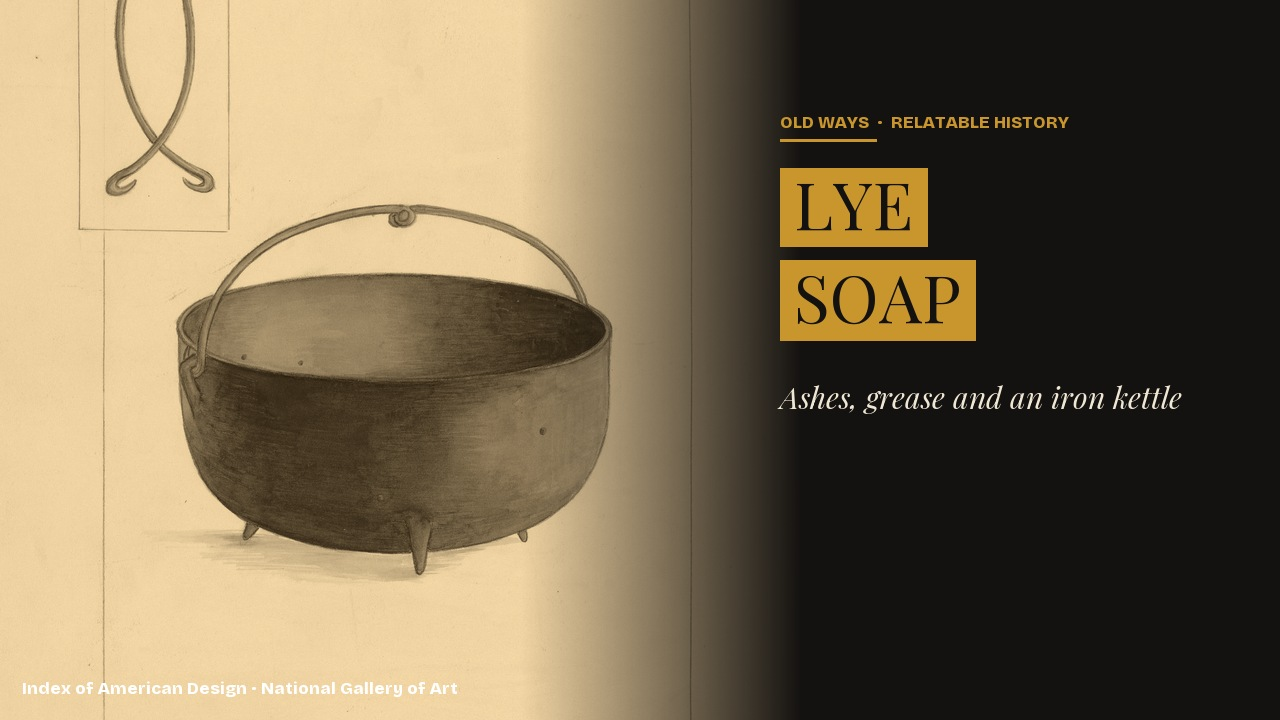
The Farm Soap That Almost Never Hardened Into a Bar
Most homemade soap never hardened into a bar at all — it stayed a soft jelly in a crock. Here is the ash-hopper chemistry, the colonial trade, and the industries that twice tried to kill it.
-
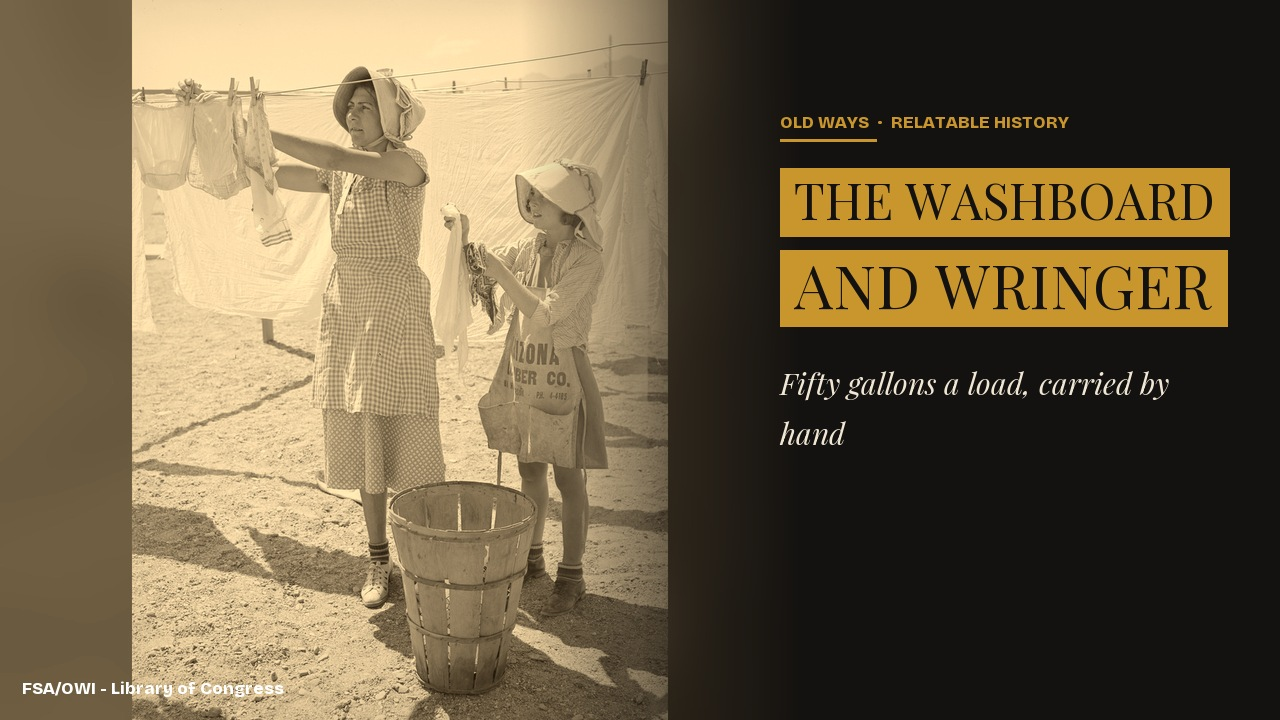
The Contested History Behind Blue Monday Washday
For close to a century, Monday had a color. The argument over why is more interesting than the folk explanation most people repeat.
-
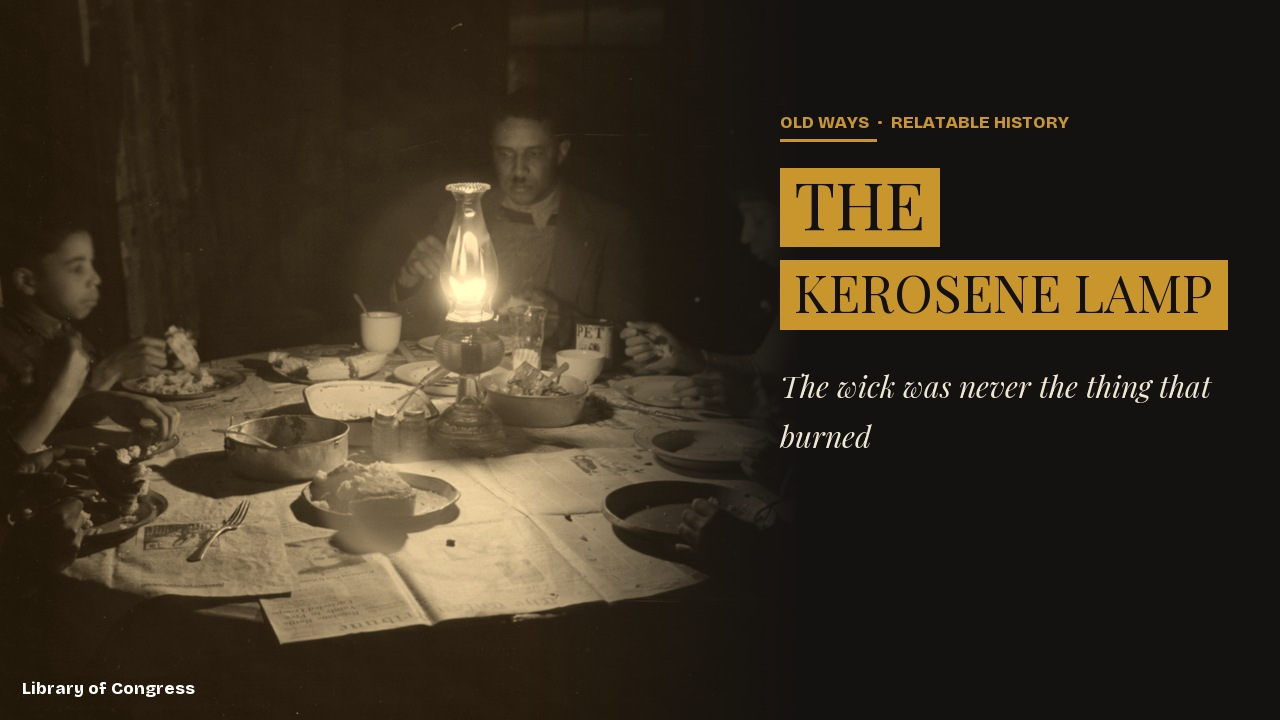
How Kerosene Lamps Actually Worked (And Sometimes Exploded)
A kerosene lamp doesn’t burn its wick — it burns vapor drawn up through it. That chemistry lit rural America for ninety years, and for decades the fuel sold to power it was only as safe as the refiner selling it.
-
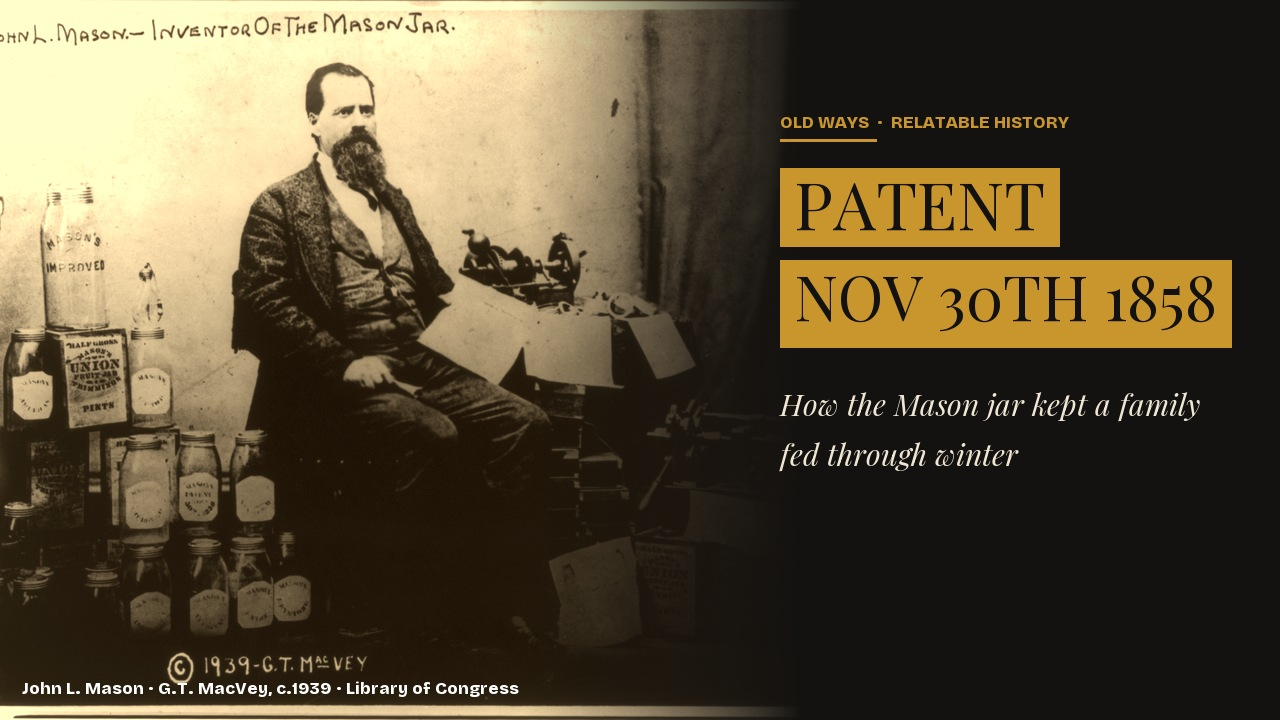
Water Bath vs Pressure Canning: Why the 240-Degree Difference Exists
A sealed jar looks the same whether it is safe or not. Here is the science, and the history of learning it the hard way, behind which foods only need boiling water and which ones need real pressure.