In-depth, sourced articles behind every Relatable History video, with works cited, images and further reading.
Every article is fully sourced and includes its video. Just want to watch? Browse all videos →
-
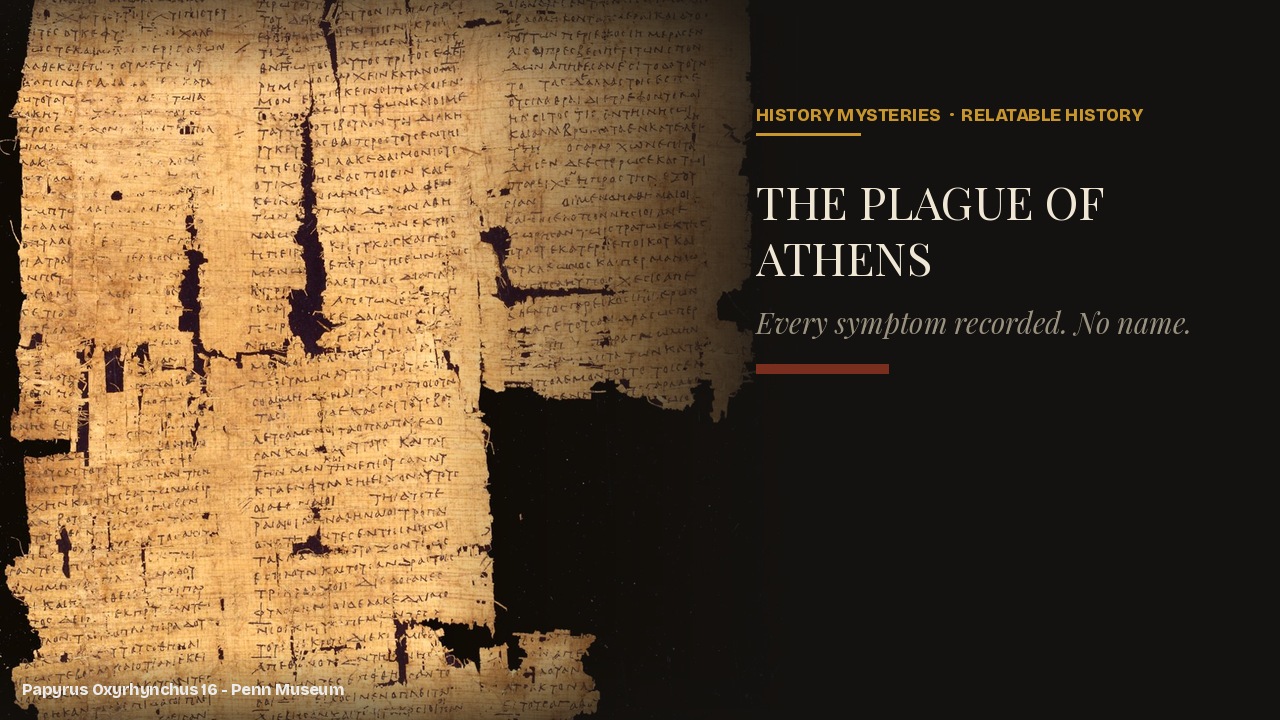
What Caused the Plague of Athens? The Argument Never Ended
Thucydides wrote down every symptom so a future outbreak could be recognised. Twenty-four centuries, a DNA test, and a 2026 journal exchange later, no diagnosis has survived unchallenged.
-
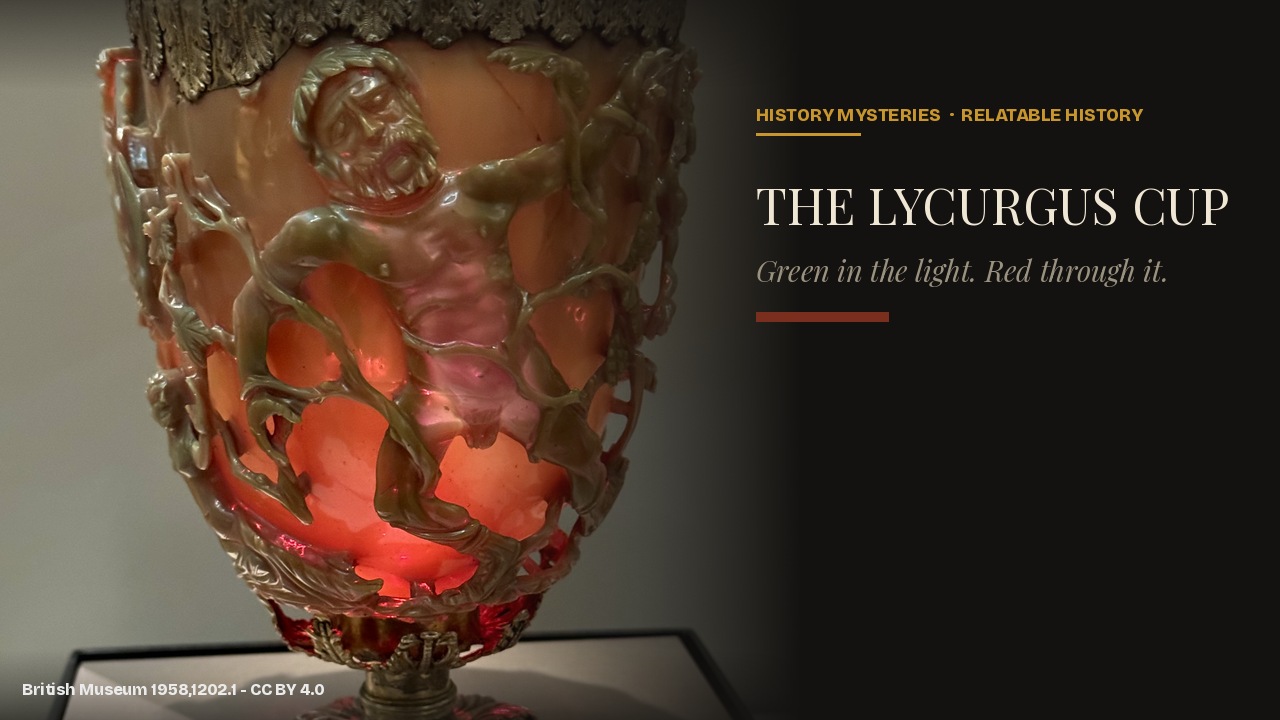
Why the Lycurgus Cup Turns From Green to Red
A fourth-century Roman cup changes color depending on where the light comes from. The chemistry took sixteen centuries to explain. The craftsmanship is still a mystery.
-
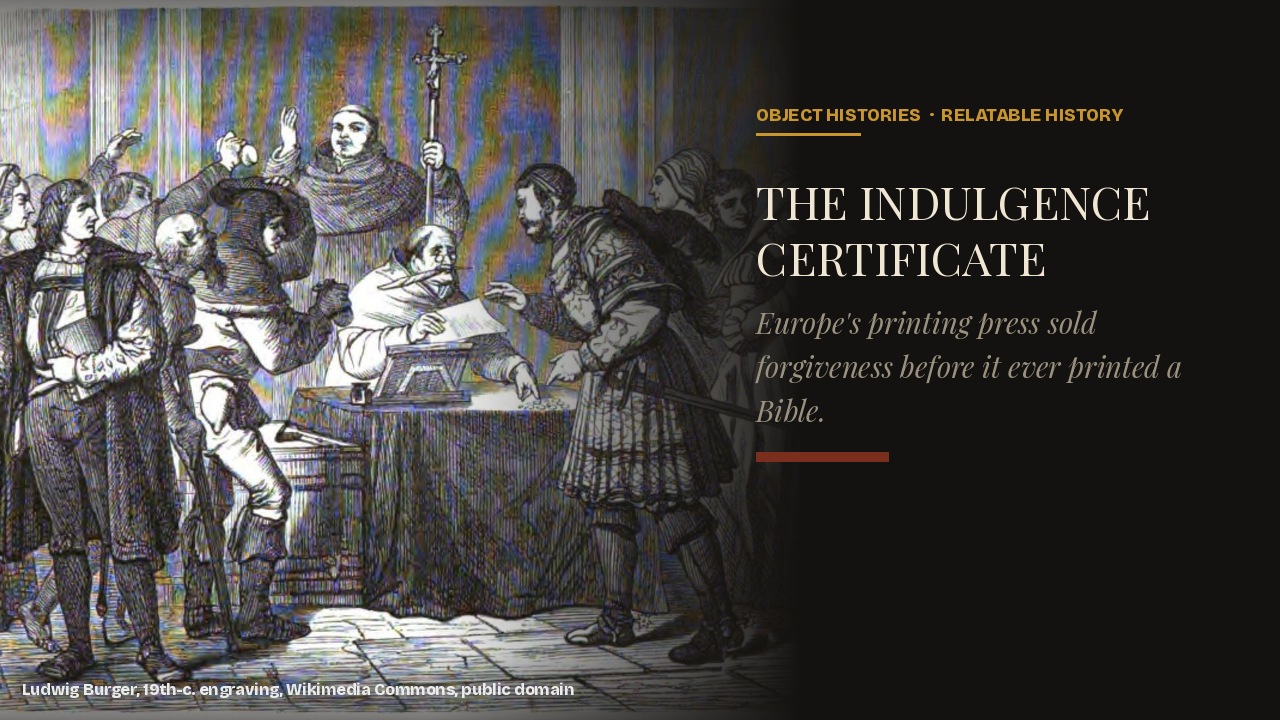
How Indulgence Certificates Worked, and Why One Caused a Reformation
A printed form, an archbishop’s debt, and one monk’s objection: the full mechanics of the indulgence certificate, and why Rome eventually banned selling it.
-
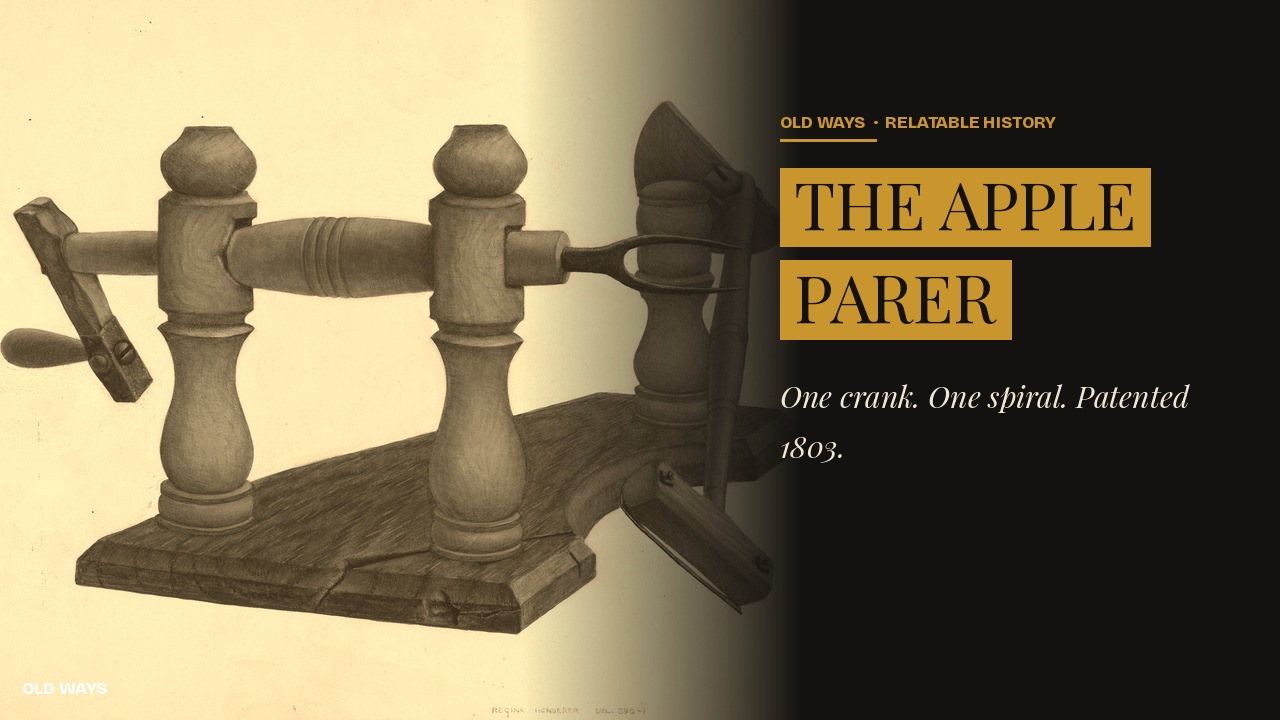
How the Apple Parer Worked, and Who Actually Invented It
Moses Coates patented his apple-paring machine in 1803 and wrote to Thomas Jefferson about it. The reply that actually survives says something different from the legend.
-

What the Declassified Tehran UFO Documents Actually Say
A three-page government file, an evaluation form marked “high value,” and a dry lake bed with nothing on it. Here is what the declassified Tehran UFO report actually contains, and what it leaves out.
-
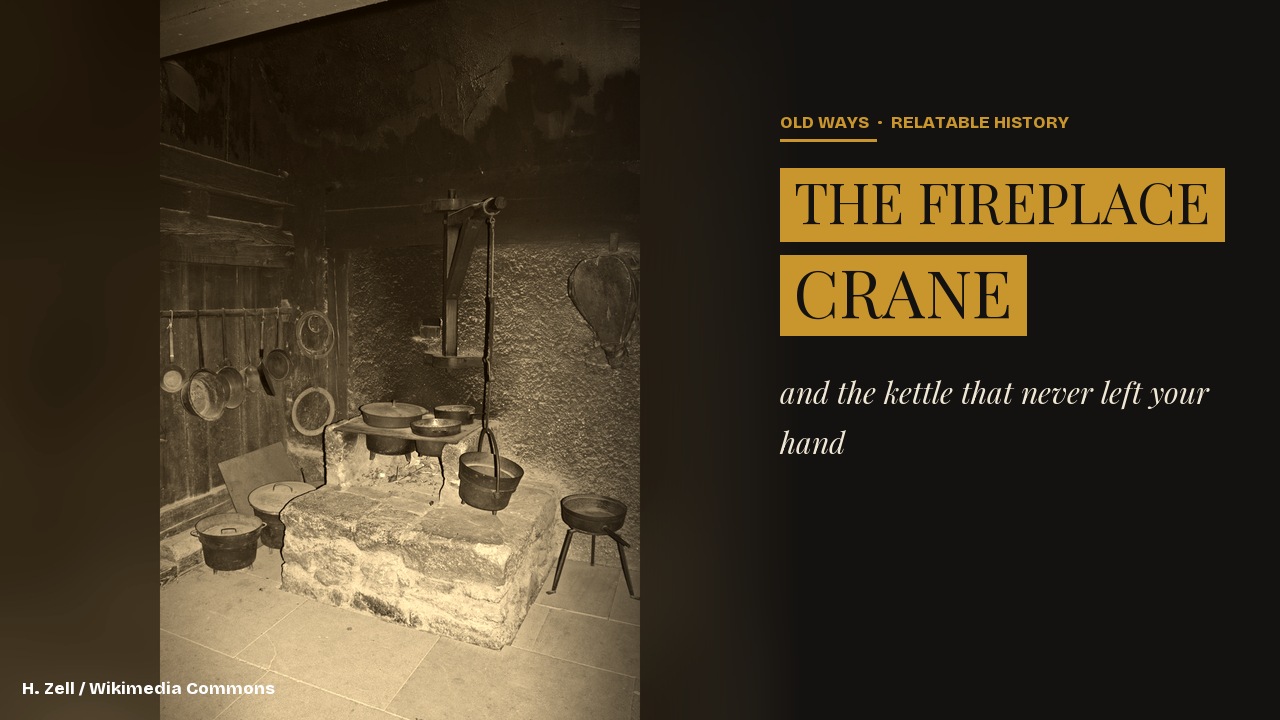
How a Fireplace Trammel Worked in a Colonial Kitchen
The crane got the swinging arm, but the trammel did the real work: a notched or ratcheted iron hook that let a cook dial in heat over open flame with no thermostat at all.
-
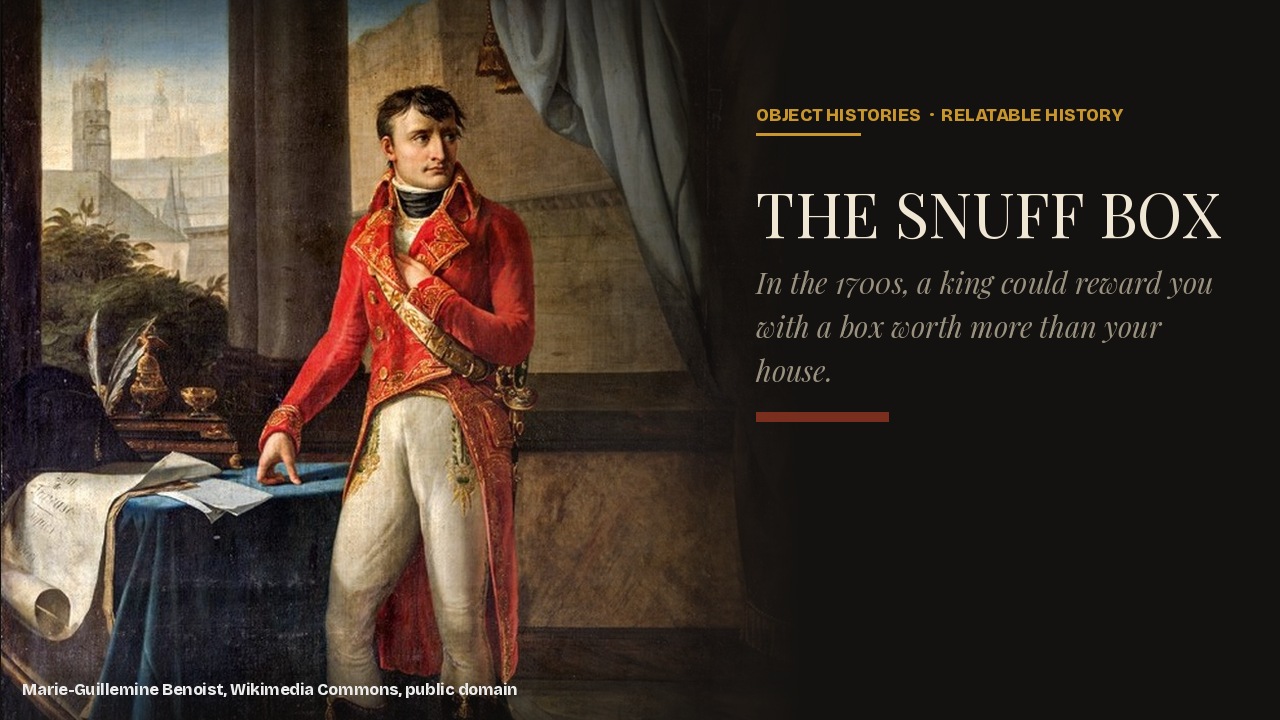
How Snuff Boxes Became the Currency of 18th-Century Courts
A gold snuff box could stand in for a medal, a bribe, or a salary. Here is how an object the size of a deck of cards became one of the eighteenth century’s real instruments of diplomacy.
-
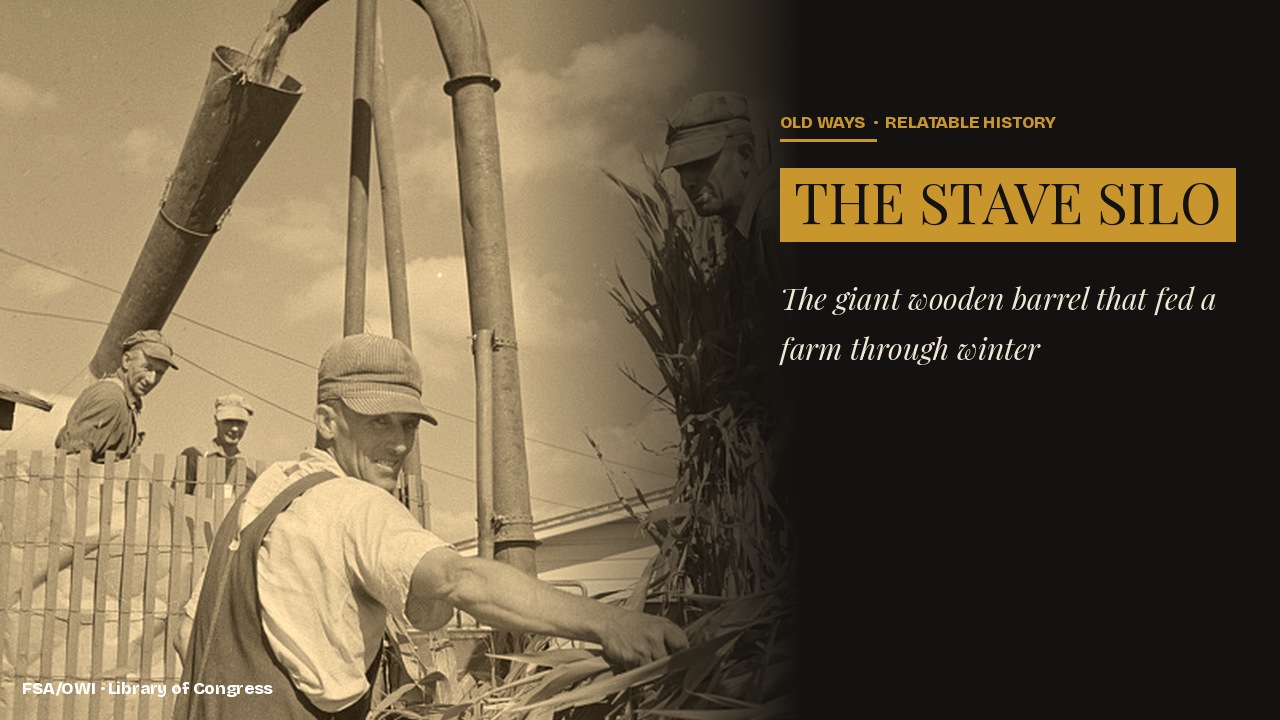
How Stave Silos Worked: Turning Green Corn Into Winter Feed
Farmers once built fifty-foot wooden barrels just to make their corn rot on purpose. Here’s how a stave silo actually worked, who gets credit for inventing it, and why none are built today.
-
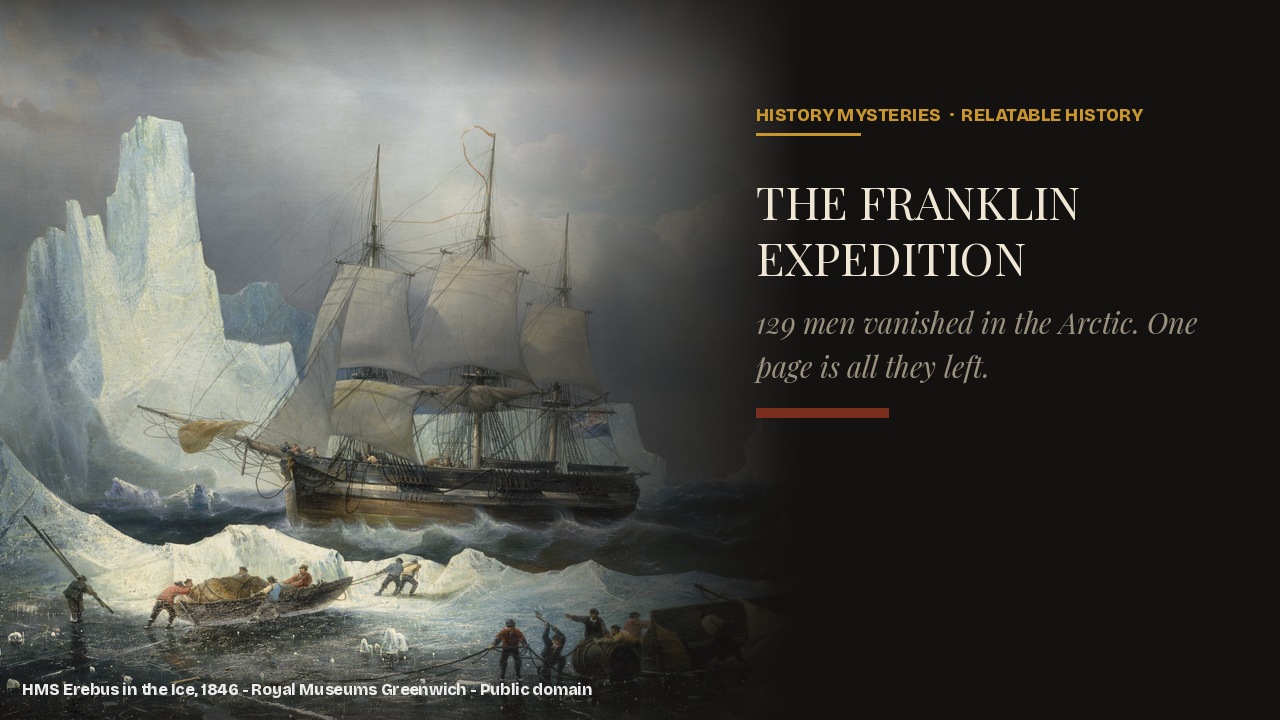
What Actually Killed the Franklin Expedition’s Crew
A single page recovered in 1859 is the only written word the expedition left behind. Everything else — including what finally killed its last survivors — had to be dug up, translated from Inuit testimony, or found on the seafloor.
-
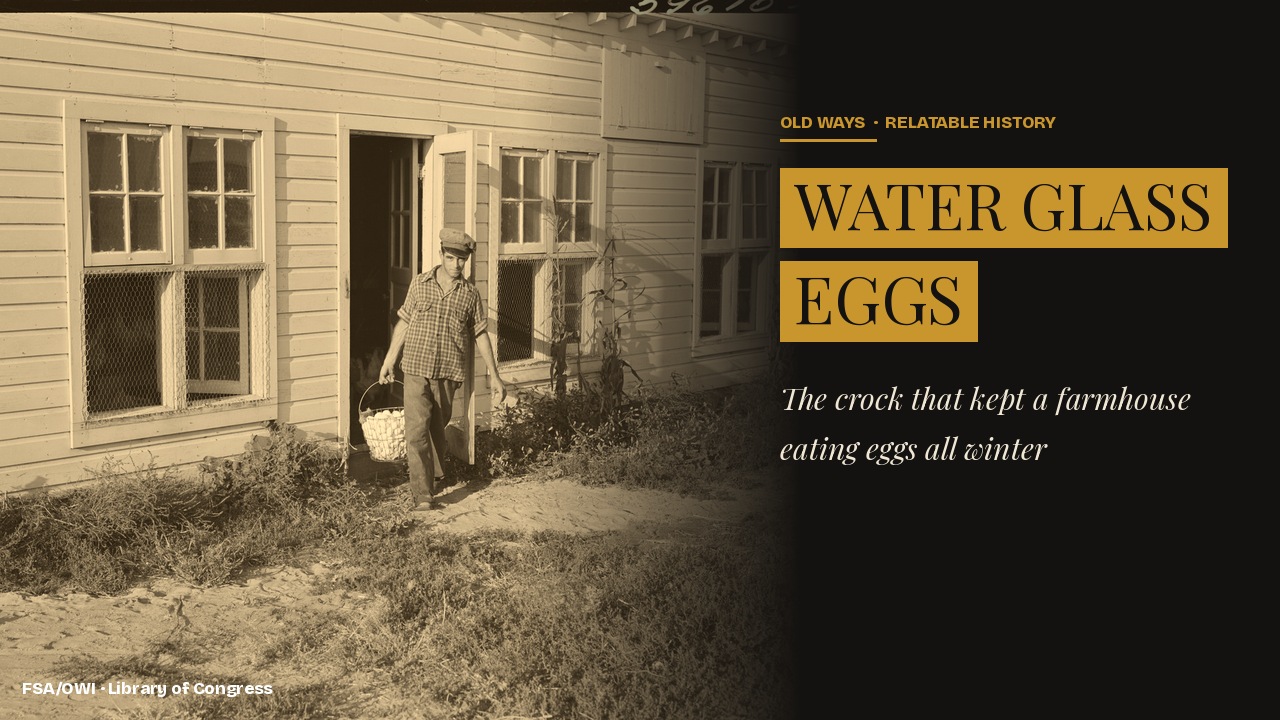
Is Water Glassing Eggs Actually Safe? What a Century of Science Found
A Scottish university chemist proved eggs could survive four years in a jar of liquid glass. A century later, food scientists found the reason you still should not try it today.