
In-depth, sourced articles behind every Relatable History video, with works cited, images and further reading.
Every article is fully sourced and includes its video. Just want to watch? Browse all videos →
-
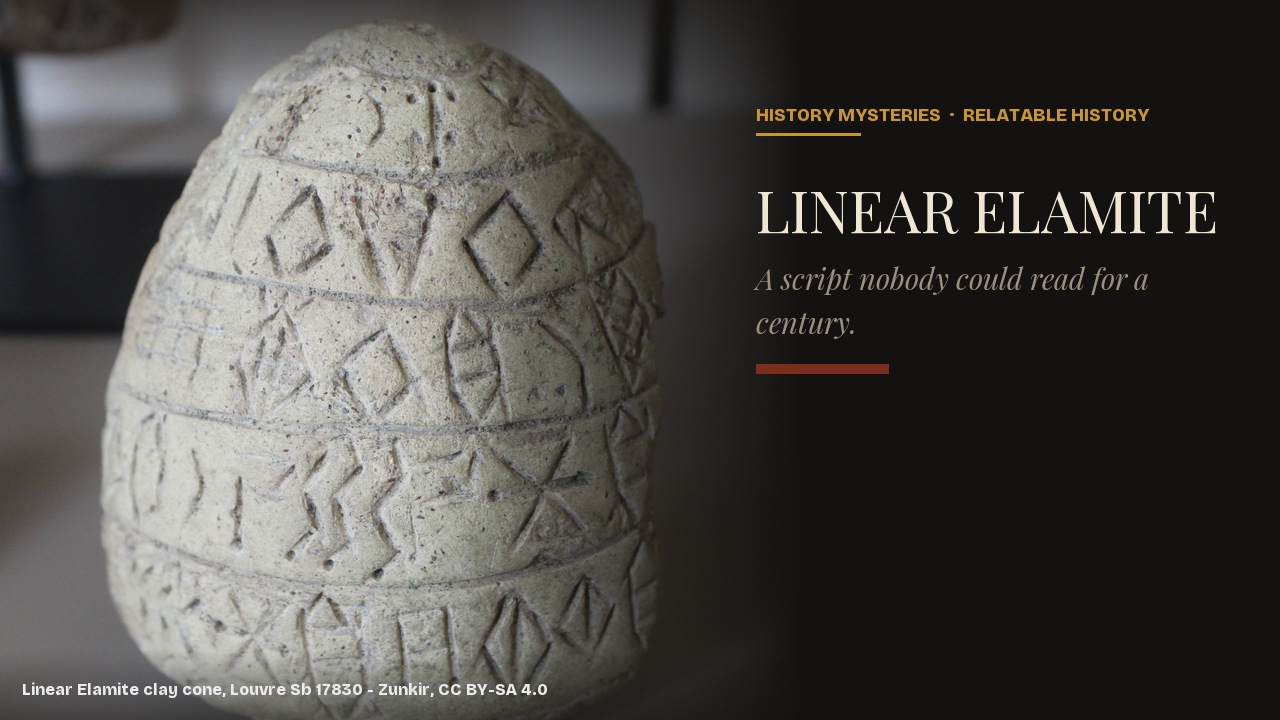
Linear Elamite’s Decipherment Evidence Has a Provenance Problem
The vessels that unlocked Linear Elamite were never excavated. One owner staged a burglary of his own collection for insurance money; a second inscription was seized by Norwegian police.
-
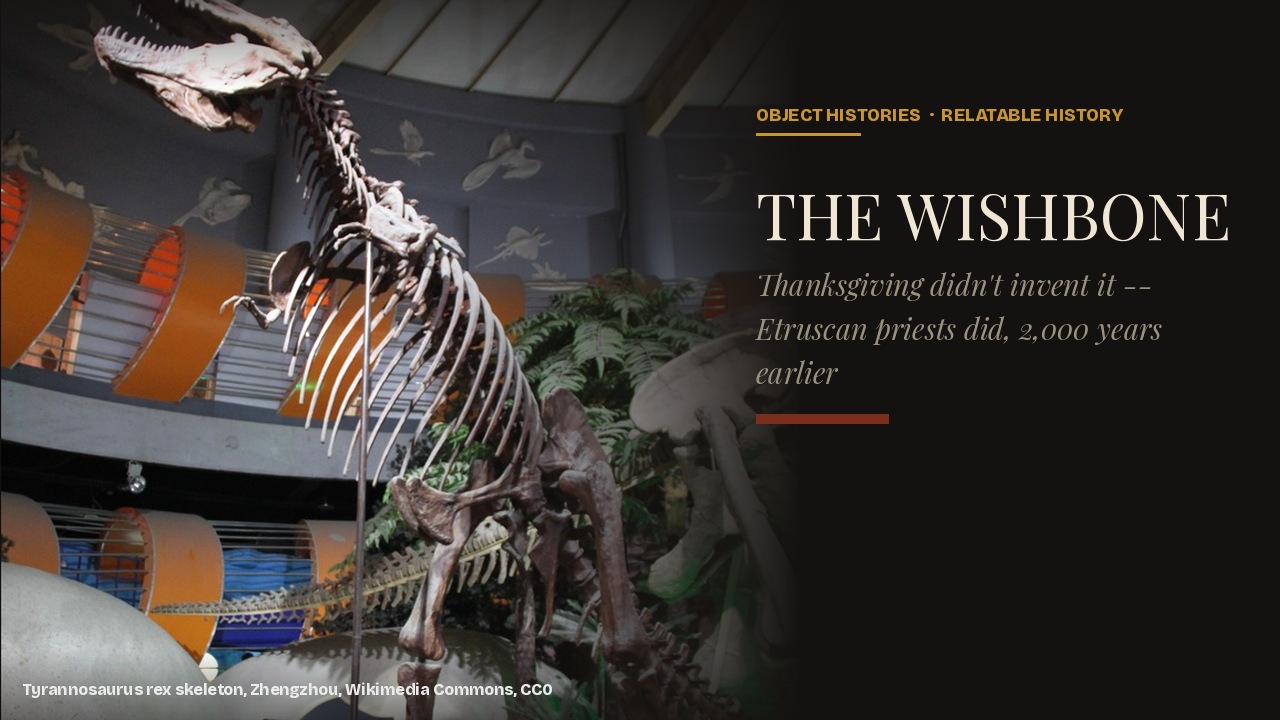
The Furcula: The Science and Superstition Behind the Wishbone
A Roman commander once threw sacred chickens overboard rather than listen to them. Centuries later, their forked chest bone would help settle an argument about where birds really come from.
-
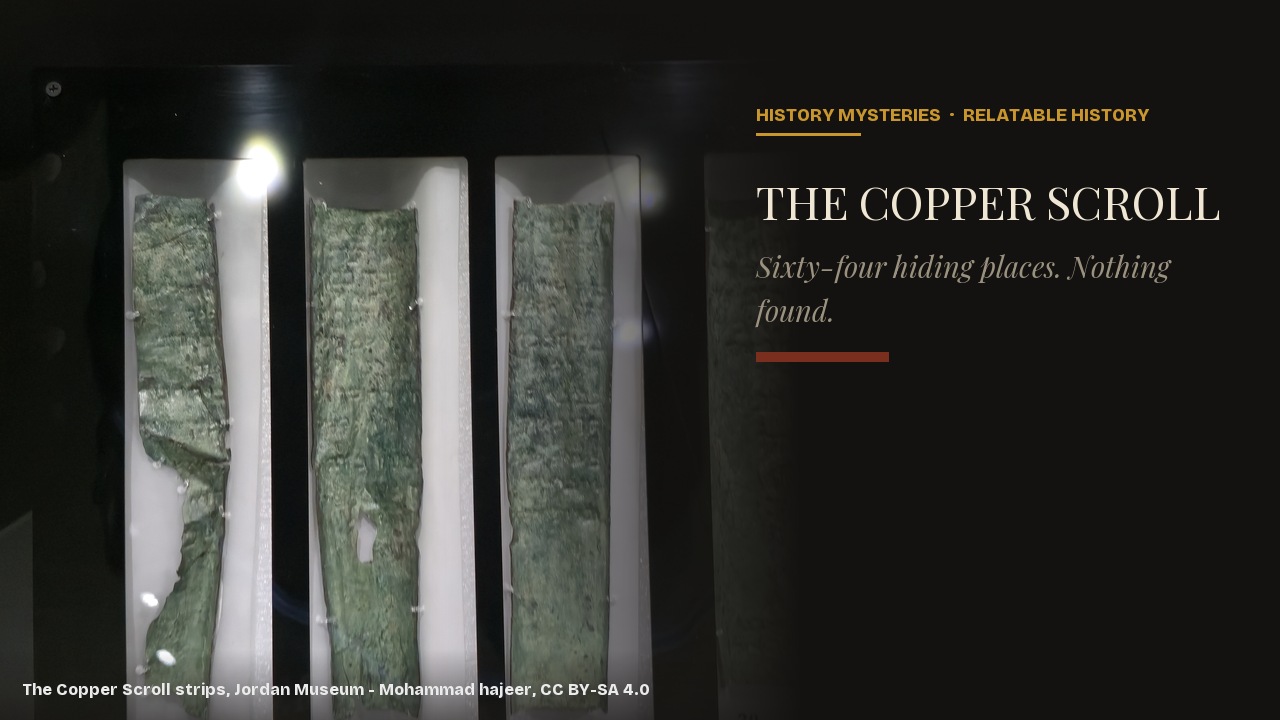
The Copper Scroll Treasure Map: What Sixty-Four Lost Hoards Say
One of the Dead Sea Scrolls isn’t scripture at all. It’s an inventory of buried treasure, hammered into metal so it would outlast every reader who might have used it.
-

What Finding a Red Ear of Corn Actually Meant at a Husking Bee
The red ear everyone remembers from a husking bee came with its own policing, its own cheating scandals, and — on at least one recorded occasion — a very different ending.
-
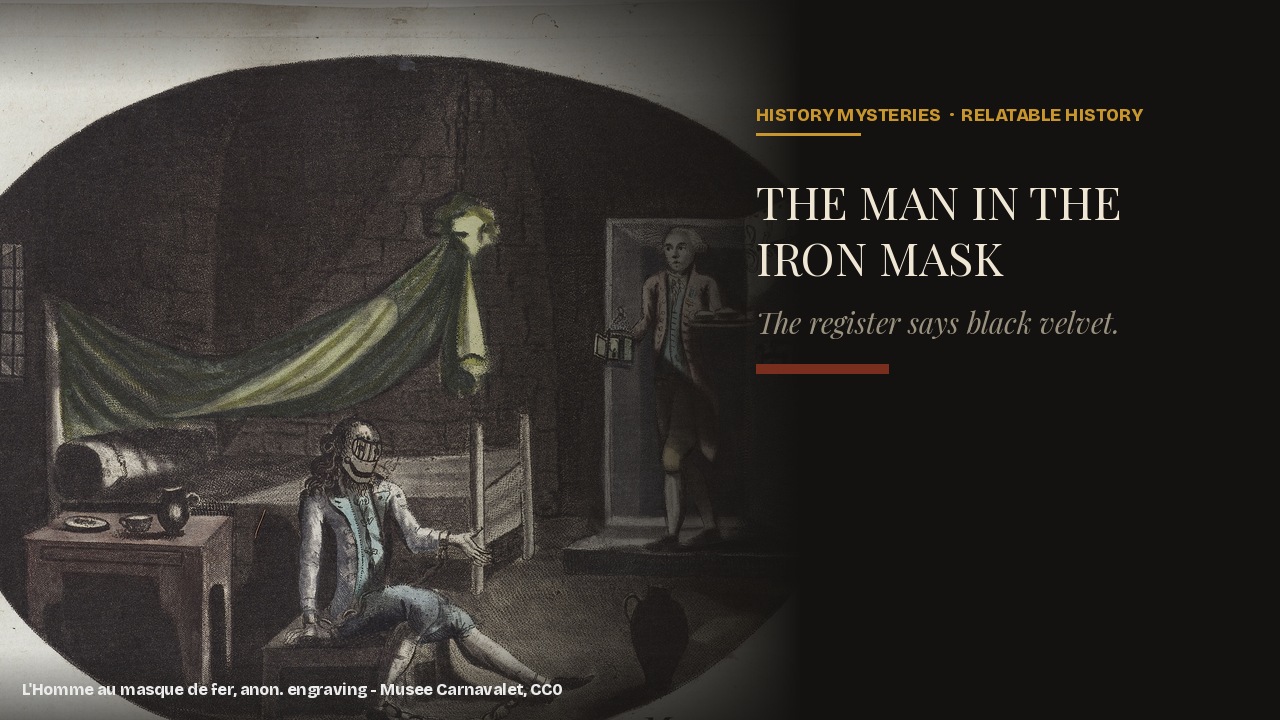
Who Was the Man in the Iron Mask?
He spent thirty-four years masked under one jailer’s custody, and nobody who held him in custody ever wrote down why. Here’s what the surviving paperwork actually supports.
-
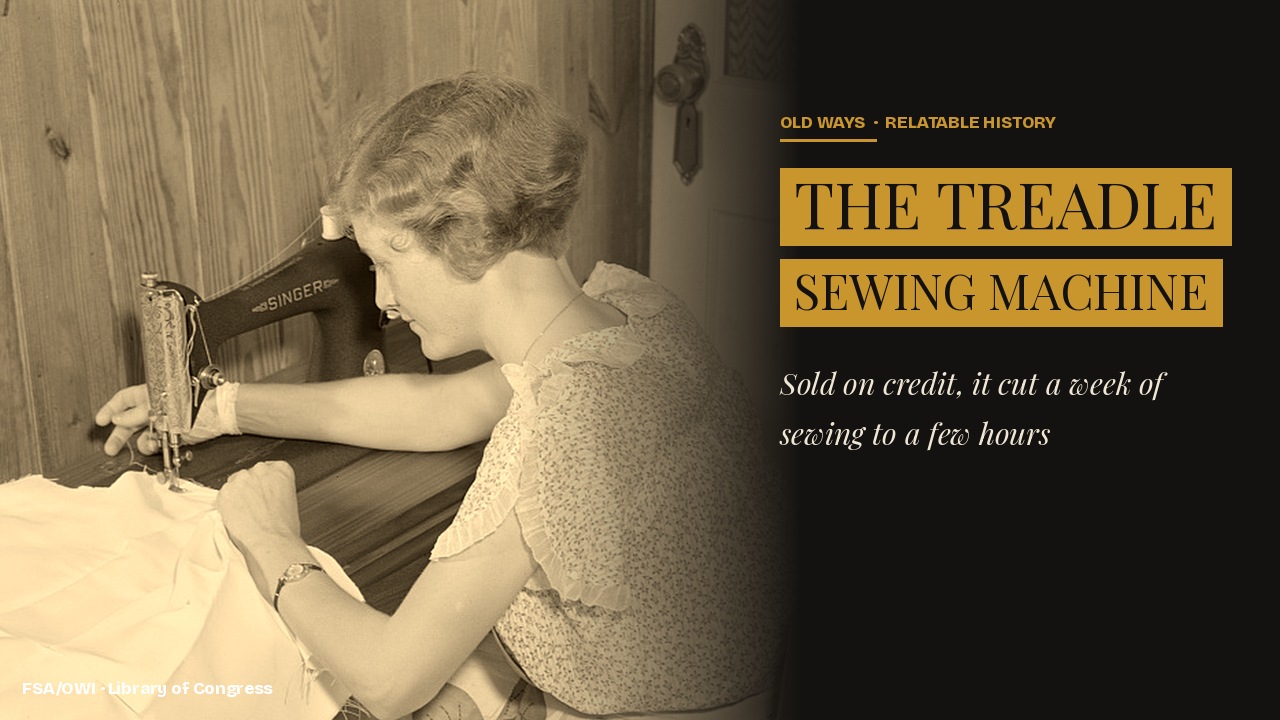
How the Sewing Machine Installment Plan Put One in Every Farmhouse
A hand-sewn shirt took about fourteen hours; the same shirt on a machine took about one. Almost nobody could pay for the machine outright, though — so a lawyer named Edward Clark invented a way to sell it anyway.
-
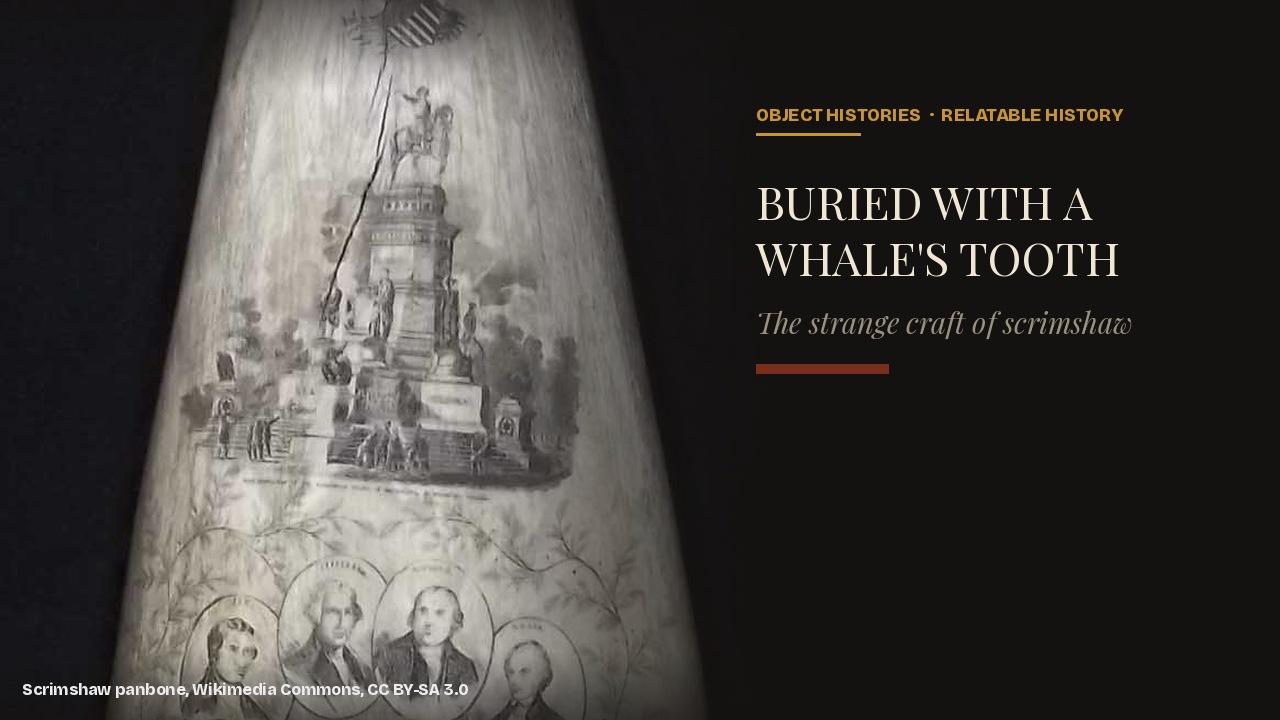
How Scrimshaw Was Made, From Whale’s Tooth to Keepsake
A whale’s tooth sat in Greta Garbo’s keeping for thirty-six years before anyone traced it back to the Oval Office — and tracing it is most of what there is to know about how scrimshaw survived.
-
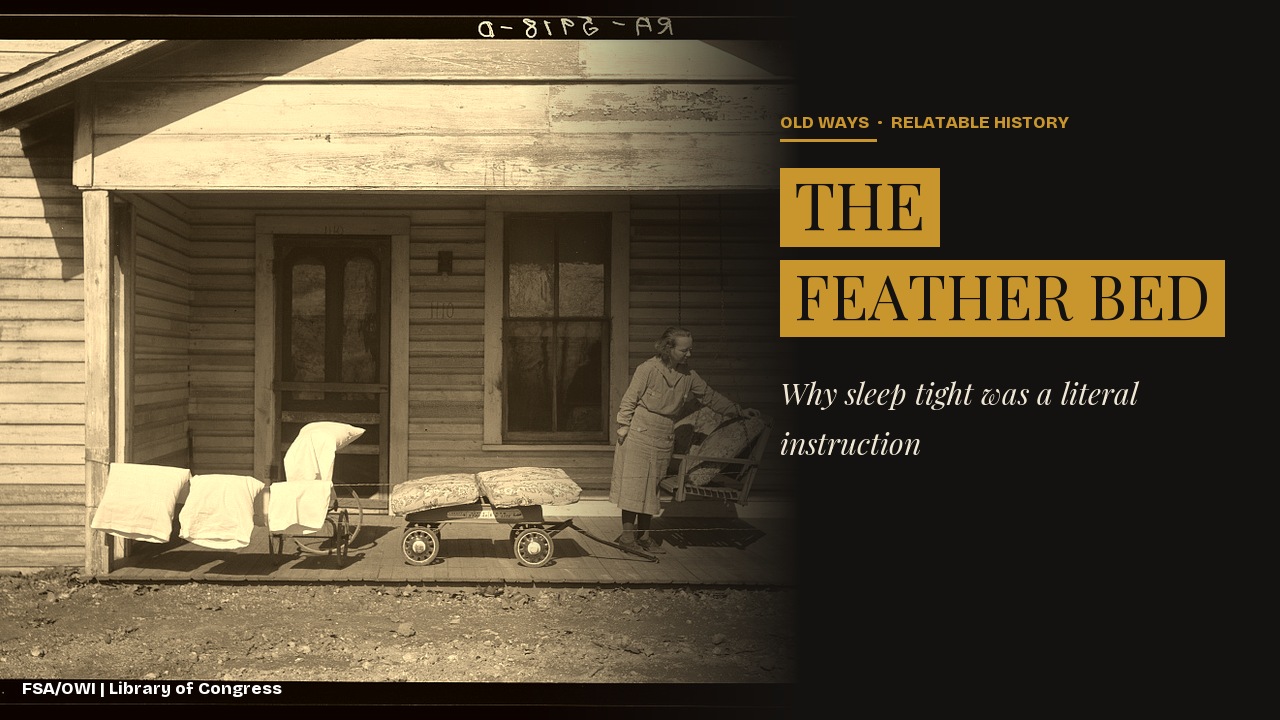
How Much a Feather Bed Was Worth, in Pounds and Shillings
A feather bed could be worth more than a family’s furniture, linens, and Sunday clothes combined — and, centuries later, turned out to carry a lung disease nobody had a name for.
-
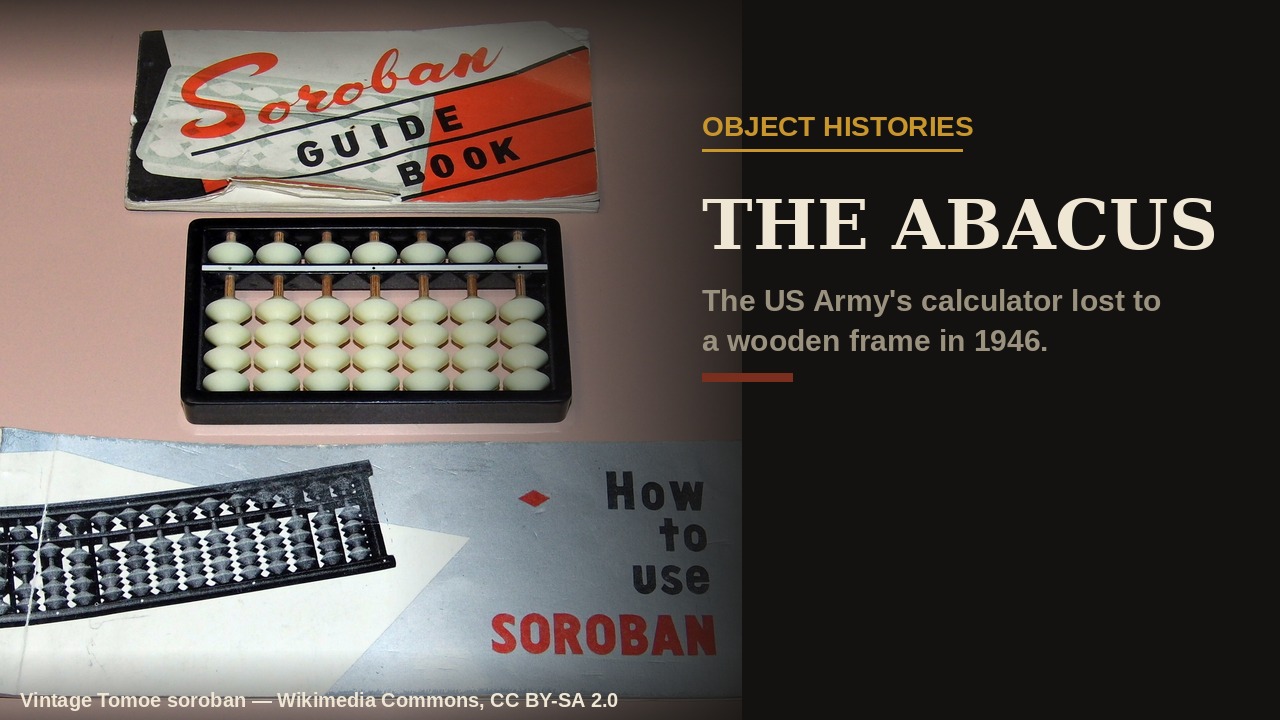
How an Abacus Actually Works, Bead by Bead
An abacus runs on a simple trick with beads and complements — simple enough that a trained operator beat a U.S. Army calculator in 1946, and sturdy enough that a version built for blind readers is still manufactured today.
-
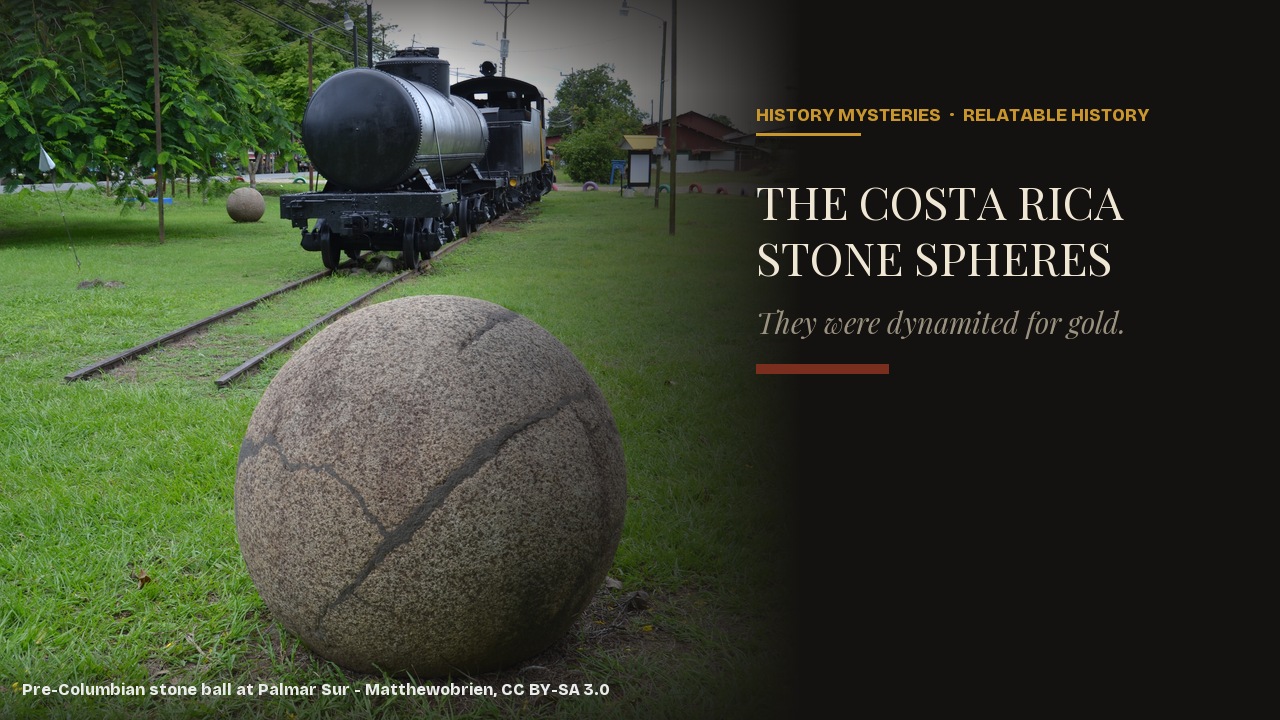
What Costa Rica’s Stone Spheres Were Actually For
Only about a dozen of Costa Rica’s three hundred stone spheres are still where they were originally placed. That is not much evidence, but it is almost everything archaeologists have.