
In-depth, sourced articles behind every Relatable History video, with works cited, images and further reading.
Every article is fully sourced and includes its video. Just want to watch? Browse all videos →
-
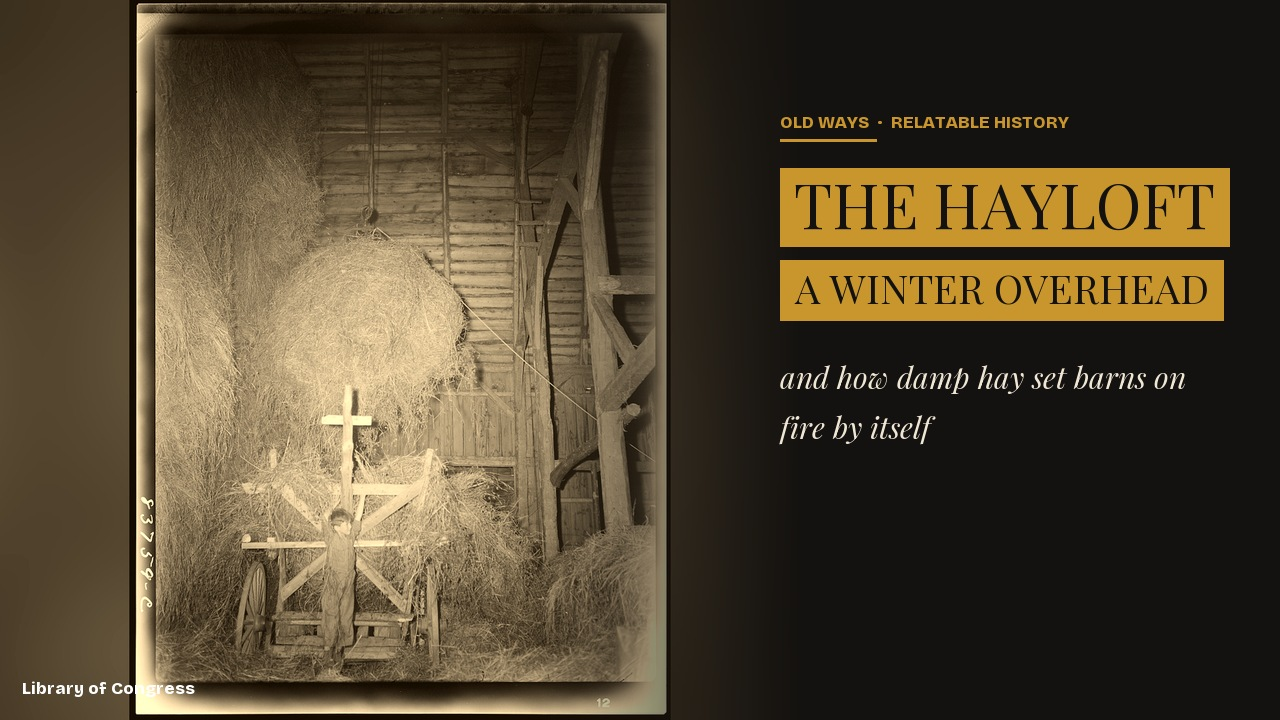
How One Farmer’s Patent Rebuilt the American Barn
A single 1867 patent let American barns double their storage for free. It also could not solve the other problem: hay packed too damp will heat itself past the point of catching fire on its own.
-
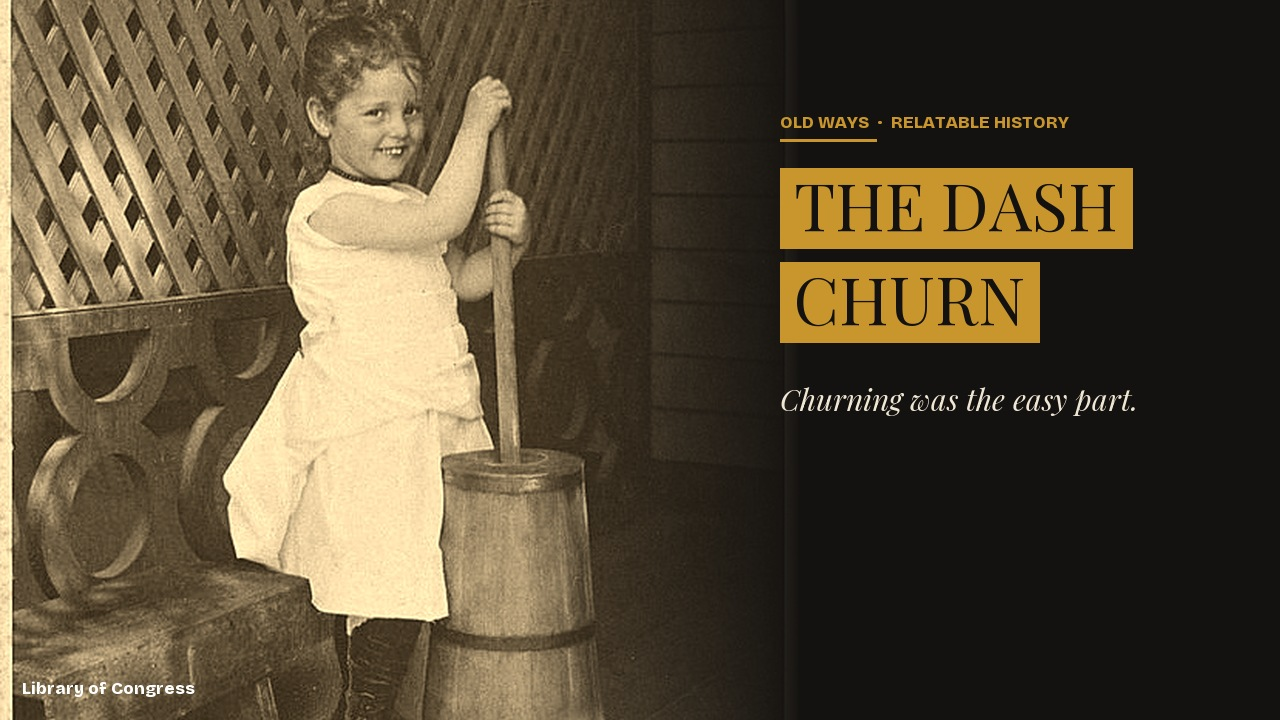
Butter and Egg Money: How Farm Wives Financed the Household
Long before women could easily hold a bank account in their own name, a great many of them held a butter crock. Here is how butter and egg money worked, and what the dairy industry did to protect it.
-
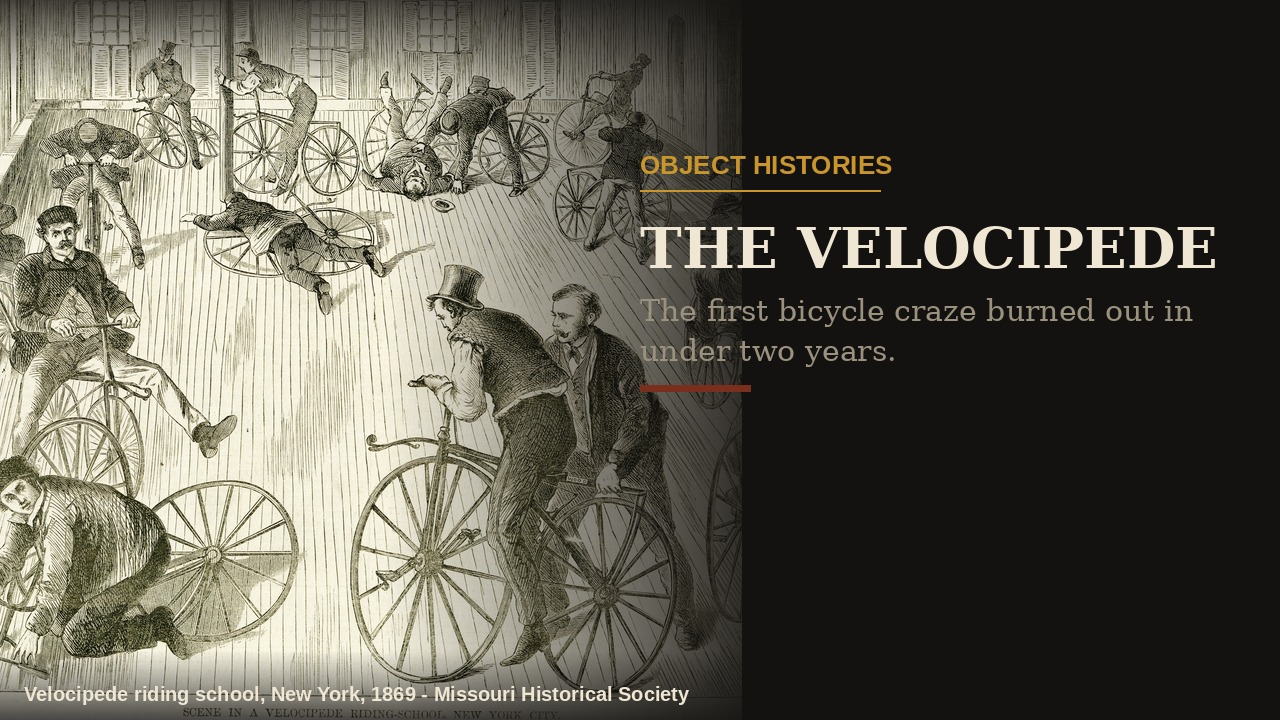
Why the World’s First Bicycle Craze Collapsed in Eighteen Months
For about eighteen months, everyone wanted a velocipede. Riding academies opened by the dozen, races drew crowds, and then, almost as fast, the whole craze went bust.
-
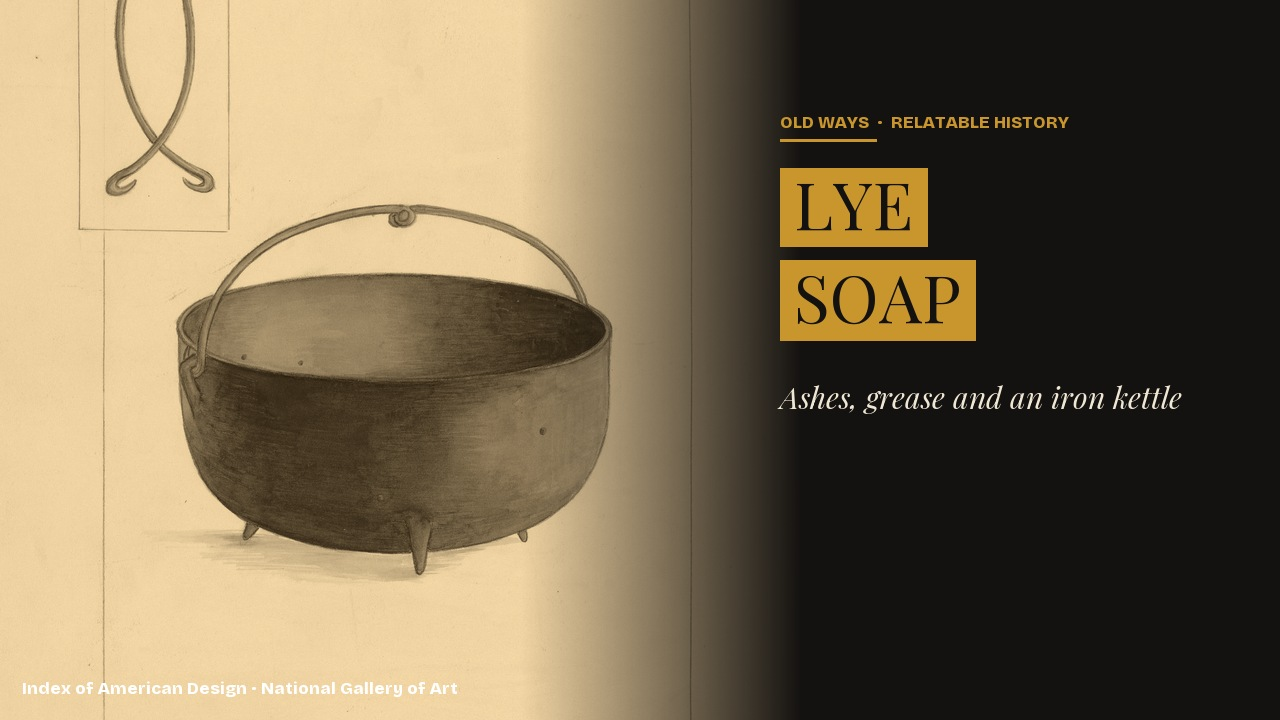
The Farm Soap That Almost Never Hardened Into a Bar
Most homemade soap never hardened into a bar at all — it stayed a soft jelly in a crock. Here is the ash-hopper chemistry, the colonial trade, and the industries that twice tried to kill it.
-
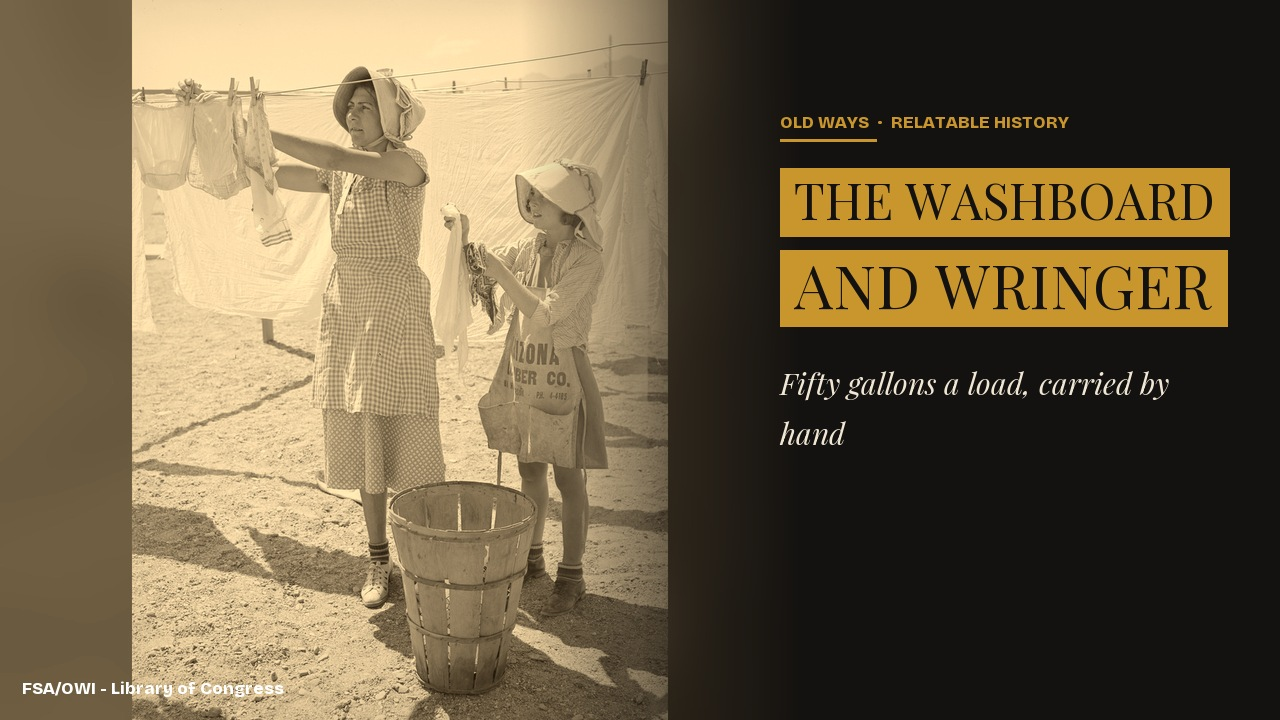
The Contested History Behind Blue Monday Washday
For close to a century, Monday had a color. The argument over why is more interesting than the folk explanation most people repeat.
-

Why Is a Hobby Called a Hobby? The 600-Year Path from Warhorse to Word
The word ‘hobby’ spent three hundred years as an actual horse before it ever meant a pastime — a breed, then a costume, then a toy, then finally just an idiom.
-
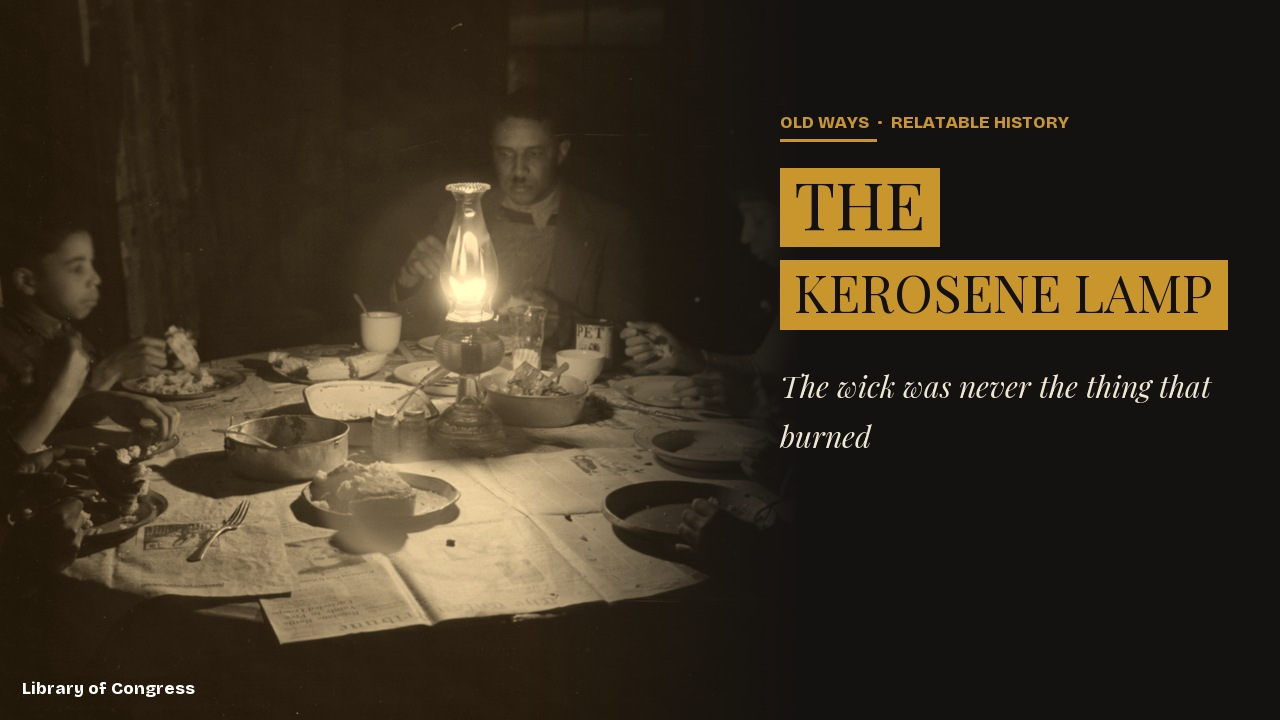
How Kerosene Lamps Actually Worked (And Sometimes Exploded)
A kerosene lamp doesn’t burn its wick — it burns vapor drawn up through it. That chemistry lit rural America for ninety years, and for decades the fuel sold to power it was only as safe as the refiner selling it.
-
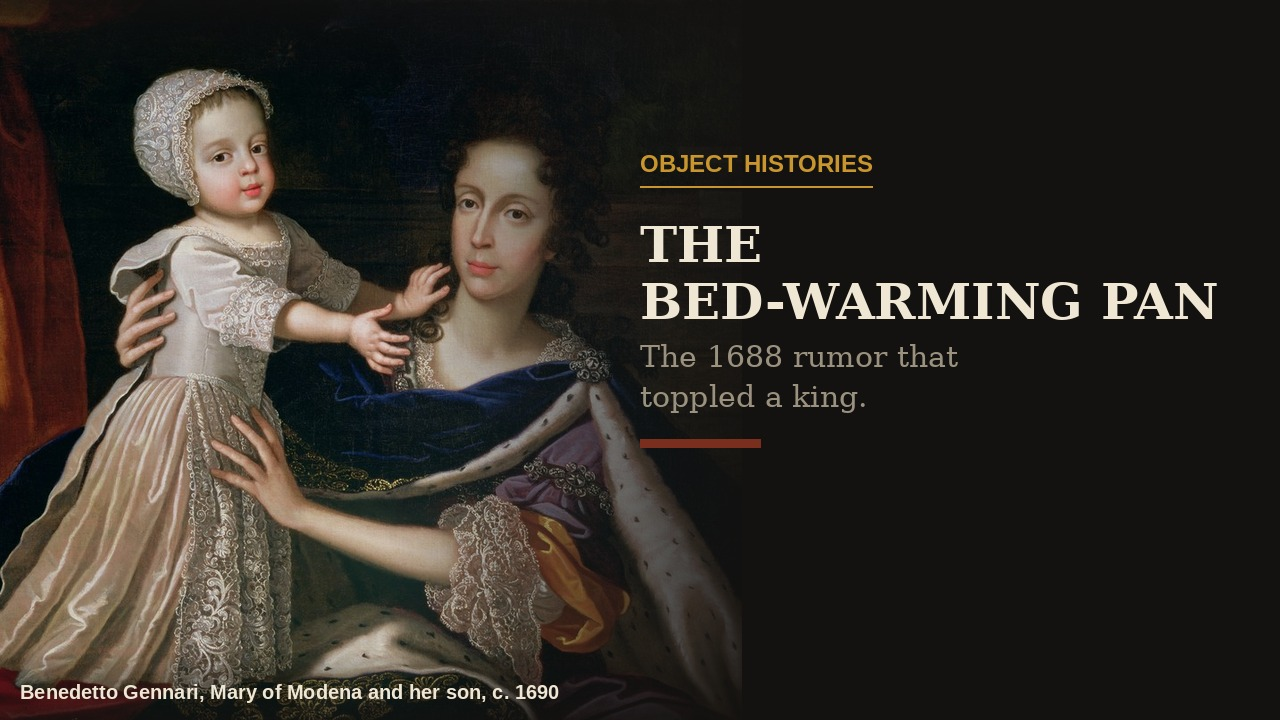
The Warming-Pan Baby: The Bed-Warmer Behind a Royal Scandal
A rumor about an ordinary bed-warming pan helped convince a country its king had faked an heir — and helped bring him down within six months.
-
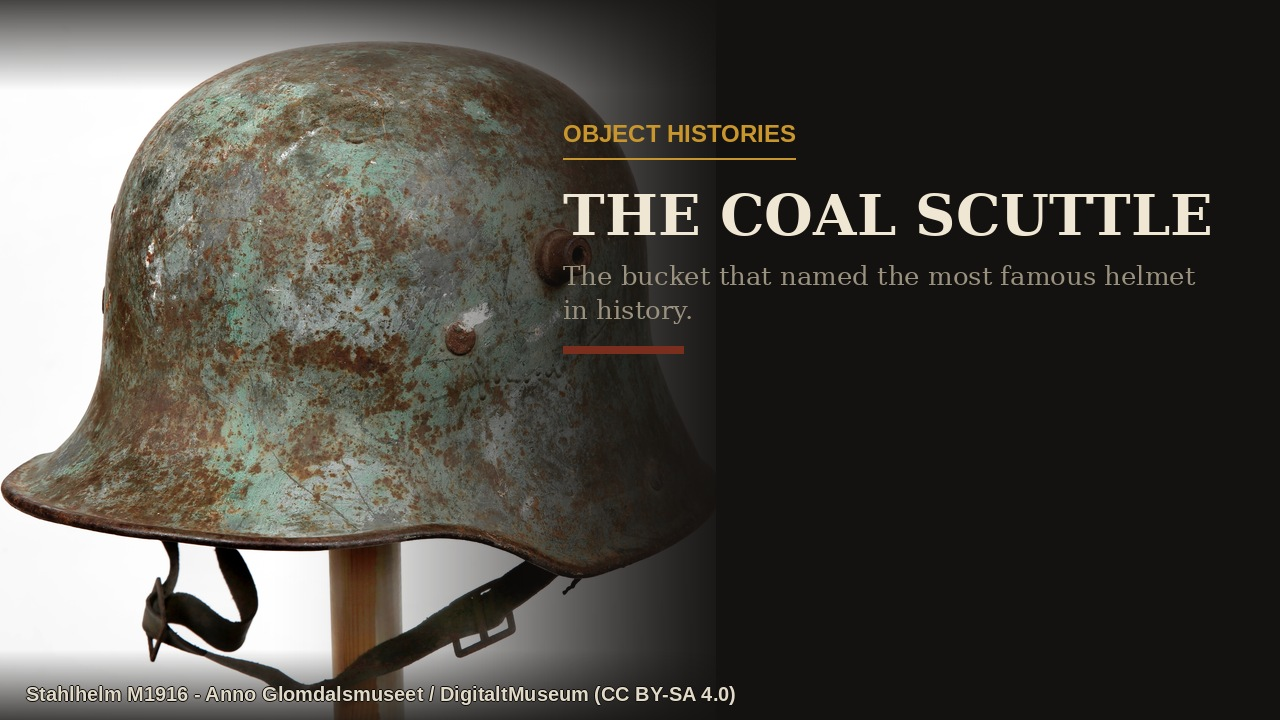
The Coal Scuttle Helmet: Why British Troops Named It That
One word links a Roman serving dish, a brass Victorian fireplace bucket and the German army’s steel helmet of two world wars. Here is how it travelled between all three.
-
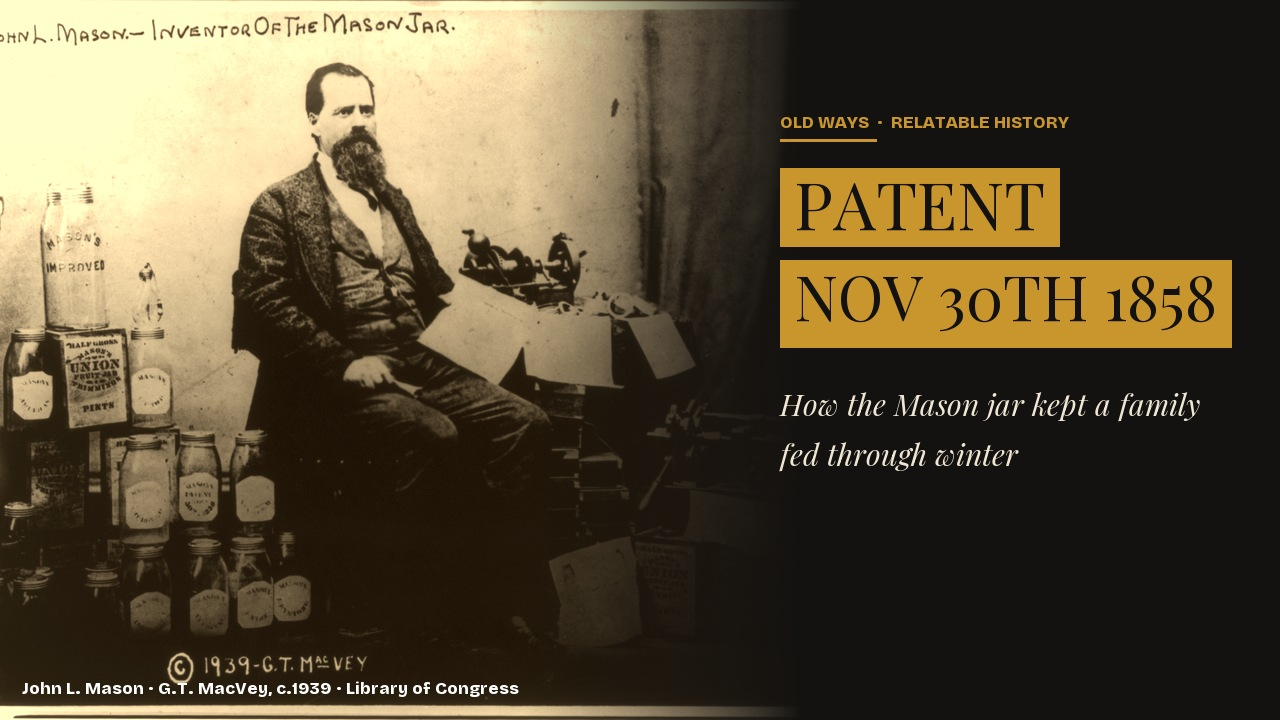
Water Bath vs Pressure Canning: Why the 240-Degree Difference Exists
A sealed jar looks the same whether it is safe or not. Here is the science, and the history of learning it the hard way, behind which foods only need boiling water and which ones need real pressure.