
Death & Mourning
Burial, funerary custom, memorial objects and the ways societies have handled their dead.
-
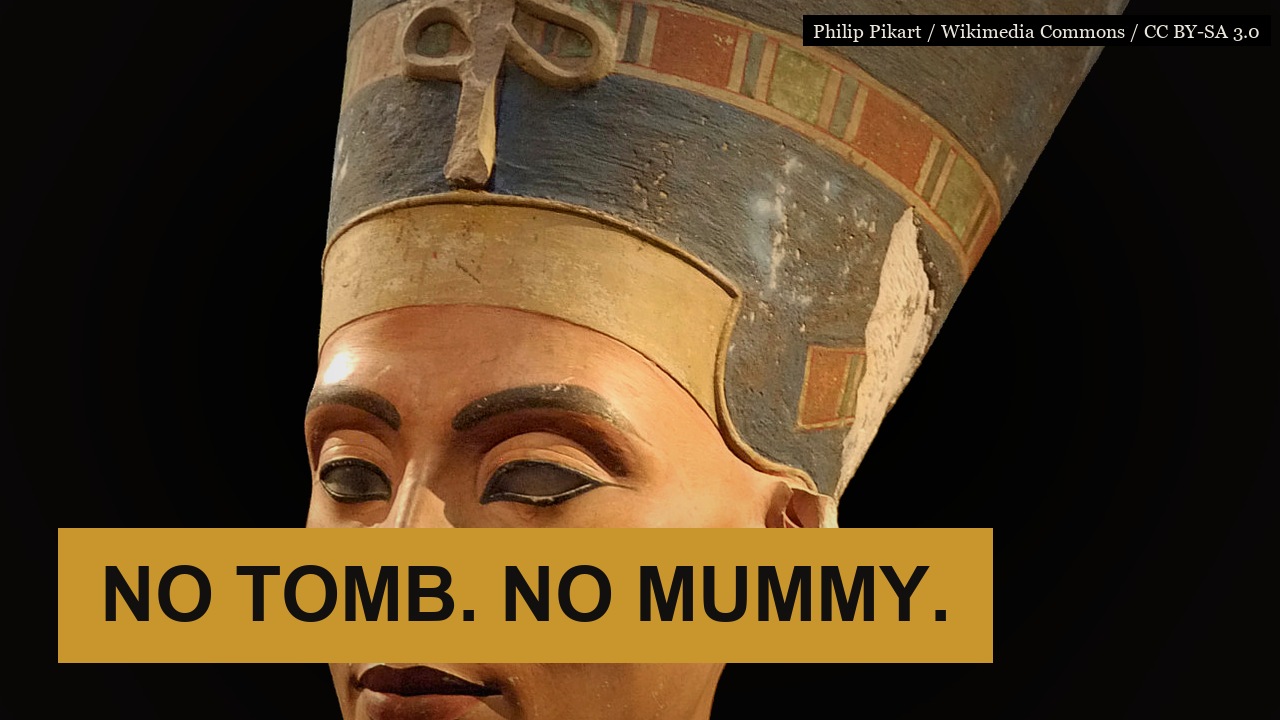
The Hunt for Nefertiti’s Tomb: Every Attempt, and Why They All Failed
Egyptology has ruled out two mummies, three radar surveys and one famous theory about Tutankhamun’s tomb. It has never ruled anything in.
-
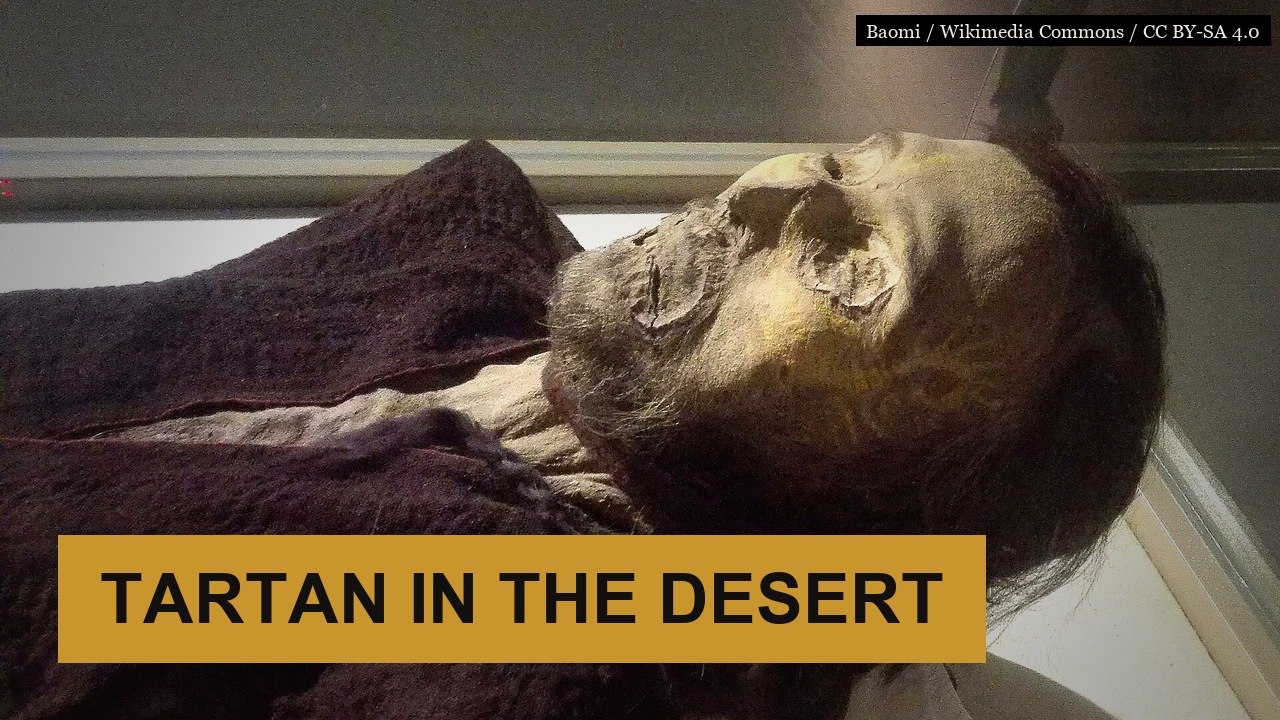
What the Tarim Mummies’ DNA Actually Revealed
Every clue above ground pointed west: felted wool, a checked twill tunic, a weave matched to the Alps. The genomes said no one from the west had ever reached the cemetery at all.
-
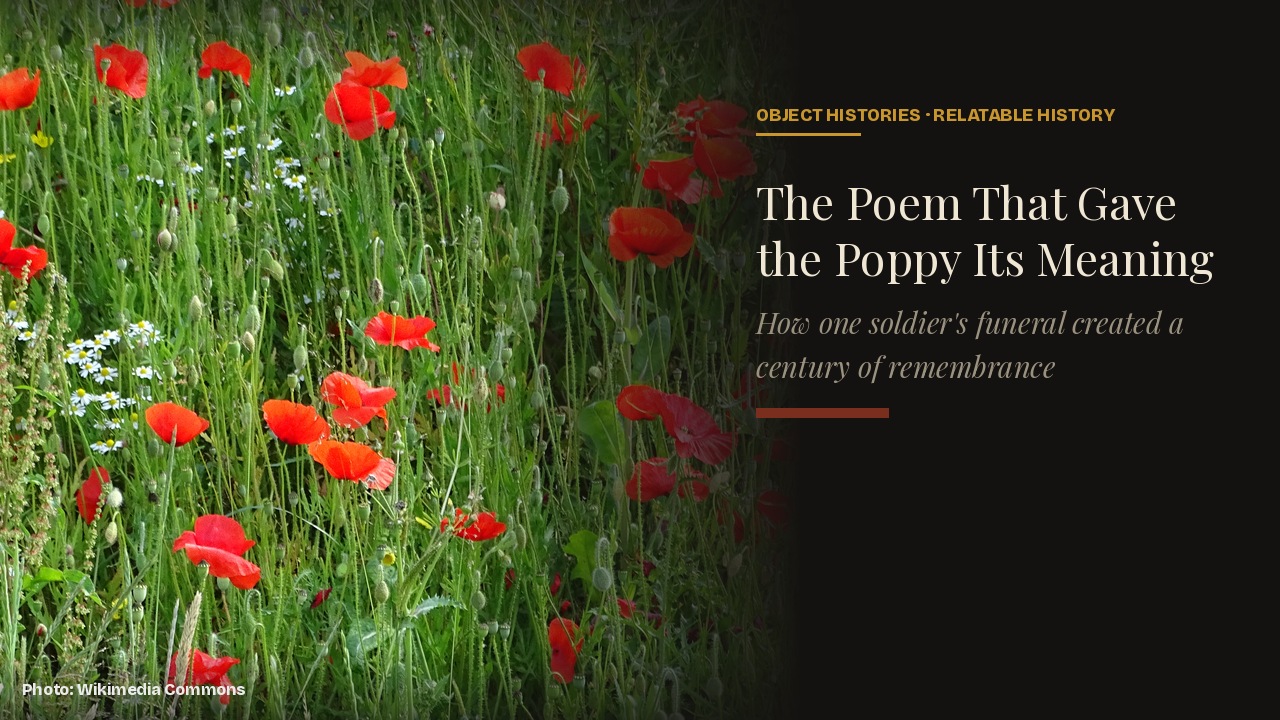
Why We Wear Poppies for Remembrance, and Who Built the Tradition
A soldier’s death produced seventeen lines of penciled verse. Those lines produced an American pledge, a French fundraising campaign, and a British factory that still makes the poppies today.
-

Who Invented the Two-Minute Silence?
Cape Town held a daily silent pause a full year before anyone wrote to a king about it, and the journalist whose letter beat the official credit into print by five months died penniless and forgotten. Here’s what the documents actually show.
-
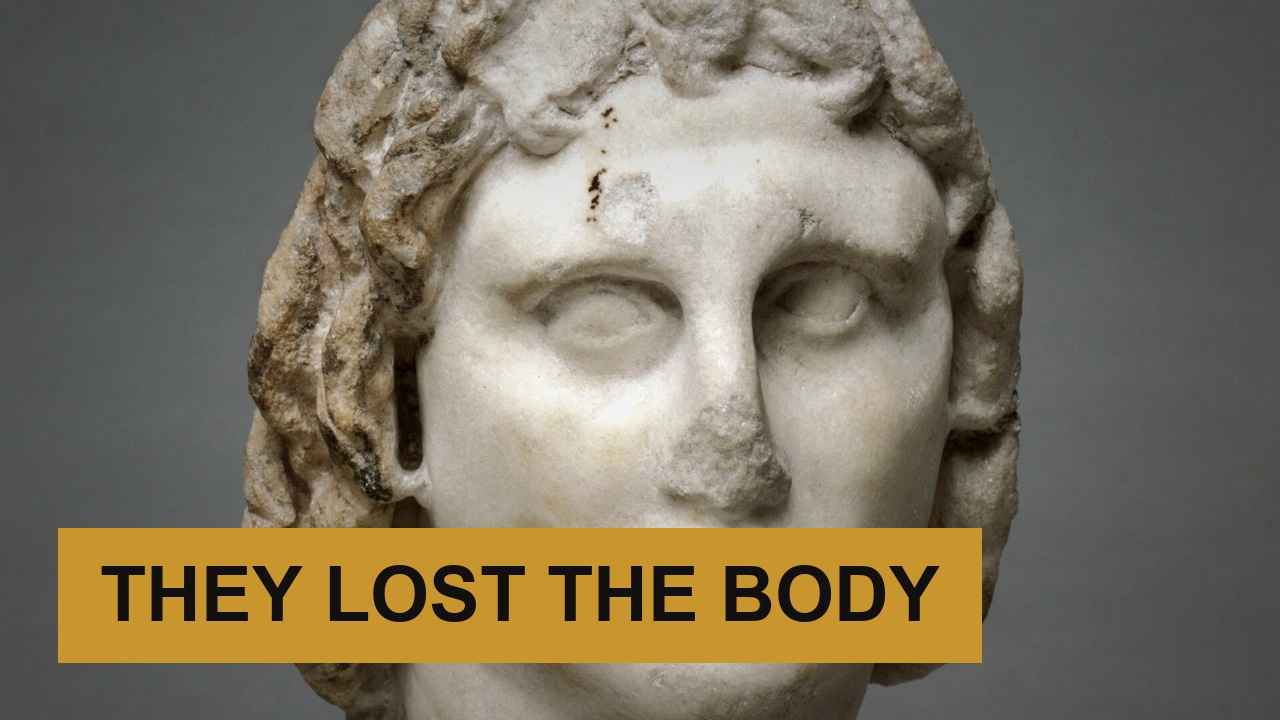
What Actually Happened to Alexander the Great’s Tomb?
For three centuries, Roman emperors visited Alexander the Great’s tomb as a matter of course. Then, in late antiquity, it disappears from every surviving record, and more than 140 official excavations have failed to find it since.
-
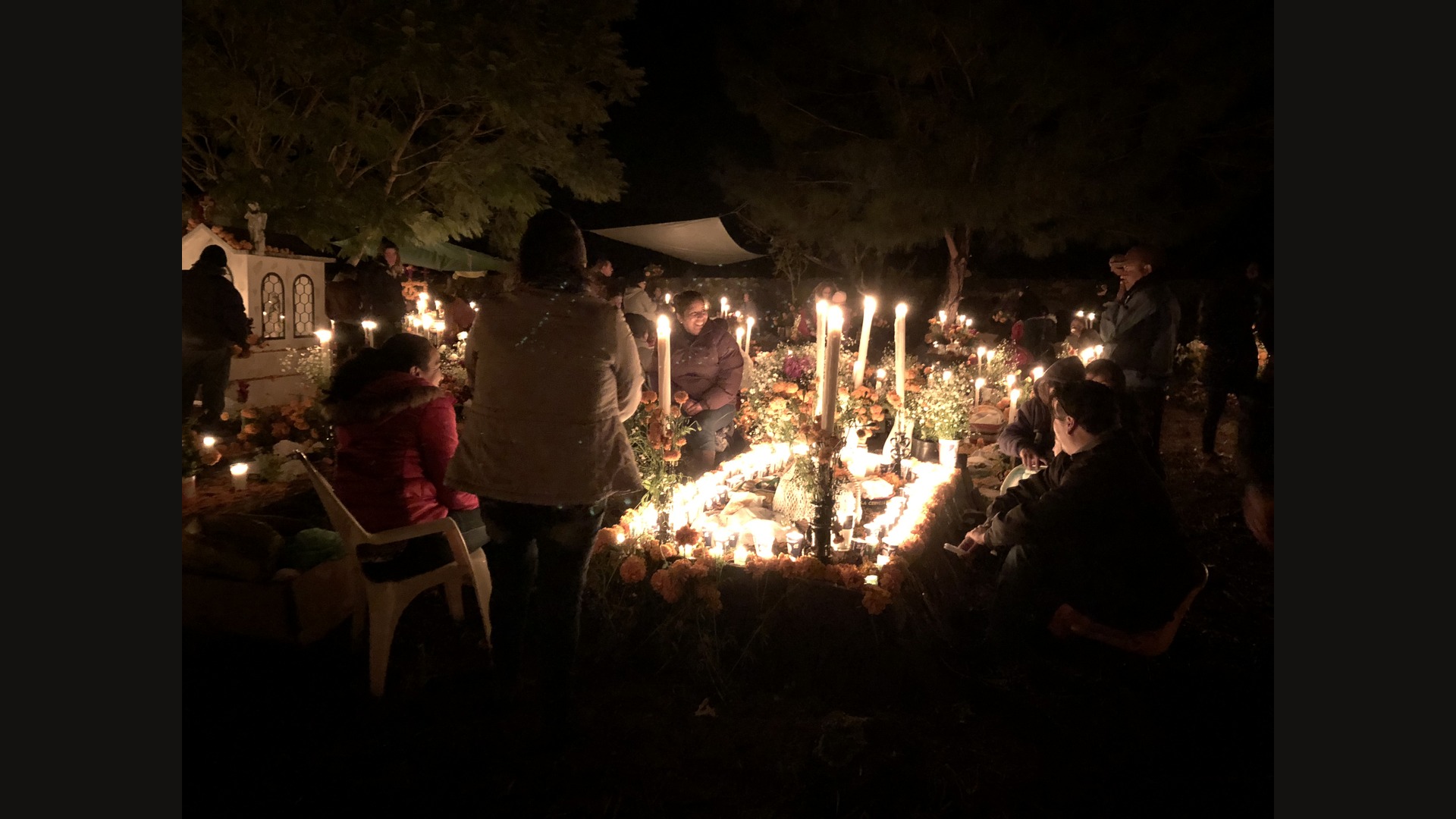
How an Ofrenda Is Actually Built
An ofrenda altar looks simple: flowers, paper, smoke, candles. Behind each one is a government subsidy, a colonial ban, a single craft town, or a lake vigil that still draws six-figure crowds every November.
-
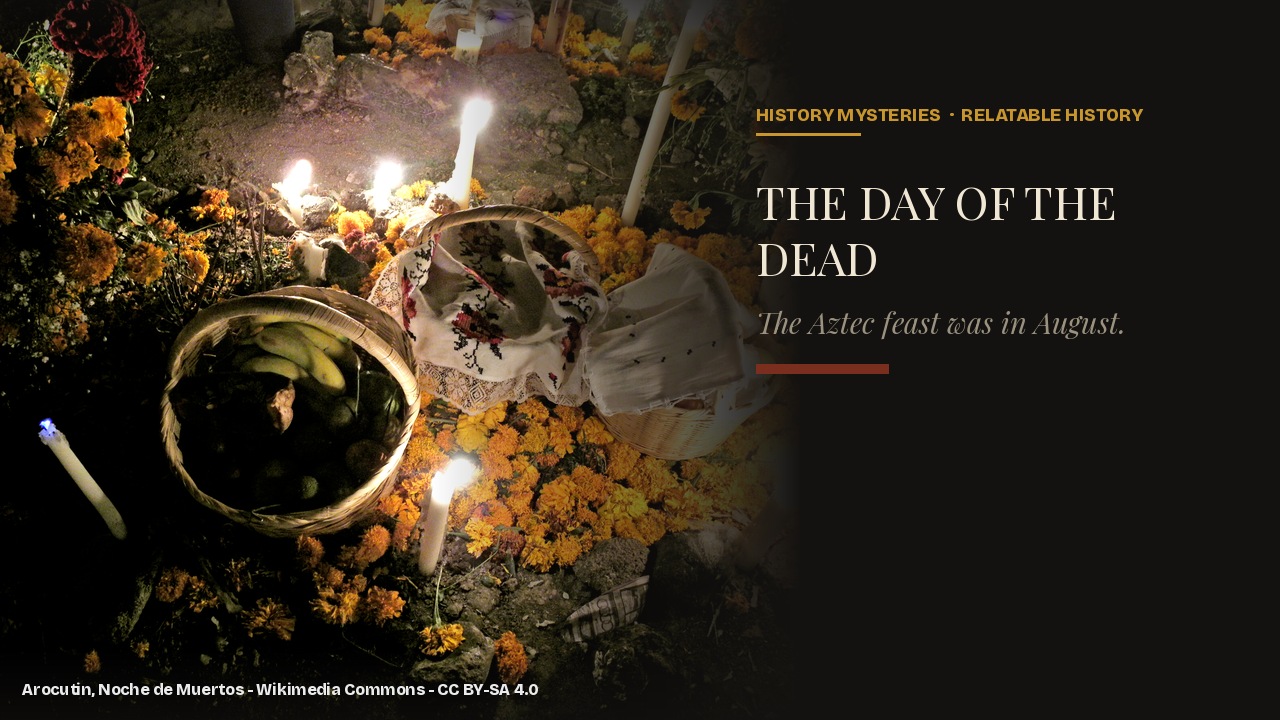
Is the Day of the Dead Really a Pre-Hispanic Tradition?
Mexico’s schoolbooks call the Day of the Dead an unbroken pre-Hispanic inheritance. The documentary record has a gap exactly where that claim needs proof, and two camps of historians have spent fifty years reading it in opposite ways.
-
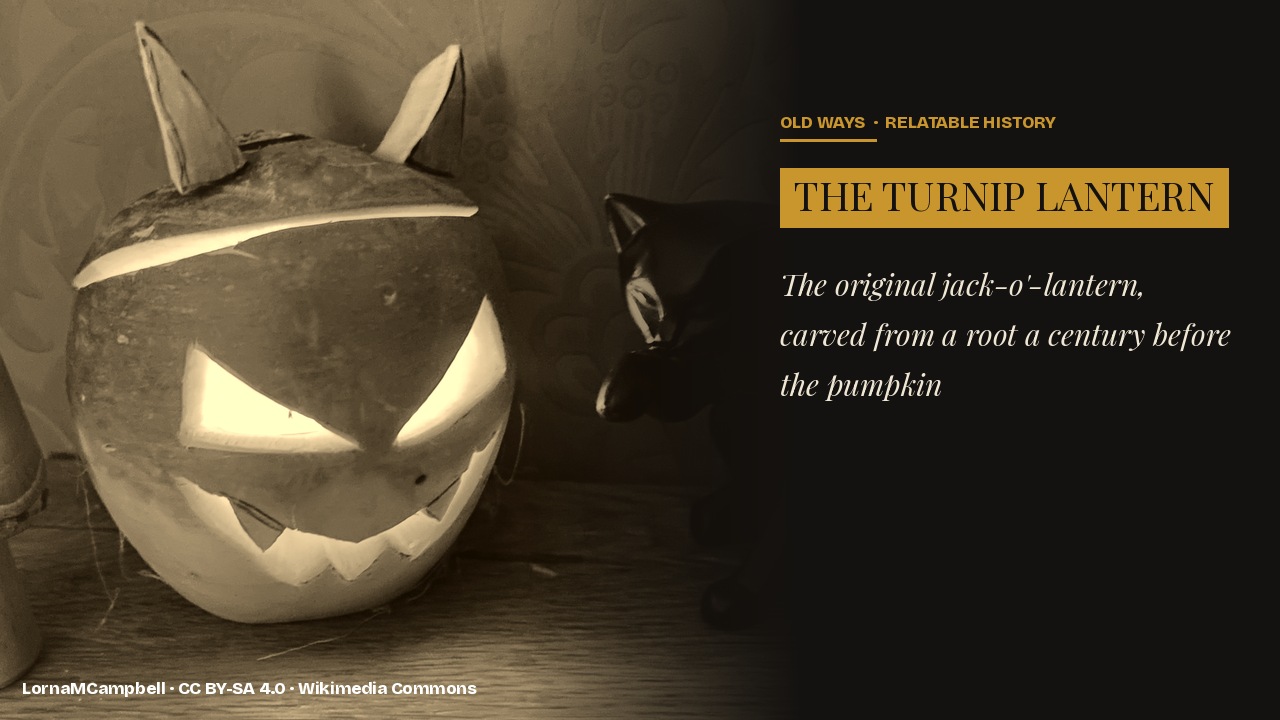
The Original Jack-o’-Lanterns Were Turnips, Not Pumpkins
A real turnip lantern, donated to a Dublin museum in 1943, is the best physical evidence for a custom that predates the pumpkin by at least a century. Here is what the documented record actually shows.
-
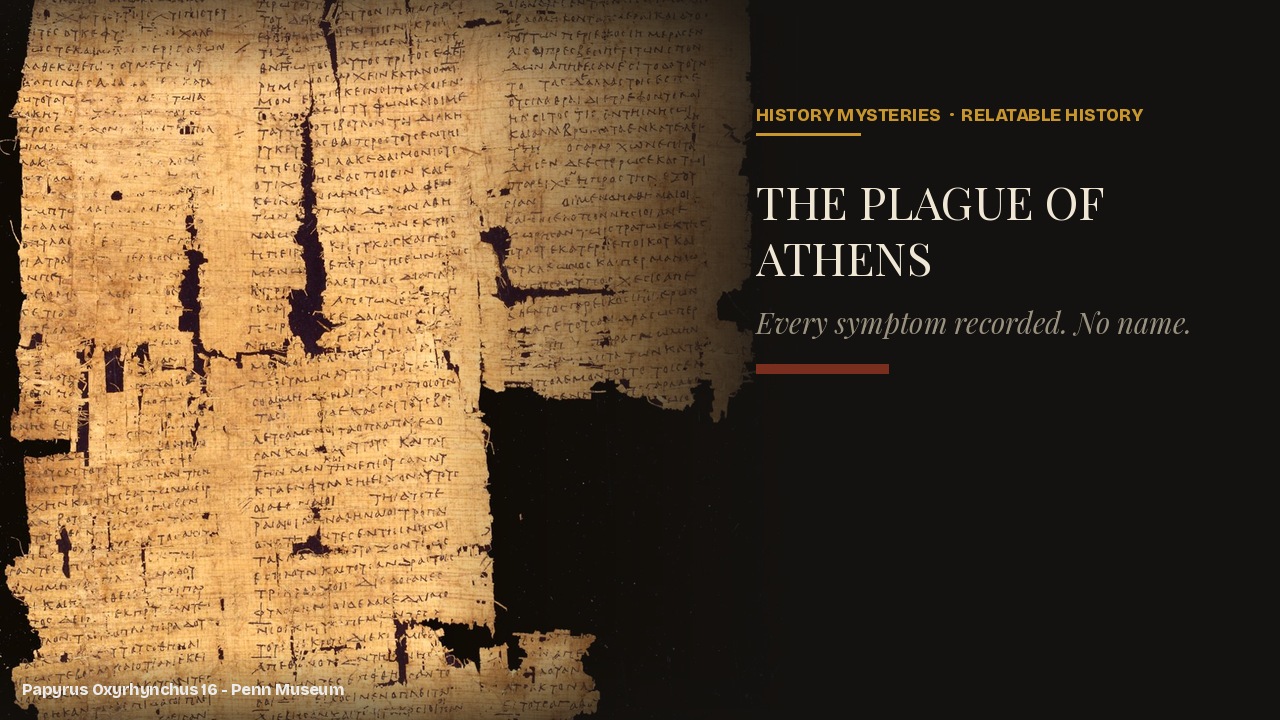
What Caused the Plague of Athens? The Argument Never Ended
Thucydides wrote down every symptom so a future outbreak could be recognised. Twenty-four centuries, a DNA test, and a 2026 journal exchange later, no diagnosis has survived unchallenged.
-
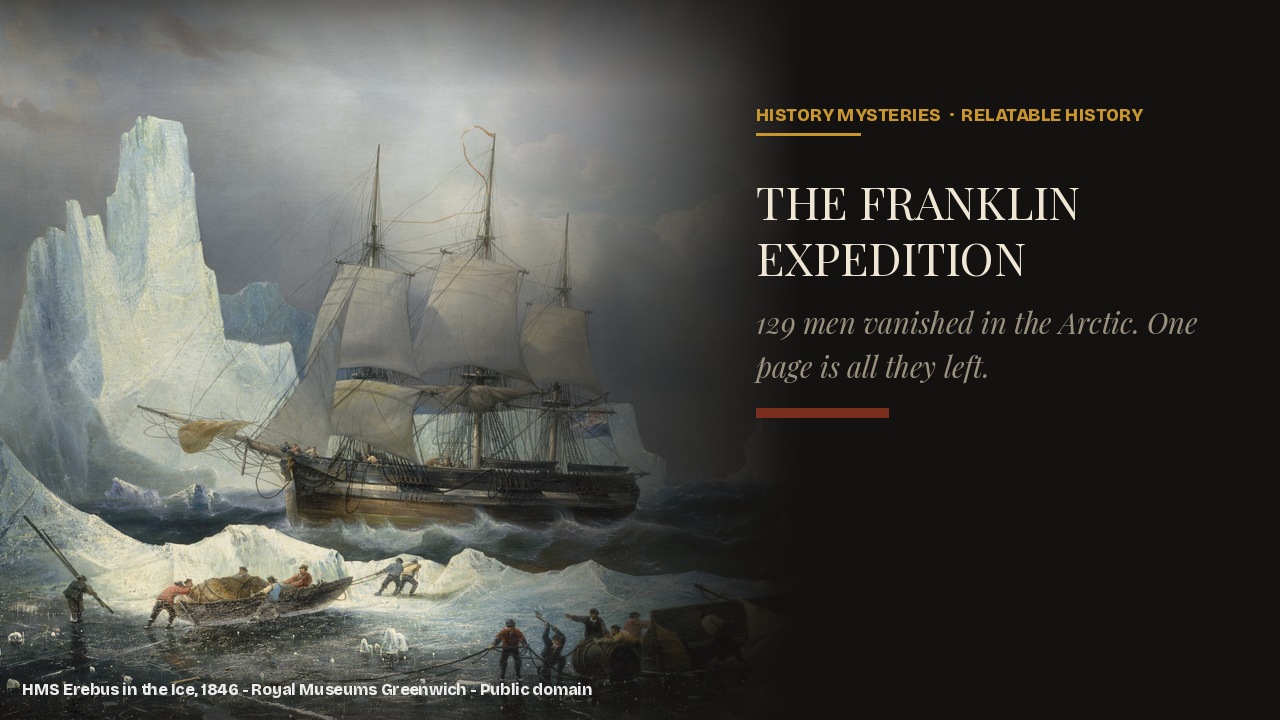
What Actually Killed the Franklin Expedition’s Crew
A single page recovered in 1859 is the only written word the expedition left behind. Everything else — including what finally killed its last survivors — had to be dug up, translated from Inuit testimony, or found on the seafloor.