
Science & Technology
Instruments, inventions, measurement and the slow accumulation of technical knowledge.
-
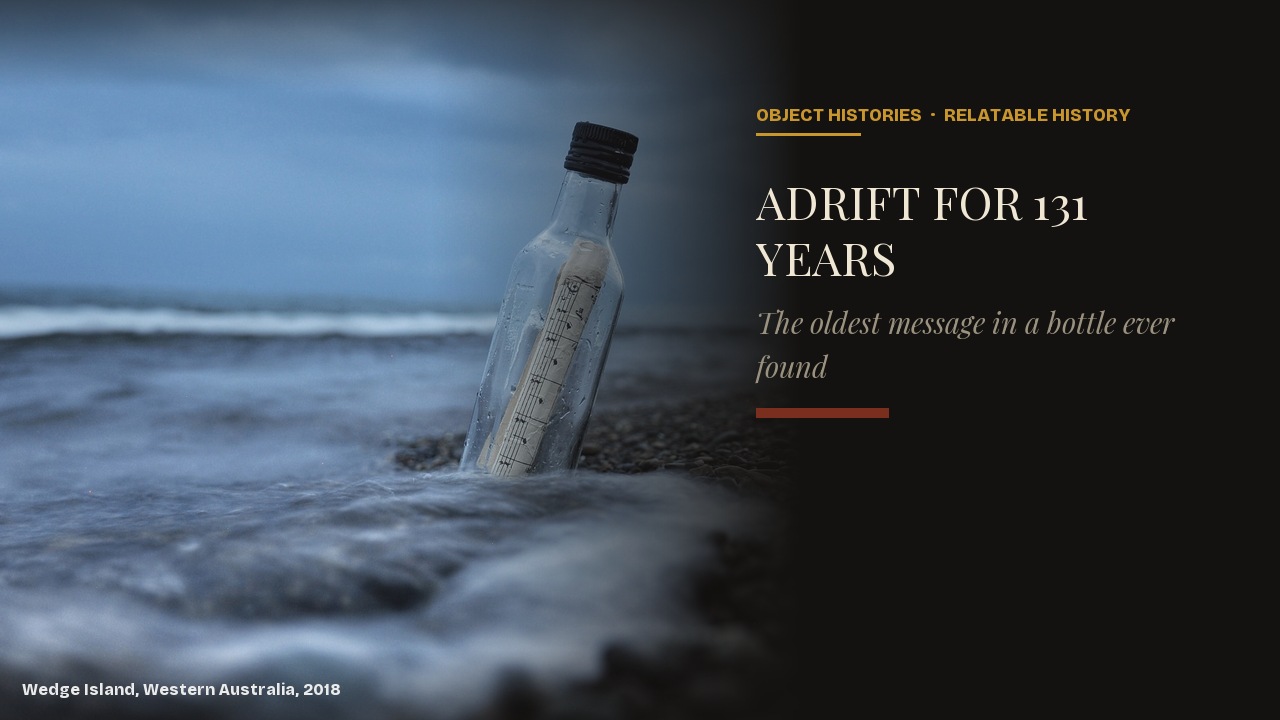
Drift Bottle Science: How Sealed Notes Helped Map the World’s Oceans
The note that broke a 131-year world record wasn’t a castaway’s plea — it was one slip in a 69-year government experiment that used cheap glass to map currents no satellite yet existed to see.
-
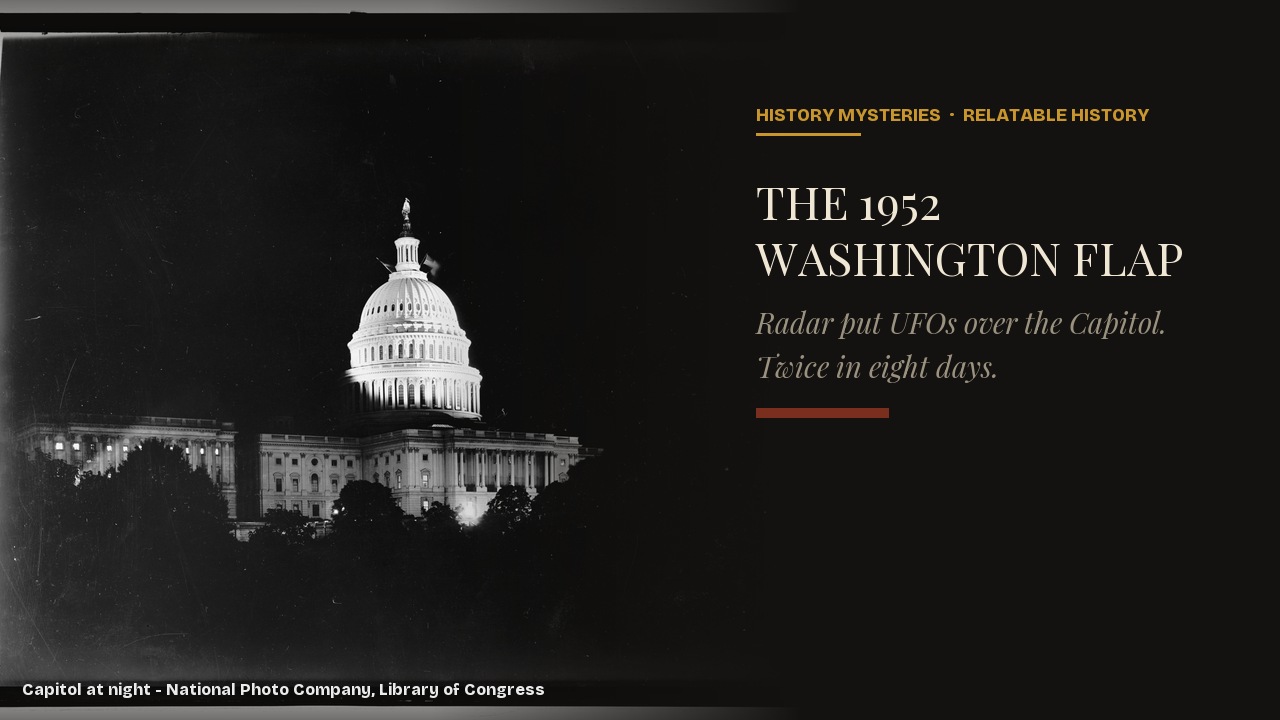
The Robertson Panel UFO Report, Explained
Five scientists, four afternoons, and under a hundred case files decided how the U.S. government would talk about flying saucers for the next two decades. The report itself stayed secret for twenty-two years longer than that.
-
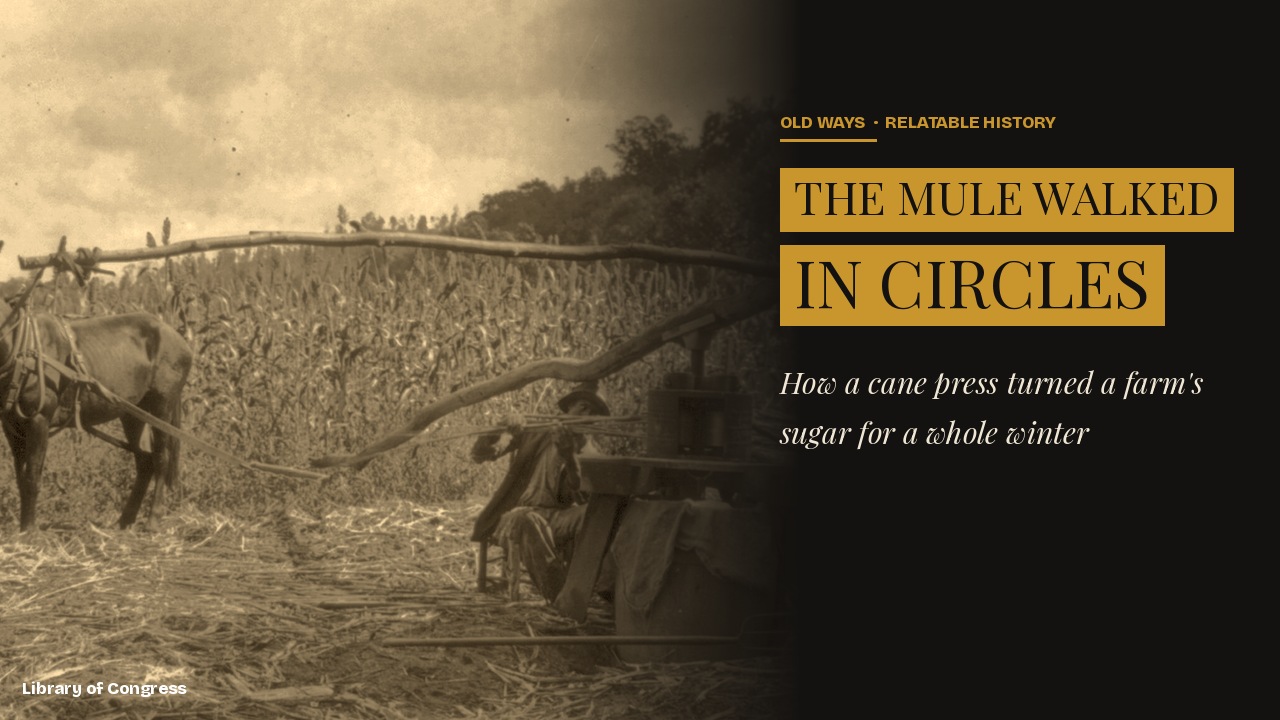
How Sorghum Syrup Was Made Before Sugar Came in a Sack
For four decades, government chemists tried to turn sorghum into real sugar and kept failing. Rural America got something arguably better instead: a syrup it could make at home, year after year, with nothing but a mule and a fire.
-
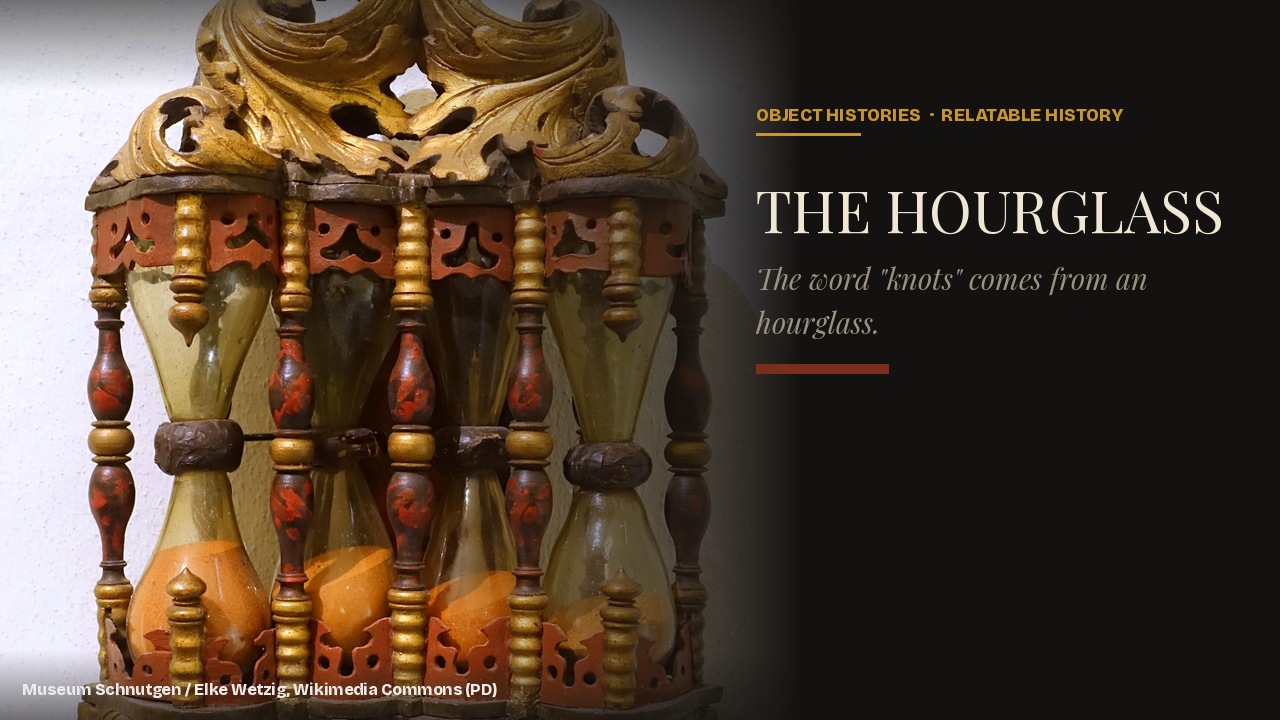
How Hourglasses Were Made, and What Was Actually Inside Them
Most hourglasses never held sand at all. Here is what glassmakers actually put inside them, and why ships and churches couldn’t do without one.
-
The Furcula: The Science and Superstition Behind the Wishbone
A Roman commander once threw sacred chickens overboard rather than listen to them. Centuries later, their forked chest bone would help settle an argument about where birds really come from.
-
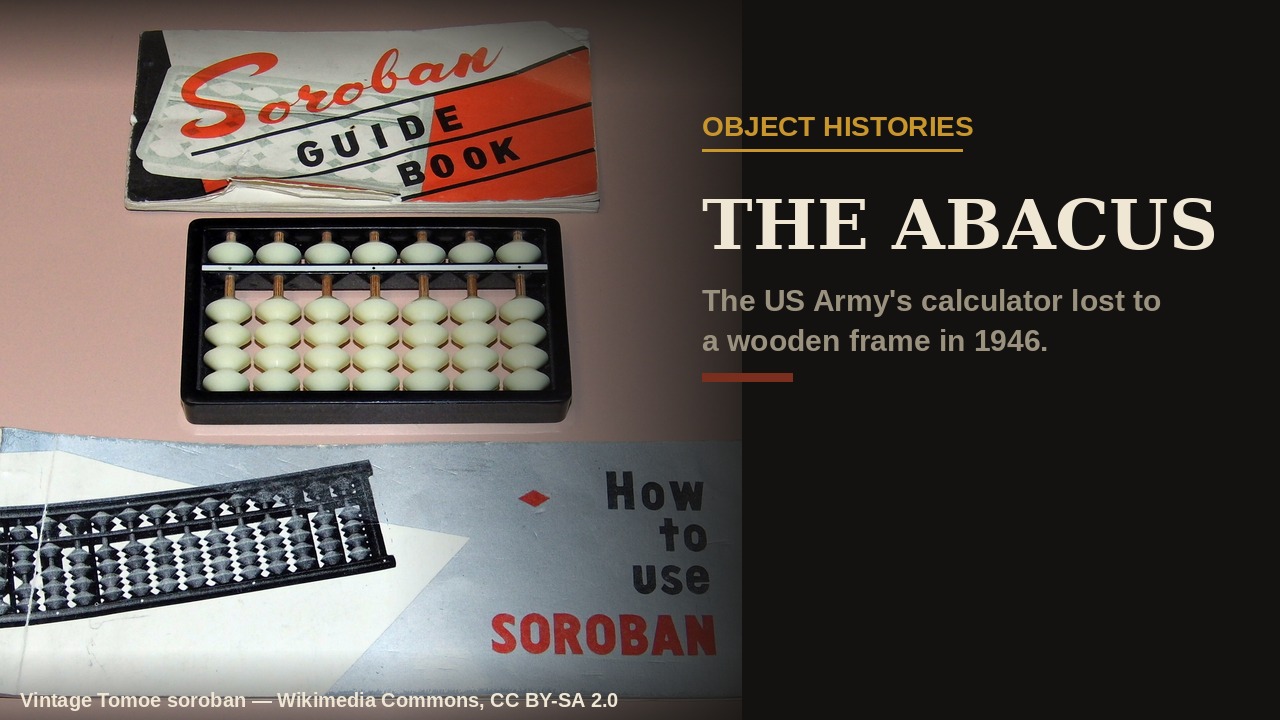
How an Abacus Actually Works, Bead by Bead
An abacus runs on a simple trick with beads and complements — simple enough that a trained operator beat a U.S. Army calculator in 1946, and sturdy enough that a version built for blind readers is still manufactured today.
-
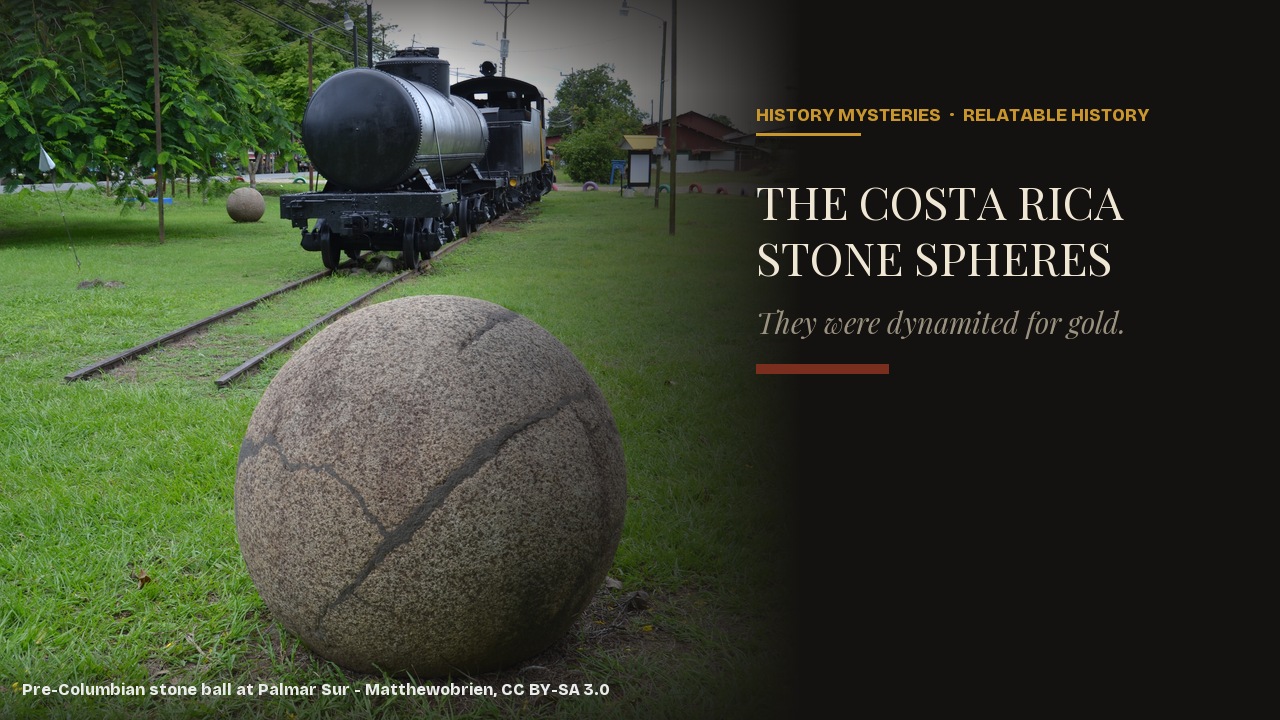
What Costa Rica’s Stone Spheres Were Actually For
Only about a dozen of Costa Rica’s three hundred stone spheres are still where they were originally placed. That is not much evidence, but it is almost everything archaeologists have.
-
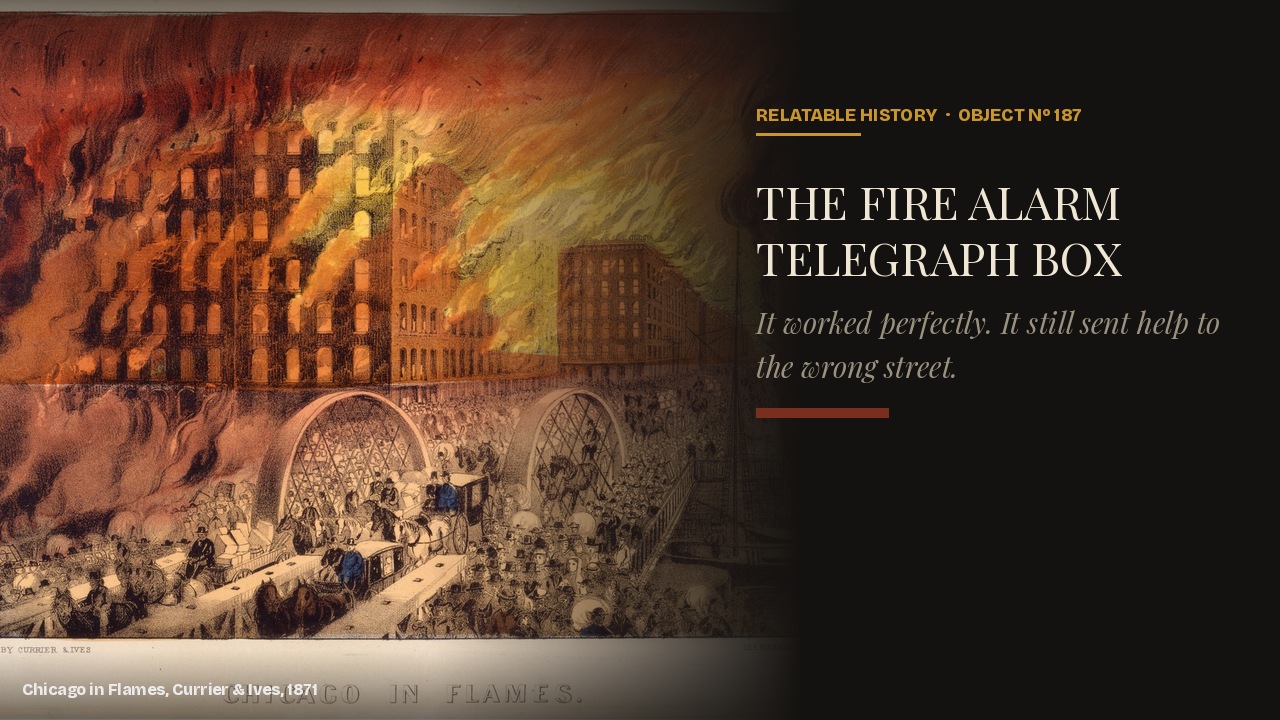
How Fire Alarm Telegraph Boxes Worked
A fire alarm telegraph box never detected a fire. It announced the number a human believed was closest to one – a distinction that nearly cost Chicago everything.
-
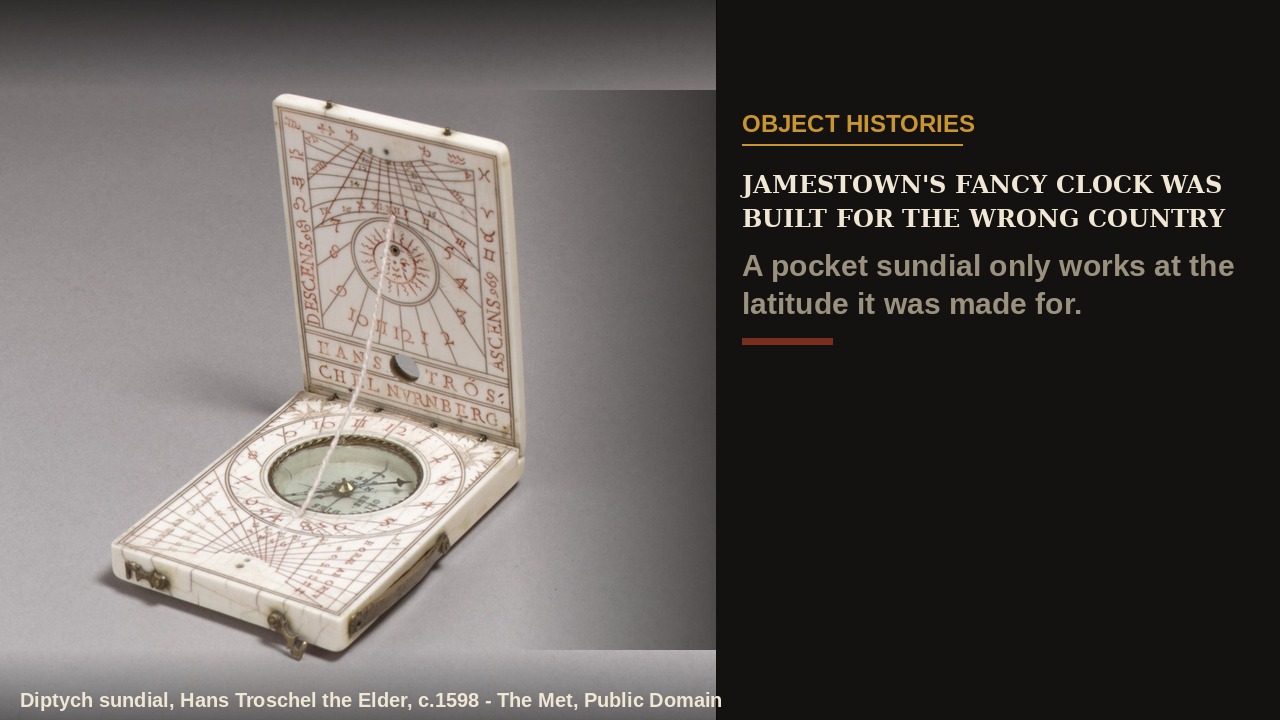
The Jamestown Pocket Sundial That Told the Wrong Time
Archaeologists have pulled at least four ivory pocket sundials from the ruins of James Fort, each one engraved for a European latitude — Nuremberg, Venice, and beyond — thousands of miles from Virginia. Captain John Smith owned one too, a sphere-shaped version he once held up to buy himself an extra hour of life in…
-
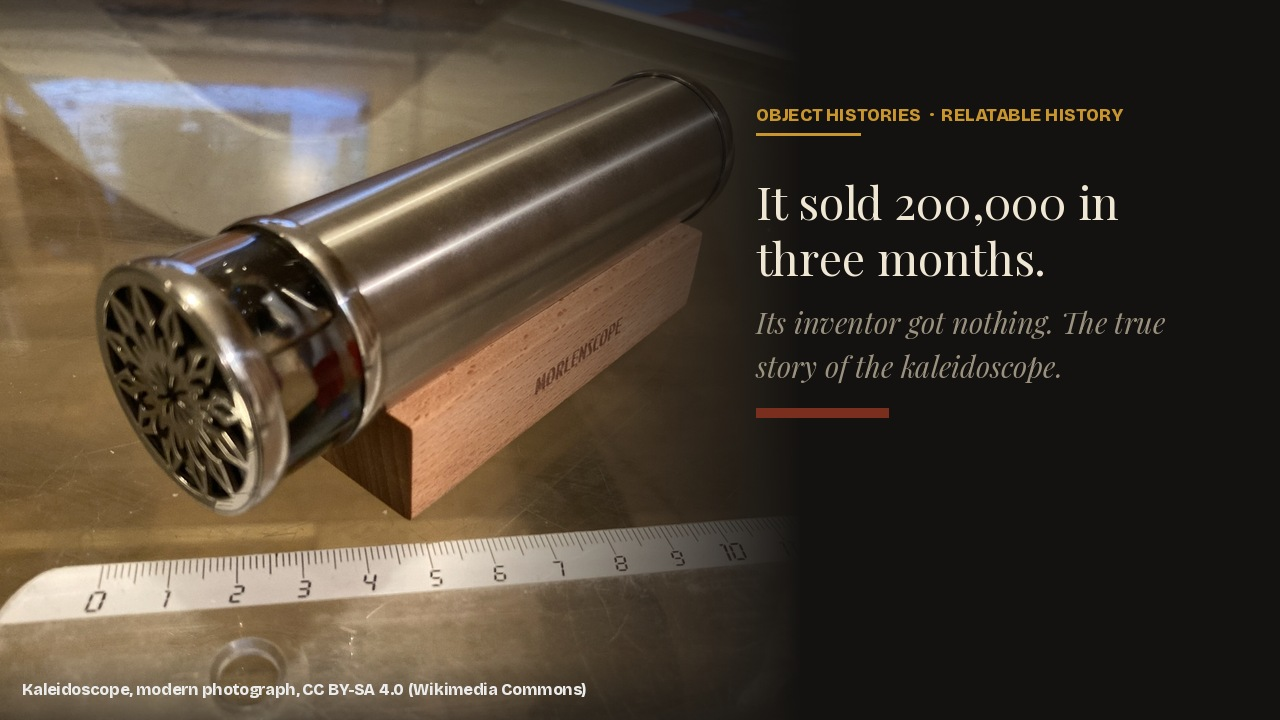
The Kaleidoscope Patent That Failed Its Own Inventor
In February 1815, Scottish physicist David Brewster looked through a triangular trough of glass at some loose bits of cement and saw a perfect symmetrical pattern. Two years later he patented the kaleidoscope. Within three months, roughly 200,000 of them had sold across London and Paris for a penny apiece, and almost none of that…