
Trade & Money
Currencies, markets, merchants and the long-distance exchange networks that moved goods and ideas across the world.
-
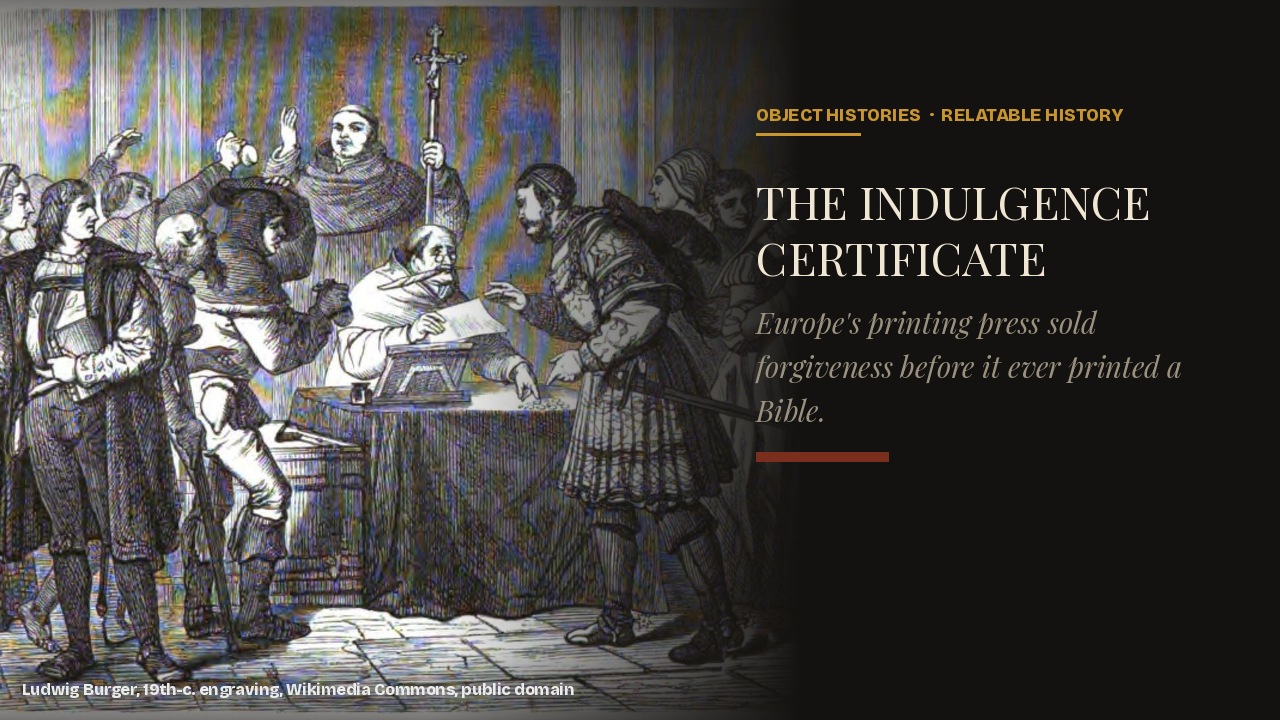
How Indulgence Certificates Worked, and Why One Caused a Reformation
A printed form, an archbishop’s debt, and one monk’s objection: the full mechanics of the indulgence certificate, and why Rome eventually banned selling it.
-
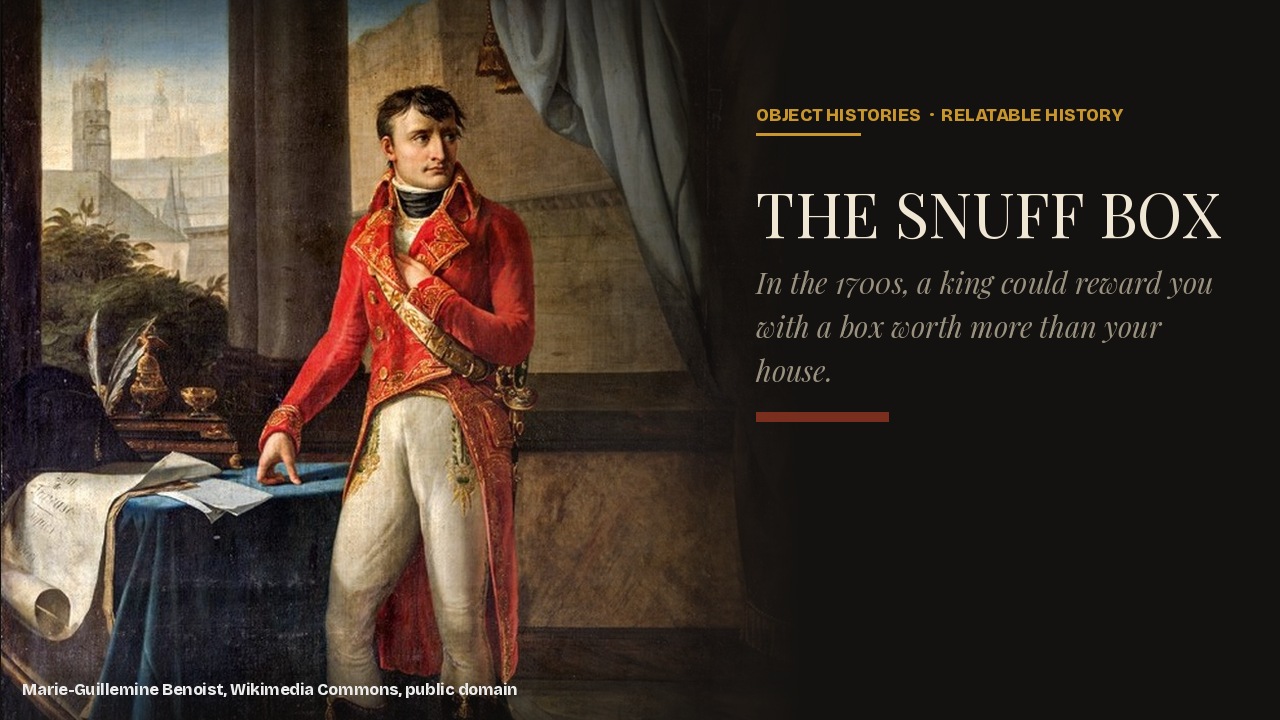
How Snuff Boxes Became the Currency of 18th-Century Courts
A gold snuff box could stand in for a medal, a bribe, or a salary. Here is how an object the size of a deck of cards became one of the eighteenth century’s real instruments of diplomacy.
-
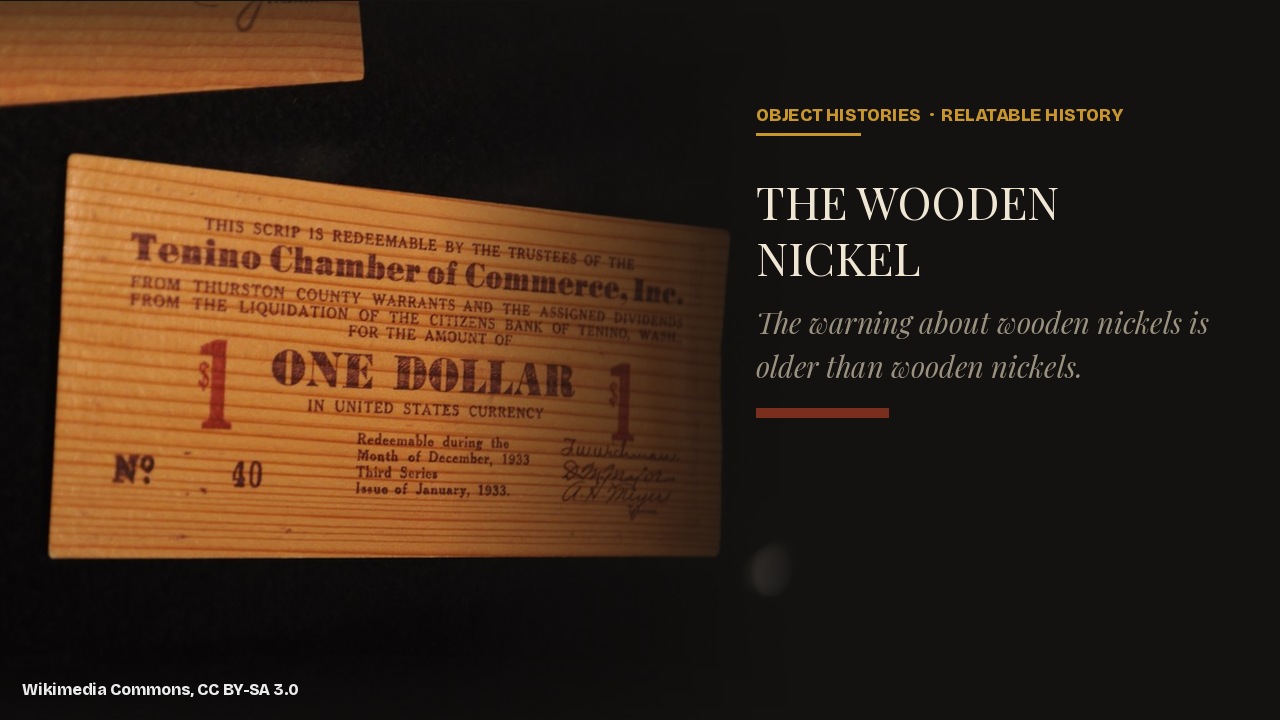
Tenino’s Wooden Money: Inside the Depression’s Strangest Currency
In December 1931 the only bank in Tenino, Washington failed, so the Chamber of Commerce printed its own emergency currency on spruce veneer. People liked it so much they mailed it home instead of spending it.
-
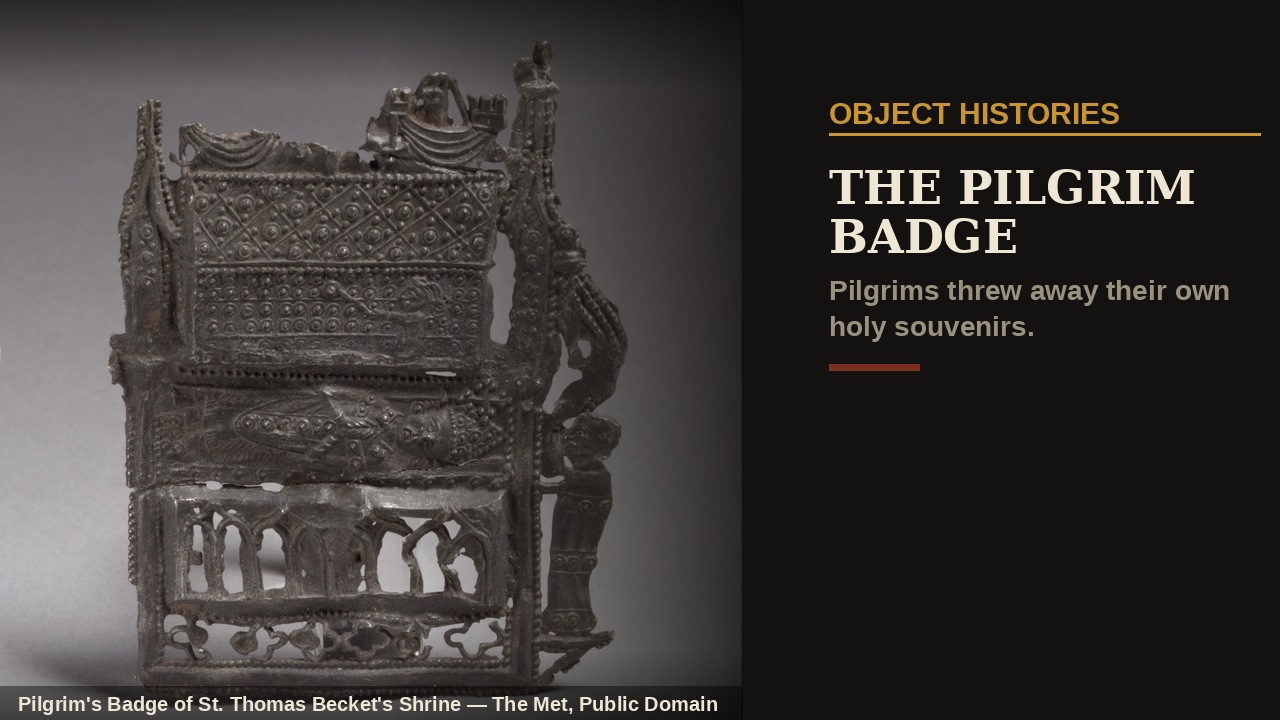
Inside the Medieval Pilgrim Badge Industry
Shrines did not just welcome pilgrims. They ran casting workshops, licensed moulds, and sold souvenirs the way a gift shop sells postcards, for three hundred years.
-
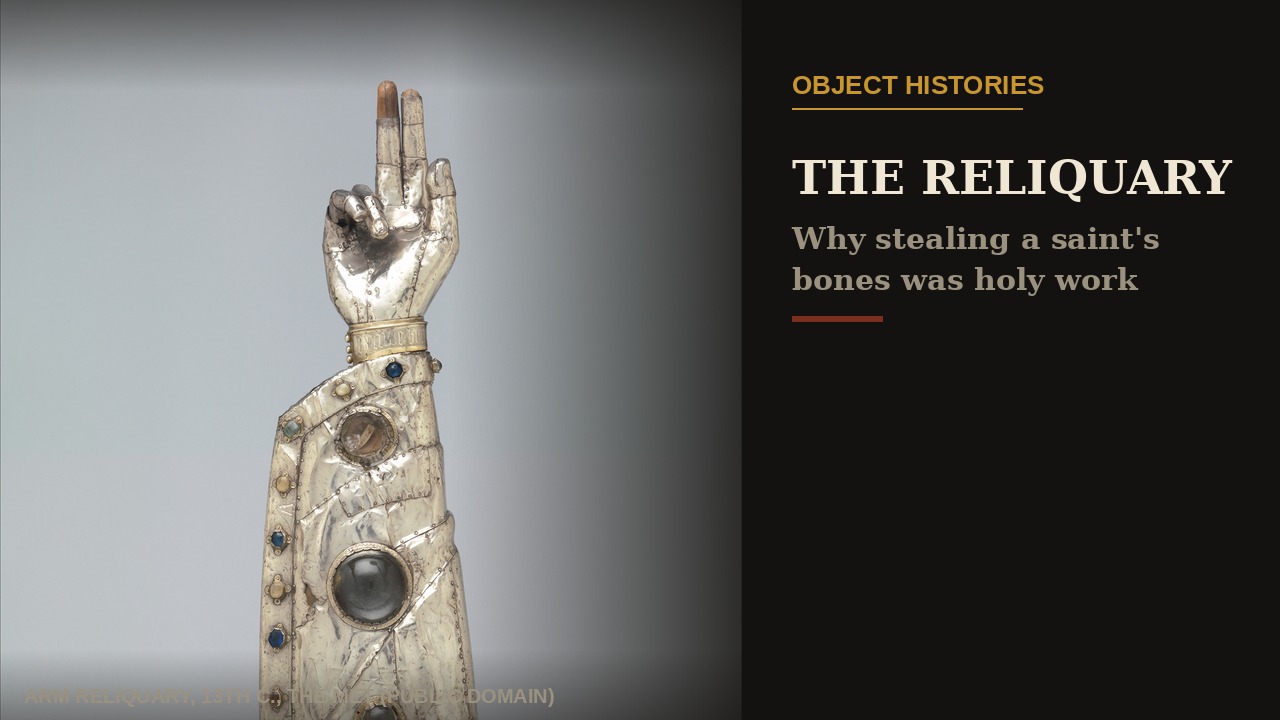
Furta Sacra: The Strange History of Medieval Relic Theft
For medieval Christians, stealing a saint’s body wasn’t a crime — it was proof the saint wanted to be moved. Here is the theology, the law, and the economy that built around that idea.
-
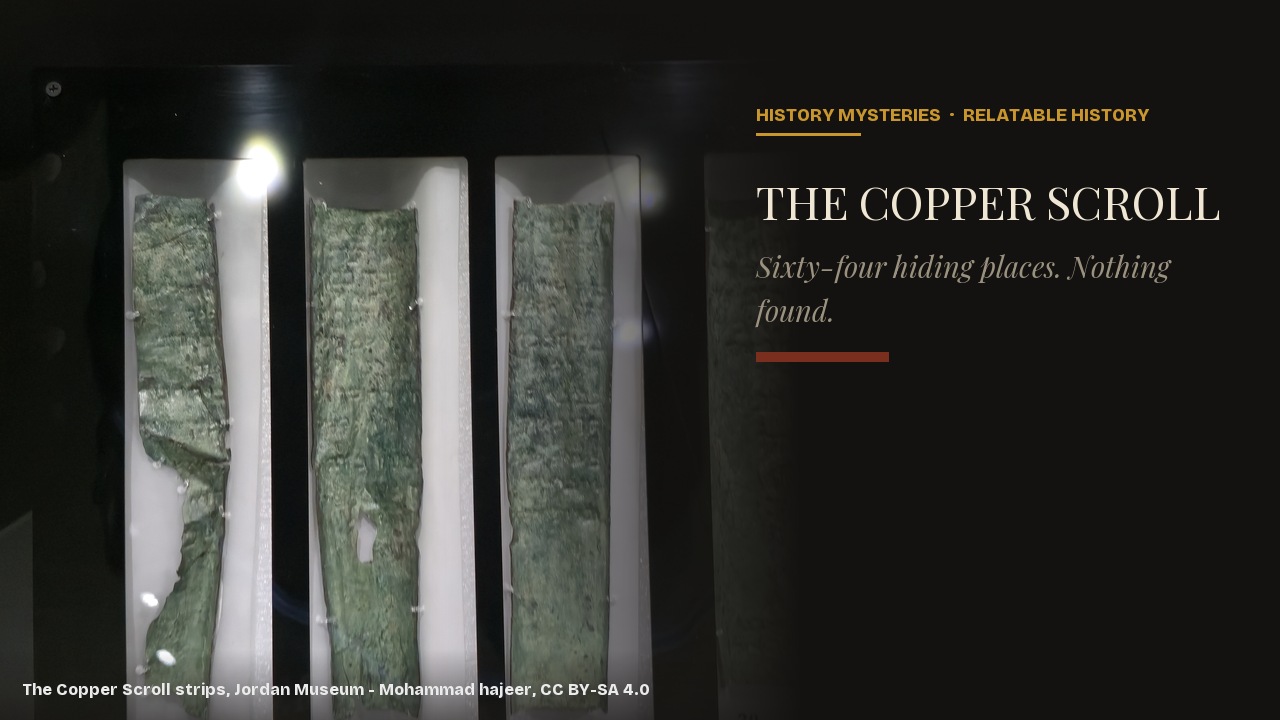
The Copper Scroll Treasure Map: What Sixty-Four Lost Hoards Say
One of the Dead Sea Scrolls isn’t scripture at all. It’s an inventory of buried treasure, hammered into metal so it would outlast every reader who might have used it.
-
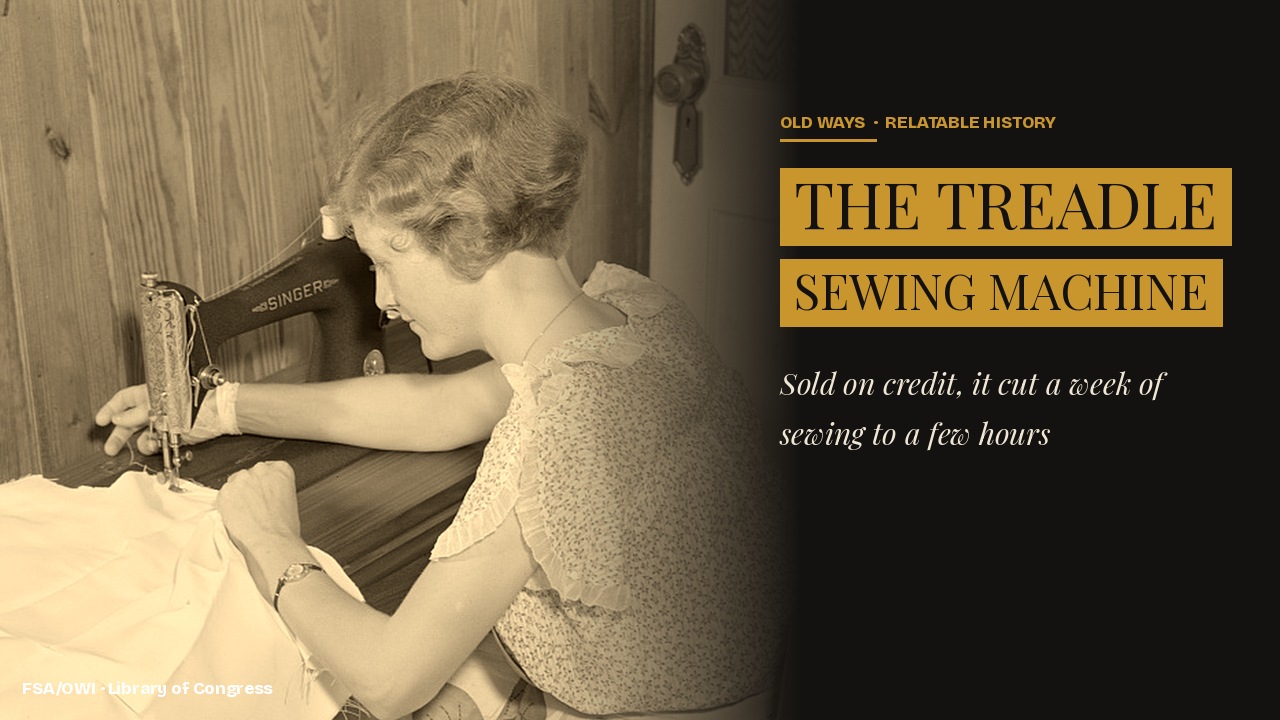
How the Sewing Machine Installment Plan Put One in Every Farmhouse
A hand-sewn shirt took about fourteen hours; the same shirt on a machine took about one. Almost nobody could pay for the machine outright, though — so a lawyer named Edward Clark invented a way to sell it anyway.
-
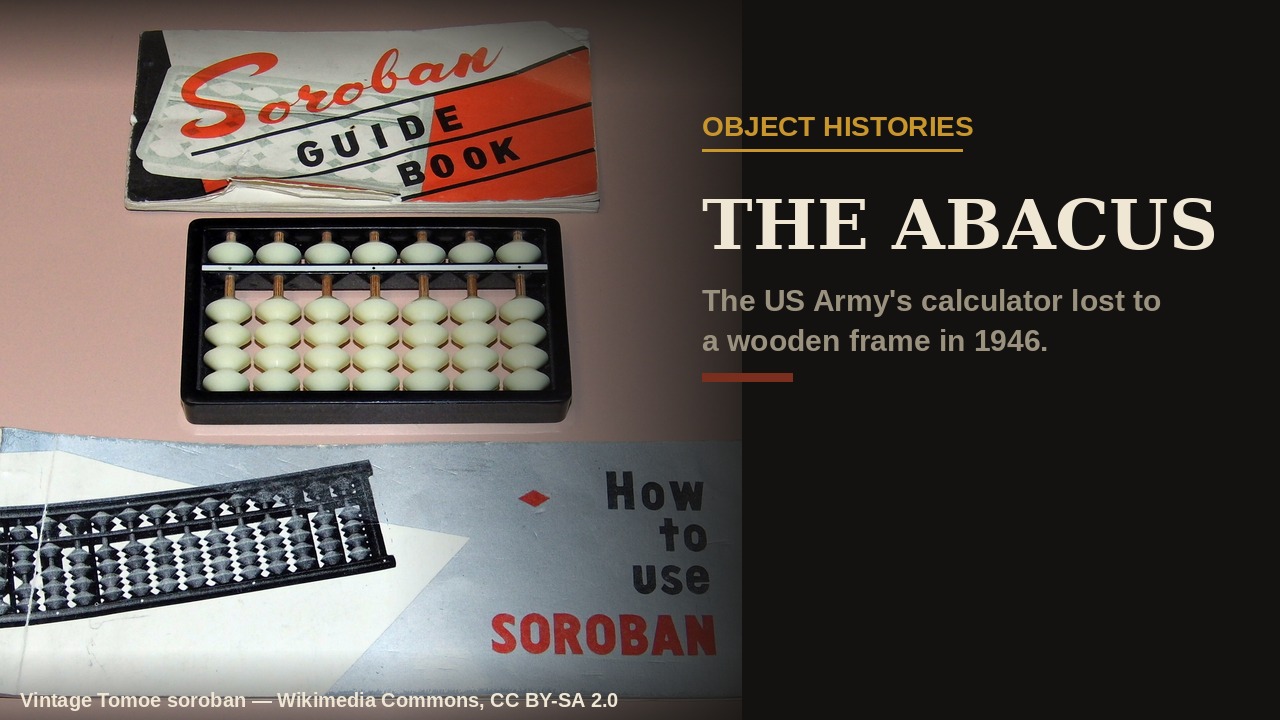
How an Abacus Actually Works, Bead by Bead
An abacus runs on a simple trick with beads and complements — simple enough that a trained operator beat a U.S. Army calculator in 1946, and sturdy enough that a version built for blind readers is still manufactured today.
-

The Plain of Jars: Older Than the Burials Inside Them
More than 2,100 stone jars, some weighing many tons, sit scattered across a plateau in northern Laos. Peer-reviewed dating in 2021 placed the jars themselves in the late Bronze Age — but the human burials found around and inside them date nearly 2,000 years later. A 2026 excavation found one jar holding the remains of…
-
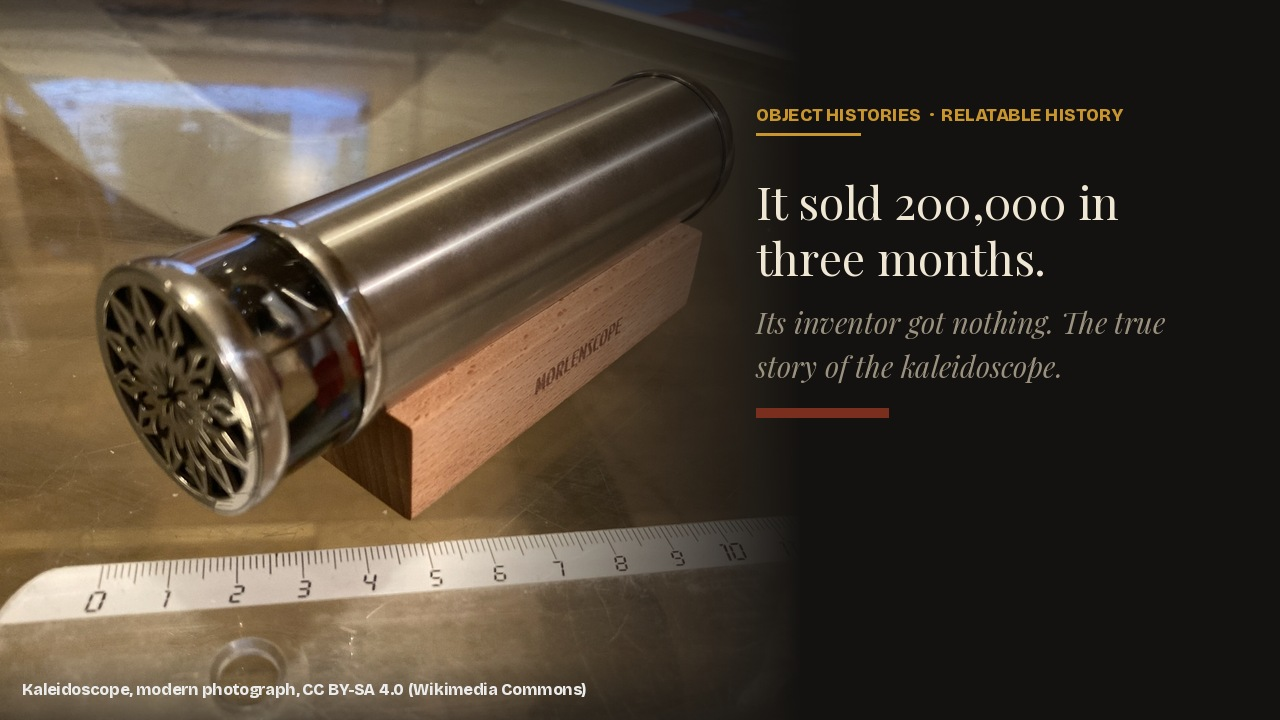
The Kaleidoscope Patent That Failed Its Own Inventor
In February 1815, Scottish physicist David Brewster looked through a triangular trough of glass at some loose bits of cement and saw a perfect symmetrical pattern. Two years later he patented the kaleidoscope. Within three months, roughly 200,000 of them had sold across London and Paris for a penny apiece, and almost none of that…