
Trade & Money
Currencies, markets, merchants and the long-distance exchange networks that moved goods and ideas across the world.
-
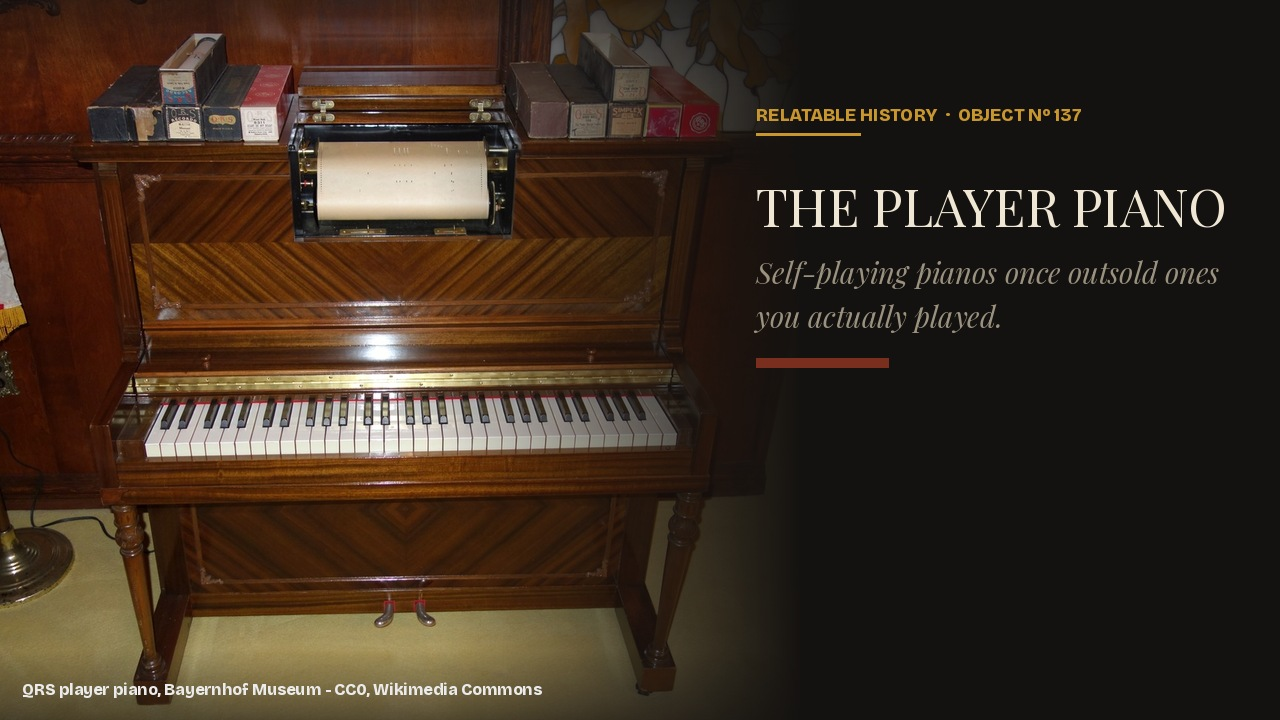
Why Player Pianos Outsold Real Pianos in 1924
In 1924, more player pianos were sold in America than pianos people actually sat down and learned to play. This is the real history: the Detroit inventor who built the first one in his home workshop, the 1908 industry agreement that let any piano play any roll, the famous pianists who recorded their exact performances…
-
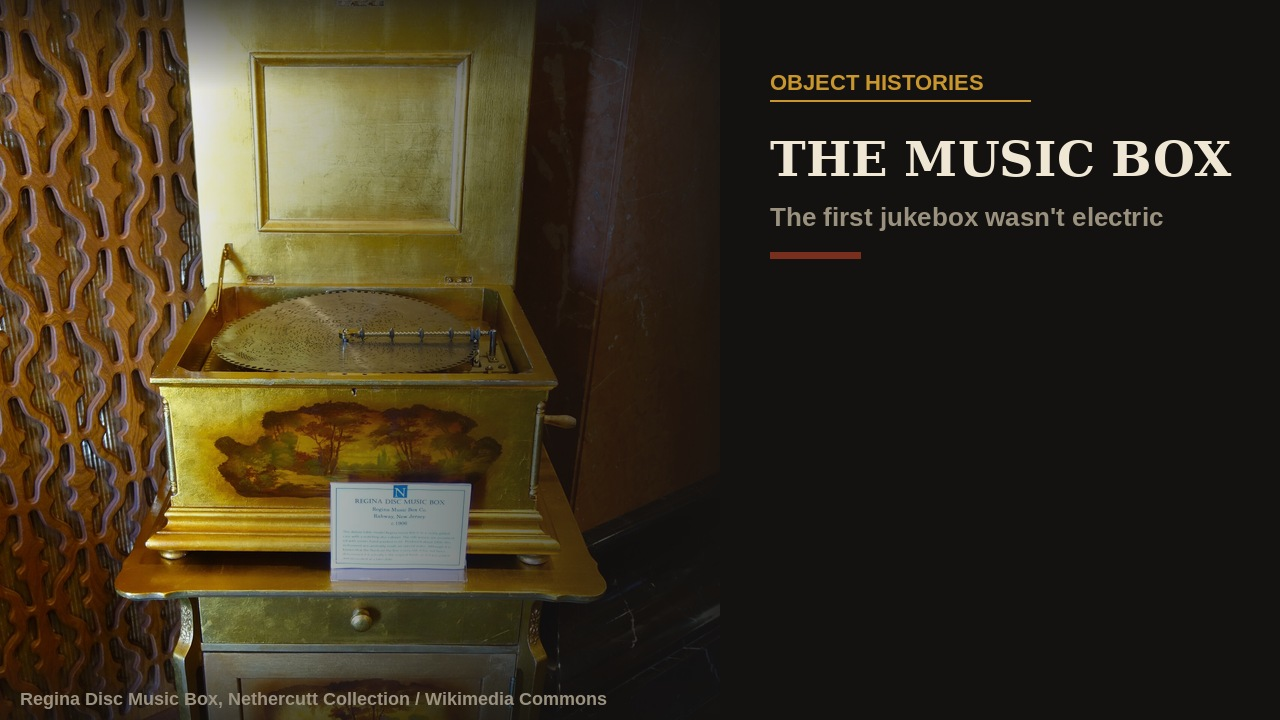
Why Music Boxes Disappeared: Rise and Fall of an Industry
By 1896, the Regina Music Box Company was America’s recognized market leader, selling self-playing steel discs to saloons and parlors from a 300-worker New Jersey factory. By 1922 it was bankrupt. Here’s the full story, from a Geneva watchmaker’s 1796 pocket trick to the Leipzig falling-out that created two rival companies, to the phonograph that…
-
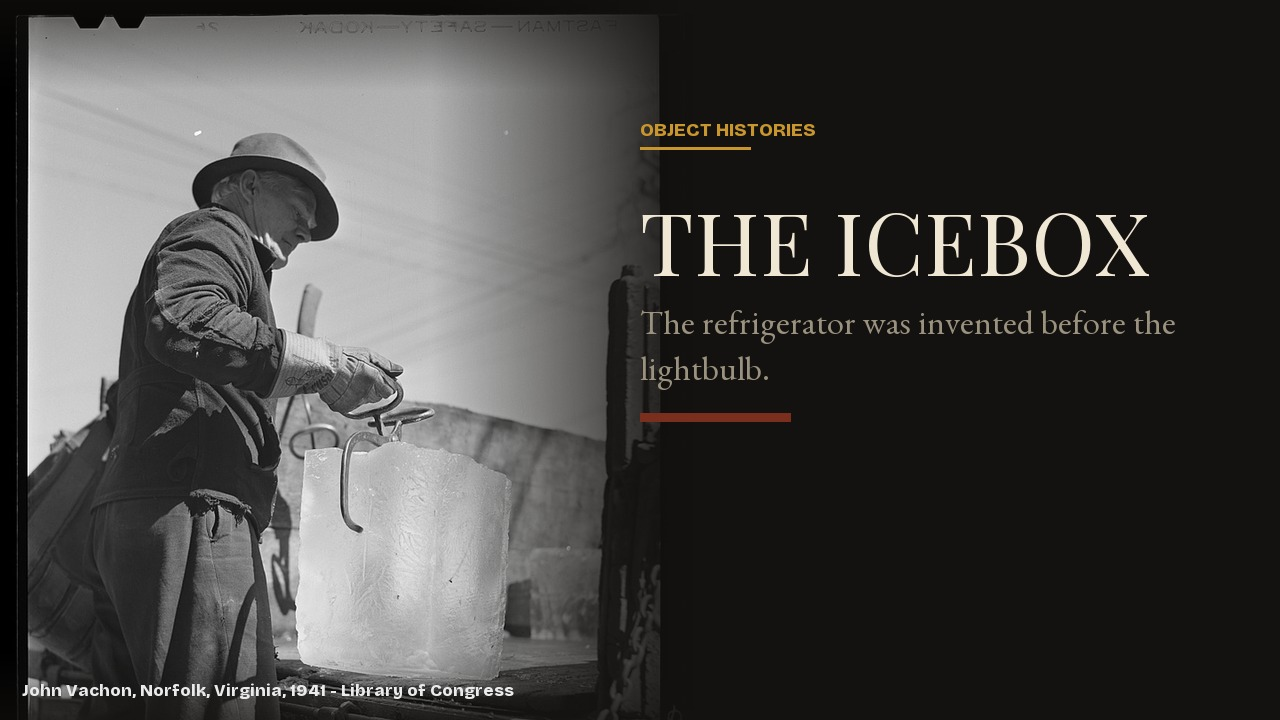
How Iceboxes Worked Before the Electric Refrigerator
Before electricity, keeping food cold meant a block of ice, a drip pan, and a Boston trader bold enough to ship frozen ponds to the tropics. Here’s how iceboxes worked, and how the trade that supplied them collapsed in a single generation.
-
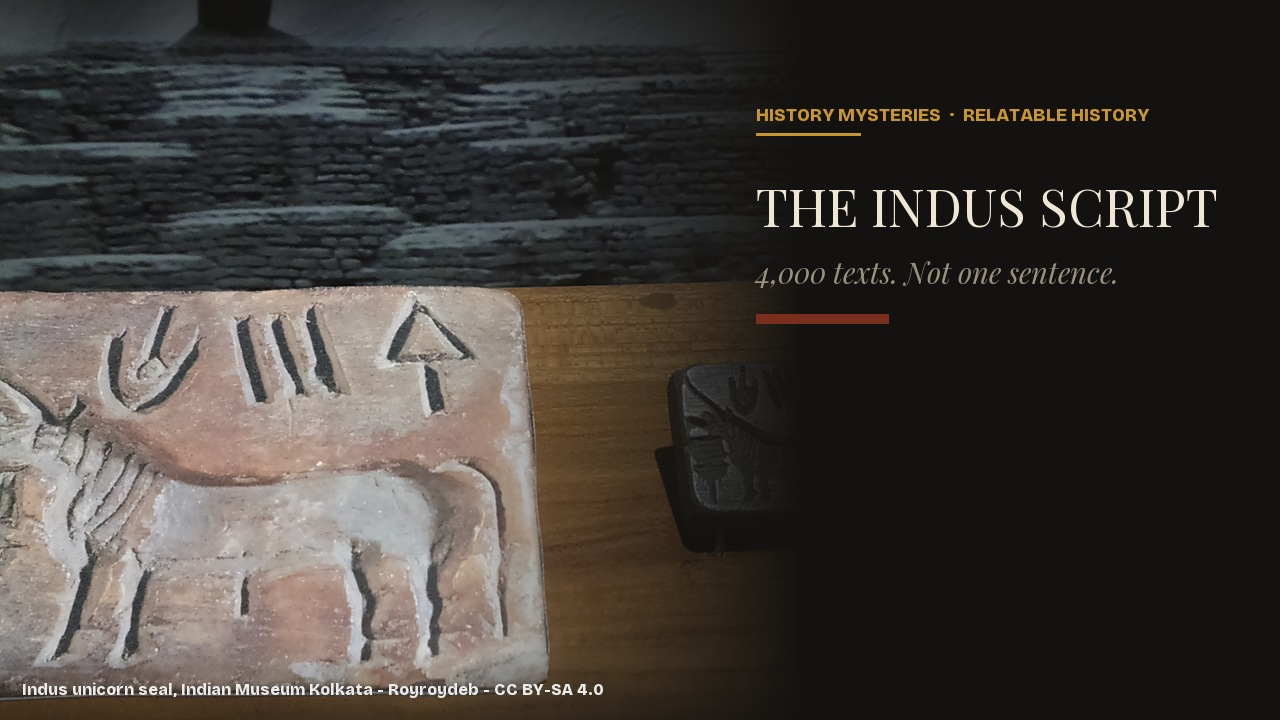
Why No One Has Ever Deciphered the Indus Valley Script
Four thousand inscribed objects, a century and a half of excavation, and still not one sentence anyone can read — this is the real state of the evidence behind the Indus script.
-
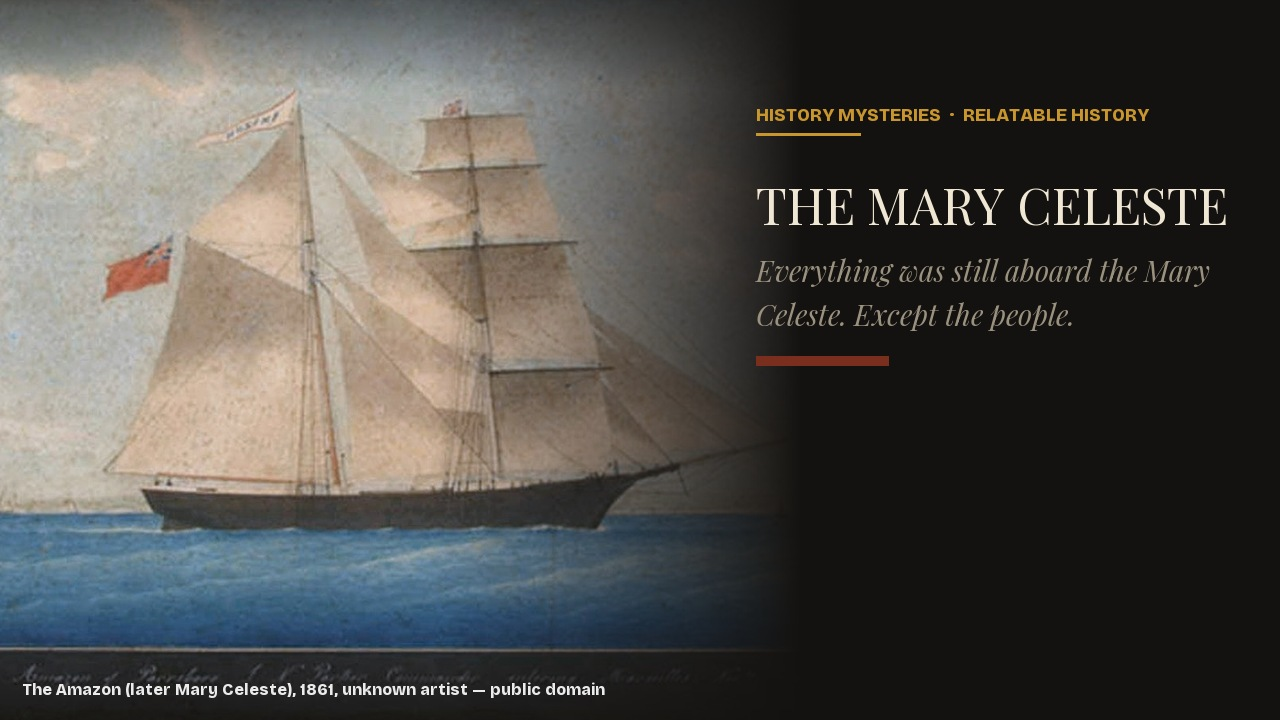
What Really Made the Crew Abandon the Mary Celeste
She was fully provisioned, under partial sail, and completely empty. A century and a half later, two chemistry labs think they’ve worked out why the crew left.
-
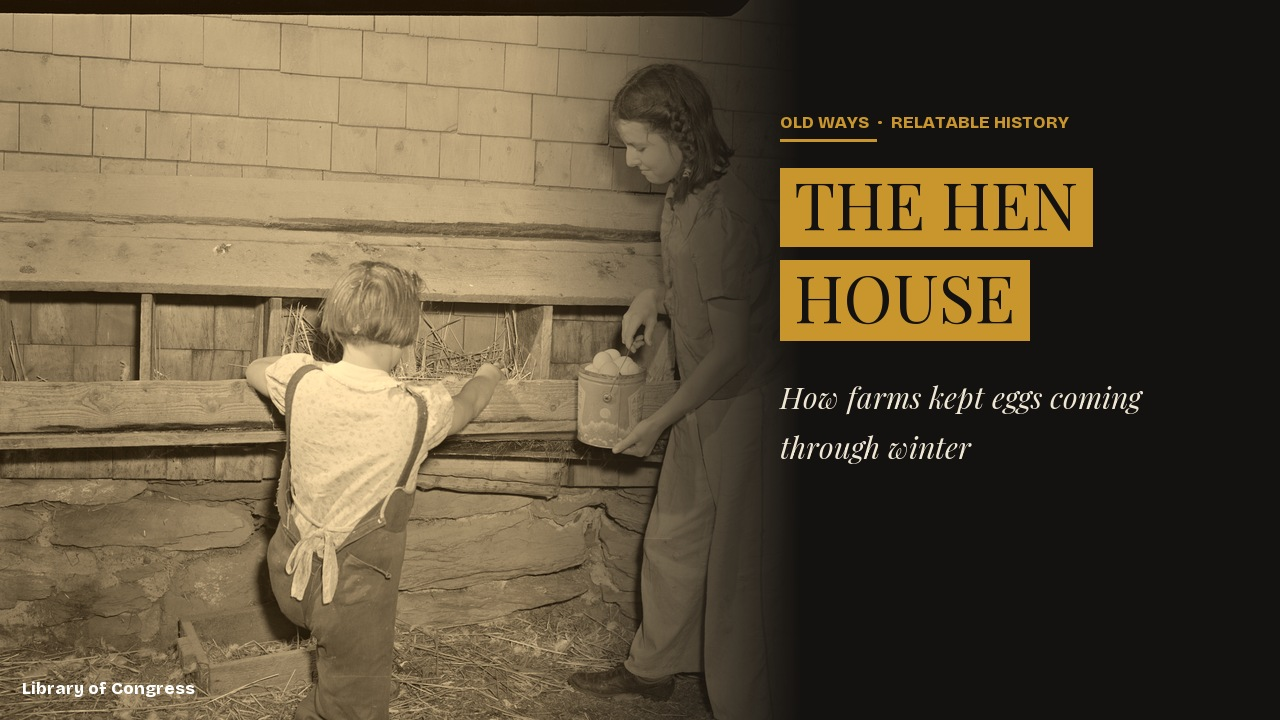
The Egg Money History of the Farmhouse Henhouse
For a farm wife a century ago, the henhouse out back wasn’t incidental. It was one of the only incomes she controlled herself, built on sun angles, careful records, and eggs sold by the basket.
-
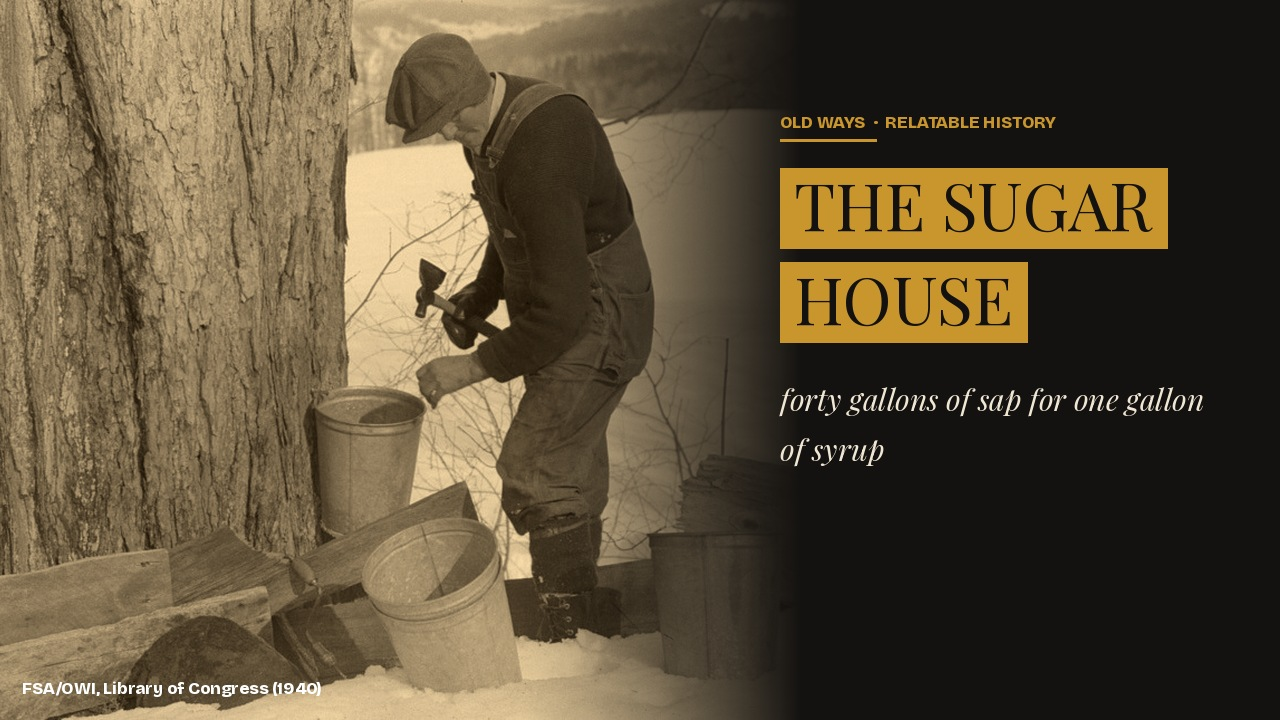
The Maple Sugar Abolition Movement That Almost Worked
A Philadelphia doctor, a Founding Father, and a network of Quakers all believed maple trees could end American demand for sugar grown by enslaved labor. For about a decade, it looked like it might.
-
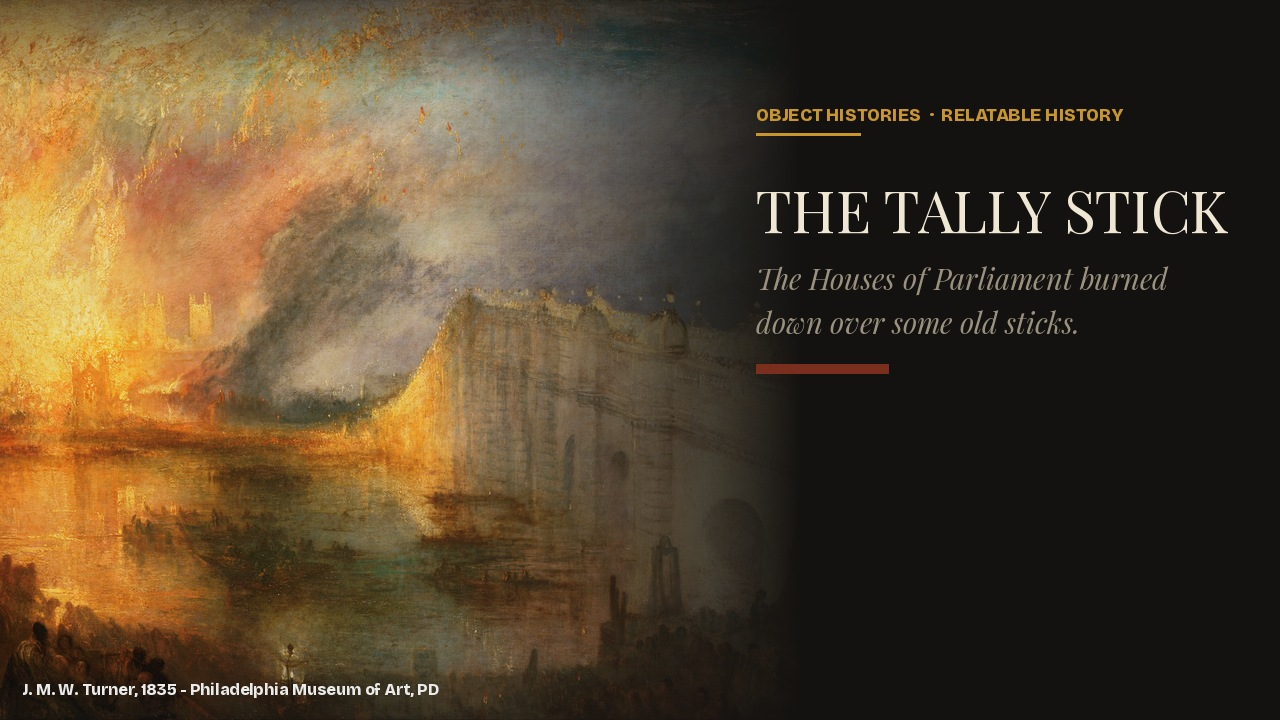
How Wooden Tally Sticks Ran England’s Treasury for 600 Years
A tally was a notched stick split in half so the two pieces could never be faked. For six centuries it was England’s receipt, its currency, and eventually its downfall.
-
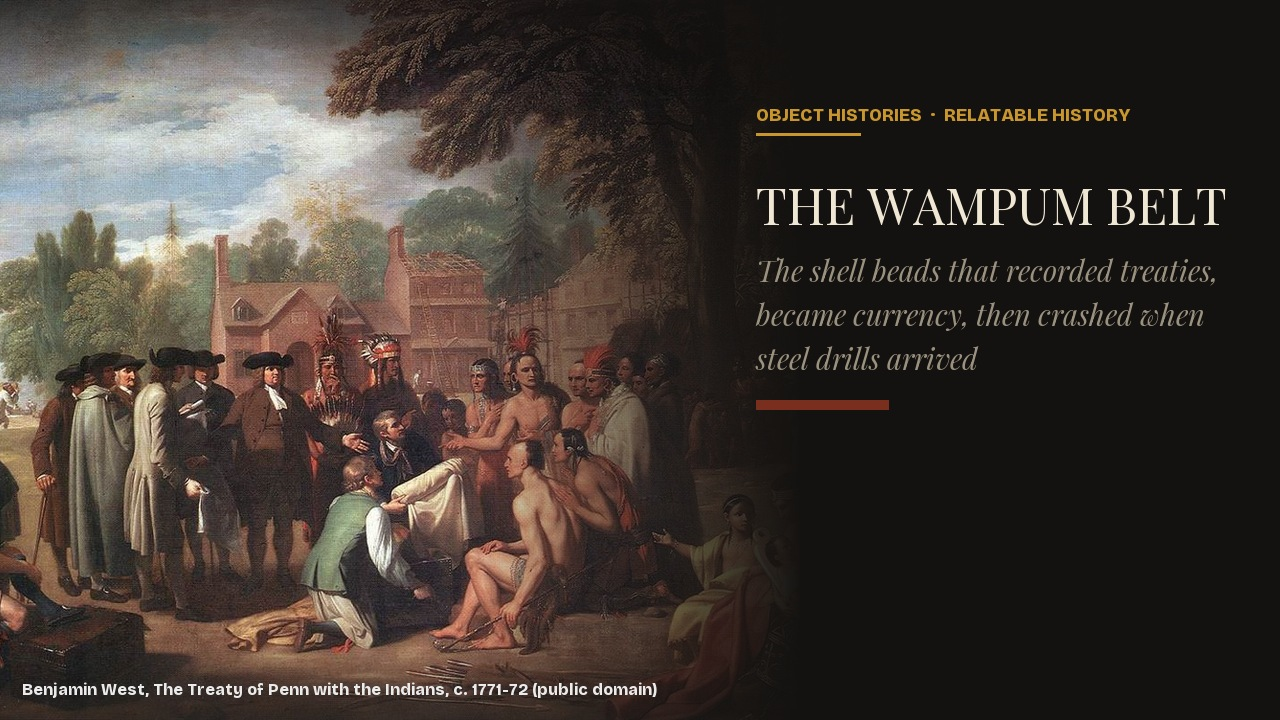
The 24 Years Wampum Was Legal Tender in Massachusetts
For 24 years you could pay your taxes in shell beads. The law that made it possible, the drills that broke it, and the belts that were never really about money at all.
-
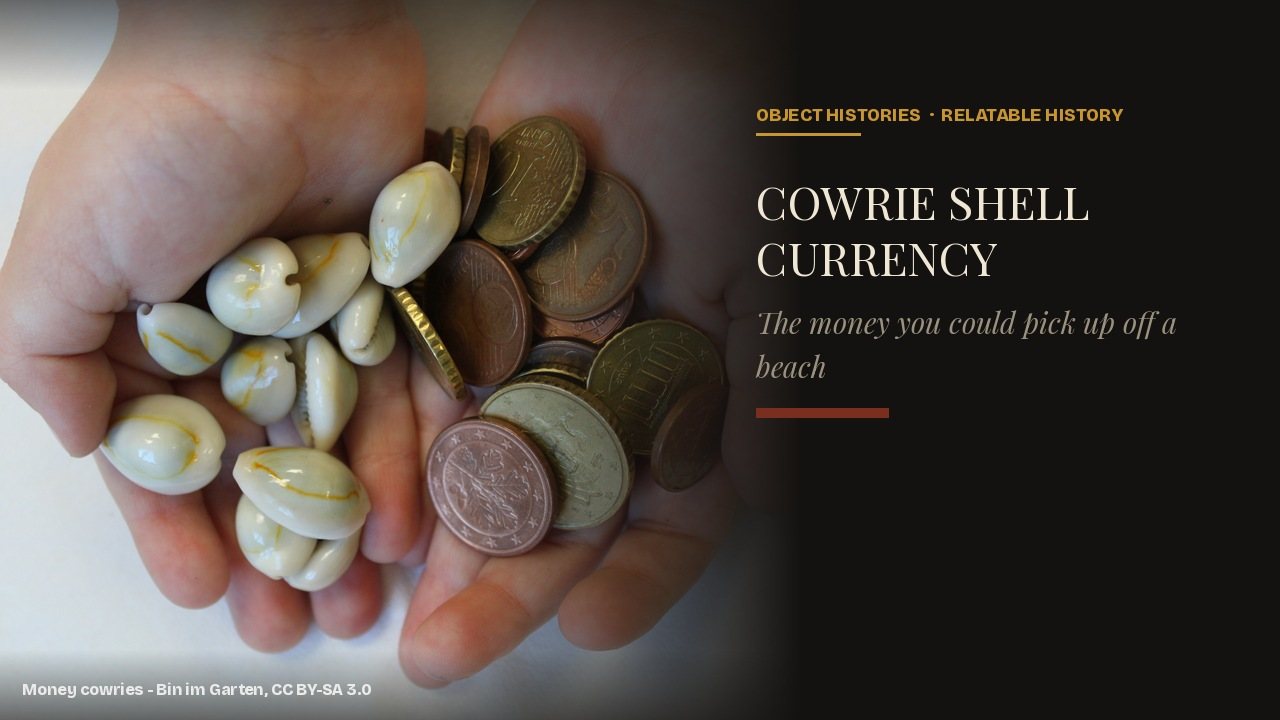
Cowrie Shell Money: How a Sea Snail Financed Four Continents
A shell you could pick up off a beach was money on four continents for roughly four thousand years, until one Hamburg trading firm undid it in a single generation.