
Work & Craft
Trades, tools, workshops and manufacture, from hand craft to the factory floor.
-
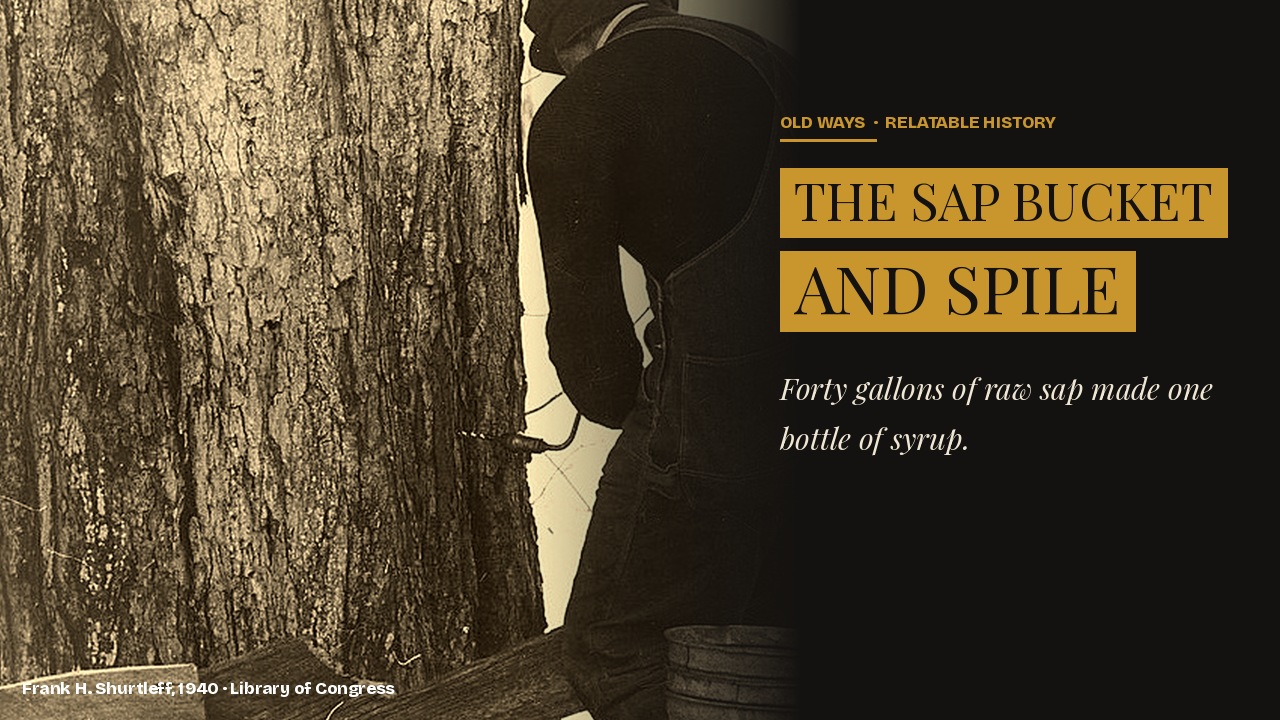
The History of Maple Sugaring, From Stone-Boiled Sap to a Stolen Fortune
Thomas Jefferson once planted sixty maple trees in a bid to undercut slave-grown cane sugar. That is only one stop in the fuller, stranger history behind the bucket and spile.
-
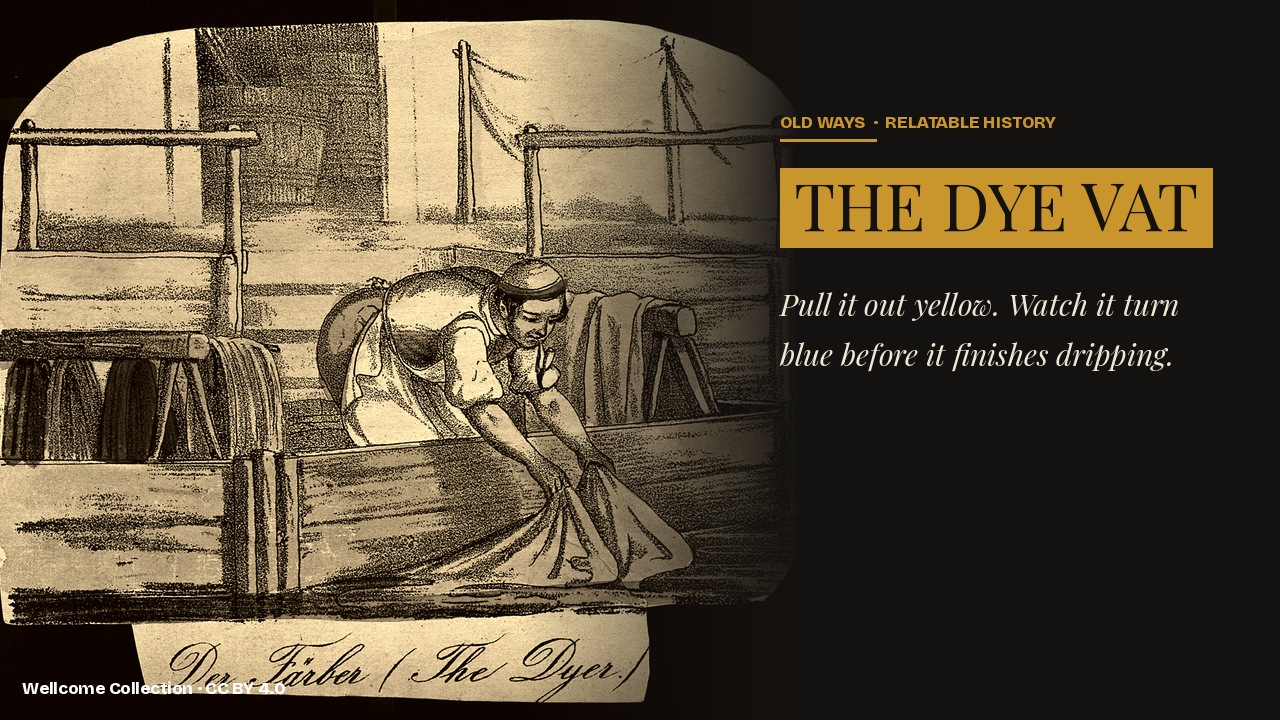
How Colonial Americans Dyed Cloth Before Store-Bought Dye Existed
Before synthetic dye came in a nickel packet, color for homespun cloth was grown, traded, or fermented at home — and one trick made plain yellow liquid turn sky blue in midair.
-
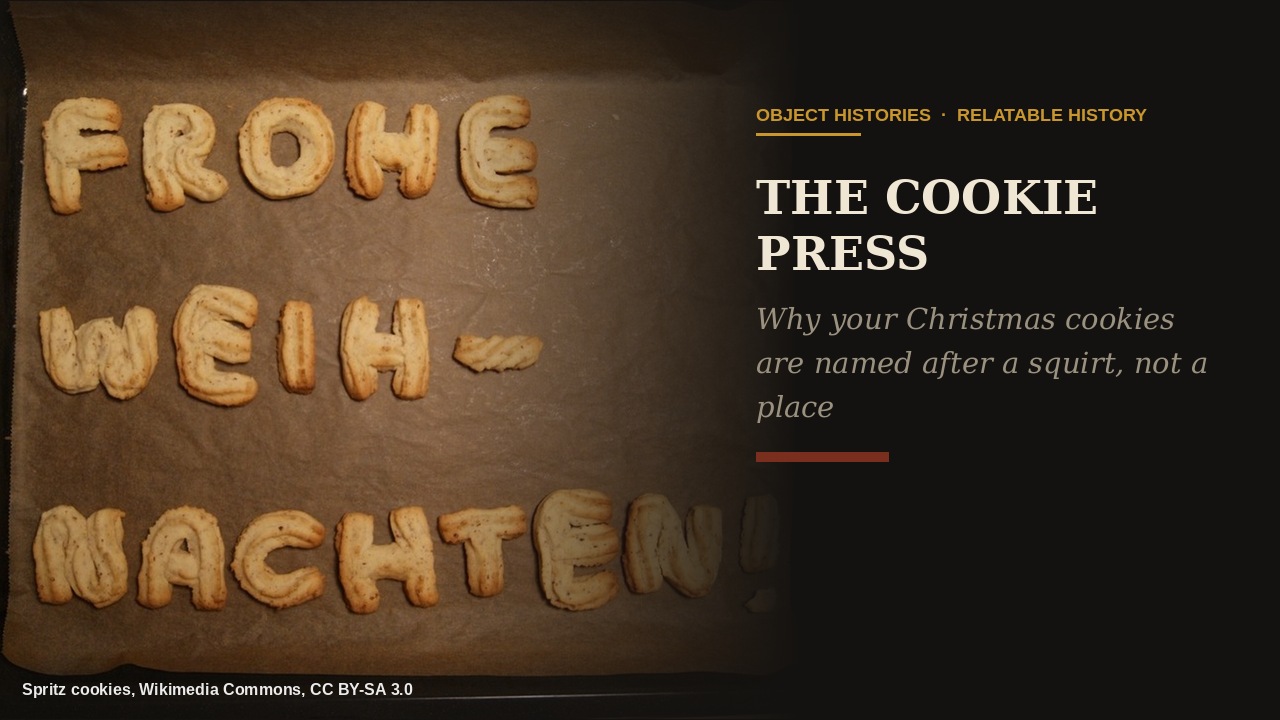
How the Cookie Press Was Invented
The gadget in your kitchen drawer started as a London confectioner’s solution to a sore-arm problem, not a cookie recipe. Here is the two-hundred-year path between the two.
-
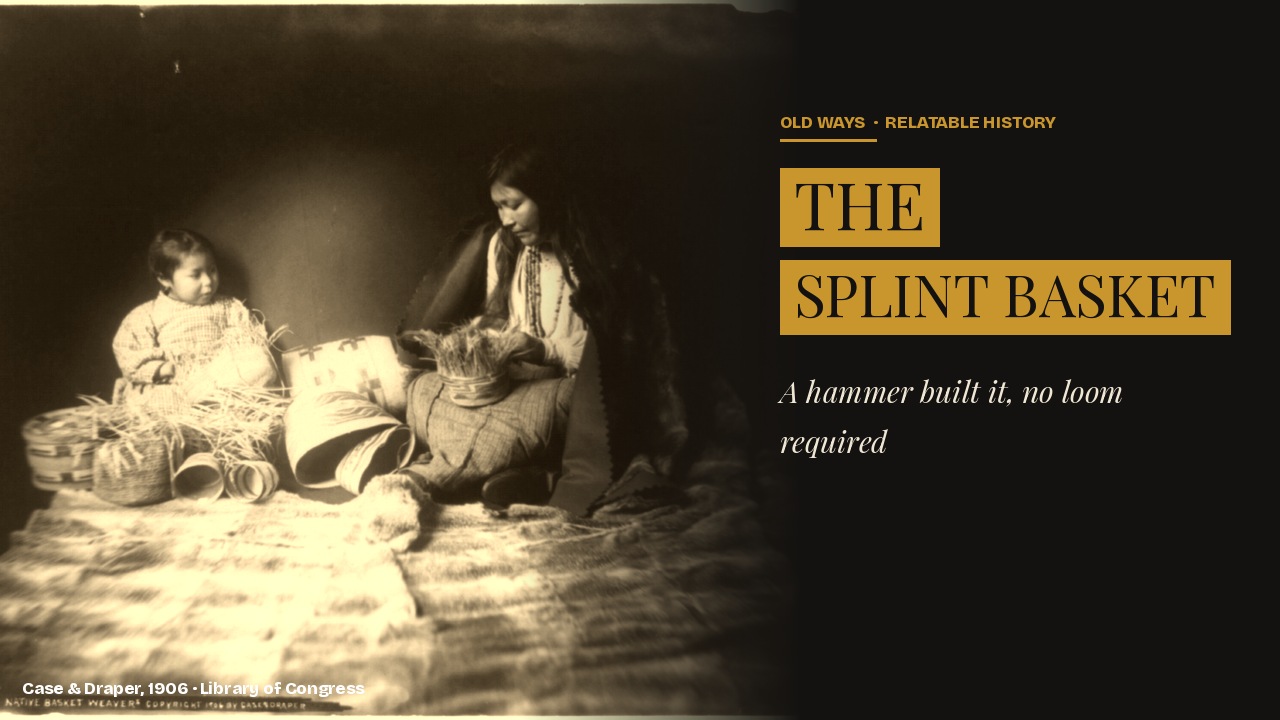
The Native American Craft Behind Every Farm Basket
Nearly every egg basket, feed basket, and market basket on a 19th-century American farm descends from one Native pounding technique, taught to settlers, then nearly erased twice: once by wire and plastic, and now by a beetle.
-
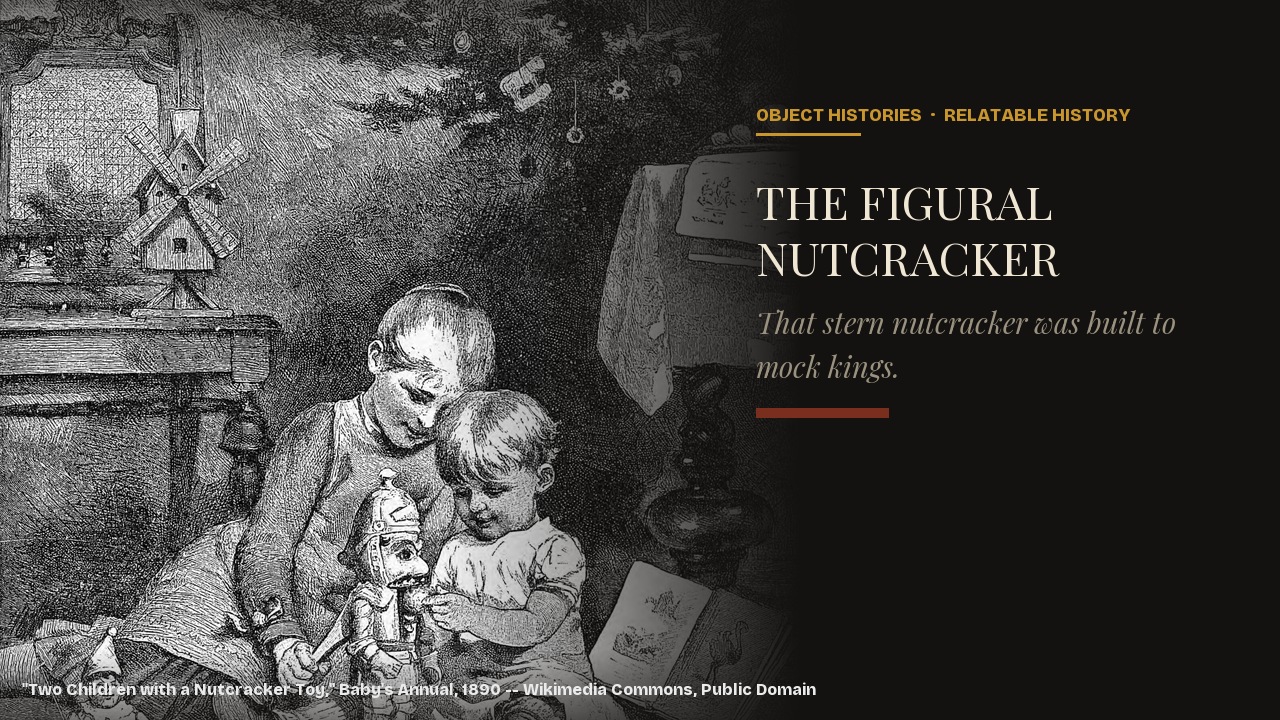
Why Christmas Nutcrackers Are Shaped Like Kings and Soldiers
The wooden king on your mantel was carved by people who’d lost their own livelihoods, to make him grind his jaw forever. Here’s the oddly tangled, three-named, two-Hoffmann true story.
-
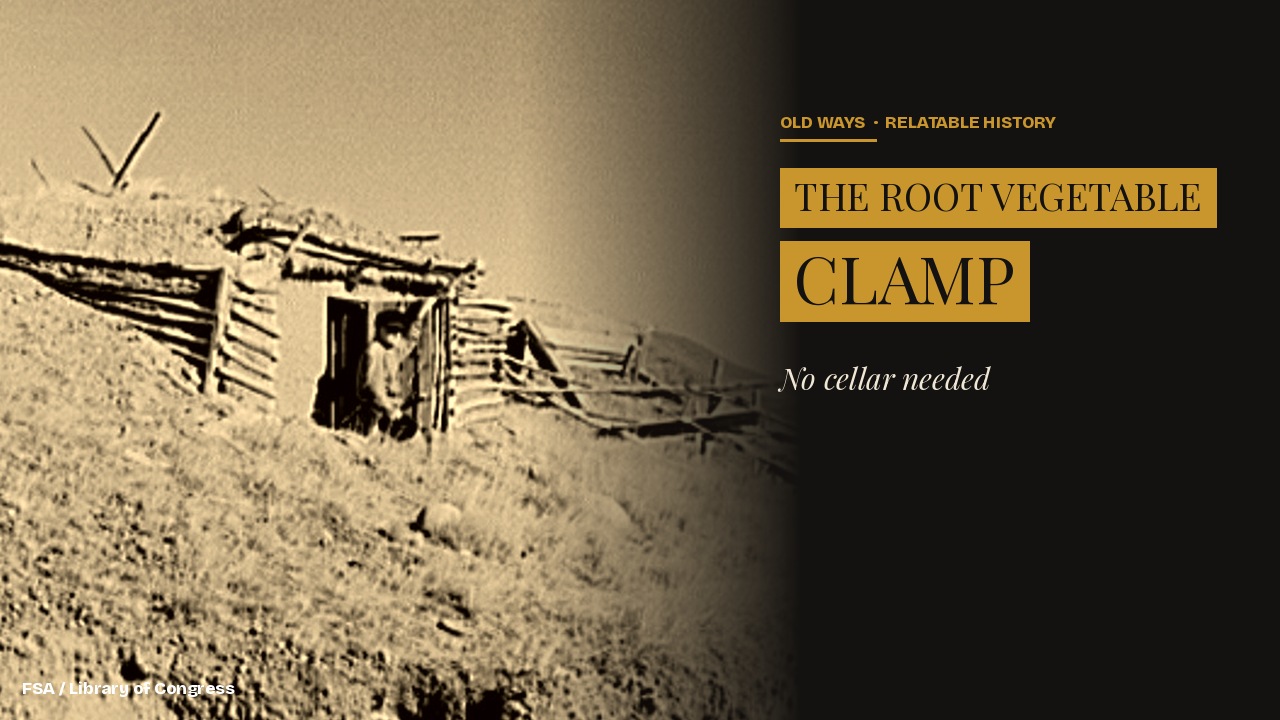
How to Store Root Vegetables All Winter Without a Cellar
Long before refrigeration, a farm without a root cellar buried its potatoes and turnips in a mound of straw and earth called a clamp — and two governments eventually made building one correctly a matter of official wartime advice.
-
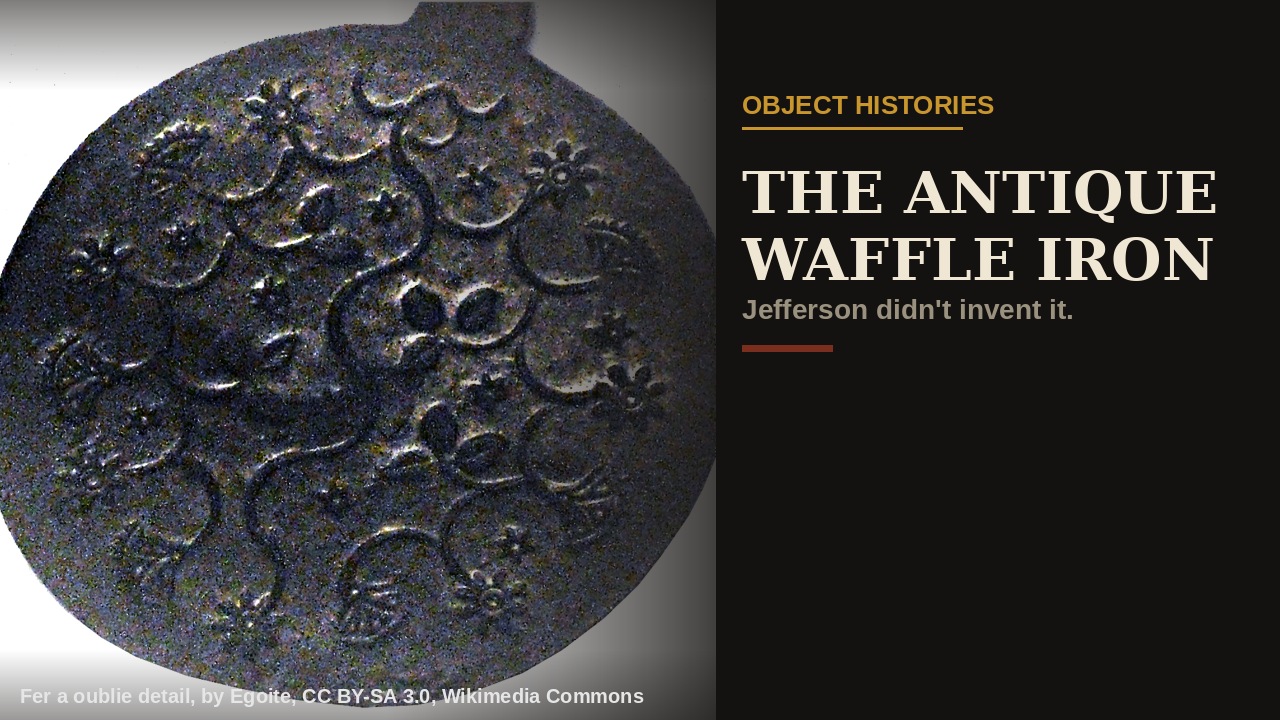
Why Waffles Have a Grid Pattern (It’s Not About the Syrup)
The waffle’s famous grid wasn’t designed to hold syrup. For centuries it held something else entirely — a family’s coat of arms, a church’s sacred symbols, even the tread of a running shoe.
-
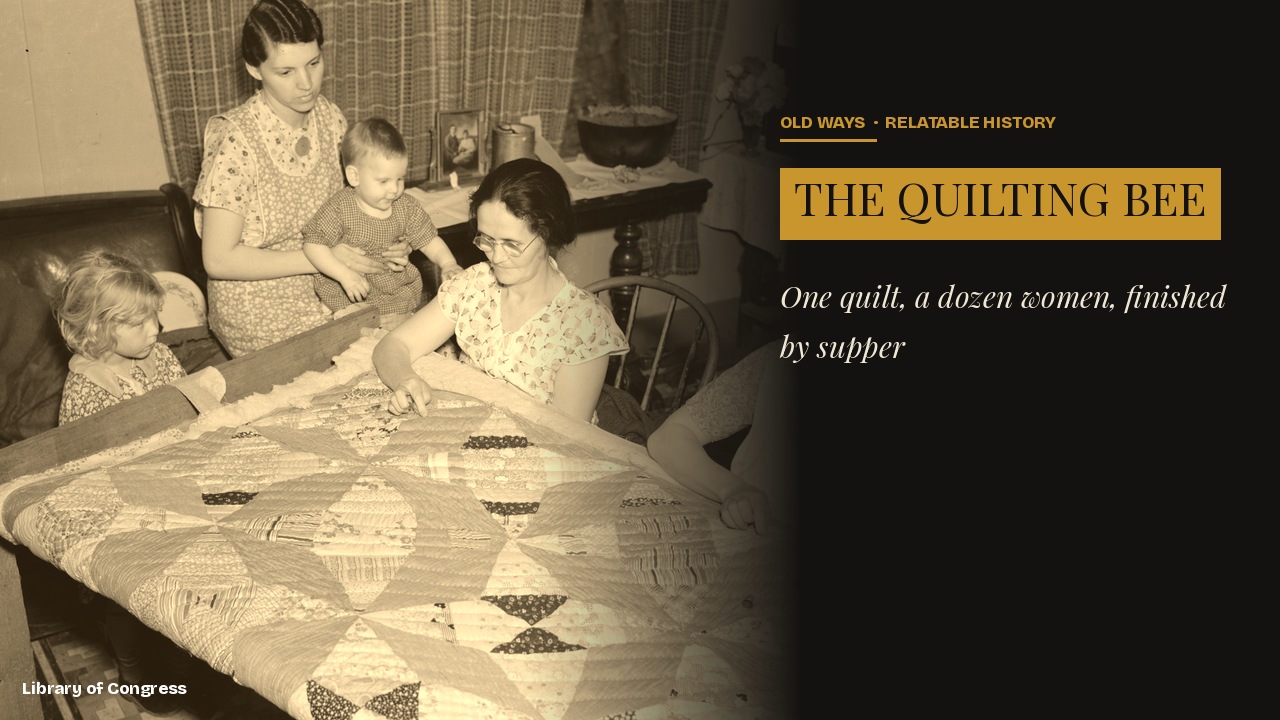
The Quilting Bee Was Already a Punchline by the 1860s
The quilting bee was real, but probably not the way you picture it. A 160-year-old joke photograph, a midwife’s diary, and a Depression-era square dance tell a stranger story.
-
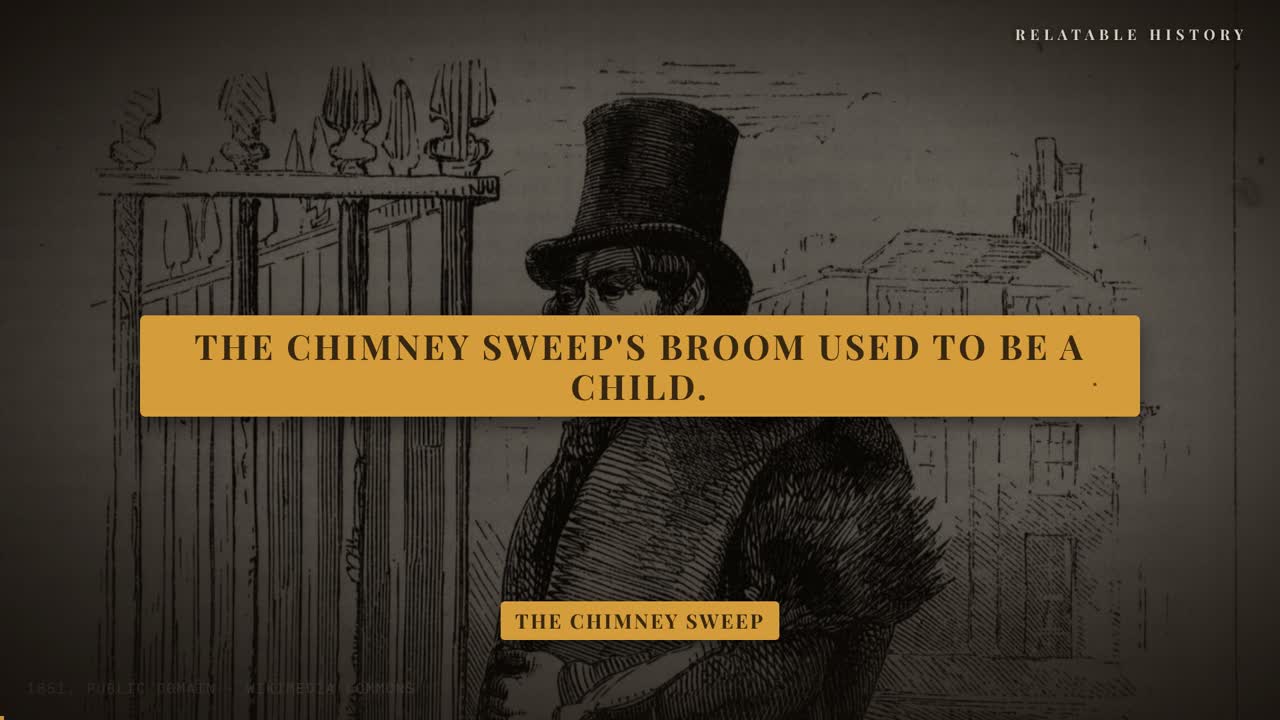
Climbing Boys: The Children Britain Sent Up Chimneys
Climbing boys were chimney sweeps apprenticed as young as four and sent inside flues nine inches wide. It took a surgeon’s cancer discovery, three failed laws, and one more child’s death to finally stop it.
-

How Much Firewood Heated a Farmhouse Through a 19th-Century Winter
A farmhouse with no coal or oil ran on wood that had to be cut, split, and dried for the better part of a year before anyone burned it — and what a single winter’s heat actually cost is still argued over by economic historians today.