
Work & Craft
Trades, tools, workshops and manufacture, from hand craft to the factory floor.
-
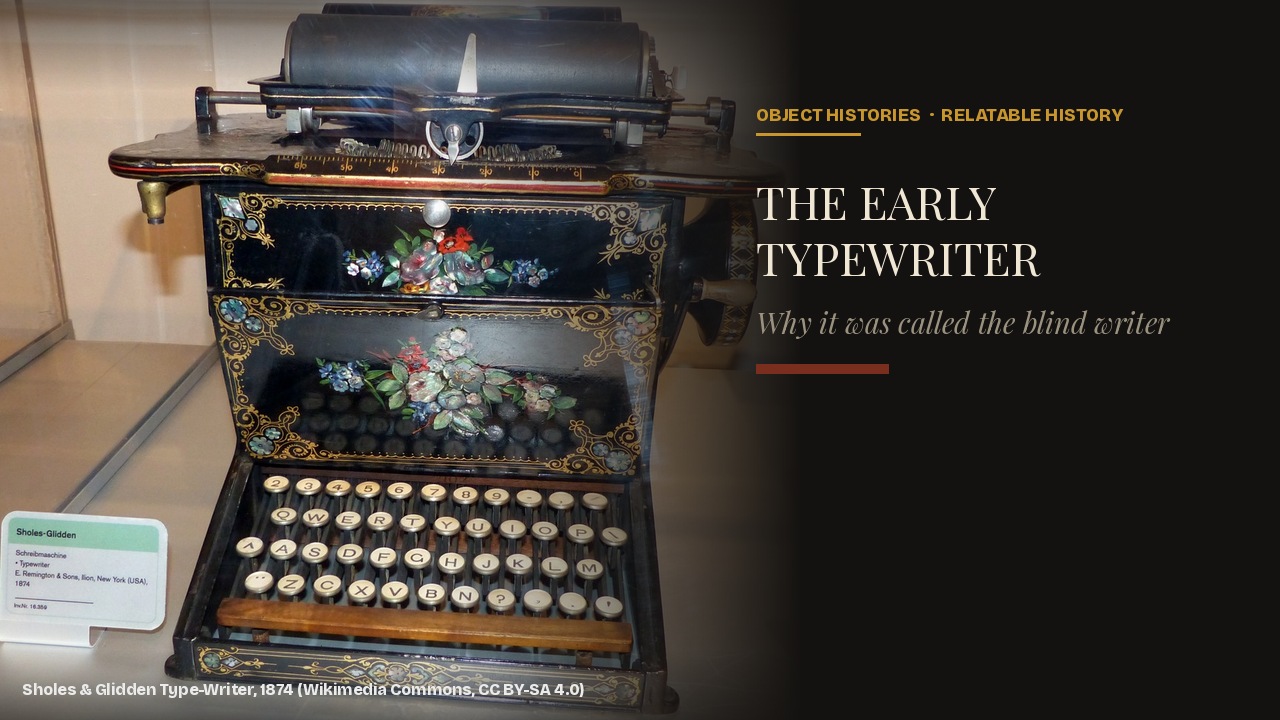
Why Keyboards Use QWERTY — And What the Jamming Story Gets Wrong
The keyboard layout under your fingers right now was devised for a machine that typed blind, sold reluctantly by a rifle maker, and patented three times before it actually worked.
-
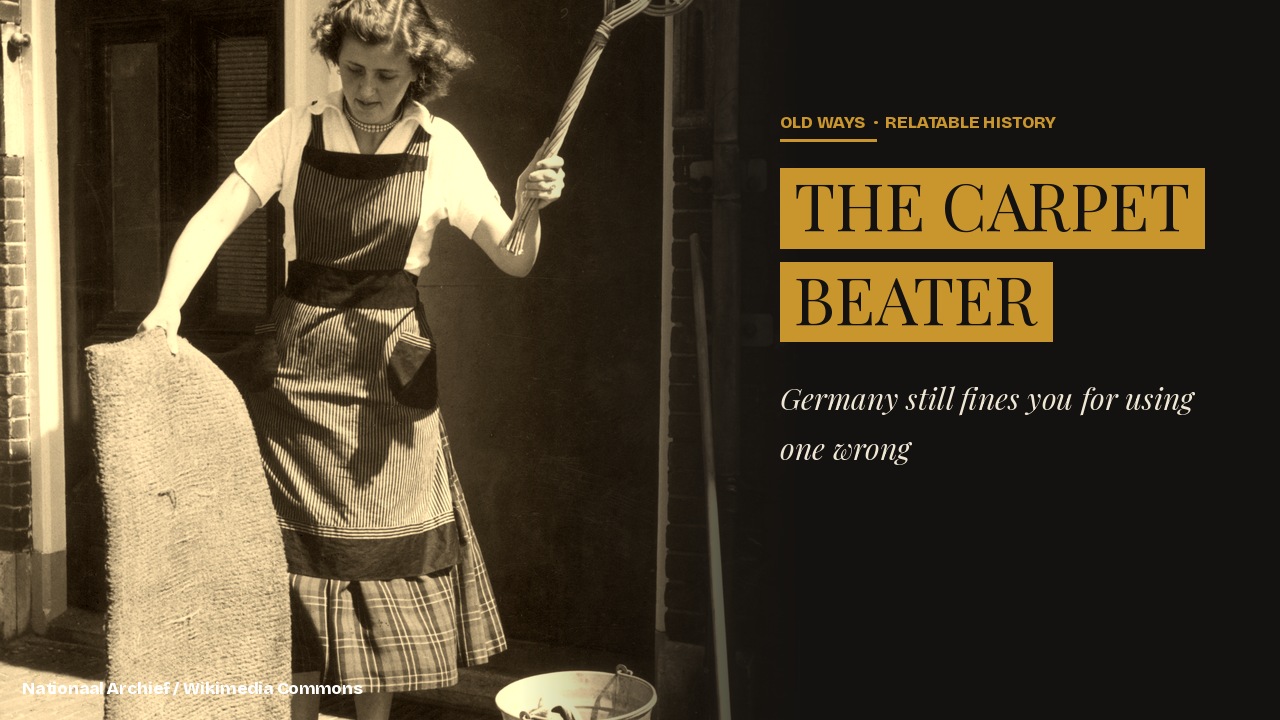
How Carpet Beaters Worked Before the Vacuum Cleaner
The carpet beater’s shape was fixed by a single 1876 patent, and the household habit it built outlived the tool itself — it still shows up in German tenancy law about when you’re allowed to clean.
-

How the Washboard Became a Musical Instrument
The corrugated board patented for scrubbing laundry in 1833 went obsolete within a lifetime — and was reinvented, separately, by a Louisiana welder and a generation of British teenagers.
-
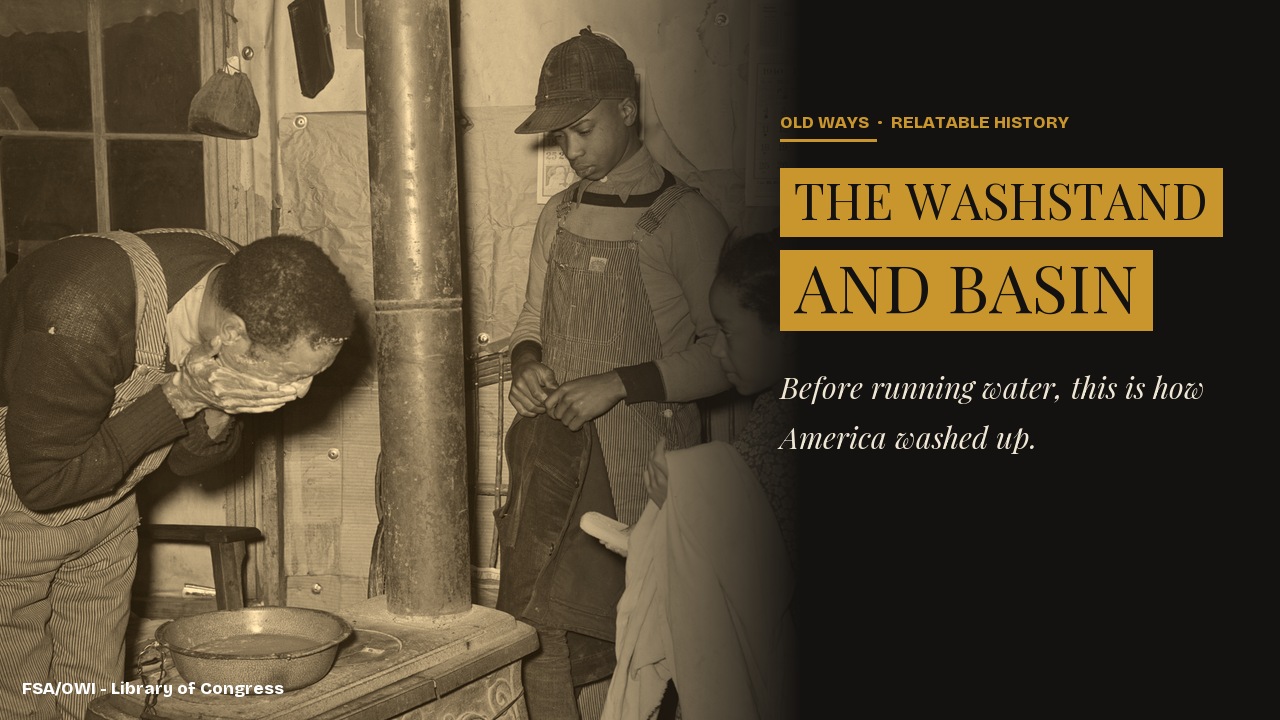
What Washing Before Indoor Plumbing Really Looked Like
Long before the bathroom tap, an ordinary pitcher and basin, refilled by hand trip after trip, was how entire households washed, shaved, and got through the morning.
-
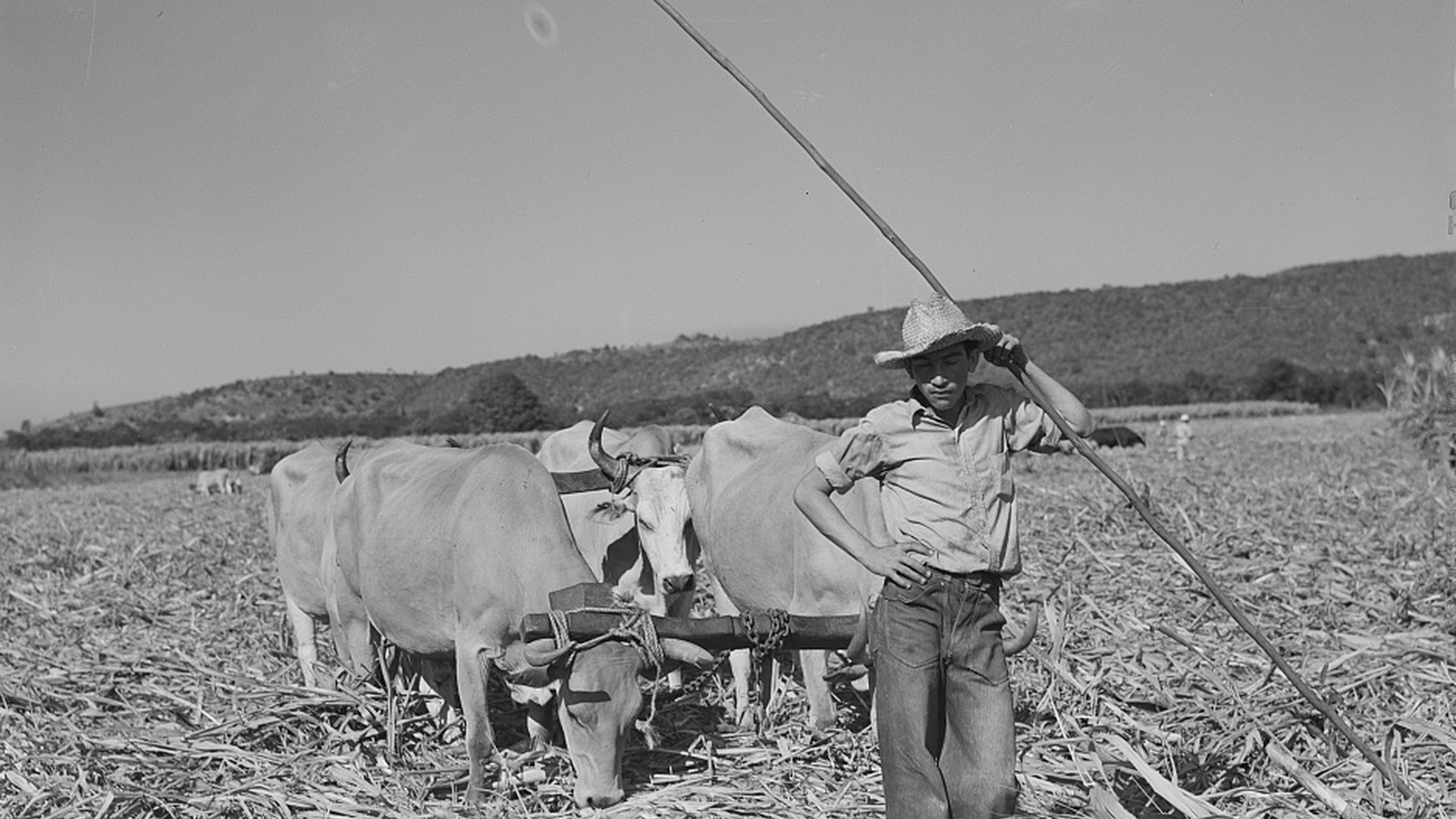
How Oxen Were Trained to Plow Without Reins or a Bit
A yoke of oxen answered to two words and a stick, not a bridle. Here is how the training, the carving, and the hard economics of owning oxen actually worked on the American frontier.
-

Why the Lycurgus Cup Turns From Green to Red
A fourth-century Roman cup changes color depending on where the light comes from. The chemistry took sixteen centuries to explain. The craftsmanship is still a mystery.
-
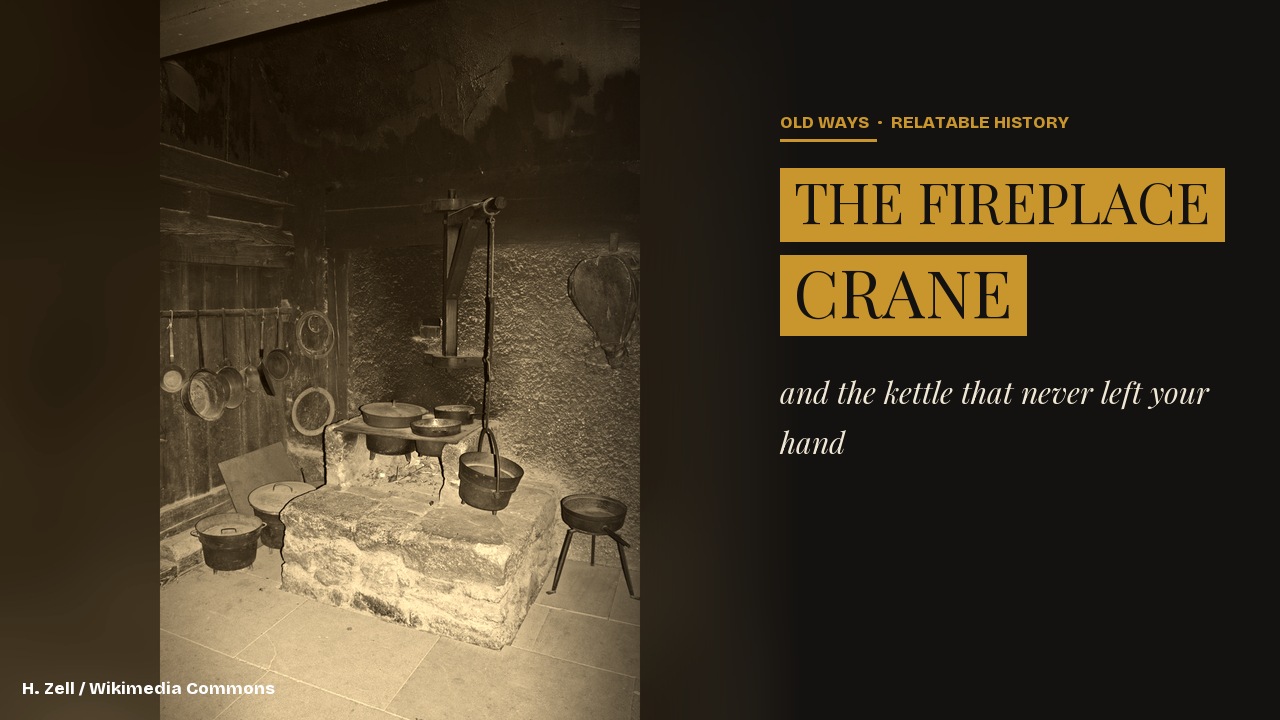
How a Fireplace Trammel Worked in a Colonial Kitchen
The crane got the swinging arm, but the trammel did the real work: a notched or ratcheted iron hook that let a cook dial in heat over open flame with no thermostat at all.
-
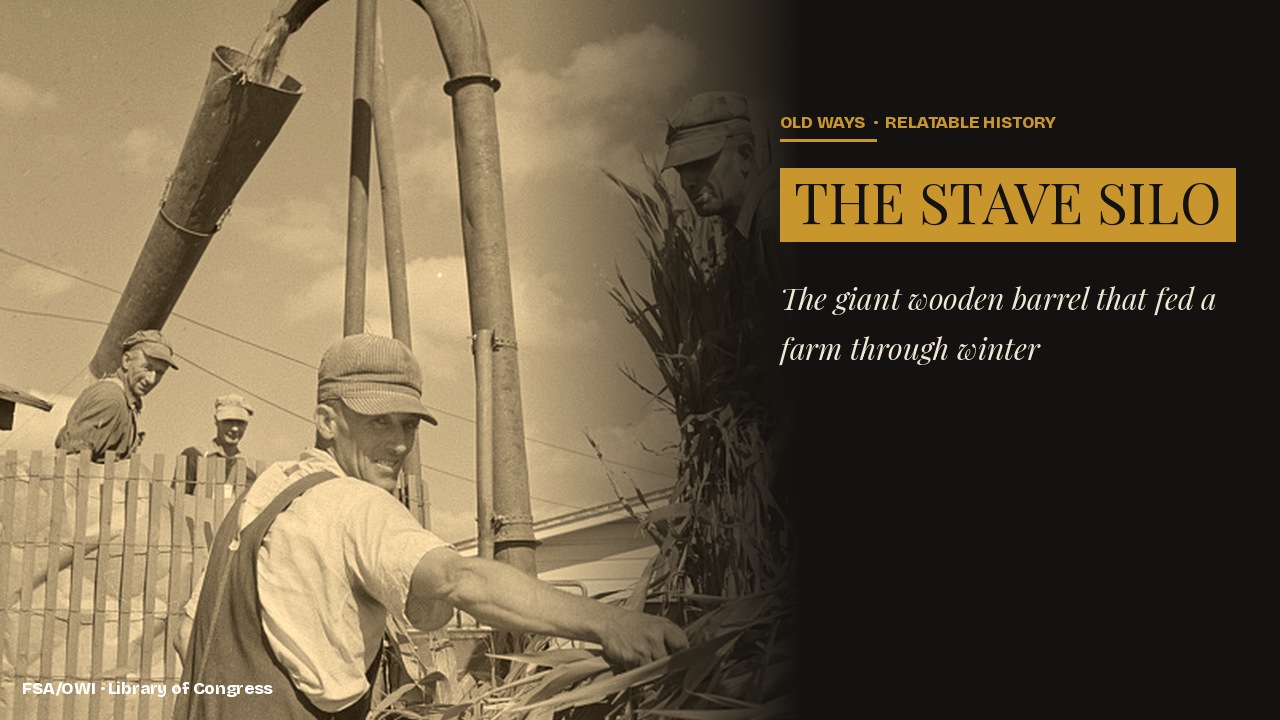
How Stave Silos Worked: Turning Green Corn Into Winter Feed
Farmers once built fifty-foot wooden barrels just to make their corn rot on purpose. Here’s how a stave silo actually worked, who gets credit for inventing it, and why none are built today.
-
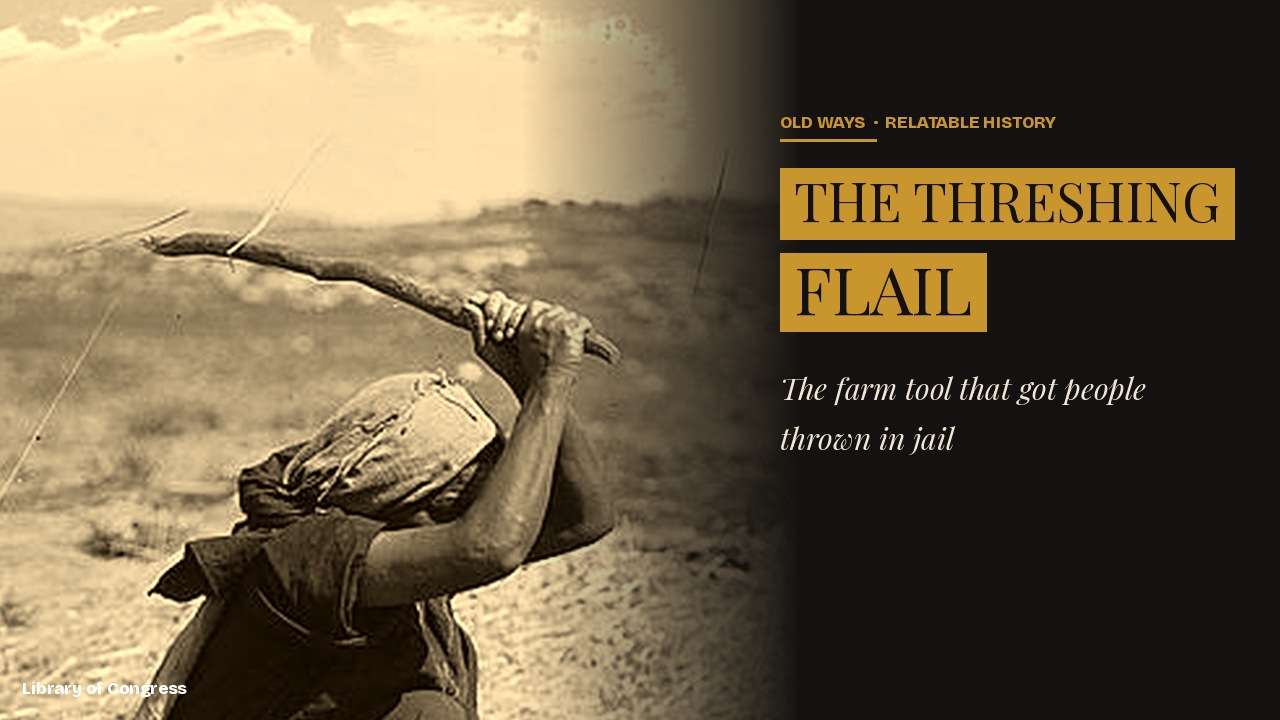
Threshing Grain by Hand: The Flail, the Floor, and the Riot That Tried to Stop the Machine
For most of agricultural history there was only one way to get grain out of its husk: beat it loose by hand with a flail. Then a machine arrived that could do the job in minutes, and farm laborers tried to stop it by force.
-
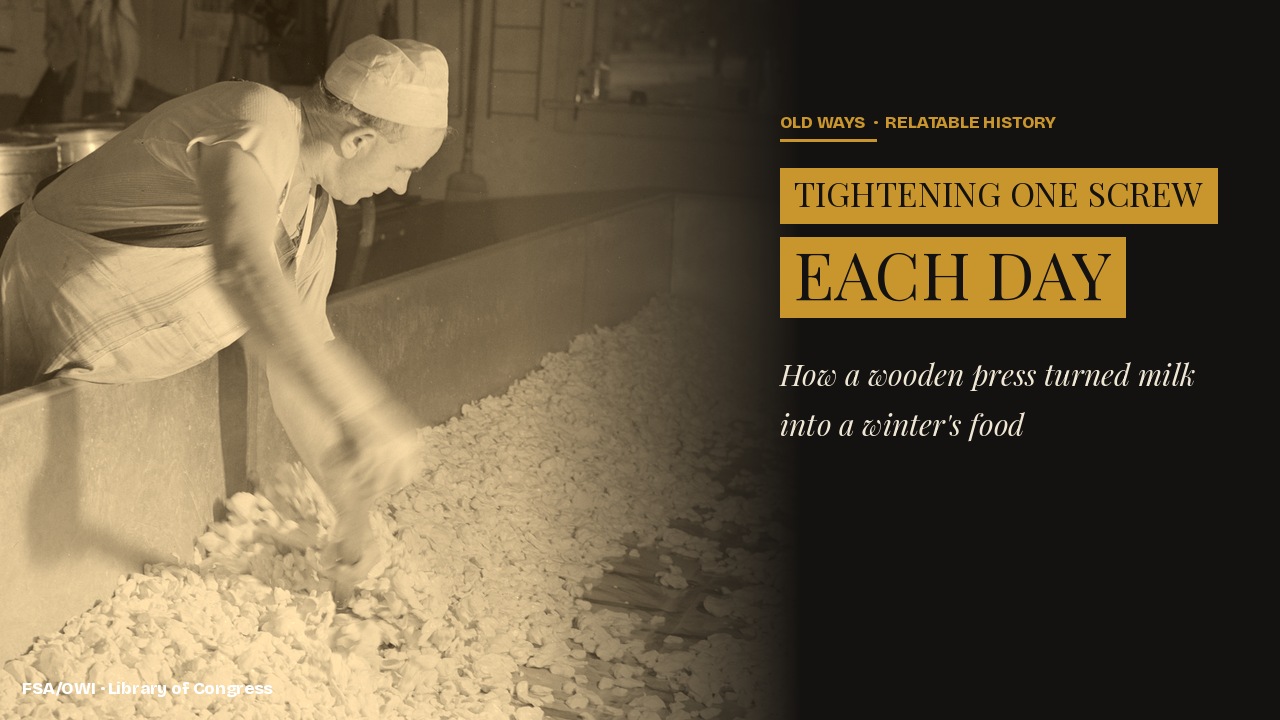
The History of Cheese Pressing: From Roman Molds to Jefferson’s 1,235-Pound Wheel
A borrowed cider press, nine hundred cows, and a disputed inscription: how a simple screw turned surplus milk into a political stunt, a patentable machine, and a dying farmhouse chore.