
Work & Craft
Trades, tools, workshops and manufacture, from hand craft to the factory floor.
-
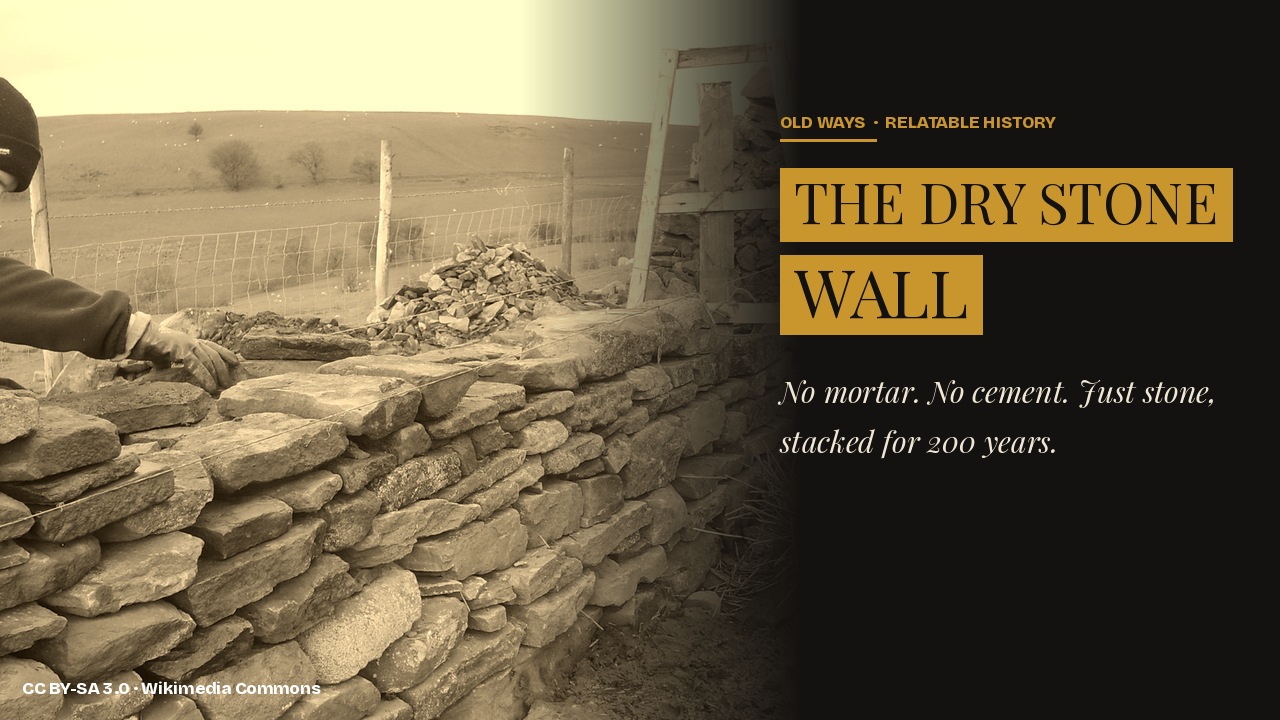
How Dry Stone Walls Stay Up Without a Drop of Mortar
A dry stone wall has no mortar, no cement and no engineer’s drawing behind it — just stacked rock, weight, and a deliberate lean. Some examples still standing are pushing four thousand years old.
-

The 2,000-Year History of the Cold Frame
A Roman emperor demanded an out-of-season fruit every day of the year. Two thousand years later, a homesteading family in New Mexico used the same trick just to get through winter.
-
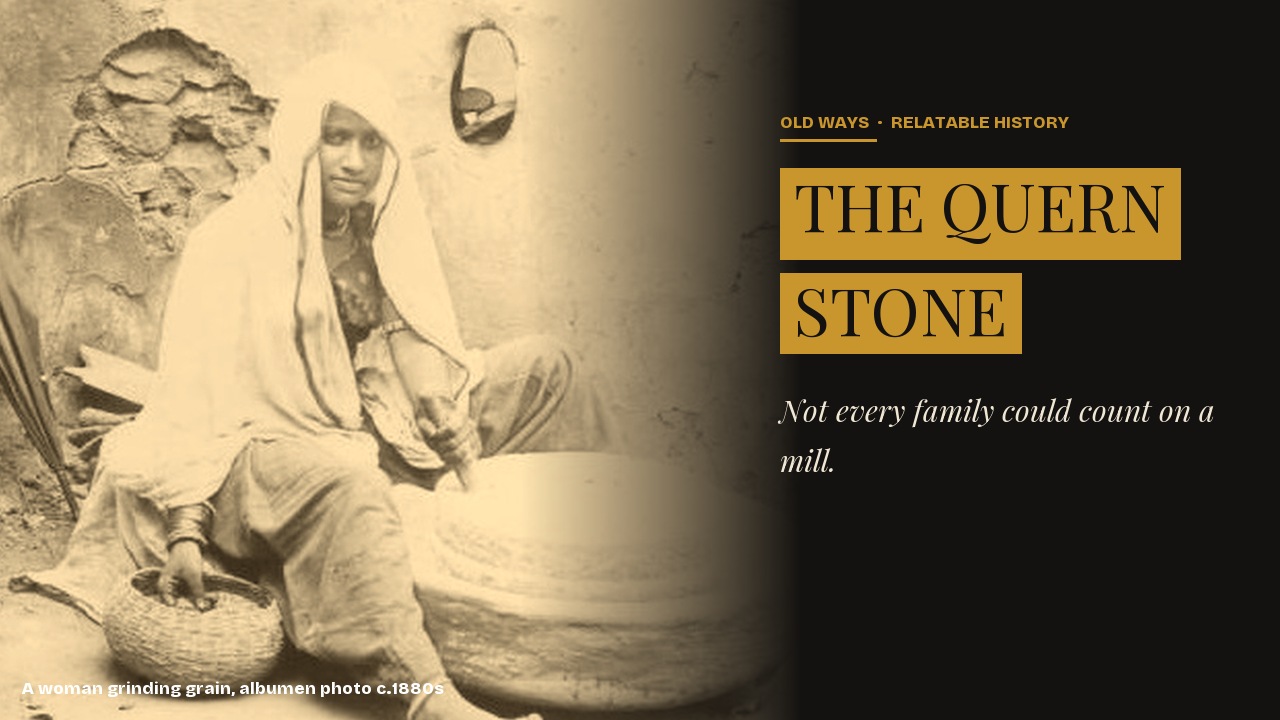
What Was a Quern Stone? The Hand Mill That Outlasted Empires
Two stones, a wooden peg, and an hour of aching work for one loaf of bread. The quern stone outlasted Rome, survived a medieval ban, and fed the American frontier through a war.
-
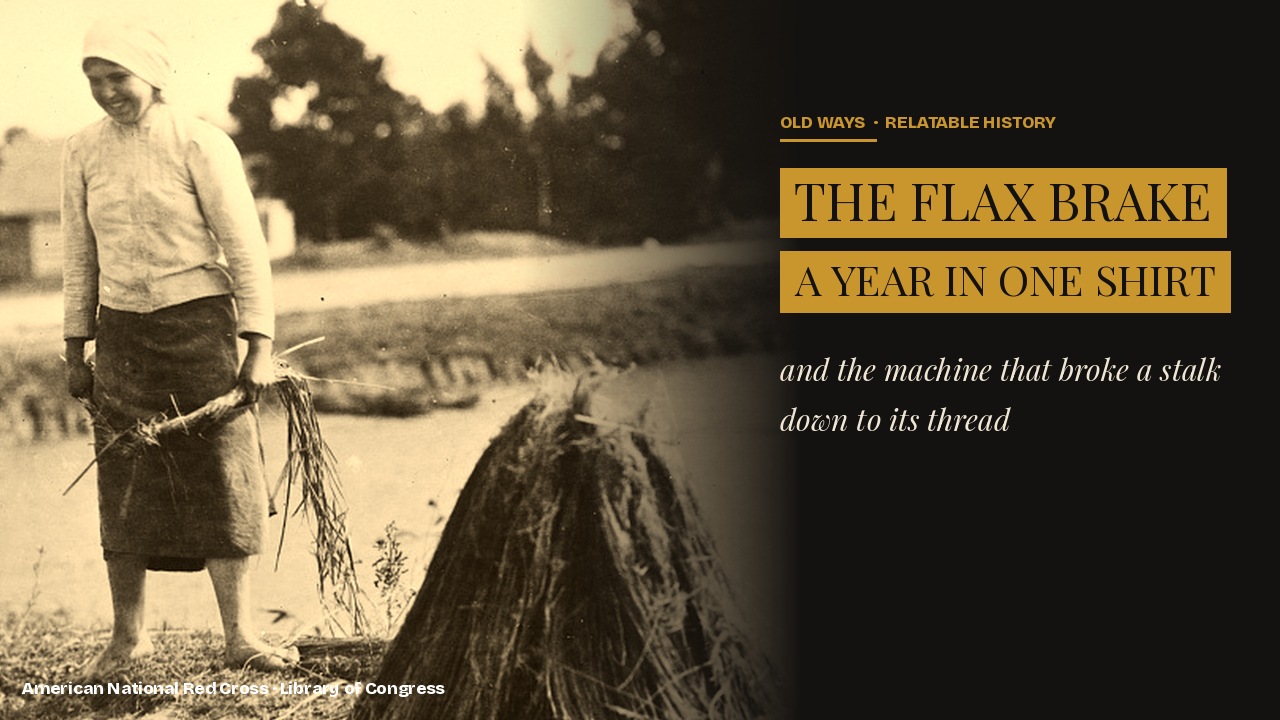
Why Flax Never Became an American Industry
Cotton got the gin. Wool got the jenny and the water frame. Flax got almost nothing, in America at least — while across the Atlantic, the same fiber built an entire industrial city. This is why the flax brake never had an American factory to retire to.
-
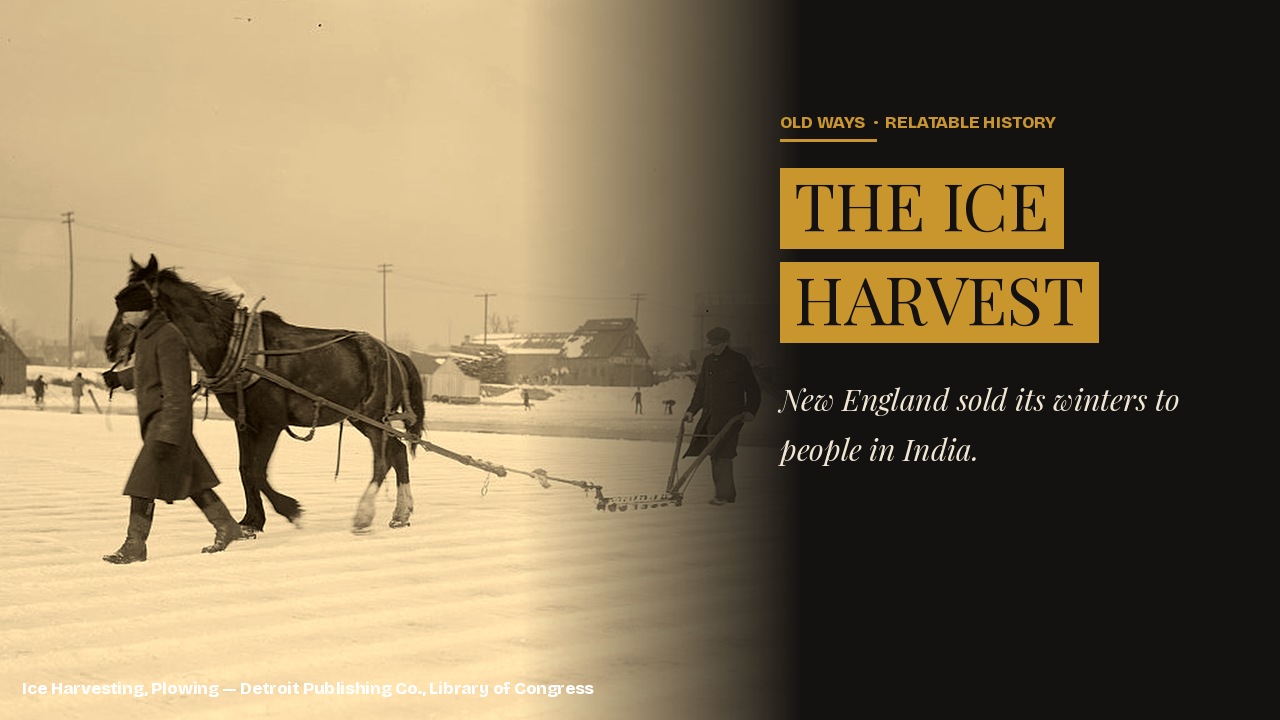
Inside the 19th-Century Ice Harvesting Industry’s Boom and Bust
Cutting and hauling pond ice once employed tens of thousands of workers every winter and built Maine river towns almost overnight, until a rival trade across the Atlantic and a factory in Calcutta undercut it from both ends.
-
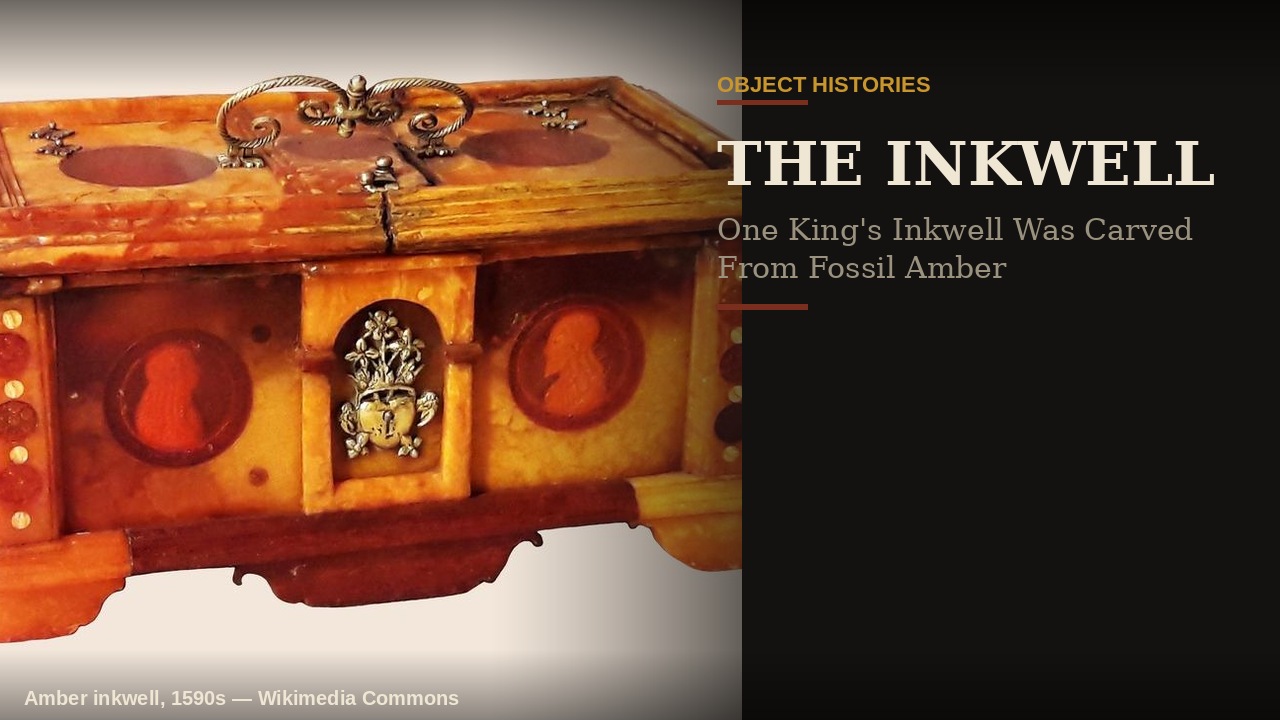
How an Inkwell Actually Worked, From Ancient Egypt to the Classroom
An inkwell wasn’t just a vessel. It was a daily argument with evaporation, frost, and a chemical reaction that quietly destroyed the page it was written on.
-
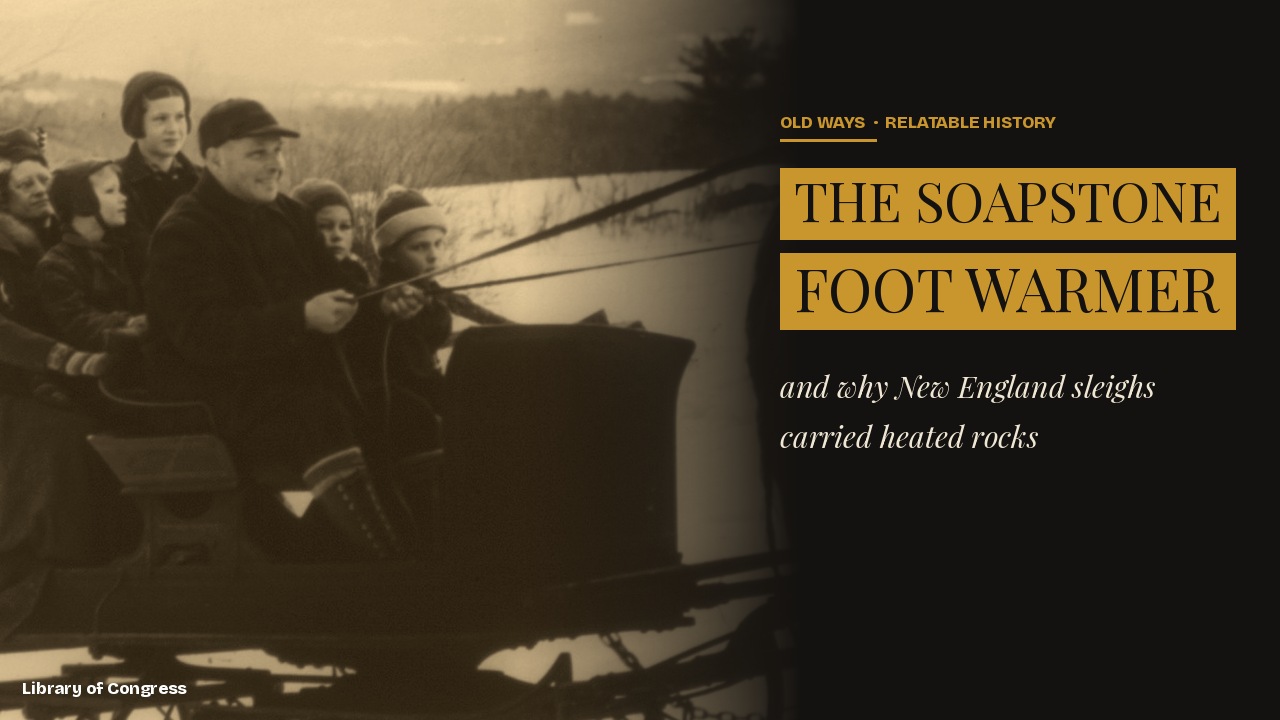
How Soapstone Foot Warmers Worked, and What They Replaced
Long before the hot water bottle, New England families heated a flat stone and carried it into sleighs, pews, and beds, because it held heat almost twice as well as iron.
-
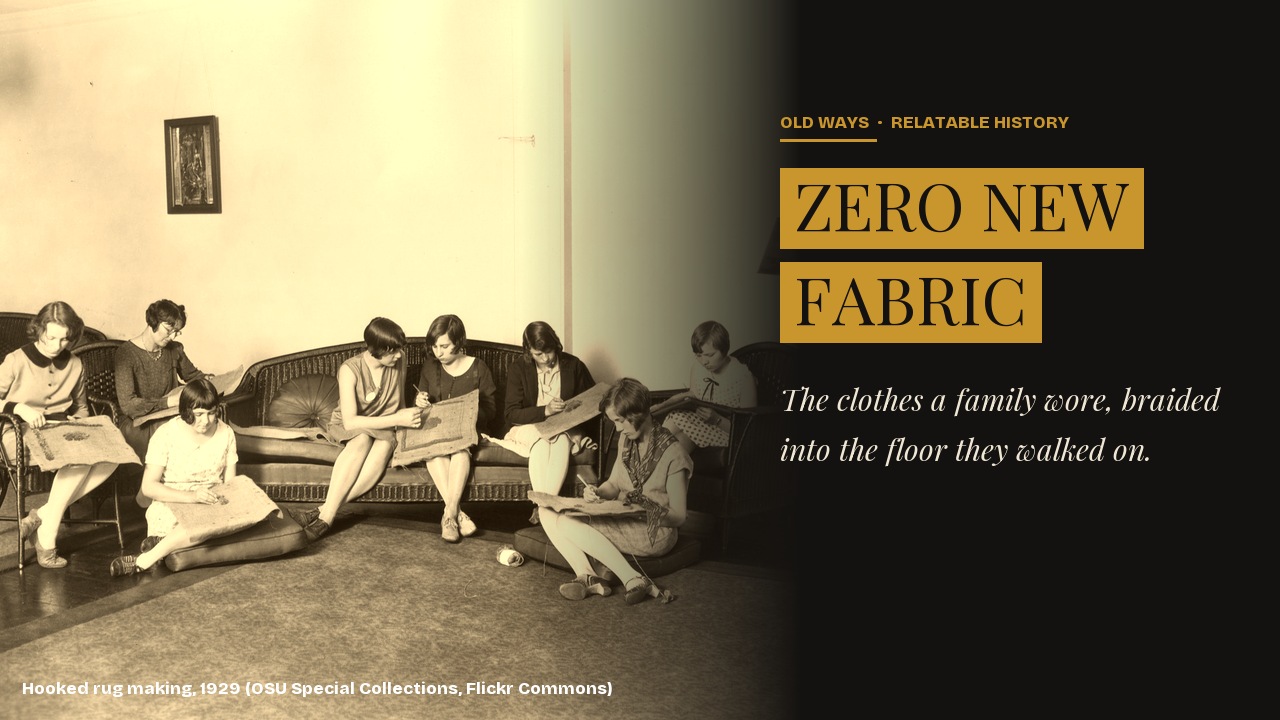
How Rag Rug Making Worked, From Rags to Wages
Braiding, hooking and weaving solved the same problem three different ways. In one well-documented case, the craft also paid real wages — and sales nearly tripled in three years.
-
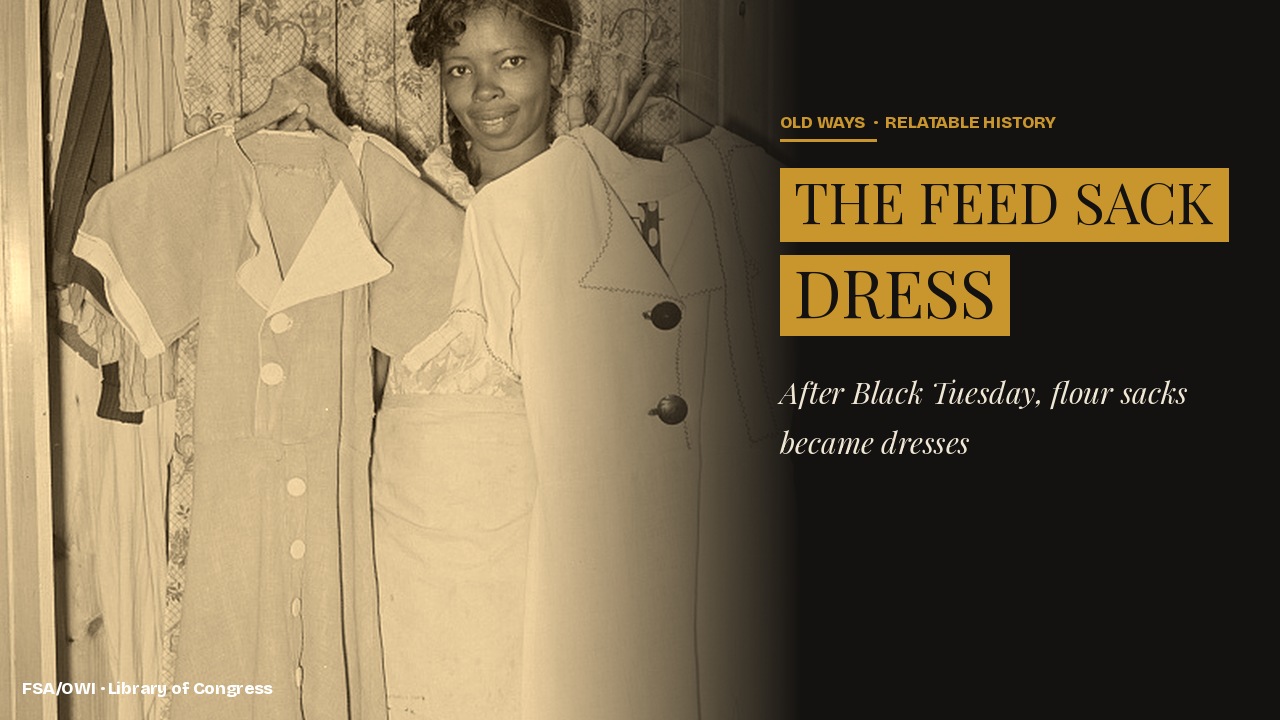
The Cotton Bag Sewing Contest That Outlived the Great Depression
Long after the Depression that made feed-sack sewing a necessity, the bag industry invented a national sewing contest to keep farm women buying patterned sacks — and some of the winning dresses ended up in the Smithsonian.
-
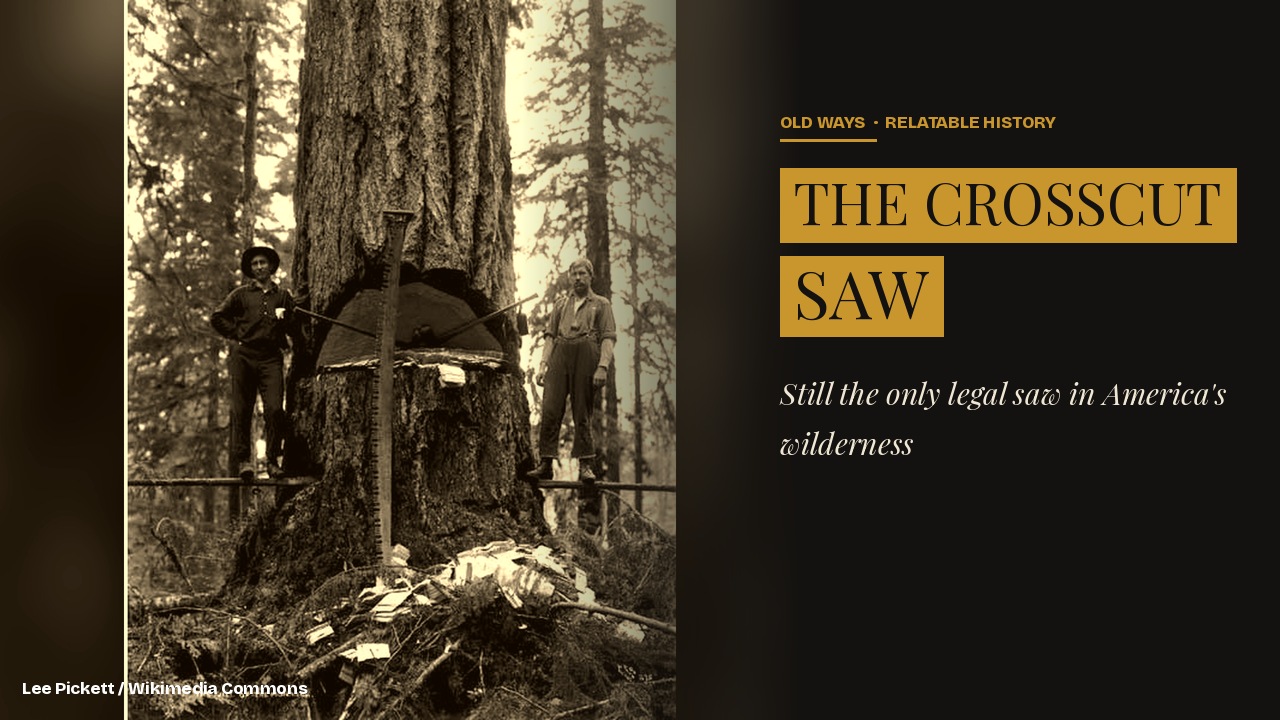
Why the Crosscut Saw Is Still Legal in Wilderness Areas
A federal law written in 1964 never once says the word chainsaw. It still left millions of wilderness acres where the only legal saw is the two-person crosscut, worked by hand.