
Industrial Age
Roughly 1750 to 1900: mechanisation, mass production, the railway and telegraph, and the transformation of daily life they produced.
-
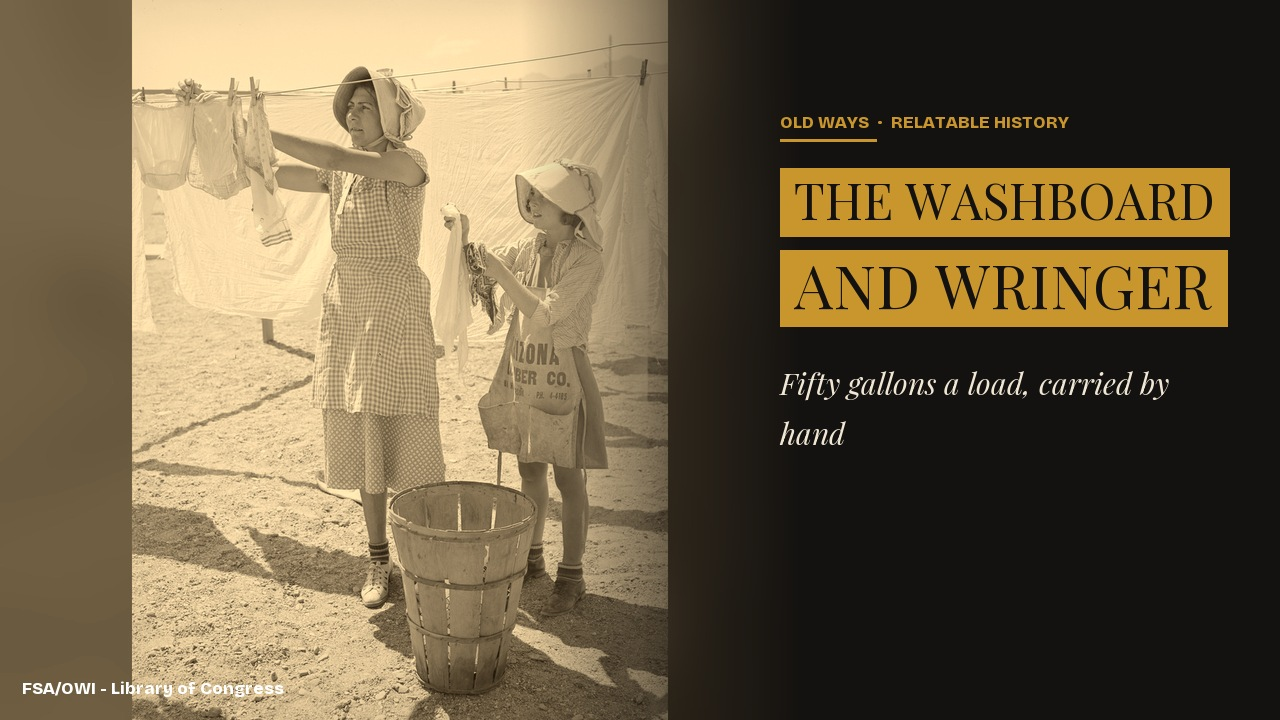
The Contested History Behind Blue Monday Washday
For close to a century, Monday had a color. The argument over why is more interesting than the folk explanation most people repeat.
-
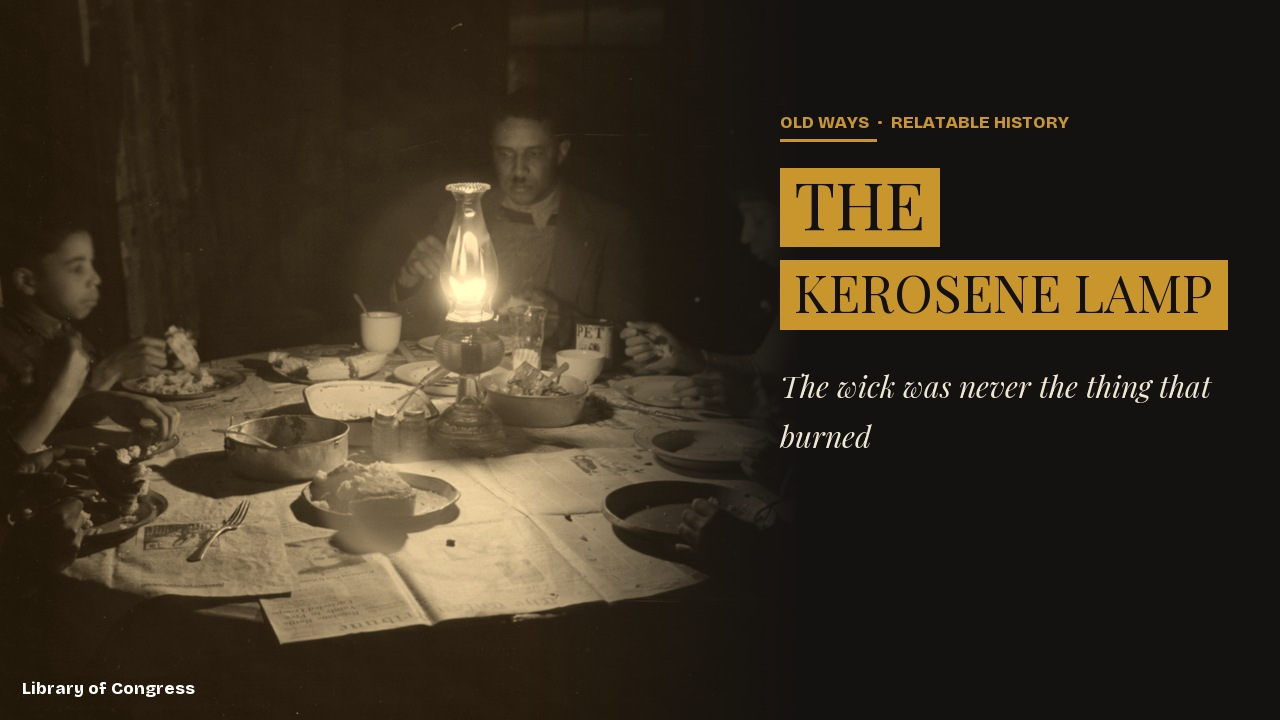
How Kerosene Lamps Actually Worked (And Sometimes Exploded)
A kerosene lamp doesn’t burn its wick — it burns vapor drawn up through it. That chemistry lit rural America for ninety years, and for decades the fuel sold to power it was only as safe as the refiner selling it.
-
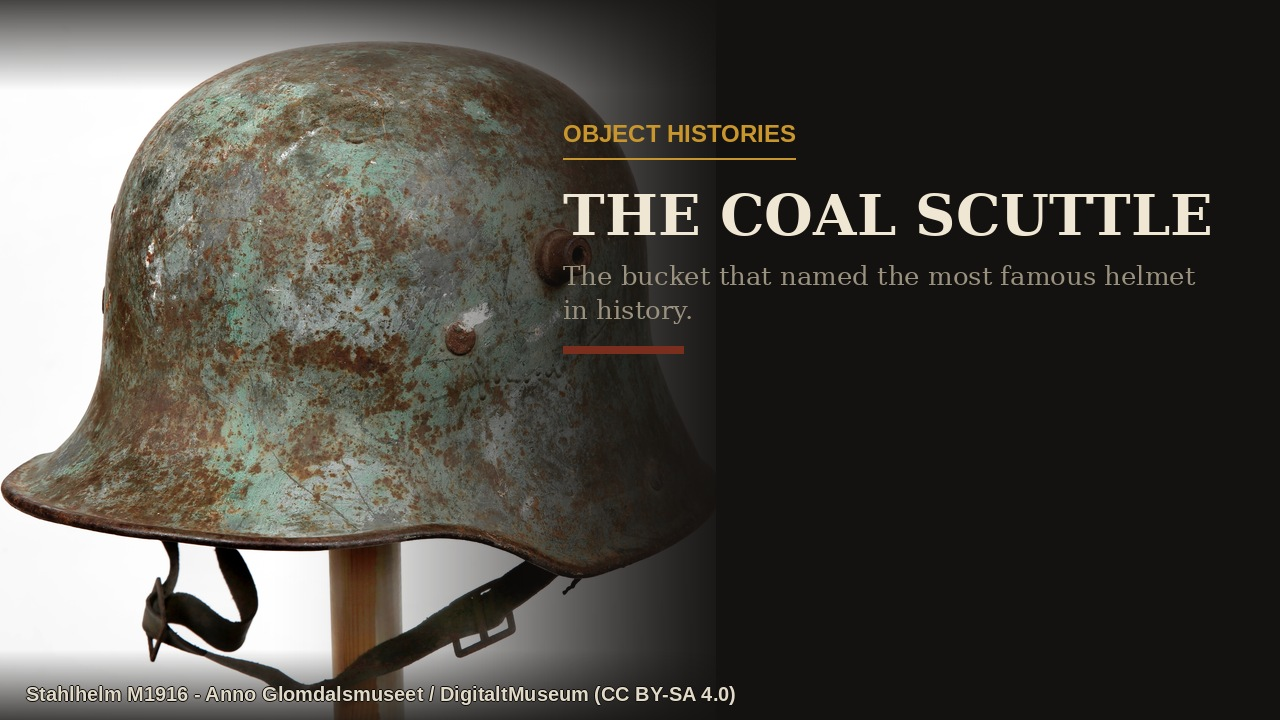
The Coal Scuttle Helmet: Why British Troops Named It That
One word links a Roman serving dish, a brass Victorian fireplace bucket and the German army’s steel helmet of two world wars. Here is how it travelled between all three.
-
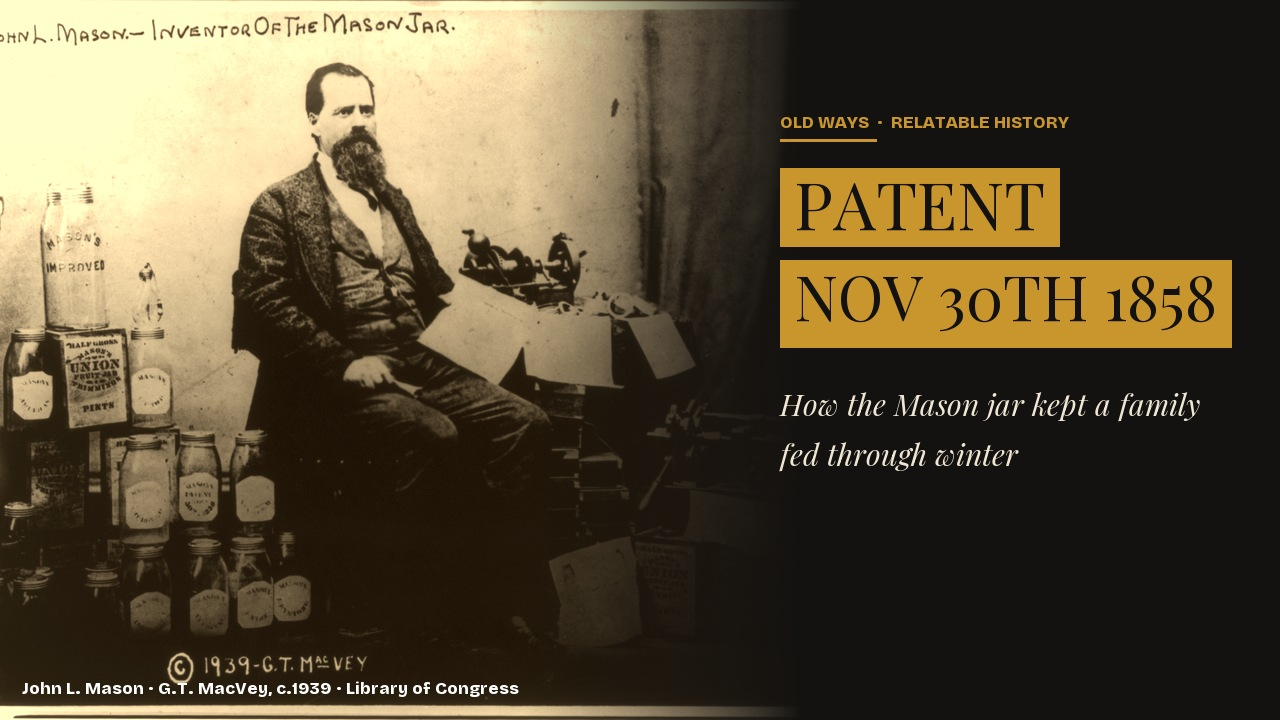
Water Bath vs Pressure Canning: Why the 240-Degree Difference Exists
A sealed jar looks the same whether it is safe or not. Here is the science, and the history of learning it the hard way, behind which foods only need boiling water and which ones need real pressure.
-
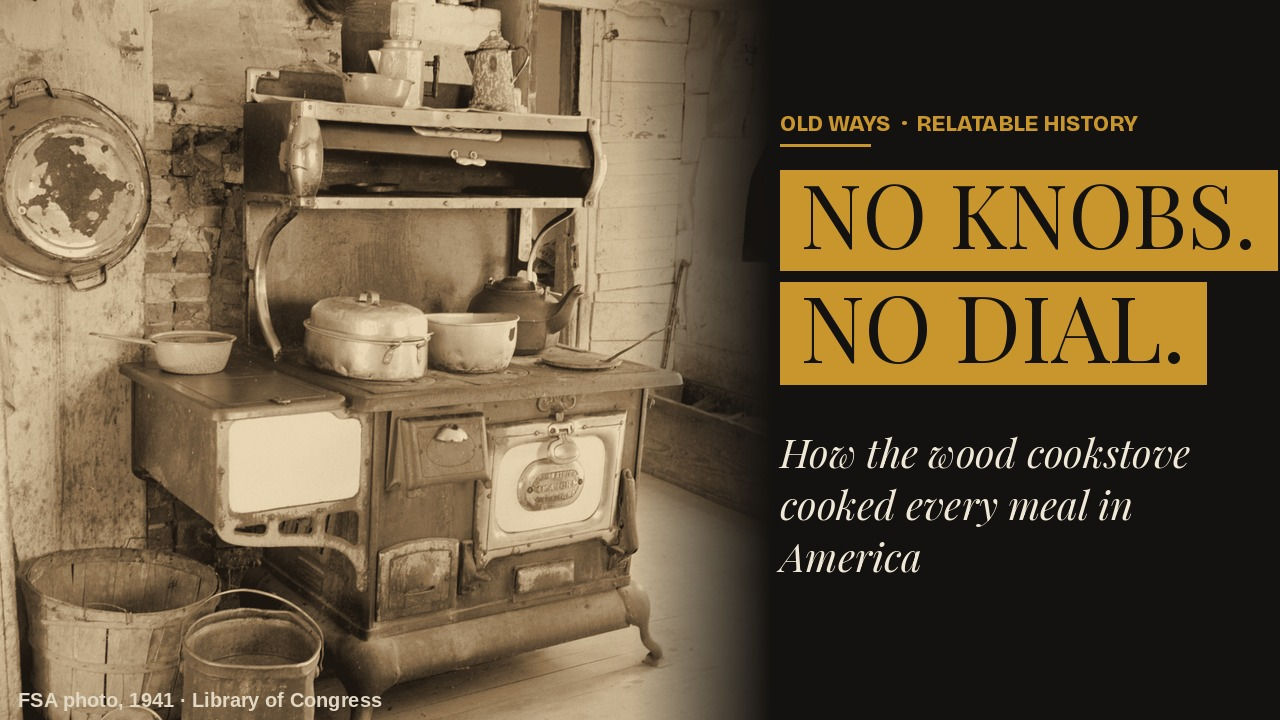
How the Wood Cookstove Ran the American Kitchen for a Century
A cast-iron range with no dial ran nearly every American kitchen for a hundred years. Here is how a family actually cooked, heated water and stayed warm on nothing but split wood.
-
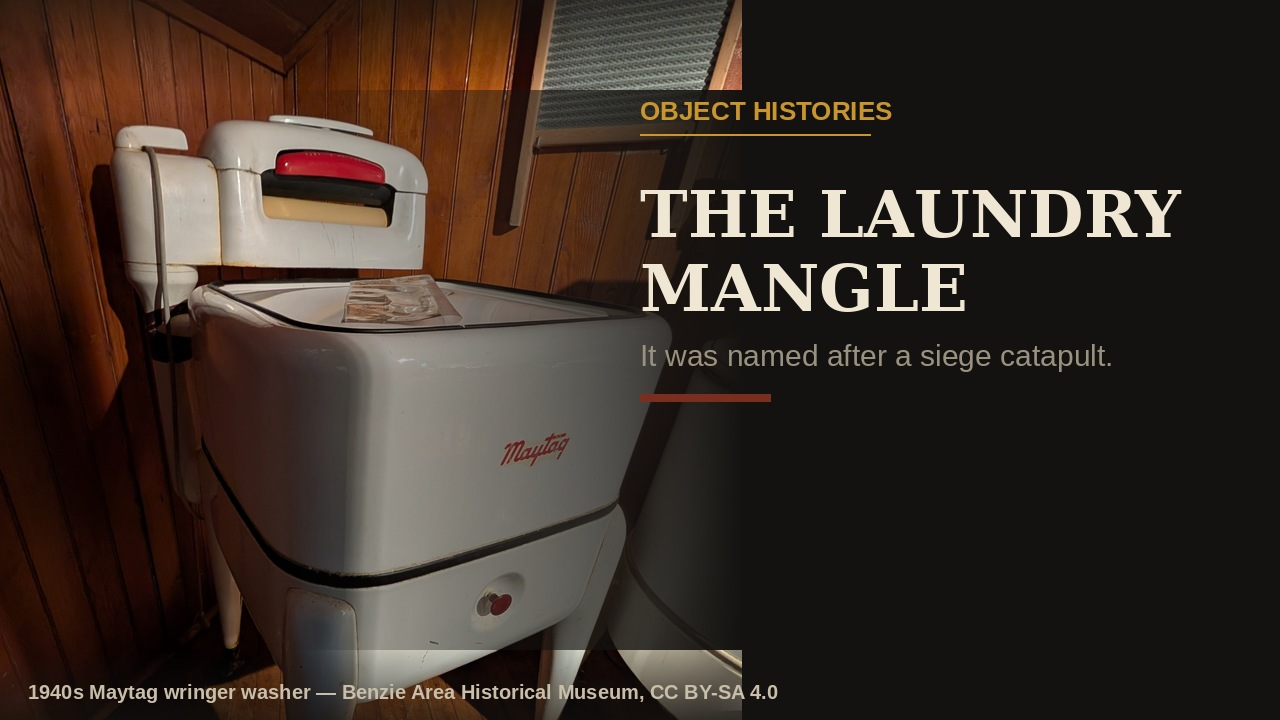
Clothes Wringer History: From Courtship Gift to ‘Wringer Arm’
Long before the electric wringer put a generation of children in hospital records, the same machine was a hand-carved proposal a man gave the woman he hoped to marry.
-
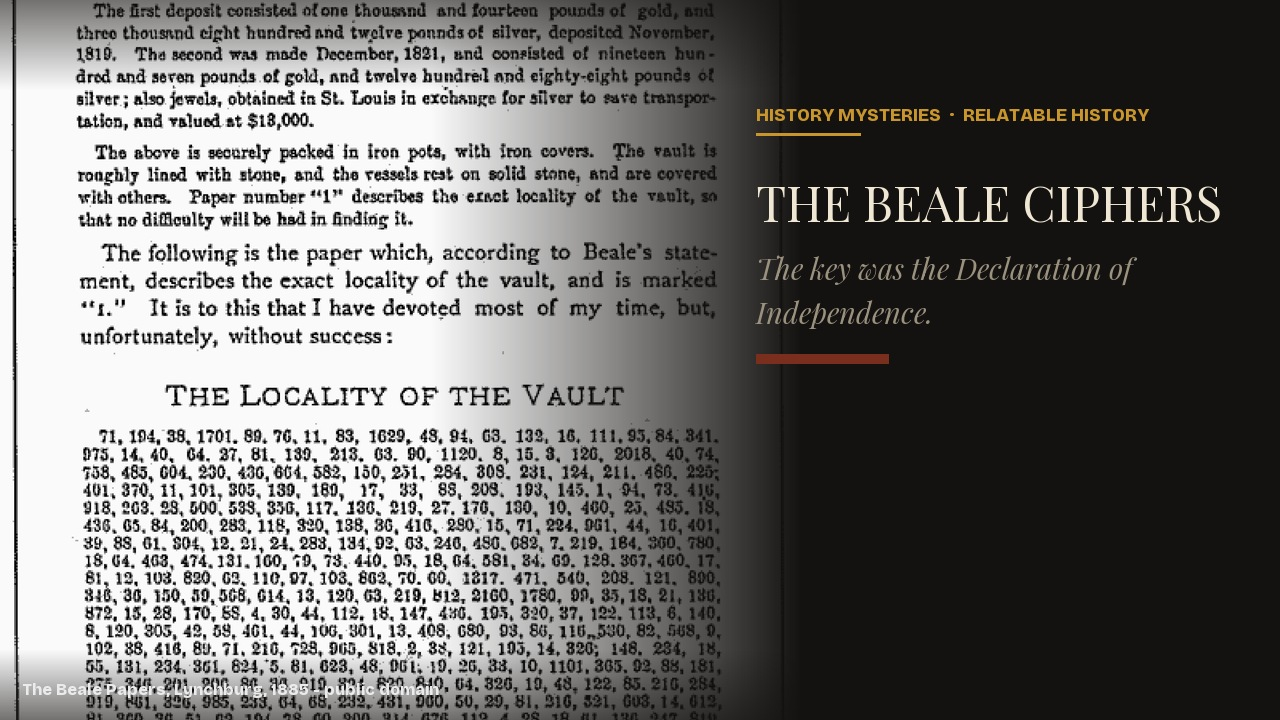
The Mystery of the Beale Ciphers, Explained
One sheet of numbers unlocked with the Declaration of Independence. The other two, describing a fortune buried in the Virginia hills, have resisted every attempt since 1885.
-
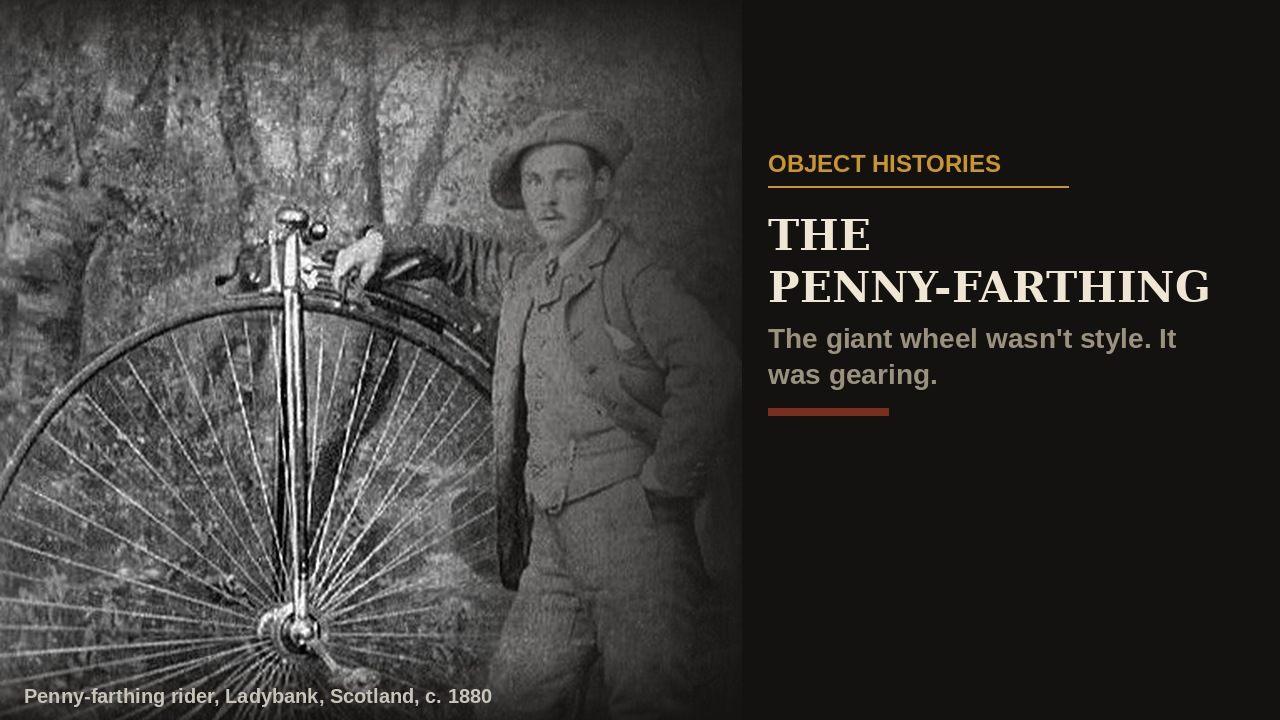
Why the Penny-Farthing’s Wheel Had to Be So Big
Before the chain existed, a bicycle’s top speed was fixed by the size of its front wheel. That single constraint is the entire reason the penny-farthing grew as tall as a doorway.
-
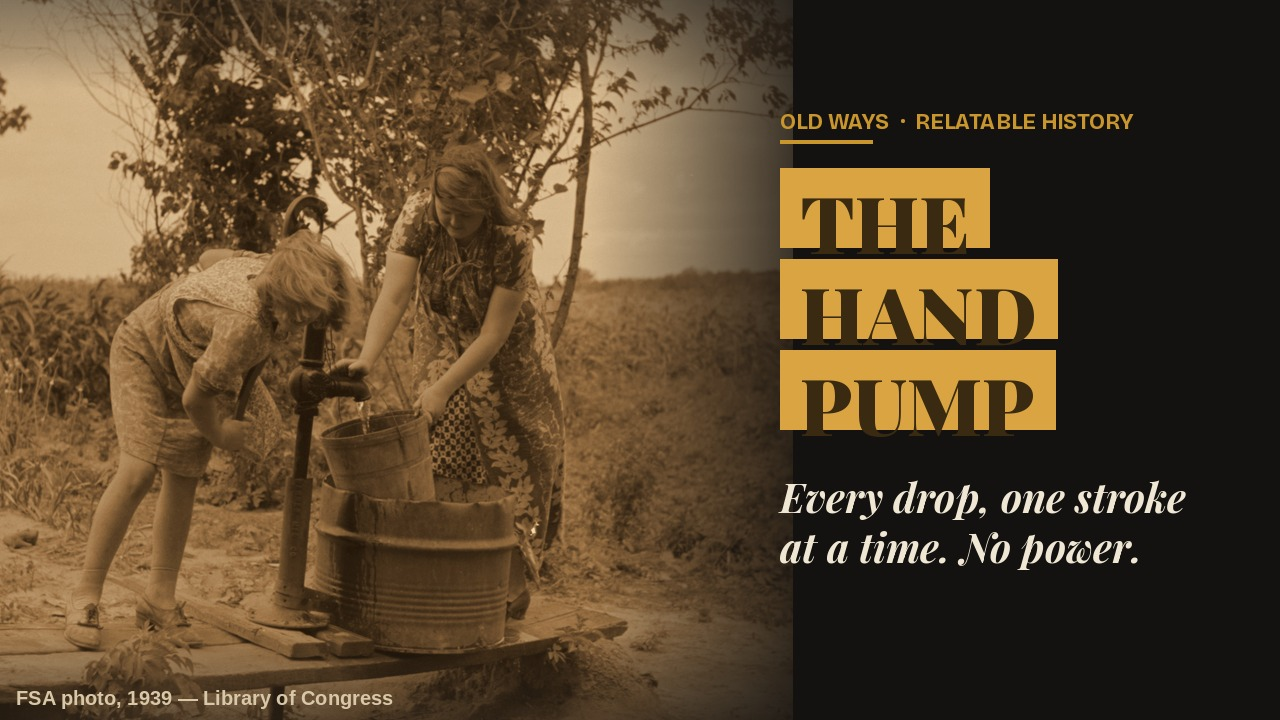
How a Hand Pump Worked: Lifting Well Water With Nothing but Air Pressure
No pump ever pulled water out of the ground. The atmosphere pushed it, and that single fact set a hard limit on how deep a well could be worked by hand. Here is the mechanism, the limit, and the wire that finally beat it.
-
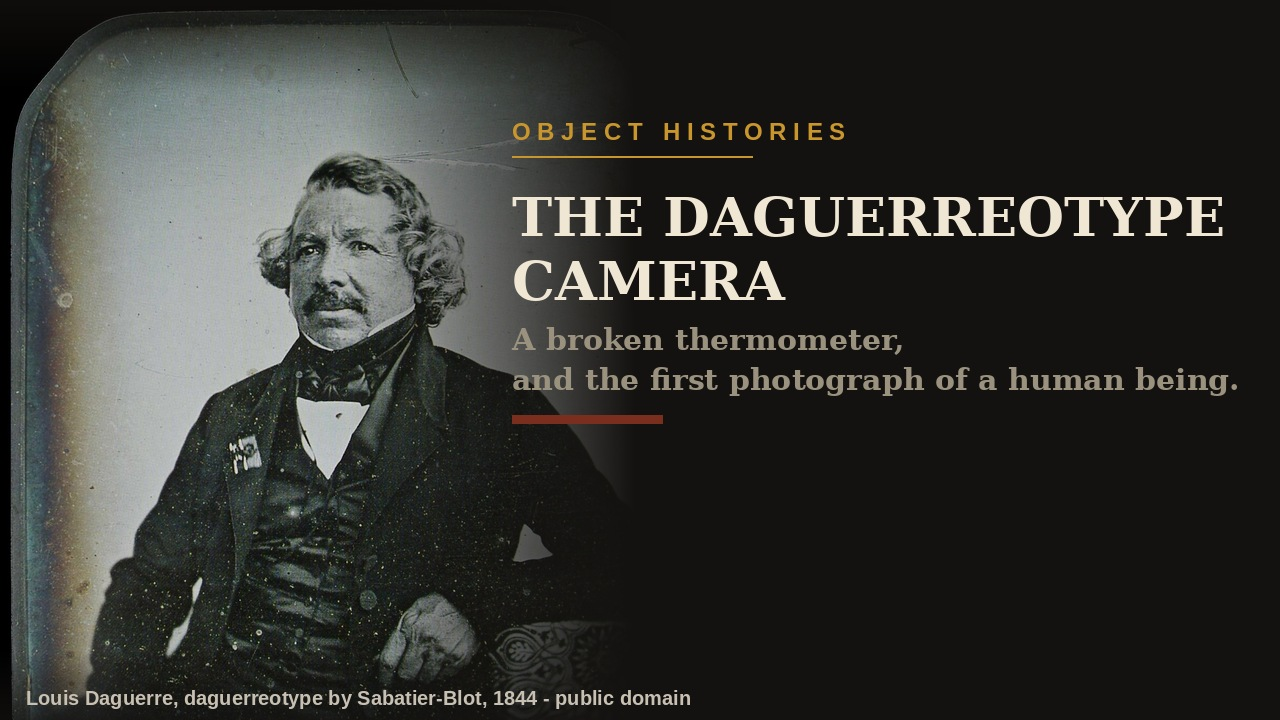
How the Daguerreotype Actually Worked, and Why It Was Dangerous
Every daguerreotype is a one-of-a-kind object with no negative behind it, made by a process so toxic that ventilating your mercury was genuine period safety advice.