
Industrial Age
Roughly 1750 to 1900: mechanisation, mass production, the railway and telegraph, and the transformation of daily life they produced.
-

Why Umbrellas Were Once Considered Unmanly
An umbrella used to announce something humiliating about the man holding it. A Greek poet was mocking men for it twenty-five centuries before a London merchant finally made it acceptable.
-
Why Farms Caught Rainwater Instead of Using the Well
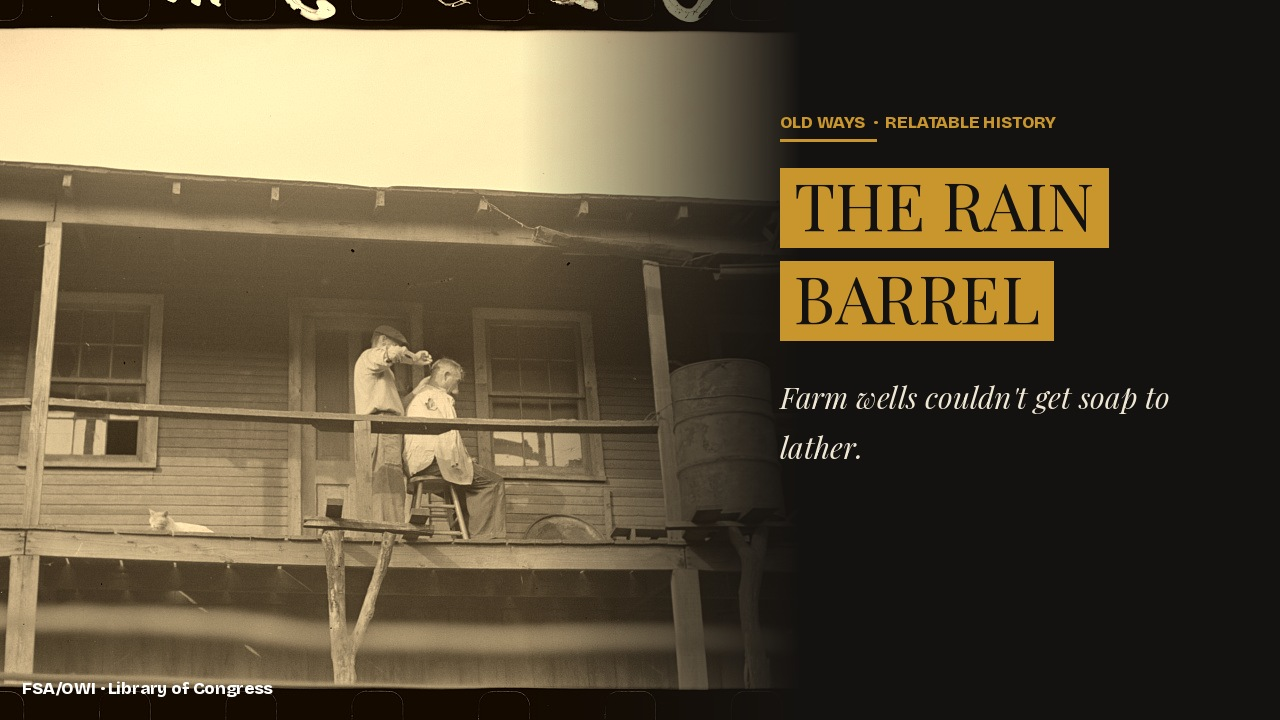
A well could run twenty grains of hardness to the gallon; a barrel under the eave ran close to zero. That difference built an entire piece of unpowered farm equipment around a roof and a cask.
-
The Maple Sugar Abolition Movement That Almost Worked
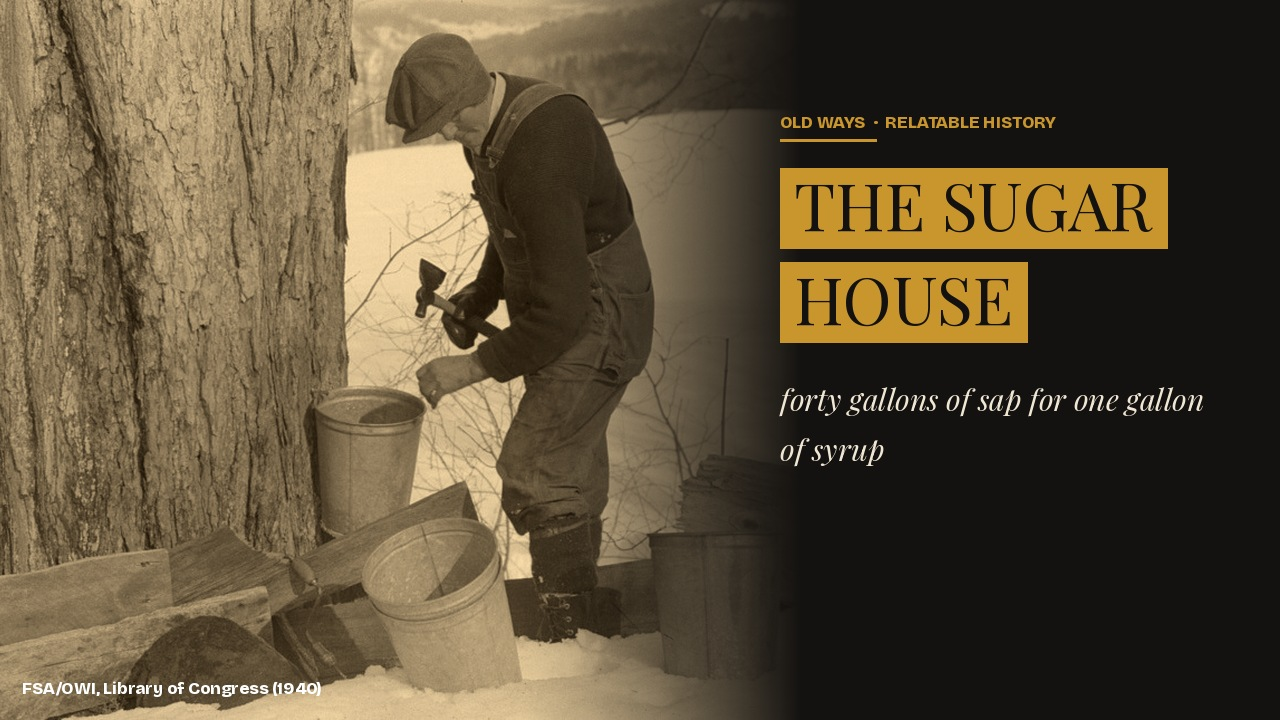
A Philadelphia doctor, a Founding Father, and a network of Quakers all believed maple trees could end American demand for sugar grown by enslaved labor. For about a decade, it looked like it might.
-
How Cider, Not Beer, Became Colonial America’s Everyday Drink
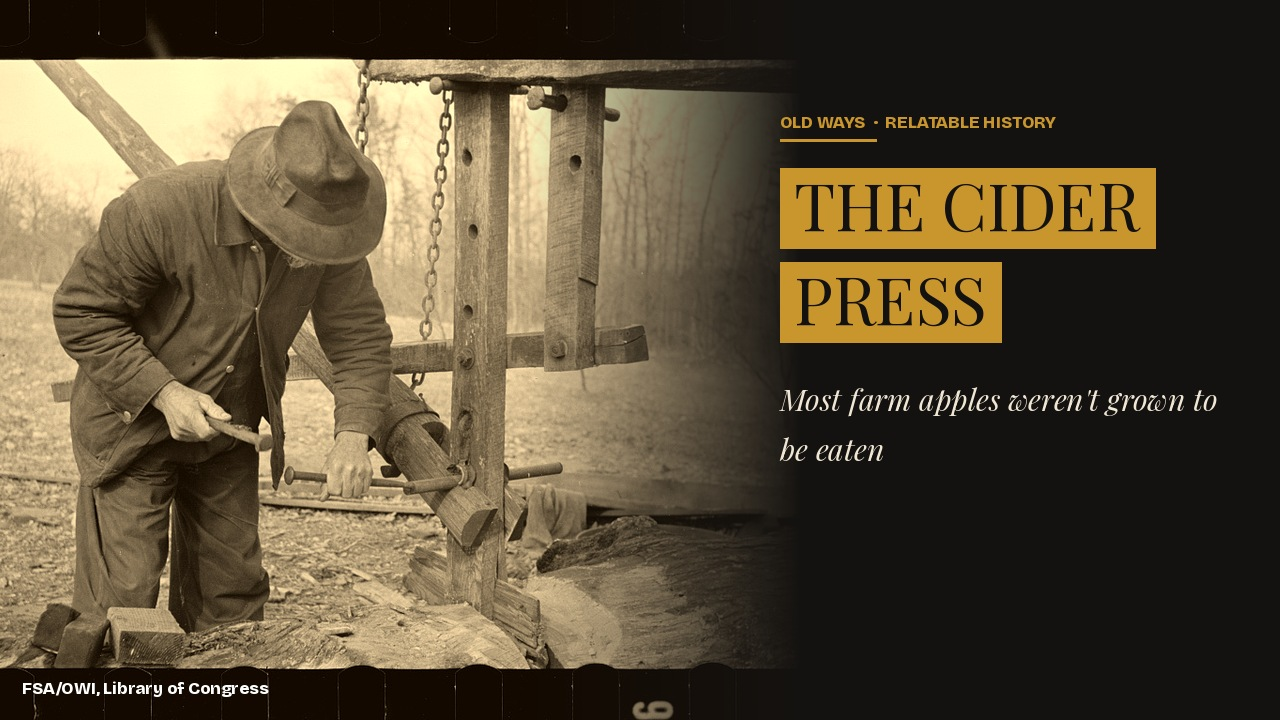
A bushel of bitter, inedible farm apples, a hand-cranked grinder and a wooden screw press were how a colonial household drank through an entire year without touching the well.
-
How Wooden Tally Sticks Ran England’s Treasury for 600 Years
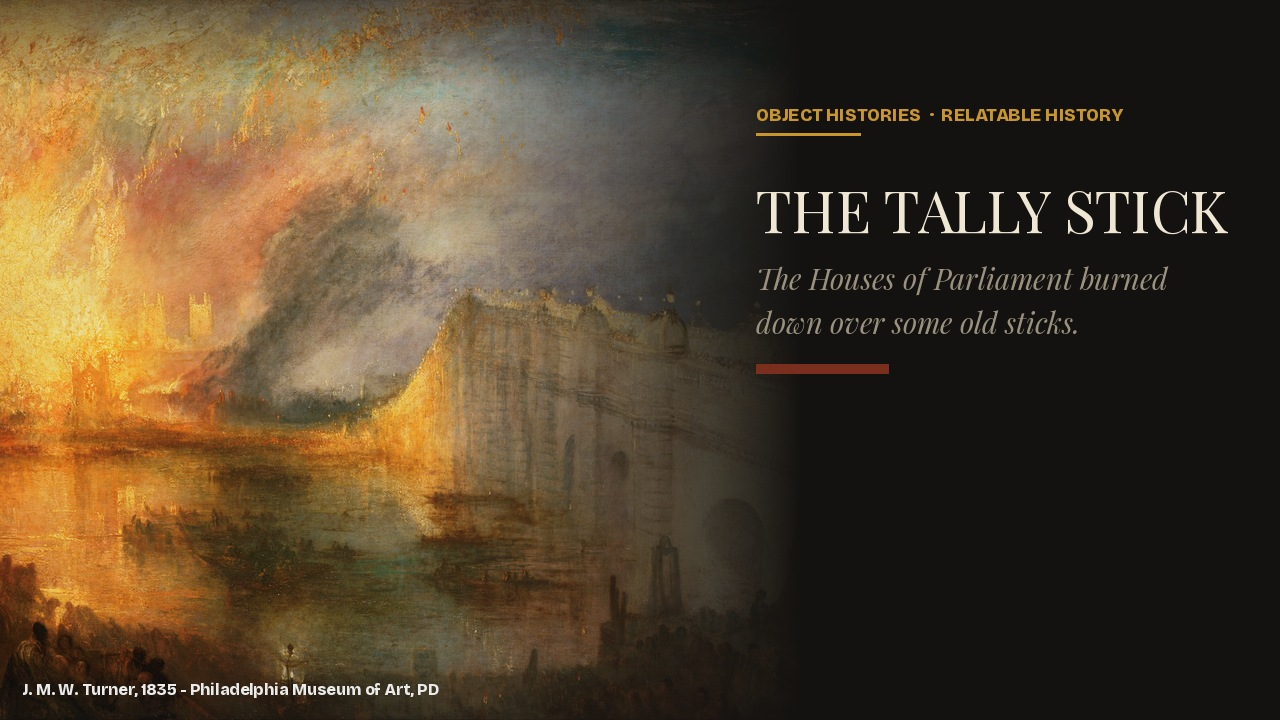
A tally was a notched stick split in half so the two pieces could never be faked. For six centuries it was England’s receipt, its currency, and eventually its downfall.
-
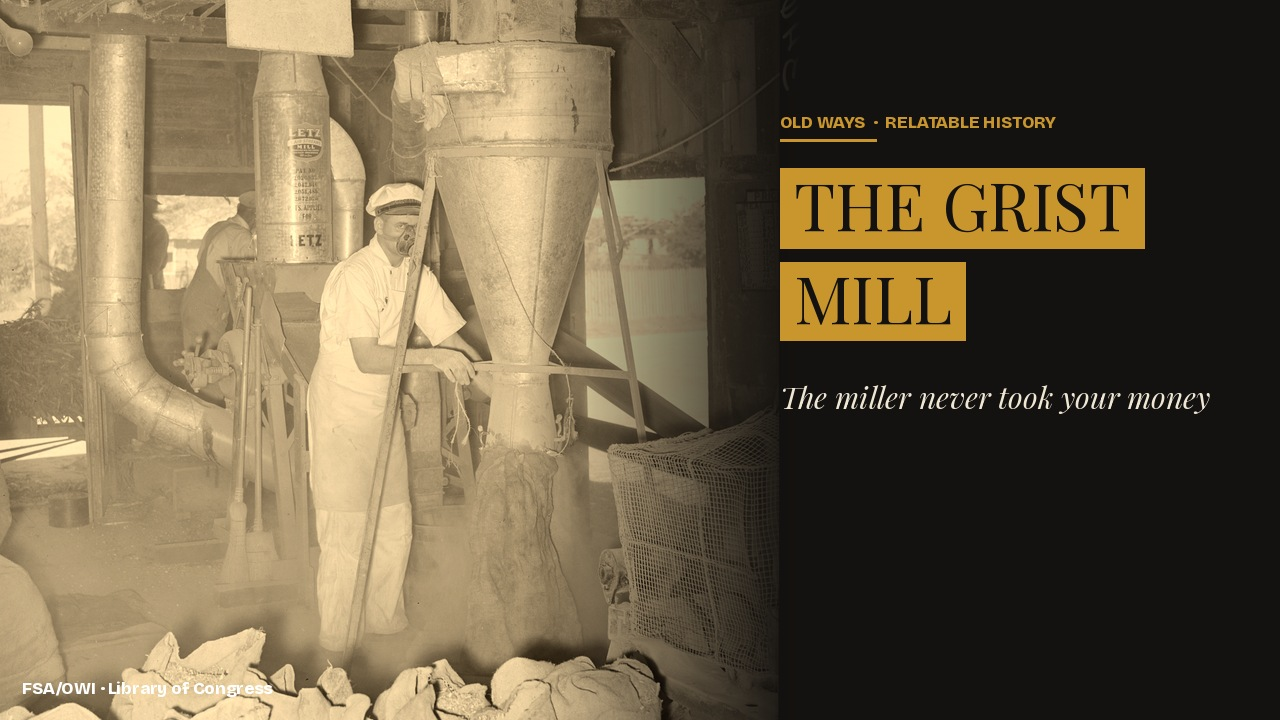
How a Water-Powered Grist Mill Turned Wheat Into Flour, No Cash Involved
A grist mill never sent a bill. Farmers paid in grain, by a fixed fraction called the toll, and the arrangement held for roughly three centuries before steel rollers ended it in a decade.
-
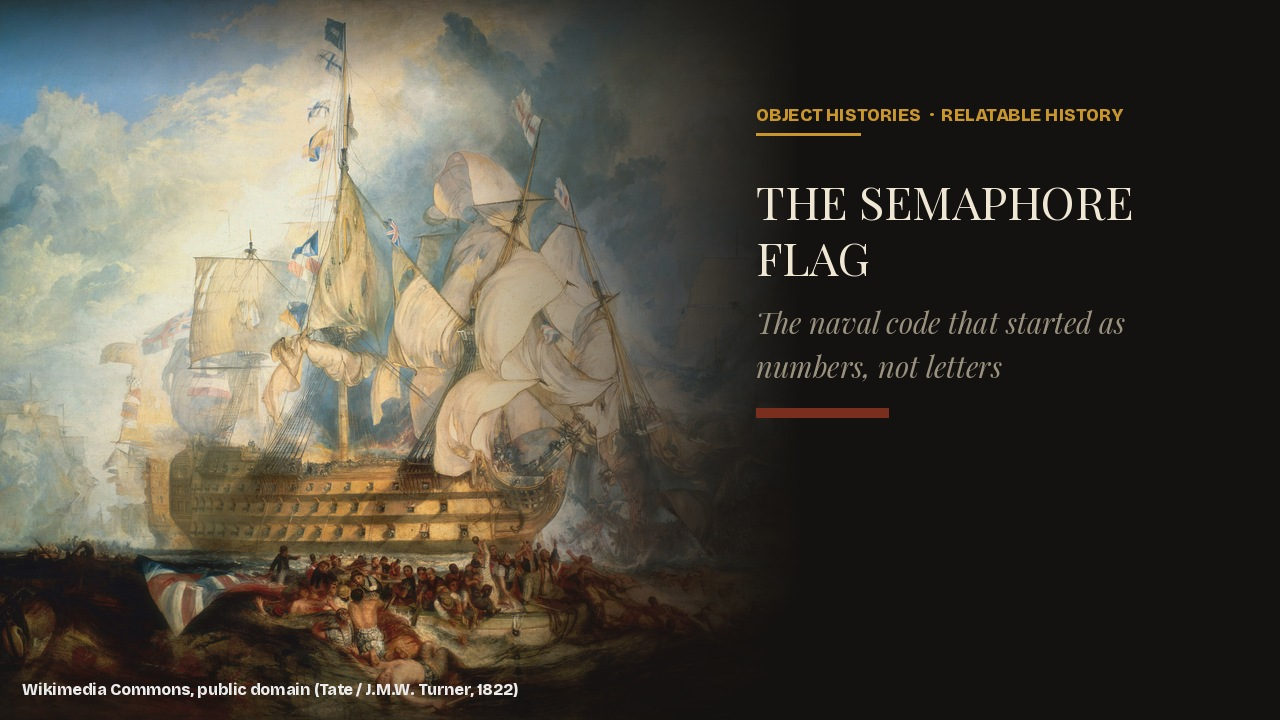
How Semaphore Flags Actually Worked at Sea
For over a century, two rival nations built optical telegraph networks neither enemy could read. The naval flag alphabet everyone pictures today wasn’t invented until the secrecy stopped mattering.
-
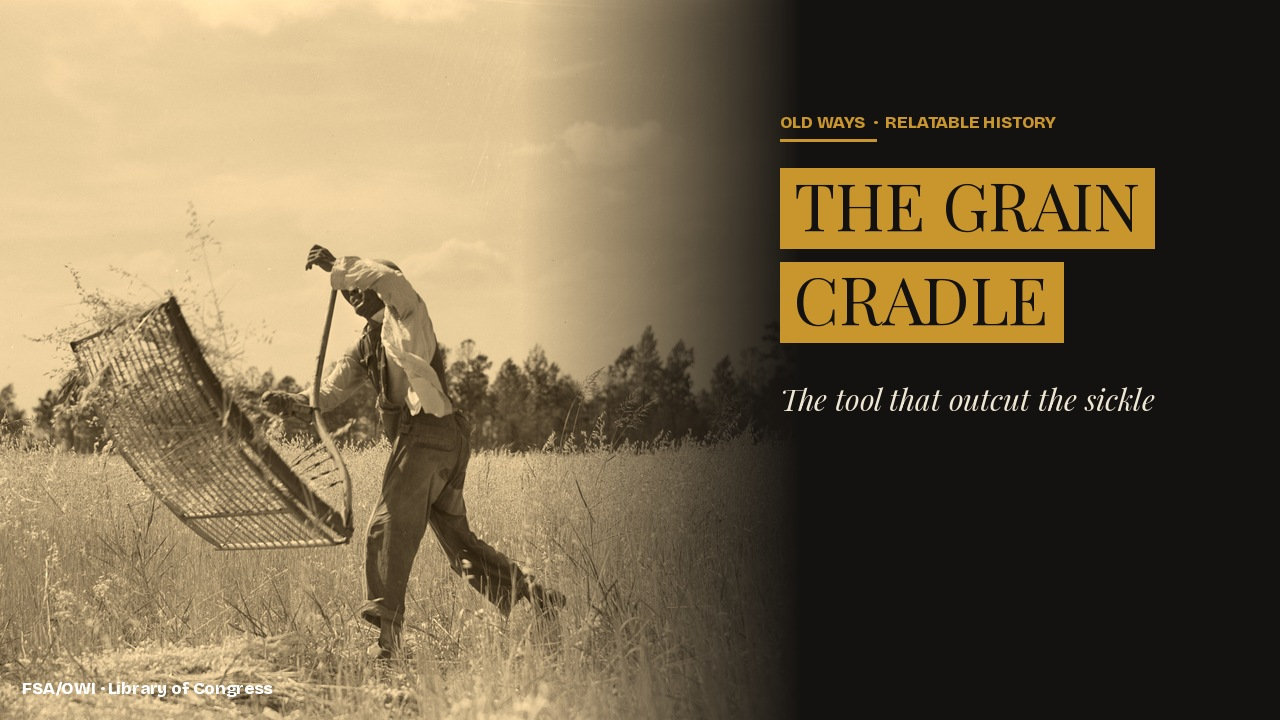
How Farmers Harvested Wheat With a Grain Cradle
A cradler swinging a claw of wooden fingers could out-cut a sickle three to one and still lose the race to a horse. The forty-year run of the tool that came between them.
-
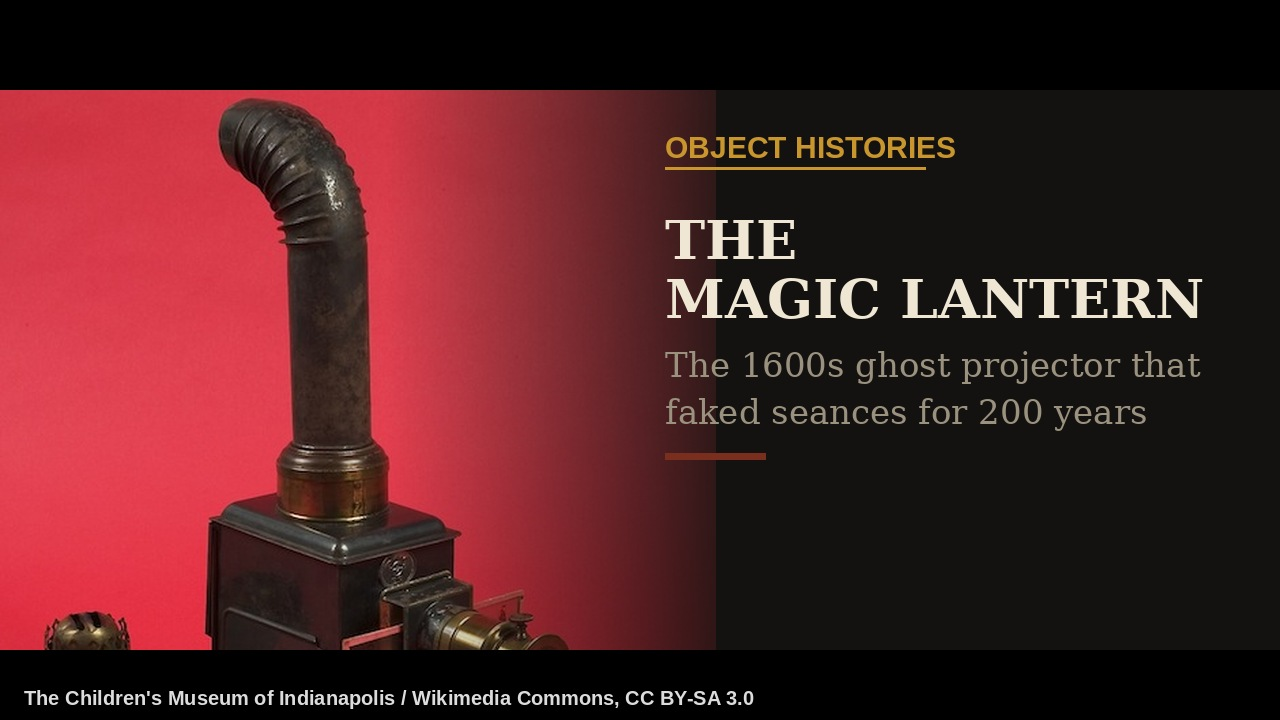
How the Magic Lantern Became Europe’s First Horror Show
A Dutch scientist was too embarrassed to admit he’d built it. Two centuries later it was still terrifying audiences — while insisting, the whole time, that there was nothing to be afraid of.
-
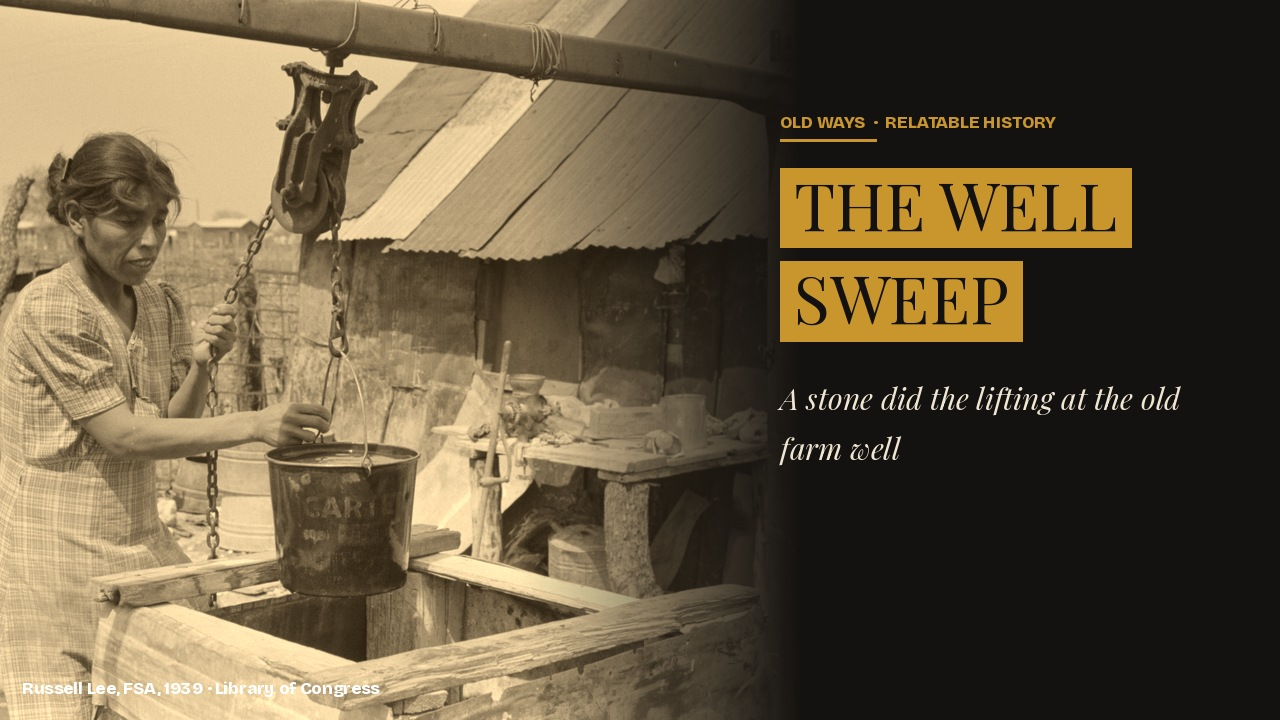
How the Well Sweep Drew Water Before There Were Pumps
A counterweighted pole did most of the lifting at the farm well for four thousand years. Here is the mechanism, the daily labor behind it, and why it finally came down.