
Industrial Age
Roughly 1750 to 1900: mechanisation, mass production, the railway and telegraph, and the transformation of daily life they produced.
-
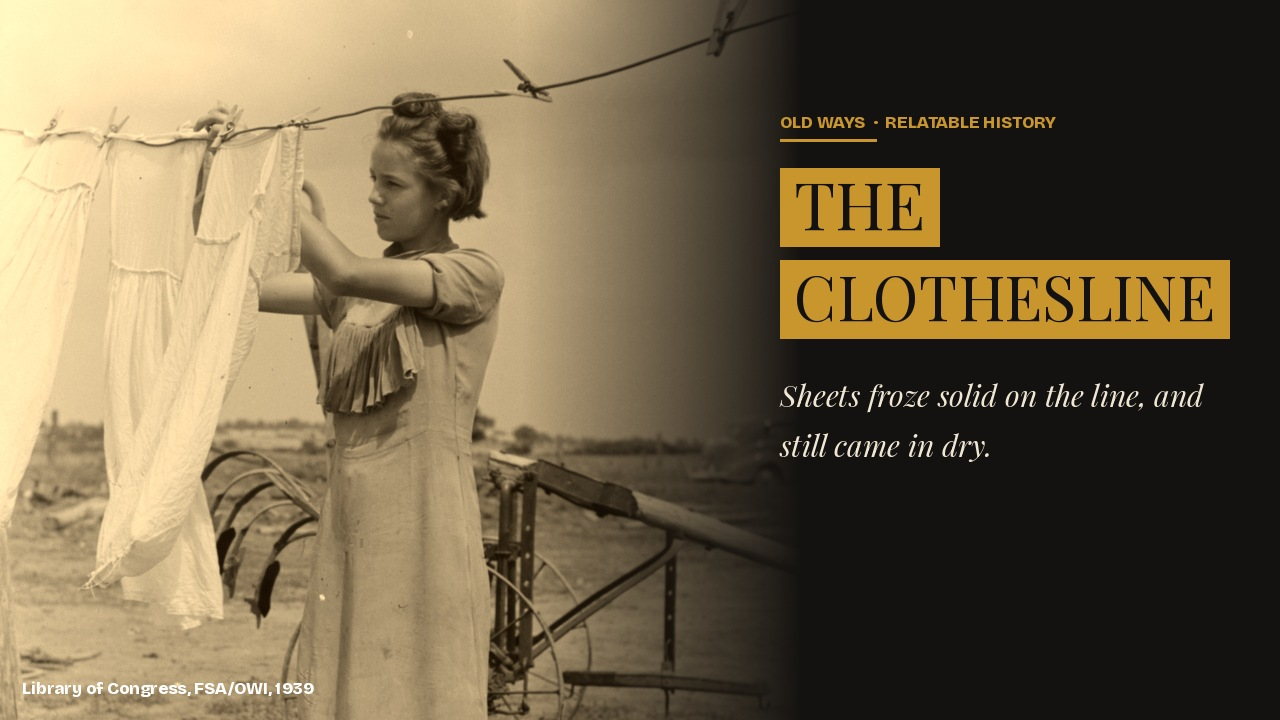
The Clothespin Patent History Behind America’s Favorite Free Dryer
A hundred and forty-six patents were filed for a stick with a spring. Inside the rivalry, the science and the law that grew up around the household’s original dryer.
-

The Stereoscope Craze That Swept Victorian Parlours
A wooden box that used mirrors and, later, lenses to fool the brain into seeing depth became a Victorian sensation, a Civil War reporting tool, and eventually a museum piece nobody expected to reinvent itself as a VR headset.
-
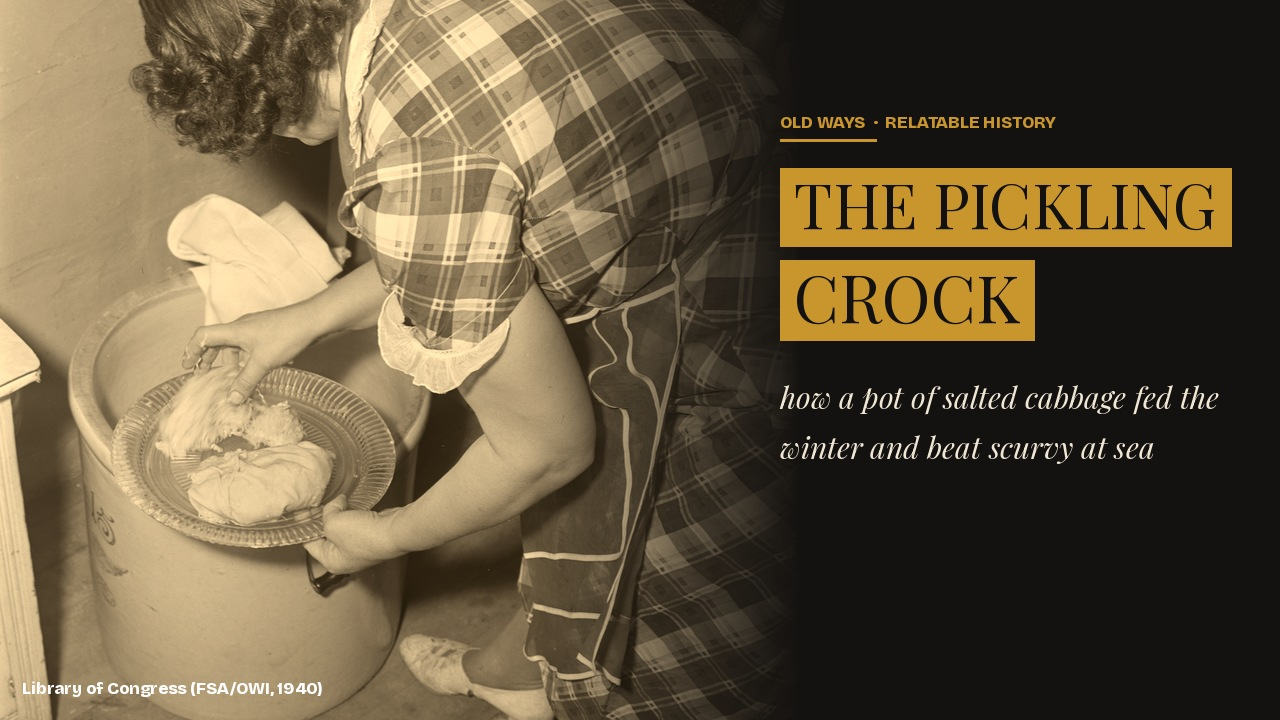
The Chemistry Inside a Sauerkraut Crock, and Why It Actually Works
A crock, a sack of salt and a few weeks of patience turned raw cabbage into a food that would not spoil and would not make anyone sick. The reason it worked is stranger than the recipe.
-
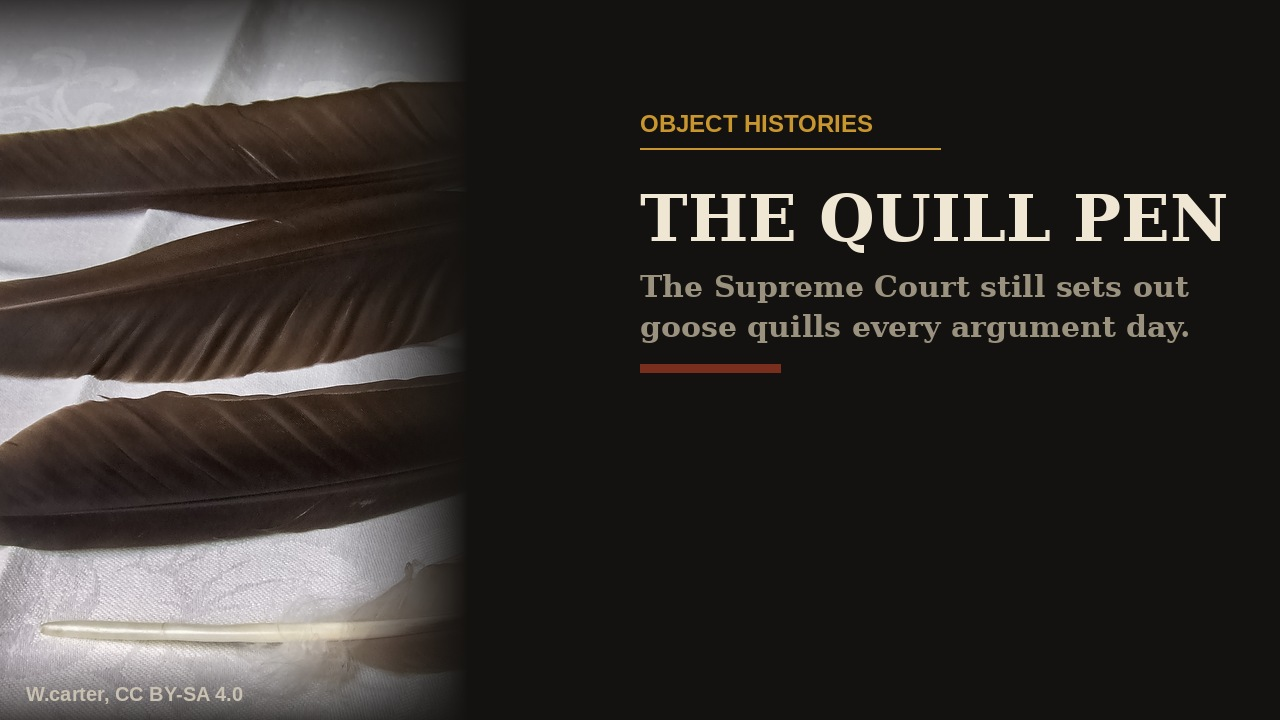
How Quill Pens Were Actually Made, and Why Steel Killed Them
A goose feather, a very sharp knife, and a pinch of hot sand. That is the entire recipe behind twelve centuries of handwritten history.
-
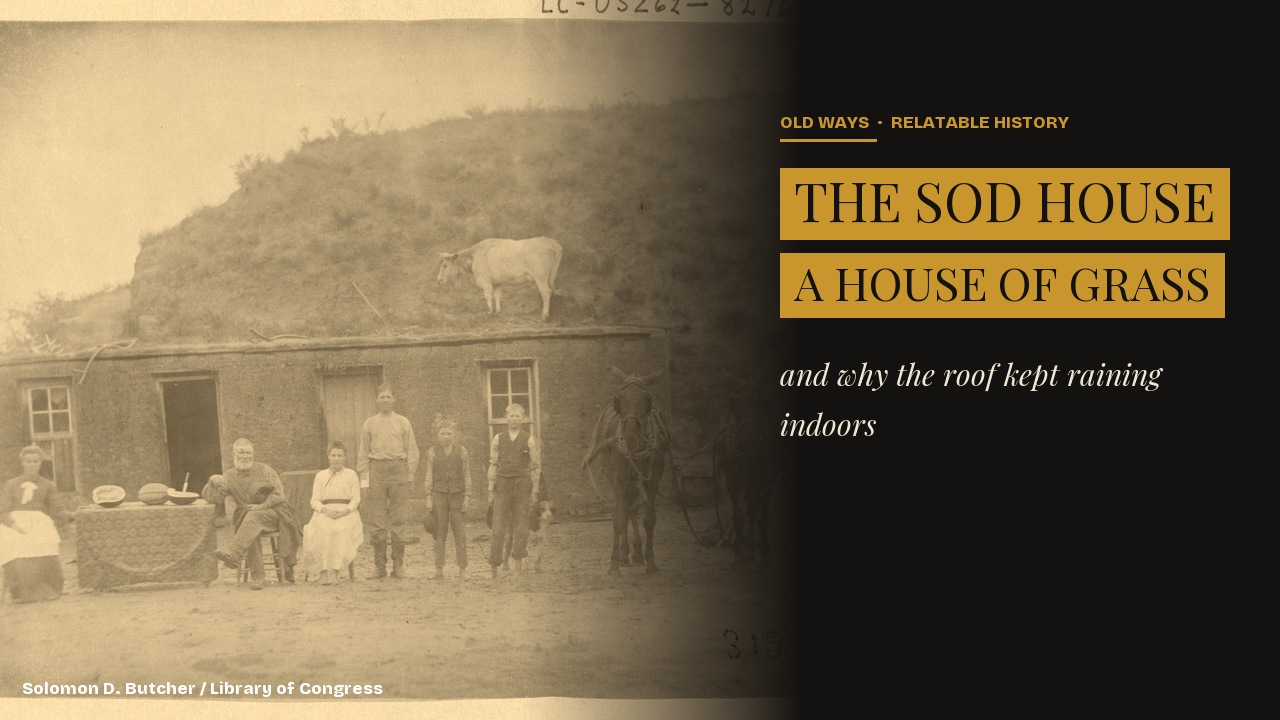
How Sod Houses Were Built on the Nebraska Prairie: The Construction, the Homestead Act, and the Life Inside
The Homestead Act gave settlers 160 free acres and required a house on them. With no timber for fifty miles, they built one out of the prairie itself. Here is how a sod house was actually cut, stacked, and lived in.
-
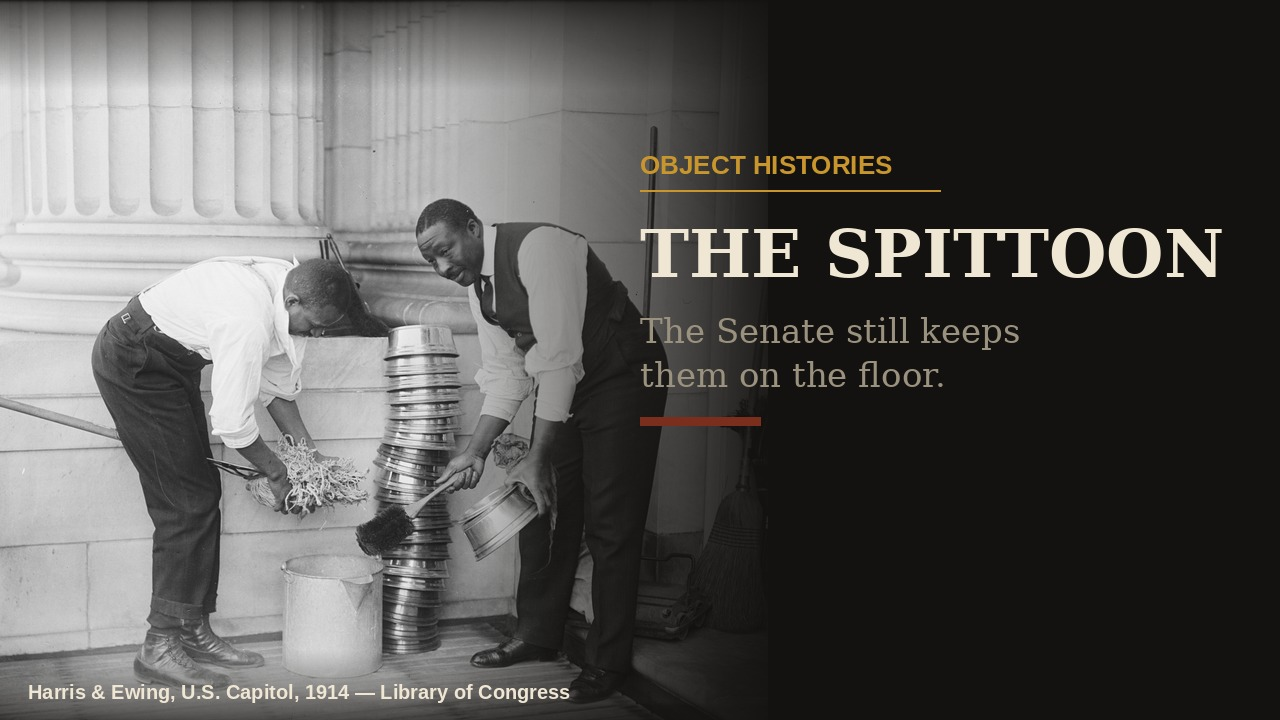
Why the Spittoon Disappeared: The Laws That Made Spitting a Crime
A women-led health campaign, a new criminal offense and a cigarette-rolling machine did what changing taste alone never could: they made the spittoon vanish in about two decades.
-
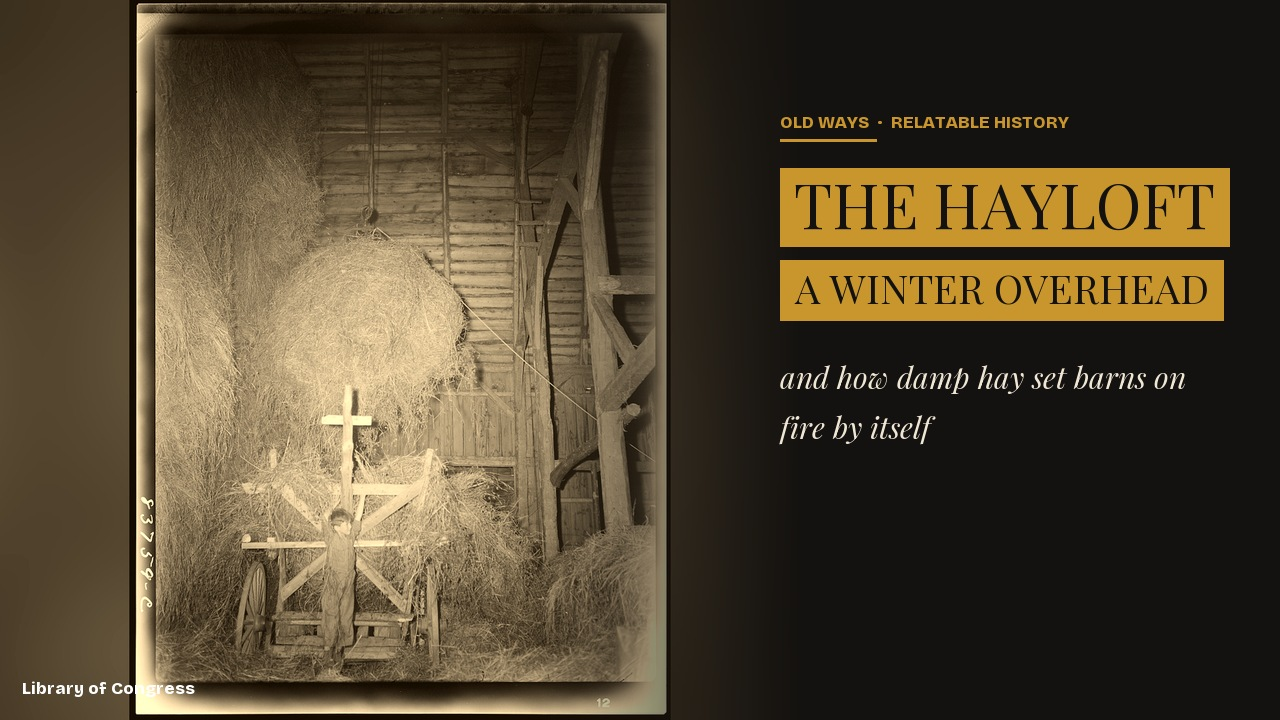
How One Farmer’s Patent Rebuilt the American Barn
A single 1867 patent let American barns double their storage for free. It also could not solve the other problem: hay packed too damp will heat itself past the point of catching fire on its own.
-
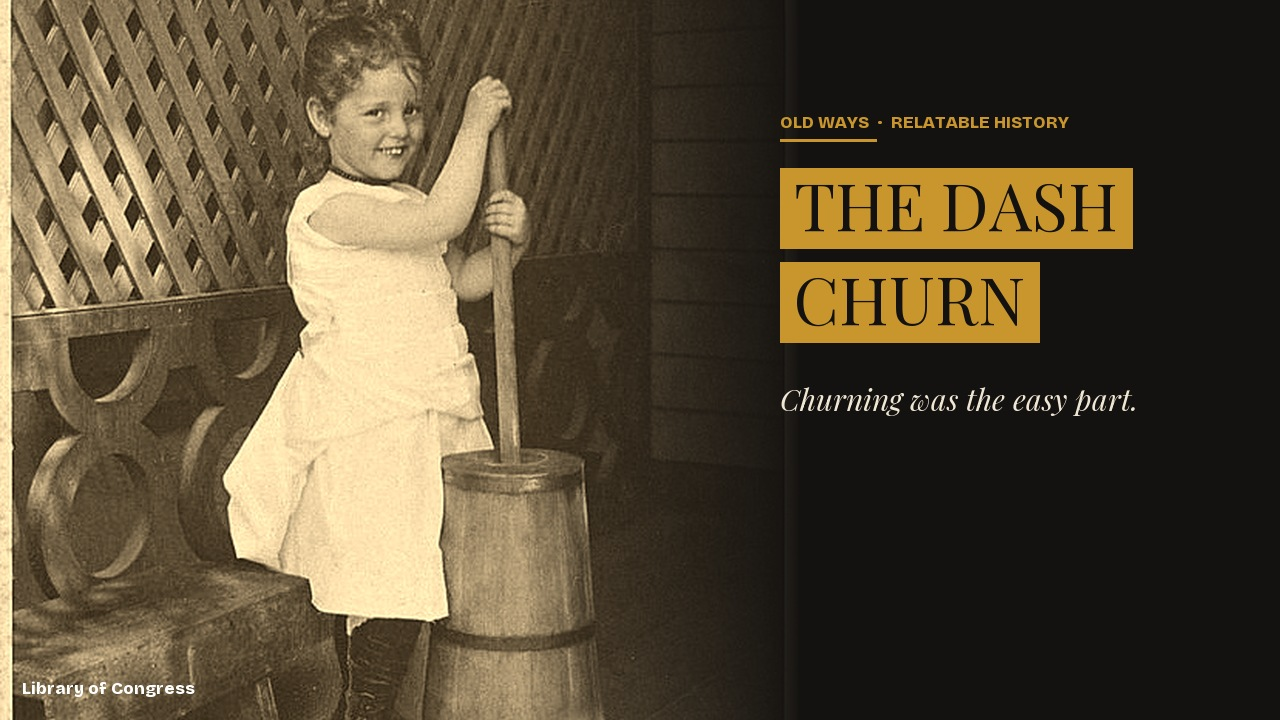
Butter and Egg Money: How Farm Wives Financed the Household
Long before women could easily hold a bank account in their own name, a great many of them held a butter crock. Here is how butter and egg money worked, and what the dairy industry did to protect it.
-
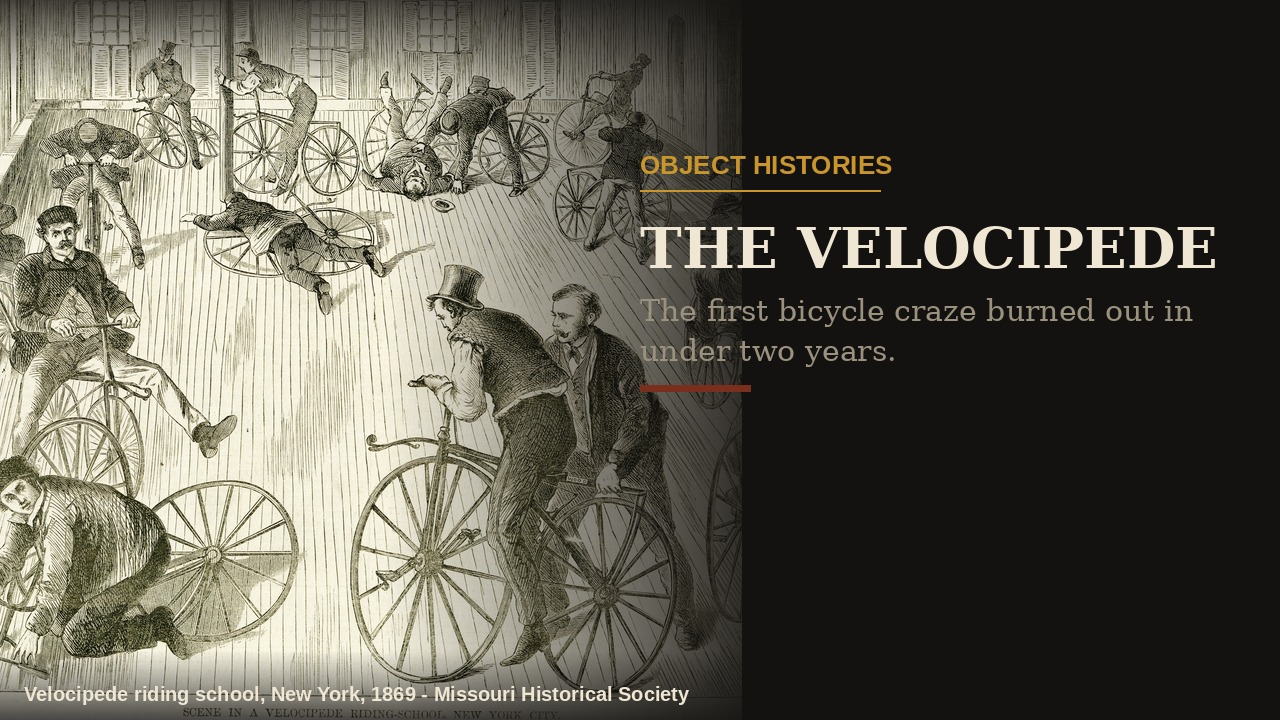
Why the World’s First Bicycle Craze Collapsed in Eighteen Months
For about eighteen months, everyone wanted a velocipede. Riding academies opened by the dozen, races drew crowds, and then, almost as fast, the whole craze went bust.
-
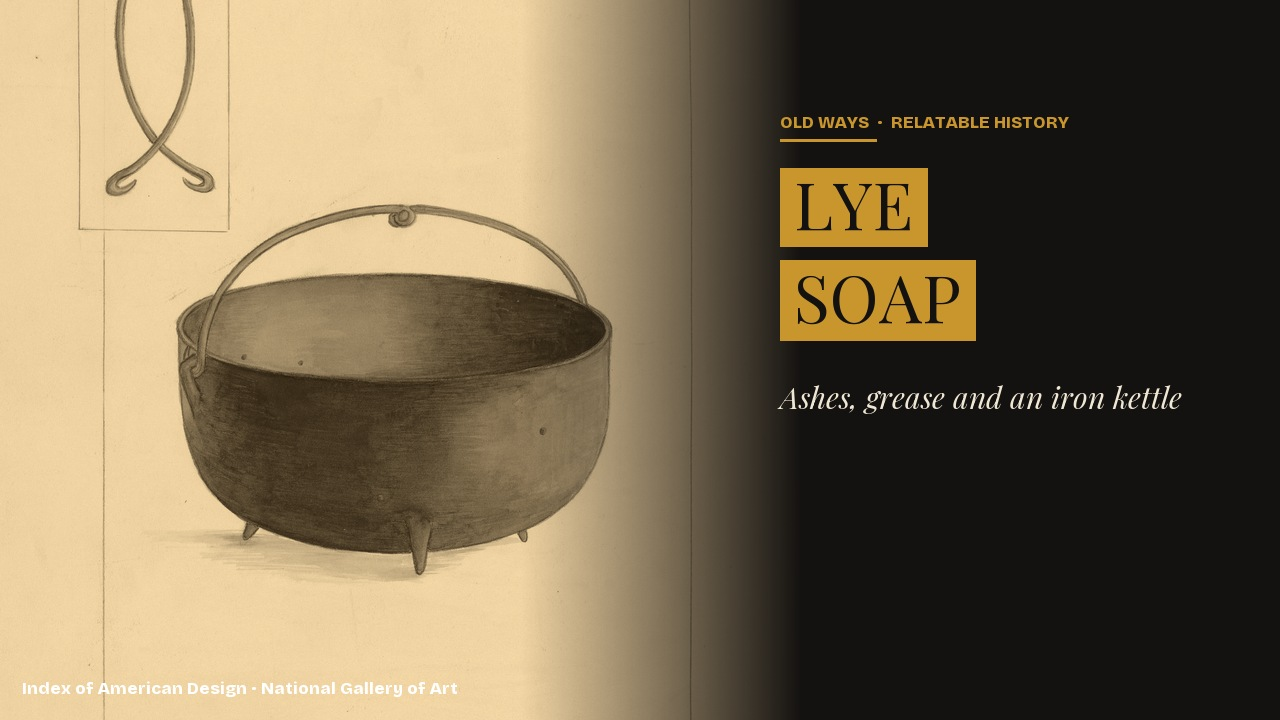
The Farm Soap That Almost Never Hardened Into a Bar
Most homemade soap never hardened into a bar at all — it stayed a soft jelly in a crock. Here is the ash-hopper chemistry, the colonial trade, and the industries that twice tried to kill it.