
Industrial Age
Roughly 1750 to 1900: mechanisation, mass production, the railway and telegraph, and the transformation of daily life they produced.
-
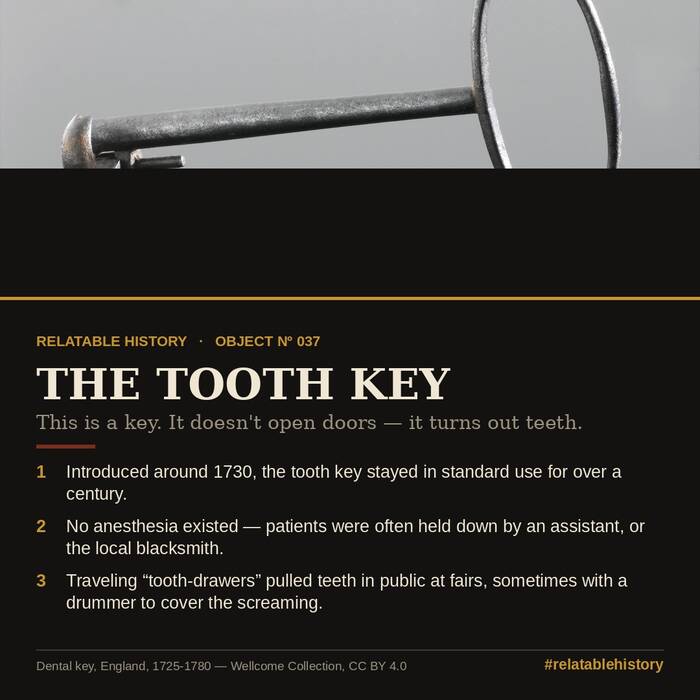
How the Dental Key Worked, and Why It Took a Century to Retire
For over a century, a bad tooth meant a stranger turning a steel key in your jaw until something gave way. Here is how the instrument actually worked, and what finally replaced it.
-
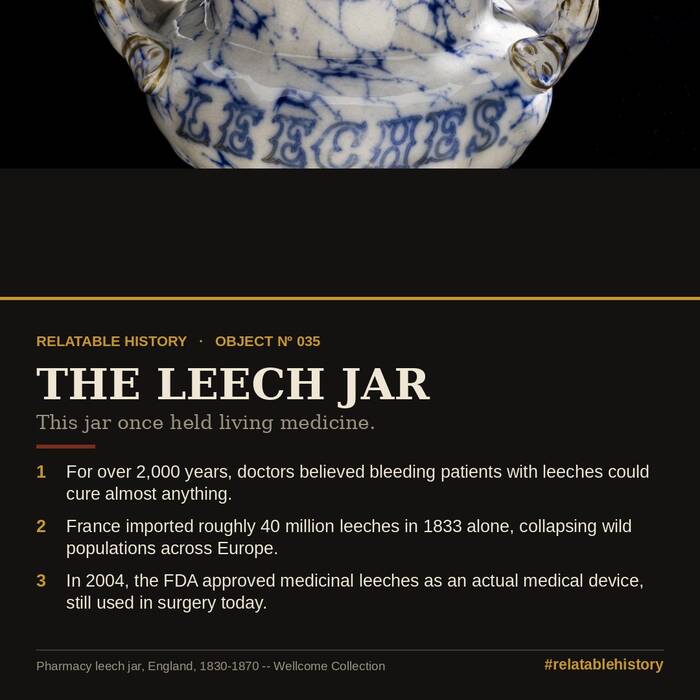
The Bloodletting Craze That Nearly Wiped Out Europe’s Leeches
A parasite became a pharmaceutical commodity, one doctor turned bleeding into a cure for almost everything, and the demand it created nearly emptied Europe’s ponds of leeches.
-
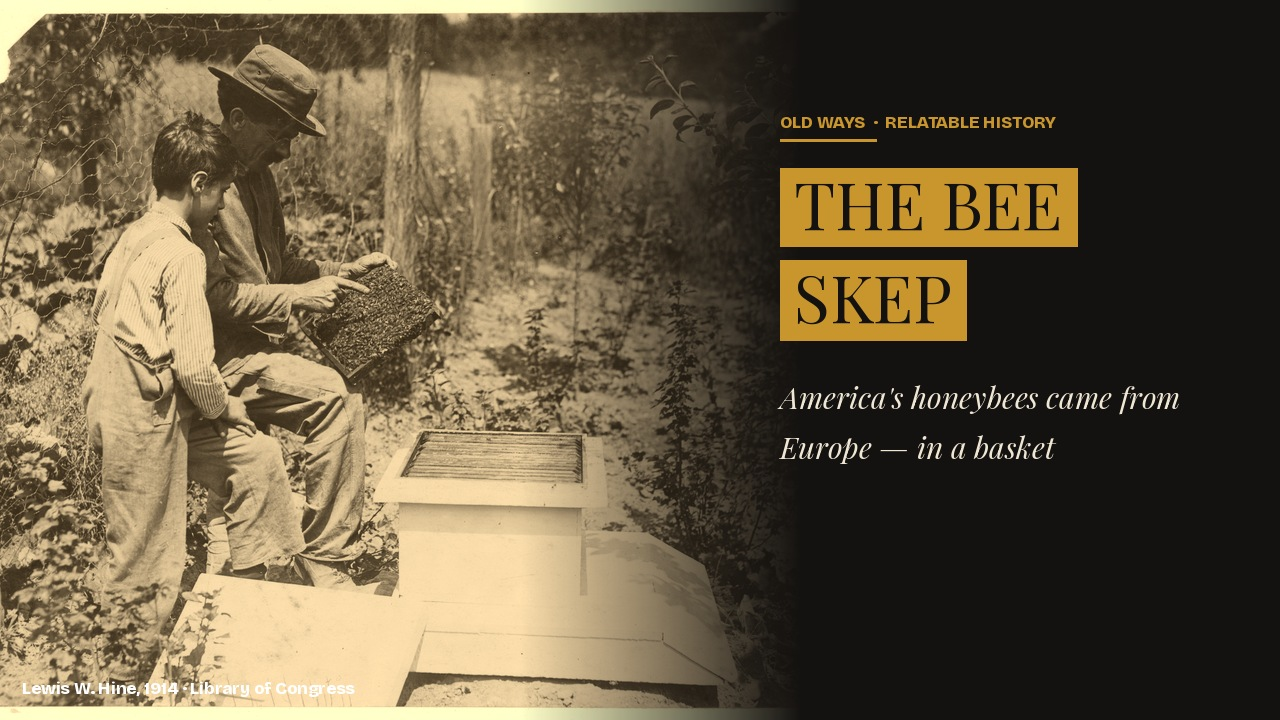
How Skep Beekeeping Worked Before the Movable-Frame Hive
A skep had no frames and nothing removable inside it, which is why, for roughly two hundred years, taking the honey usually meant killing the bees that made it.
-
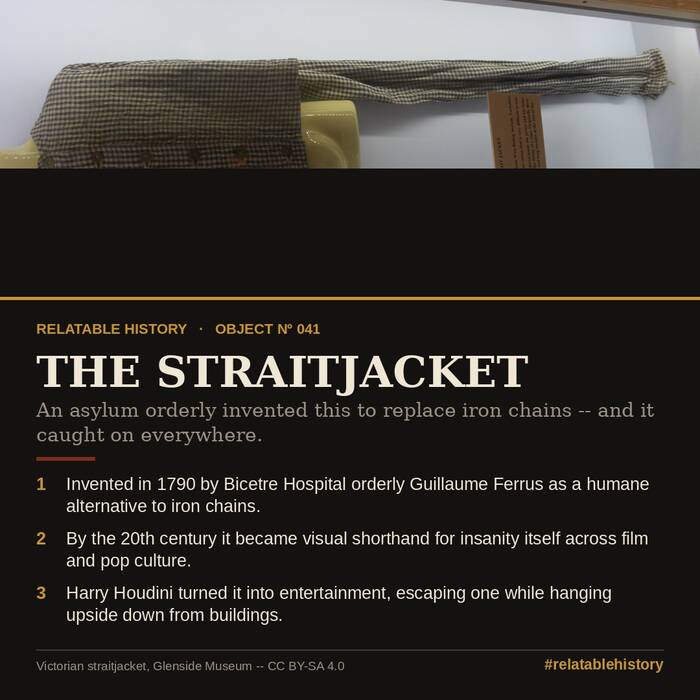
Nobody Knows Exactly When the Straitjacket Was Invented
The straitjacket’s famous 1790 origin story has an eighteen-year hole in it, and what fills the gap says more about asylums than about any single inventor.
-
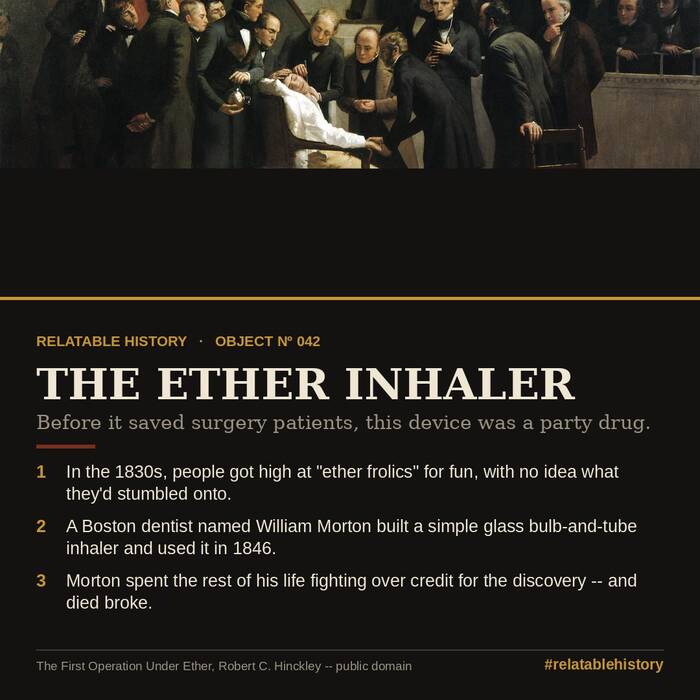
Who Discovered Ether Anesthesia? The Feud That Ruined Three of the Four Men Who Claimed It
Four men claimed credit for ending surgical pain with ether. One died broke after twenty years of litigation, one died in an asylum, one took his own life, and the one who actually went first said almost nothing for seven years.
-
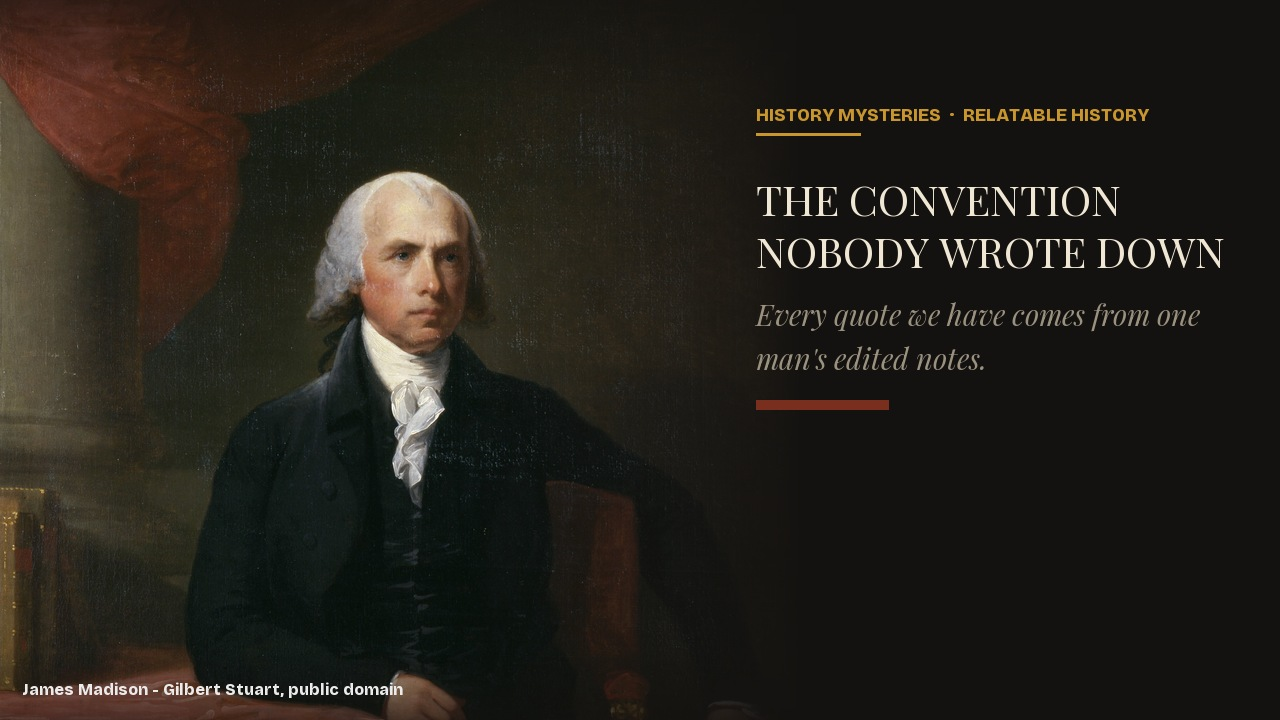
Why the 1787 Constitutional Convention Met Entirely in Secret
For four months in 1787, Philadelphia’s State House ran under an unbreakable gag order. Almost everything we know about what was said inside comes from one delegate’s personal notebook.
-
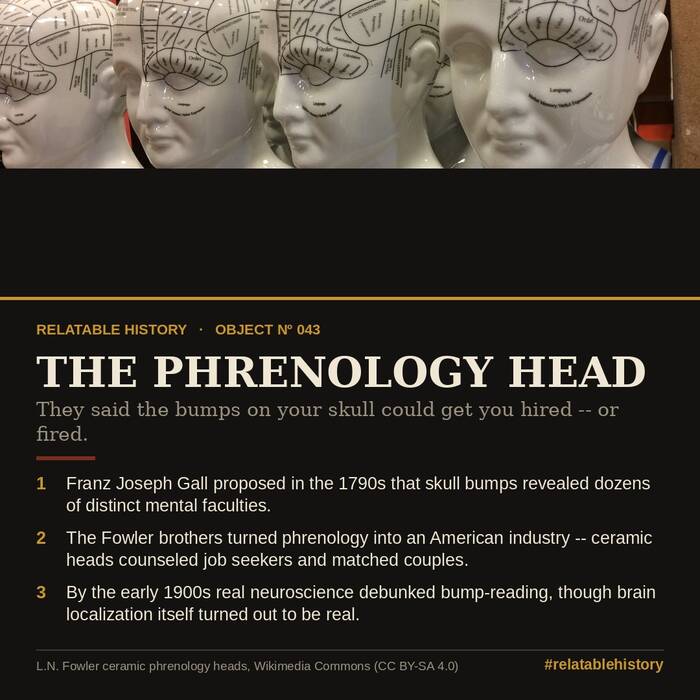
How Phrenology Hiring Practices Took Over Victorian Workplaces
Before resumes, some employers wanted a skull reading first. Here’s how a Viennese doctor’s theory of bumps became an American hiring filter, and why a judge eventually said no.
-
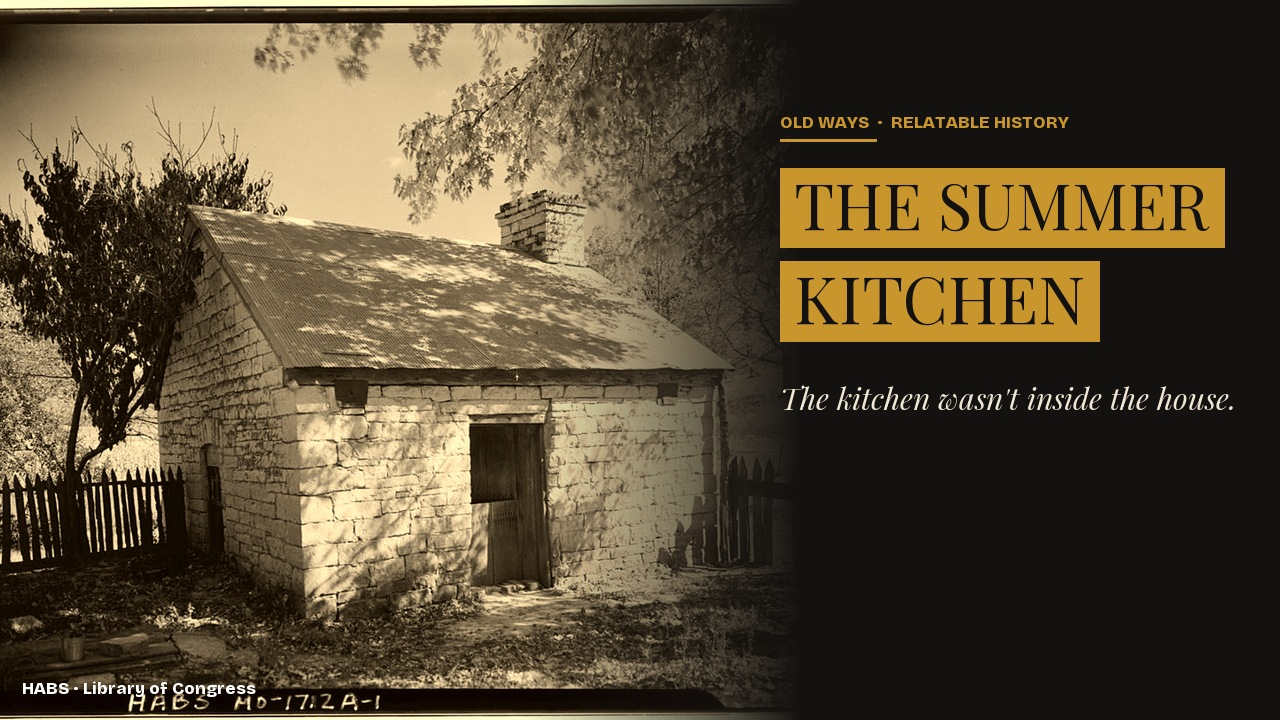
Who Really Worked in America’s Summer Kitchens
A detached kitchen looks like a convenience in an old photograph. For the people who worked in one — enslaved cooks, farm wives, hired girls — it was a full day’s labor in a building built to keep that labor out of sight.
-
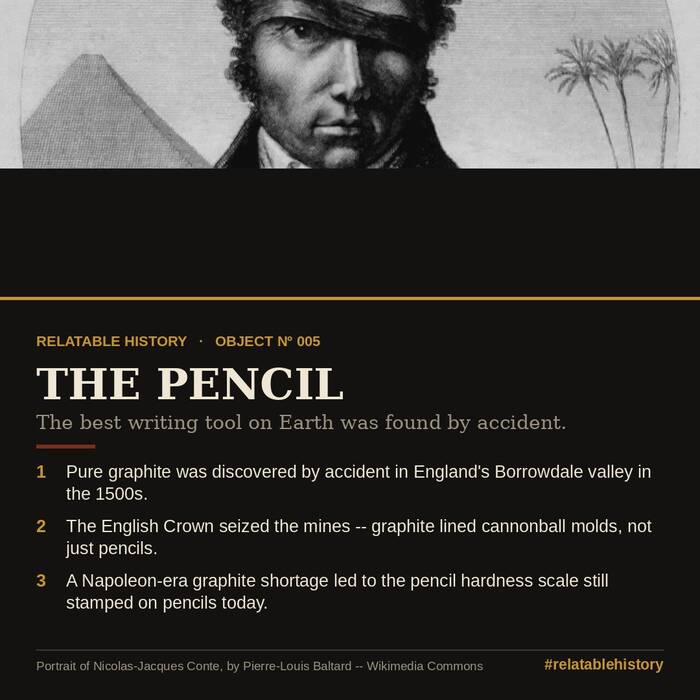
Why Pencil Lead Isn’t Actually Lead
A storm in England’s Lake District uncovered the rock that would be mistaken for lead, guarded like treasure, and reinvented twice more — by Napoleon’s France and by a Massachusetts cabinetmaker — before it became the pencil in your drawer.
-
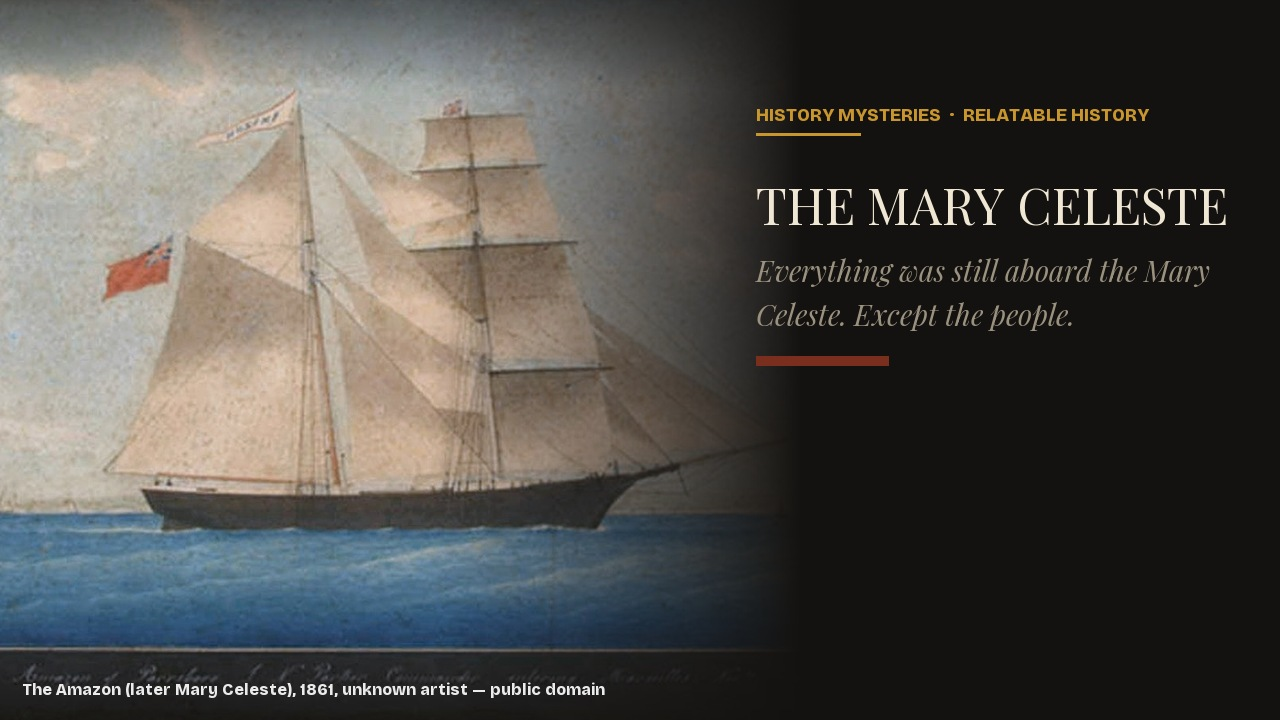
What Really Made the Crew Abandon the Mary Celeste
She was fully provisioned, under partial sail, and completely empty. A century and a half later, two chemistry labs think they’ve worked out why the crew left.