
Industrial Age
Roughly 1750 to 1900: mechanisation, mass production, the railway and telegraph, and the transformation of daily life they produced.
-
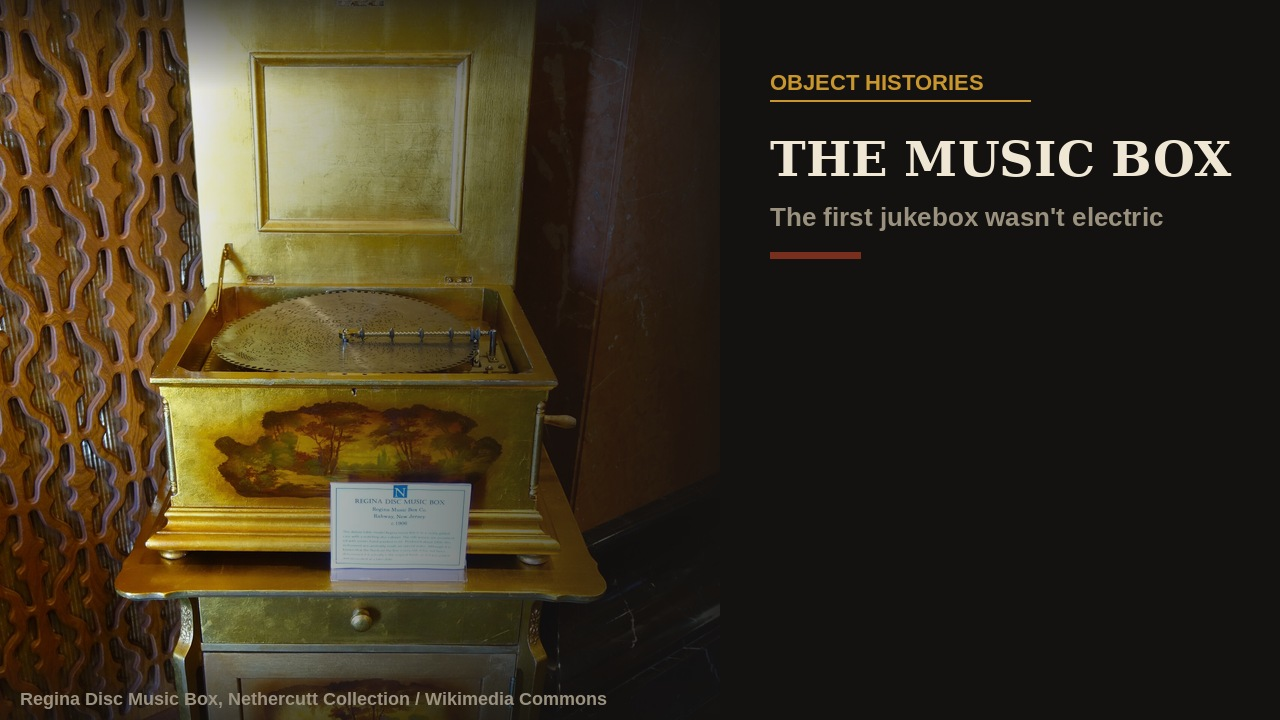
Why Music Boxes Disappeared: Rise and Fall of an Industry
By 1896, the Regina Music Box Company was America’s recognized market leader, selling self-playing steel discs to saloons and parlors from a 300-worker New Jersey factory. By 1922 it was bankrupt. Here’s the full story, from a Geneva watchmaker’s 1796 pocket trick to the Leipzig falling-out that created two rival companies, to the phonograph that…
-
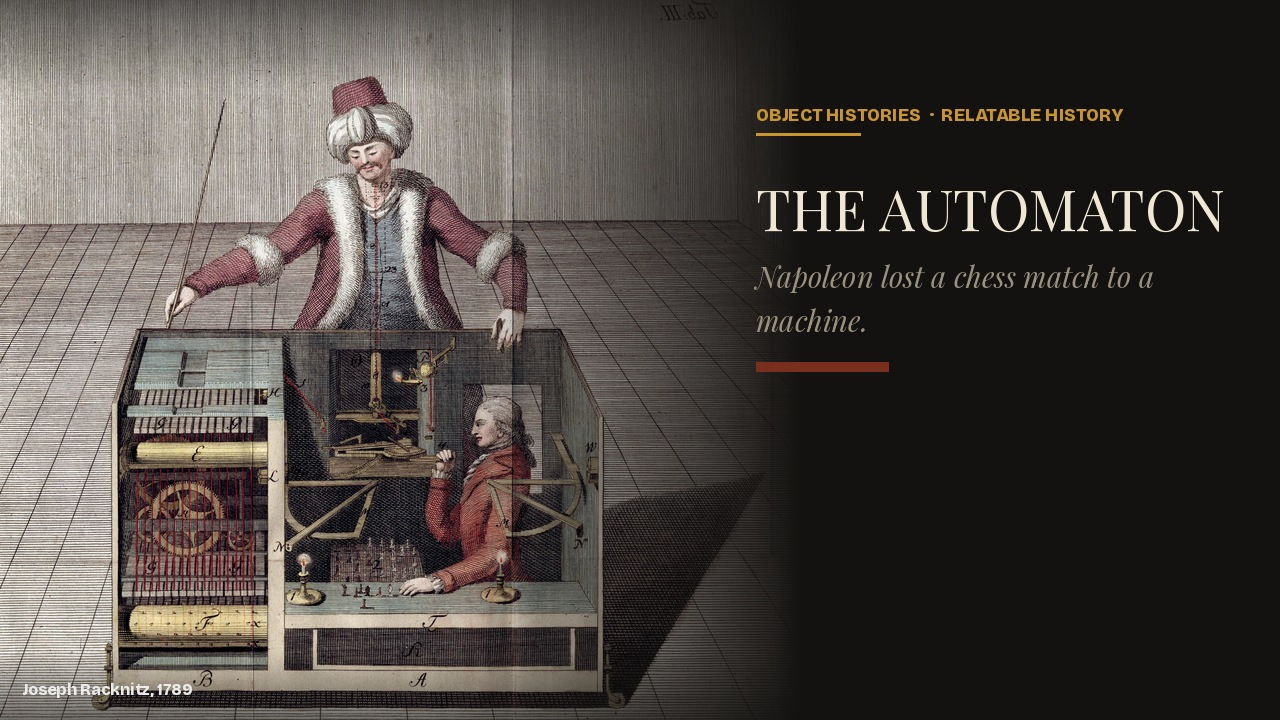
How the Mechanical Turk Worked, and Who Was Hiding Inside
Napoleon lost to a machine in 1809. Benjamin Franklin was personally invited to see it play. For fifty-seven years, almost nobody could prove the Mechanical Turk was a hoax. Here’s exactly how the trick worked, and why the honest automata built alongside it got a fraction of the fame.
-
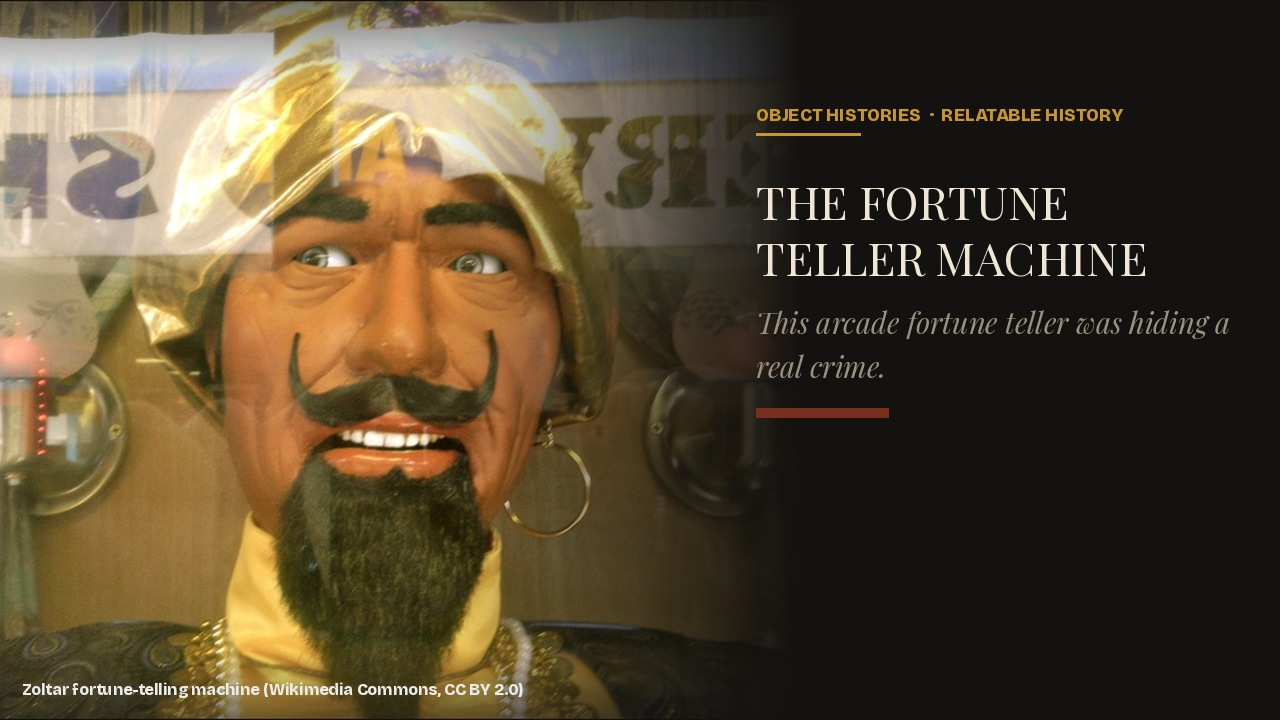
The Real History of the Fortune Teller Machine
A coin-operated fortune machine looks like harmless boardwalk fun. For decades, some of them were hiding a real crime: a working slot machine wearing a wizard’s costume to dodge gambling law. Here’s the verified history, including the popular Zoltar origin story that doesn’t hold up.
-
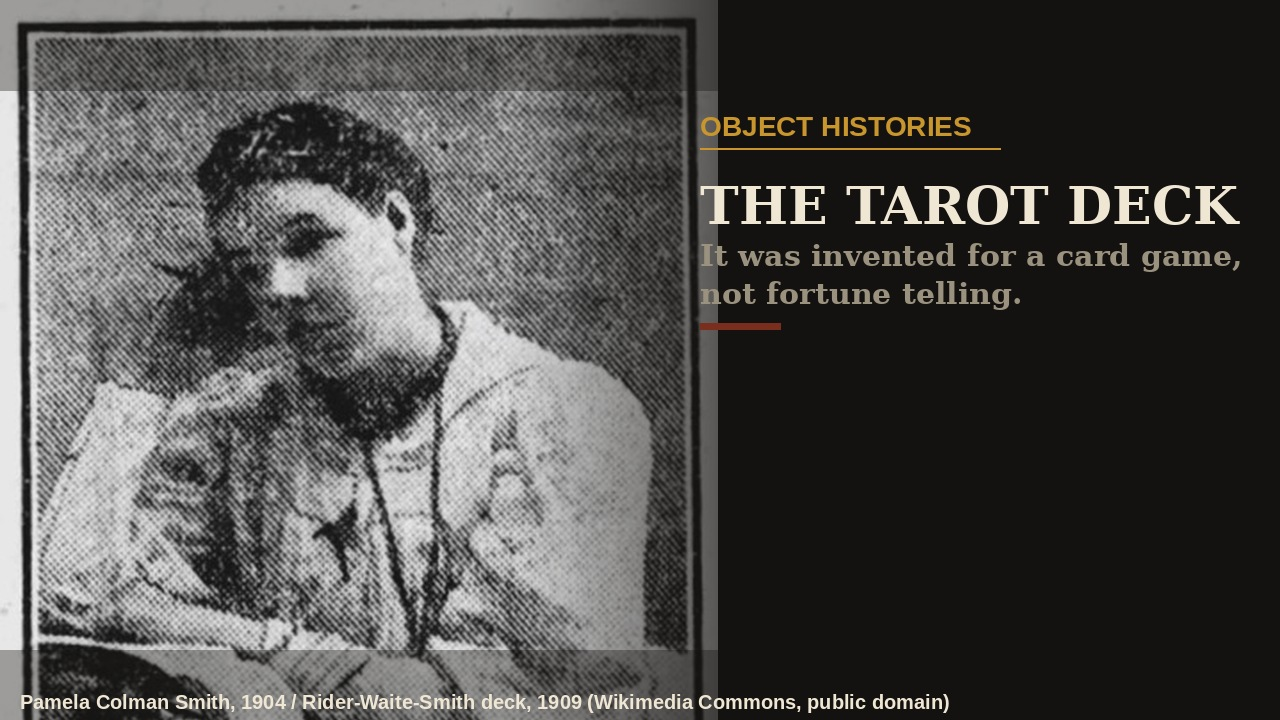
How Tarot Became Fortune Telling, 300 Years Later
Tarot was a trick-taking card game for three centuries before anyone used it to predict anything. Here’s how a scholar’s fifteen-minute guess and an overlooked illustrator’s artwork turned a deck of playing cards into the most recognizable fortune-telling tool in the world.
-

How Iceboxes Worked Before the Electric Refrigerator
Before electricity, keeping food cold meant a block of ice, a drip pan, and a Boston trader bold enough to ship frozen ponds to the tropics. Here’s how iceboxes worked, and how the trade that supplied them collapsed in a single generation.
-
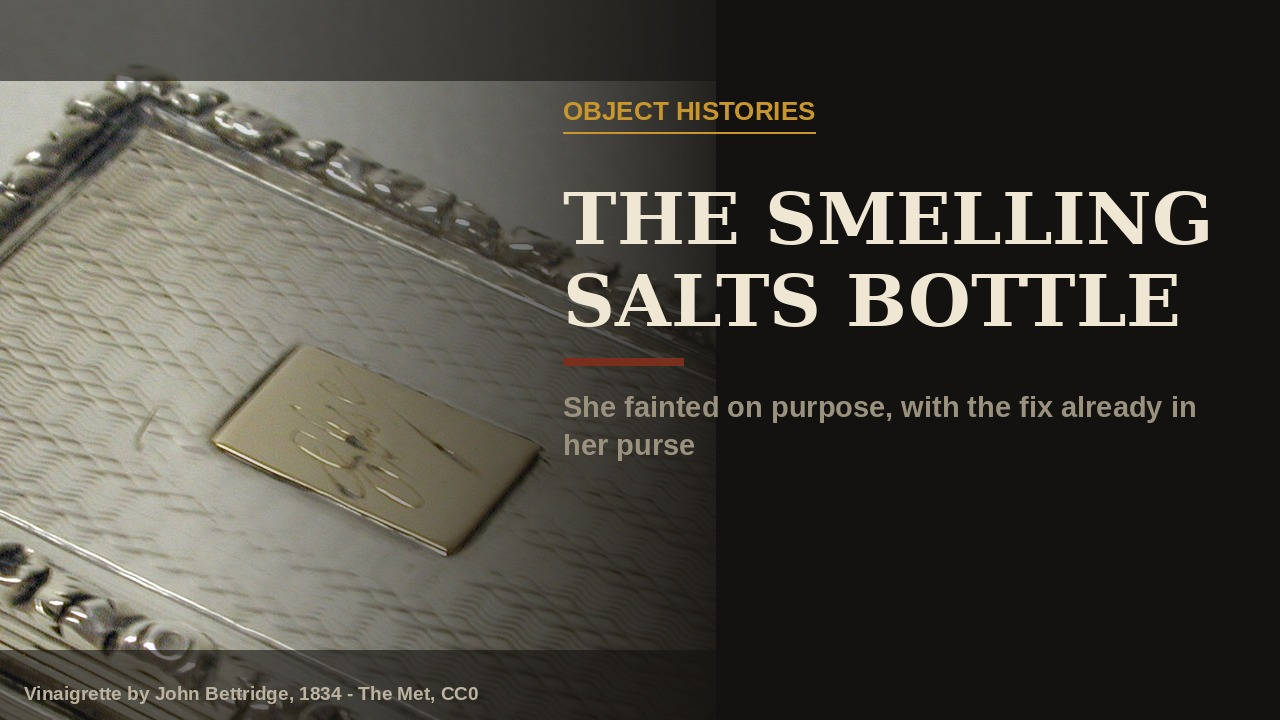
What Was in Victorian Smelling Salts
The active ingredient in a Georgian lady’s silver vinaigrette was burnt deer antler. Two centuries later, NFL sidelines were using the same chemical trick — until the league banned it.
-
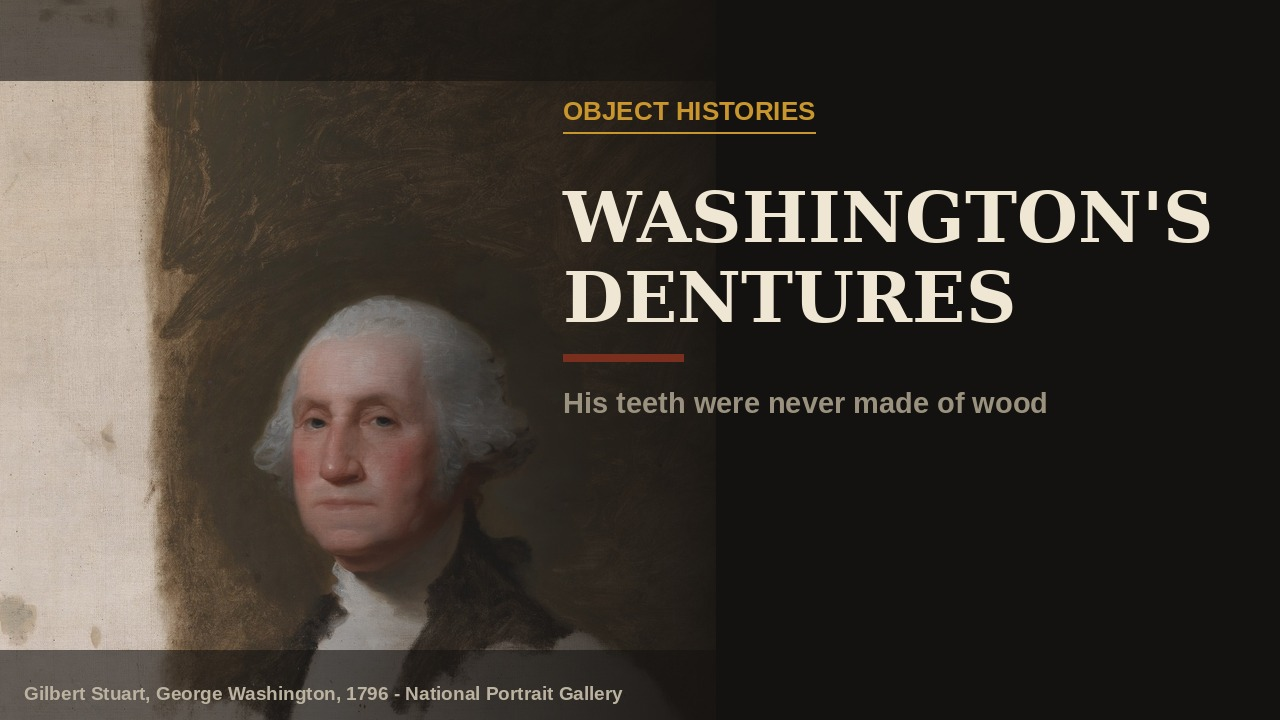
What George Washington’s Dentures Were Made Of
Washington’s dentures were never carved from wood. They were hippopotamus ivory, lead, gold wire, and teeth with a far more complicated origin than the myth ever let on.
-
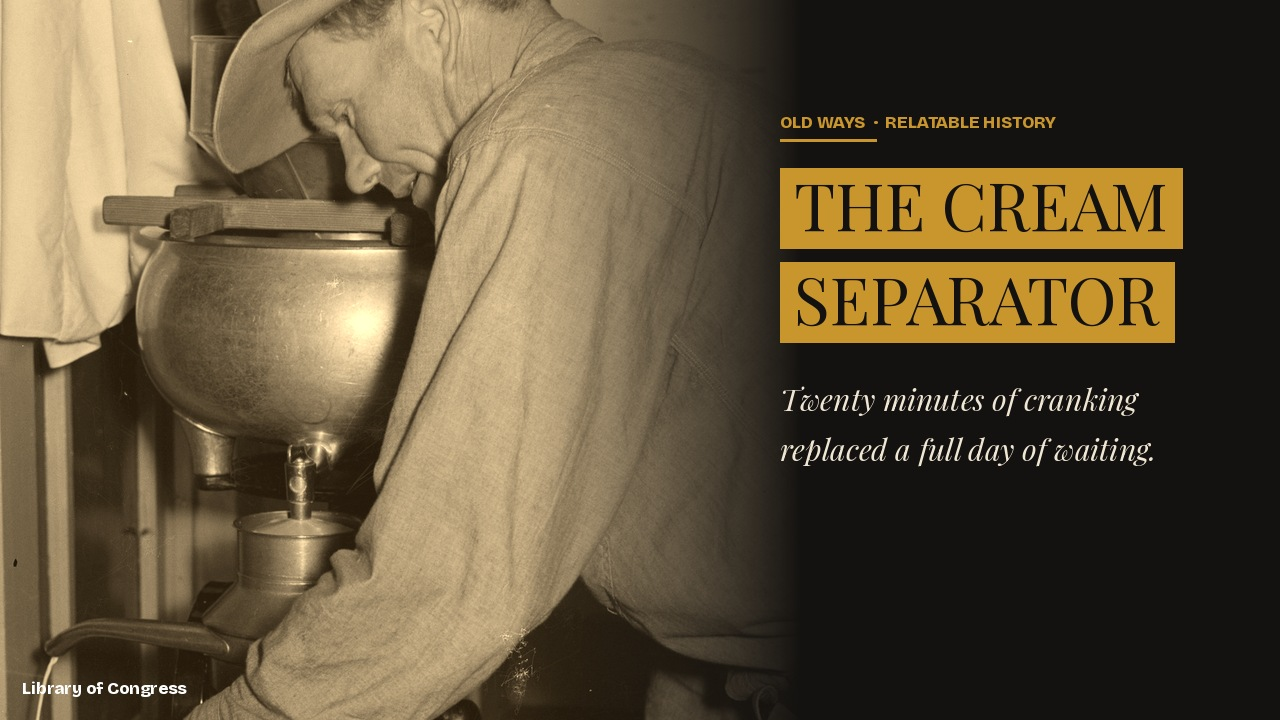
How Cream Separators Worked, and Why Every Farm Wanted One
A hand-cranked machine could pull nearly all the cream out of a bucket of milk in the time it took to turn a crank up to speed. Here is the engineering, and the chore, behind it.
-

How Corn Shellers Worked, and Why American Farms Needed One
A crank and two toothed wheels replaced a chore that used to take all winter. Here is how the hand-crank corn sheller actually worked, and why hand shelling never fully disappeared.
-
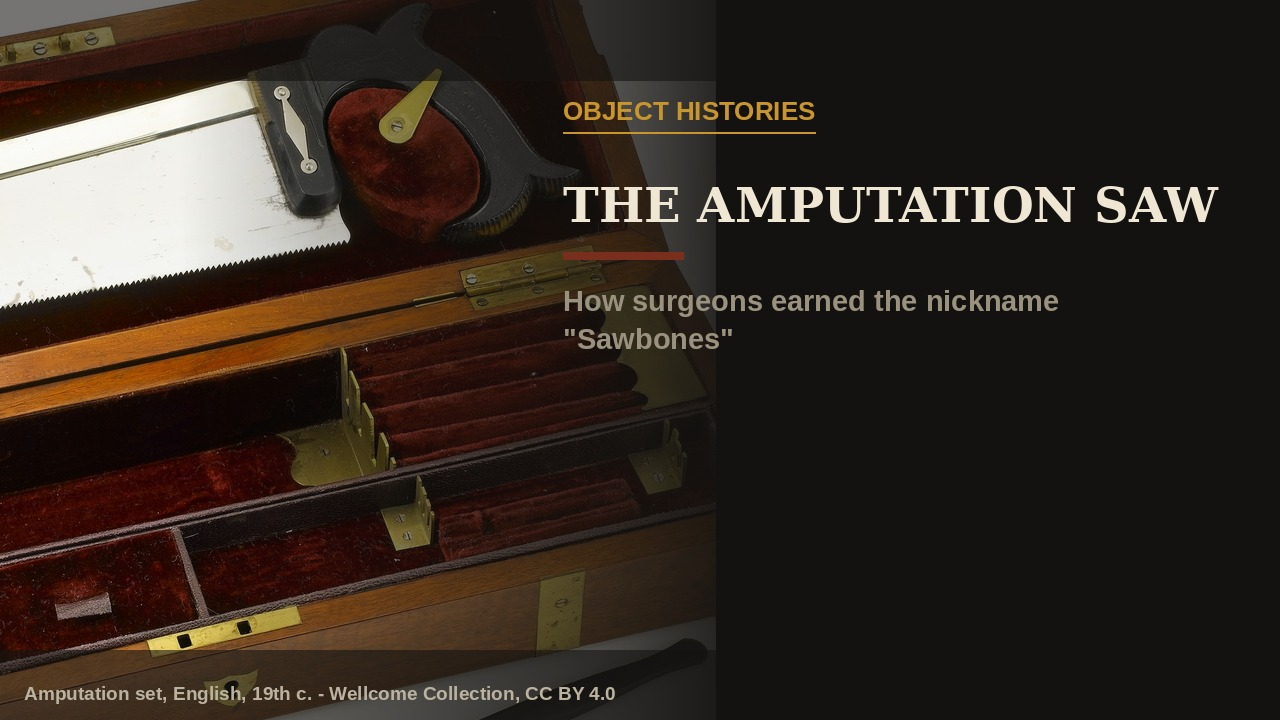
Why Amputation Before Anesthesia Meant Racing the Clock
For centuries the only mercy a surgeon could offer was speed. Here is how the amputation saw, and the men who used it, actually worked.