
Modern Era
1900 to the present: the world wars, mass consumer culture, electrification, and the recent past that still shapes the objects around us.
-
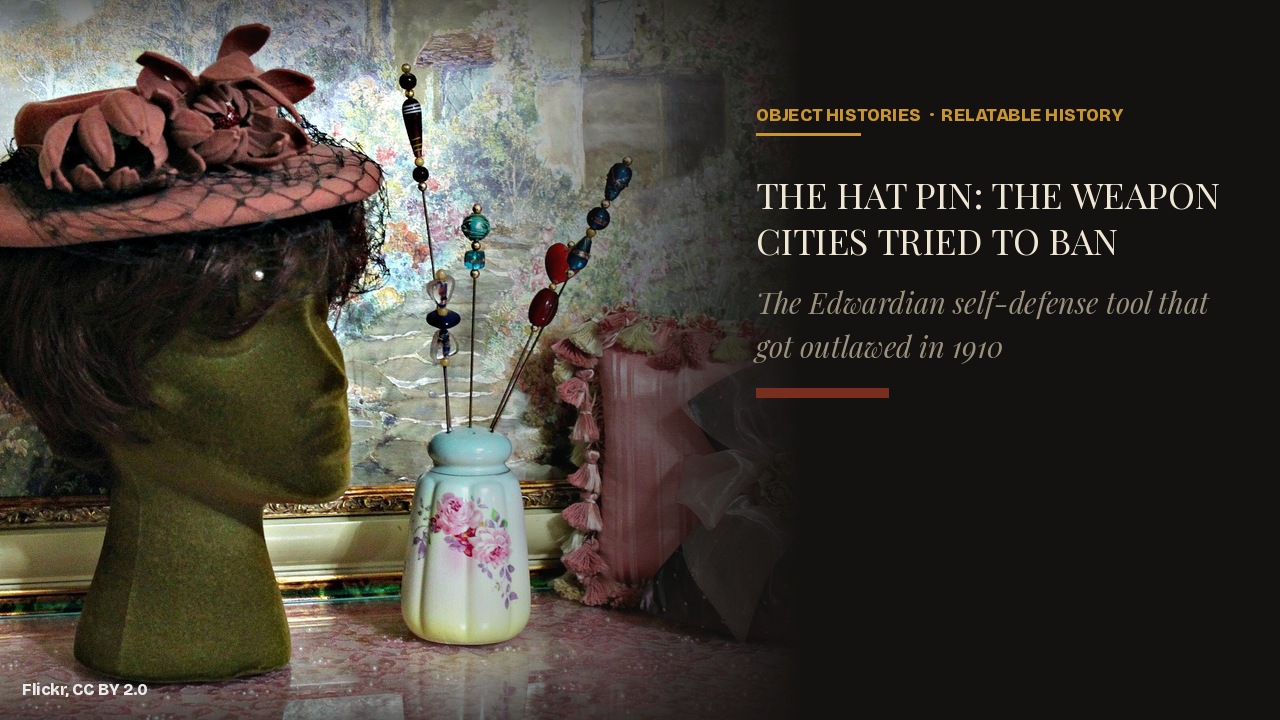
The Hatpin Peril: How a Fashion Pin Became an Outlawed Weapon
A steel pin built to anchor an Edwardian hat became a weapon women used against street harassers, and then the very thing a string of city councils tried to outlaw.
-
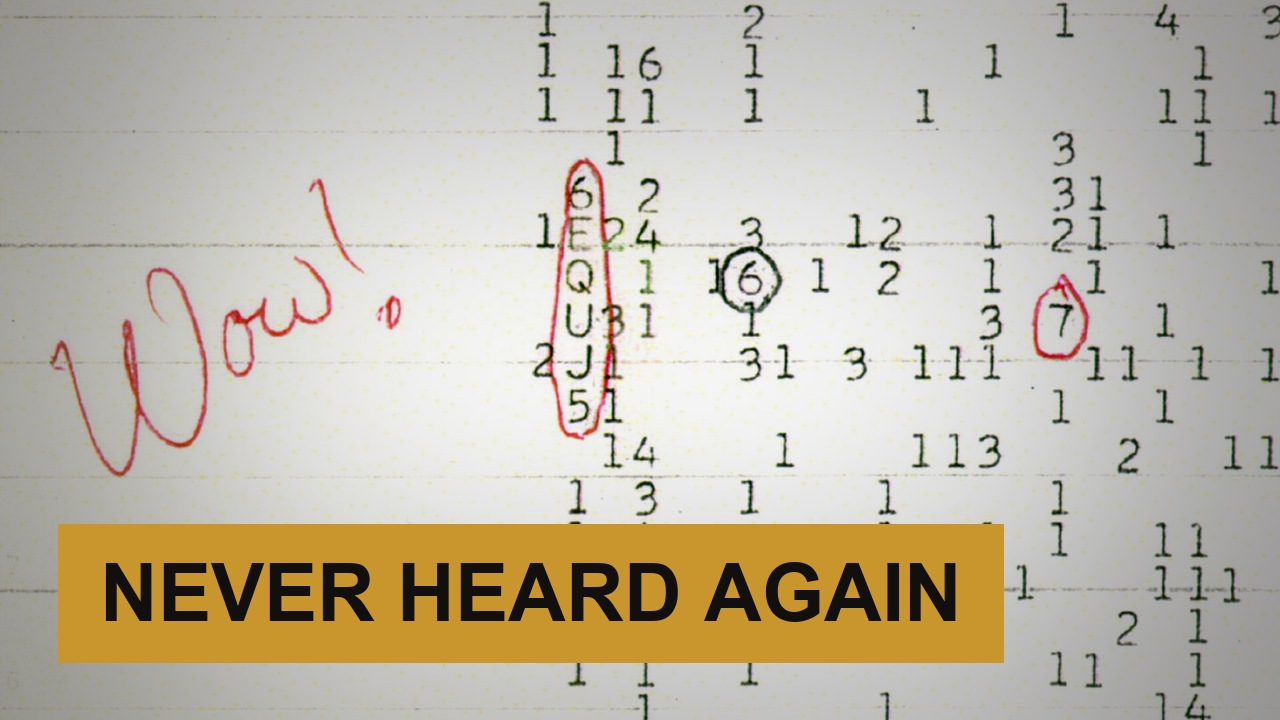
What Was the Wow! Signal? Inside Astronomy’s Most Famous Unsolved Case
For 72 seconds in 1977, a telescope in Ohio recorded something it has never recorded again. Here is what nearly fifty years of searching for it has turned up, and the single fact that still blocks every explanation offered for it.
-
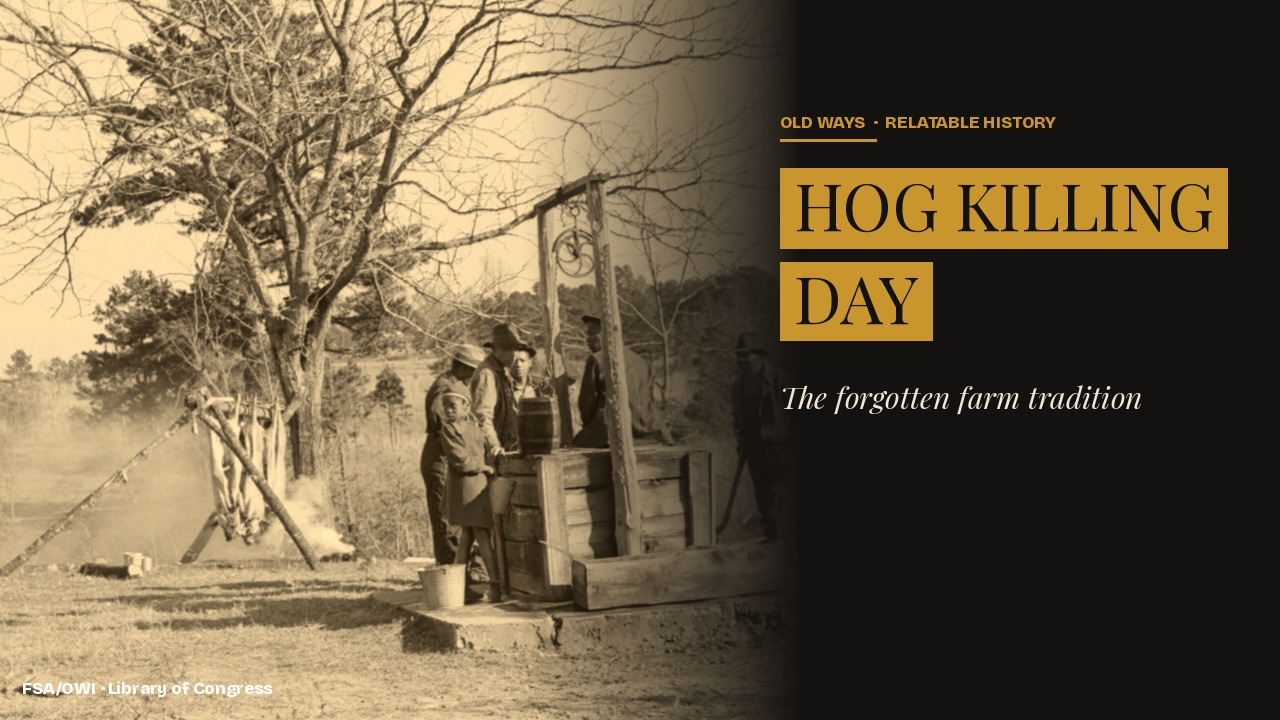
How Hog Killing Day Worked on the American Farm
A frost-timed week of killing, scalding, and smoking that fed a farm family all winter — and the specific numbers behind why it stopped.
-
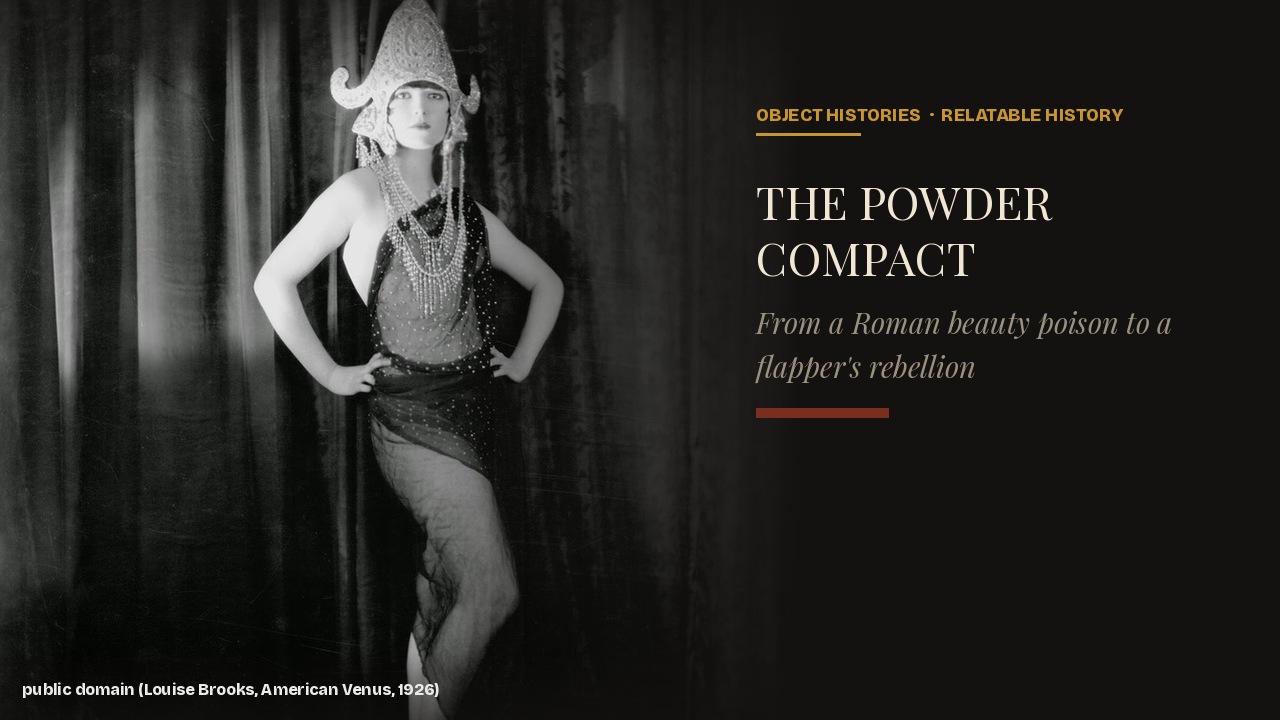
The Dangerous History of Face Powder — From Roman Lead Paint to a Flapper’s Compact
Long before it was a flapper fashion statement, face powder was a genuine health hazard, and the law that finally regulated it took almost two thousand years to arrive.
-
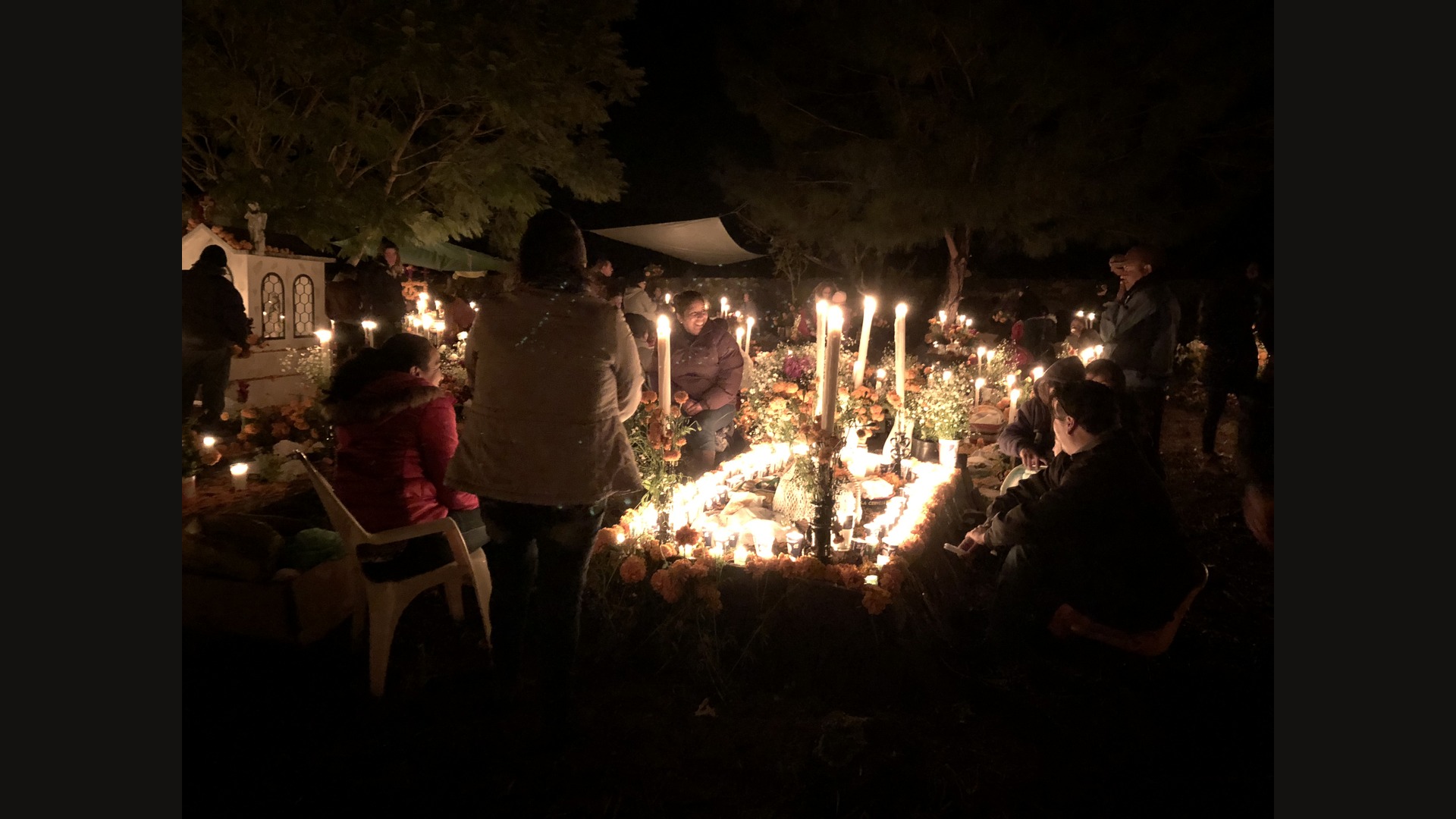
How an Ofrenda Is Actually Built
An ofrenda altar looks simple: flowers, paper, smoke, candles. Behind each one is a government subsidy, a colonial ban, a single craft town, or a lake vigil that still draws six-figure crowds every November.
-
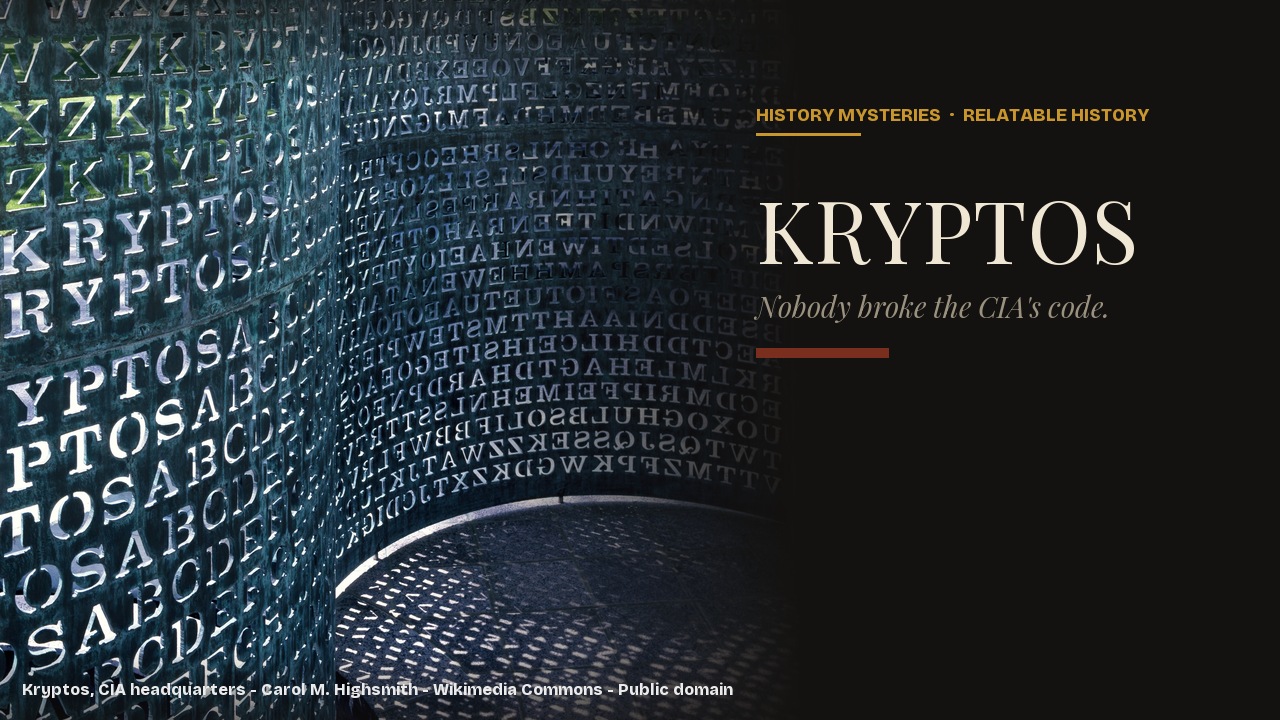
Why Kryptos K4 Is Still Unsolved, Even After a $962,500 Sale
In November 2025, the only complete solution to the CIA’s most famous unsolved cipher sold at auction for $962,500. The buyer still has not told anyone what it says.
-

The Real History of the Fountain Pen Is Older Than You Think
Centuries before a reliable fountain pen reached ordinary writers, a Fatimid caliph, a Romanian patent-holder and a string of leaking failures all tried to build one first.
-
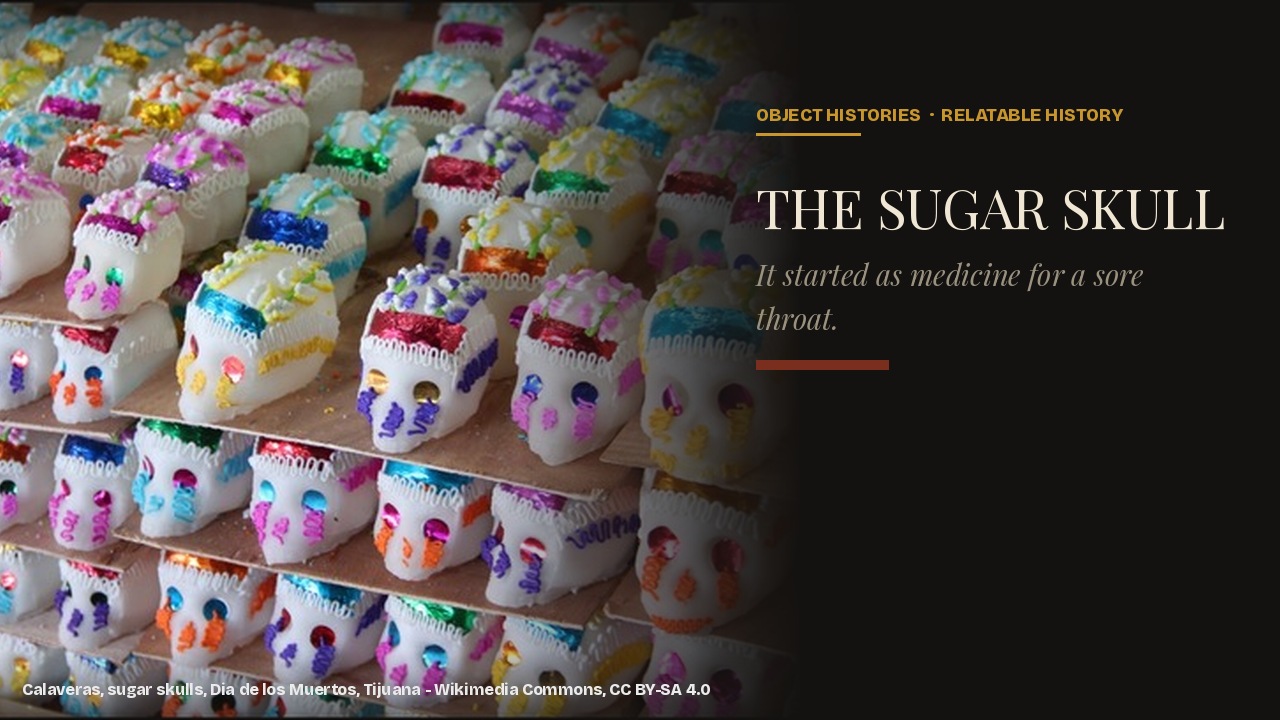
Why Sugar Skulls Get a Name Written on the Forehead
The candy on a Day of the Dead altar was invented as medicine in Islamic Spain, not as a memorial. This is the documented route it took to a Toluca wooden mold five centuries later.
-
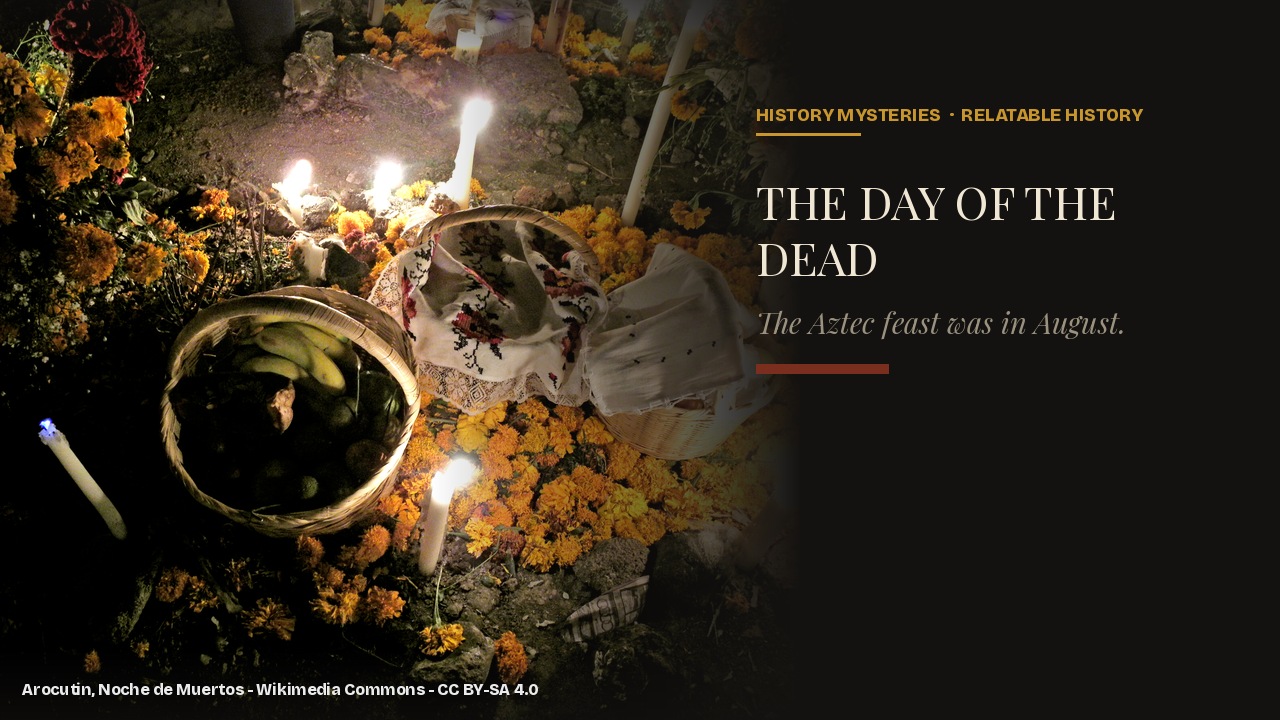
Is the Day of the Dead Really a Pre-Hispanic Tradition?
Mexico’s schoolbooks call the Day of the Dead an unbroken pre-Hispanic inheritance. The documentary record has a gap exactly where that claim needs proof, and two camps of historians have spent fifty years reading it in opposite ways.
-
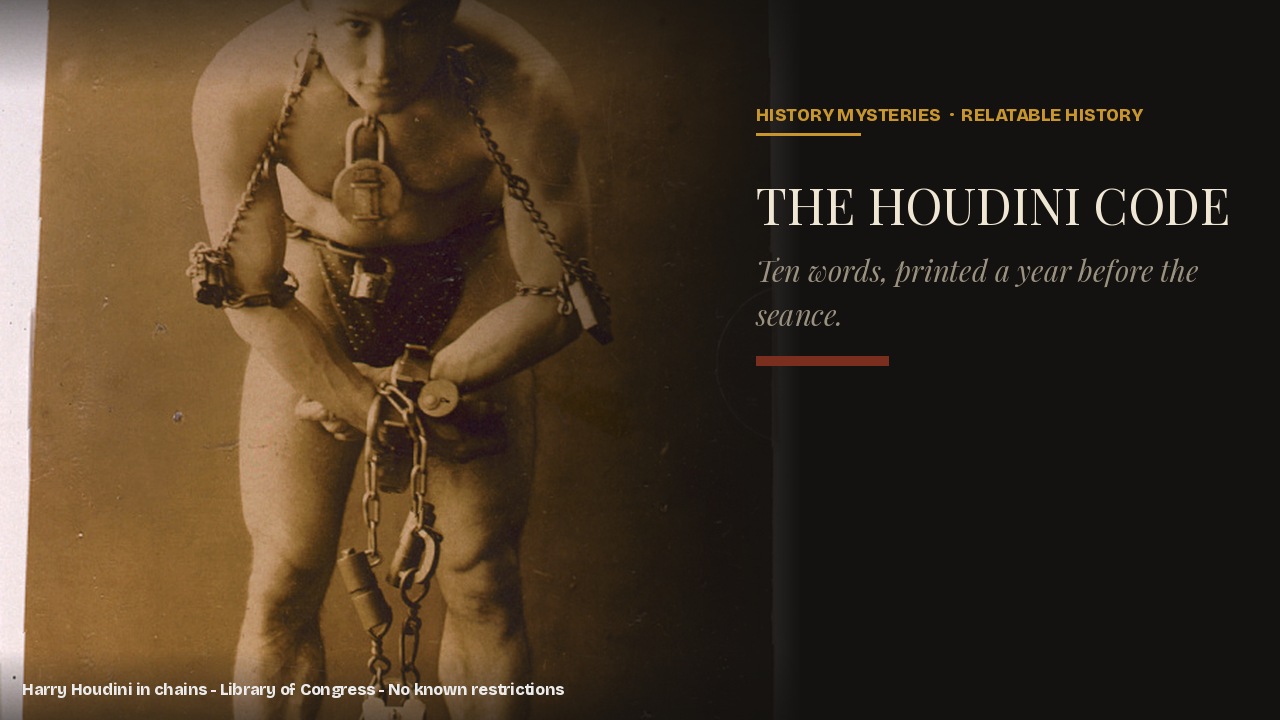
How Houdini’s Code Worked, and Why It Could Never Prove Anything
The Houdinis turned an old vaudeville trick into the ultimate afterlife test: a code broadcast in sixty seconds flat. It also carried a flaw built into every code act that ever worked a stage.