
Modern Era
1900 to the present: the world wars, mass consumer culture, electrification, and the recent past that still shapes the objects around us.
-
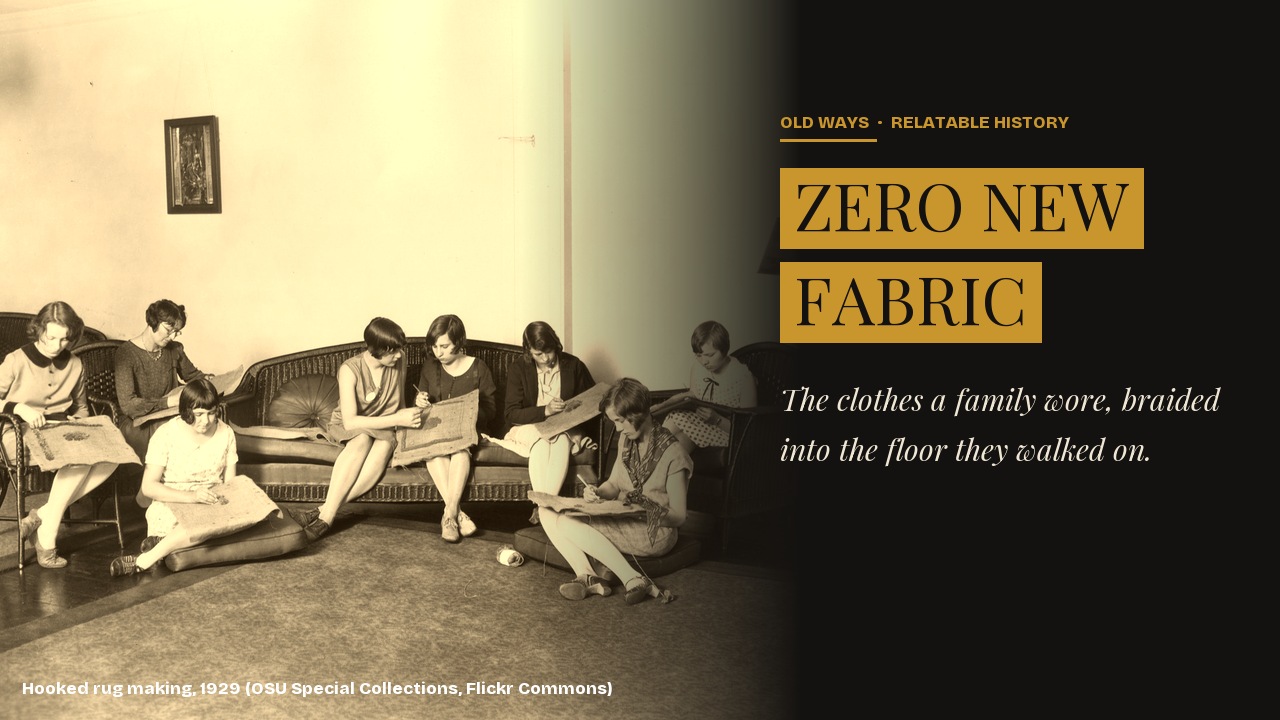
How Rag Rug Making Worked, From Rags to Wages
Braiding, hooking and weaving solved the same problem three different ways. In one well-documented case, the craft also paid real wages — and sales nearly tripled in three years.
-
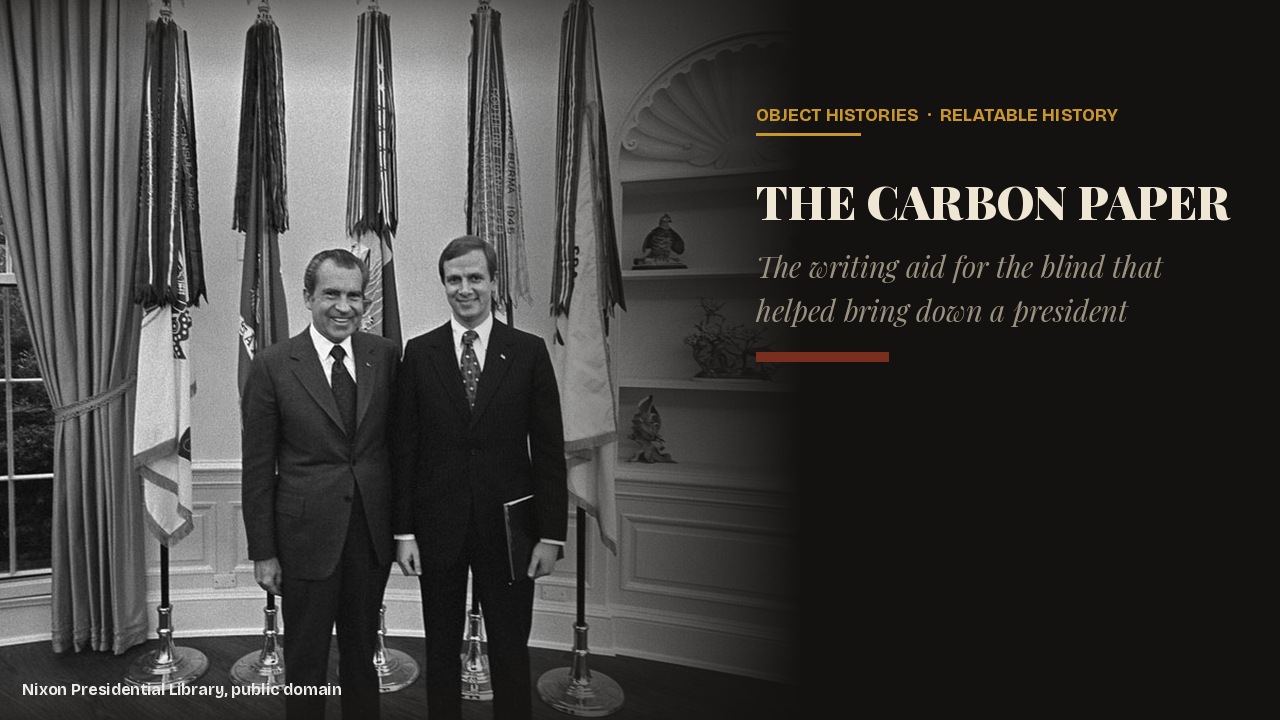
Who Invented Carbon Paper, Really? Four Credible Answers
Carbon paper has four separate, well-documented origin stories — and one of them ends with a 1973 grand jury subpoena naming a White House aide’s memos by title.
-
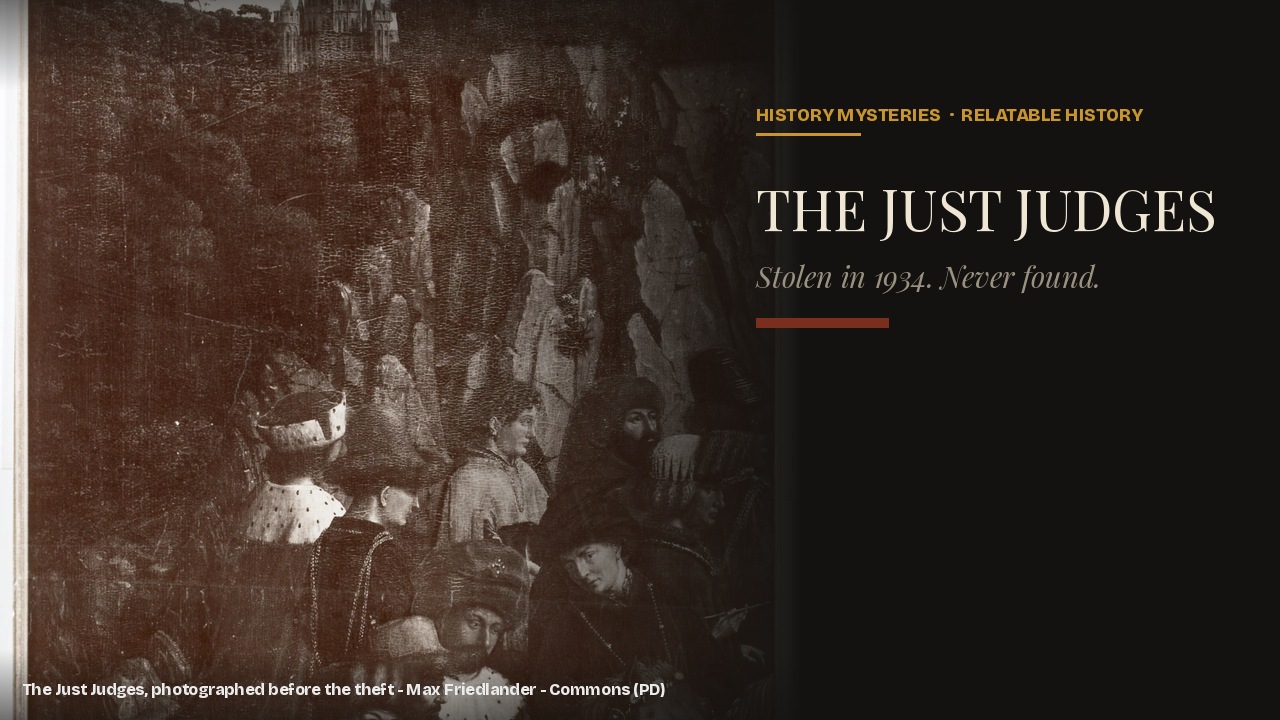
Why Belgium’s Just Judges Panel Investigation Has Never Closed
Belgium’s prosecutors still have an open case on a van Eyck panel stolen from a Ghent cathedral in 1934. Ninety years and three competing theories later, nobody has produced it.
-
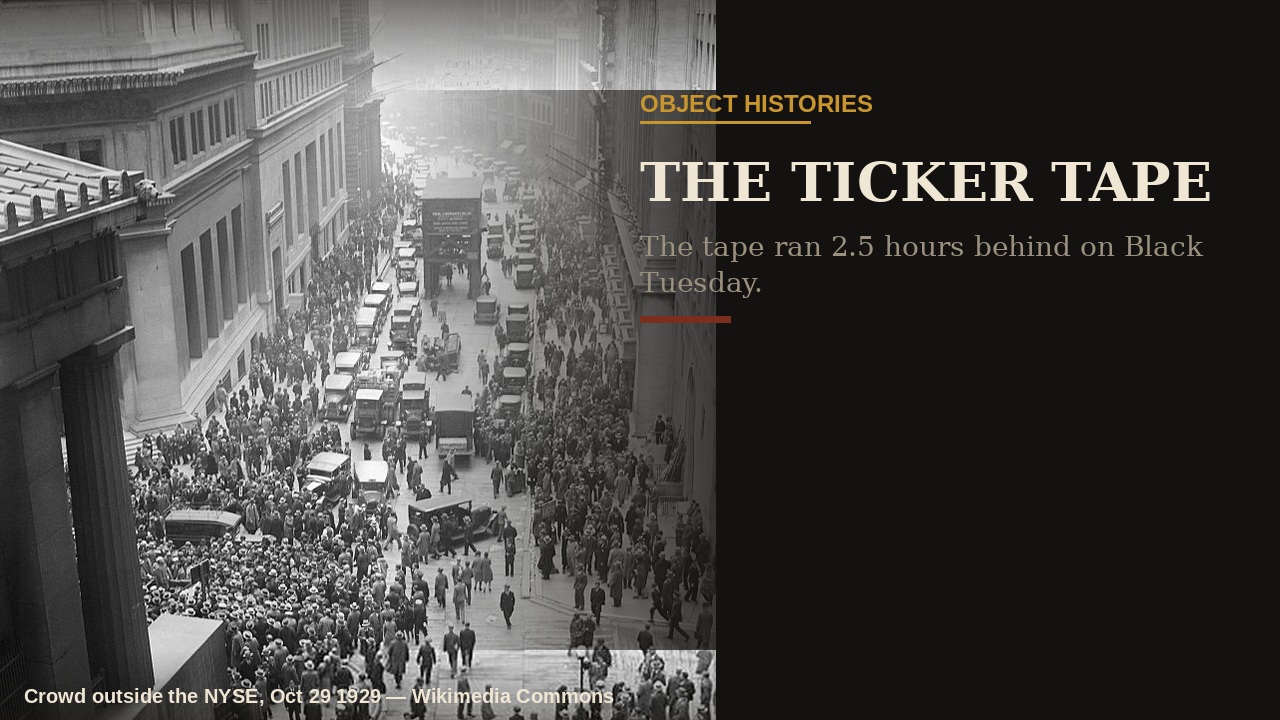
The History of Ticker Tape Parades Starts With a Broken Wall Street Machine
Wall Street’s confetti used to be real paper, printed by the same machine that couldn’t keep up on its worst day. Here’s how one telegraph printer created both a crisis and a tradition.
-
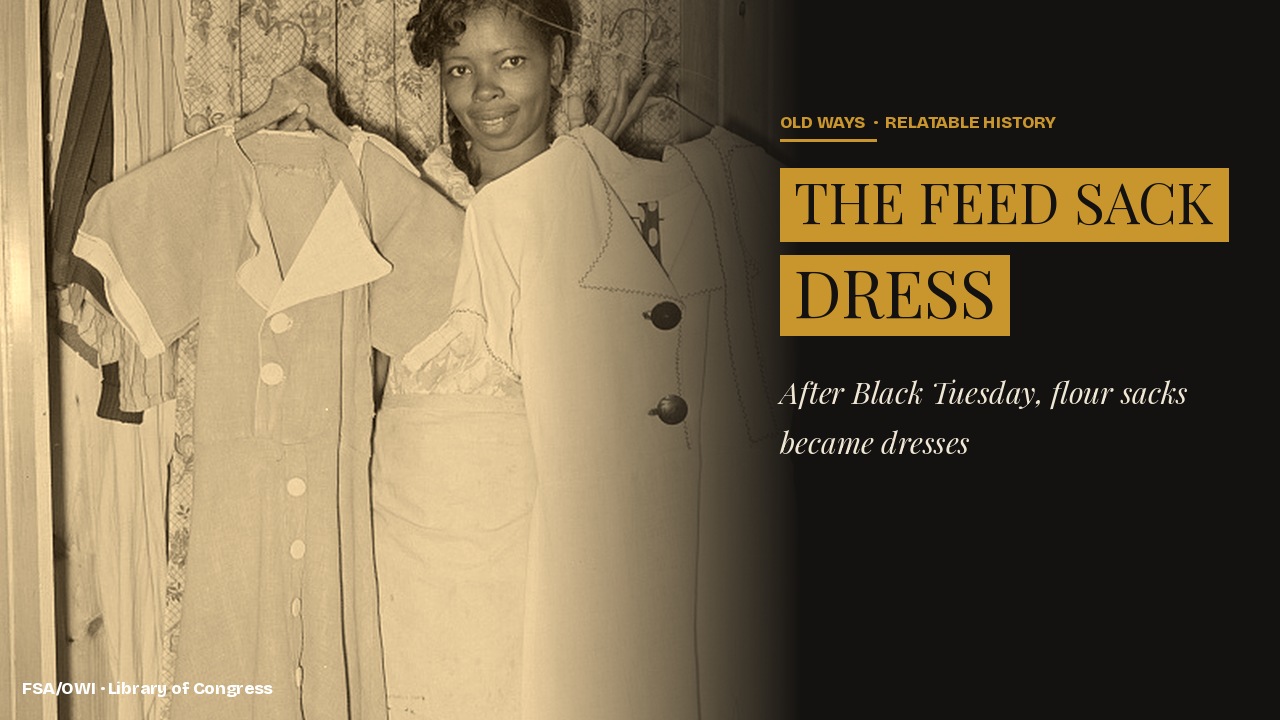
The Cotton Bag Sewing Contest That Outlived the Great Depression
Long after the Depression that made feed-sack sewing a necessity, the bag industry invented a national sewing contest to keep farm women buying patterned sacks — and some of the winning dresses ended up in the Smithsonian.
-
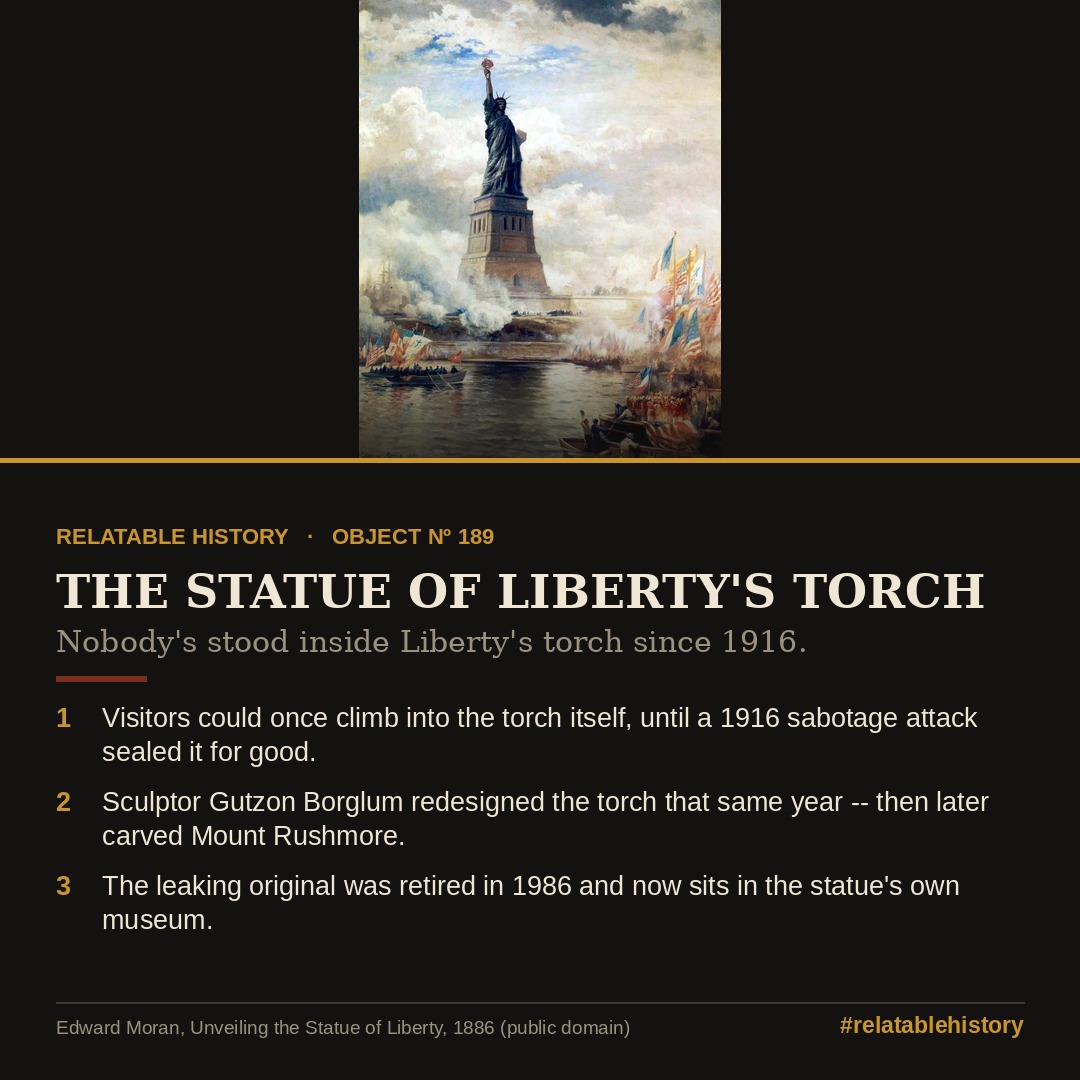
The Statue of Liberty’s Torch Was Once a Legal Lighthouse
Long before it was sealed shut, the torch was a disappointing navigation light run by the U.S. Lighthouse Board. Four redesigns later, the original is on display forty feet from where tourists can touch it.
-
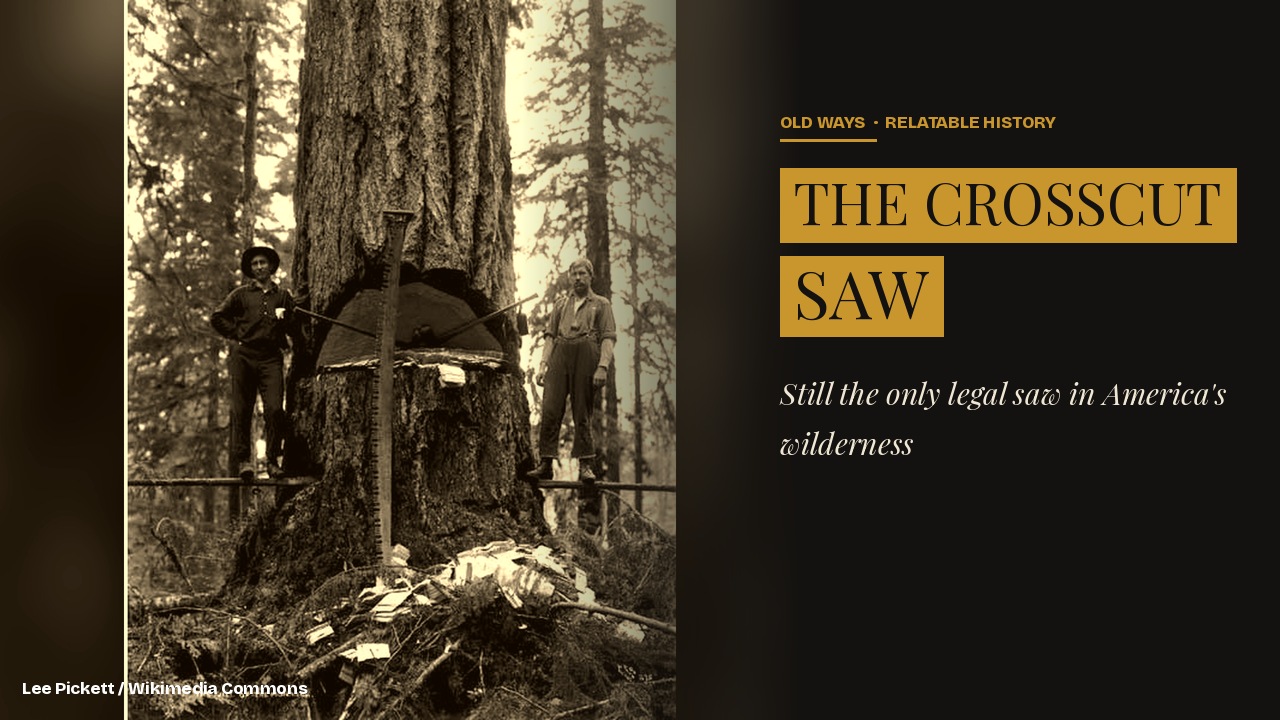
Why the Crosscut Saw Is Still Legal in Wilderness Areas
A federal law written in 1964 never once says the word chainsaw. It still left millions of wilderness acres where the only legal saw is the two-person crosscut, worked by hand.
-
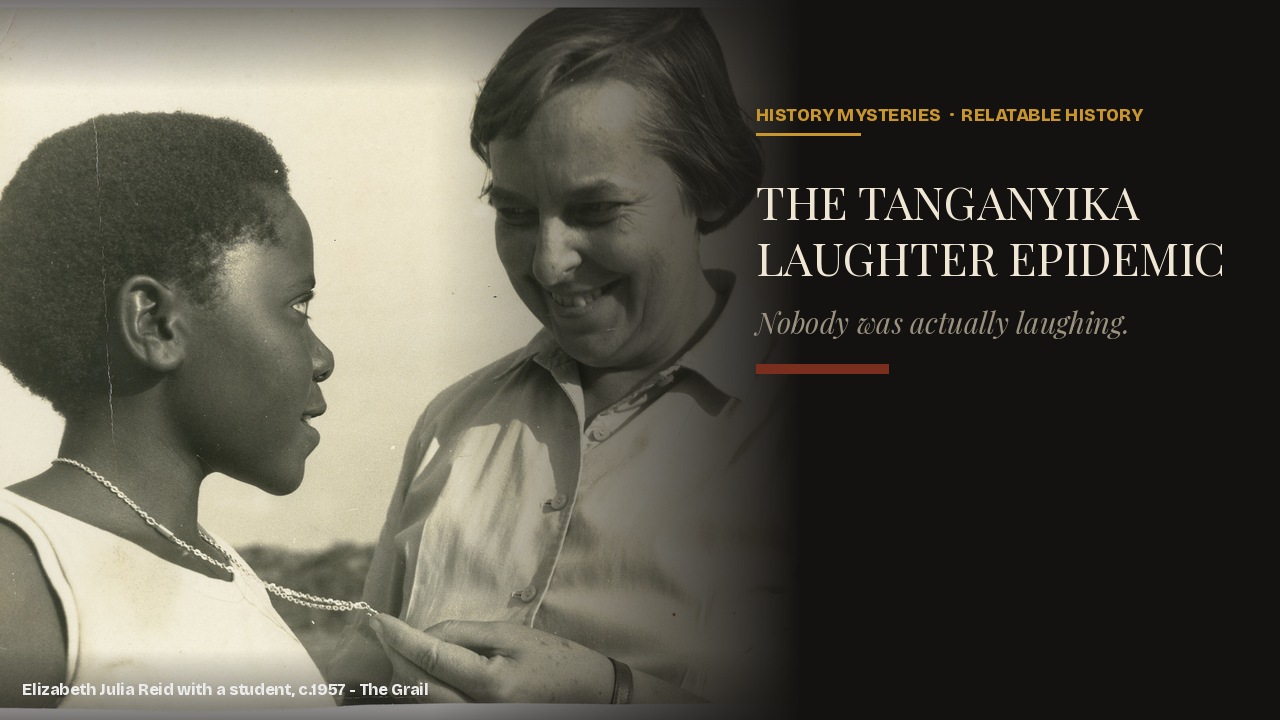
The 1962 Tanganyika Laughing Epidemic: What the Investigation Actually Found
Two medical officers tested blood, spinal fluid and food trying to explain an illness that shut fourteen Tanganyikan schools in 1962. They found nothing – and that absence is the real story.
-
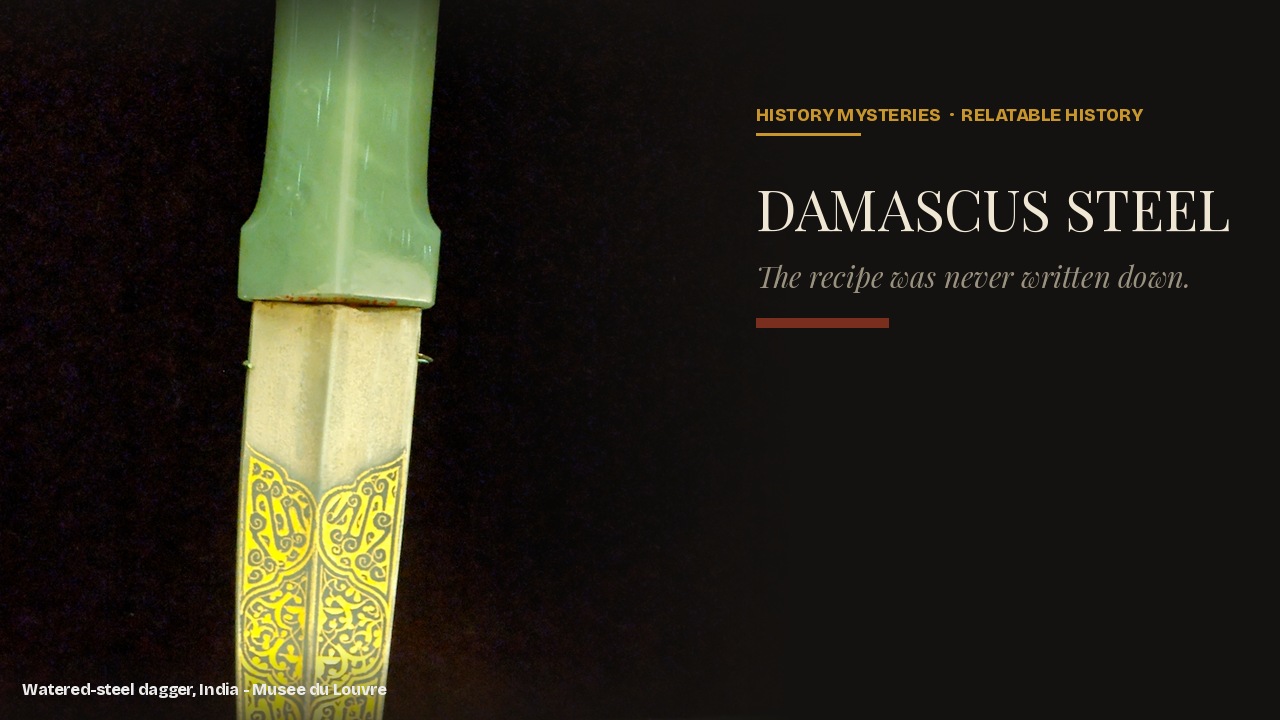
Where Damascus Steel Was Made (It Wasn’t Damascus)
The real source of “Damascus” steel was a cluster of furnace villages in India, not a forge in Syria — and the trade that moved it west collapsed before anyone recorded exactly how it was made.
-
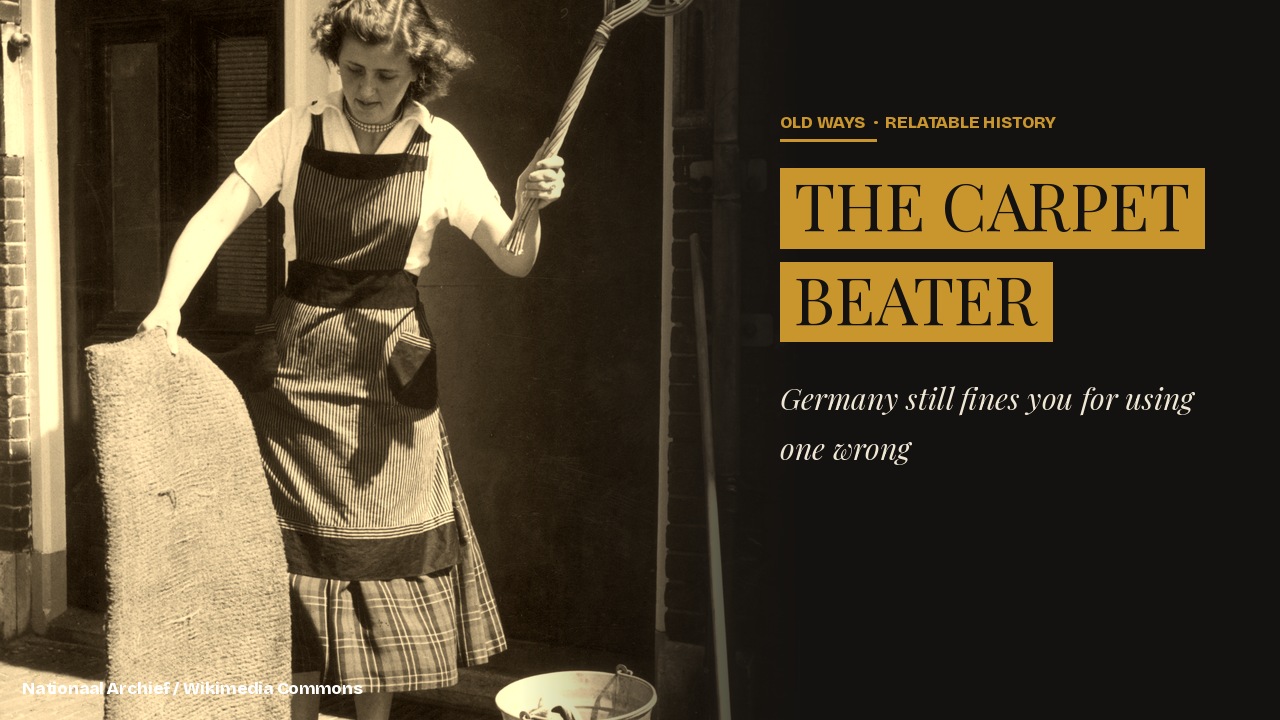
How Carpet Beaters Worked Before the Vacuum Cleaner
The carpet beater’s shape was fixed by a single 1876 patent, and the household habit it built outlived the tool itself — it still shows up in German tenancy law about when you’re allowed to clean.