
Modern Era
1900 to the present: the world wars, mass consumer culture, electrification, and the recent past that still shapes the objects around us.
-

How the Washboard Became a Musical Instrument
The corrugated board patented for scrubbing laundry in 1833 went obsolete within a lifetime — and was reinvented, separately, by a Louisiana welder and a generation of British teenagers.
-
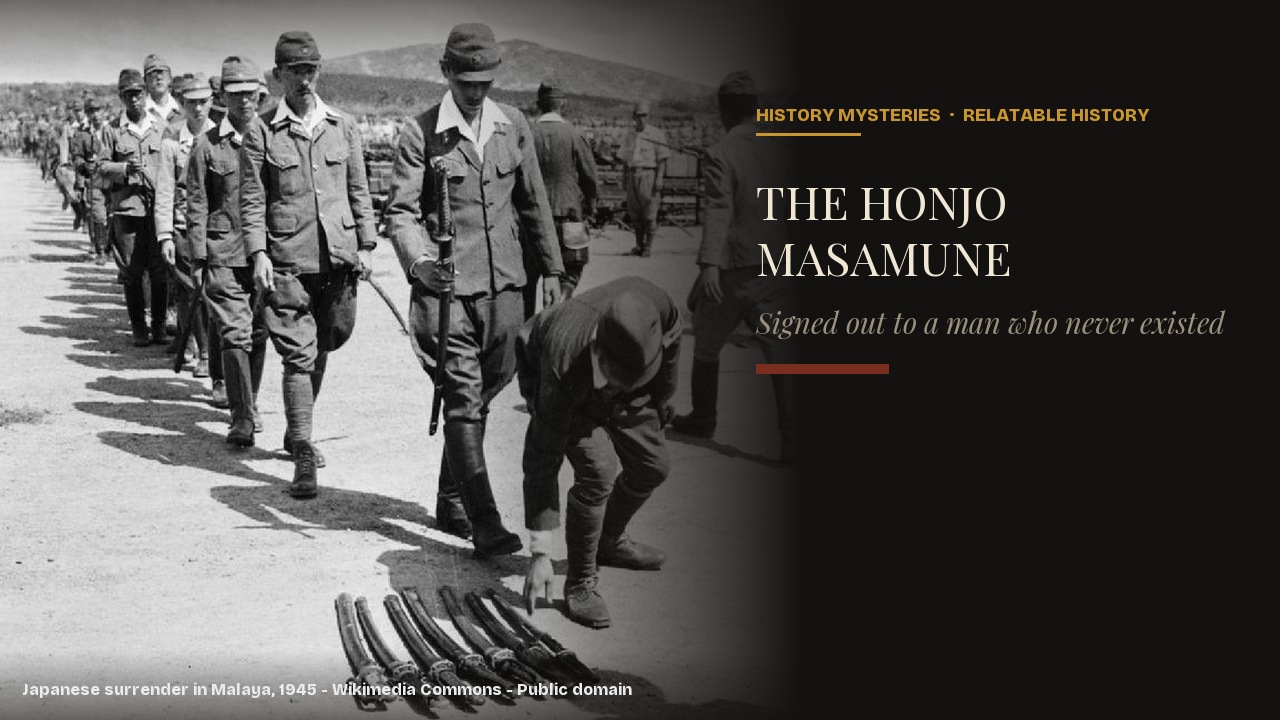
The Honjo Masamune Disappearance: What Happened to Japan’s Lost Sword
Fourteen swords went into a Tokyo police station in December 1945. One receipt came out, crediting a sergeant who appears nowhere else in any Allied record.
-

What the Declassified Tehran UFO Documents Actually Say
A three-page government file, an evaluation form marked “high value,” and a dry lake bed with nothing on it. Here is what the declassified Tehran UFO report actually contains, and what it leaves out.
-
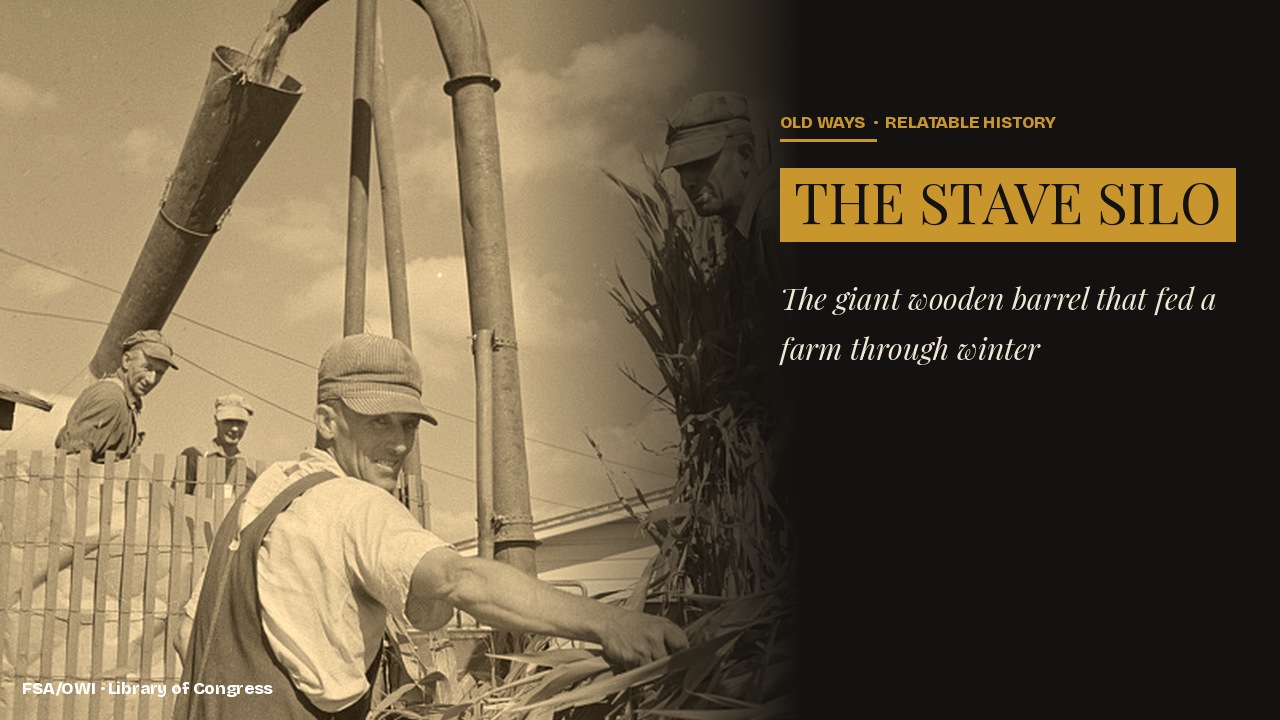
How Stave Silos Worked: Turning Green Corn Into Winter Feed
Farmers once built fifty-foot wooden barrels just to make their corn rot on purpose. Here’s how a stave silo actually worked, who gets credit for inventing it, and why none are built today.
-
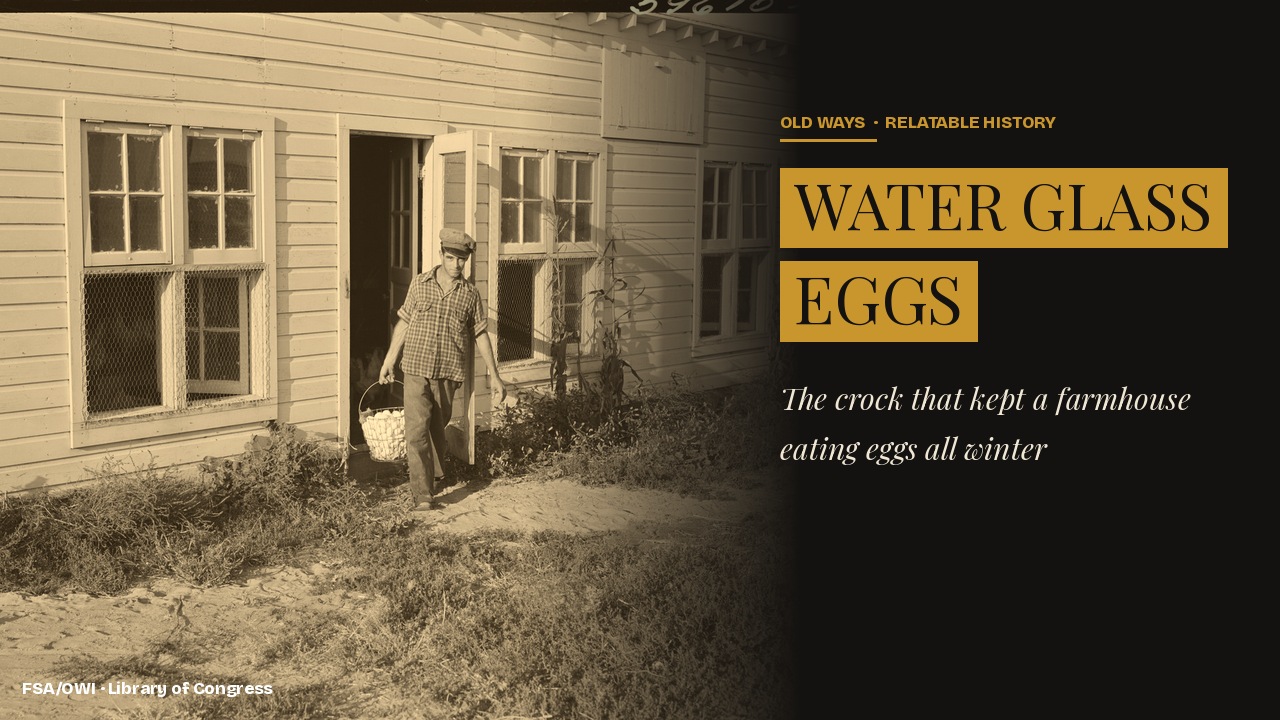
Is Water Glassing Eggs Actually Safe? What a Century of Science Found
A Scottish university chemist proved eggs could survive four years in a jar of liquid glass. A century later, food scientists found the reason you still should not try it today.
-
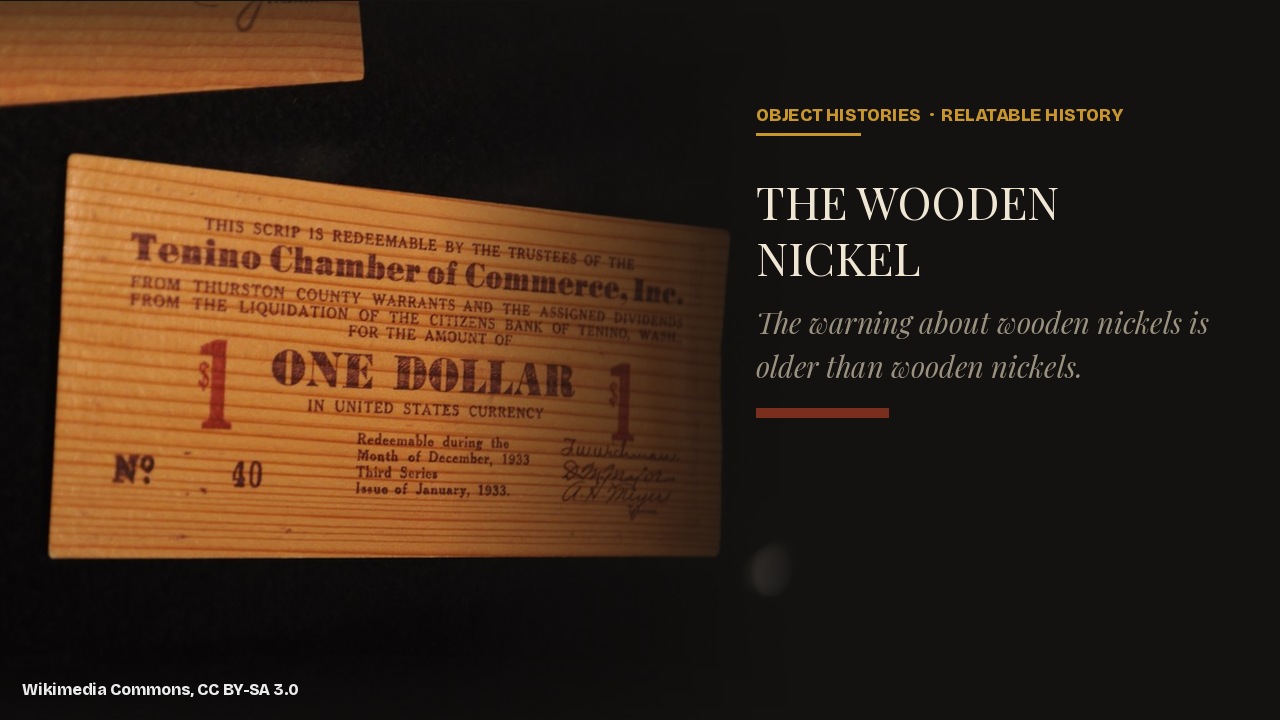
Tenino’s Wooden Money: Inside the Depression’s Strangest Currency
In December 1931 the only bank in Tenino, Washington failed, so the Chamber of Commerce printed its own emergency currency on spruce veneer. People liked it so much they mailed it home instead of spending it.
-
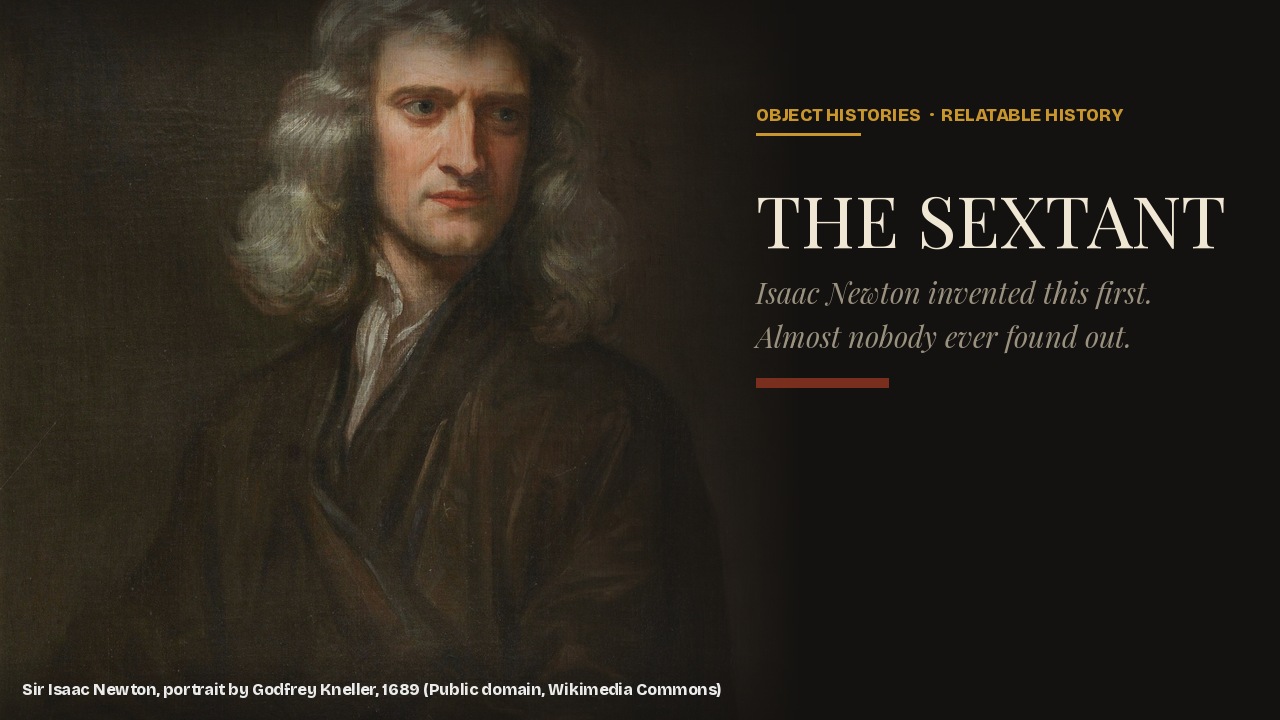
How a Sextant Works, From Tall Ships to Apollo 13
The sextant never needed updating in two hundred and fifty years. Here is the actual mechanism behind it, and the wartime cockpits, lifeboats and spacecraft that leaned on it when nothing else worked.
-
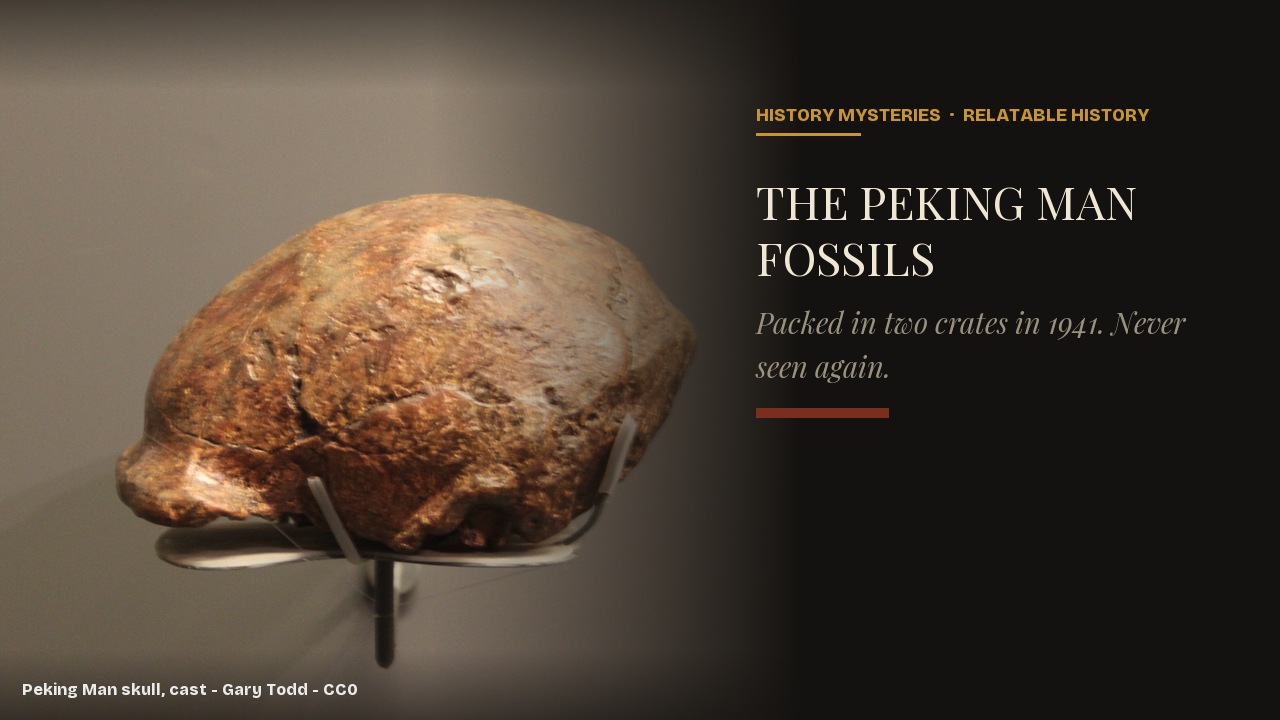
What Really Happened to the Peking Man Fossils?
Six skullcaps, fifteen jawbones and 157 teeth disappeared in two wooden crates in December 1941. Eighty-five years of searching has produced a hoax, a hundred tips, and four teeth in Sweden.
-
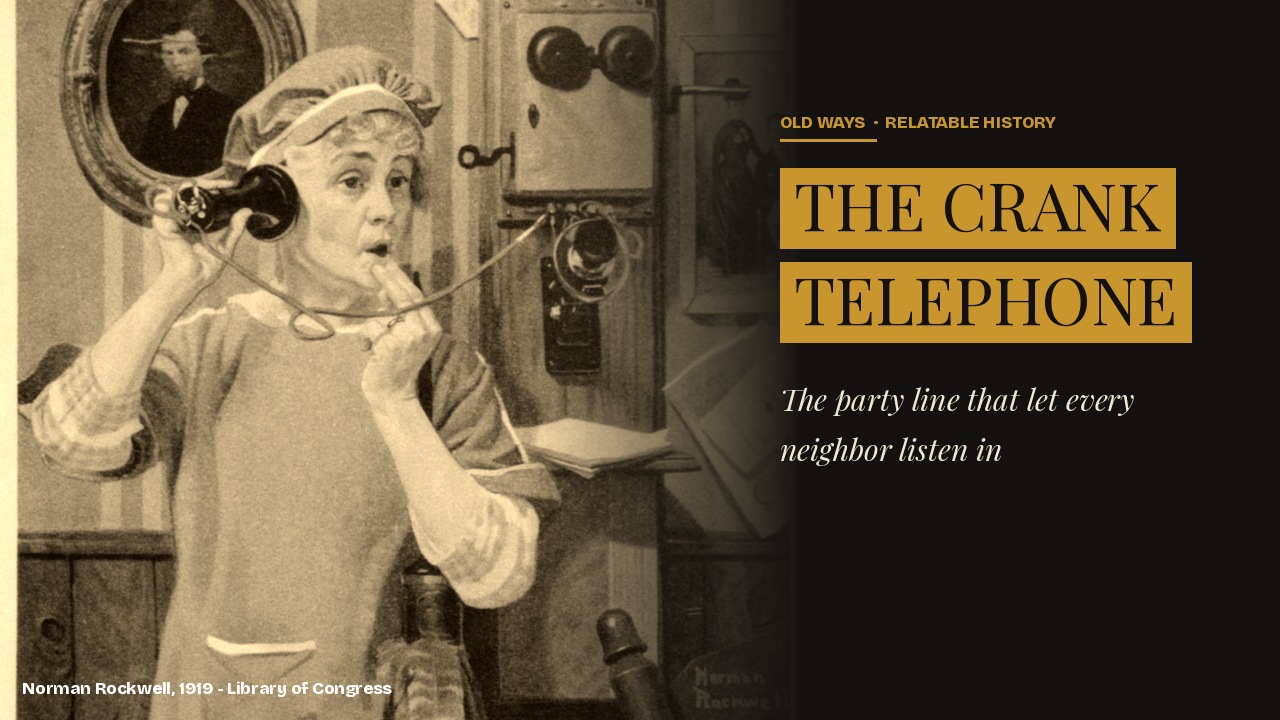
The Telephone Companies America’s Farmers Built Themselves
Long before any phone company reached rural America, farmers incorporated, financed, and ran thousands of telephone companies of their own — and one hand-crank exchange in Maine kept a human operator on duty until 1983.
-
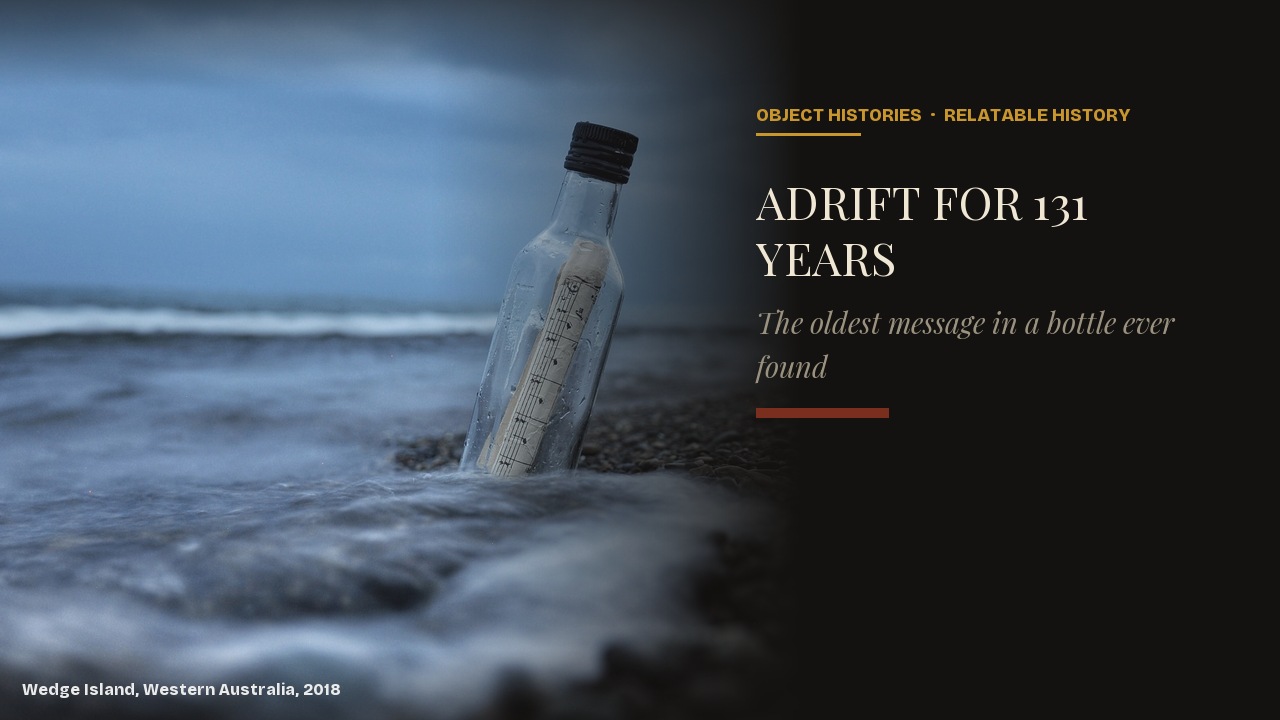
Drift Bottle Science: How Sealed Notes Helped Map the World’s Oceans
The note that broke a 131-year world record wasn’t a castaway’s plea — it was one slip in a 69-year government experiment that used cheap glass to map currents no satellite yet existed to see.