
Modern Era
1900 to the present: the world wars, mass consumer culture, electrification, and the recent past that still shapes the objects around us.
-
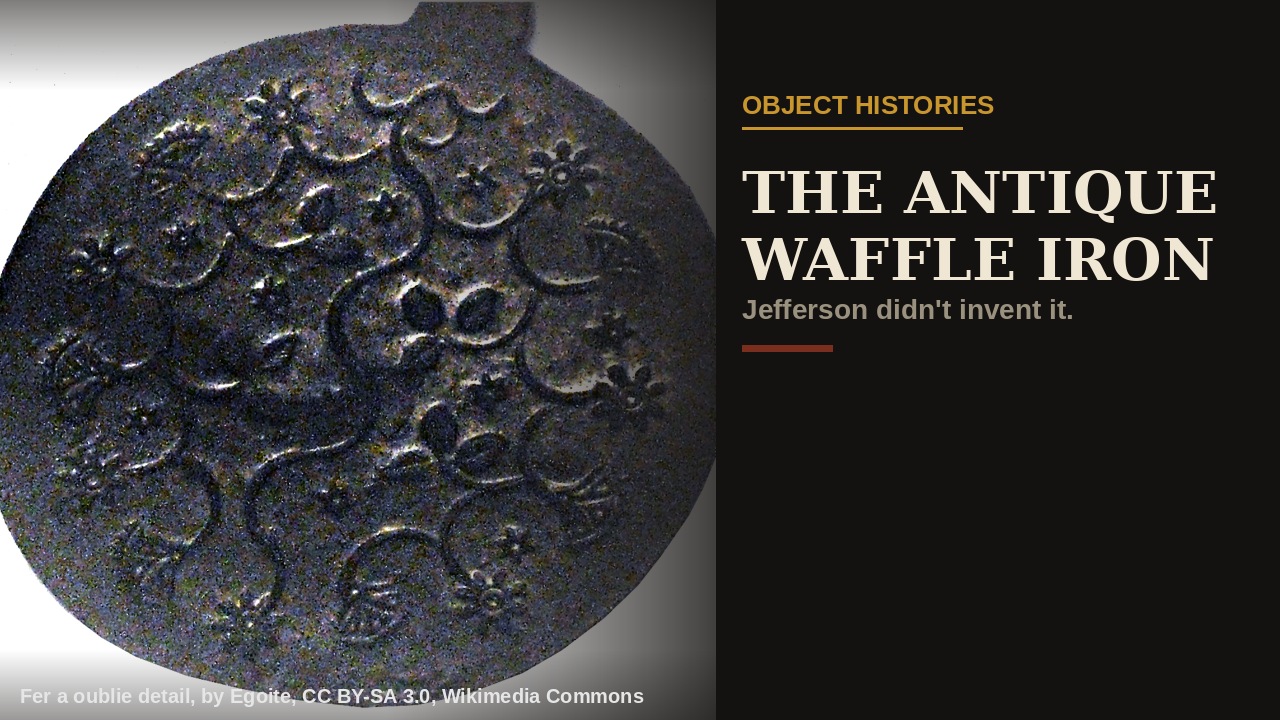
Why Waffles Have a Grid Pattern (It’s Not About the Syrup)
The waffle’s famous grid wasn’t designed to hold syrup. For centuries it held something else entirely — a family’s coat of arms, a church’s sacred symbols, even the tread of a running shoe.
-
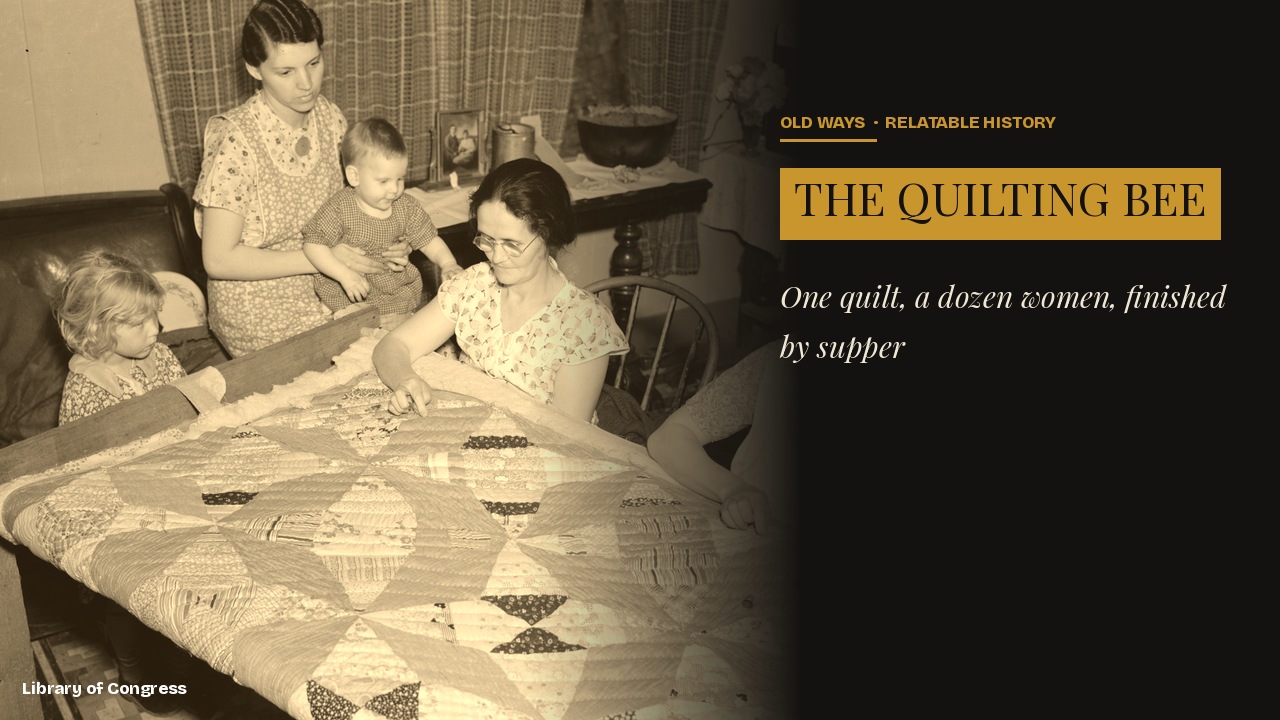
The Quilting Bee Was Already a Punchline by the 1860s
The quilting bee was real, but probably not the way you picture it. A 160-year-old joke photograph, a midwife’s diary, and a Depression-era square dance tell a stranger story.
-
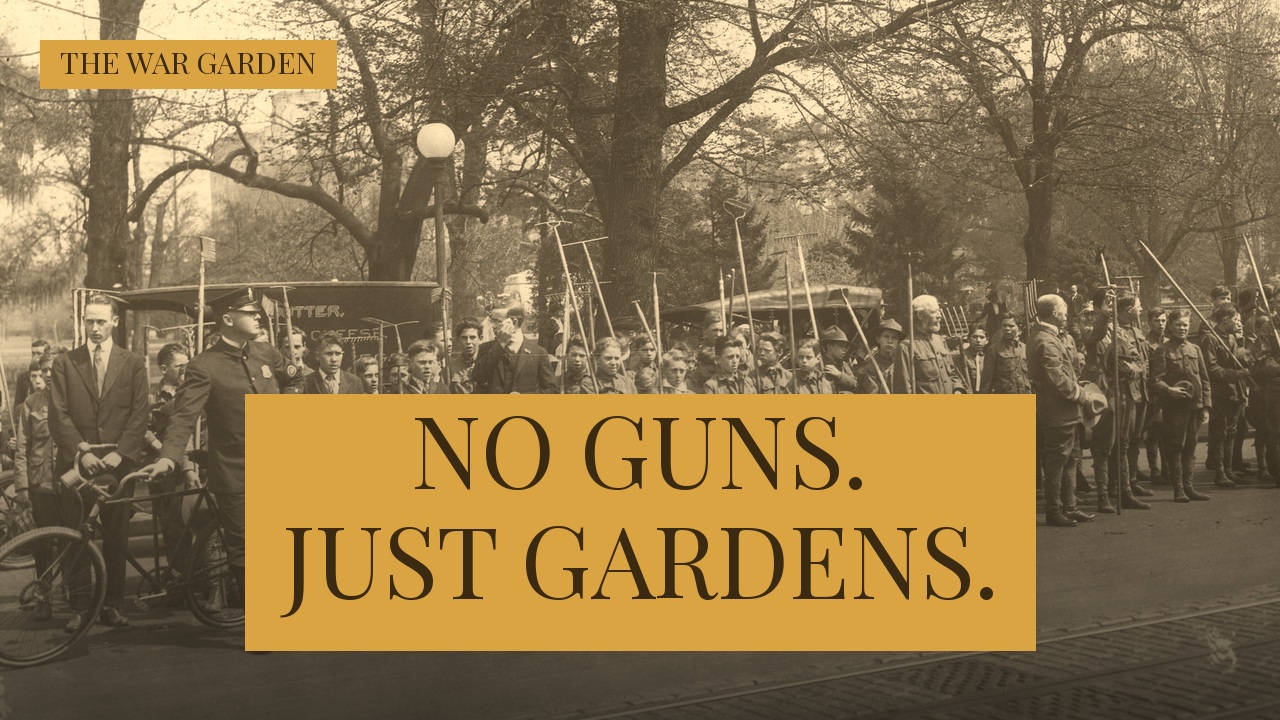
What Was a War Garden? Inside America’s WWI Food Front
A multimillionaire with no government mandate talked a nation into digging up its lawns for food. Here’s how the campaign actually worked, and why its most famous numbers don’t quite add up.
-
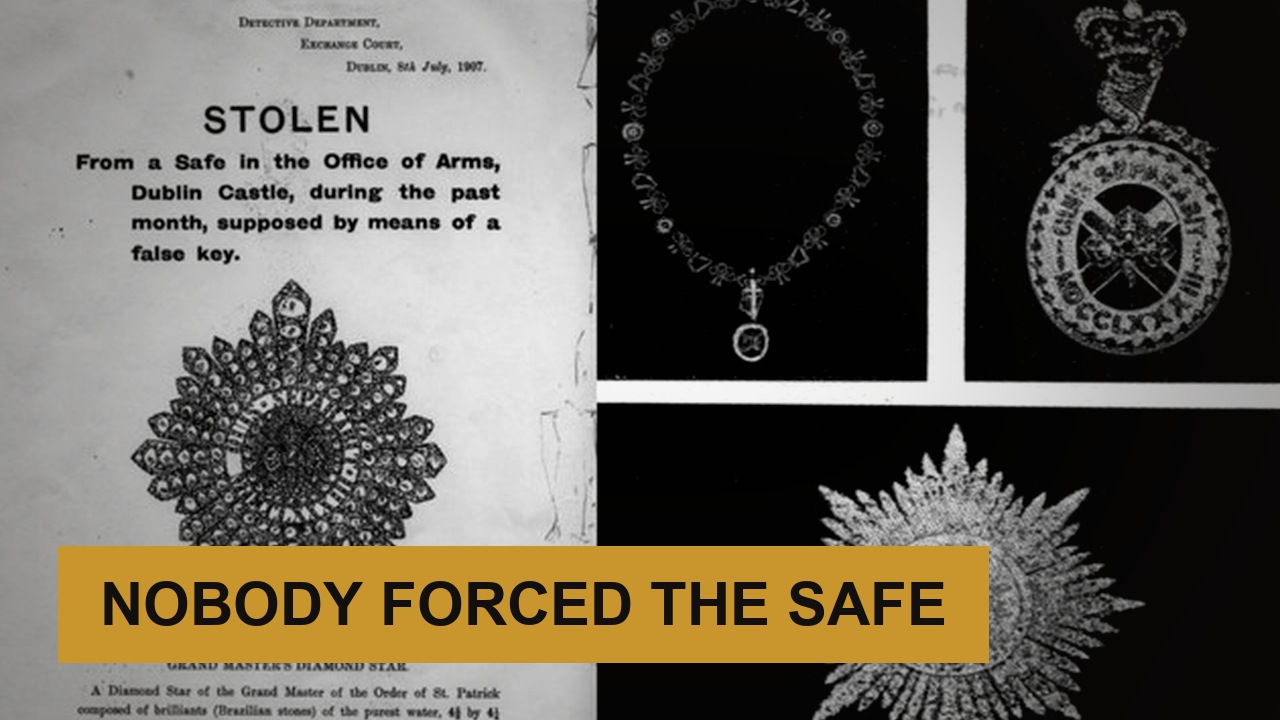
Who Stole the Irish Crown Jewels? The Unsolved 1907 Dublin Castle Heist
In July 1907, Ireland’s crown jewels disappeared from a Dublin Castle safe that nobody forced open. A commission sat, a Scotland Yard report went missing, and the case has never been solved.
-

Why We Wear Poppies for Remembrance, and Who Built the Tradition
A soldier’s death produced seventeen lines of penciled verse. Those lines produced an American pledge, a French fundraising campaign, and a British factory that still makes the poppies today.
-

Who Invented the Two-Minute Silence?
Cape Town held a daily silent pause a full year before anyone wrote to a king about it, and the journalist whose letter beat the official credit into print by five months died penniless and forgotten. Here’s what the documents actually show.
-
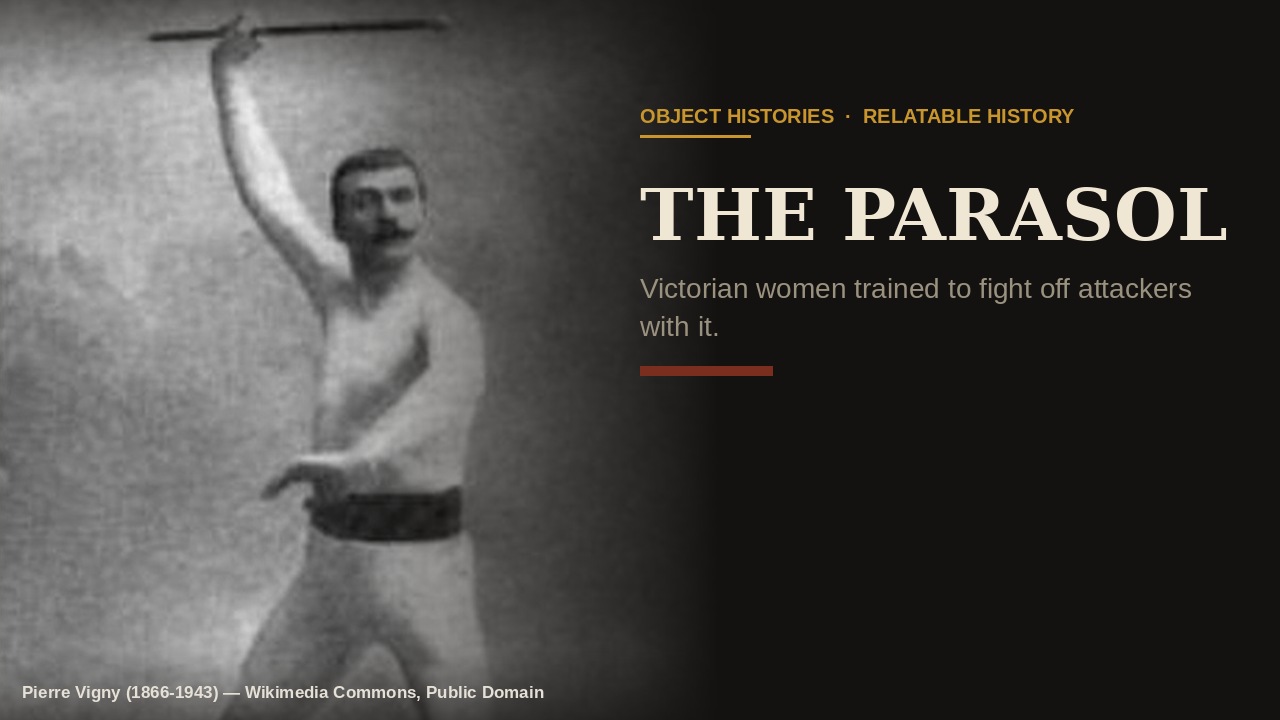
The 4,000-Year History of the Parasol, From Royal Throne to Street Weapon
For most of its existence, a parasol wasn’t about rain or sunburn at all — it was a legally enforced marker of rank. Then, for about two decades, it was a genuine street weapon.
-

The 2,000-Year History of the Cold Frame
A Roman emperor demanded an out-of-season fruit every day of the year. Two thousand years later, a homesteading family in New Mexico used the same trick just to get through winter.
-

How to Tell Real Berlin Wall Pieces From the Fakes
East Germany tore down its own wall, then sold chunks of it for hard currency through an export monopoly, a Monaco auction, and at least one lawsuit over stolen graffiti.
-
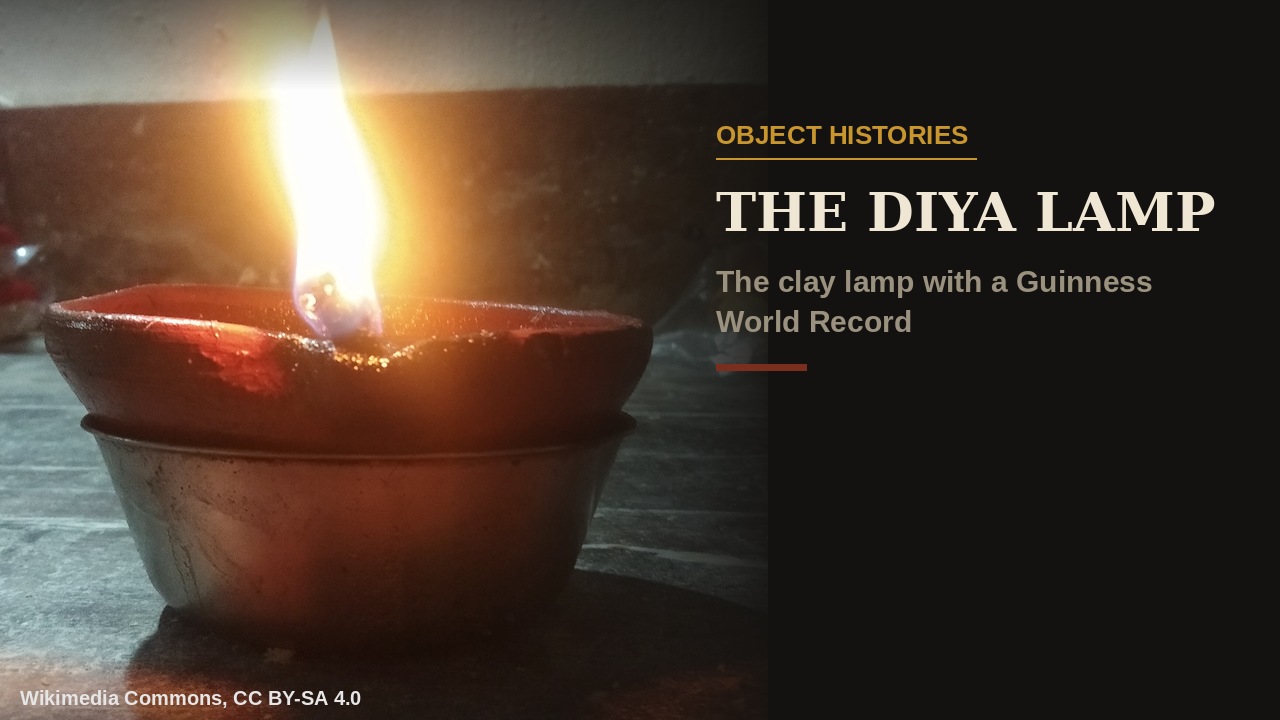
The Diya: How a 5,000-Year-Old Lamp Became Diwali’s Icon
A shallow clay cup and a cotton wick have lit Diwali, Bandi Chhor Divas, and Mahavira’s nirvana night for thousands of years. Here is where each of those traditions actually comes from — and where they disagree.