
Work & Craft
Trades, tools, workshops and manufacture, from hand craft to the factory floor.
-
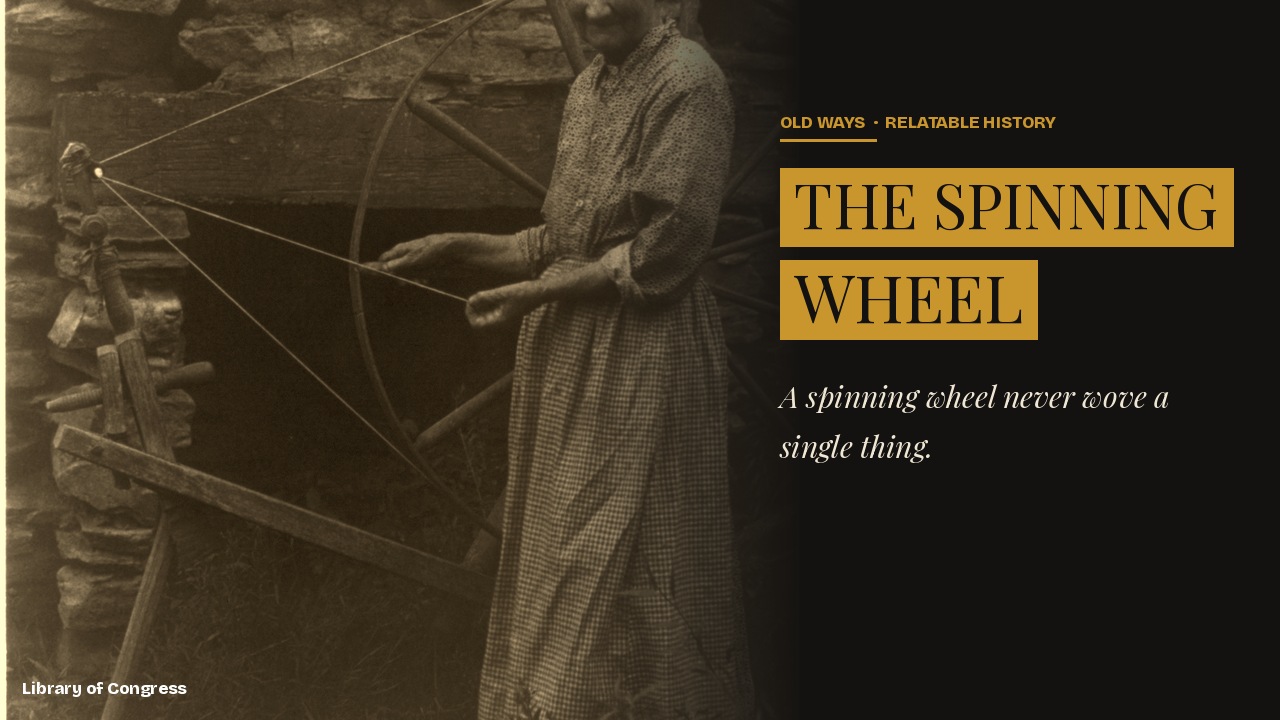
The Spinning Wheel’s Economics Were Worse Than You Think
A 2019 economic-history study found that hand-spinning, the very sector mechanized first, was already some of the worst-paid work in England — which undercuts a famous theory of why the Industrial Revolution began there at all.
-
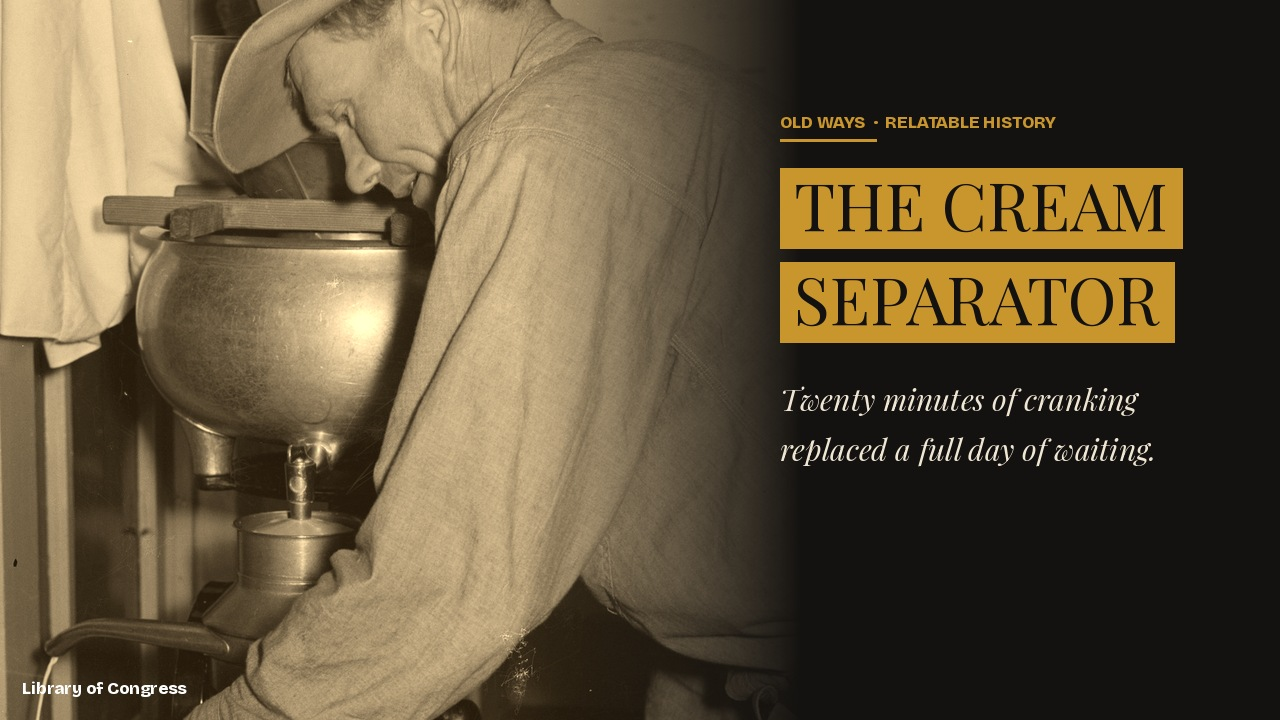
How Cream Separators Worked, and Why Every Farm Wanted One
A hand-cranked machine could pull nearly all the cream out of a bucket of milk in the time it took to turn a crank up to speed. Here is the engineering, and the chore, behind it.
-
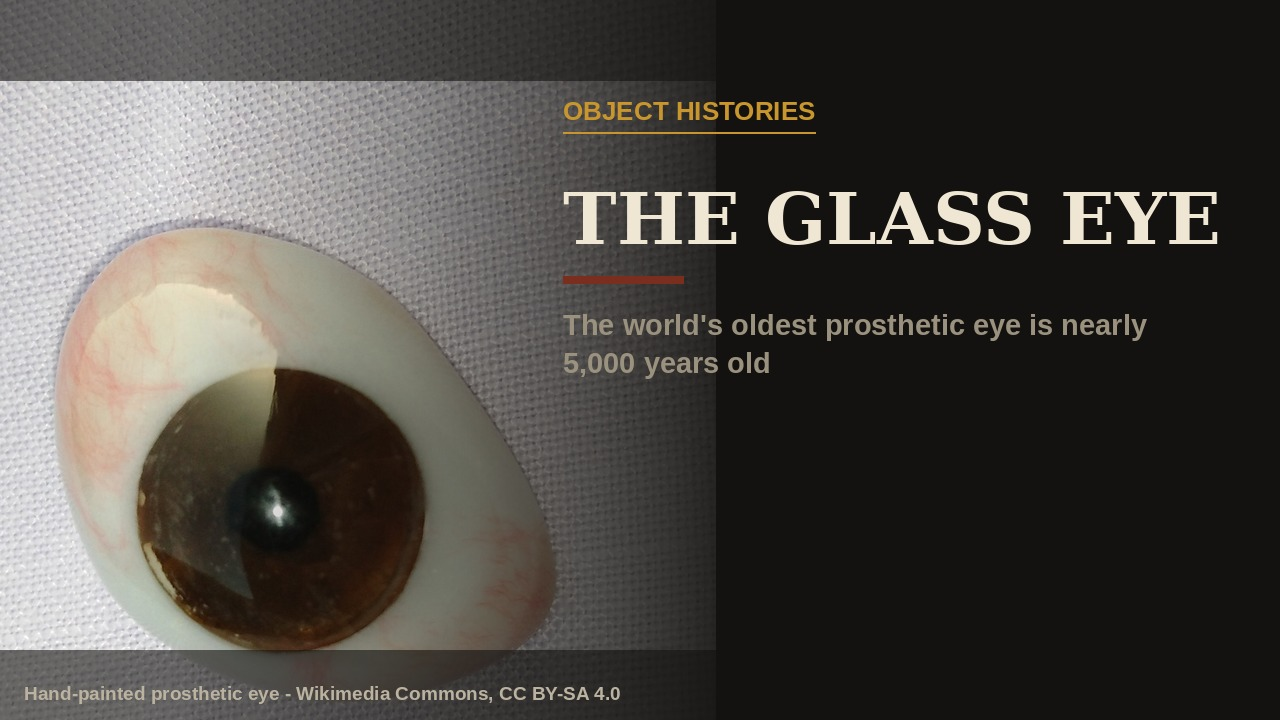
How Artificial Eyes Were Made, From Ancient Iran to Modern Acrylic
Before glass, an artificial eye was a crude disc worn over the socket. Here’s how a nearly 5,000-year-old Iranian prosthetic led, through Venetian secrecy and two world wars, to the hand-painted acrylic eyes ocularists make today.
-
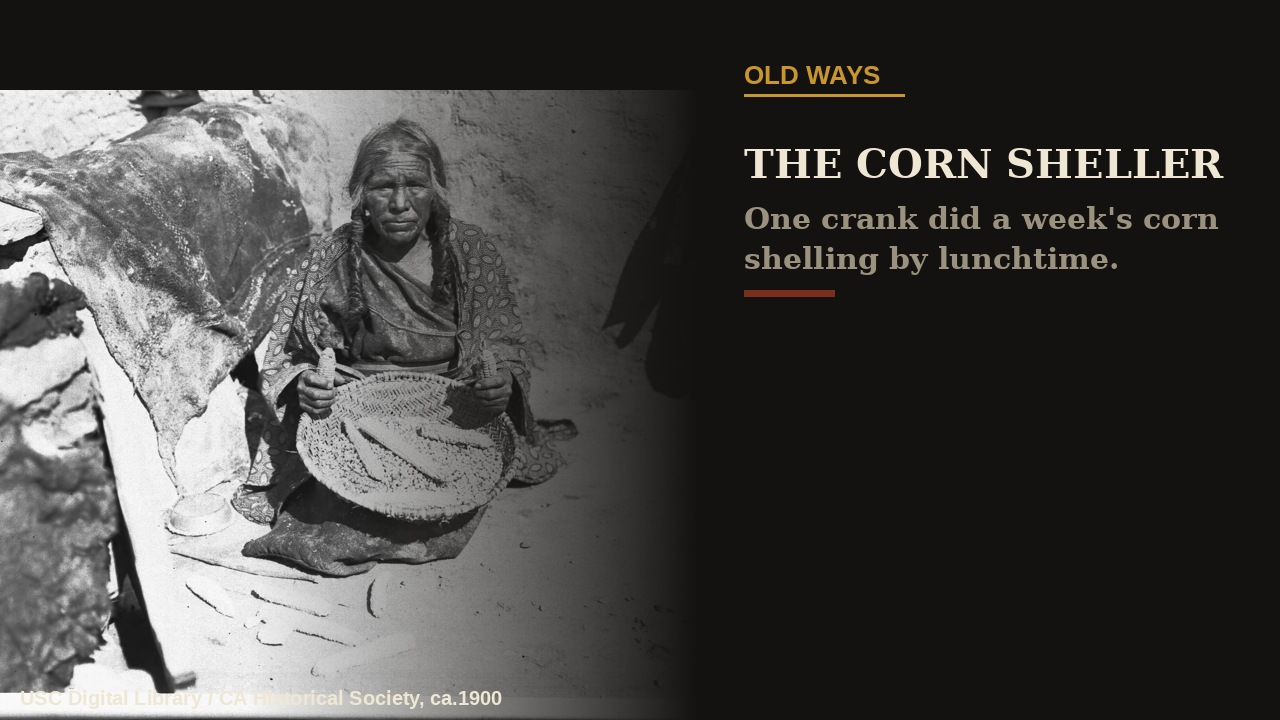
How Corn Shellers Worked, and Why American Farms Needed One
A crank and two toothed wheels replaced a chore that used to take all winter. Here is how the hand-crank corn sheller actually worked, and why hand shelling never fully disappeared.
-
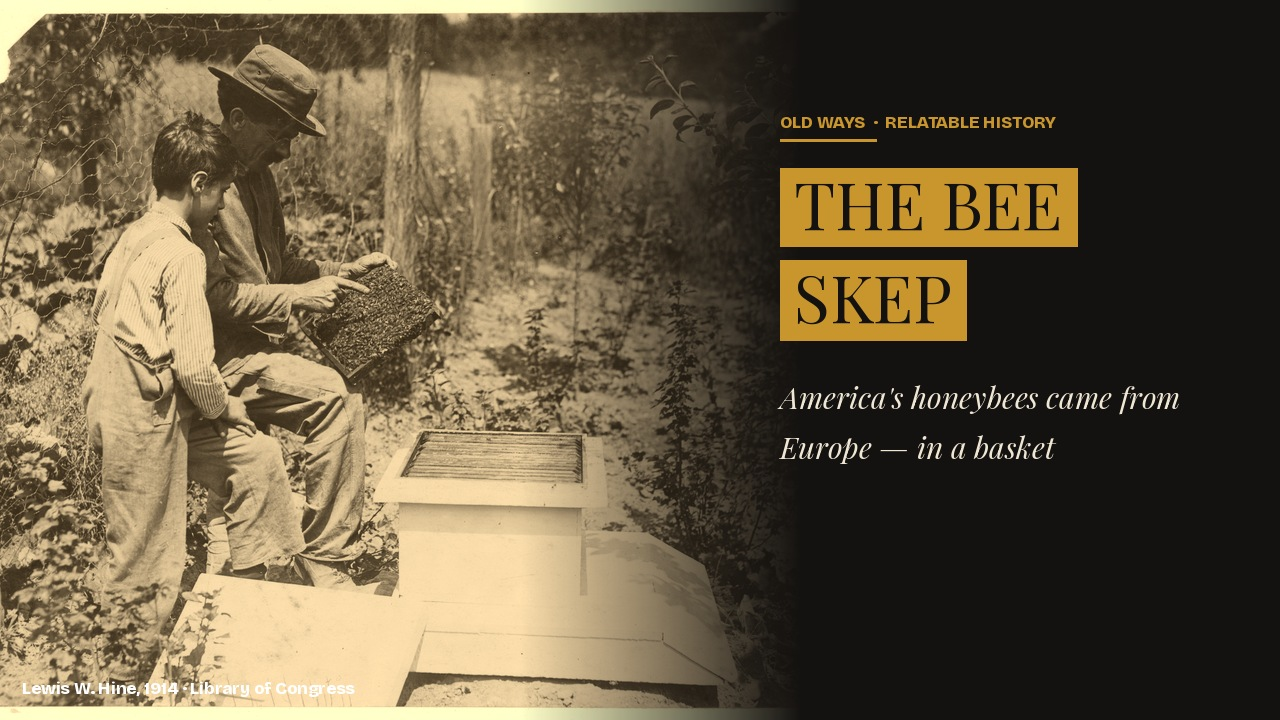
How Skep Beekeeping Worked Before the Movable-Frame Hive
A skep had no frames and nothing removable inside it, which is why, for roughly two hundred years, taking the honey usually meant killing the bees that made it.
-
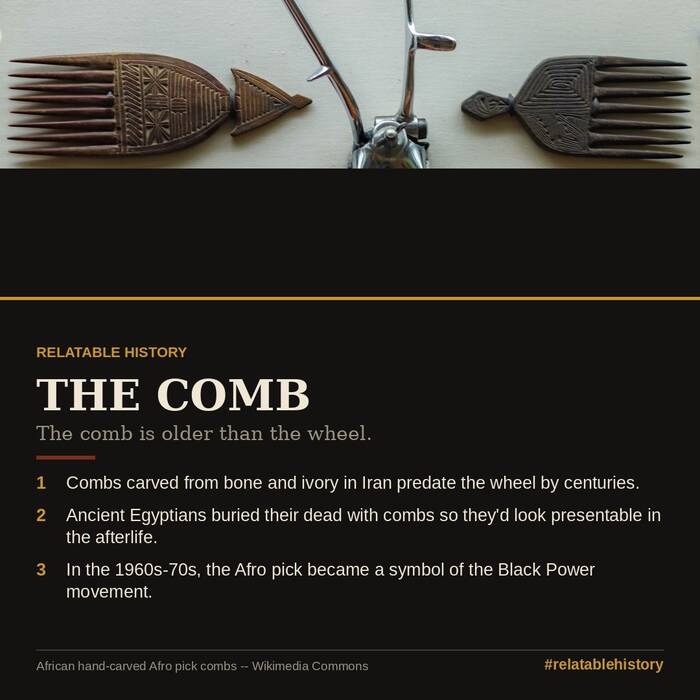
Why Combs Were Used for Lice Long Before They Were Used for Style
A 1700 BCE comb begs, in writing, for relief from lice. That was not an outlier — it was the comb’s main job for most of history, long before it was about style.
-
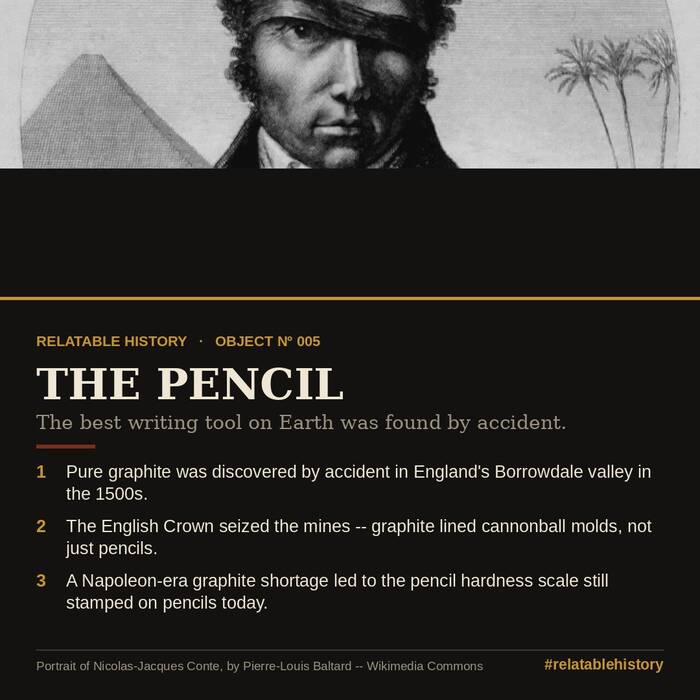
Why Pencil Lead Isn’t Actually Lead
A storm in England’s Lake District uncovered the rock that would be mistaken for lead, guarded like treasure, and reinvented twice more — by Napoleon’s France and by a Massachusetts cabinetmaker — before it became the pencil in your drawer.
-
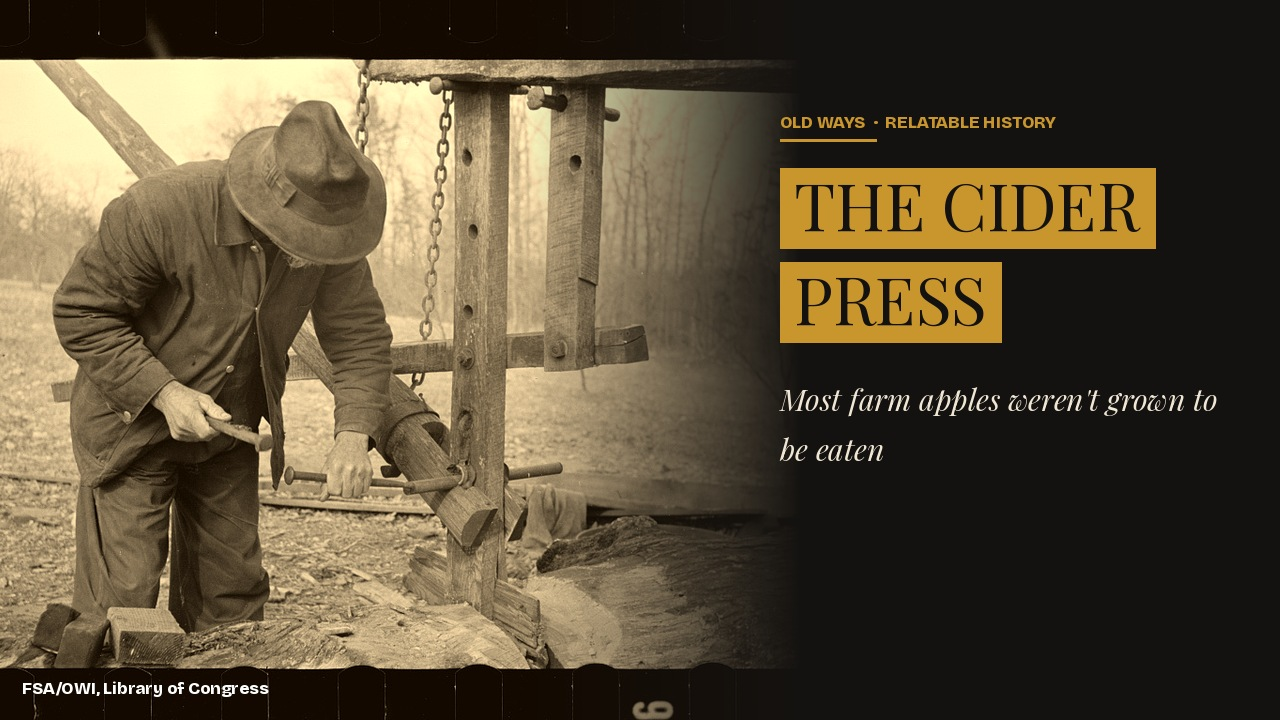
How Cider, Not Beer, Became Colonial America’s Everyday Drink
A bushel of bitter, inedible farm apples, a hand-cranked grinder and a wooden screw press were how a colonial household drank through an entire year without touching the well.
-

The True Story Behind the Flannan Isles Lighthouse Mystery
The famous overturned chair and untouched meal are not real. Here is what the Lighthouse Board’s own investigator found on the rock in December 1900, and how a poem replaced it twelve years later.
-
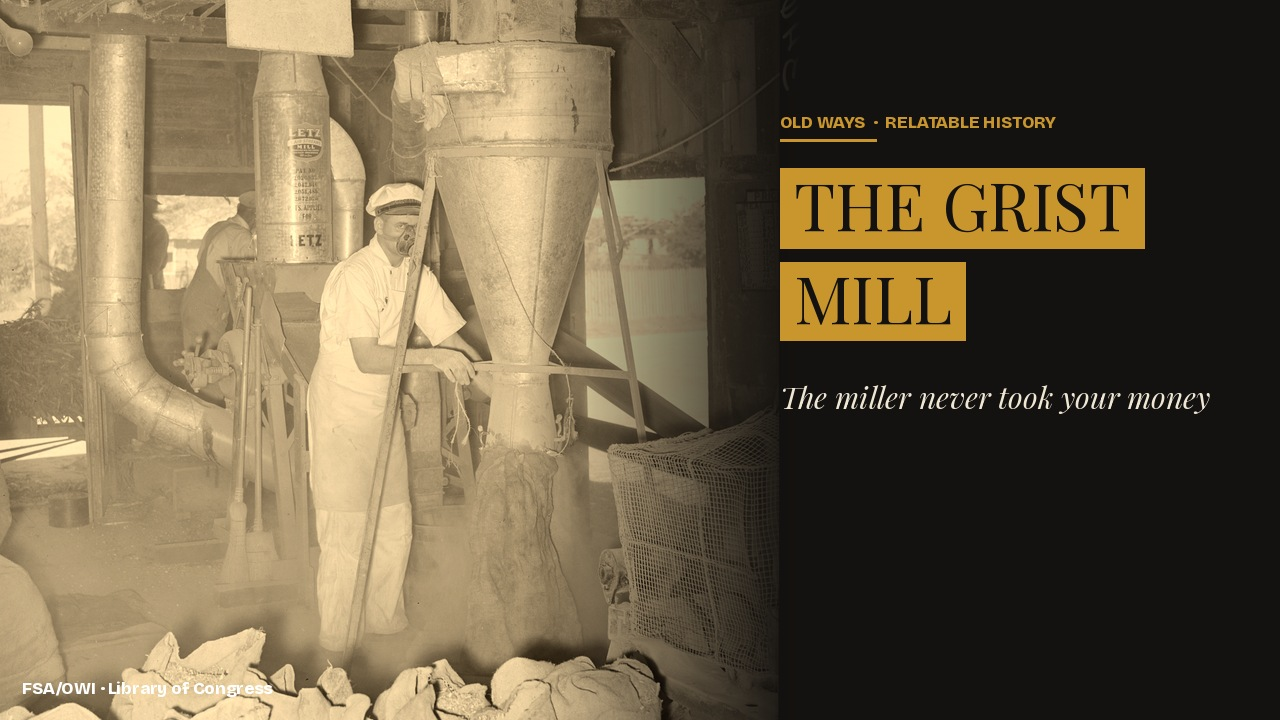
How a Water-Powered Grist Mill Turned Wheat Into Flour, No Cash Involved
A grist mill never sent a bill. Farmers paid in grain, by a fixed fraction called the toll, and the arrangement held for roughly three centuries before steel rollers ended it in a decade.