
Work & Craft
Trades, tools, workshops and manufacture, from hand craft to the factory floor.
-
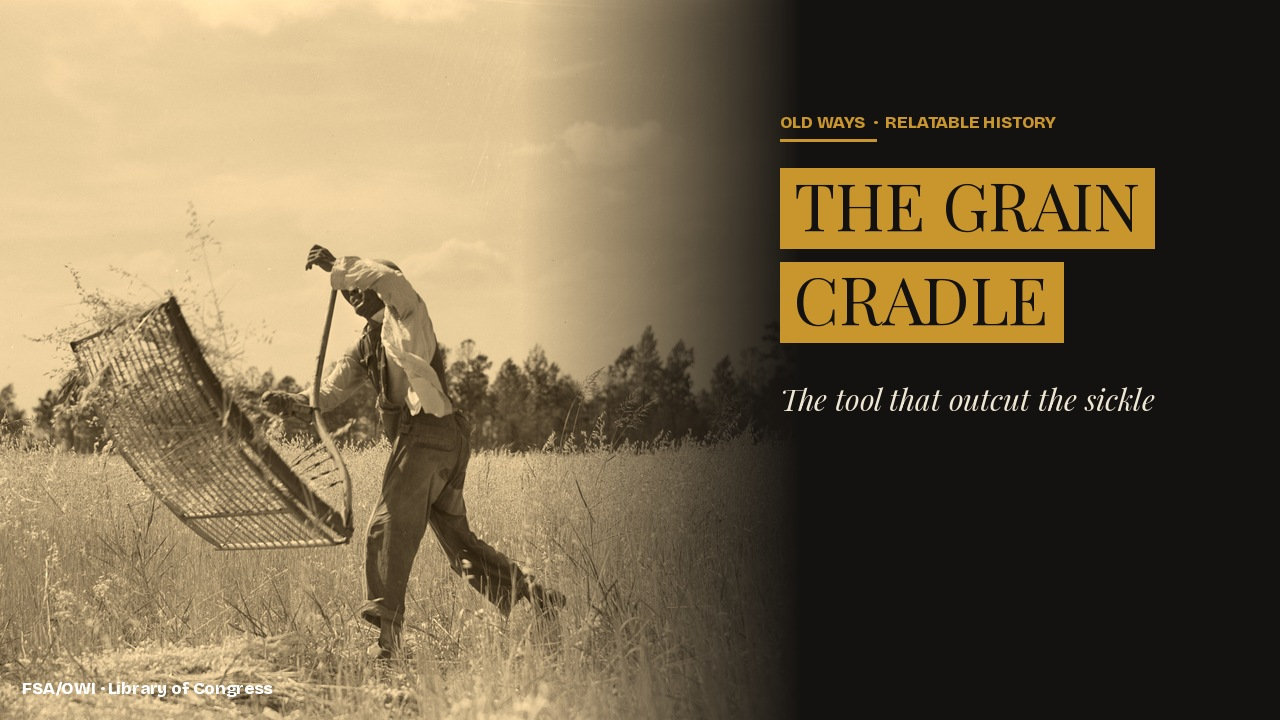
How Farmers Harvested Wheat With a Grain Cradle
A cradler swinging a claw of wooden fingers could out-cut a sickle three to one and still lose the race to a horse. The forty-year run of the tool that came between them.
-
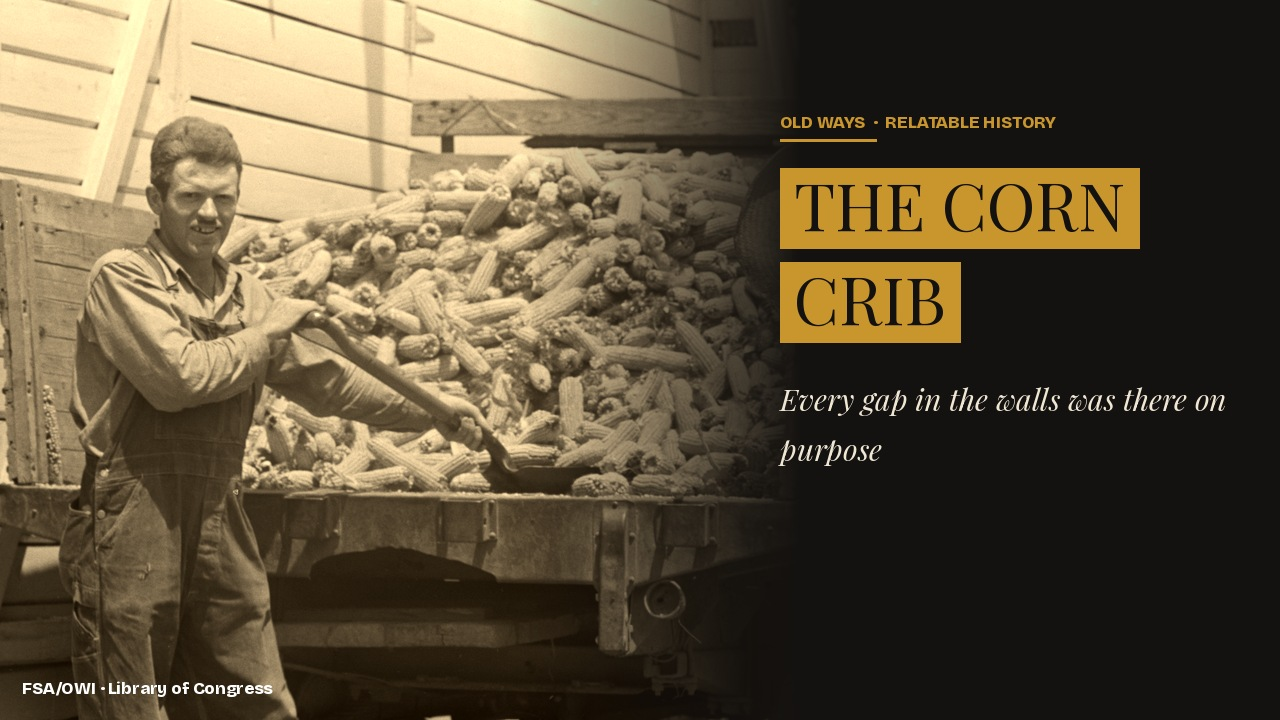
Why a Corn Crib’s Walls Lean Outward, and Why It Never Fell Over
A corn crib’s slats, taper and stilts were not shortcuts or decay. Each one solved a specific problem in keeping a winter’s worth of corn from rotting with nothing but moving air.
-

Who Really Invented the Rickshaw? Three Rival Claims, One Vehicle
In 1869 Japan, at least three different people claimed credit for inventing the rickshaw. Thanks to a total absence of patent law, none of them ever won the argument.
-
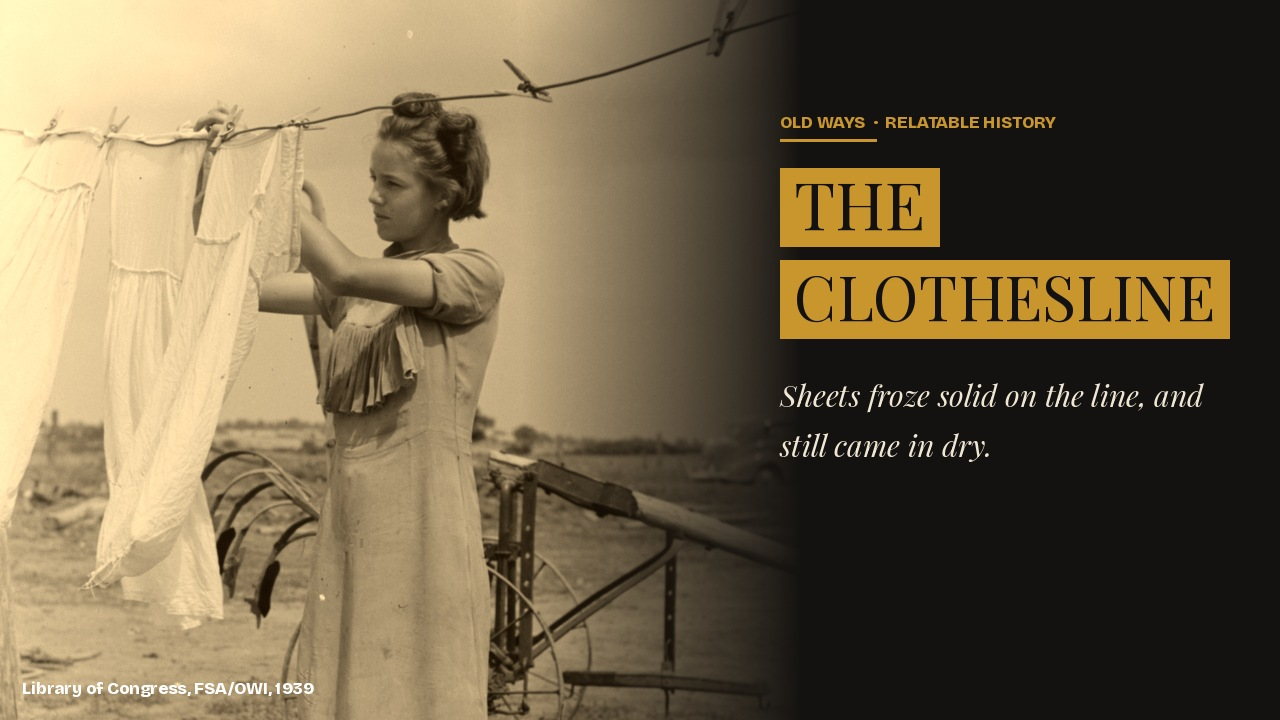
The Clothespin Patent History Behind America’s Favorite Free Dryer
A hundred and forty-six patents were filed for a stick with a spring. Inside the rivalry, the science and the law that grew up around the household’s original dryer.
-
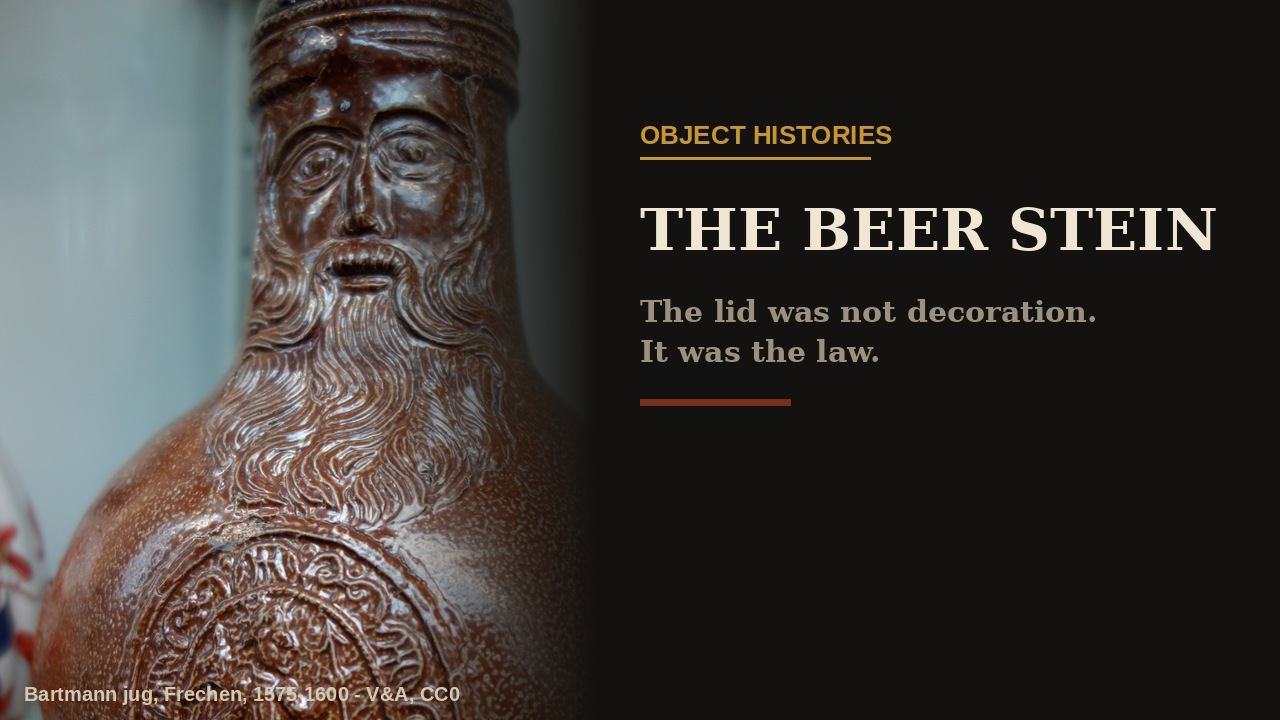
The Full History of the German Beer Stein
A hinged lid, a vitrified clay body and a bearded face buried under doorsteps as a witch’s ward: the German beer stein carries more regulatory and craft history than any mug has a right to.
-
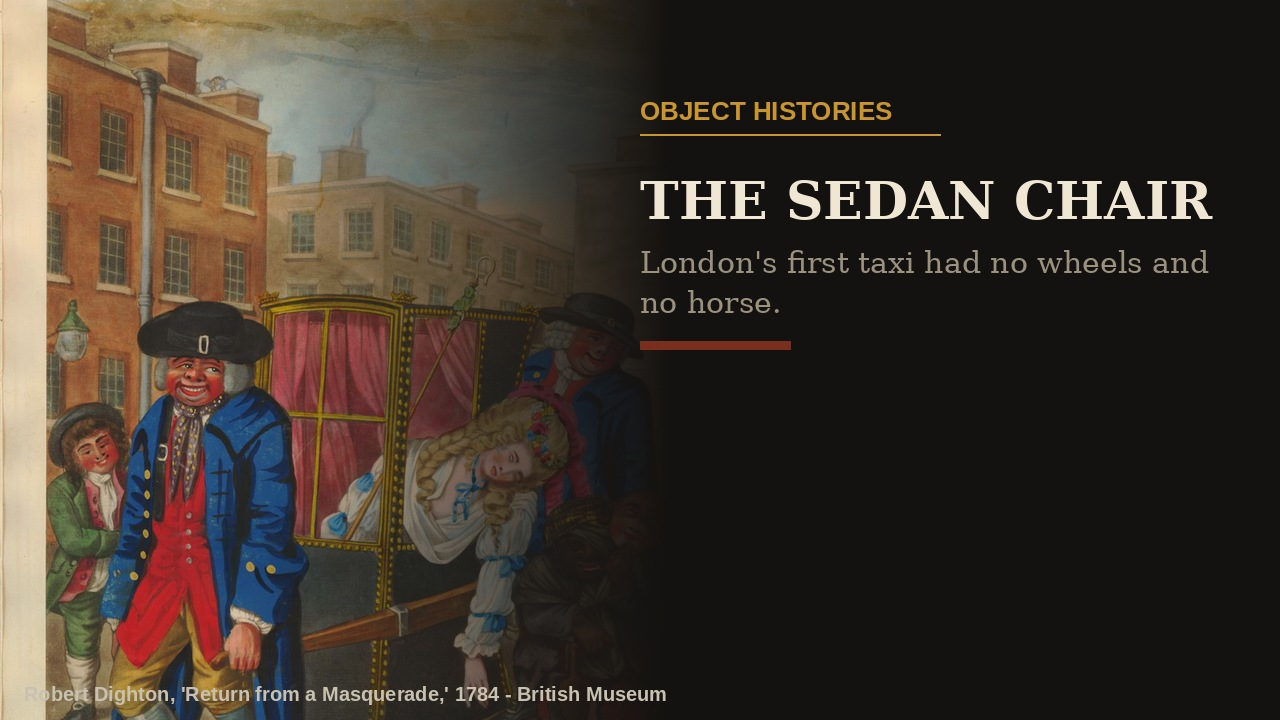
How the Sedan Chair Actually Worked, and Why It Started as a Scandal
A sedan chair needed no horse, no street and no permission to come indoors. It also needed two men to carry it, which is exactly what got the first one in England into trouble.
-
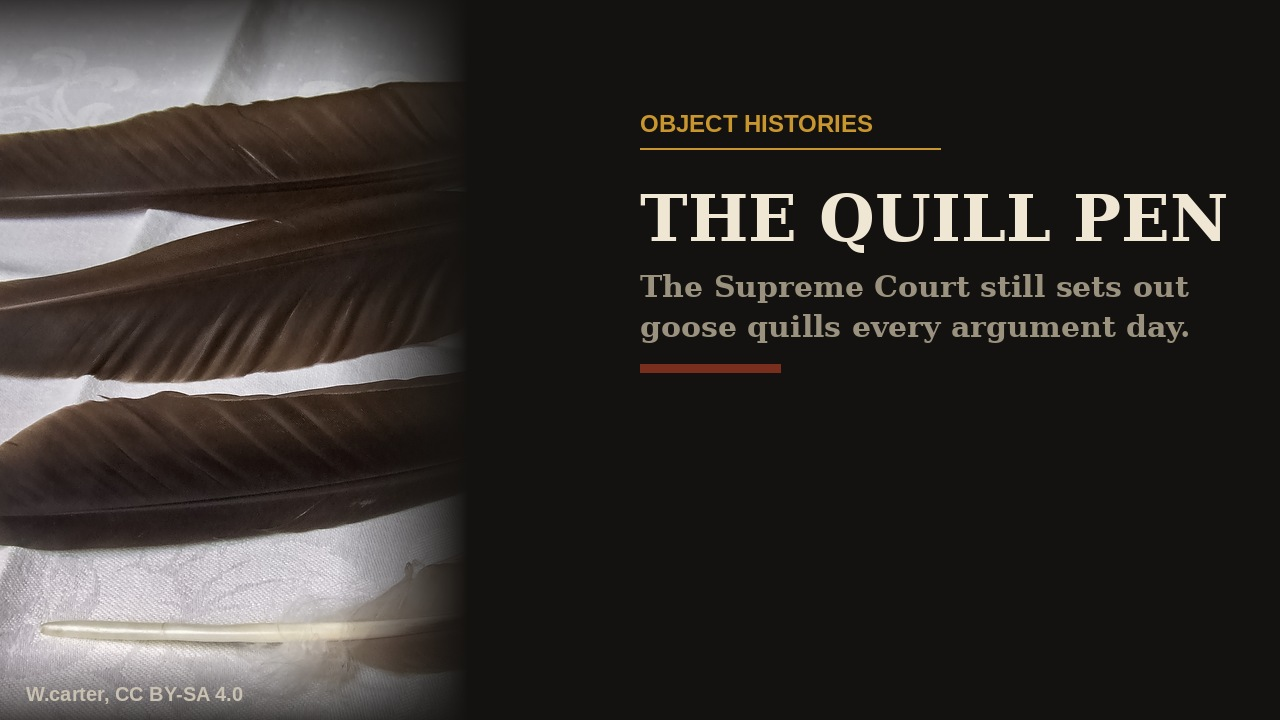
How Quill Pens Were Actually Made, and Why Steel Killed Them
A goose feather, a very sharp knife, and a pinch of hot sand. That is the entire recipe behind twelve centuries of handwritten history.
-
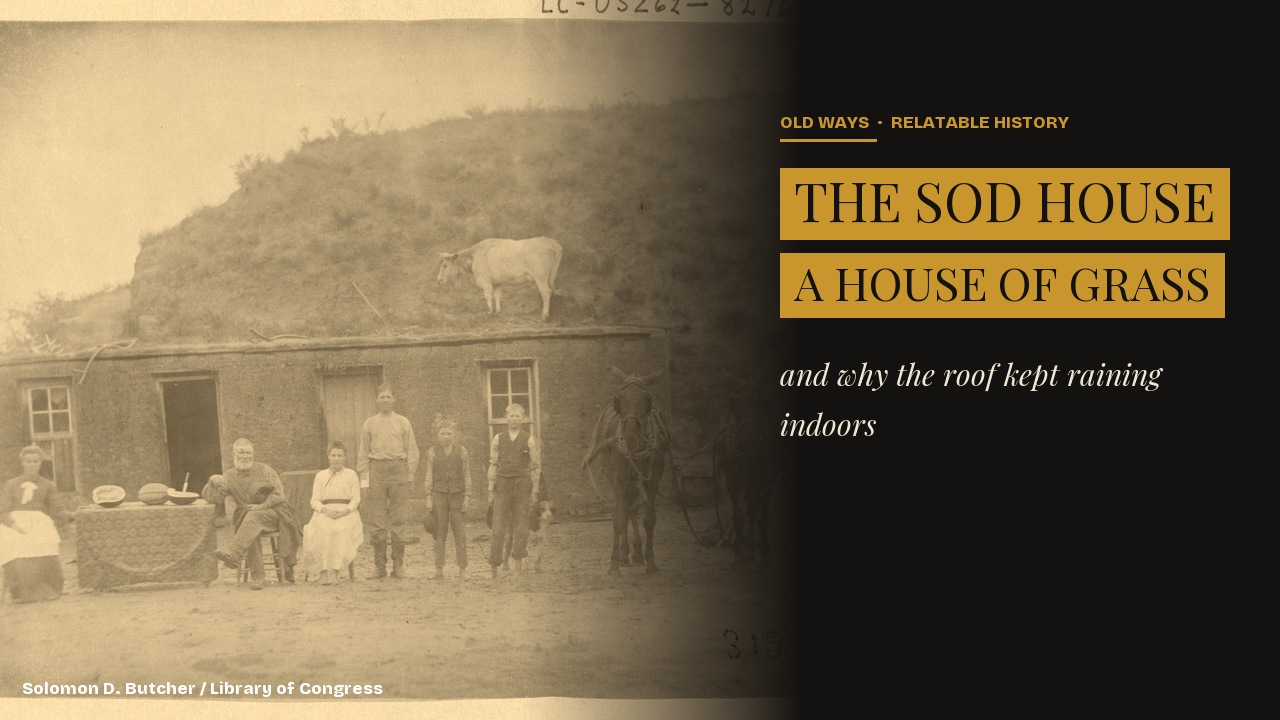
How Sod Houses Were Built on the Nebraska Prairie: The Construction, the Homestead Act, and the Life Inside
The Homestead Act gave settlers 160 free acres and required a house on them. With no timber for fifty miles, they built one out of the prairie itself. Here is how a sod house was actually cut, stacked, and lived in.
-
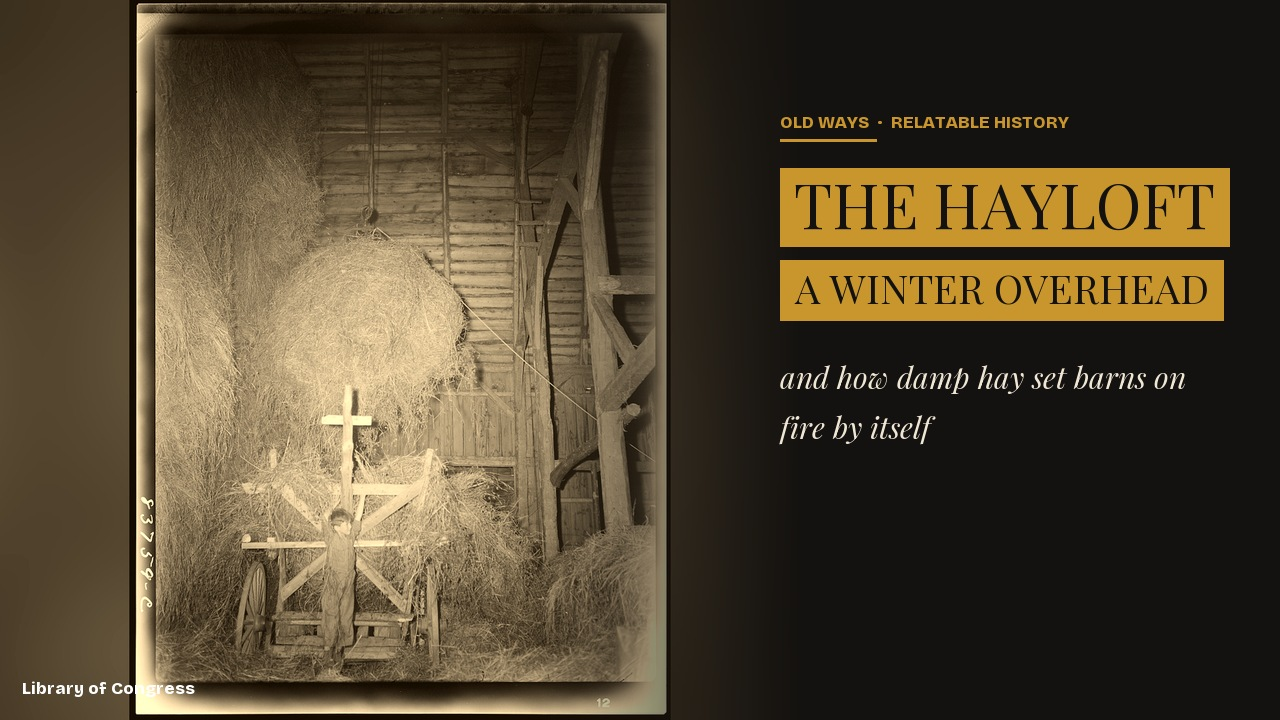
How One Farmer’s Patent Rebuilt the American Barn
A single 1867 patent let American barns double their storage for free. It also could not solve the other problem: hay packed too damp will heat itself past the point of catching fire on its own.
-
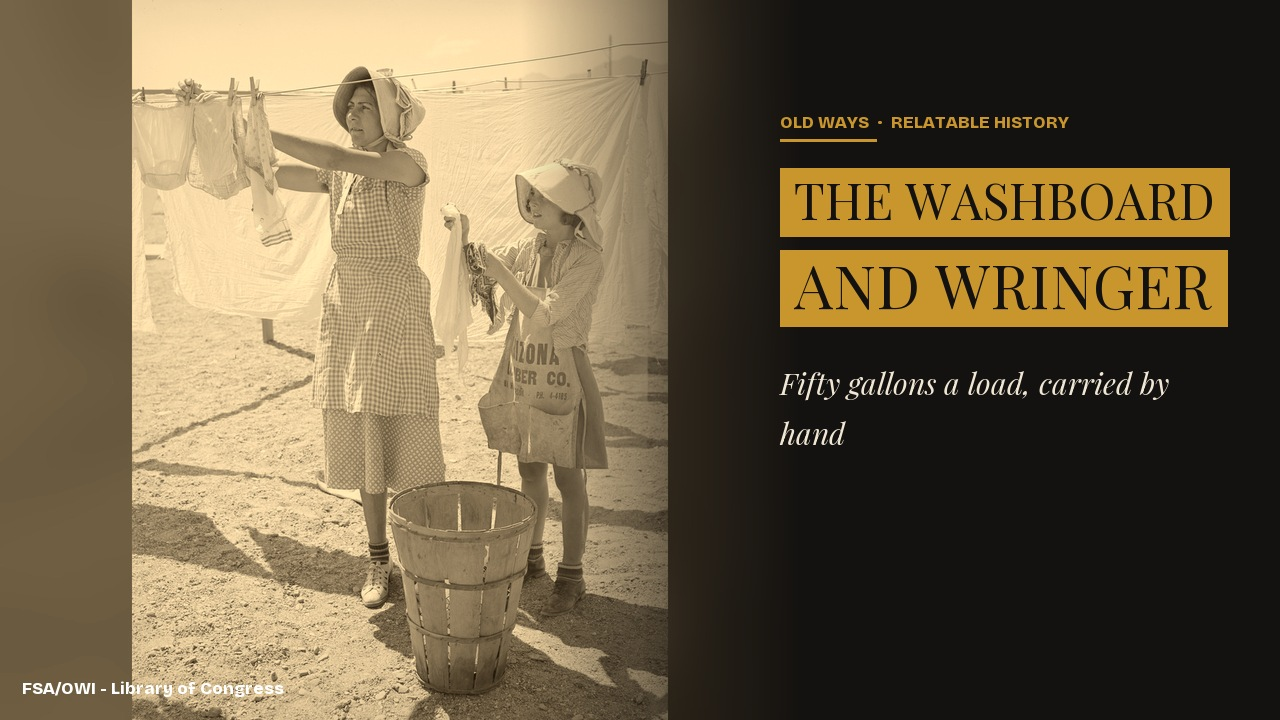
The Contested History Behind Blue Monday Washday
For close to a century, Monday had a color. The argument over why is more interesting than the folk explanation most people repeat.