
In-depth, sourced articles behind every Relatable History video, with works cited, images and further reading.
Every article is fully sourced and includes its video. Just want to watch? Browse all videos →
-
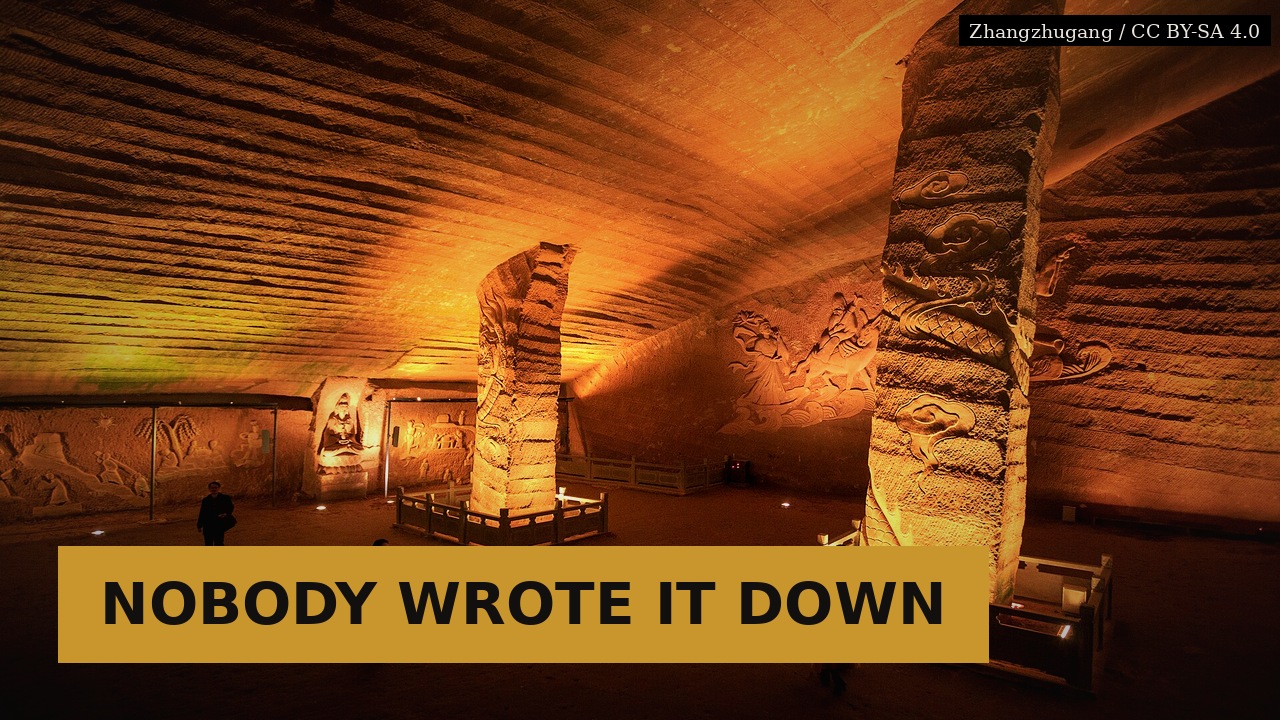
The Purpose of the Longyou Caves Is Still Not Settled
Four farmers drained a pond they had always been told was bottomless and found a hand-cut chamber thirty metres down. Three decades of survey later, nobody has settled why it, or twenty-three more like it, were ever cut.
-
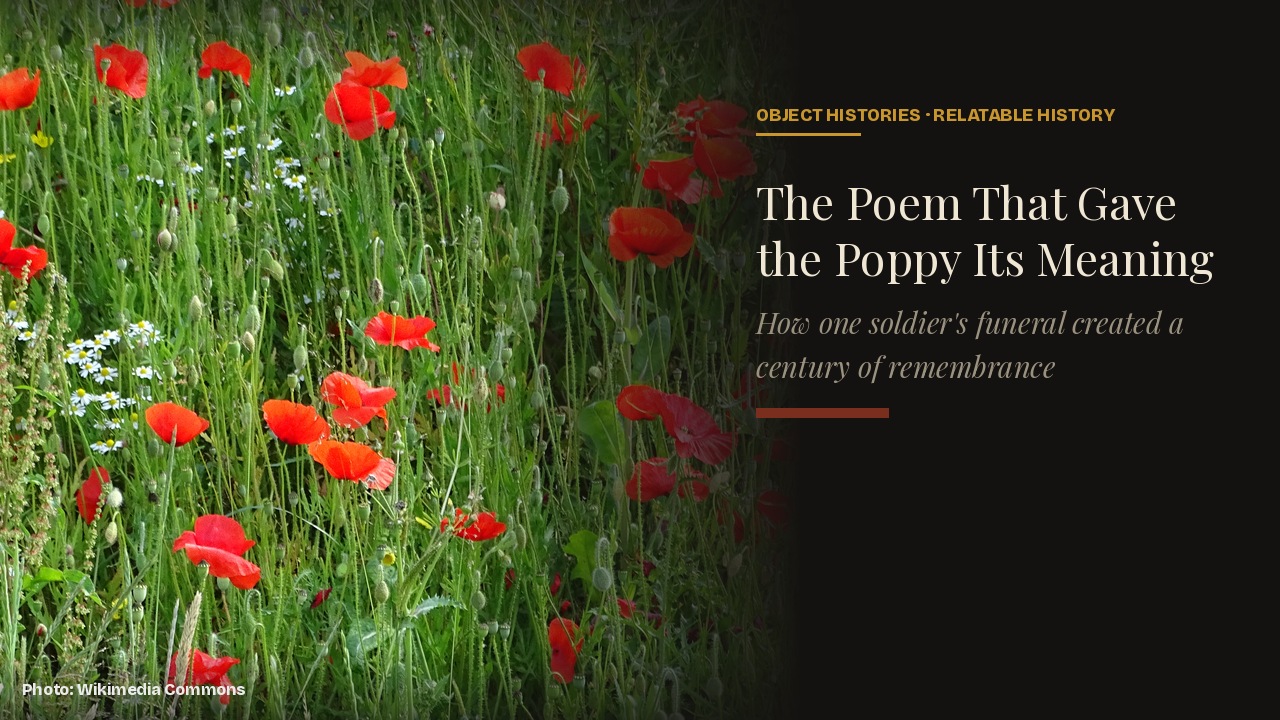
Why We Wear Poppies for Remembrance, and Who Built the Tradition
A soldier’s death produced seventeen lines of penciled verse. Those lines produced an American pledge, a French fundraising campaign, and a British factory that still makes the poppies today.
-
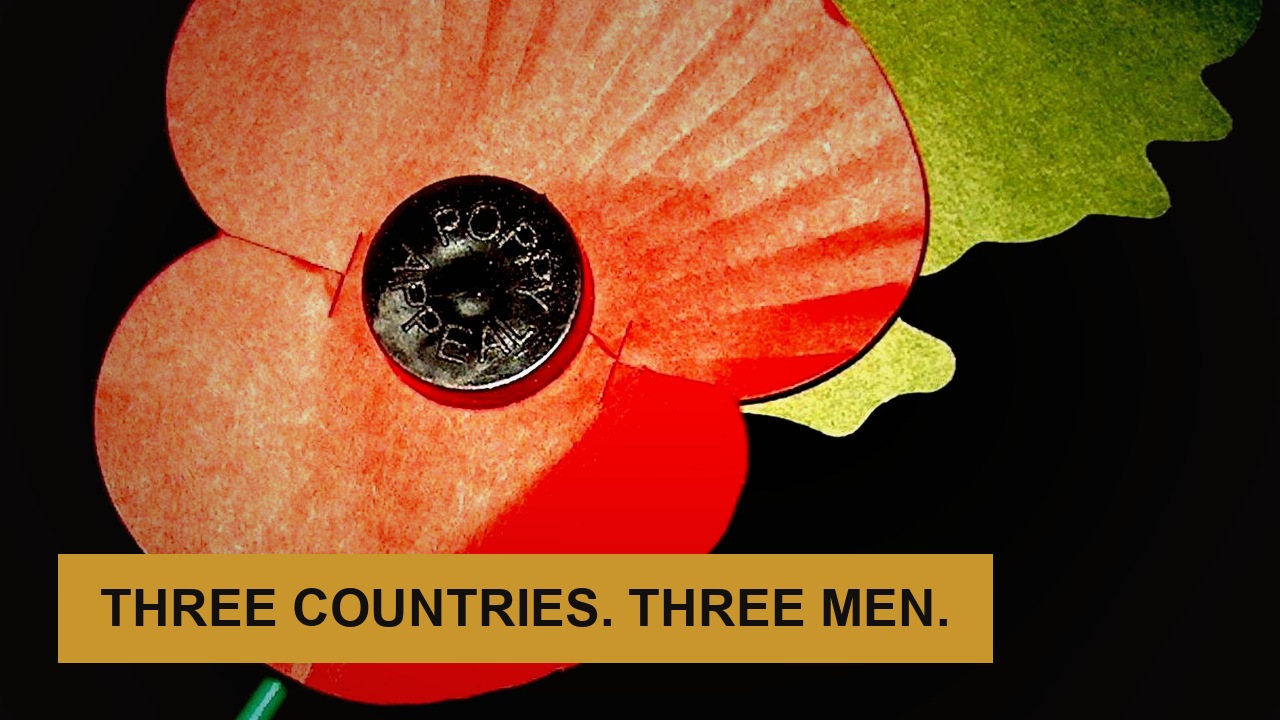
Who Invented the Two-Minute Silence?
Cape Town held a daily silent pause a full year before anyone wrote to a king about it, and the journalist whose letter beat the official credit into print by five months died penniless and forgotten. Here’s what the documents actually show.
-
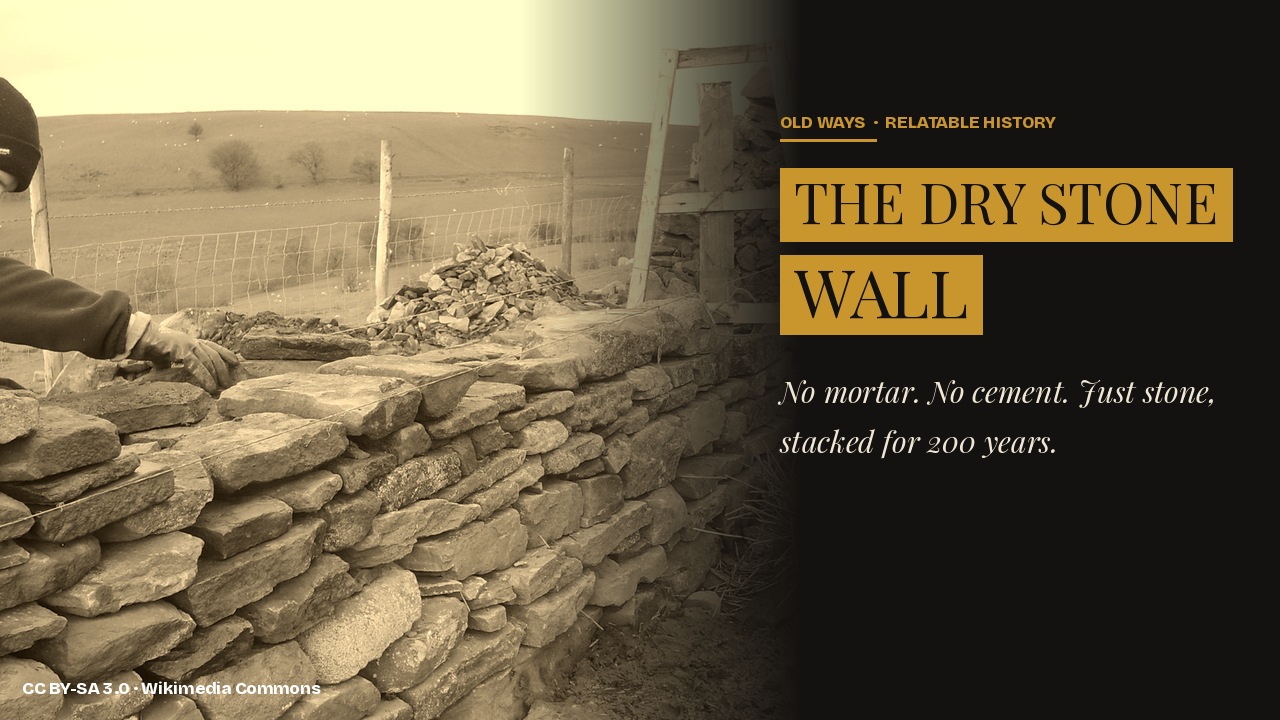
How Dry Stone Walls Stay Up Without a Drop of Mortar
A dry stone wall has no mortar, no cement and no engineer’s drawing behind it — just stacked rock, weight, and a deliberate lean. Some examples still standing are pushing four thousand years old.
-
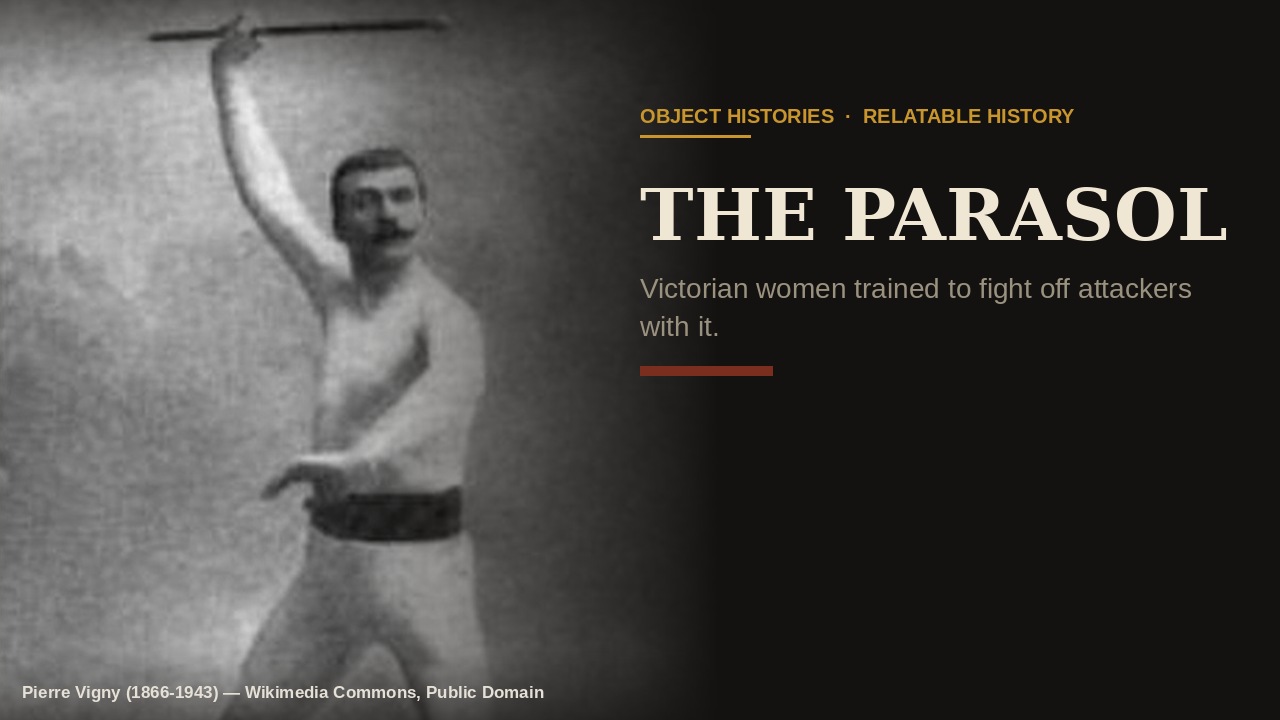
The 4,000-Year History of the Parasol, From Royal Throne to Street Weapon
For most of its existence, a parasol wasn’t about rain or sunburn at all — it was a legally enforced marker of rank. Then, for about two decades, it was a genuine street weapon.
-
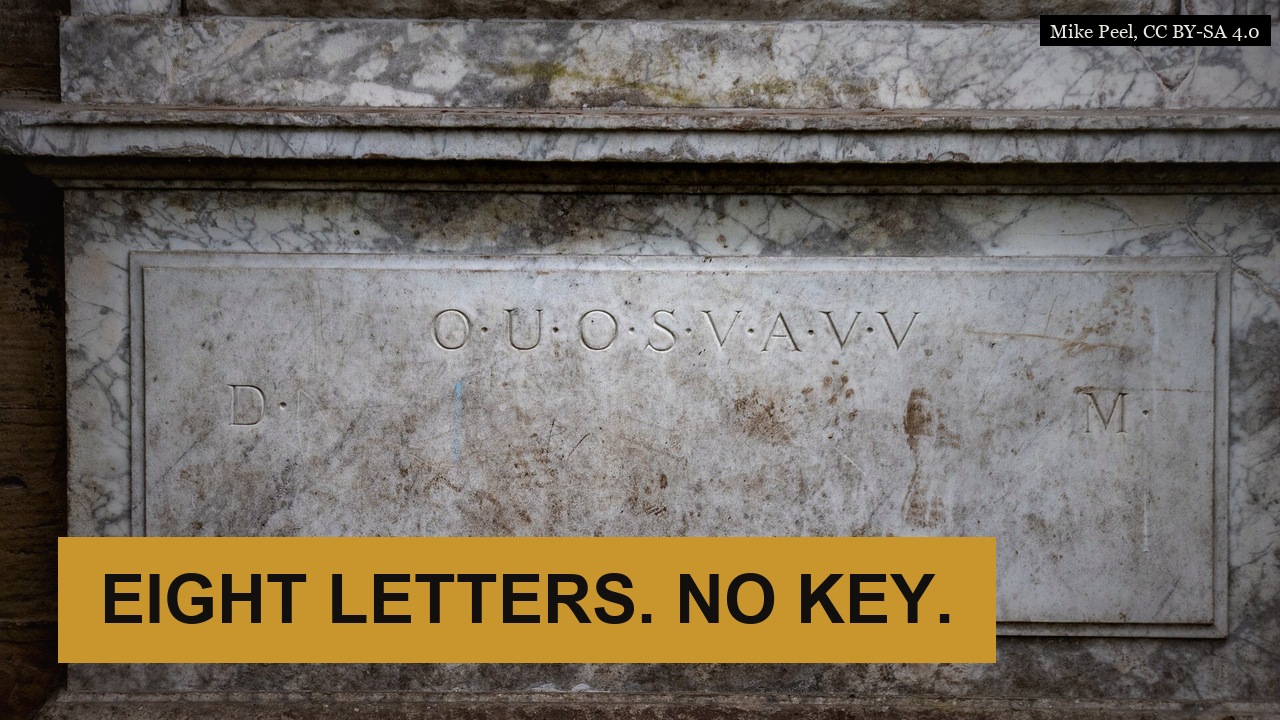
Shugborough Inscription Theories: What Each Explanation Actually Claims
Wartime codebreakers, a classics journal and a graffiti theory have all taken a run at the Shugborough inscription. None of them agree, and the gap in the written record explains why.
-

The 2,000-Year History of the Cold Frame
A Roman emperor demanded an out-of-season fruit every day of the year. Two thousand years later, a homesteading family in New Mexico used the same trick just to get through winter.
-
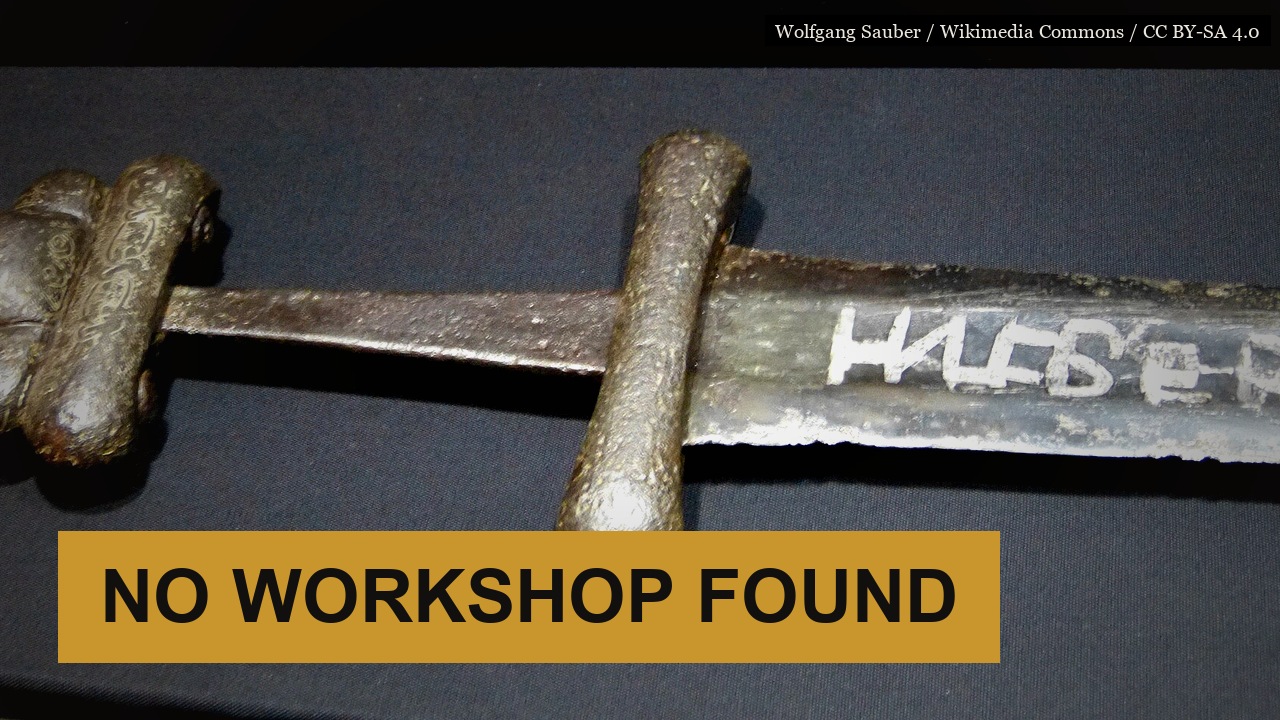
Were the Ulfberht Swords Really Made With Crucible Steel?
Nine of the roughly 170 Viking-age swords inscribed with one Frankish name carry steel harder than medieval Europe is thought to have been able to forge. No one has ever found where, or by whom.
-
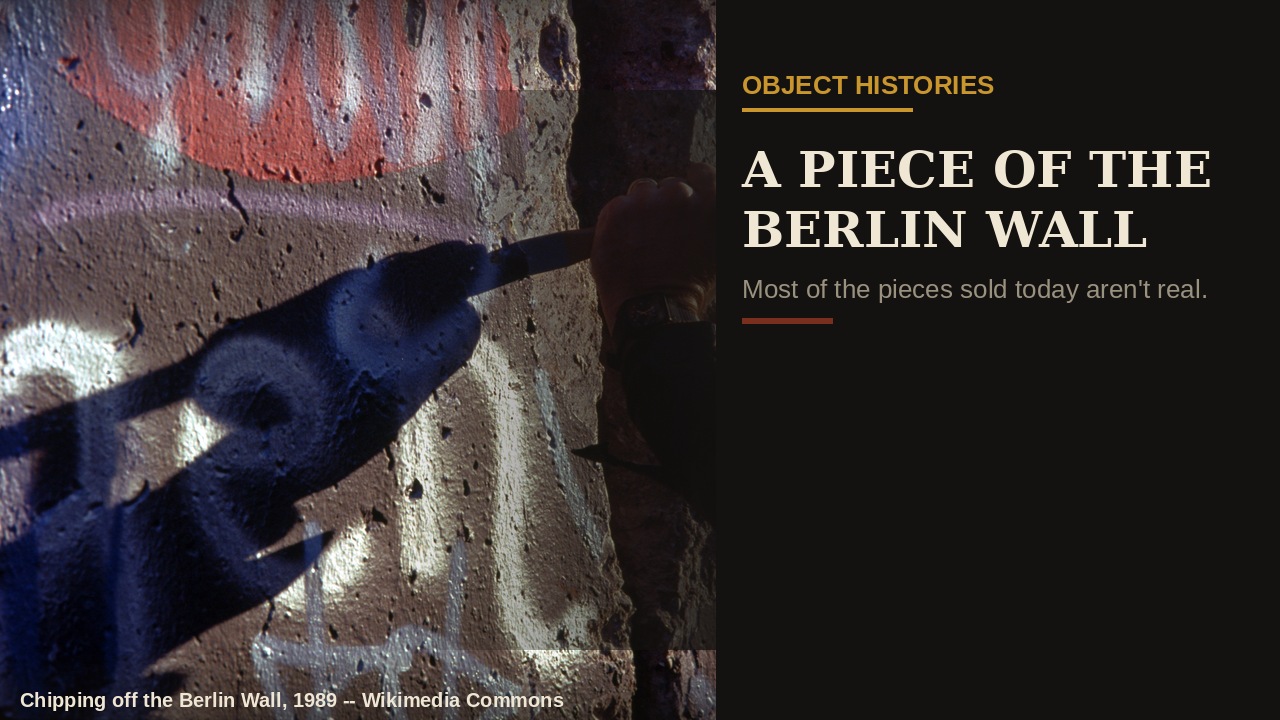
How to Tell Real Berlin Wall Pieces From the Fakes
East Germany tore down its own wall, then sold chunks of it for hard currency through an export monopoly, a Monaco auction, and at least one lawsuit over stolen graffiti.
-
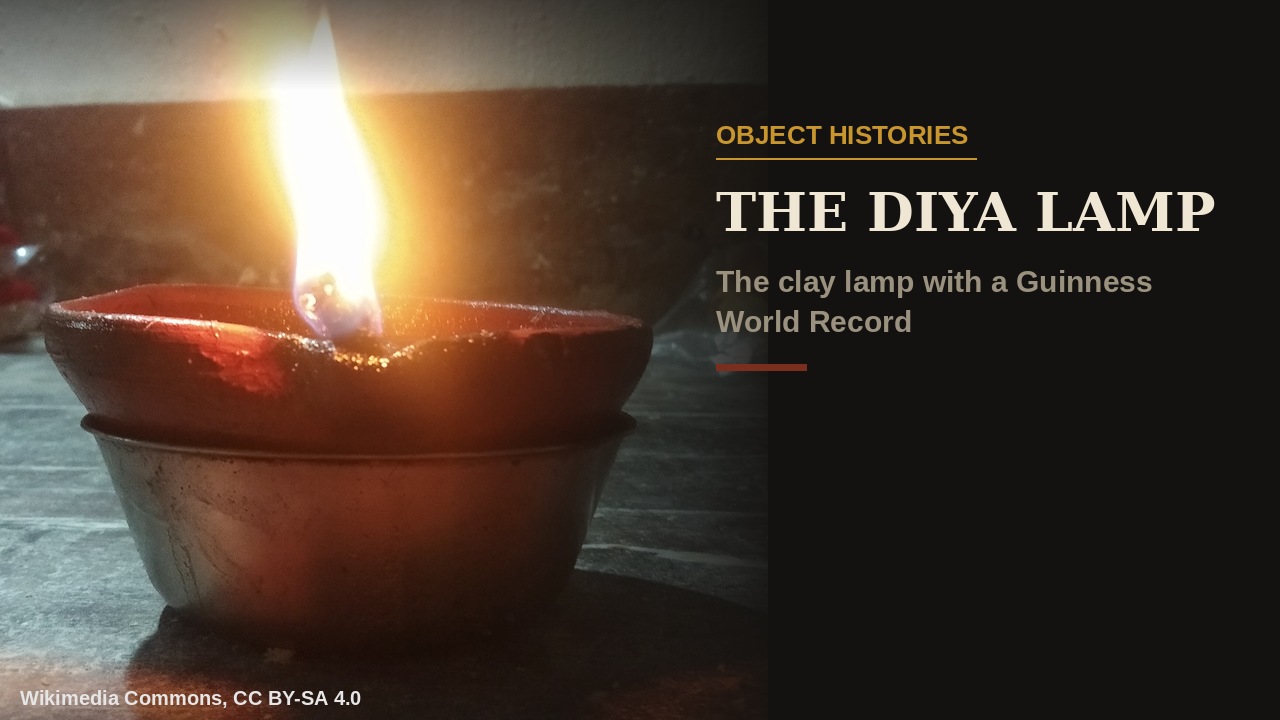
The Diya: How a 5,000-Year-Old Lamp Became Diwali’s Icon
A shallow clay cup and a cotton wick have lit Diwali, Bandi Chhor Divas, and Mahavira’s nirvana night for thousands of years. Here is where each of those traditions actually comes from — and where they disagree.