How people grew, preserved, cooked, brewed and ate, and what that reveals about the societies they lived in.
42 articles so far, newest first. Browse the full archive.
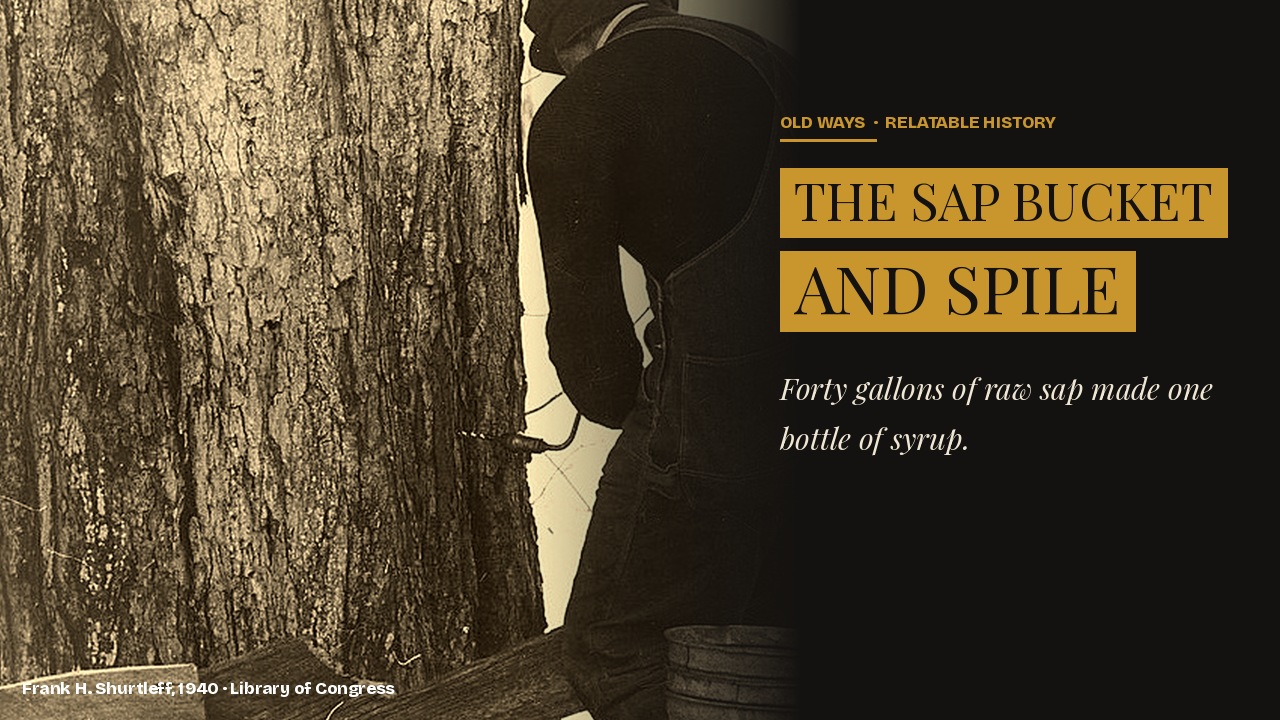
- The History of Maple Sugaring, From Stone-Boiled Sap to a Stolen Fortune — Thomas Jefferson once planted sixty maple trees in a bid to undercut slave-grown cane sugar. That is only one stop in the fuller, stranger history behind the bucket and spile.
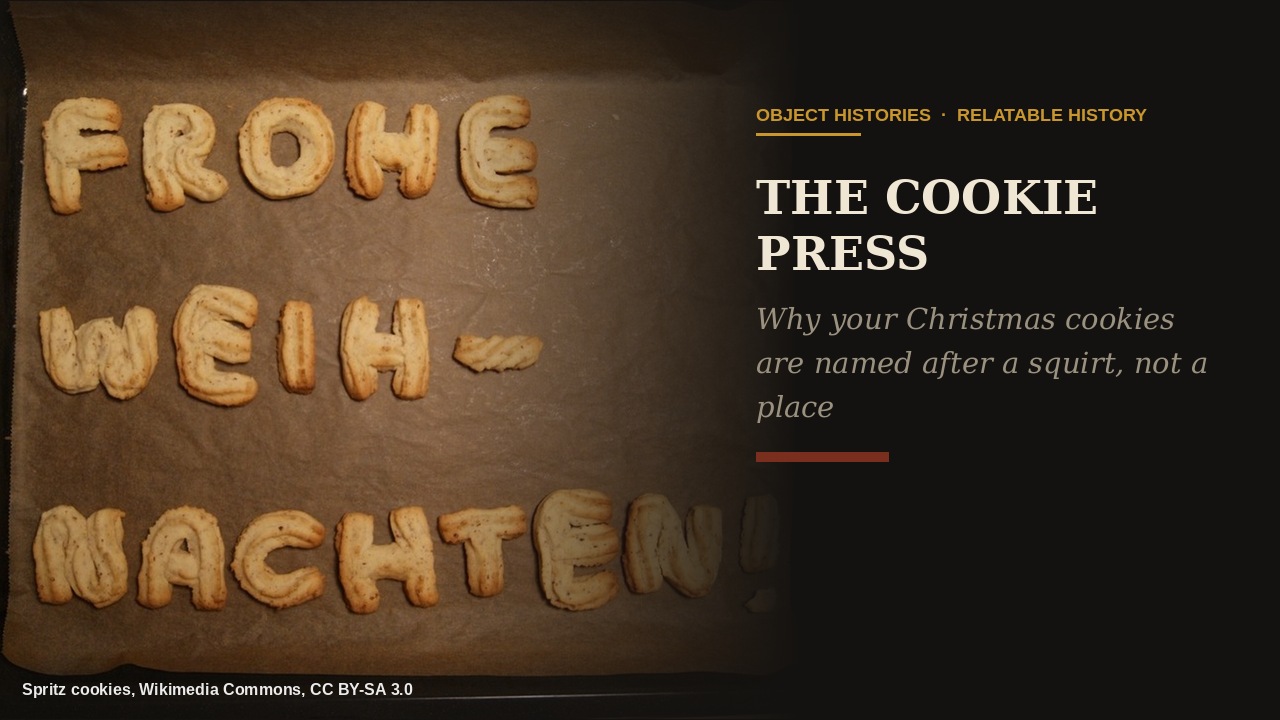
- How the Cookie Press Was Invented — The gadget in your kitchen drawer started as a London confectioner’s solution to a sore-arm problem, not a cookie recipe. Here is the two-hundred-year path between the two.
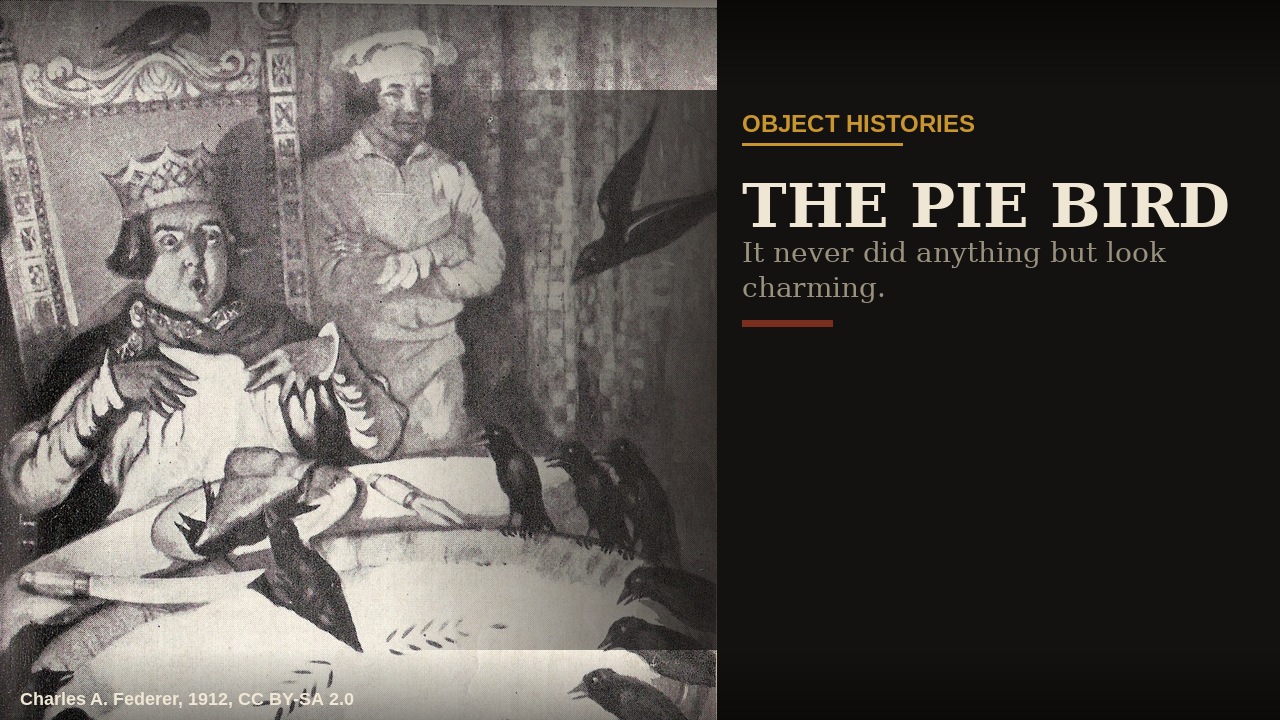
- The History of the Pie Funnel, From Plain Clay Tube to Ceramic Bird — Before it had feathers, the pie funnel was a patented plumbing fixture for a problem most bakers never notice: the vacuum that pulls juice out of a cooling pie.
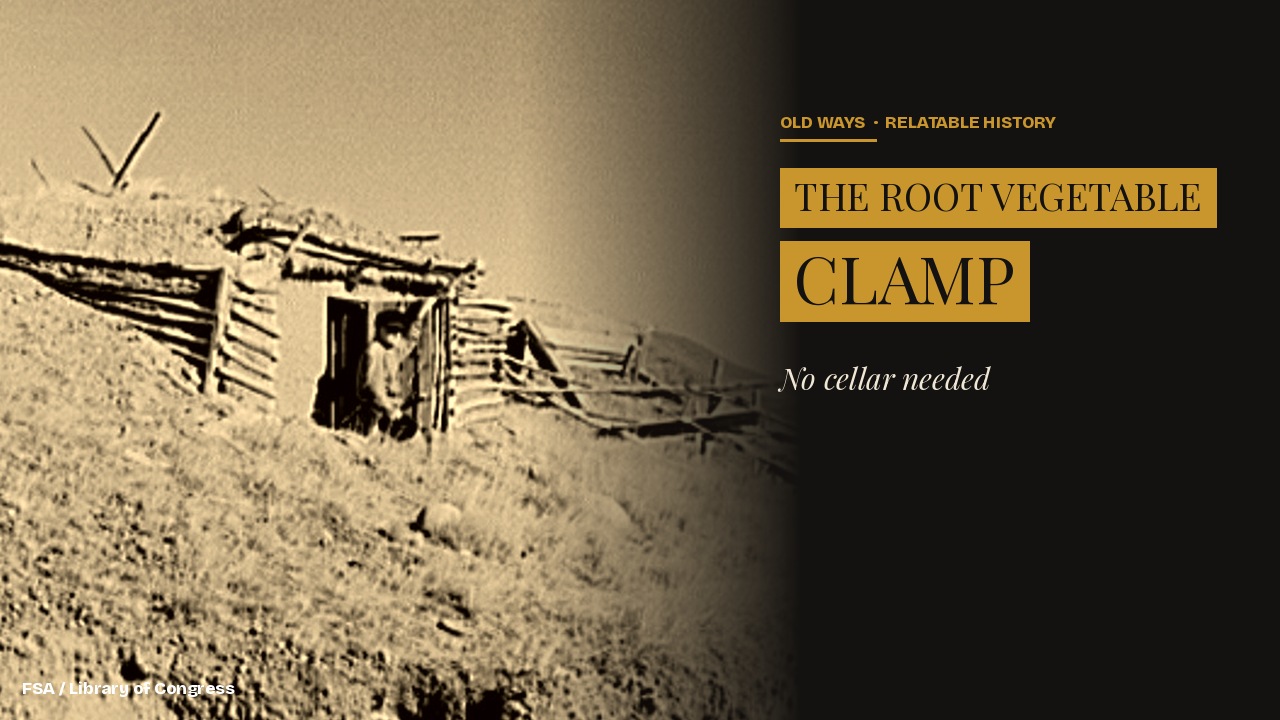
- How to Store Root Vegetables All Winter Without a Cellar — Long before refrigeration, a farm without a root cellar buried its potatoes and turnips in a mound of straw and earth called a clamp — and two governments eventually made…
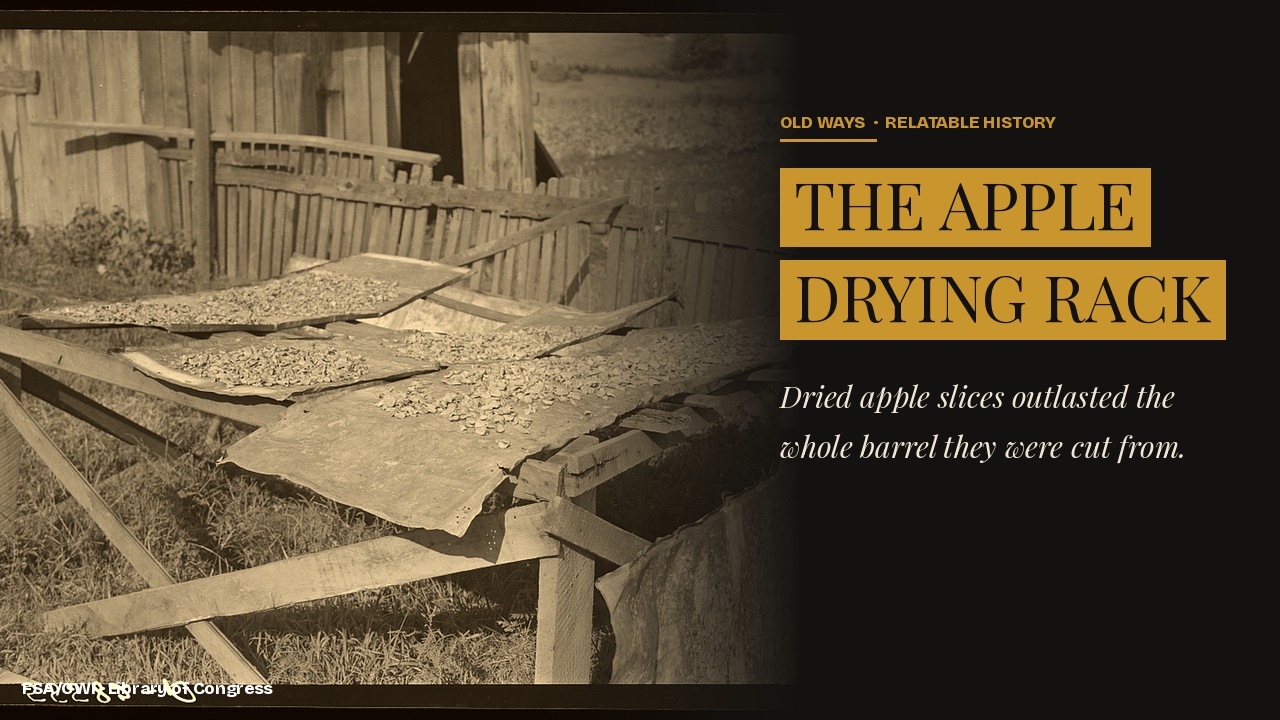
- Drying Apples Before Refrigeration: How Farm Families Did It — For about a century, a Moravian sisterhood in colonial Pennsylvania ran a dedicated building whose only job was turning a fall apple harvest into food that would survive the…
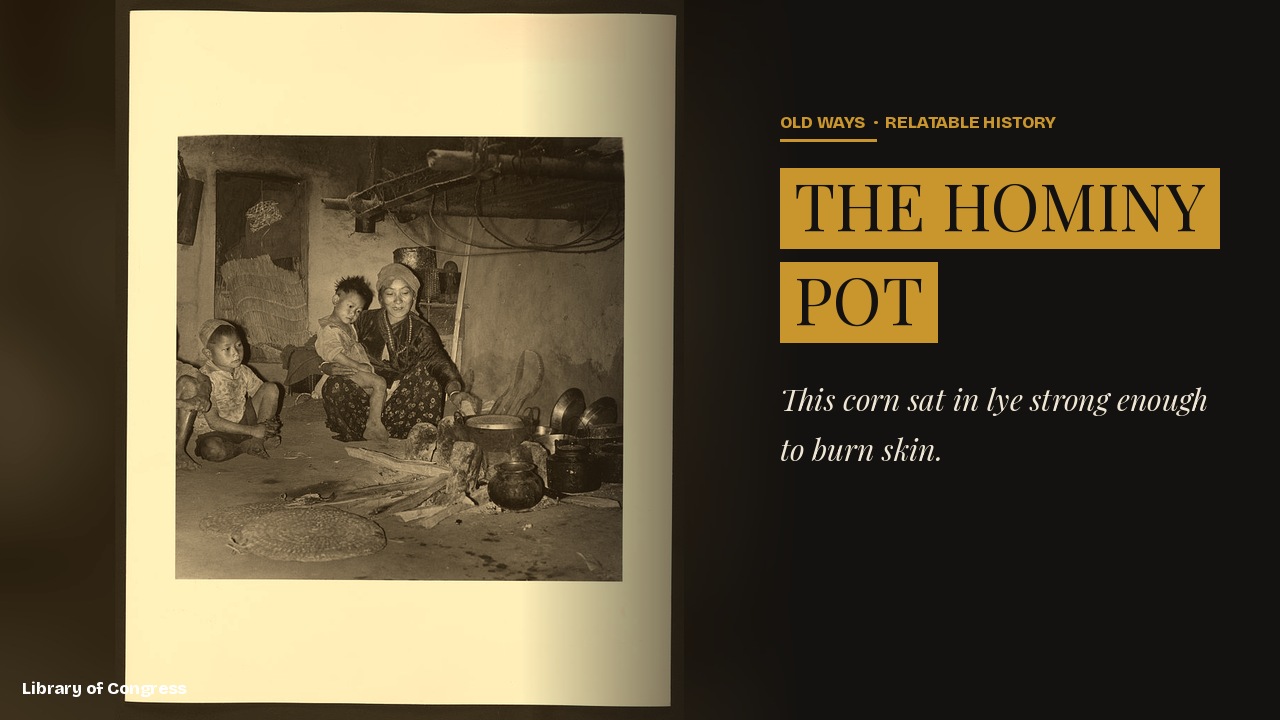
- Why Corn Was Soaked in Lye Before It Became Breakfast — Hominy starts with corn sitting in water caustic enough to burn skin. The practice is at least three thousand years old, and abandoning it turned out to carry a measurable body…
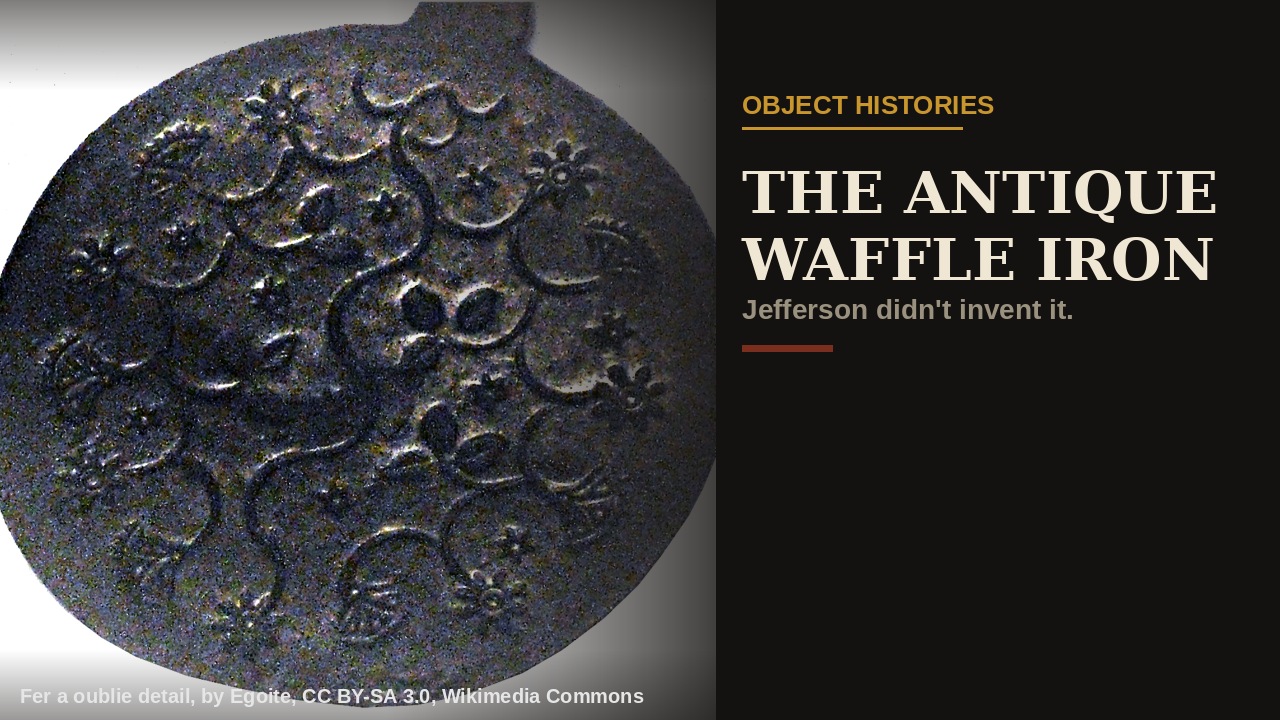
- Why Waffles Have a Grid Pattern (It’s Not About the Syrup) — The waffle’s famous grid wasn’t designed to hold syrup. For centuries it held something else entirely — a family’s coat of arms, a church’s sacred symbols, even the tread of a…
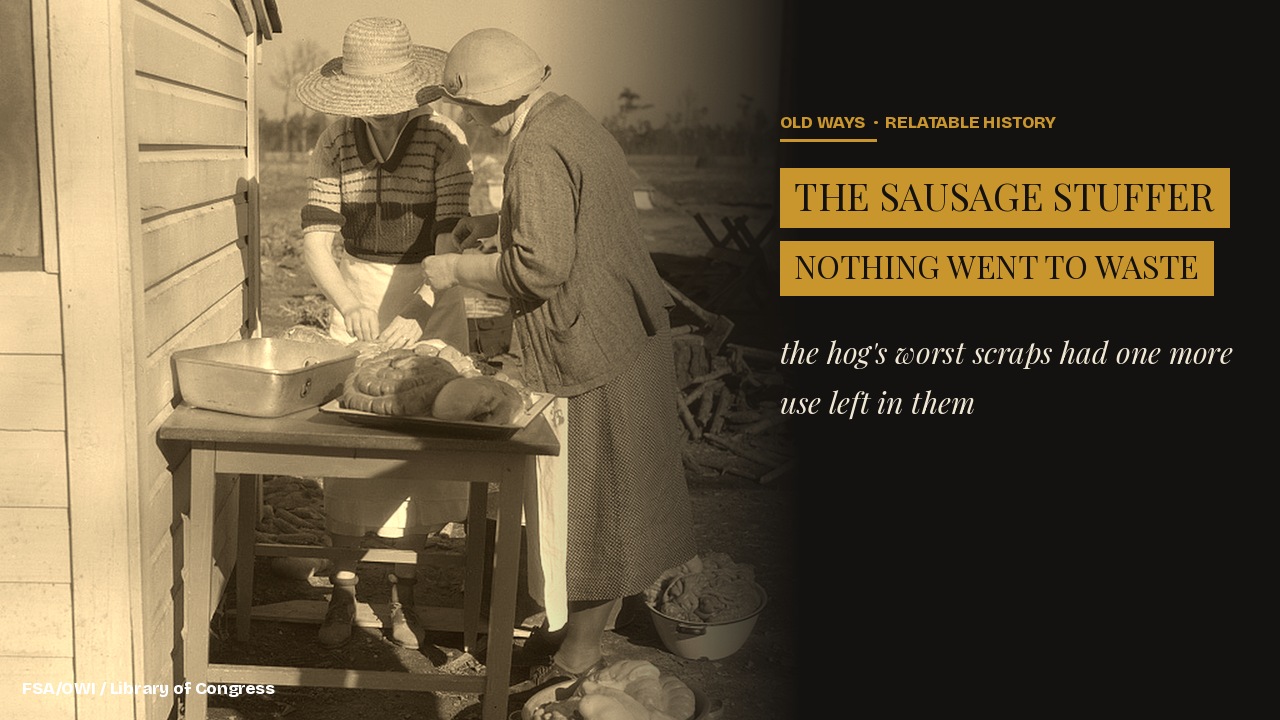
- The History of the Sausage Stuffer: How Farms Wasted Nothing From a Hog — A hand-cranked grinder, a USDA recipe, and a neighborhood’s worth of cooperative labor turned a hog’s leftover scraps into a winter’s worth of sausage, until refrigeration made…
- What Was a War Garden? Inside America’s WWI Food Front — A multimillionaire with no government mandate talked a nation into digging up its lawns for food. Here’s how the campaign actually worked, and why its most famous numbers don’t…
- The 2,000-Year History of the Cold Frame — A Roman emperor demanded an out-of-season fruit every day of the year. Two thousand years later, a homesteading family in New Mexico used the same trick just to get through winter.
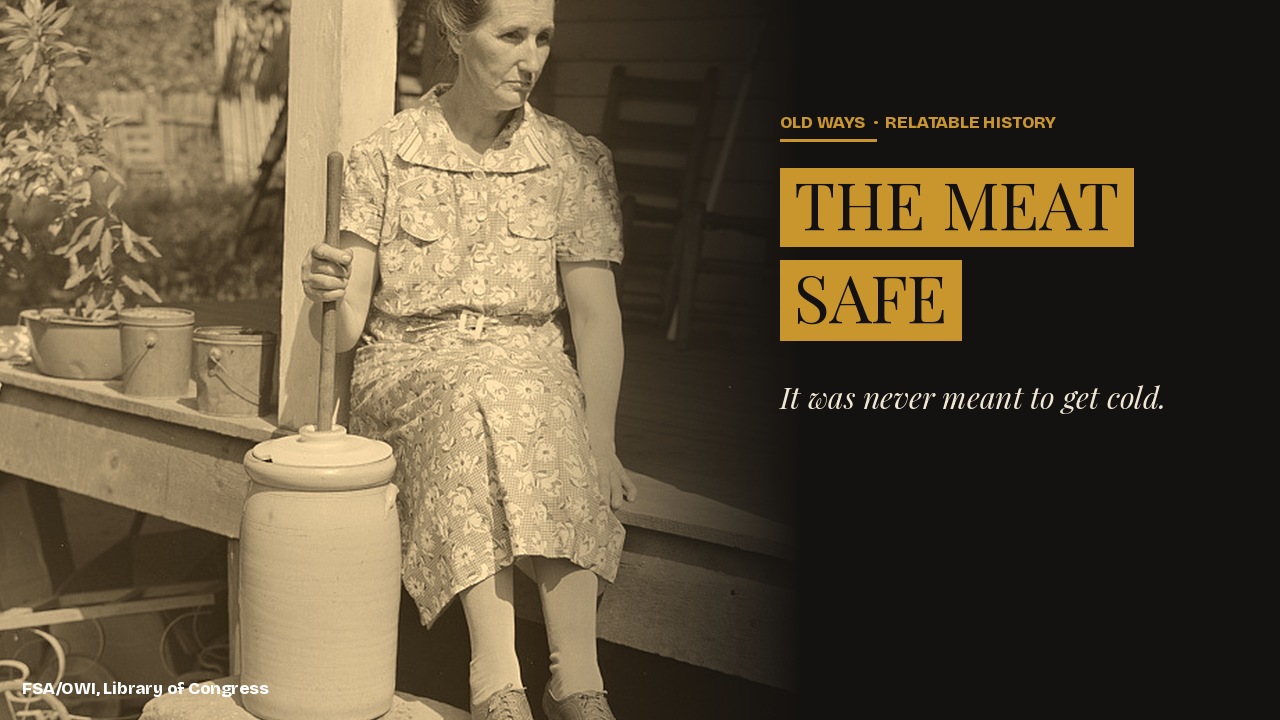
- The 250-Year-Old Box That Kept Flies Off Dinner Without a Fridge — For two and a half centuries, a cabinet with holes for walls was the only thing standing between supper and a kitchen full of flies — no ice, no electricity, just tin, wire,…
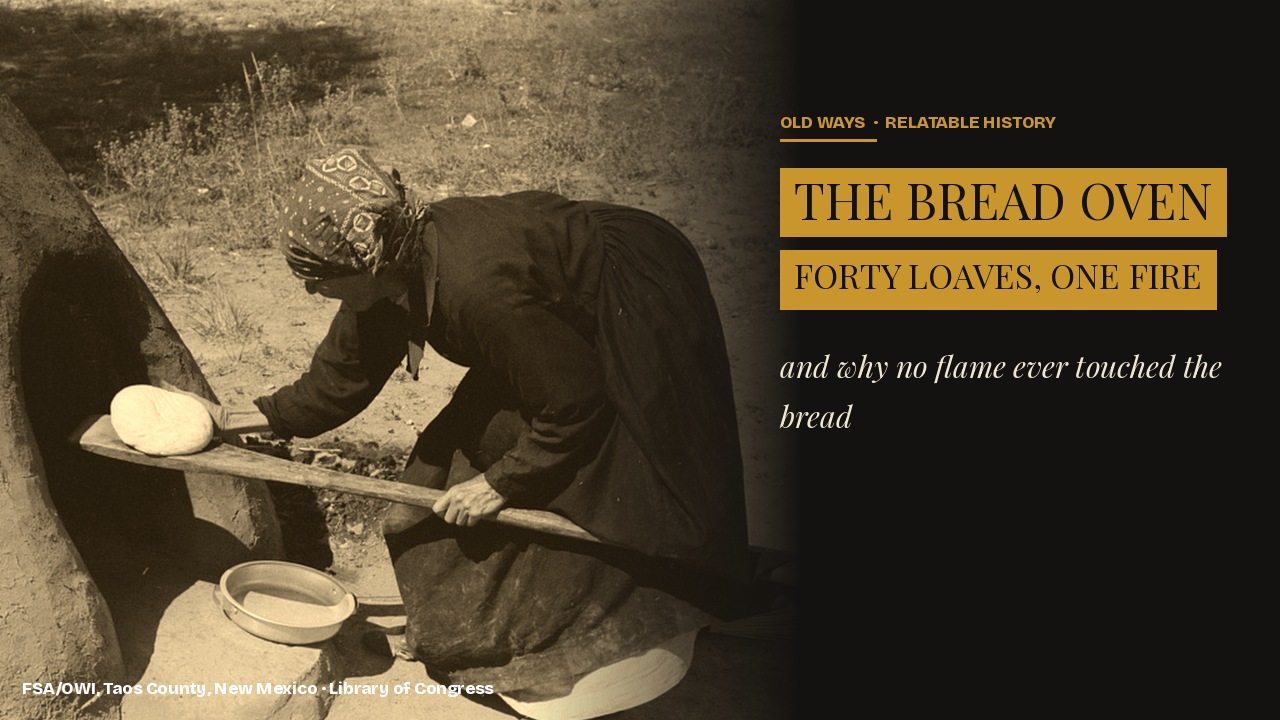
- How Outdoor Bread Ovens Worked, and Where Owning One Was Against the Law — In parts of France, building your own bread oven was once against the law. In Pennsylvania and New England, families built theirs in the yard and ran a week’s cooking off one fire.
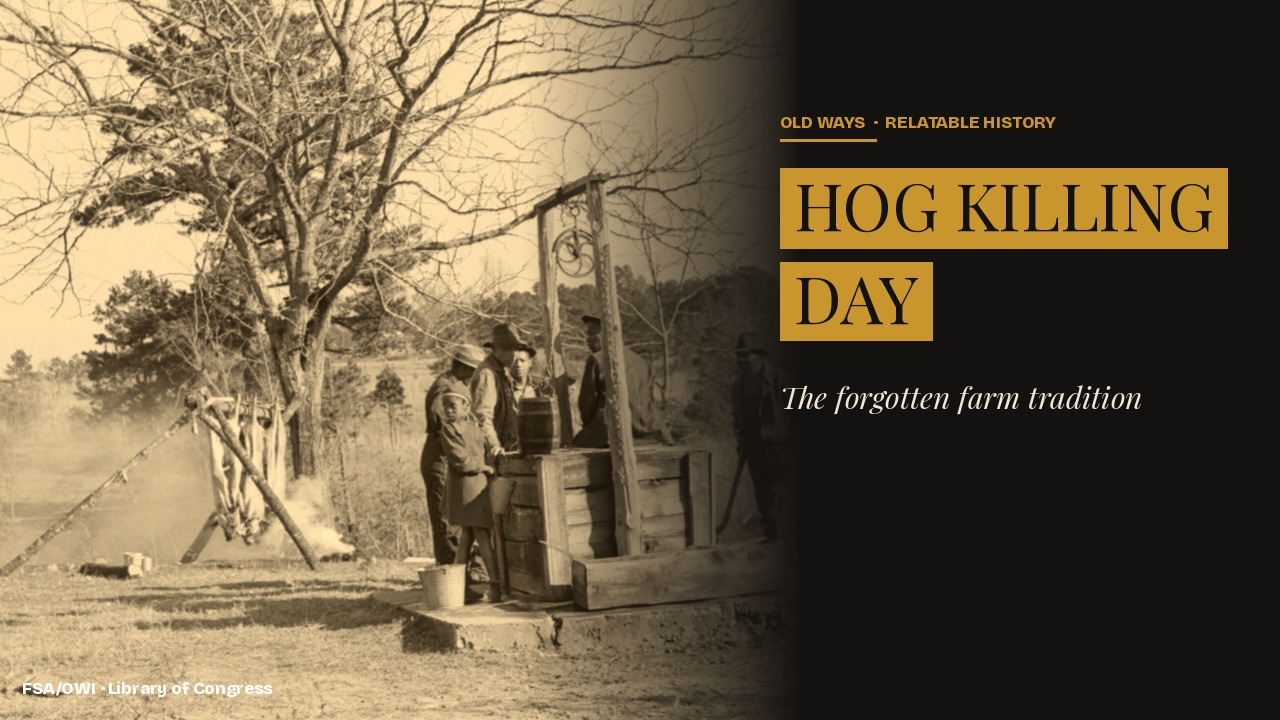
- How Hog Killing Day Worked on the American Farm — A frost-timed week of killing, scalding, and smoking that fed a farm family all winter — and the specific numbers behind why it stopped.
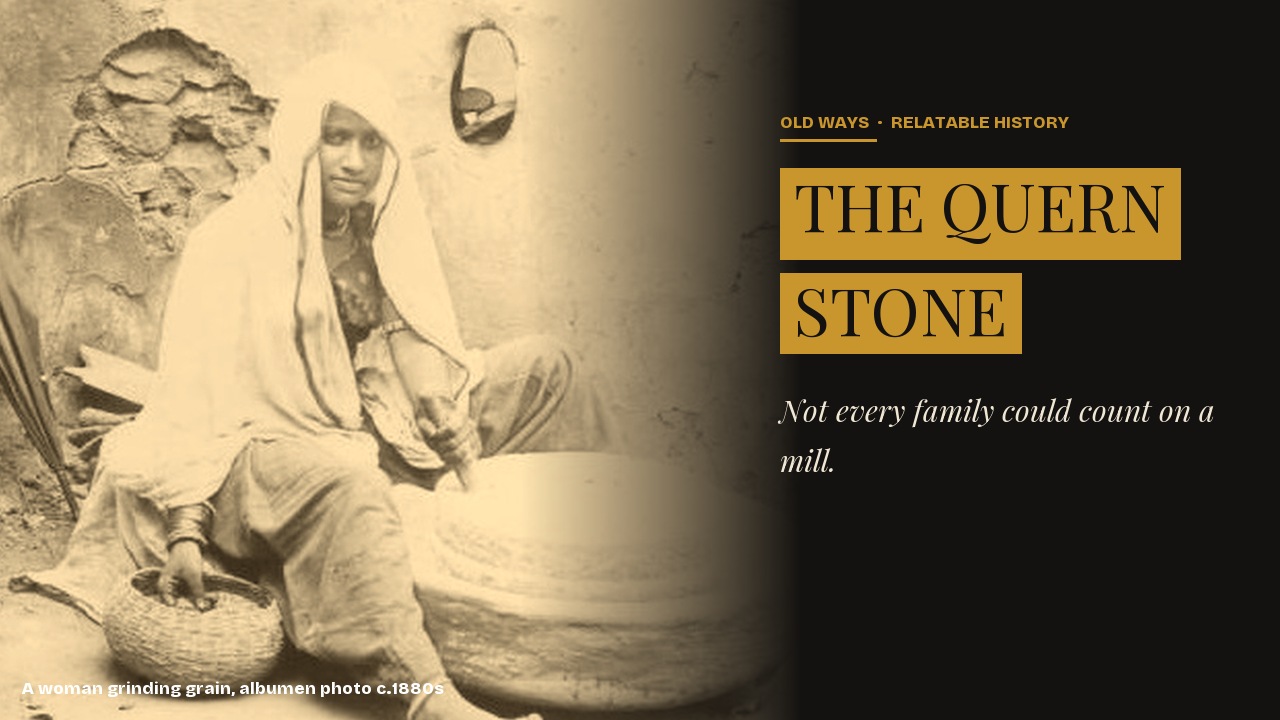
- What Was a Quern Stone? The Hand Mill That Outlasted Empires — Two stones, a wooden peg, and an hour of aching work for one loaf of bread. The quern stone outlasted Rome, survived a medieval ban, and fed the American frontier through a war.
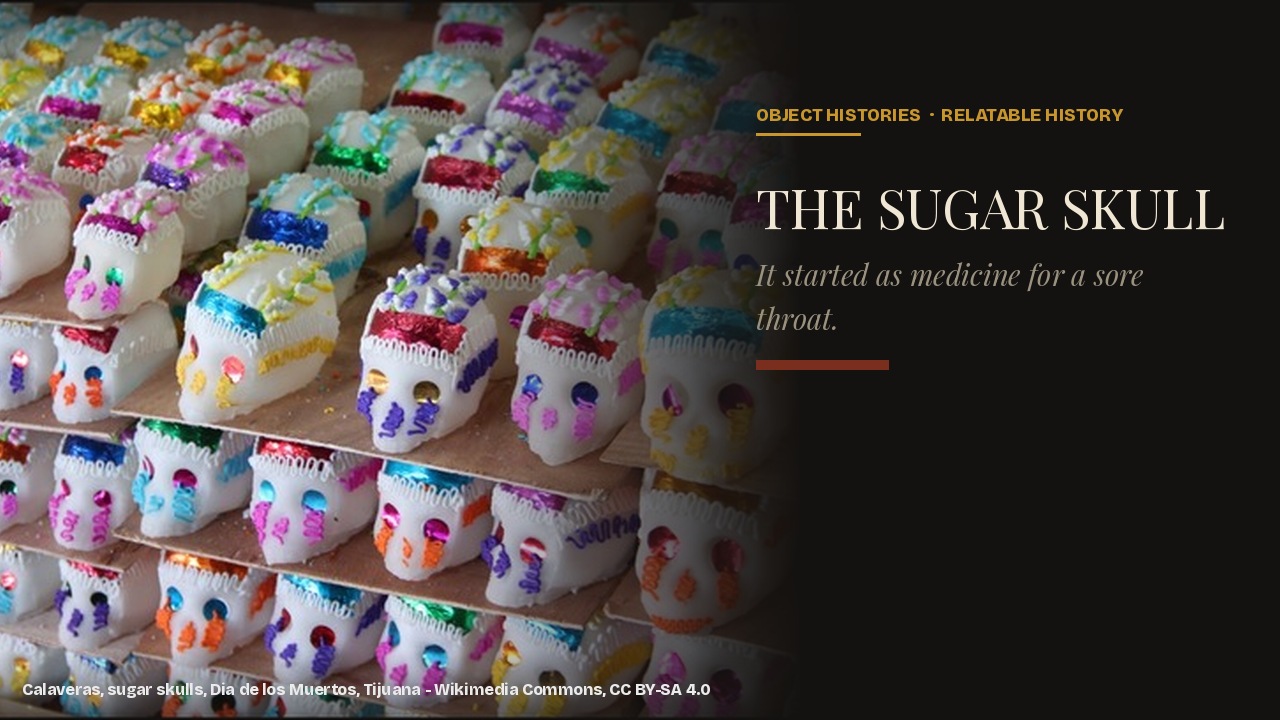
- Why Sugar Skulls Get a Name Written on the Forehead — The candy on a Day of the Dead altar was invented as medicine in Islamic Spain, not as a memorial. This is the documented route it took to a Toluca wooden mold five centuries…
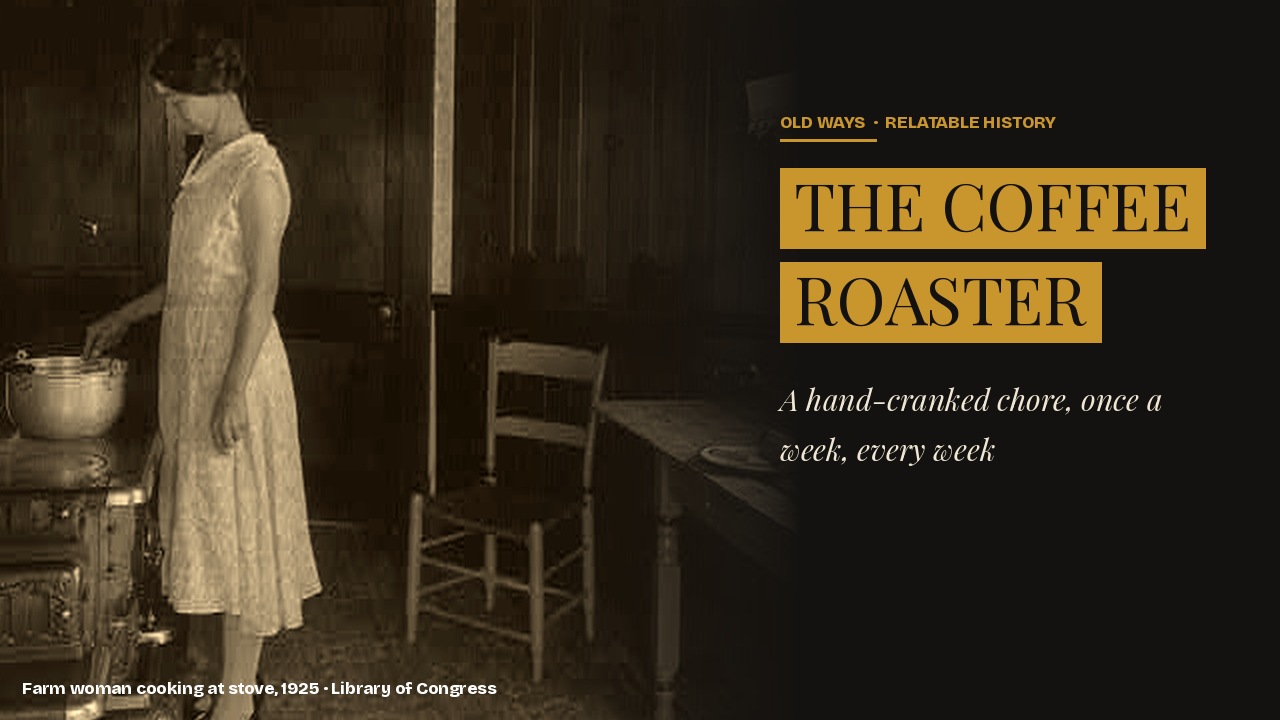
- How Arbuckle’s Ariosa Coffee Ended a Weekly Farm Kitchen Chore — A Pittsburgh grocer’s egg-and-sugar glaze patent, a Civil War coffee crisis, and a federal law’s fine print: the real story behind why most Americans stopped roasting their own…
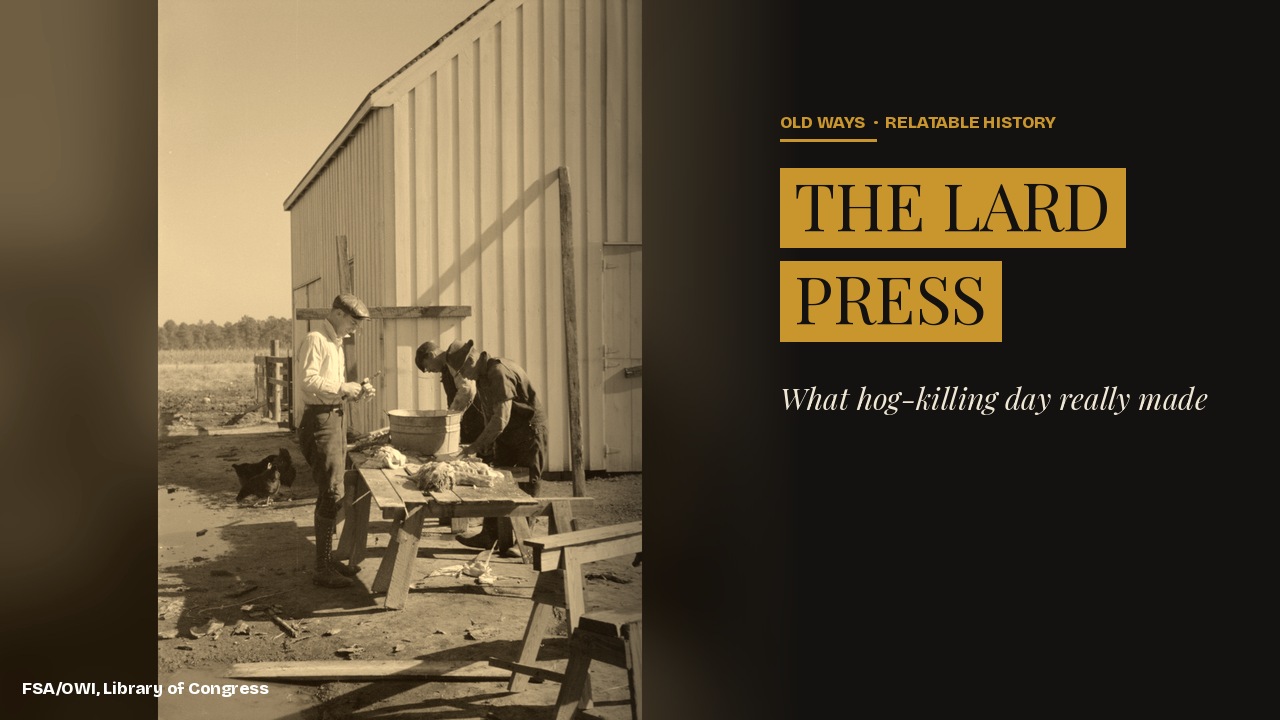
- How Farms Rendered Lard to Last a Whole Winter — A patent from 1876 explains exactly how a cast-iron press squeezed the last of the fat out of hog-killing scraps — and why one crock of lard had to feed a family for a year.
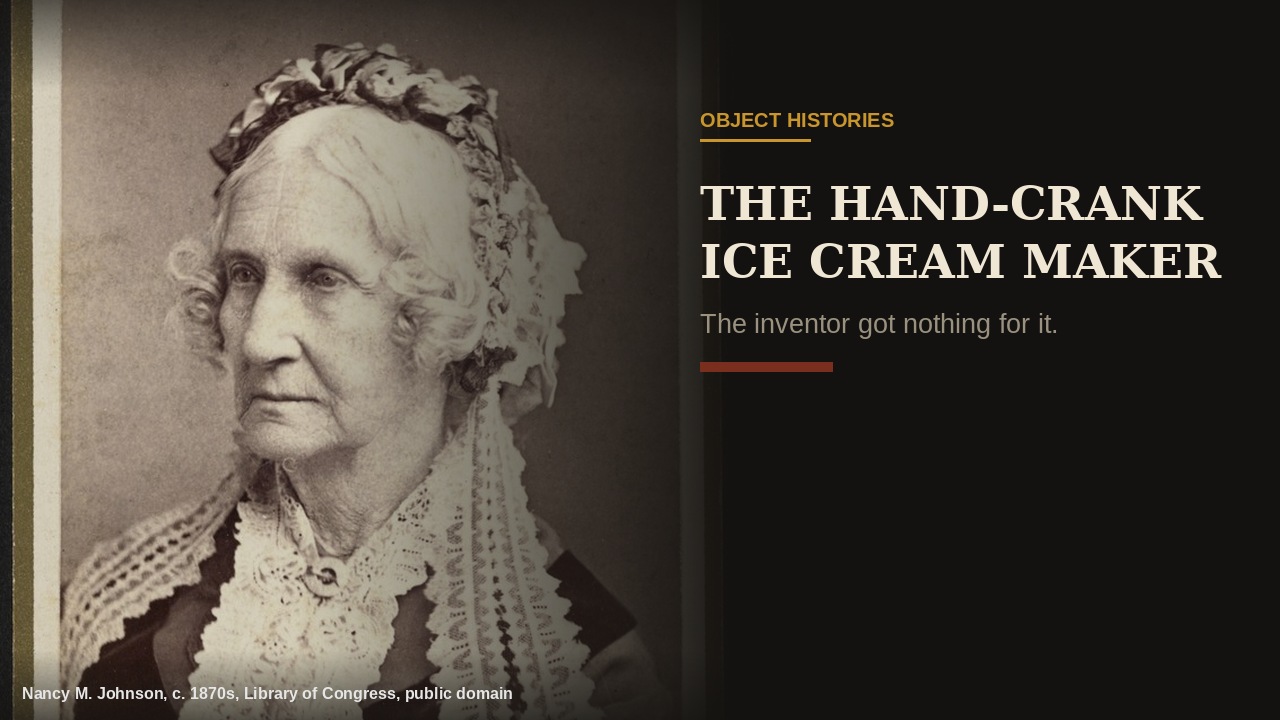
- Who Invented the Ice Cream Freezer? The 1843 Patent, and the Man Who Profited Without One — Two people shaped how America eats ice cream in the 1840s, and only one of them is widely remembered. Here’s the 1843 patent, the Baltimore rival who improved on it, and the…
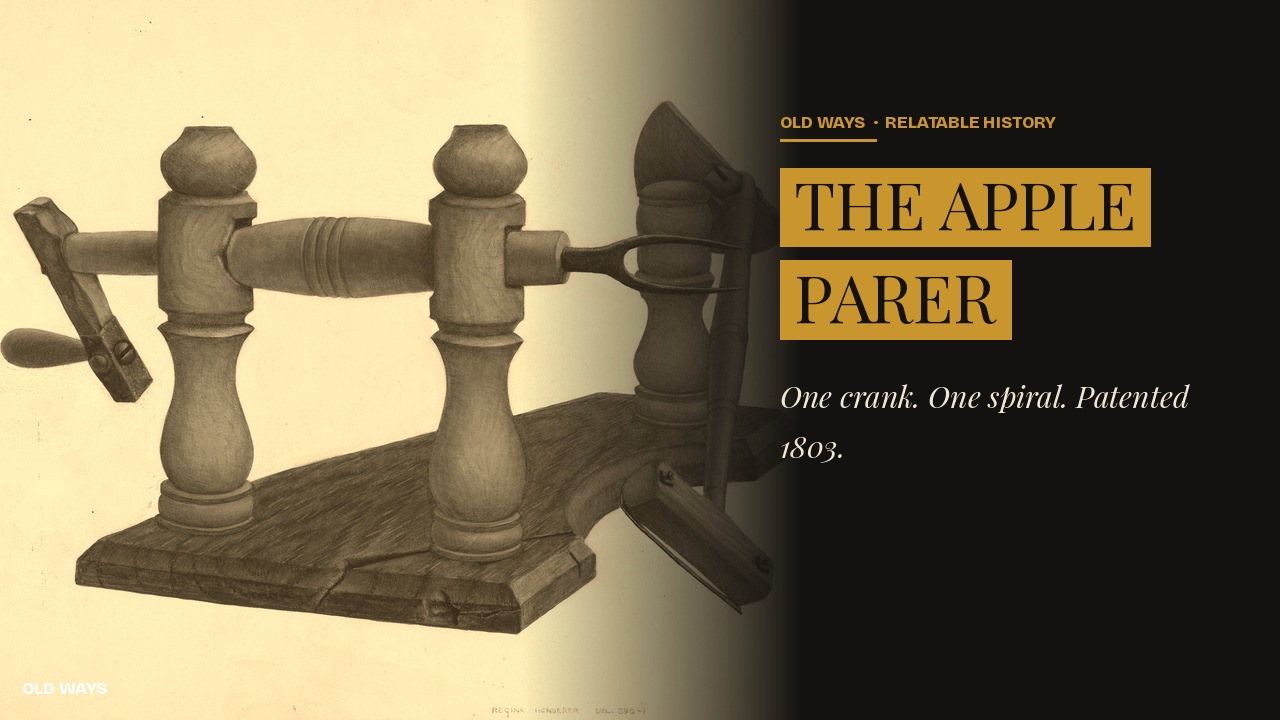
- How the Apple Parer Worked, and Who Actually Invented It — Moses Coates patented his apple-paring machine in 1803 and wrote to Thomas Jefferson about it. The reply that actually survives says something different from the legend.
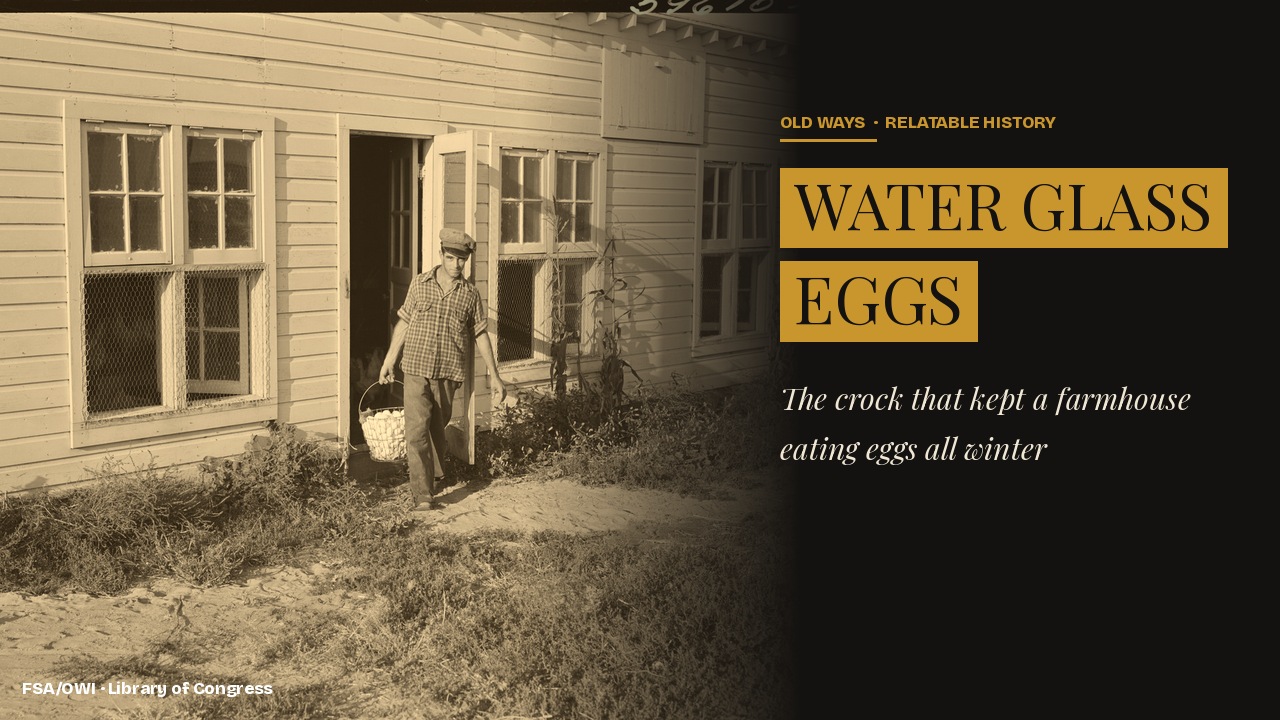
- Is Water Glassing Eggs Actually Safe? What a Century of Science Found — A Scottish university chemist proved eggs could survive four years in a jar of liquid glass. A century later, food scientists found the reason you still should not try it today.
- Scientists Know Exactly When the Sky Went Dark in 536 AD. They Still Don’t Know Why. — Tree rings, ice cores and chronicles from three continents agree on exactly what happened in 536 AD. A century of volcanic detective work still hasn’t found who did it.
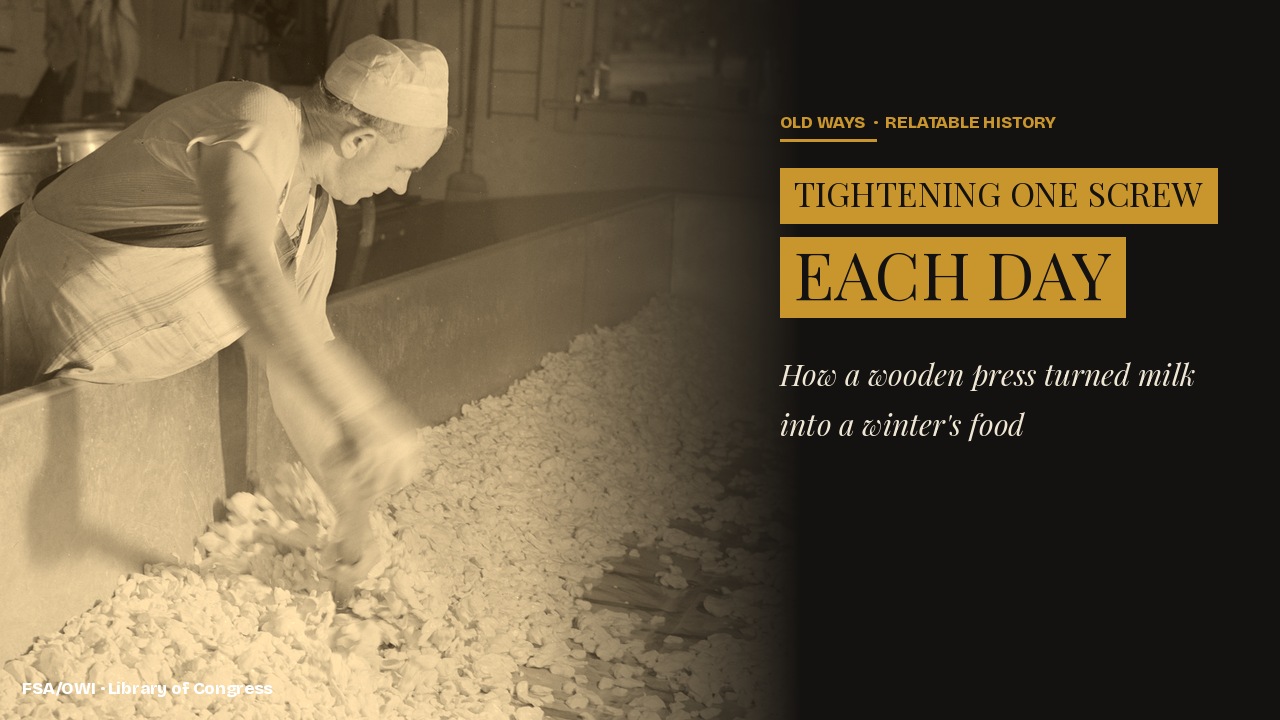
- The History of Cheese Pressing: From Roman Molds to Jefferson’s 1,235-Pound Wheel — A borrowed cider press, nine hundred cows, and a disputed inscription: how a simple screw turned surplus milk into a political stunt, a patentable machine, and a dying…
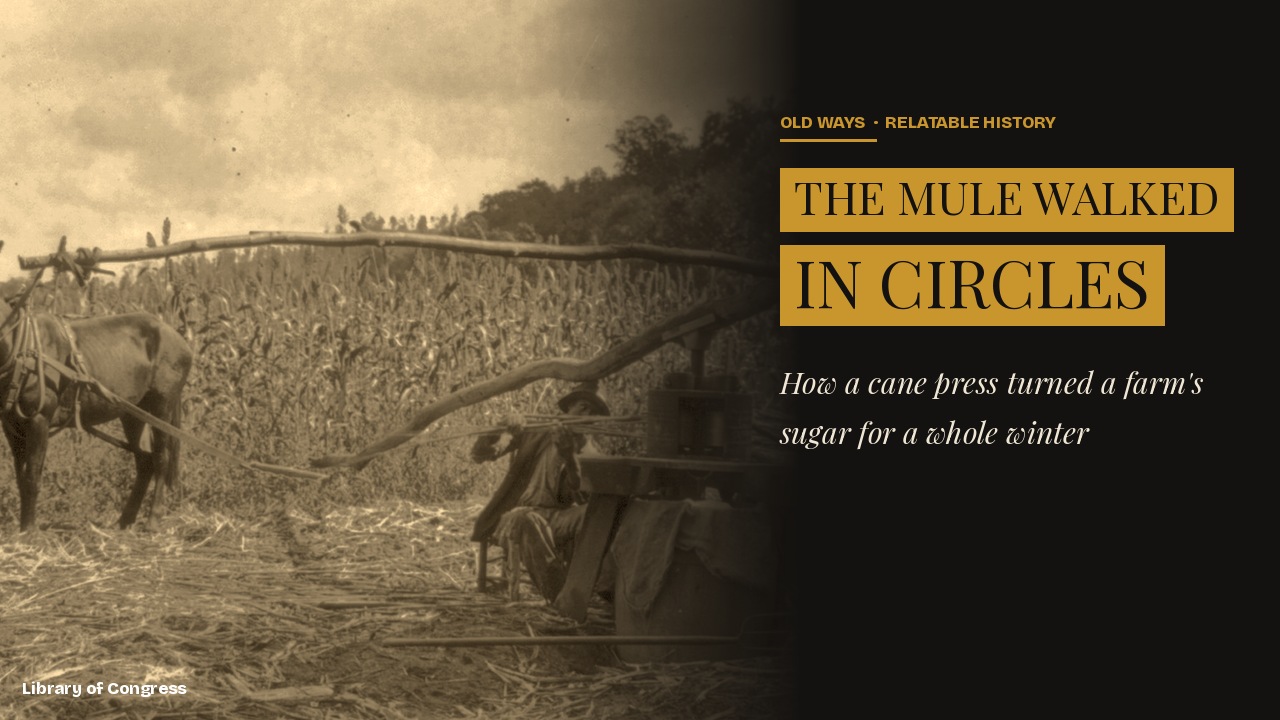
- How Sorghum Syrup Was Made Before Sugar Came in a Sack — For four decades, government chemists tried to turn sorghum into real sugar and kept failing. Rural America got something arguably better instead: a syrup it could make at…
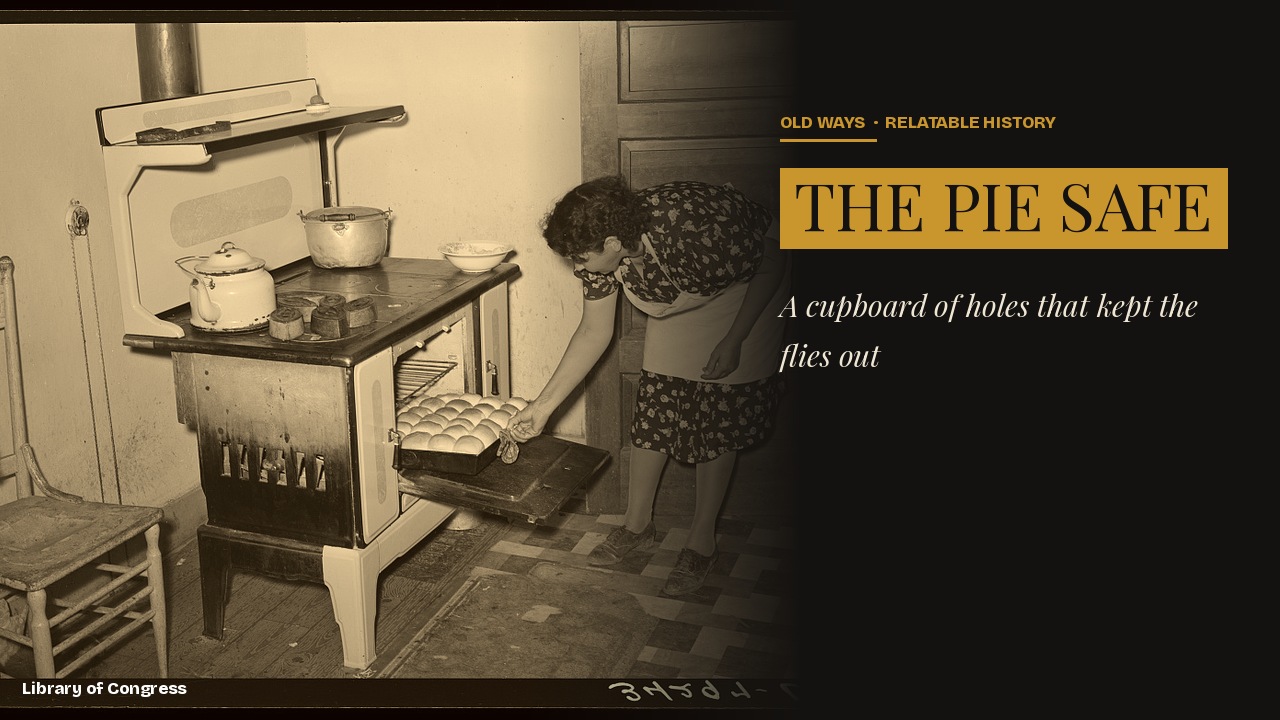
- The Pie Safe That Kept Flies Out With Nothing But Holes — A pie safe kept flies and mice off a family’s food using nothing but a sheet of tin punched full of tiny, sharp-edged holes. The popular story credits Pennsylvania German…
- How Cream Separators Worked, and Why Every Farm Wanted One — A hand-cranked machine could pull nearly all the cream out of a bucket of milk in the time it took to turn a crank up to speed. Here is the engineering, and the chore, behind it.
- How Skep Beekeeping Worked Before the Movable-Frame Hive — A skep had no frames and nothing removable inside it, which is why, for roughly two hundred years, taking the honey usually meant killing the bees that made it.
- Who Really Worked in America’s Summer Kitchens — A detached kitchen looks like a convenience in an old photograph. For the people who worked in one — enslaved cooks, farm wives, hired girls — it was a full day’s labor in a…
- How Chewing Gum Was Invented, From Stone Age Resin to Dubble Bubble — Long before Wrigley, people were chewing tree resin for thousands of years. Here is the full chain of accidents that turned it into a global habit.
- The Maple Sugar Abolition Movement That Almost Worked — A Philadelphia doctor, a Founding Father, and a network of Quakers all believed maple trees could end American demand for sugar grown by enslaved labor. For about a decade, it…
- How Cider, Not Beer, Became Colonial America’s Everyday Drink — A bushel of bitter, inedible farm apples, a hand-cranked grinder and a wooden screw press were how a colonial household drank through an entire year without touching the well.
- How a Water-Powered Grist Mill Turned Wheat Into Flour, No Cash Involved — A grist mill never sent a bill. Farmers paid in grain, by a fixed fraction called the toll, and the arrangement held for roughly three centuries before steel rollers ended it…
- Why a Corn Crib’s Walls Lean Outward, and Why It Never Fell Over — A corn crib’s slats, taper and stilts were not shortcuts or decay. Each one solved a specific problem in keeping a winter’s worth of corn from rotting with nothing but moving air.
- How Home Food Drying Fed American Farms for 150 Years — Before refrigeration, drying was how a farm survived winter on its own harvest. It also became an export industry, a wartime program, and, twice, a subject of federal instruction.
- The Full History of the German Beer Stein — A hinged lid, a vitrified clay body and a bearded face buried under doorsteps as a witch’s ward: the German beer stein carries more regulatory and craft history than any mug…
- The Chemistry Inside a Sauerkraut Crock, and Why It Actually Works — A crock, a sack of salt and a few weeks of patience turned raw cabbage into a food that would not spoil and would not make anyone sick. The reason it worked is stranger than…
- Water Bath vs Pressure Canning: Why the 240-Degree Difference Exists — A sealed jar looks the same whether it is safe or not. Here is the science, and the history of learning it the hard way, behind which foods only need boiling water and which…
- How the Dog-Powered Butter Churn Actually Worked — For a few decades a mid-sized farm dog was genuinely listed as equipment. Here is the mechanism behind the treadmill churn, and the three-thousand-year story of butter that…
- How the Wood Cookstove Ran the American Kitchen for a Century — A cast-iron range with no dial ran nearly every American kitchen for a hundred years. Here is how a family actually cooked, heated water and stayed warm on nothing but split wood.
- Drying Fruit and Herbs: How a Farm Kept Food Without a Freezer | Old Ways — Before the freezer, a farm kitchen dried its way through the harvest: apple schnitz strung over the cookstove, leather britches beans, and a New York county shipping fifteen…
- How a Smokehouse Cured a Year’s Worth of Meat With Only Salt, Smoke, and Time — A smokehouse was a chemistry experiment disguised as a shed. Here is exactly how salt and smoke turned a fresh hog into a year of food, who actually did the curing, and why a…
- How a Root Cellar Kept Vegetables All Winter: The Farm’s Biggest Refrigerator Was a Hole in the Ground — A room dug below the frost line, with no power at all, held potatoes crisp for five months. Here is the mechanism, the numbers, and the ethylene rule every farm wife knew by heart.
- How a Springhouse Worked: The Farm Refrigerator That Ran on a Spring — A stone room with a stream running through the floor kept butter firm in August and milk from freezing in January. Here is the mechanism, the numbers, and the wire that ended it.