Currencies, markets, merchants and the long-distance exchange networks that moved goods, people and ideas.
35 articles so far, newest first. Browse the full archive.
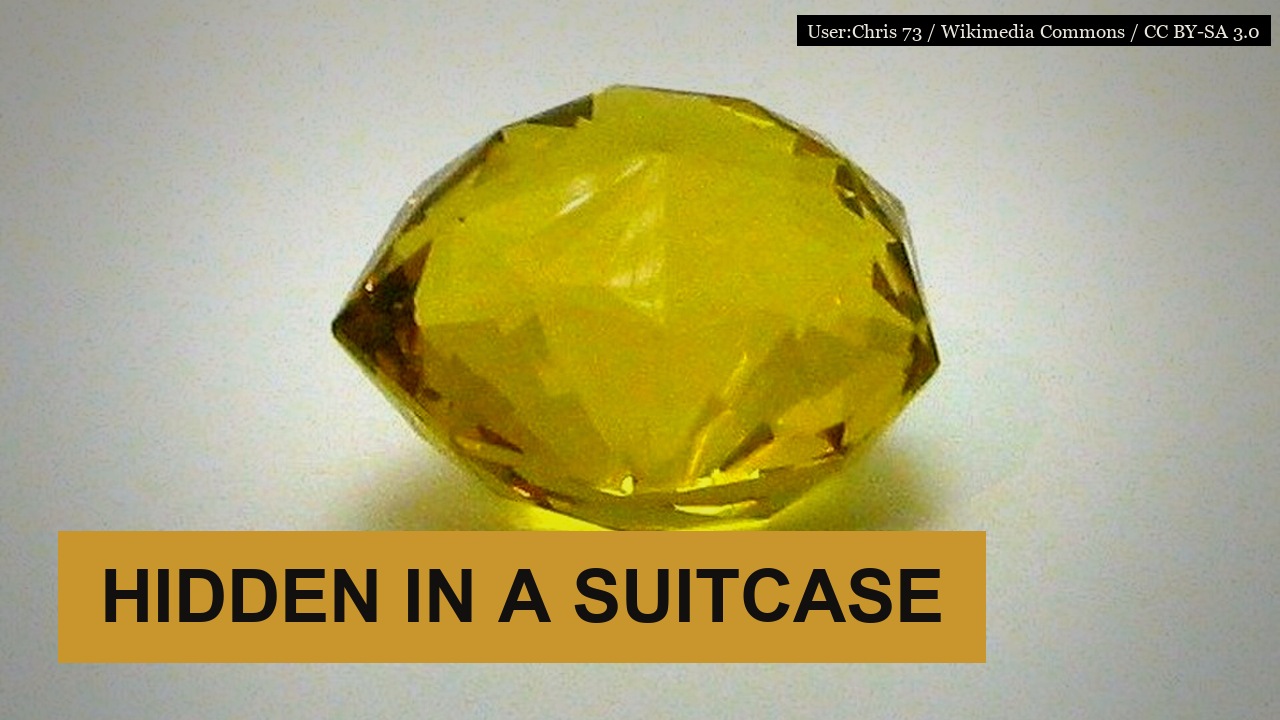
- What Really Happened to the Florentine Diamond — For a century, gem historians assumed the Florentine Diamond had been quietly sold and cut into unrecognizable pieces. It had not moved an inch since 1940.
- Why Margarine Was Illegal in America for Almost a Century — For most of a century, selling the wrong-colored spread could mean a fine or jail. One of the two Supreme Court cases it produced is still cited today on how far a tax can go.
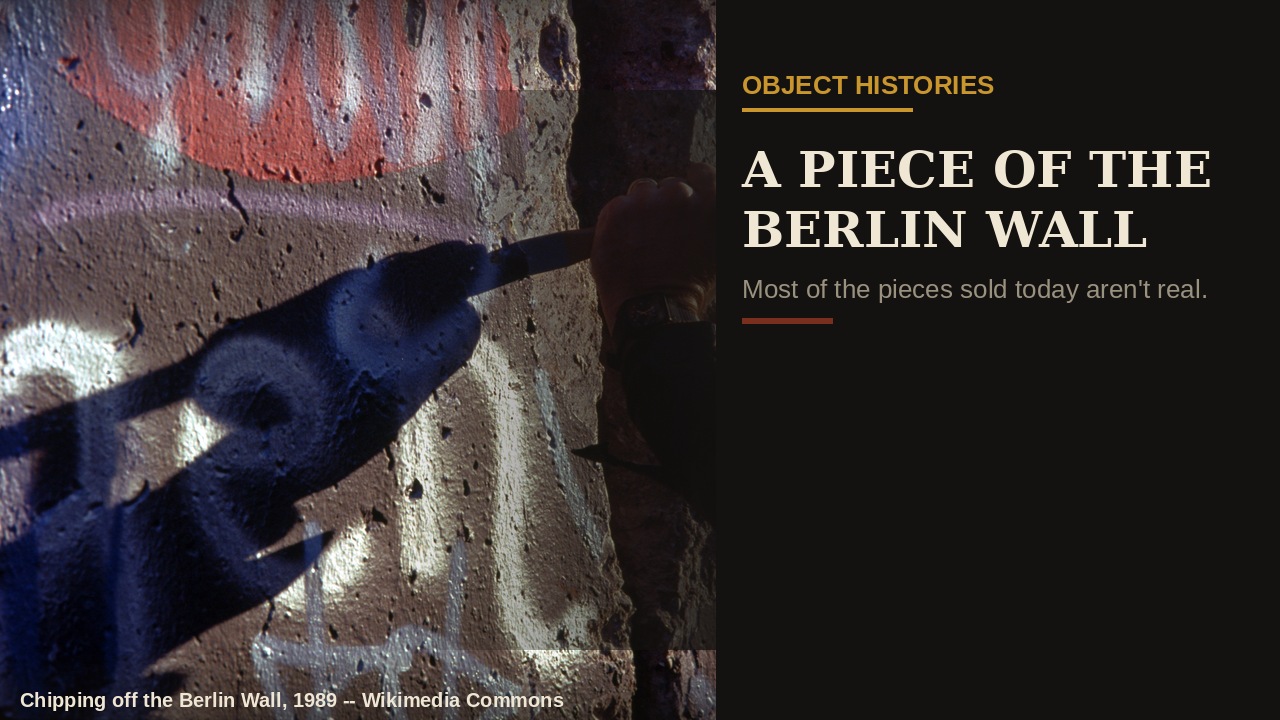
- How to Tell Real Berlin Wall Pieces From the Fakes — East Germany tore down its own wall, then sold chunks of it for hard currency through an export monopoly, a Monaco auction, and at least one lawsuit over stolen graffiti.
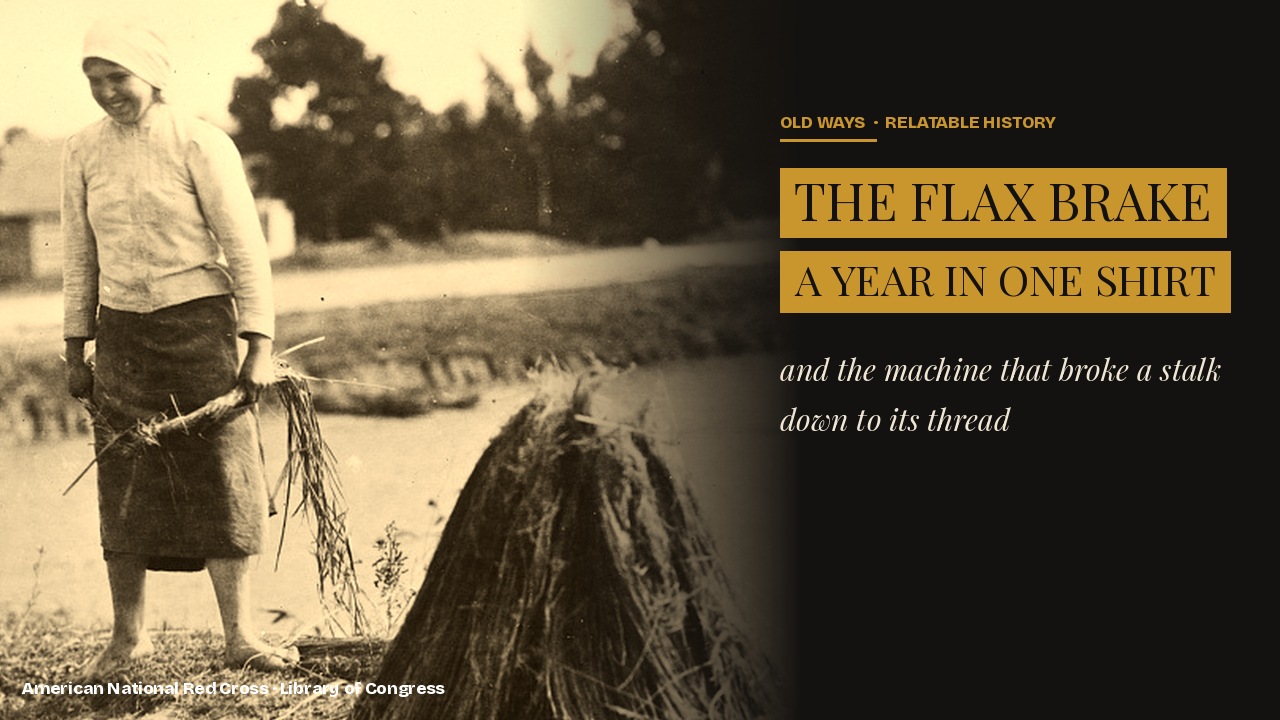
- Why Flax Never Became an American Industry — Cotton got the gin. Wool got the jenny and the water frame. Flax got almost nothing, in America at least — while across the Atlantic, the same fiber built an entire industrial…
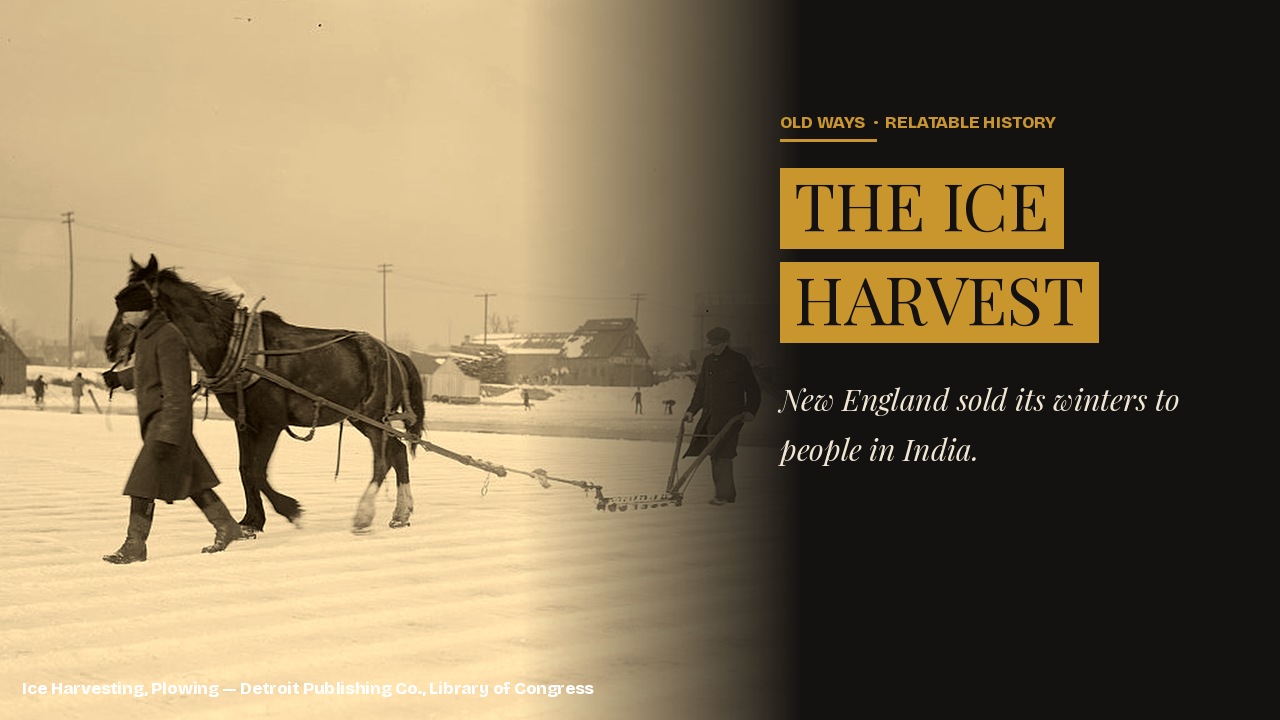
- Inside the 19th-Century Ice Harvesting Industry’s Boom and Bust — Cutting and hauling pond ice once employed tens of thousands of workers every winter and built Maine river towns almost overnight, until a rival trade across the Atlantic and a…
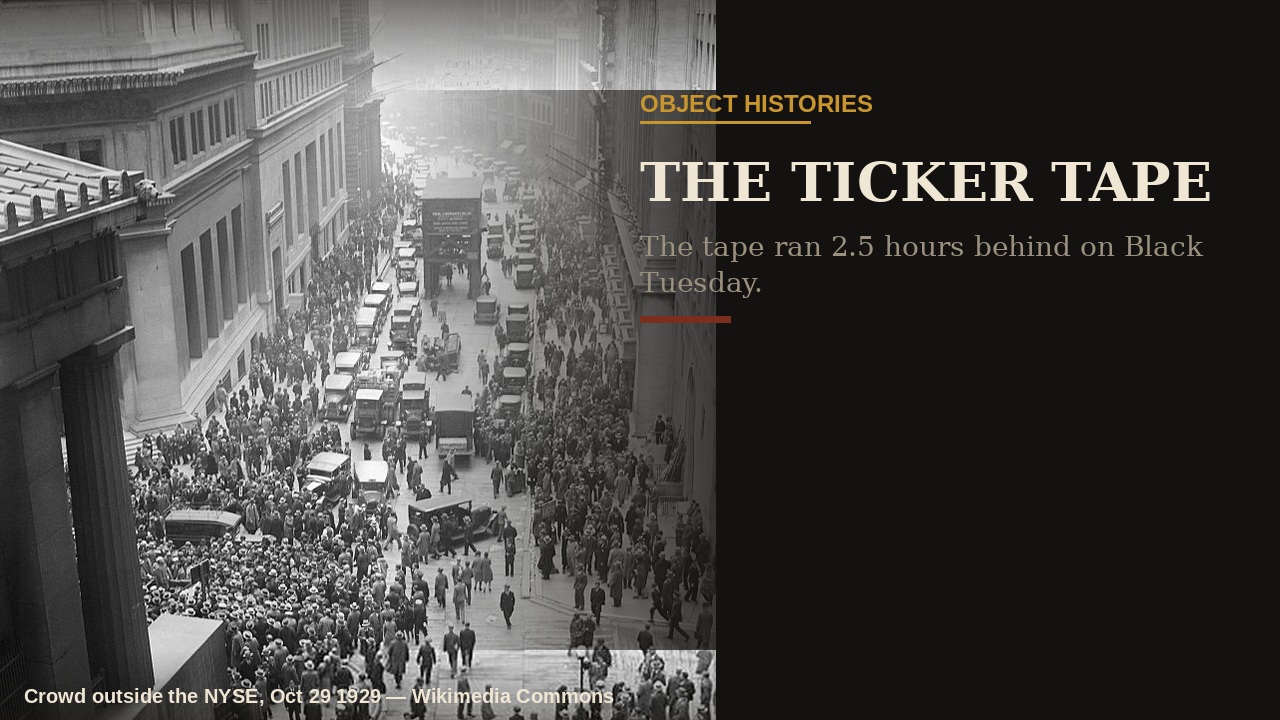
- The History of Ticker Tape Parades Starts With a Broken Wall Street Machine — Wall Street’s confetti used to be real paper, printed by the same machine that couldn’t keep up on its worst day. Here’s how one telegraph printer created both a crisis and a…
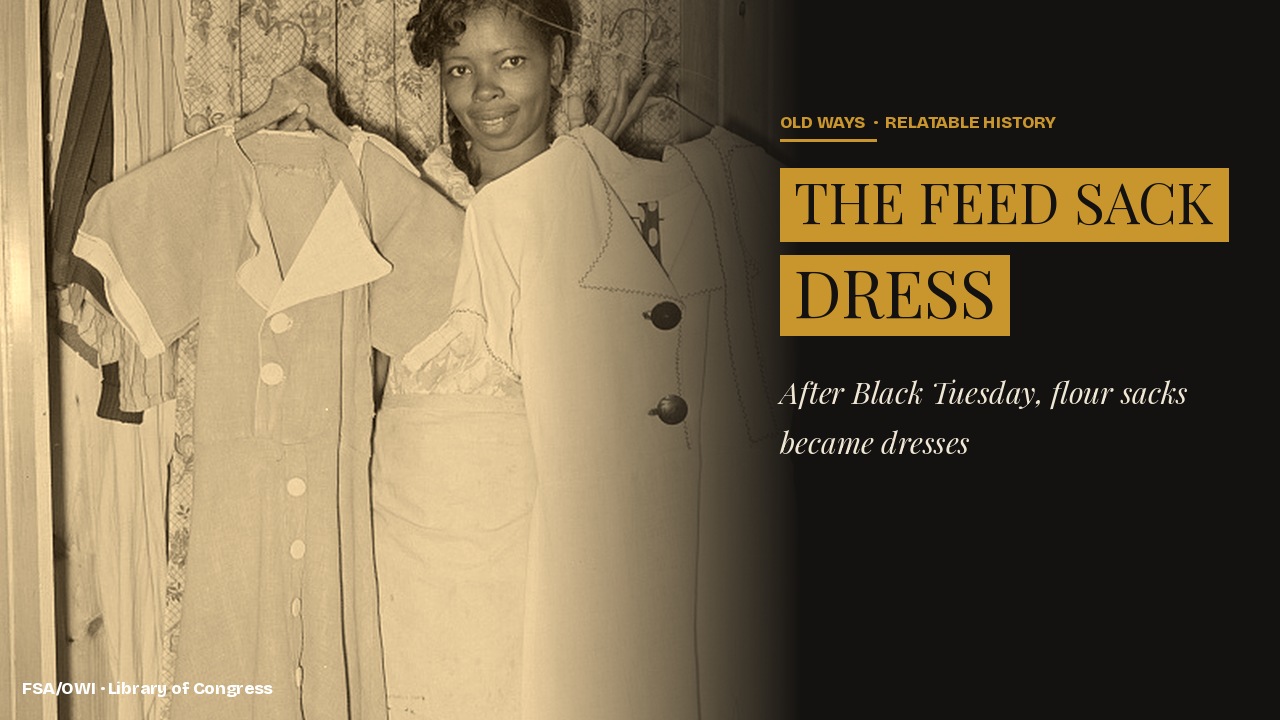
- The Cotton Bag Sewing Contest That Outlived the Great Depression — Long after the Depression that made feed-sack sewing a necessity, the bag industry invented a national sewing contest to keep farm women buying patterned sacks — and some of…
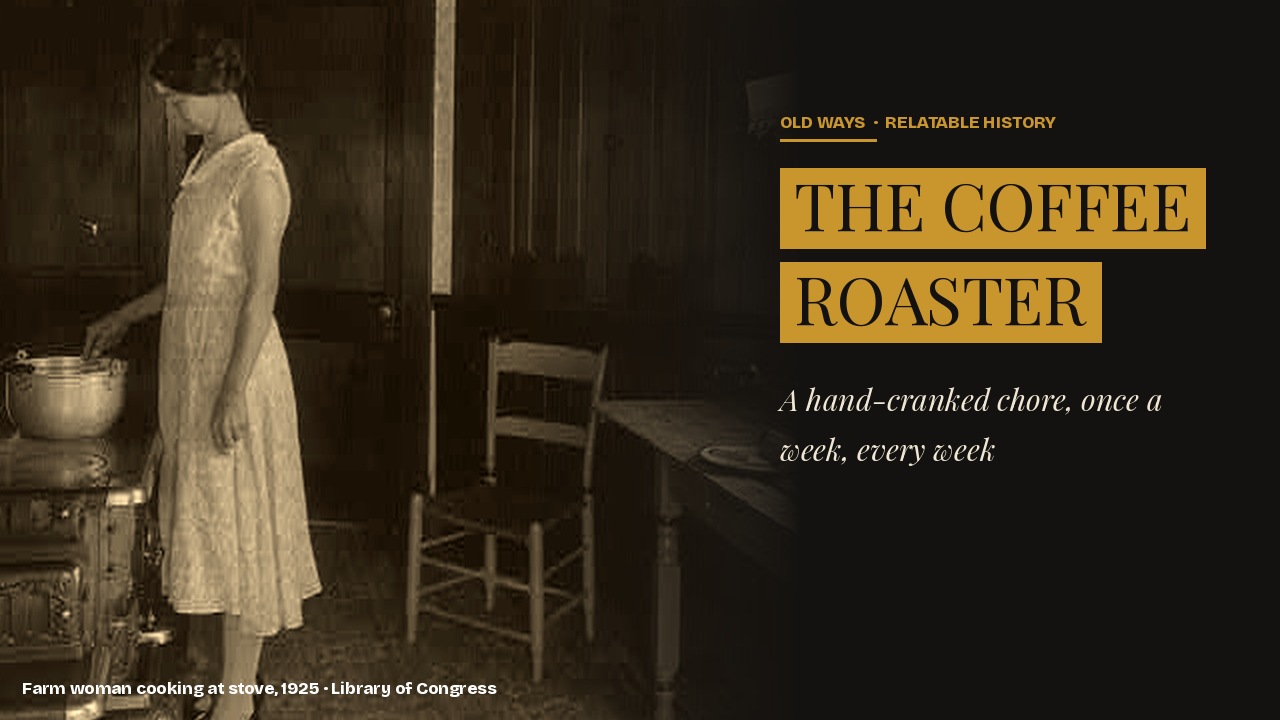
- How Arbuckle’s Ariosa Coffee Ended a Weekly Farm Kitchen Chore — A Pittsburgh grocer’s egg-and-sugar glaze patent, a Civil War coffee crisis, and a federal law’s fine print: the real story behind why most Americans stopped roasting their own…
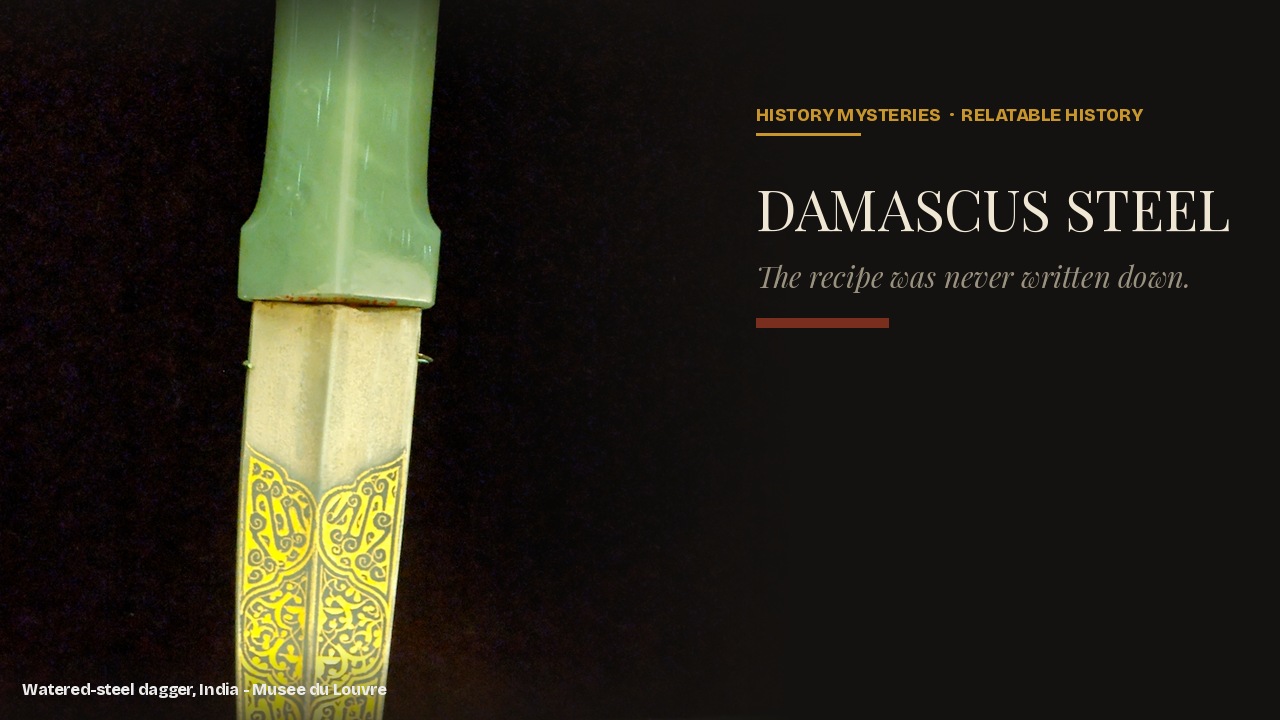
- Where Damascus Steel Was Made (It Wasn’t Damascus) — The real source of “Damascus” steel was a cluster of furnace villages in India, not a forge in Syria — and the trade that moved it west collapsed before anyone recorded exactly…
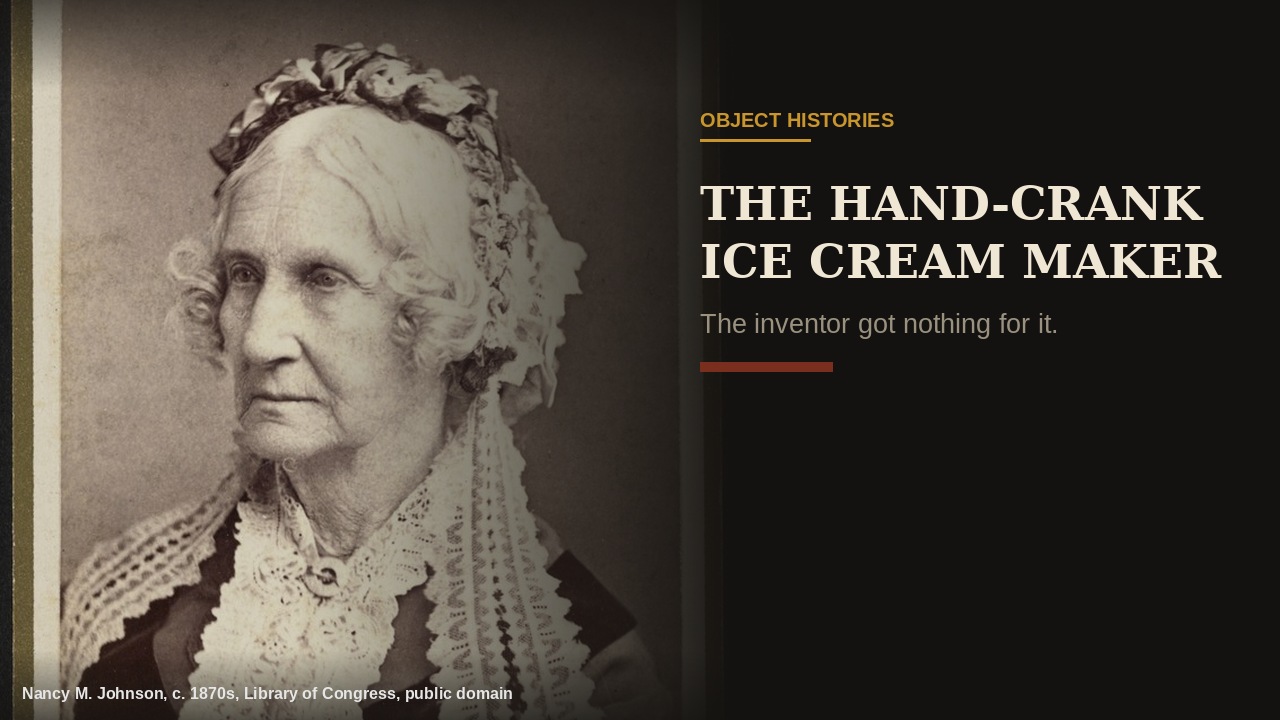
- Who Invented the Ice Cream Freezer? The 1843 Patent, and the Man Who Profited Without One — Two people shaped how America eats ice cream in the 1840s, and only one of them is widely remembered. Here’s the 1843 patent, the Baltimore rival who improved on it, and the…
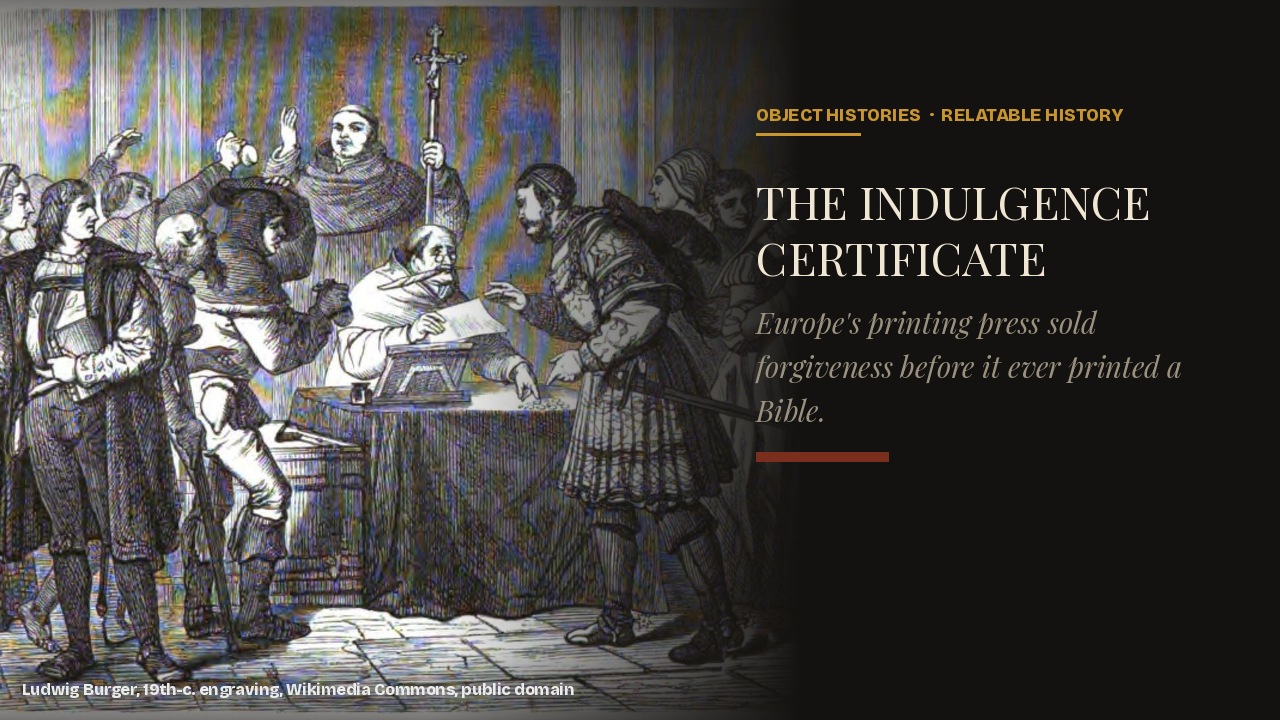
- How Indulgence Certificates Worked, and Why One Caused a Reformation — A printed form, an archbishop’s debt, and one monk’s objection: the full mechanics of the indulgence certificate, and why Rome eventually banned selling it.
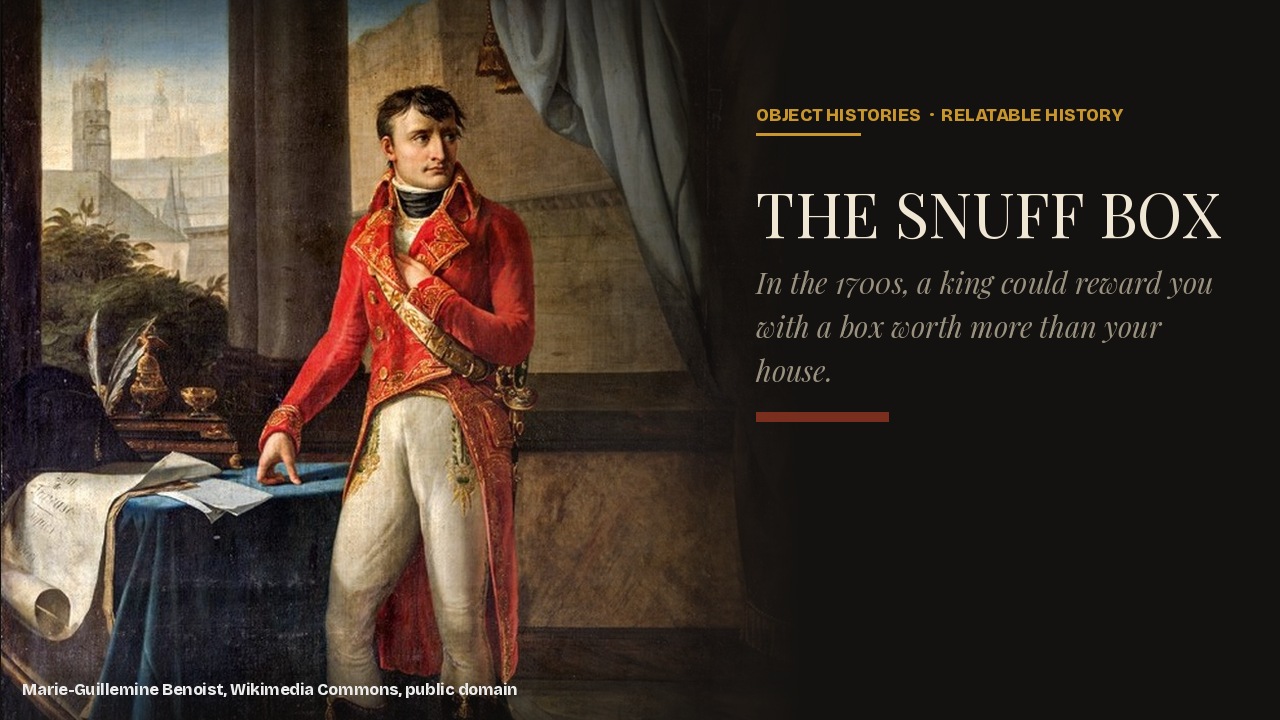
- How Snuff Boxes Became the Currency of 18th-Century Courts — A gold snuff box could stand in for a medal, a bribe, or a salary. Here is how an object the size of a deck of cards became one of the eighteenth century’s real instruments of…
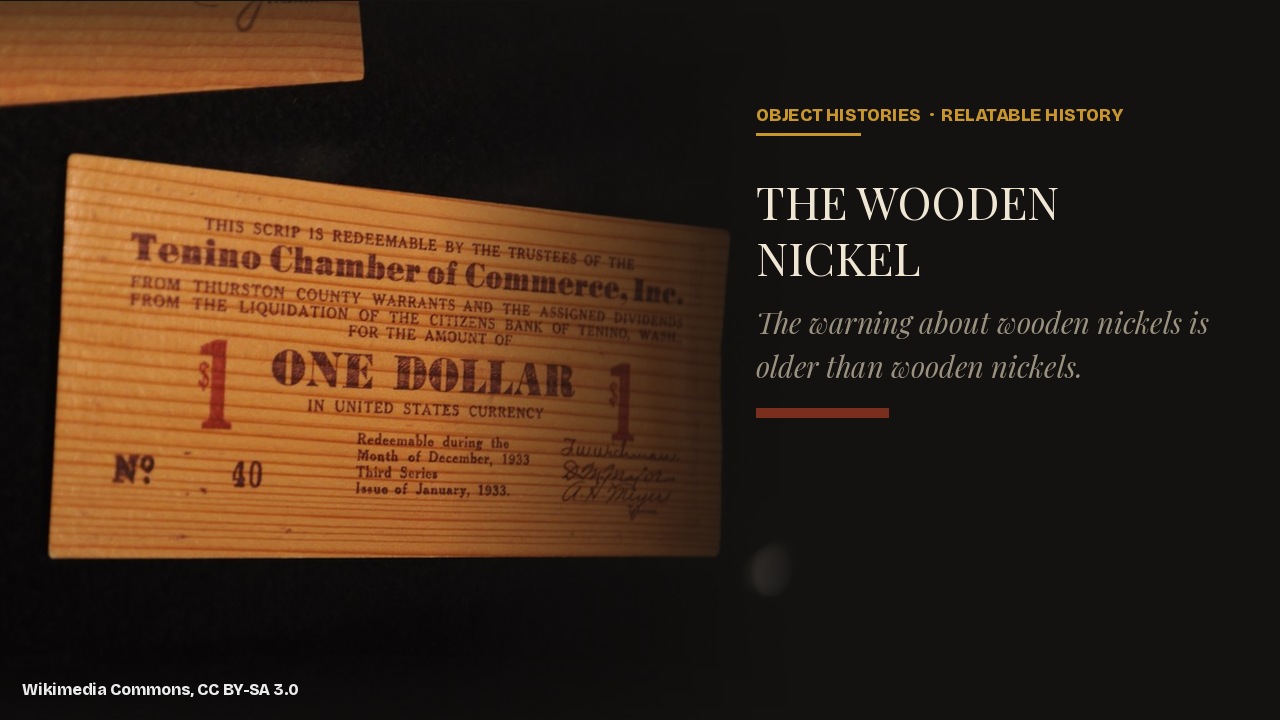
- Tenino’s Wooden Money: Inside the Depression’s Strangest Currency — In December 1931 the only bank in Tenino, Washington failed, so the Chamber of Commerce printed its own emergency currency on spruce veneer. People liked it so much they mailed…
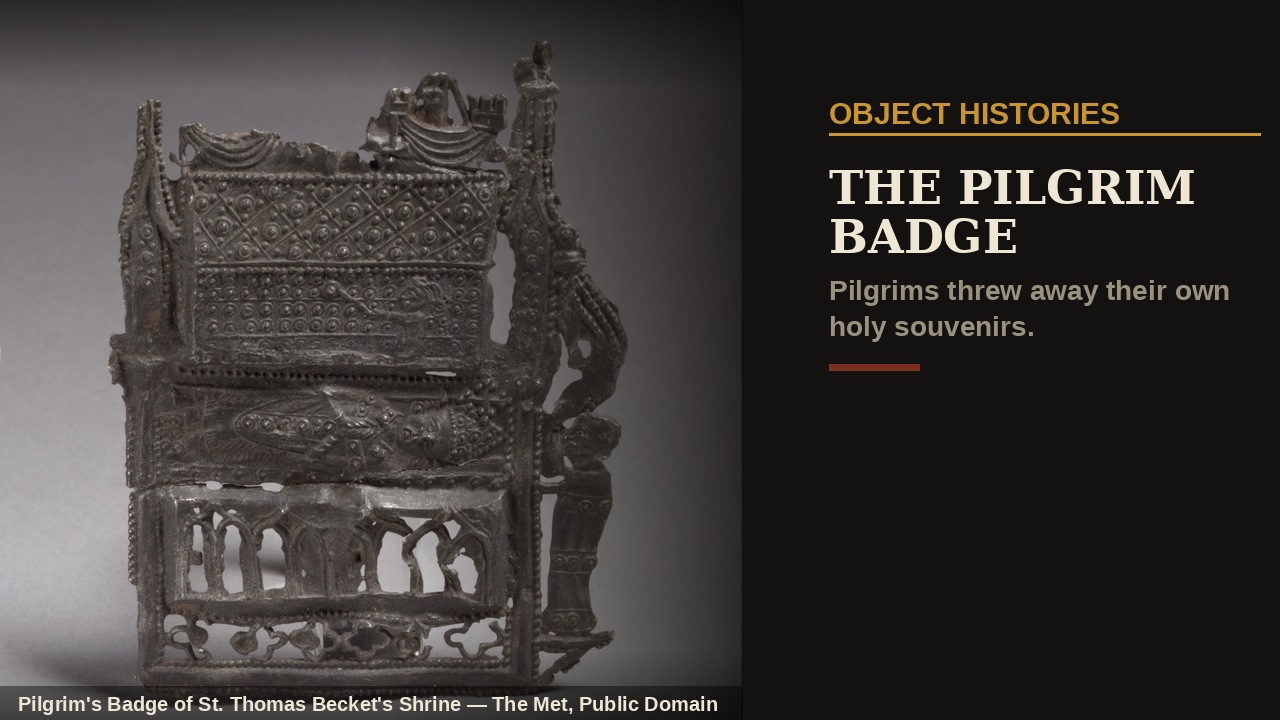
- Inside the Medieval Pilgrim Badge Industry — Shrines did not just welcome pilgrims. They ran casting workshops, licensed moulds, and sold souvenirs the way a gift shop sells postcards, for three hundred years.
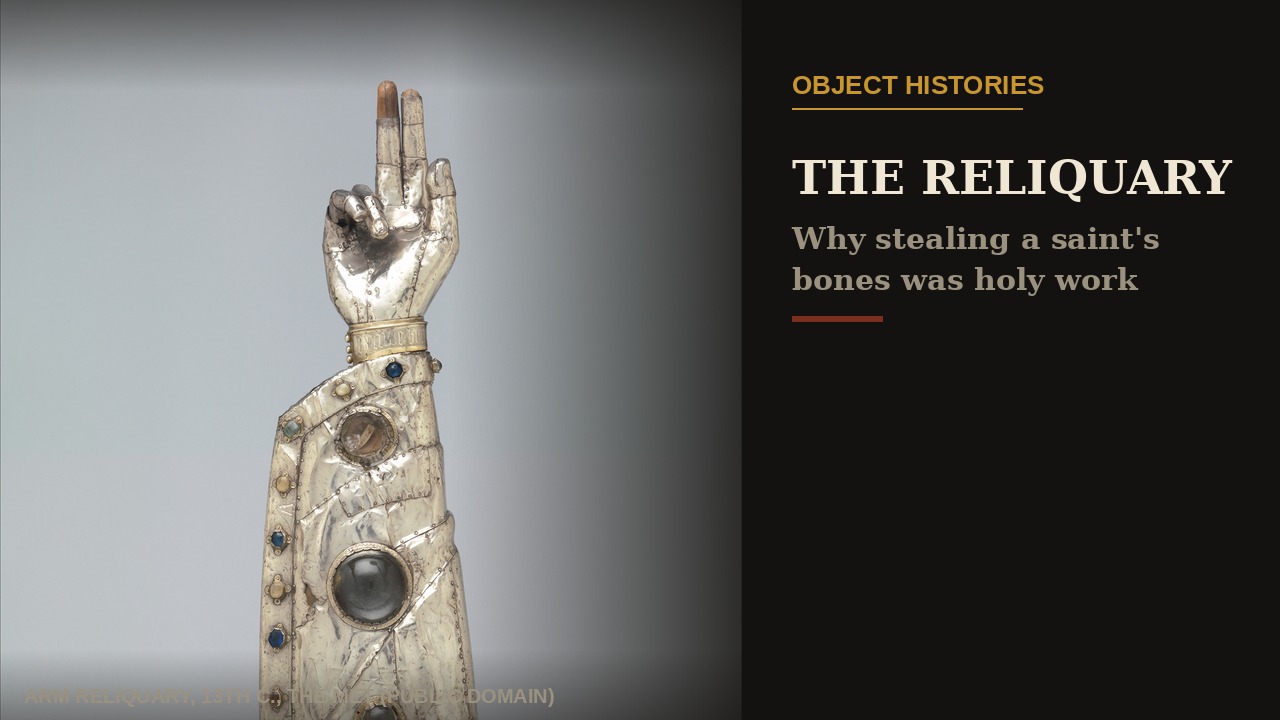
- Furta Sacra: The Strange History of Medieval Relic Theft — For medieval Christians, stealing a saint’s body wasn’t a crime — it was proof the saint wanted to be moved. Here is the theology, the law, and the economy that built around…
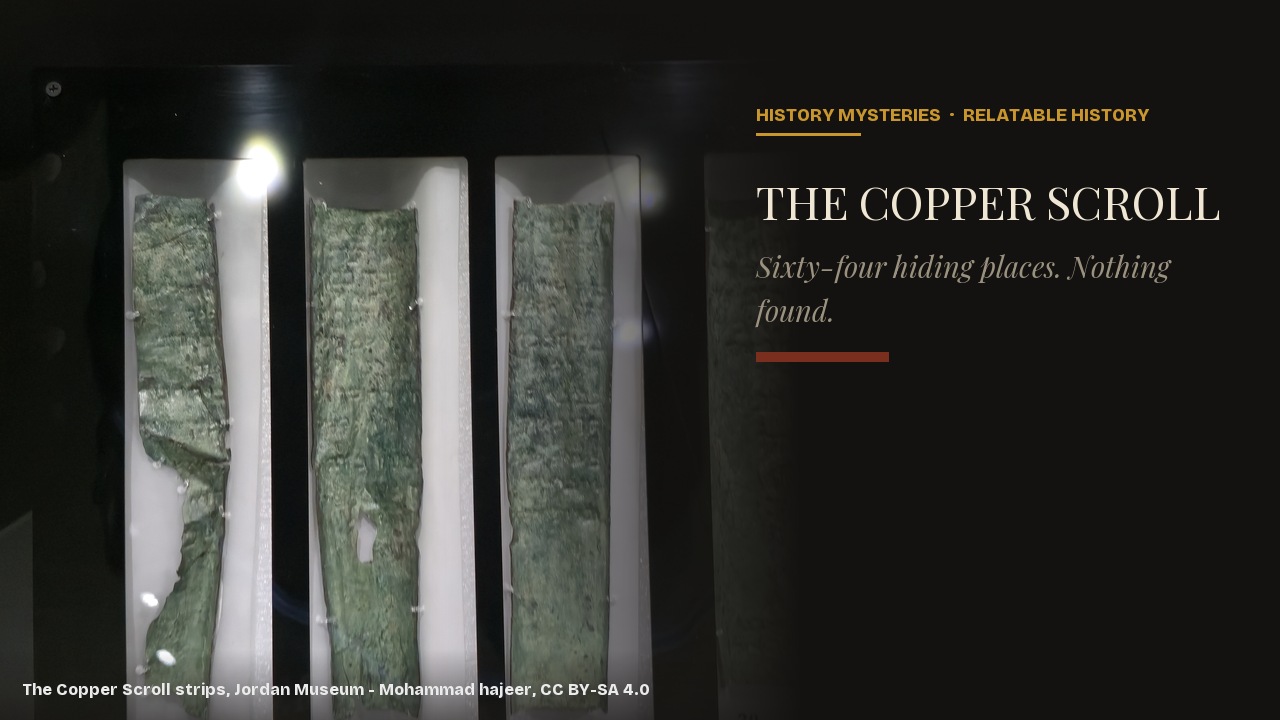
- The Copper Scroll Treasure Map: What Sixty-Four Lost Hoards Say — One of the Dead Sea Scrolls isn’t scripture at all. It’s an inventory of buried treasure, hammered into metal so it would outlast every reader who might have used it.
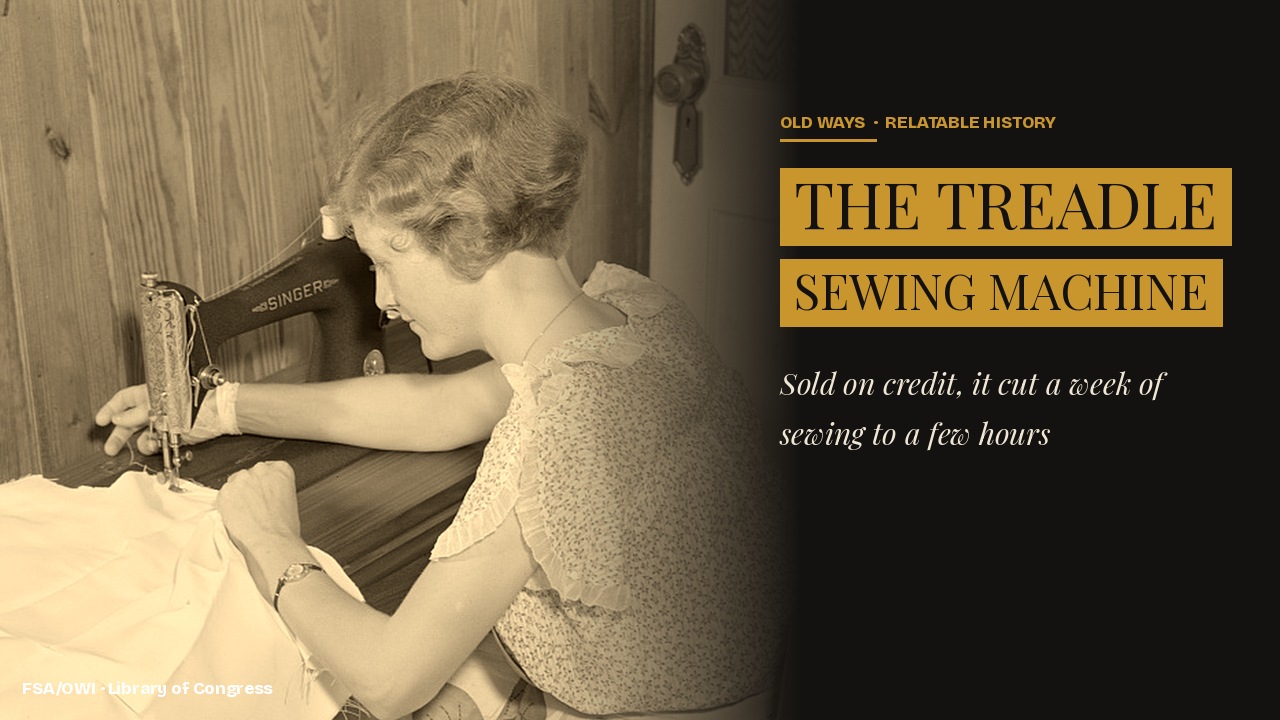
- How the Sewing Machine Installment Plan Put One in Every Farmhouse — A hand-sewn shirt took about fourteen hours; the same shirt on a machine took about one. Almost nobody could pay for the machine outright, though — so a lawyer named Edward…
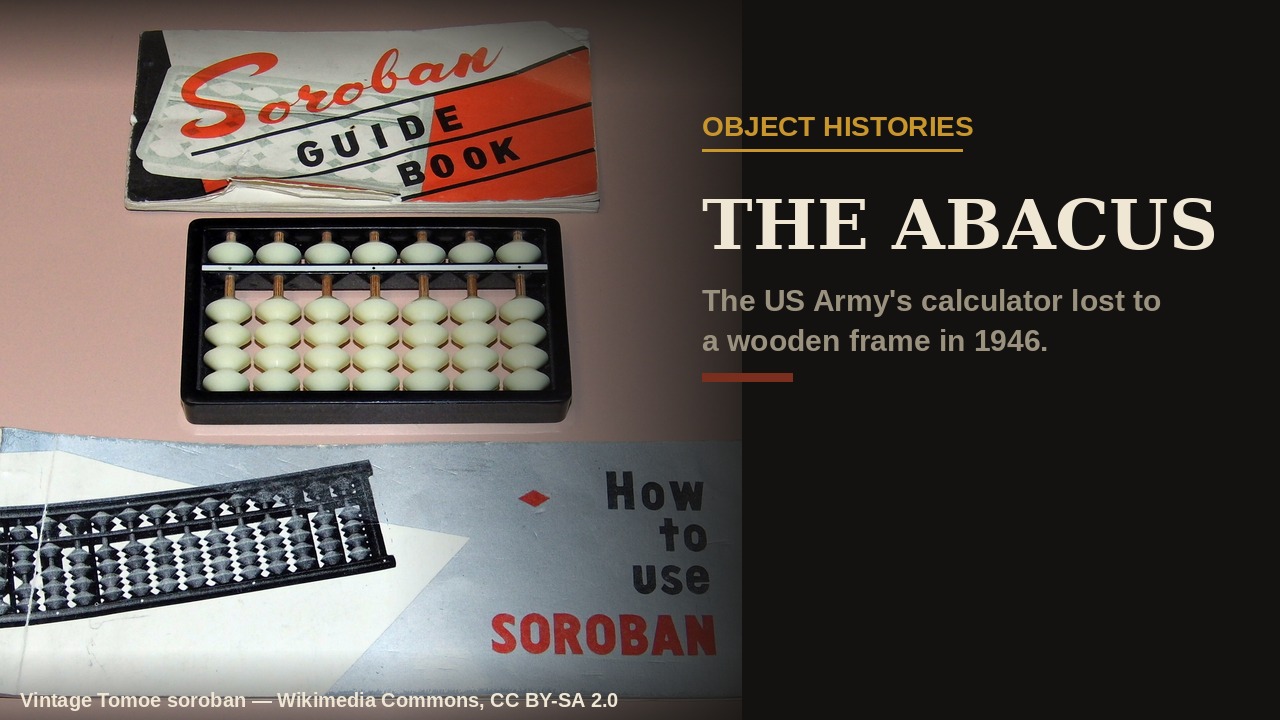
- How an Abacus Actually Works, Bead by Bead — An abacus runs on a simple trick with beads and complements — simple enough that a trained operator beat a U.S. Army calculator in 1946, and sturdy enough that a version built…
- The Plain of Jars: Older Than the Burials Inside Them — More than 2,100 stone jars, some weighing many tons, sit scattered across a plateau in northern Laos. Peer-reviewed dating in 2021 placed the jars themselves in the late Bronze…
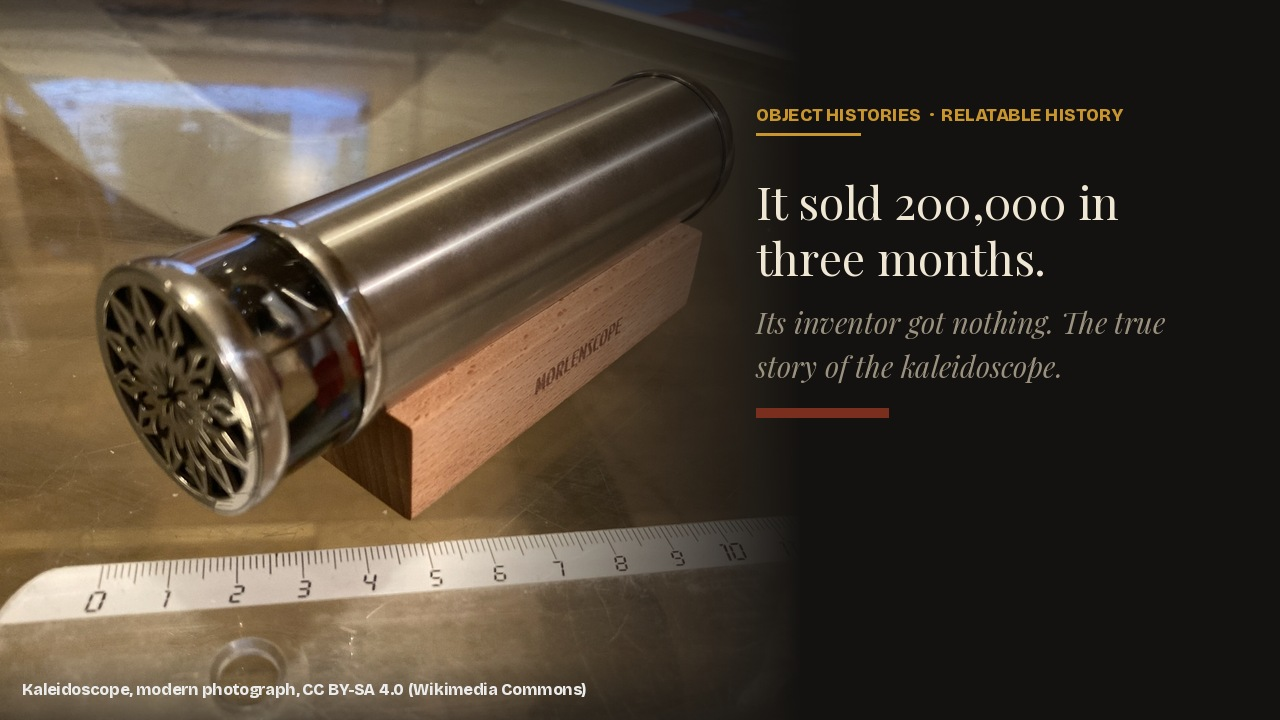
- The Kaleidoscope Patent That Failed Its Own Inventor — In February 1815, Scottish physicist David Brewster looked through a triangular trough of glass at some loose bits of cement and saw a perfect symmetrical pattern. Two years…
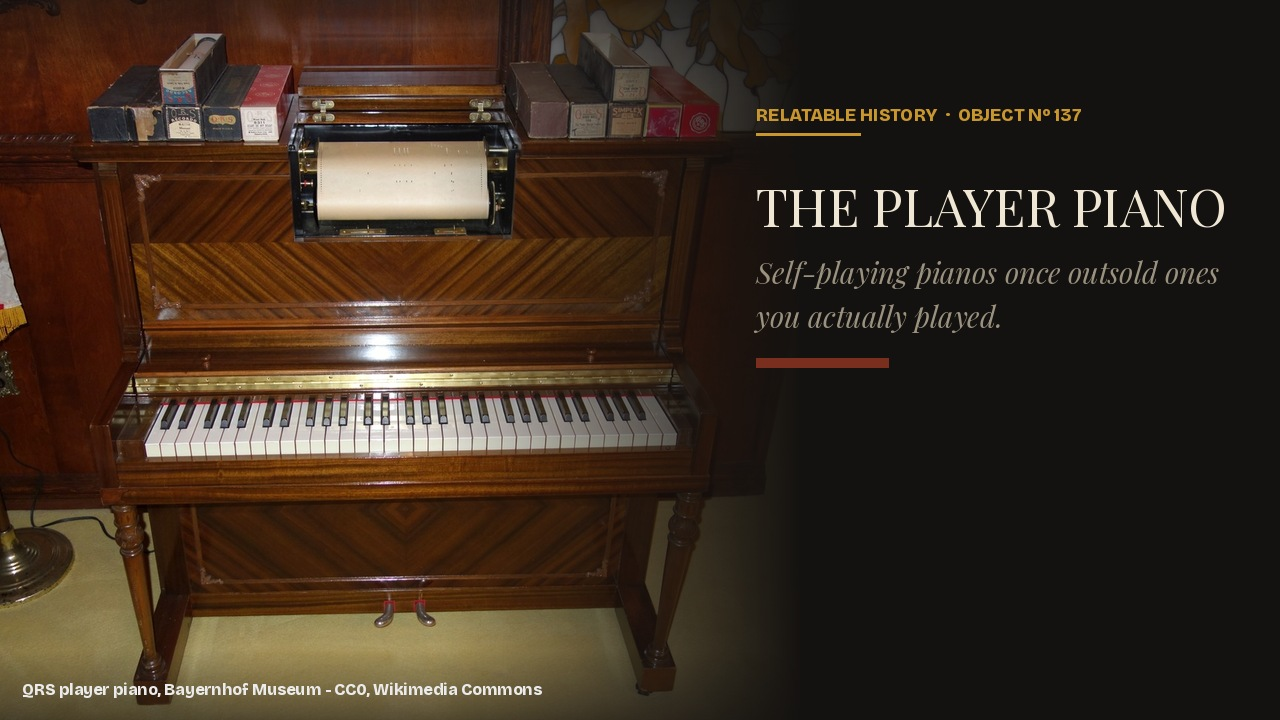
- Why Player Pianos Outsold Real Pianos in 1924 — In 1924, more player pianos were sold in America than pianos people actually sat down and learned to play. This is the real history: the Detroit inventor who built the first…
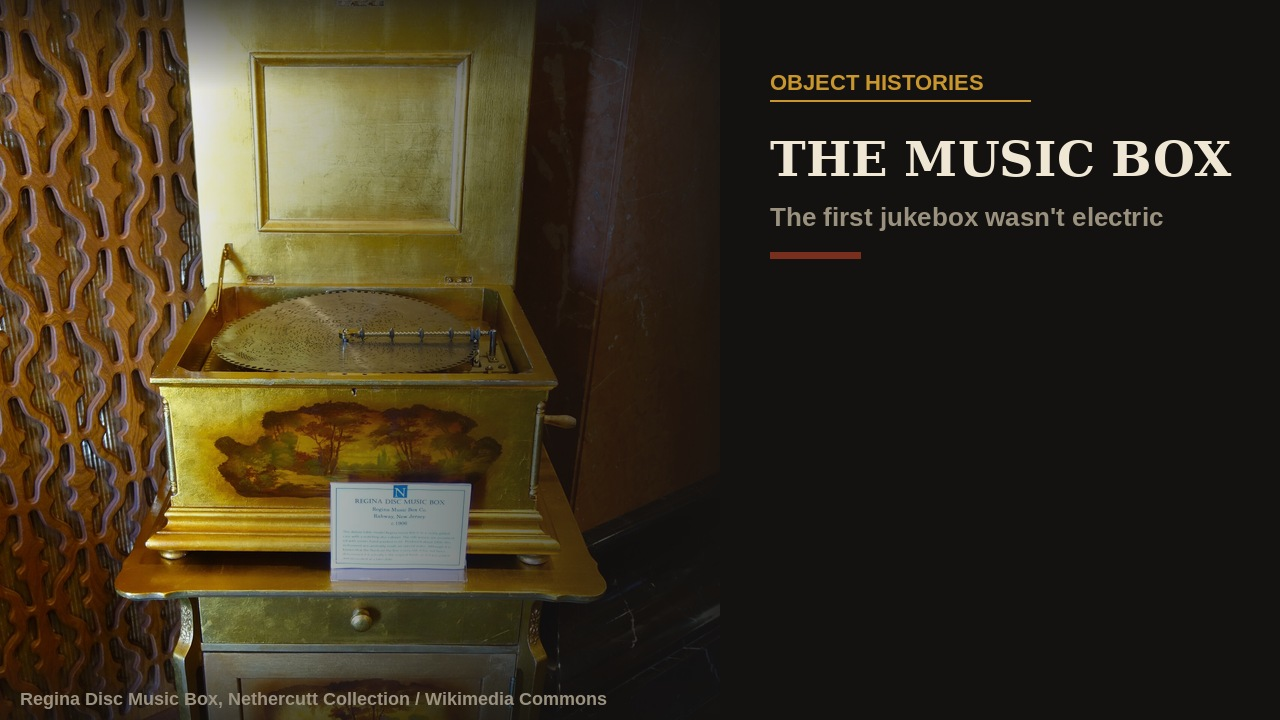
- Why Music Boxes Disappeared: Rise and Fall of an Industry — By 1896, the Regina Music Box Company was America’s recognized market leader, selling self-playing steel discs to saloons and parlors from a 300-worker New Jersey factory. By…
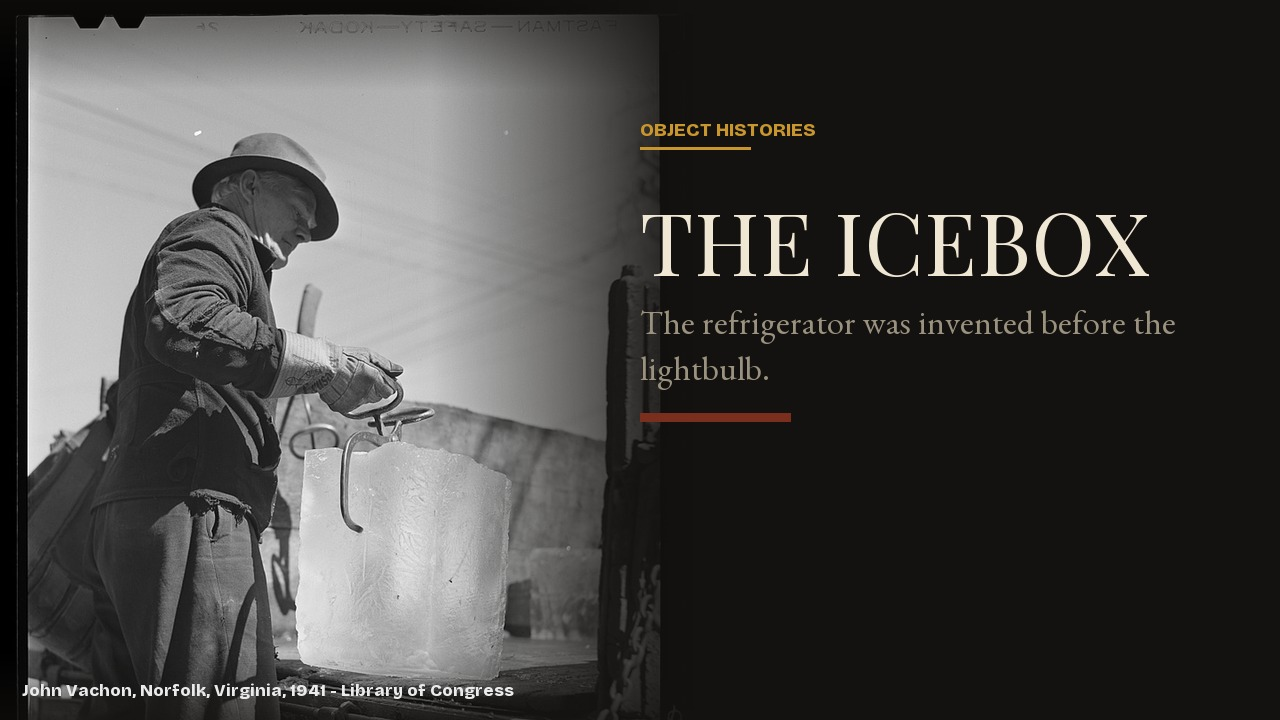
- How Iceboxes Worked Before the Electric Refrigerator — Before electricity, keeping food cold meant a block of ice, a drip pan, and a Boston trader bold enough to ship frozen ponds to the tropics. Here’s how iceboxes worked, and how…
- Why No One Has Ever Deciphered the Indus Valley Script — Four thousand inscribed objects, a century and a half of excavation, and still not one sentence anyone can read — this is the real state of the evidence behind the Indus script.
- What Really Made the Crew Abandon the Mary Celeste — She was fully provisioned, under partial sail, and completely empty. A century and a half later, two chemistry labs think they’ve worked out why the crew left.
- The Egg Money History of the Farmhouse Henhouse — For a farm wife a century ago, the henhouse out back wasn’t incidental. It was one of the only incomes she controlled herself, built on sun angles, careful records, and eggs…
- The Maple Sugar Abolition Movement That Almost Worked — A Philadelphia doctor, a Founding Father, and a network of Quakers all believed maple trees could end American demand for sugar grown by enslaved labor. For about a decade, it…
- How Wooden Tally Sticks Ran England’s Treasury for 600 Years — A tally was a notched stick split in half so the two pieces could never be faked. For six centuries it was England’s receipt, its currency, and eventually its downfall.
- The 24 Years Wampum Was Legal Tender in Massachusetts — For 24 years you could pay your taxes in shell beads. The law that made it possible, the drills that broke it, and the belts that were never really about money at all.
- Cowrie Shell Money: How a Sea Snail Financed Four Continents — A shell you could pick up off a beach was money on four continents for roughly four thousand years, until one Hamburg trading firm undid it in a single generation.
- What Caused the Bronze Age Collapse? — Within about fifty years around 1200 BC, most of the interlocked kingdoms of the eastern Mediterranean stopped existing. After a century of digging, historians still cannot…
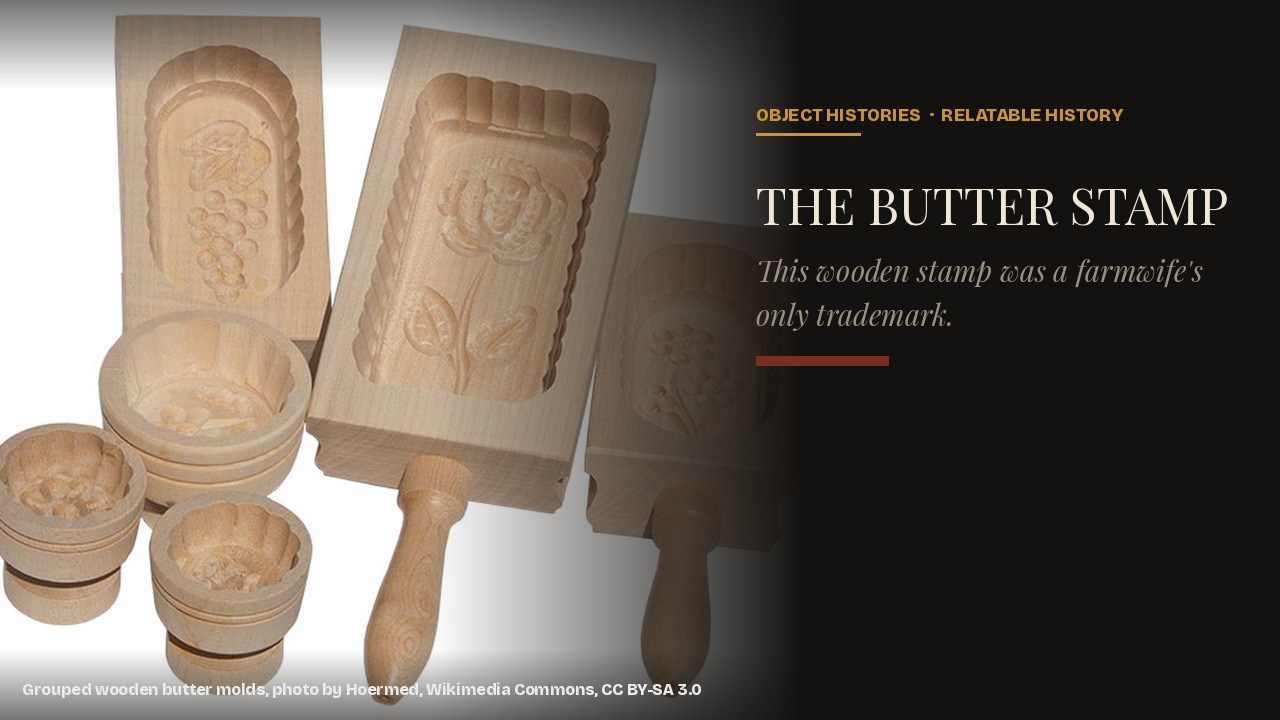
- Butter and Egg Money: How Farm Wives Financed the Household — Long before women could easily hold a bank account in their own name, a great many of them held a butter crock. Here is how butter and egg money worked, and what the dairy…
- The Farm Soap That Almost Never Hardened Into a Bar — Most homemade soap never hardened into a bar at all — it stayed a soft jelly in a crock. Here is the ash-hopper chemistry, the colonial trade, and the industries that twice…
- The Mystery of the Beale Ciphers, Explained — One sheet of numbers unlocked with the Declaration of Independence. The other two, describing a fortune buried in the Virginia hills, have resisted every attempt since 1885.
- How Icehouses Worked Before Refrigeration: The Physics, the Industry, and the People Who Cut the Ice — A farm icehouse and a Boston export firm ran on the same principle: pack ice tight, insulate it completely, and let physics do the rest. Here is the mechanism, the industry it…