Writing, printing, post, signalling and record-keeping: how information was stored and how it moved.
48 articles so far, newest first. Browse the full archive.
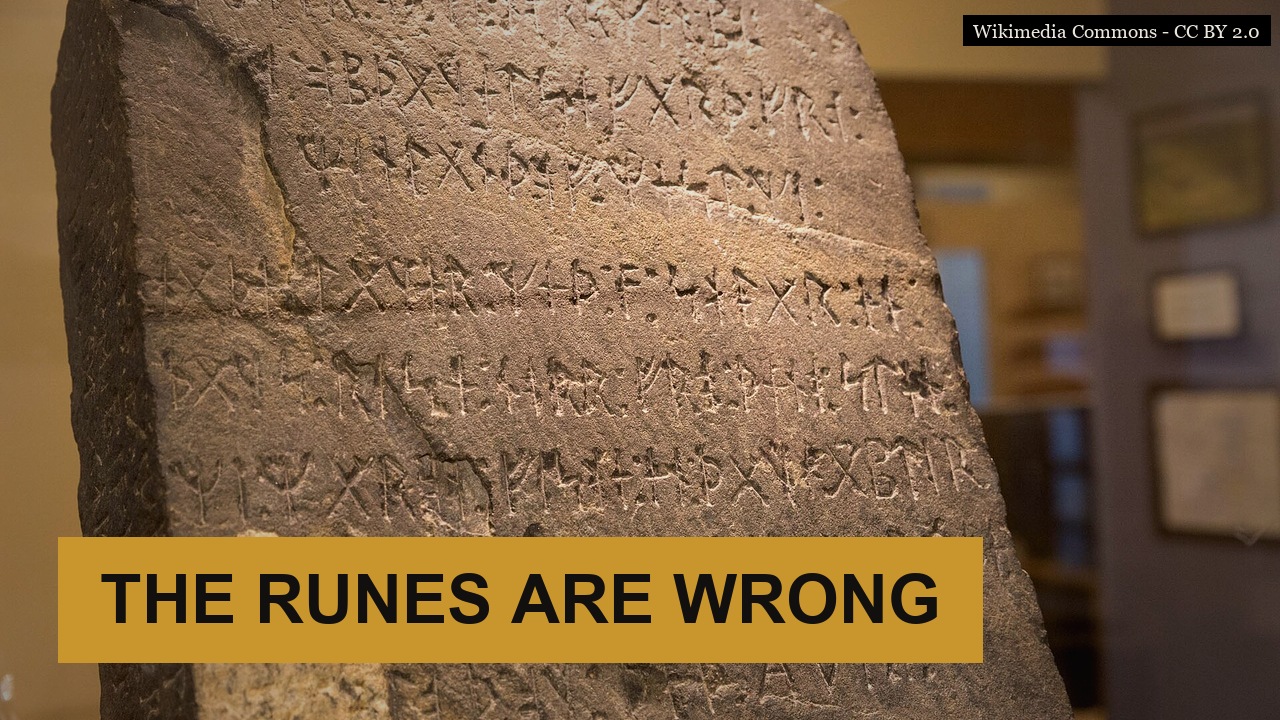
- The Kensington Runestone Hoax: What the Evidence Actually Shows — A 202-pound stone, a unanimous verdict from Scandinavia’s top runologists in 1899, and a confession problem that still has no name attached to it, more than a century later.
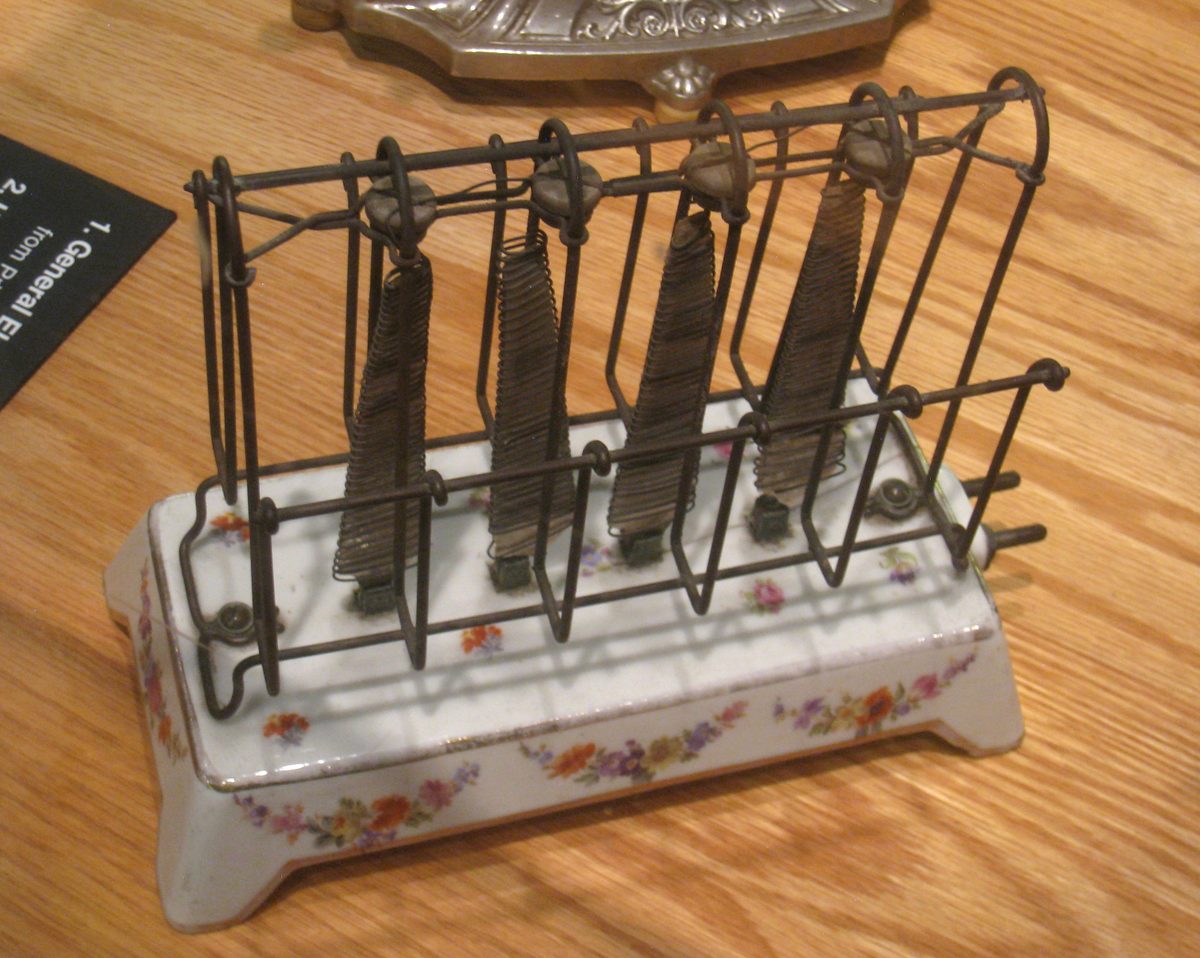
- Who Invented the Electric Toaster, Really? — The electric toaster had a real, documented fire problem for thirty years, and it took four actual engineers working in stages to fix it. The man most people would now credit…
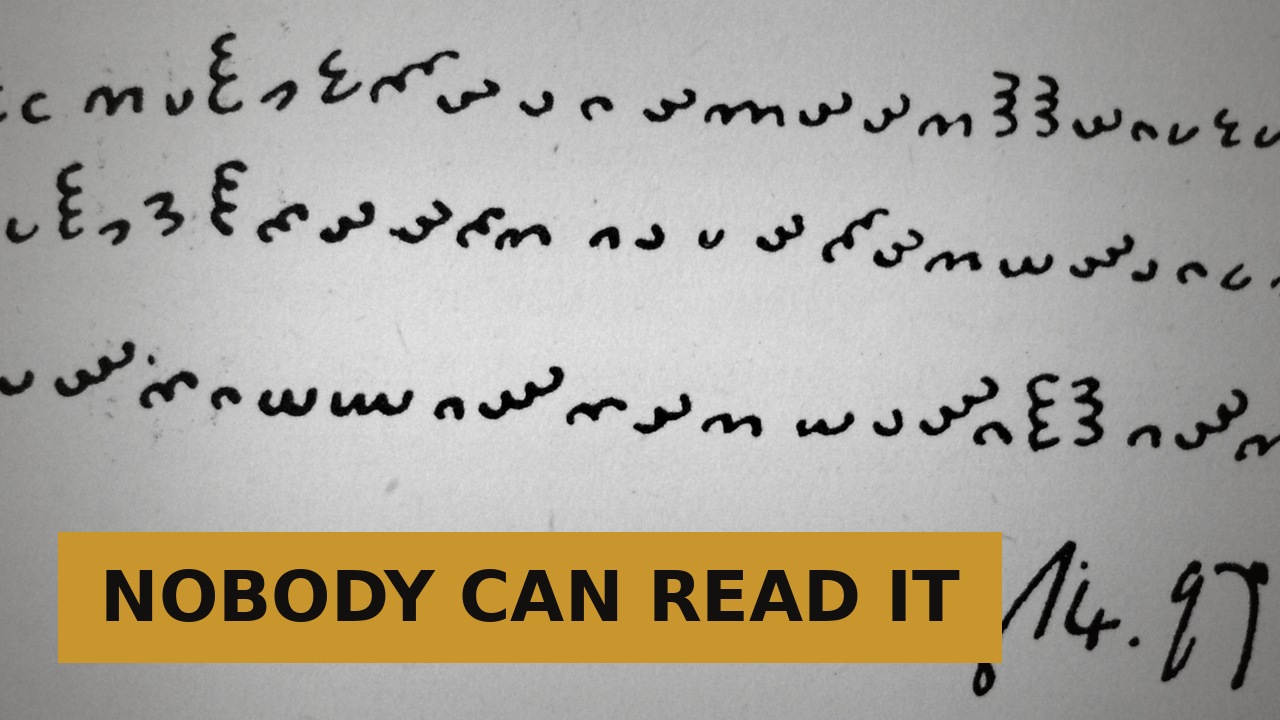
- Why the Dorabella Cipher Remains Unsolved — Eighty-seven symbols, three lines, one composer’s idea of a private joke. More than a century and a cash prize later, nobody has read a word of it.
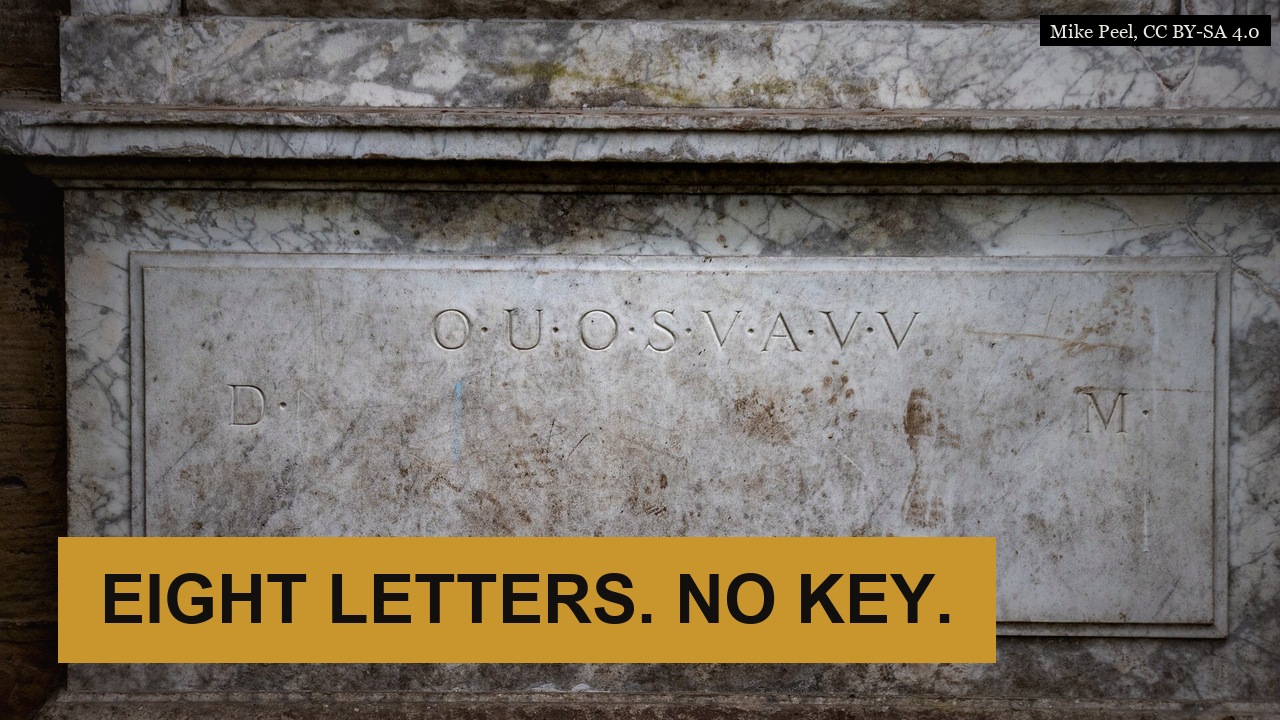
- Shugborough Inscription Theories: What Each Explanation Actually Claims — Wartime codebreakers, a classics journal and a graffiti theory have all taken a run at the Shugborough inscription. None of them agree, and the gap in the written record…
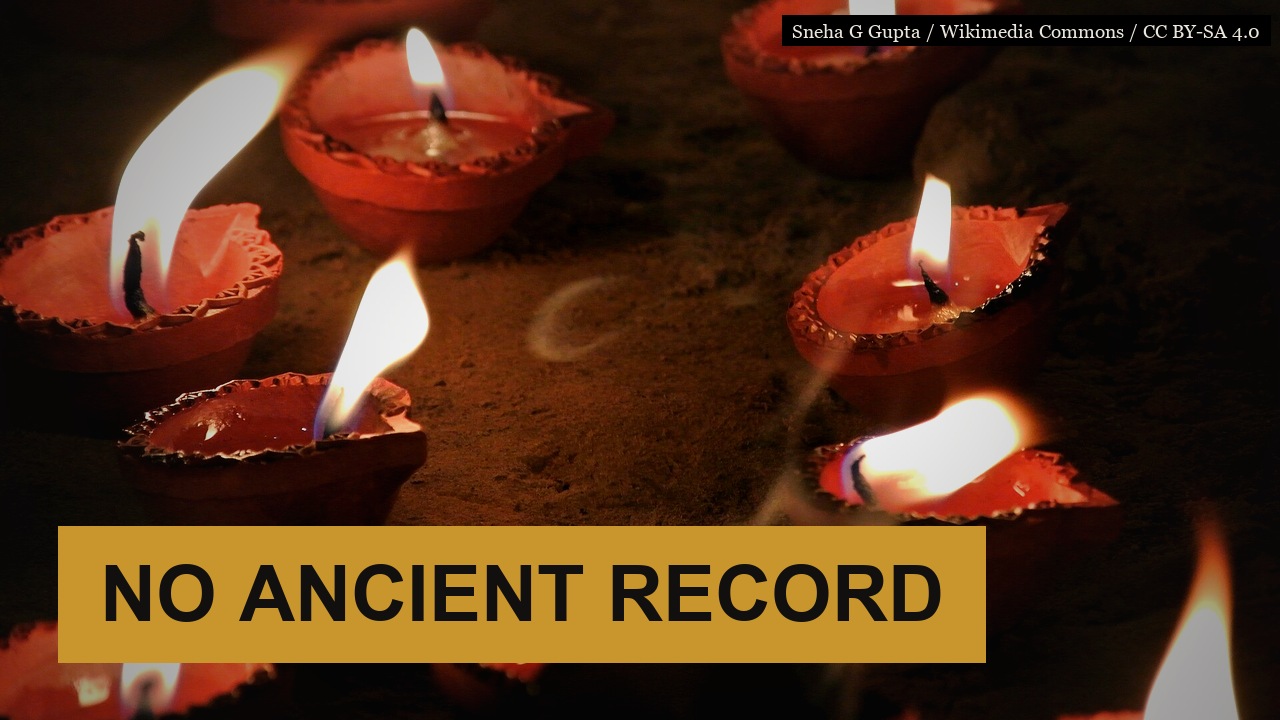
- How Old Is Diwali, Really? What the Written Record Actually Shows — Diwali is usually called five thousand years old. The sources that can actually be checked — Sanskrit texts, dated inscriptions, a Persian scholar’s travel notes — tell a…
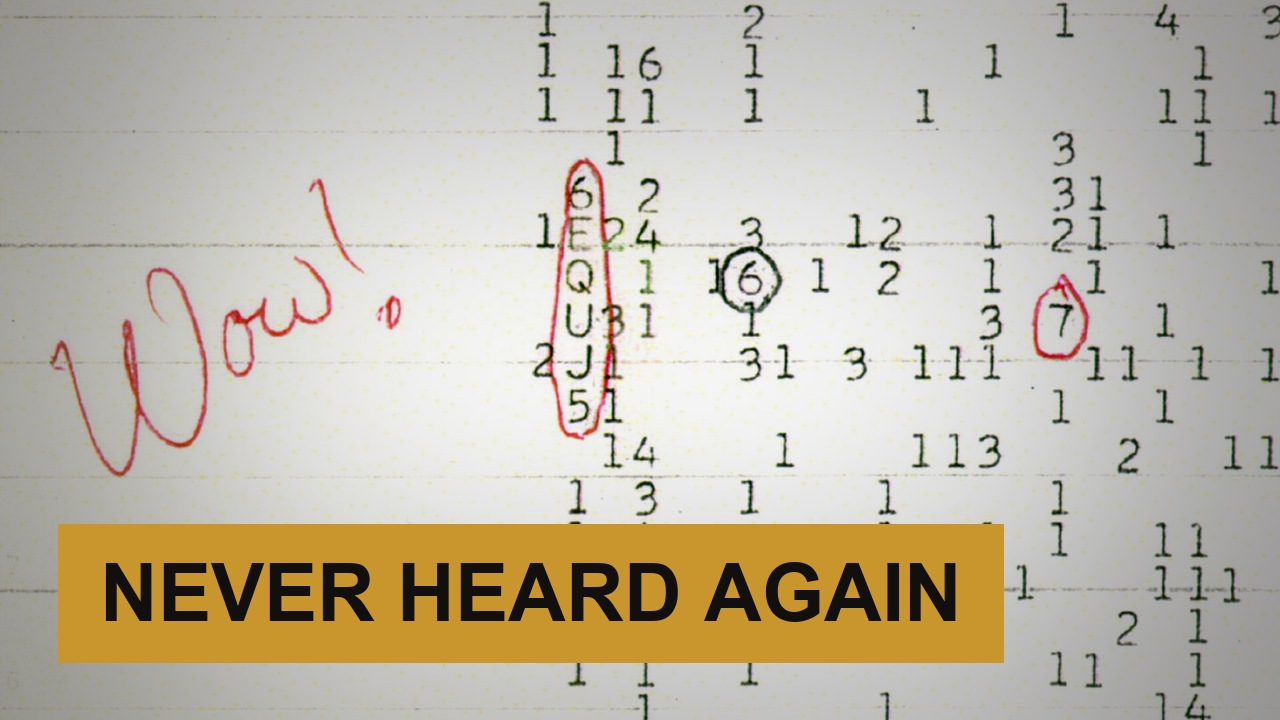
- What Was the Wow! Signal? Inside Astronomy’s Most Famous Unsolved Case — For 72 seconds in 1977, a telescope in Ohio recorded something it has never recorded again. Here is what nearly fifty years of searching for it has turned up, and the single…
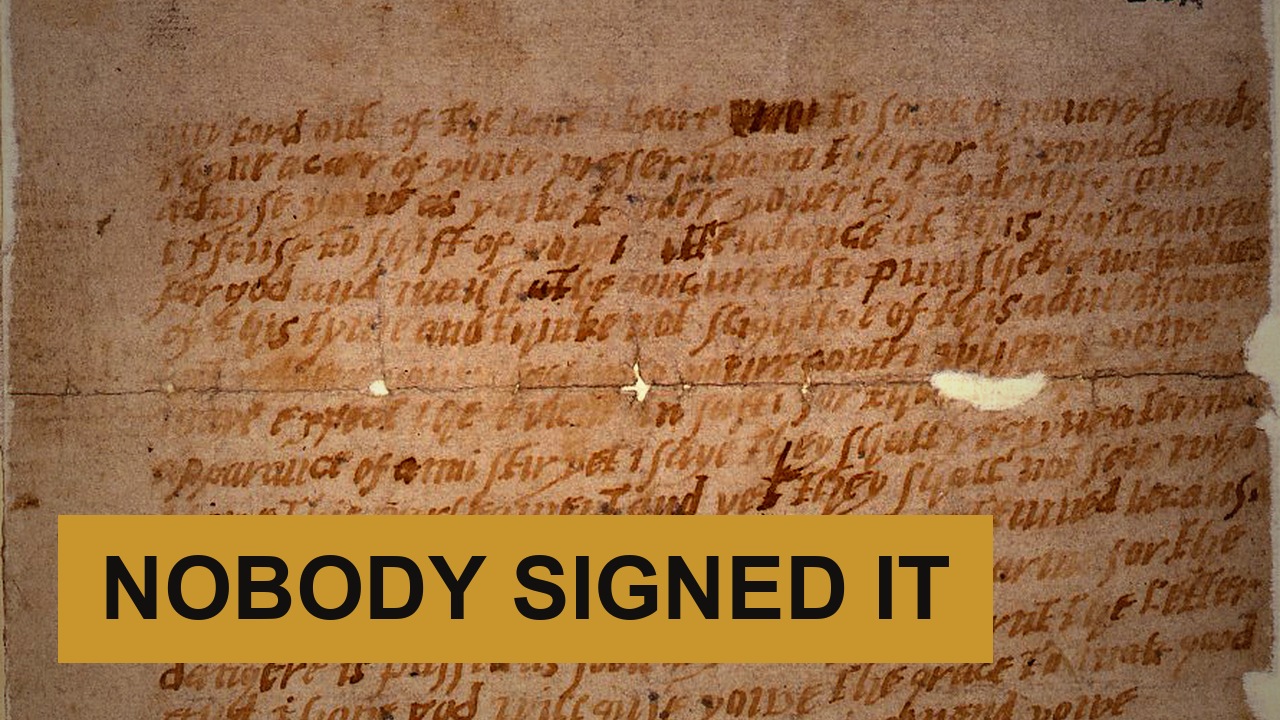
- Who Wrote the Monteagle Letter? Six Suspects, No Confession — Six people have been formally accused of writing the letter that caught Guy Fawkes, including two servants named by actual forensic handwriting investigations decades apart.…
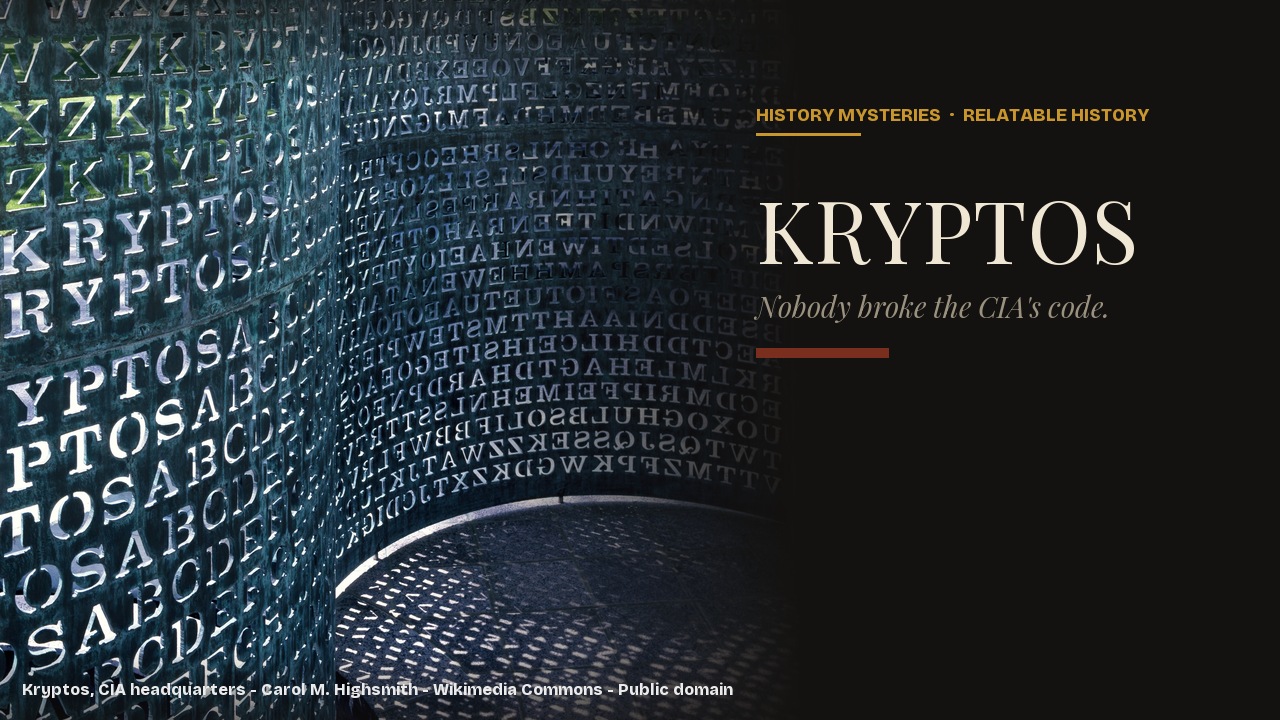
- Why Kryptos K4 Is Still Unsolved, Even After a $962,500 Sale — In November 2025, the only complete solution to the CIA’s most famous unsolved cipher sold at auction for $962,500. The buyer still has not told anyone what it says.
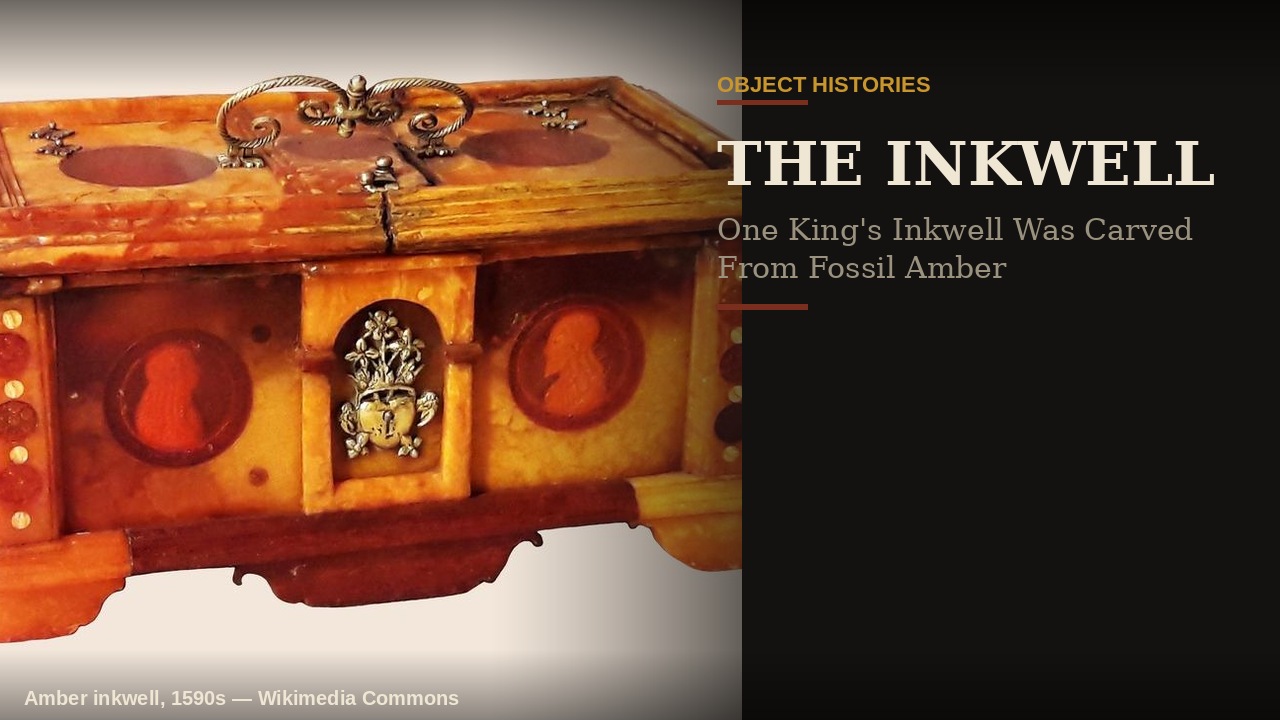
- How an Inkwell Actually Worked, From Ancient Egypt to the Classroom — An inkwell wasn’t just a vessel. It was a daily argument with evaporation, frost, and a chemical reaction that quietly destroyed the page it was written on.
- The Real History of the Fountain Pen Is Older Than You Think — Centuries before a reliable fountain pen reached ordinary writers, a Fatimid caliph, a Romanian patent-holder and a string of leaking failures all tried to build one first.
- The Print Trail That Turned a Pumpkin Into a Jack-o’-Lantern — Irving never describes a carved face. Hawthorne used the word twice, fifteen years apart, before a newspaper ever printed one. Here is the paper trail the popular version skips.
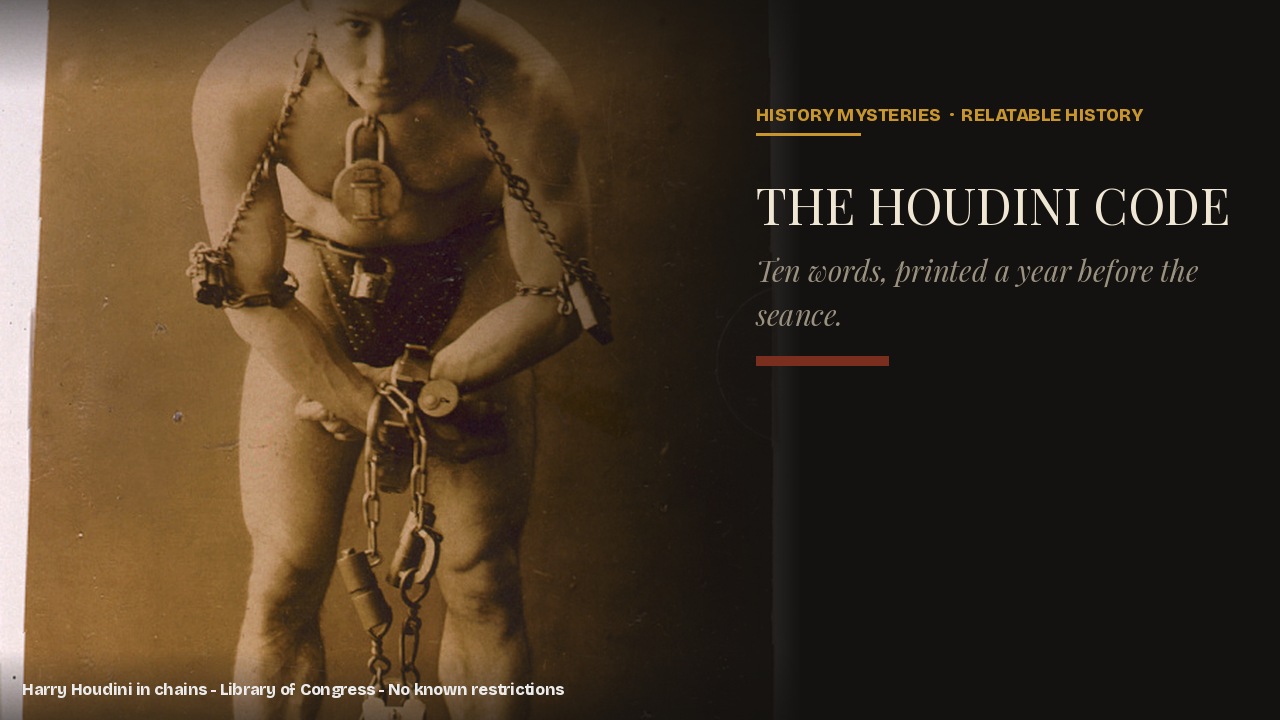
- How Houdini’s Code Worked, and Why It Could Never Prove Anything — The Houdinis turned an old vaudeville trick into the ultimate afterlife test: a code broadcast in sixty seconds flat. It also carried a flaw built into every code act that ever…
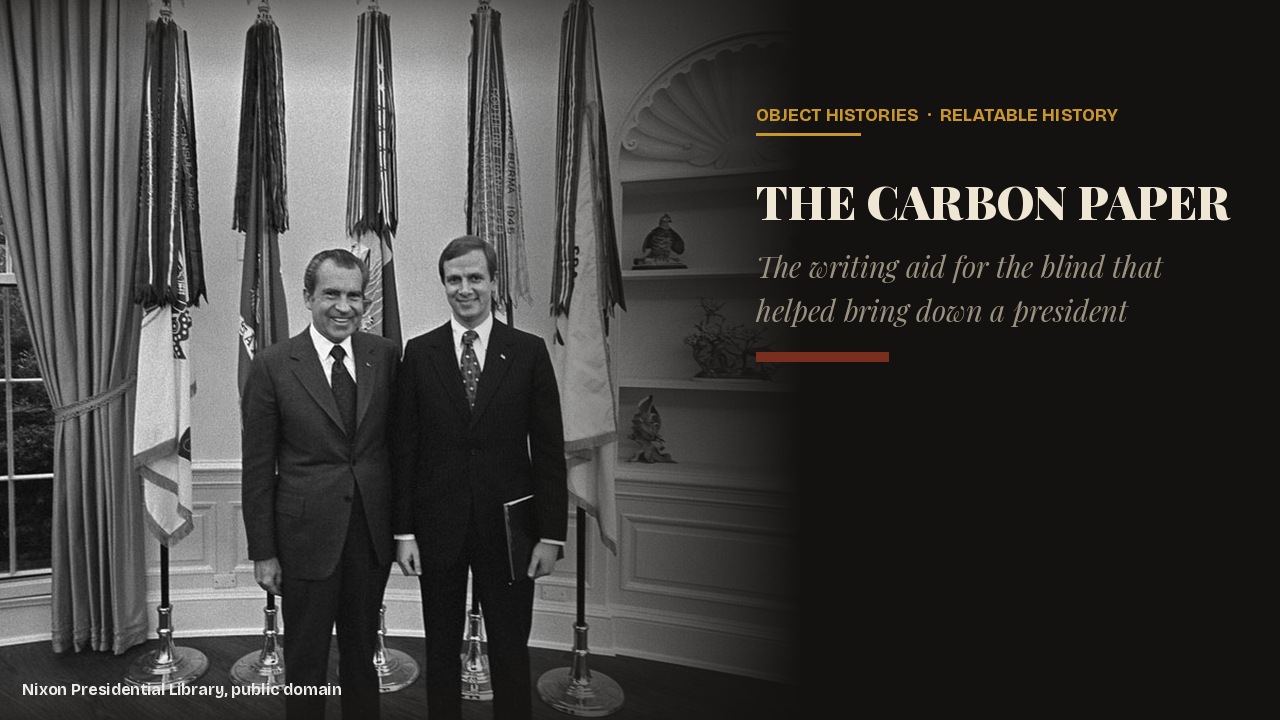
- Who Invented Carbon Paper, Really? Four Credible Answers — Carbon paper has four separate, well-documented origin stories — and one of them ends with a 1973 grand jury subpoena naming a White House aide’s memos by title.
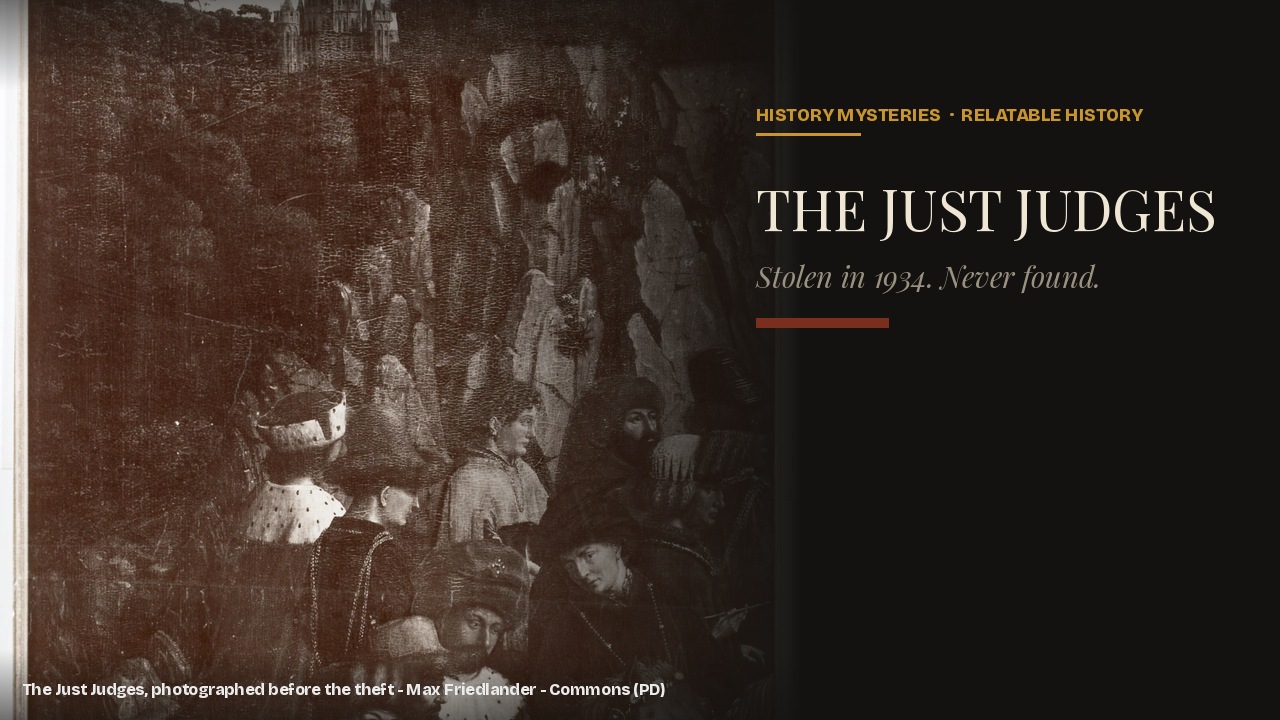
- Why Belgium’s Just Judges Panel Investigation Has Never Closed — Belgium’s prosecutors still have an open case on a van Eyck panel stolen from a Ghent cathedral in 1934. Ninety years and three competing theories later, nobody has produced it.
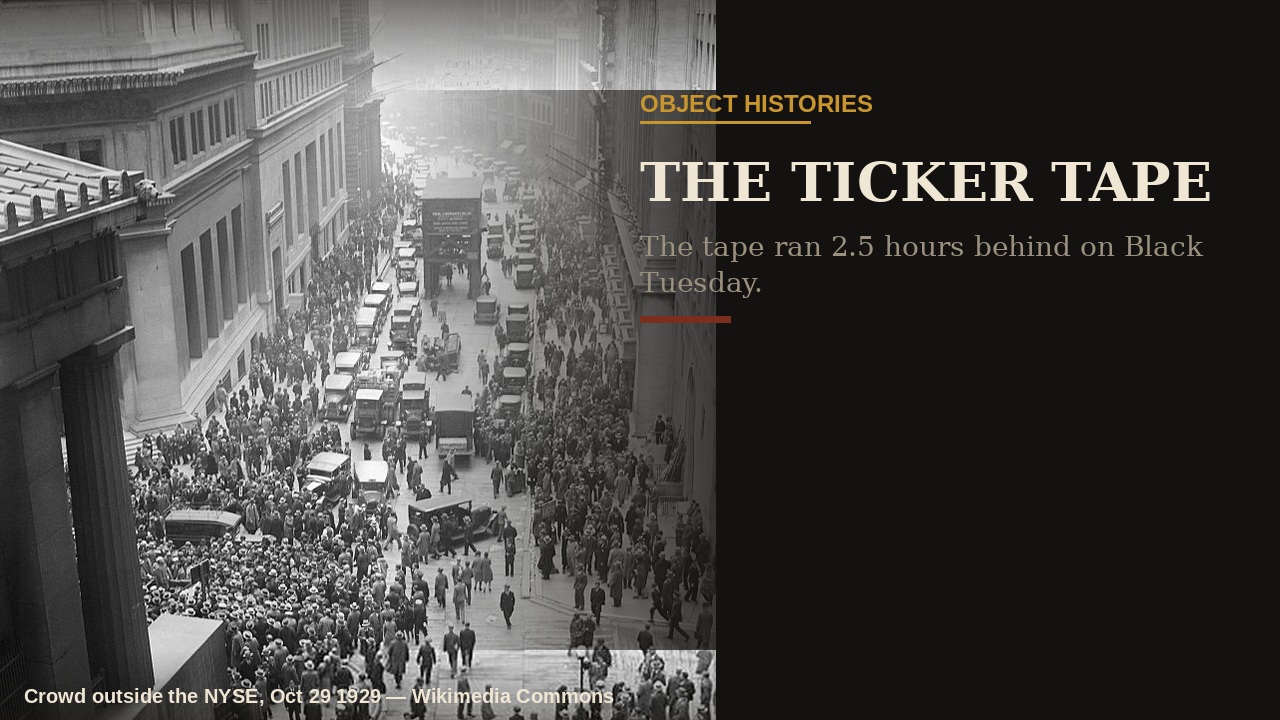
- The History of Ticker Tape Parades Starts With a Broken Wall Street Machine — Wall Street’s confetti used to be real paper, printed by the same machine that couldn’t keep up on its worst day. Here’s how one telegraph printer created both a crisis and a…
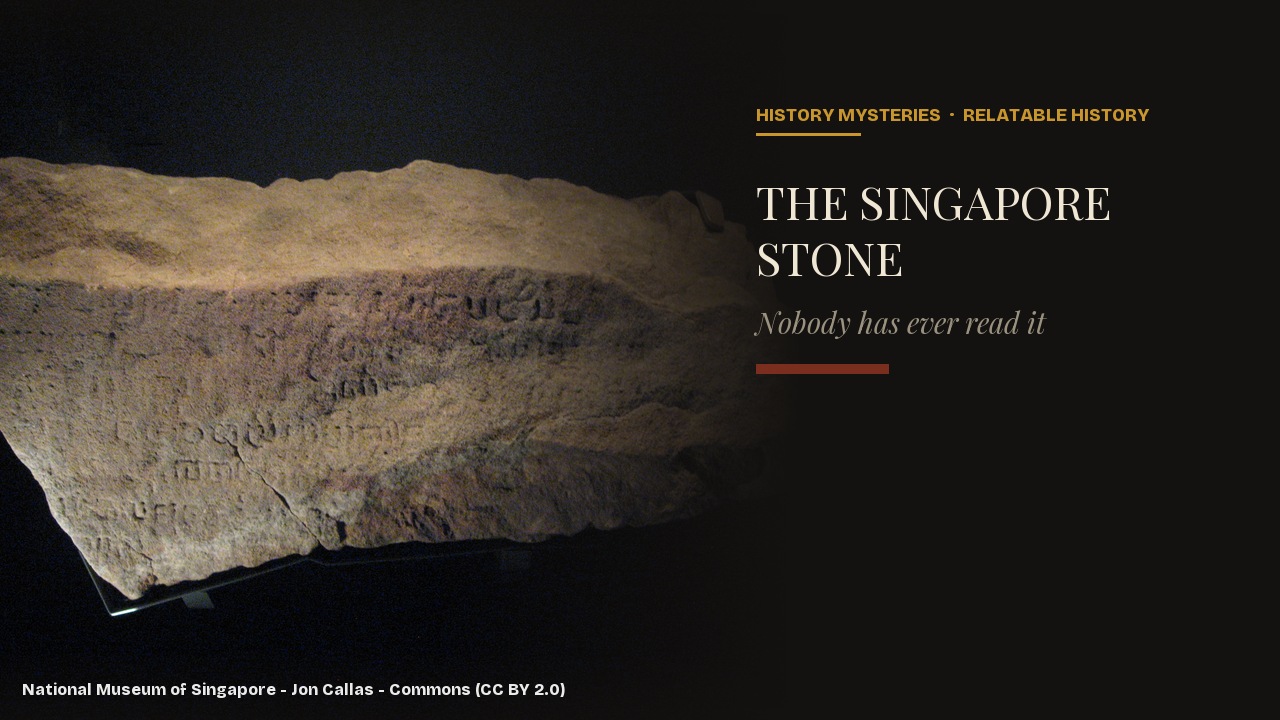
- Why the Singapore Stone Is Still Undeciphered — The oldest writing ever found in Singapore has never yielded a single translated sentence. Tracing two hundred years of failed attempts explains why.
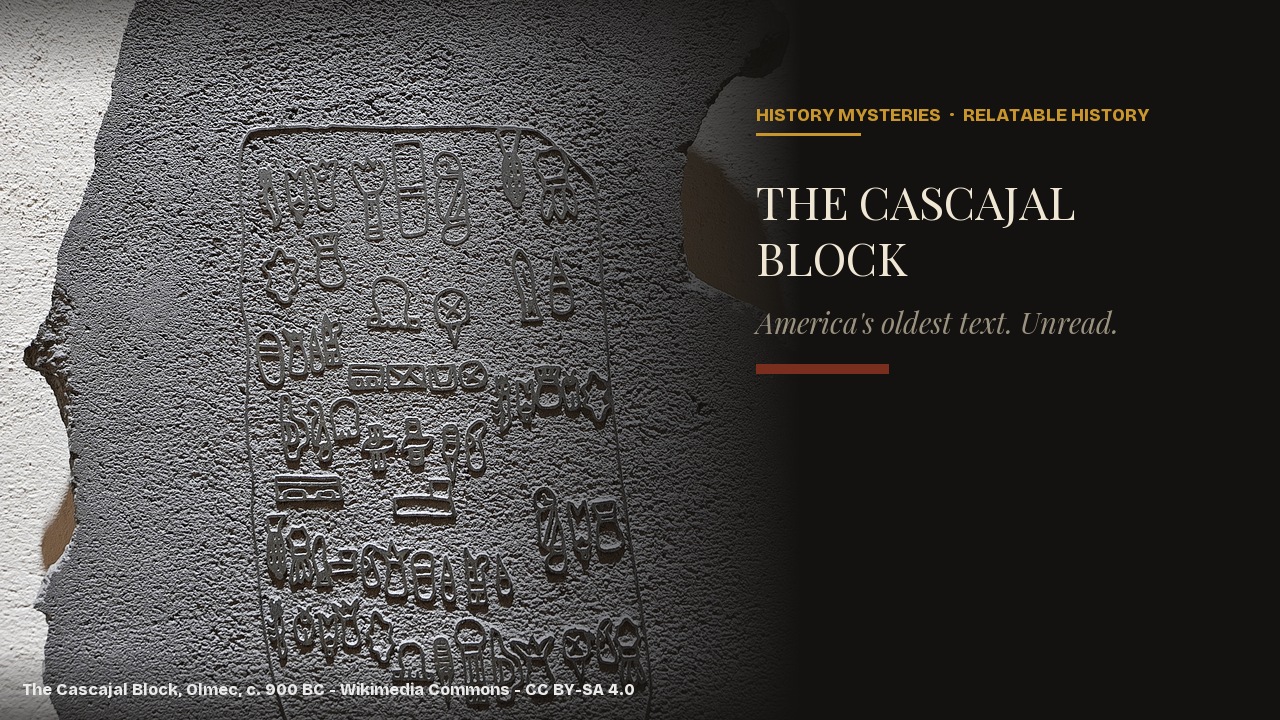
- Is the Cascajal Block Really Writing? Inside a Twenty-Year Argument — A single Olmec stone is being asked to prove an entire writing system existed. The only serious case against it is that there is just one of it.
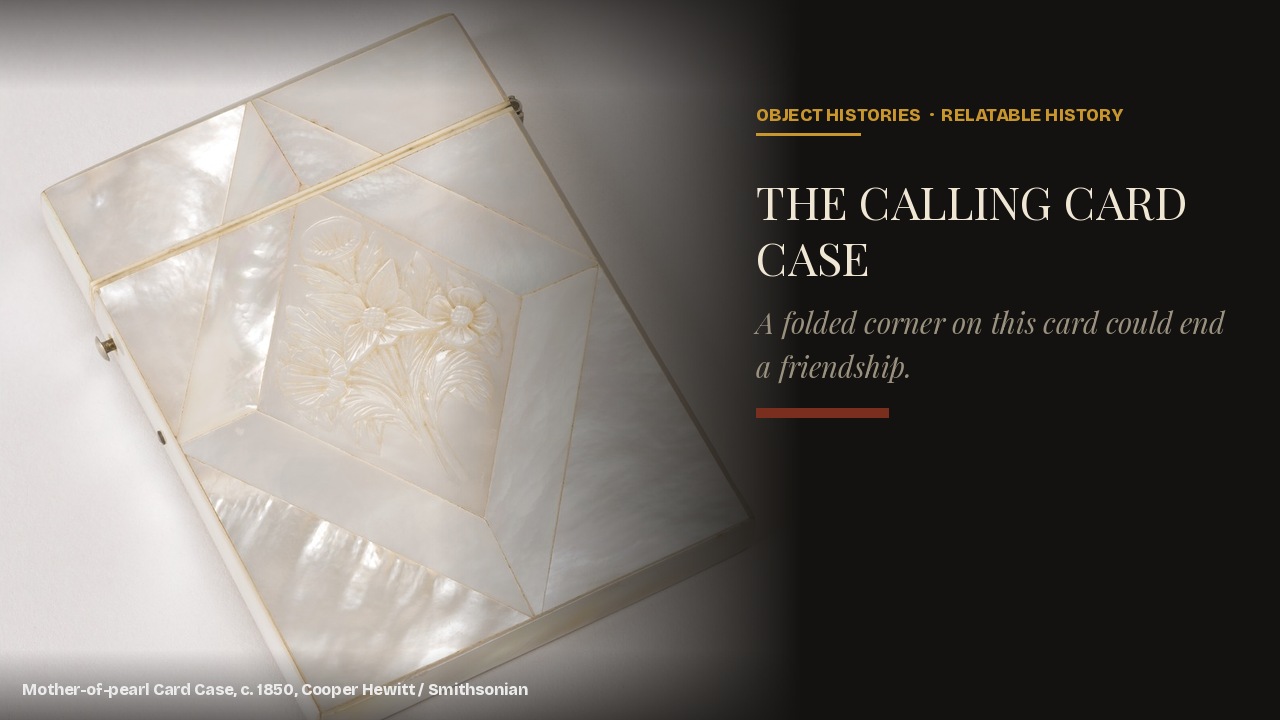
- The Secret Code of Victorian Calling Card Etiquette — A folded corner, a silver tray, and a servant who decided whether you existed socially: Victorian calling cards turned politeness into a transaction, and the case that held…
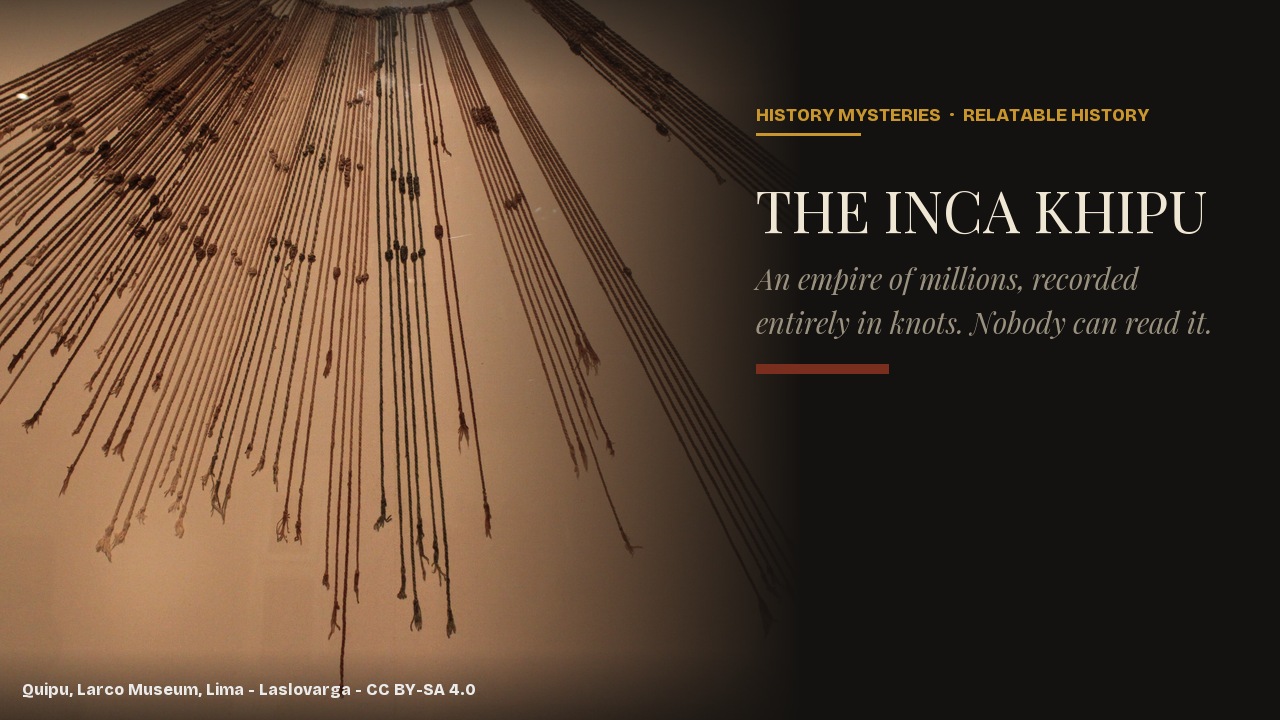
- Inside the Decipherment of the Inca Khipu — In 1912 a mathematician cracked the number system hidden in Inca knotted cords. A century of further study still hasn’t settled whether the rest of a khipu is writing at all.
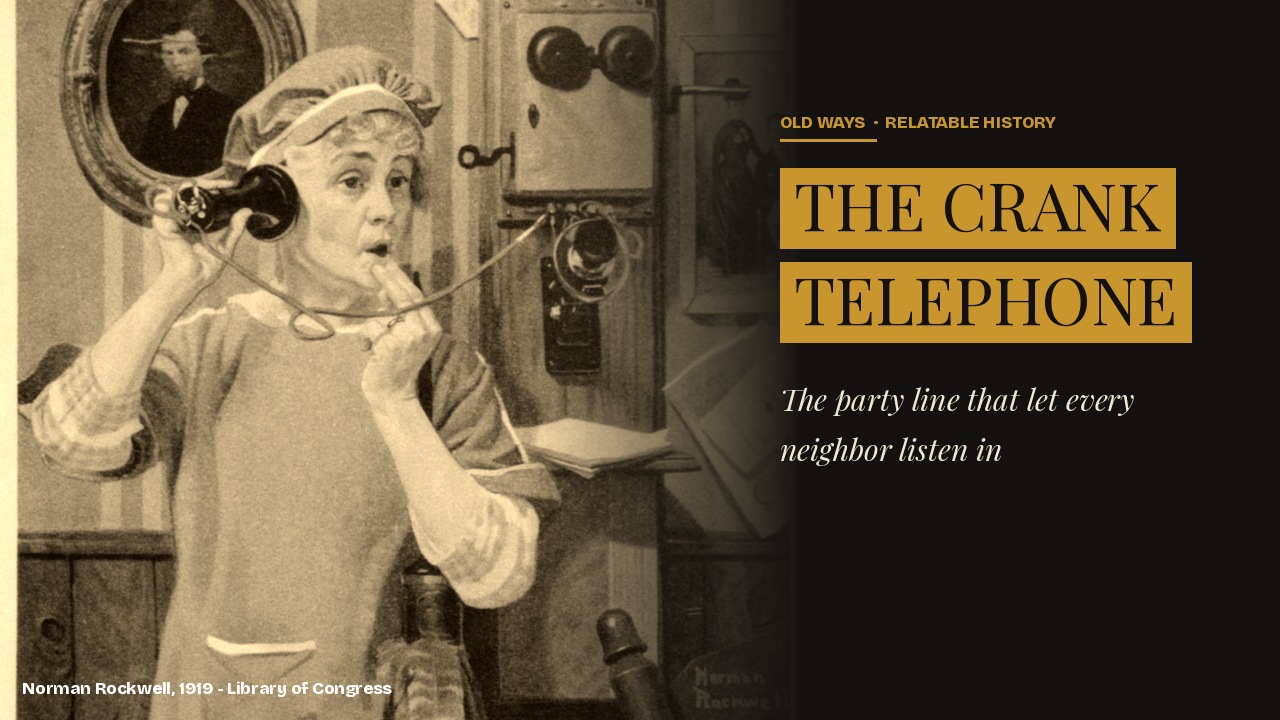
- The Telephone Companies America’s Farmers Built Themselves — Long before any phone company reached rural America, farmers incorporated, financed, and ran thousands of telephone companies of their own — and one hand-crank exchange in…
- Drift Bottle Science: How Sealed Notes Helped Map the World’s Oceans — The note that broke a 131-year world record wasn’t a castaway’s plea — it was one slip in a 69-year government experiment that used cheap glass to map currents no satellite yet…
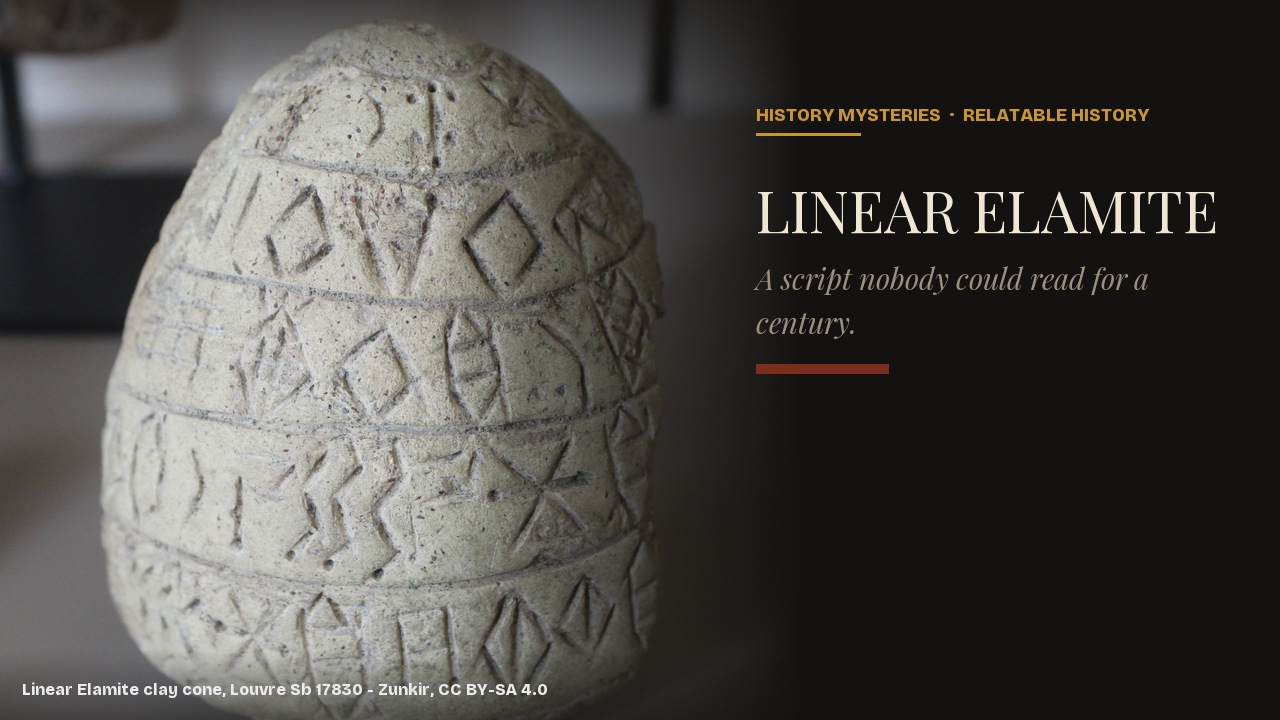
- Linear Elamite’s Decipherment Evidence Has a Provenance Problem — The vessels that unlocked Linear Elamite were never excavated. One owner staged a burglary of his own collection for insurance money; a second inscription was seized by…
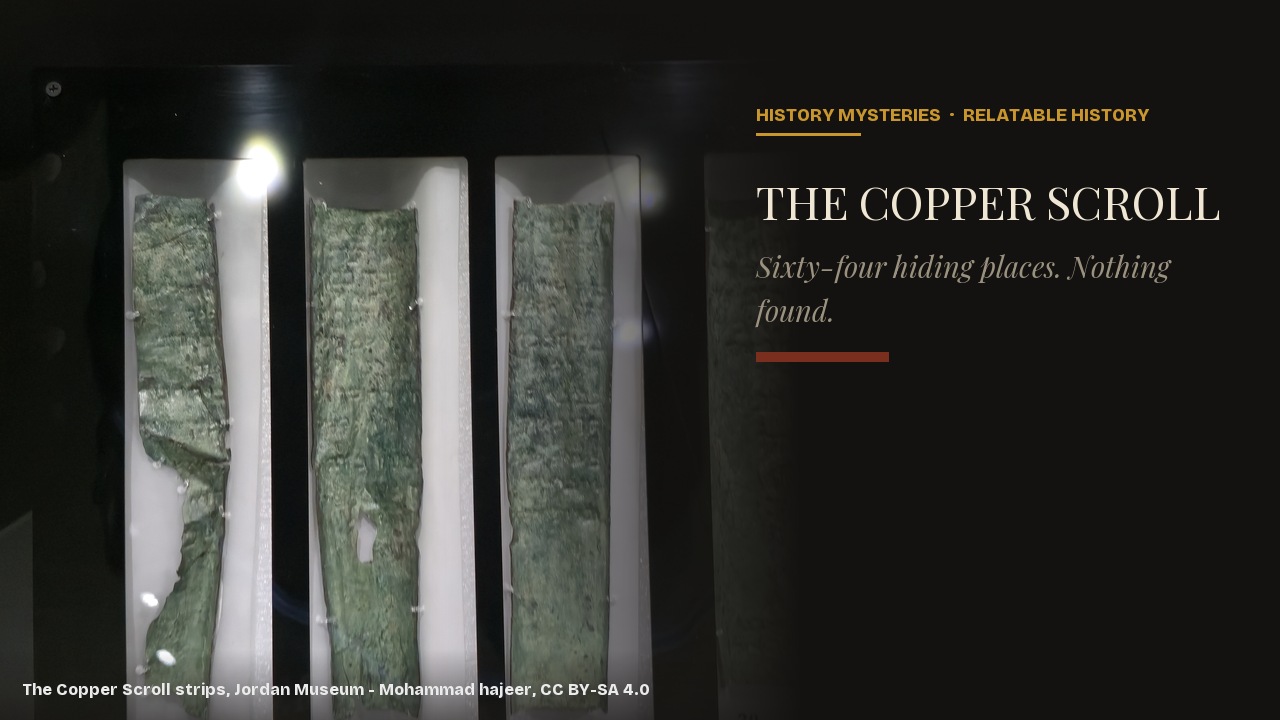
- The Copper Scroll Treasure Map: What Sixty-Four Lost Hoards Say — One of the Dead Sea Scrolls isn’t scripture at all. It’s an inventory of buried treasure, hammered into metal so it would outlast every reader who might have used it.
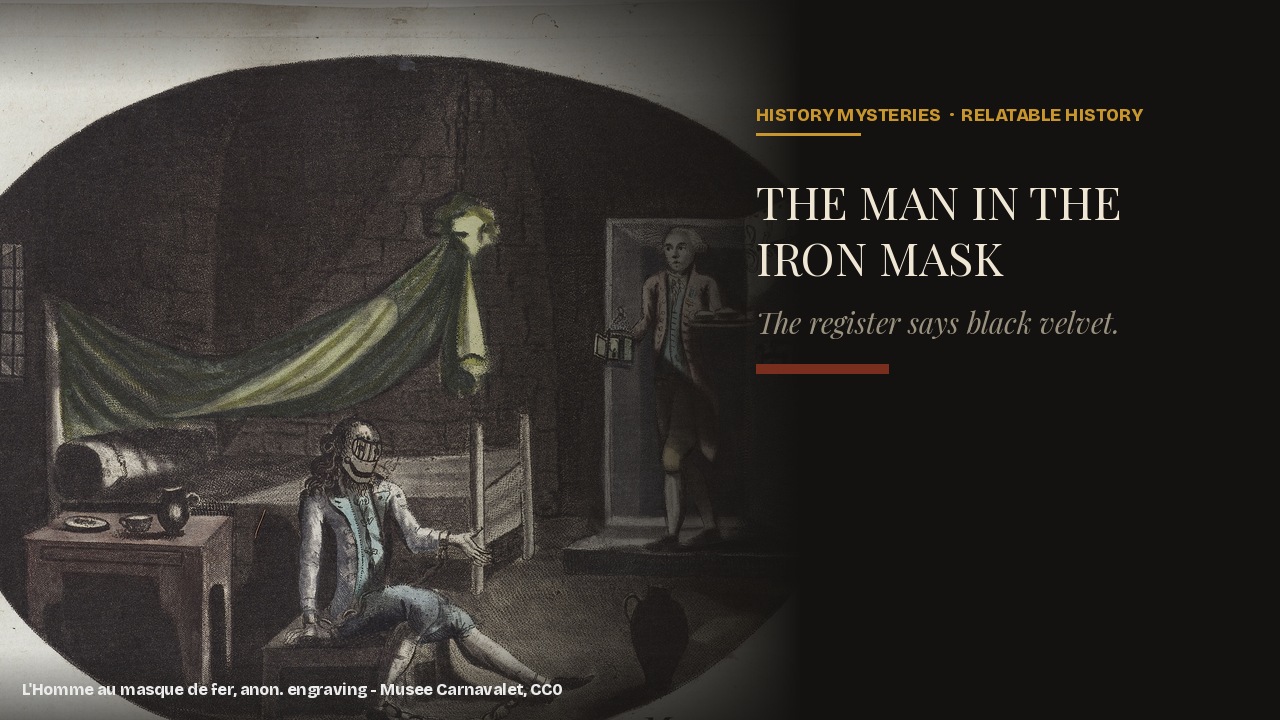
- Who Was the Man in the Iron Mask? — He spent thirty-four years masked under one jailer’s custody, and nobody who held him in custody ever wrote down why. Here’s what the surviving paperwork actually supports.
- Sealing Wax and Signet Rings: The Secret History — Sealing wax never had a drop of wax in it, and the signet ring pressed into it carried real legal weight — until a government found it easier to open quietly than to forge…
- The Overlooked Evidence for the Etruscan Language — The famous Etruscan inscriptions get the headlines, but most of what scholars actually know about the language comes from a bronze statue’s leg, a set of mirrors, and a Roman…
- How Fire Alarm Telegraph Boxes Worked — A fire alarm telegraph box never detected a fire. It announced the number a human believed was closest to one – a distinction that nearly cost Chicago everything.
- The Truth Behind the Mrs. O’Leary Cow Myth — Chicago’s official investigation into the 1871 fire took sworn testimony for nine days and never named a cause. The cow came from somewhere else entirely.
- Rohonc Codex Deciphered? Inside a 450-Page Mystery — Hungarian scholars called this manuscript a forgery for 150 years. A 2018 paper argues it’s something stranger: a real prayer book written in a private code nobody had cracked.
- Why No One Has Ever Deciphered the Indus Valley Script — Four thousand inscribed objects, a century and a half of excavation, and still not one sentence anyone can read — this is the real state of the evidence behind the Indus script.
- What Happened to Rome’s Lost Ninth Legion? — The legend says five thousand men marched into the Highland mist and were never seen again. The real evidence is a gate, some roof tiles, and a paper trail that simply stops.
- Why the 1787 Constitutional Convention Met Entirely in Secret — For four months in 1787, Philadelphia’s State House ran under an unbreakable gag order. Almost everything we know about what was said inside comes from one delegate’s personal…
- Why No One Can Read the Phaistos Disc — or Agree That It’s Real — A clay disc dug up on Crete in 1908 was stamped with reusable type three thousand years before Gutenberg — if it’s genuine at all. Inside a century of failed readings.
- How Carrier Pigeons Carried Messages Through Two World Wars — A capsule the size of a film canister carried Reuters’ stock prices, letters out of besieged Paris, and the order that stopped a barrage on American troops. Here is the century…
- Why Nobody Can Read the Voynich Manuscript — A 2019 claim to have translated it was withdrawn within days, and the leading scientific theory says the text may not be a language at all. Here is what five hundred years of…
- Why Were the Sanxingdui Bronzes Smashed Before Burial? — Eight pits, seventeen thousand objects, and not one written word. The Sanxingdui bronzes were deliberately destroyed before they went into the ground, and historians still…
- Why Linear A Still Can’t Be Read — Scholars can sound out a Linear A tablet syllable by syllable. Nobody has ever worked out what the words mean.
- How Wooden Tally Sticks Ran England’s Treasury for 600 Years — A tally was a notched stick split in half so the two pieces could never be faked. For six centuries it was England’s receipt, its currency, and eventually its downfall.
- Who Really Invented the Telegraph Key (It Wasn’t Samuel Morse) — The device that bears Samuel Morse’s name was engineered by a machinist named Alfred Vail, who redesigned Morse’s code too. Here is what the patent fight and the archives…
- How Semaphore Flags Actually Worked at Sea — For over a century, two rival nations built optical telegraph networks neither enemy could read. The naval flag alphabet everyone pictures today wasn’t invented until the…
- The 24 Years Wampum Was Legal Tender in Massachusetts — For 24 years you could pay your taxes in shell beads. The law that made it possible, the drills that broke it, and the belts that were never really about money at all.
- Why Nobody Can Read Easter Island’s Own Writing System — Twenty-six objects, about 14,900 carved glyphs, and one short passage anyone agrees on. Inside the 150-year failure to read Easter Island’s own writing system.
- The Stereoscope Craze That Swept Victorian Parlours — A wooden box that used mirrors and, later, lenses to fool the brain into seeing depth became a Victorian sensation, a Civil War reporting tool, and eventually a museum piece…
- How Quill Pens Were Actually Made, and Why Steel Killed Them — A goose feather, a very sharp knife, and a pinch of hot sand. That is the entire recipe behind twelve centuries of handwritten history.
- The Real Reason the Dumbwaiter Was Invented — A dumbwaiter’s whole job was to make a person disappear. Thomas Jefferson used one to silence his enslaved servants; the CIA later used one to move classified files.
- Inside the Pneumatic Tube Networks That Once Ran a City’s Mail — At its peak, New York’s pneumatic tube mail network moved more than half the city’s letters underground at 30 miles an hour. Here is how that system, and half a dozen others…
- The Mystery of the Beale Ciphers, Explained — One sheet of numbers unlocked with the Declaration of Independence. The other two, describing a fortune buried in the Virginia hills, have resisted every attempt since 1885.
- Wax Cylinder Recordings: How an Office Machine Ended Up Saving Languages — Thomas Edison thought his invention’s future was office dictation. Instead it accidentally founded the recording industry, and preserved voices nothing else ever recorded.