Religion, superstition, magic, divination and ceremony: the practices people built their year and their life around.
43 articles so far, newest first. Browse the full archive.
- Who Made the Gundestrup Cauldron? The Mystery Nobody Has Solved — A silver cauldron pulled from a Danish bog in 1891 is carved with elephants and gods nobody in Iron Age Jutland had ever seen. More than a century later, scholars still…
- The Carnac Stones Are Older Than Stonehenge. Nobody Knows What They Were For. — A 2025 dig finally dated Brittany’s three-thousand-stone alignments — and turned up a mystery the archaeologists still can’t explain.
- Shugborough Inscription Theories: What Each Explanation Actually Claims — Wartime codebreakers, a classics journal and a graffiti theory have all taken a run at the Shugborough inscription. None of them agree, and the gap in the written record…
- The Diya: How a 5,000-Year-Old Lamp Became Diwali’s Icon — A shallow clay cup and a cotton wick have lit Diwali, Bandi Chhor Divas, and Mahavira’s nirvana night for thousands of years. Here is where each of those traditions actually…
- How Old Is Diwali, Really? What the Written Record Actually Shows — Diwali is usually called five thousand years old. The sources that can actually be checked — Sanskrit texts, dated inscriptions, a Persian scholar’s travel notes — tell a…
- The 160-Word Letter That Undid the Gunpowder Plot — Guy Fawkes never saw the letter that caught him. A single warning to one frightened nobleman set off the search, the torture, and the law that built Bonfire Night.
- How an Ofrenda Is Actually Built — An ofrenda altar looks simple: flowers, paper, smoke, candles. Behind each one is a government subsidy, a colonial ban, a single craft town, or a lake vigil that still draws…
- Who Built the Delhi Iron Pillar? The Question Nobody Signed Their Name To — The rust-resistance of the Delhi Iron Pillar is settled metallurgy. Who actually forged it, and where it stood before Delhi, is the argument two centuries of scholars still…
- Why Sugar Skulls Get a Name Written on the Forehead — The candy on a Day of the Dead altar was invented as medicine in Islamic Spain, not as a memorial. This is the documented route it took to a Toluca wooden mold five centuries…
- Is the Day of the Dead Really a Pre-Hispanic Tradition? — Mexico’s schoolbooks call the Day of the Dead an unbroken pre-Hispanic inheritance. The documentary record has a gap exactly where that claim needs proof, and two camps of…
- The Print Trail That Turned a Pumpkin Into a Jack-o’-Lantern — Irving never describes a carved face. Hawthorne used the word twice, fifteen years apart, before a newspaper ever printed one. Here is the paper trail the popular version skips.
- The Original Jack-o’-Lanterns Were Turnips, Not Pumpkins — A real turnip lantern, donated to a Dublin museum in 1943, is the best physical evidence for a custom that predates the pumpkin by at least a century. Here is what the…
- How Houdini’s Code Worked, and Why It Could Never Prove Anything — The Houdinis turned an old vaudeville trick into the ultimate afterlife test: a code broadcast in sixty seconds flat. It also carried a flaw built into every code act that ever…
- The 1962 Tanganyika Laughing Epidemic: What the Investigation Actually Found — Two medical officers tested blood, spinal fluid and food trying to explain an illness that shut fourteen Tanganyikan schools in 1962. They found nothing – and that absence is…
- How Indulgence Certificates Worked, and Why One Caused a Reformation — A printed form, an archbishop’s debt, and one monk’s objection: the full mechanics of the indulgence certificate, and why Rome eventually banned selling it.
- Inside the Medieval Pilgrim Badge Industry — Shrines did not just welcome pilgrims. They ran casting workshops, licensed moulds, and sold souvenirs the way a gift shop sells postcards, for three hundred years.
- Why Karahan Tepe Was Buried on Purpose — The room that made Karahan Tepe famous was not abandoned to collapse. It was deliberately packed with rubble, and nobody has a solid explanation why.
- Furta Sacra: The Strange History of Medieval Relic Theft — For medieval Christians, stealing a saint’s body wasn’t a crime — it was proof the saint wanted to be moved. Here is the theology, the law, and the economy that built around…
- The Nebra Sky Disc Dating Dispute, Explained — The gold went onto the Nebra Sky Disc in at least three separate phases long before anyone buried it — and in 2020, two archaeologists argued the whole object might be a…
- The Strange, Three-Thousand-Year History of the Ship’s Figurehead — A Boston sea captain once beheaded a carved president in a thunderstorm. A warship’s lion figurehead came up from the deep without her, 333 years later. This is the real…
- The Furcula: The Science and Superstition Behind the Wishbone — A Roman commander once threw sacred chickens overboard rather than listen to them. Centuries later, their forked chest bone would help settle an argument about where birds…
- What Costa Rica’s Stone Spheres Were Actually For — Only about a dozen of Costa Rica’s three hundred stone spheres are still where they were originally placed. That is not much evidence, but it is almost everything…
- The Overlooked Evidence for the Etruscan Language — The famous Etruscan inscriptions get the headlines, but most of what scholars actually know about the language comes from a bronze statue’s leg, a set of mirrors, and a Roman…
- Rohonc Codex Deciphered? Inside a 450-Page Mystery — Hungarian scholars called this manuscript a forgery for 150 years. A 2018 paper argues it’s something stranger: a real prayer book written in a private code nobody had cracked.
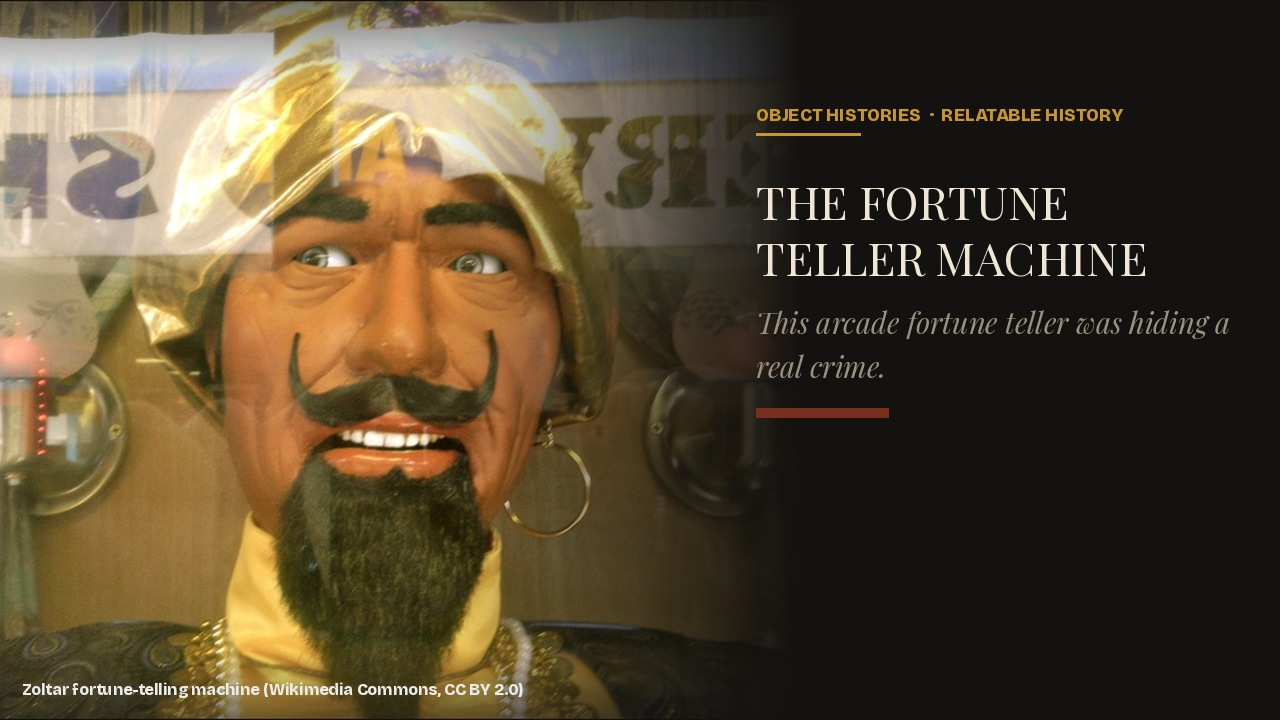
- The Real History of the Fortune Teller Machine — A coin-operated fortune machine looks like harmless boardwalk fun. For decades, some of them were hiding a real crime: a working slot machine wearing a wizard’s costume to…
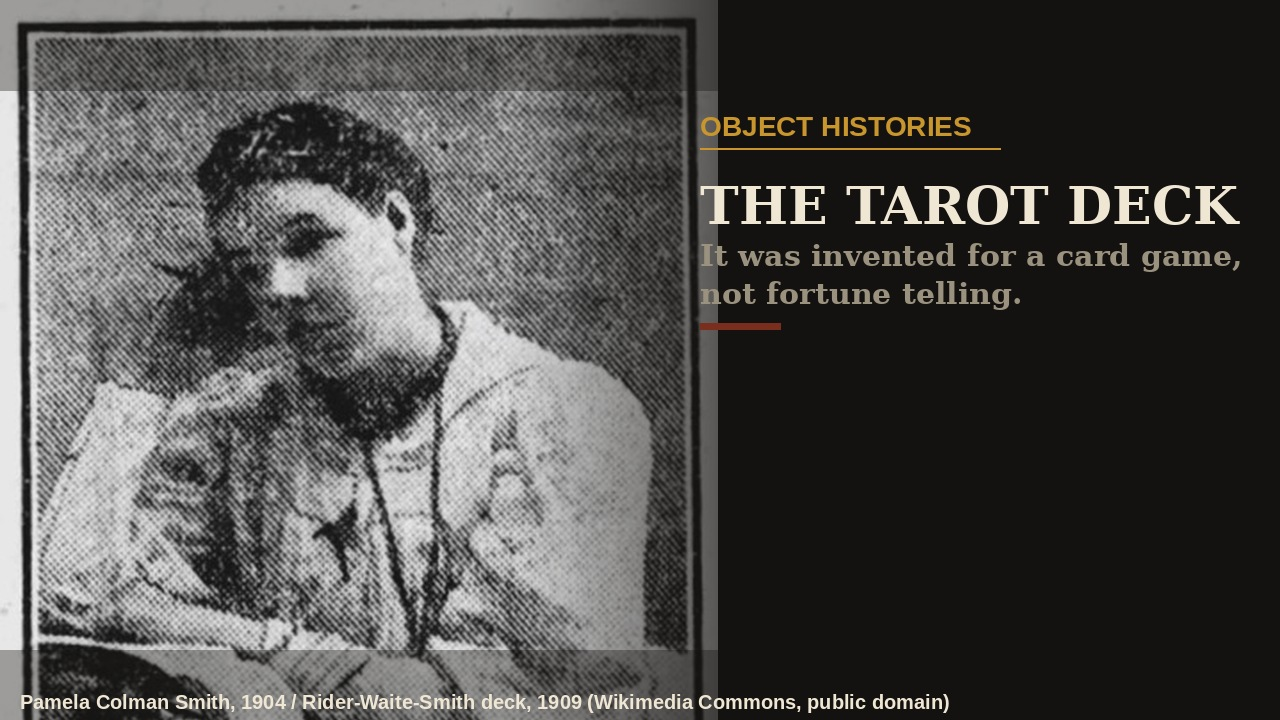
- How Tarot Became Fortune Telling, 300 Years Later — Tarot was a trick-taking card game for three centuries before anyone used it to predict anything. Here’s how a scholar’s fifteen-minute guess and an overlooked illustrator’s…
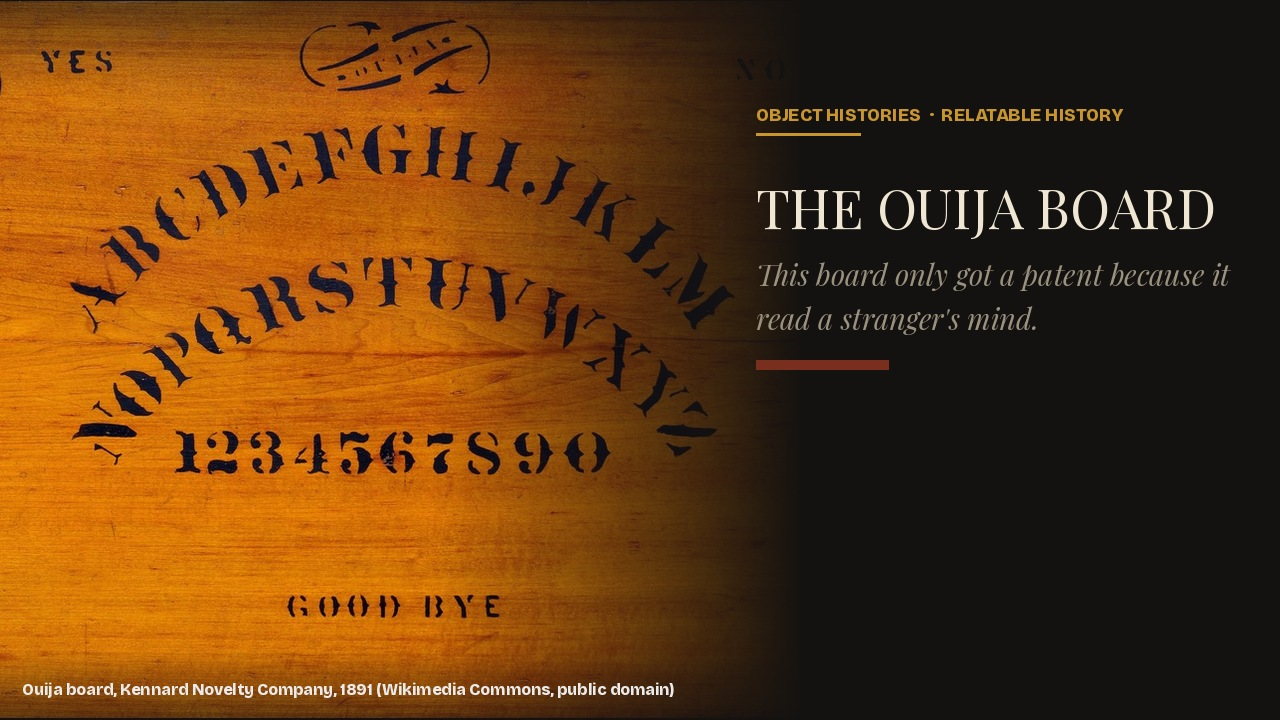
- Who Really Invented the Ouija Board? — The Ouija board’s 1891 patent names three men. The fuller story includes a forgotten medium, a brothers’ feud that ran eighteen years, and the factory-roof accident that killed…
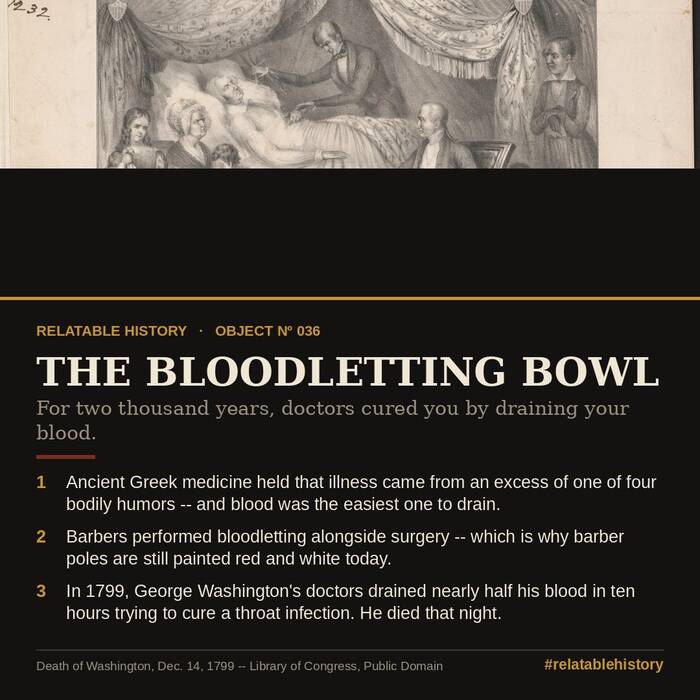
- Why Doctors Drained Blood to Treat Almost Any Illness — For two thousand years bloodletting was mainstream medicine, backed by a barbers’ guild, astrological calendars and bowls graduated like beakers. Here is what it actually…
- Inside the Discovery of the Great Pyramid’s Big Void — In 2017, physicists found a space at least thirty metres long inside the Great Pyramid without touching a single stone. The record still doesn’t say what it’s for.
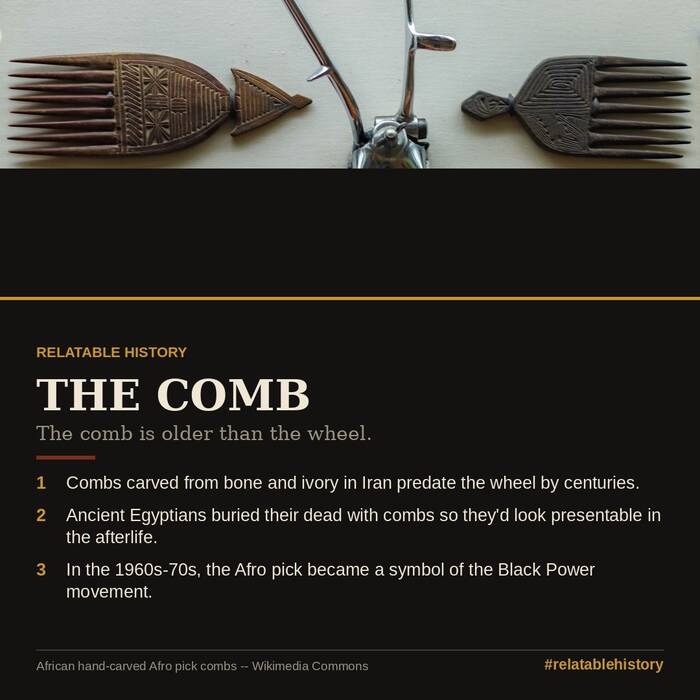
- Why Combs Were Used for Lice Long Before They Were Used for Style — A 1700 BCE comb begs, in writing, for relief from lice. That was not an outlier — it was the comb’s main job for most of history, long before it was about style.
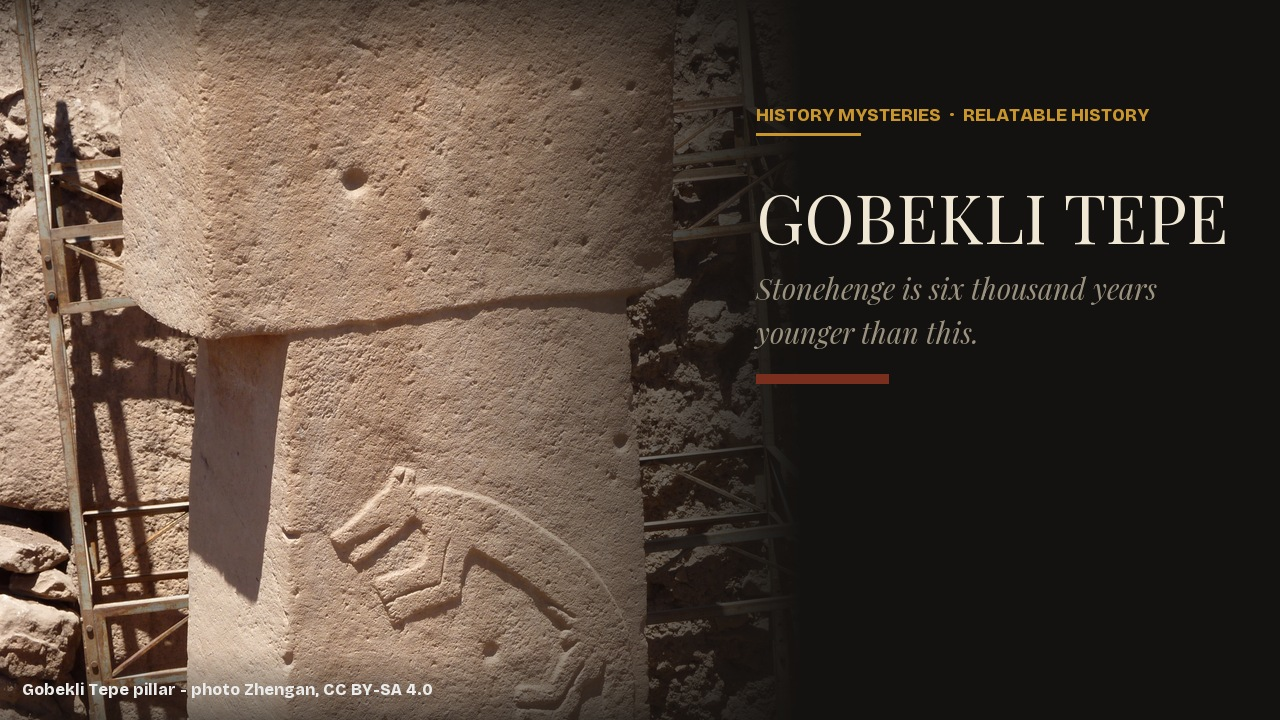
- Why Was Göbekli Tepe Buried? What the Evidence Actually Shows — Thirty years of excavation at Göbekli Tepe have not settled who organized its construction, what its carved enclosures were for, or why every one of them ended up buried. Here…
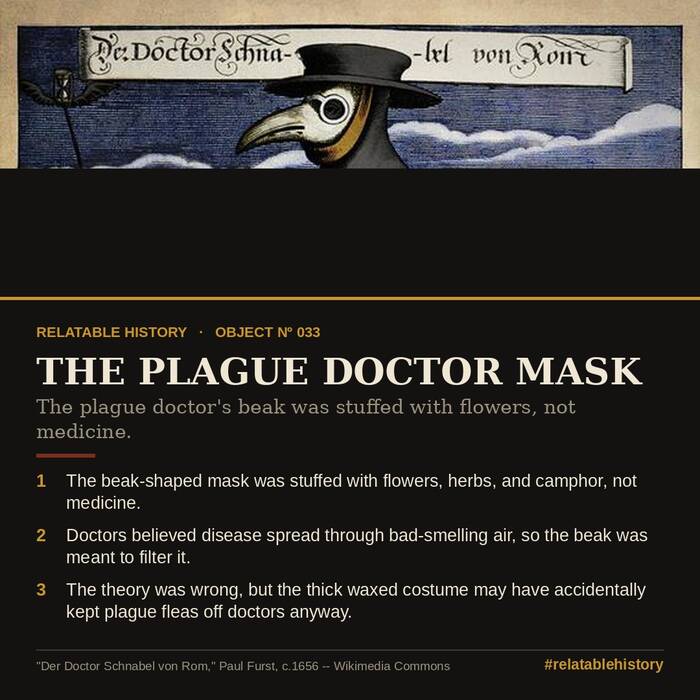
- Did Plague Doctors Really Wear Those Beak Masks? — Nearly everyone can picture the beaked plague doctor mask. Historians who went looking for seventeenth-century proof that doctors actually wore one came back with a lot less…
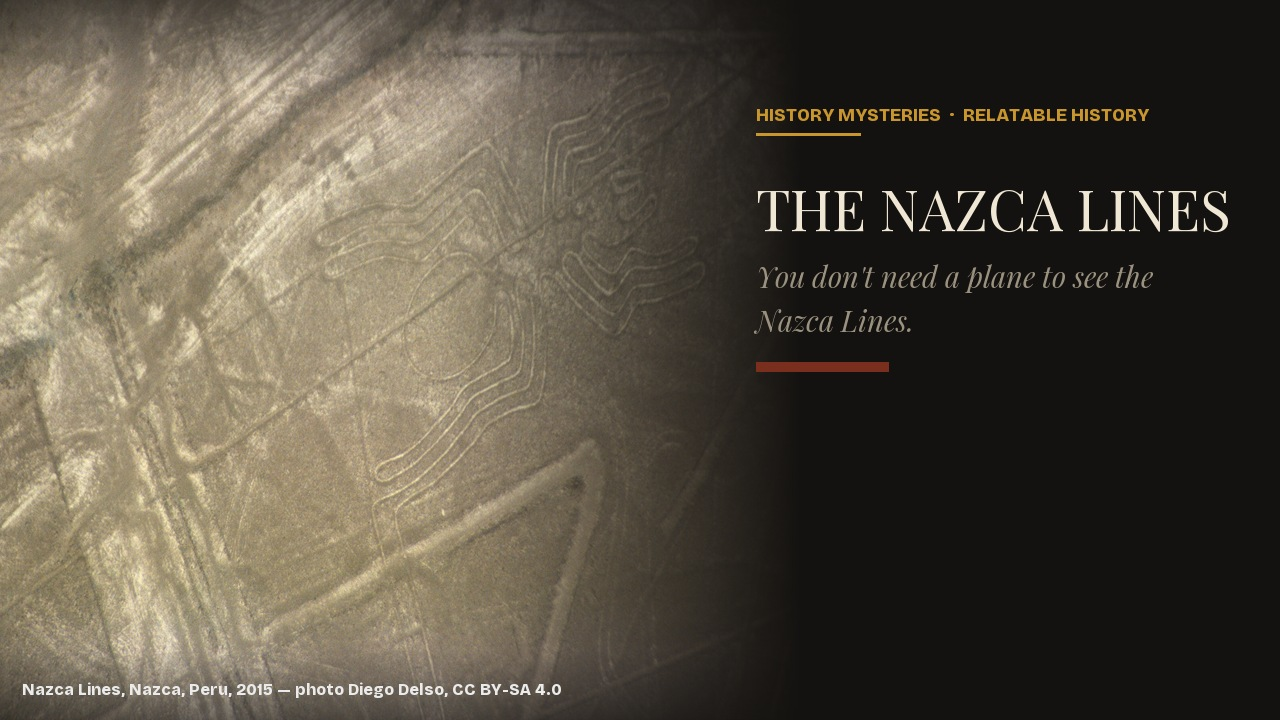
- Why Were the Nazca Lines Made? What the Evidence Actually Shows — More than a thousand lines are etched into the Peruvian desert, and in 2024 an AI survey nearly doubled how many researchers knew existed. Here is what the evidence actually…
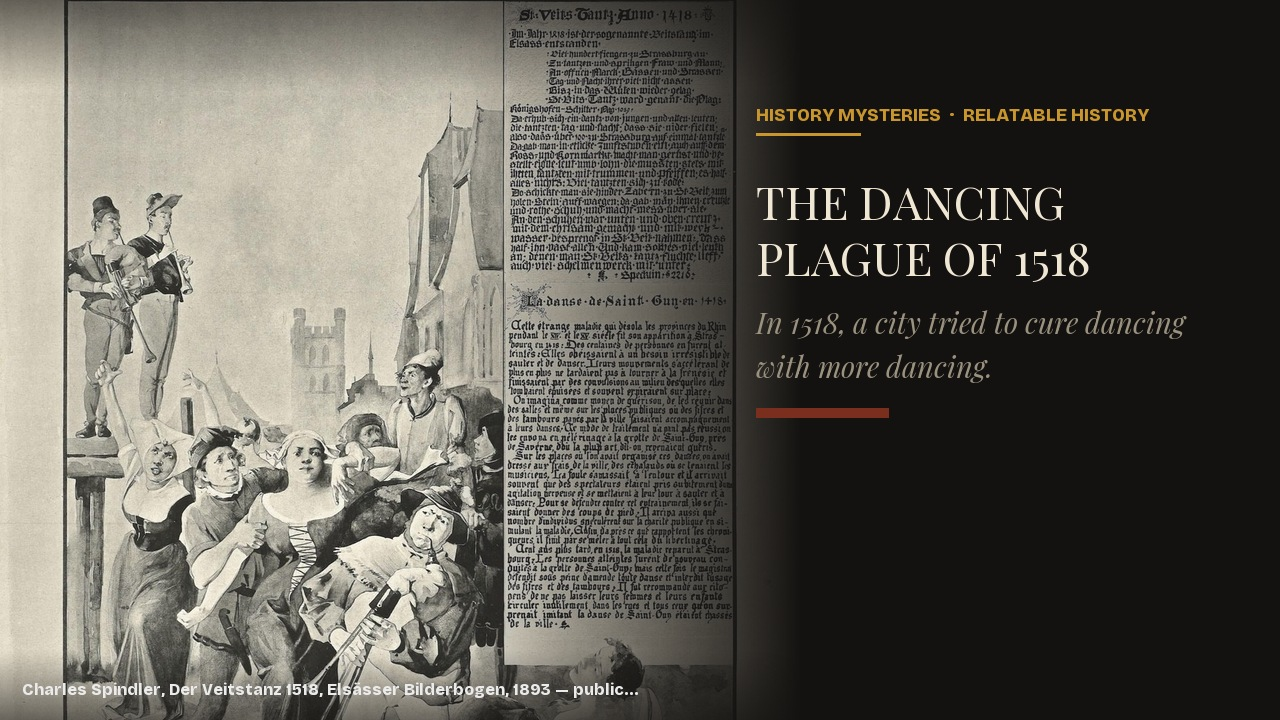
- What Caused the Dancing Plague of 1518? — For six weeks in 1518, hundreds of people in Strasbourg danced uncontrollably while the city’s own physicians prescribed more dancing as the cure. Here is what the evidence…
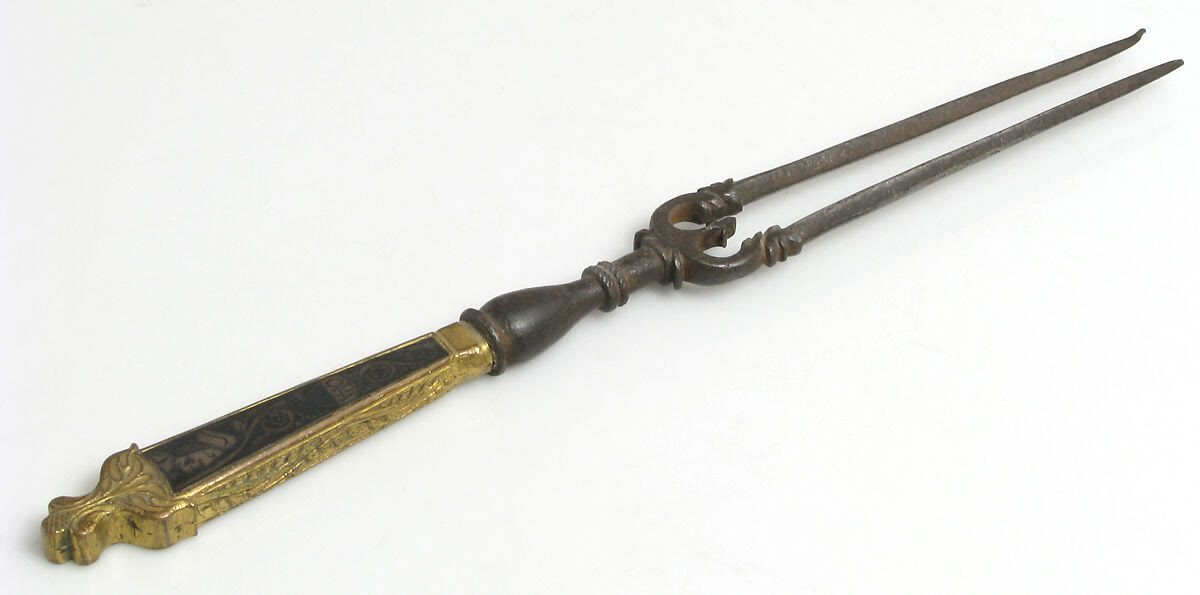
- Why the Fork Was Once Considered Sinful — A medieval cardinal wrote a moral tract partly to condemn a woman for using a fork. Seven centuries later, Americans were still eating without one.
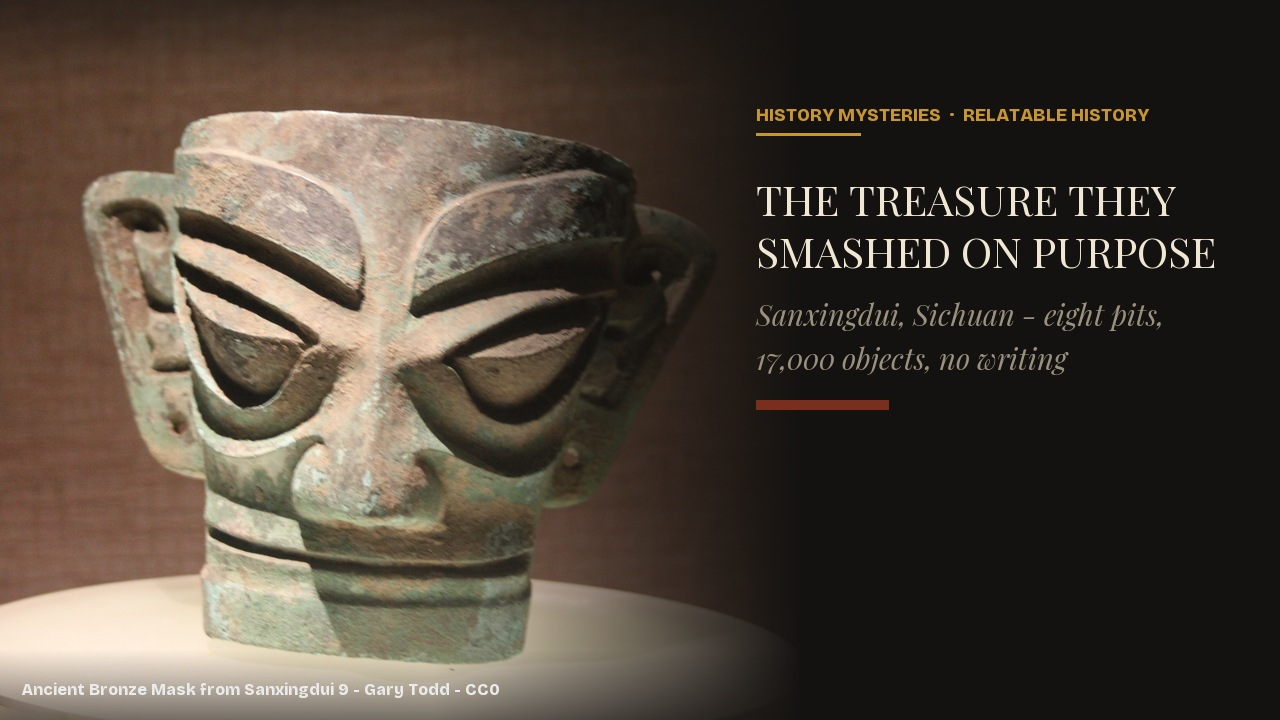
- Why Were the Sanxingdui Bronzes Smashed Before Burial? — Eight pits, seventeen thousand objects, and not one written word. The Sanxingdui bronzes were deliberately destroyed before they went into the ground, and historians still…
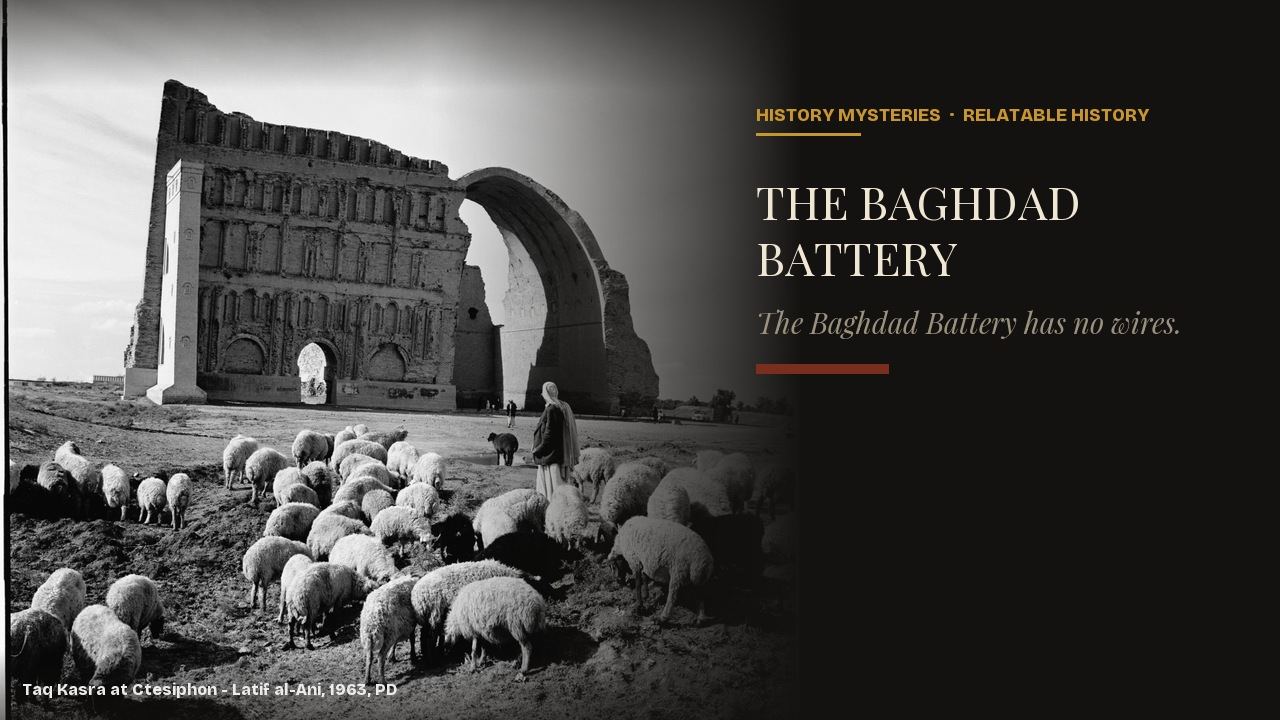
- Was the Baghdad Battery Real? What the Evidence Actually Shows — A 1938 question mark turned into decades of ancient-battery folklore. Nine nearly identical jars dug up nearby held something else entirely, and most of them still had it inside.
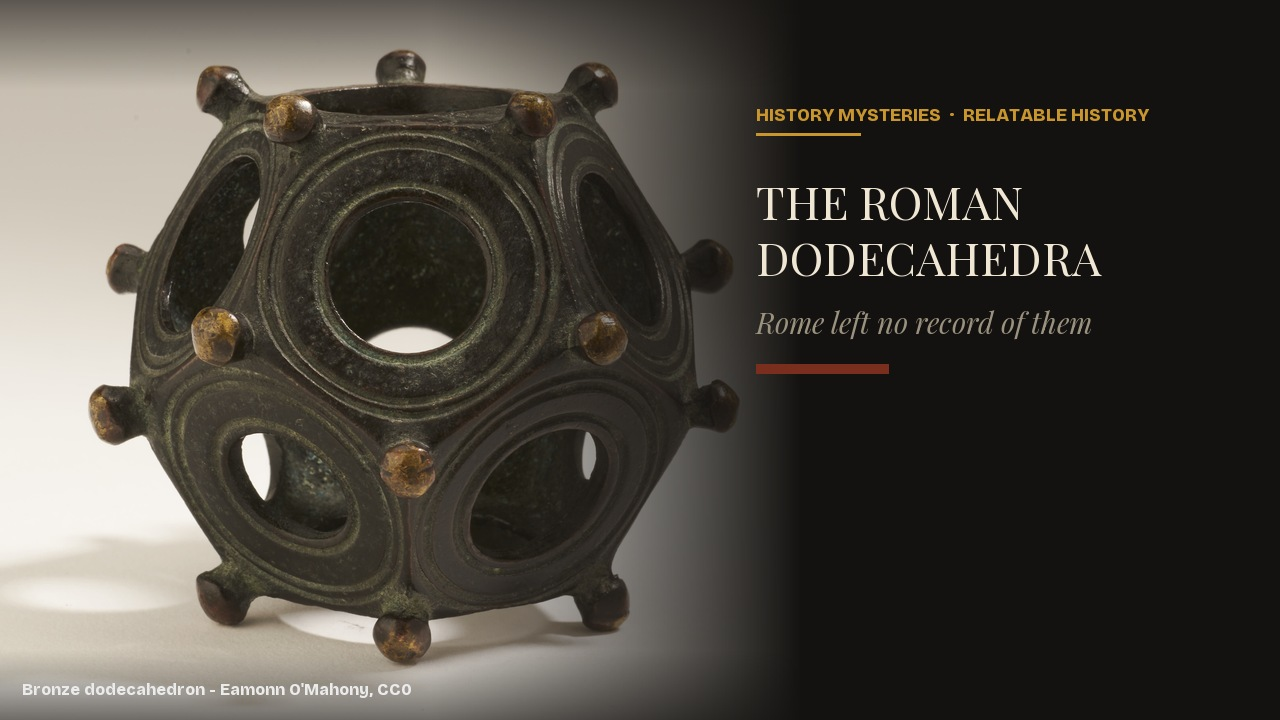
- What Were Roman Dodecahedra Actually Used For? — More than 130 bronze dodecahedra survive from the Roman north-west, cast by skilled hands and never mentioned in a single surviving text. Here is what the evidence actually…
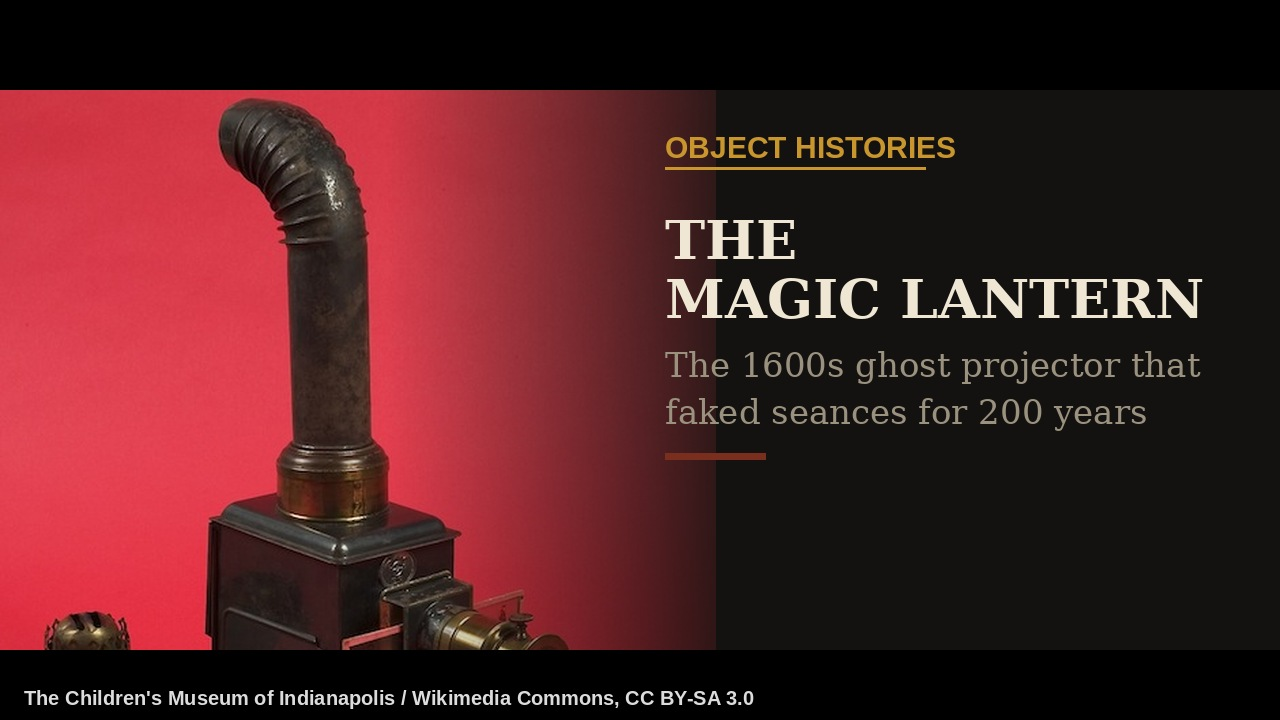
- How the Magic Lantern Became Europe’s First Horror Show — A Dutch scientist was too embarrassed to admit he’d built it. Two centuries later it was still terrifying audiences — while insisting, the whole time, that there was nothing to…
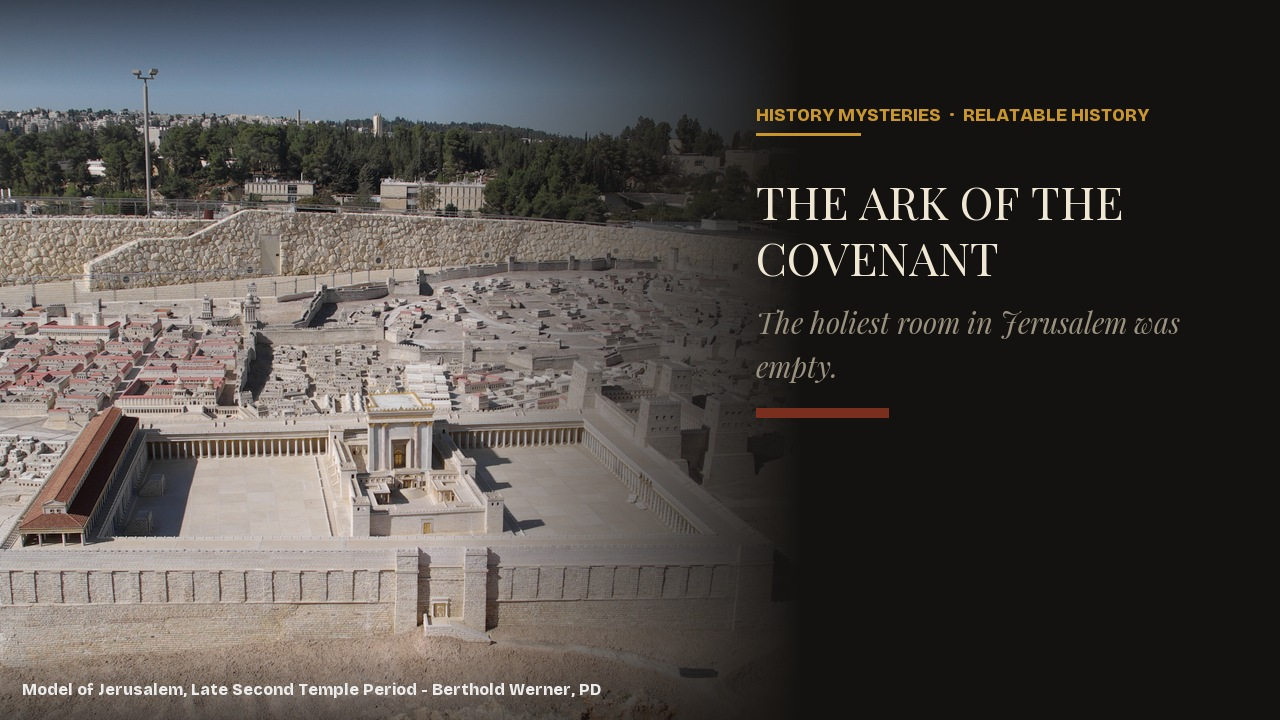
- What Actually Happened to the Ark of the Covenant? — By the time the Second Temple’s holiest room was in regular ritual use, it was already empty. The documented trail of how that happened is stranger, and better attested, than…
- Why Is a Hobby Called a Hobby? The 600-Year Path from Warhorse to Word — The word ‘hobby’ spent three hundred years as an actual horse before it ever meant a pastime — a breed, then a costume, then a toy, then finally just an idiom.
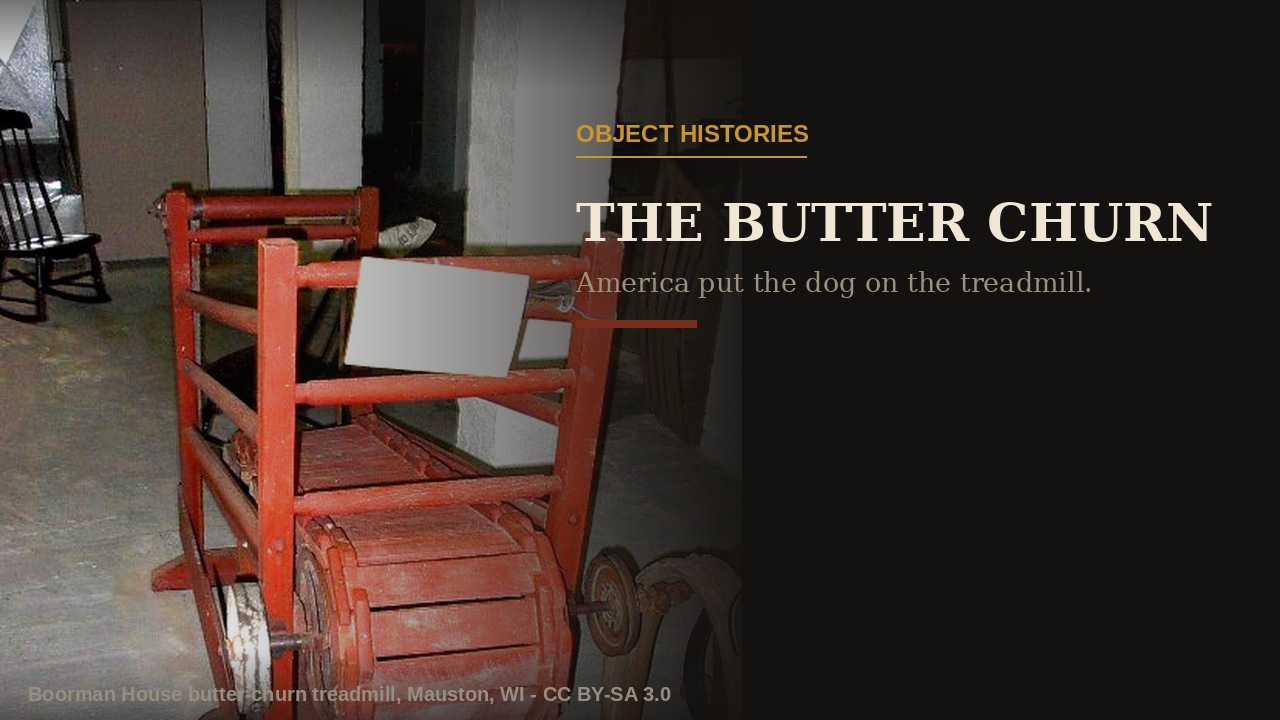
- How the Dog-Powered Butter Churn Actually Worked — For a few decades a mid-sized farm dog was genuinely listed as equipment. Here is the mechanism behind the treadmill churn, and the three-thousand-year story of butter that…
- Why Blowing a Shofar at the Western Wall Was a Crime — For seventeen years, sounding a ram’s horn at the Western Wall carried a fifty-pound fine or six months in prison. Someone did it every single year.