Trades, tools, workshops and manufacture, from hand craft through to the factory floor.
64 articles so far, newest first. Browse the full archive.
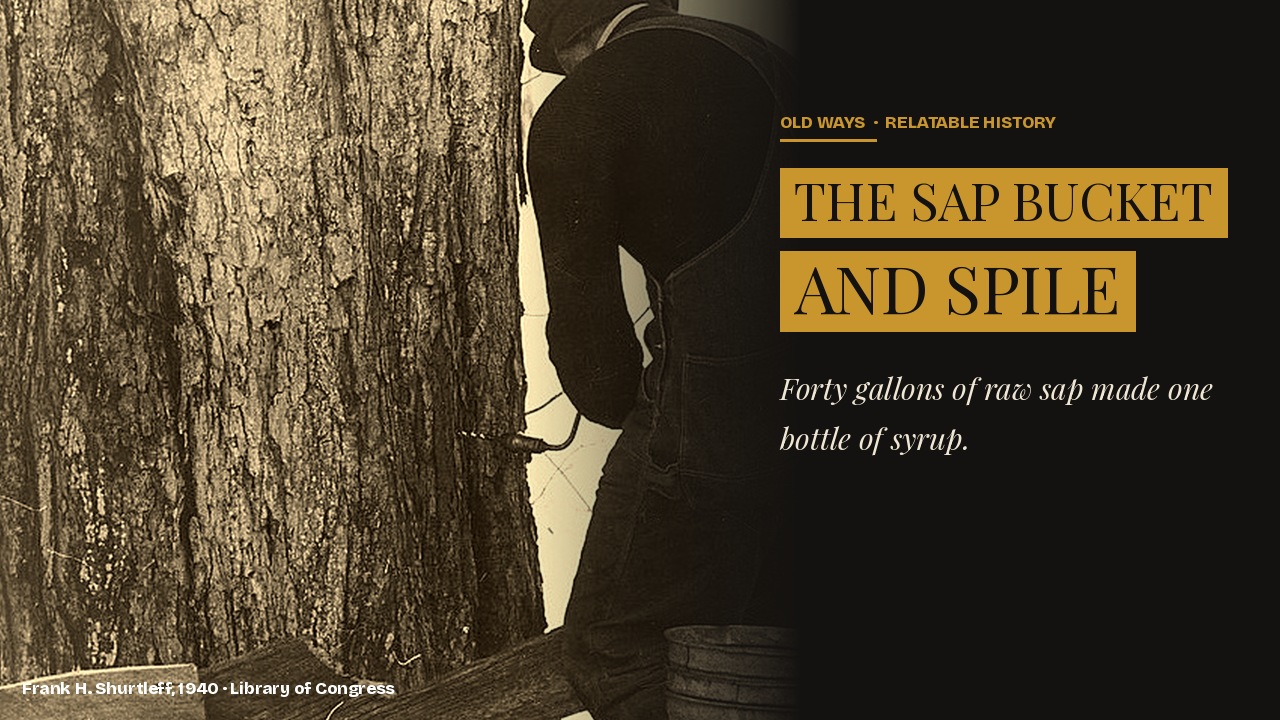
- The History of Maple Sugaring, From Stone-Boiled Sap to a Stolen Fortune — Thomas Jefferson once planted sixty maple trees in a bid to undercut slave-grown cane sugar. That is only one stop in the fuller, stranger history behind the bucket and spile.
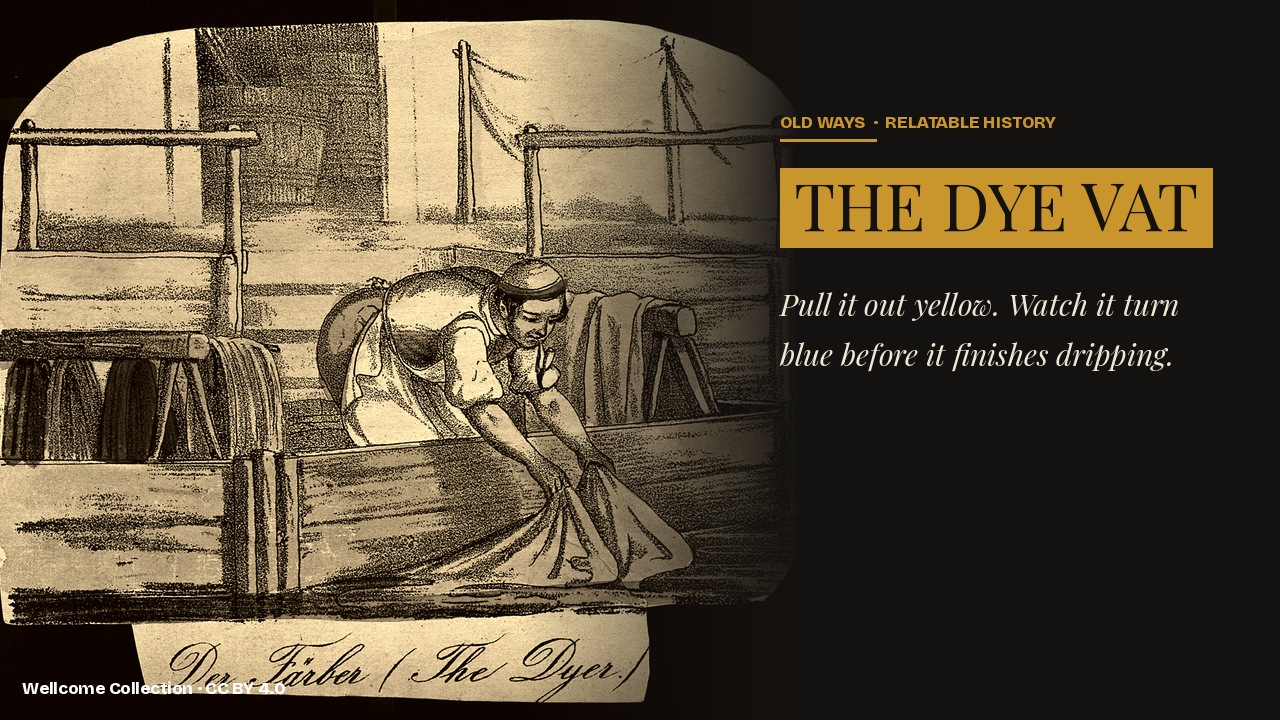
- How Colonial Americans Dyed Cloth Before Store-Bought Dye Existed — Before synthetic dye came in a nickel packet, color for homespun cloth was grown, traded, or fermented at home — and one trick made plain yellow liquid turn sky blue in midair.
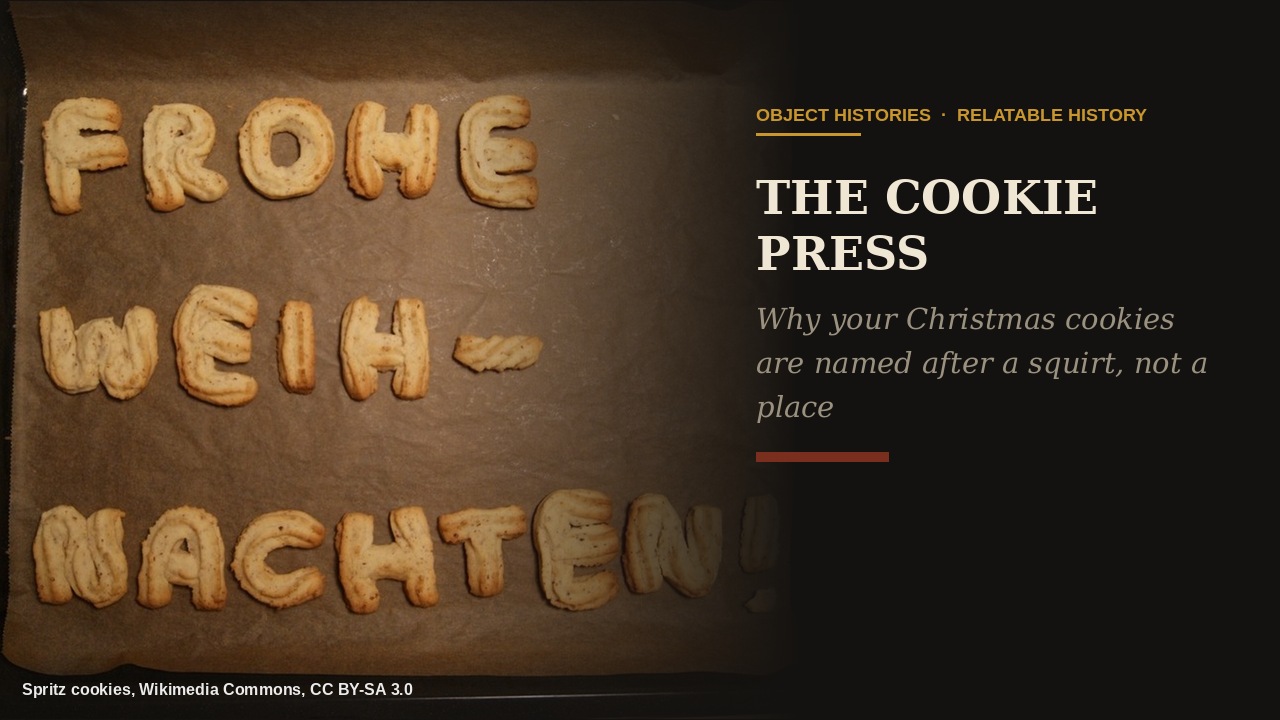
- How the Cookie Press Was Invented — The gadget in your kitchen drawer started as a London confectioner’s solution to a sore-arm problem, not a cookie recipe. Here is the two-hundred-year path between the two.
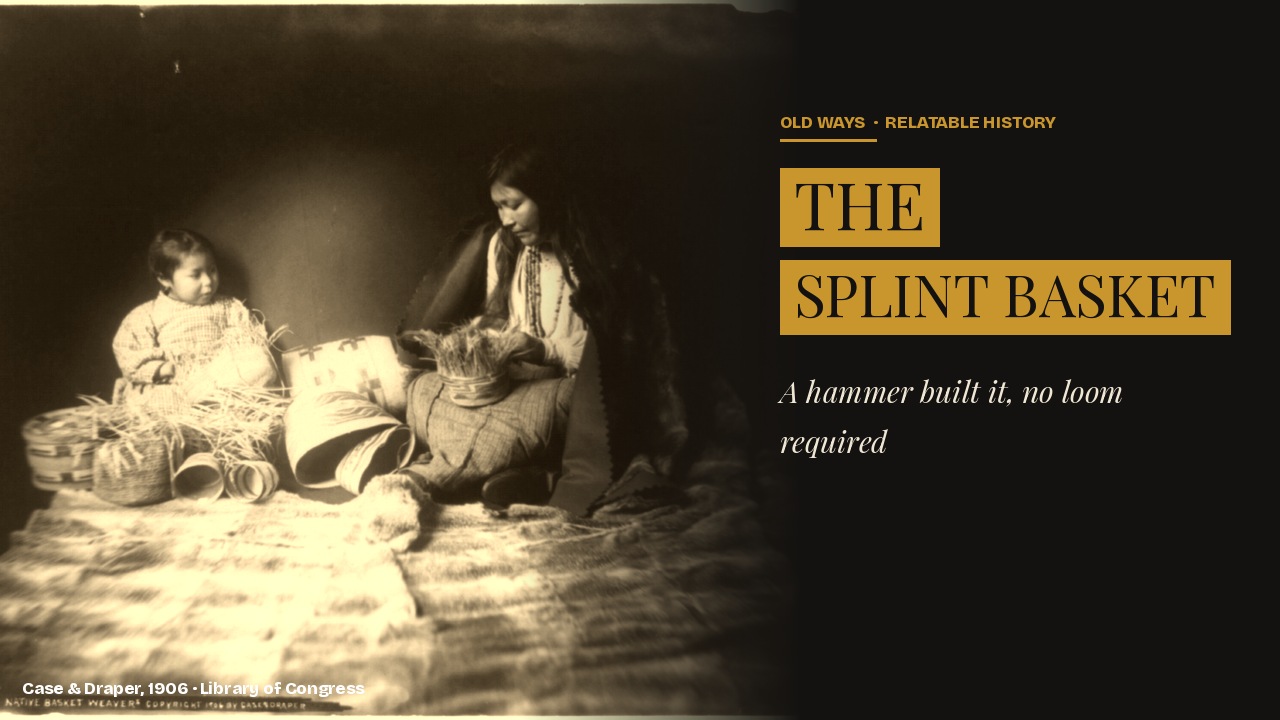
- The Native American Craft Behind Every Farm Basket — Nearly every egg basket, feed basket, and market basket on a 19th-century American farm descends from one Native pounding technique, taught to settlers, then nearly erased…
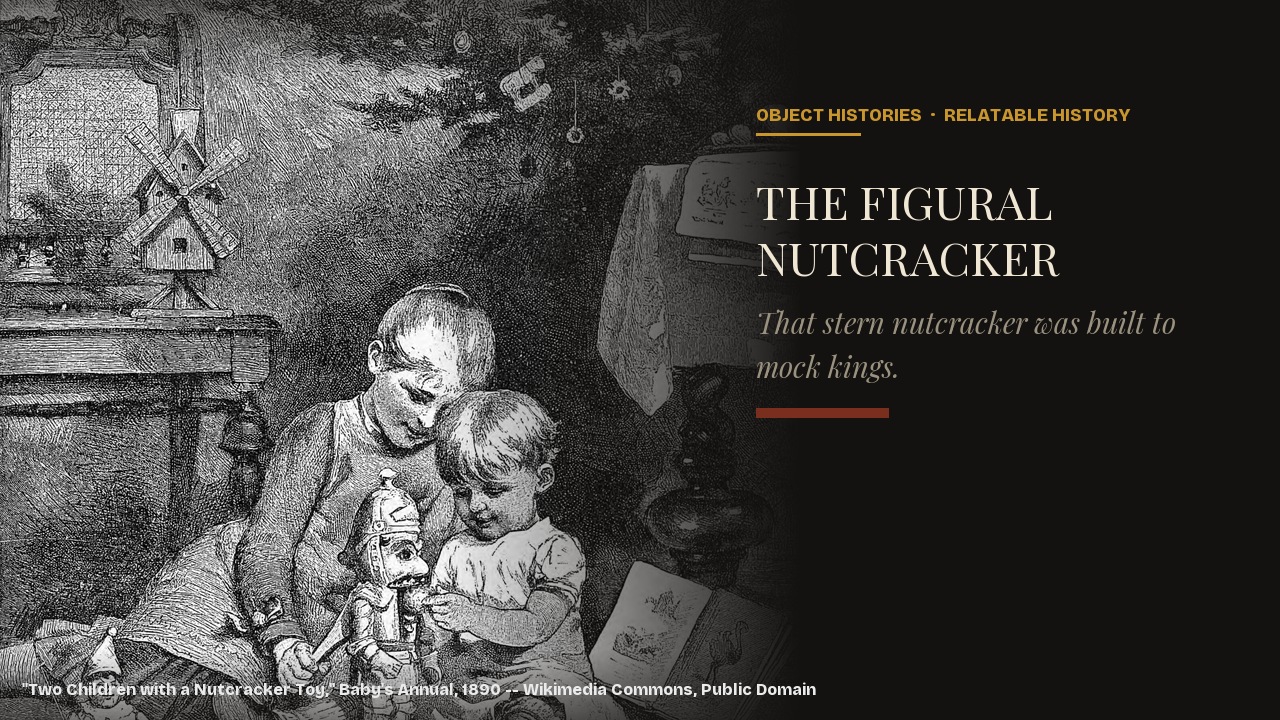
- Why Christmas Nutcrackers Are Shaped Like Kings and Soldiers — The wooden king on your mantel was carved by people who’d lost their own livelihoods, to make him grind his jaw forever. Here’s the oddly tangled, three-named, two-Hoffmann…
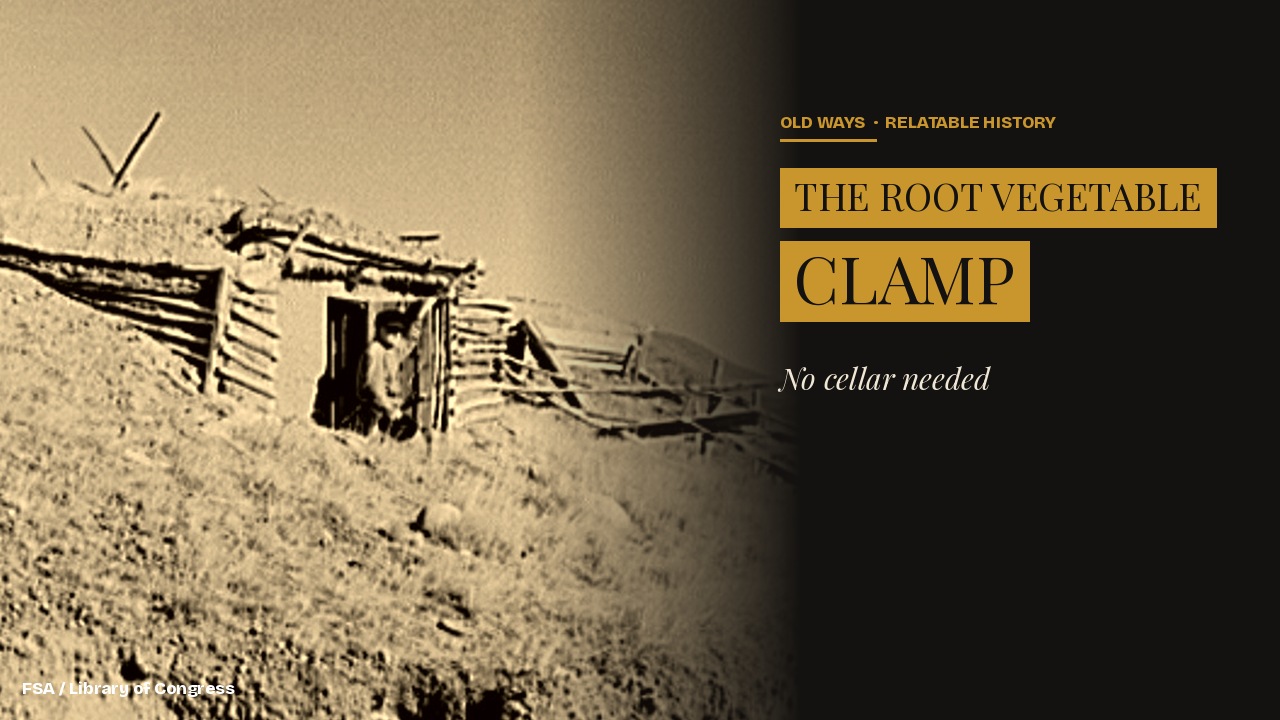
- How to Store Root Vegetables All Winter Without a Cellar — Long before refrigeration, a farm without a root cellar buried its potatoes and turnips in a mound of straw and earth called a clamp — and two governments eventually made…
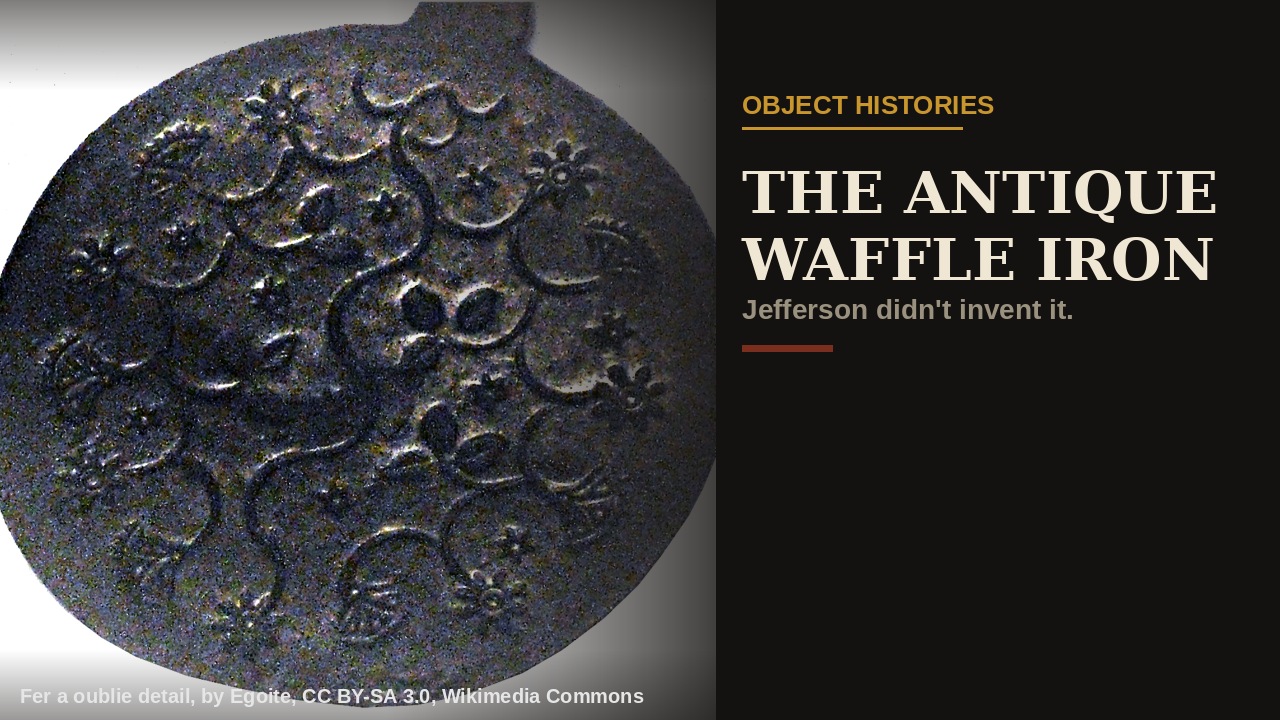
- Why Waffles Have a Grid Pattern (It’s Not About the Syrup) — The waffle’s famous grid wasn’t designed to hold syrup. For centuries it held something else entirely — a family’s coat of arms, a church’s sacred symbols, even the tread of a…
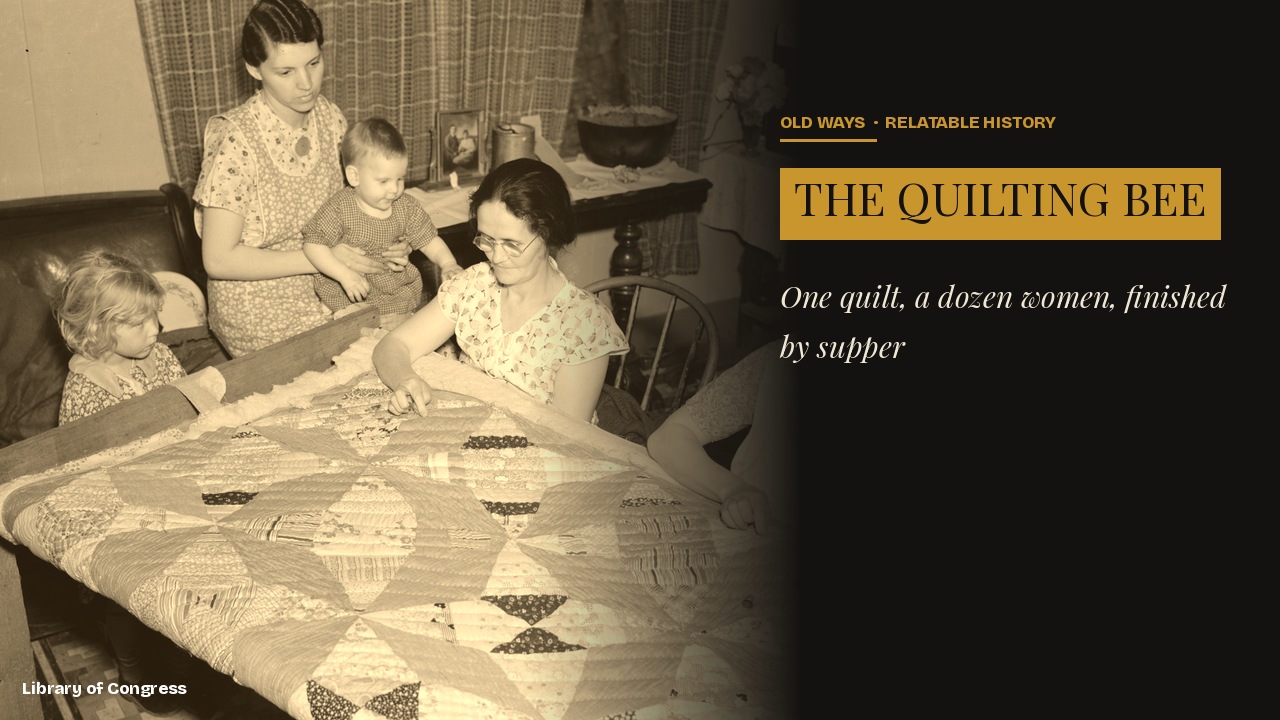
- The Quilting Bee Was Already a Punchline by the 1860s — The quilting bee was real, but probably not the way you picture it. A 160-year-old joke photograph, a midwife’s diary, and a Depression-era square dance tell a stranger story.
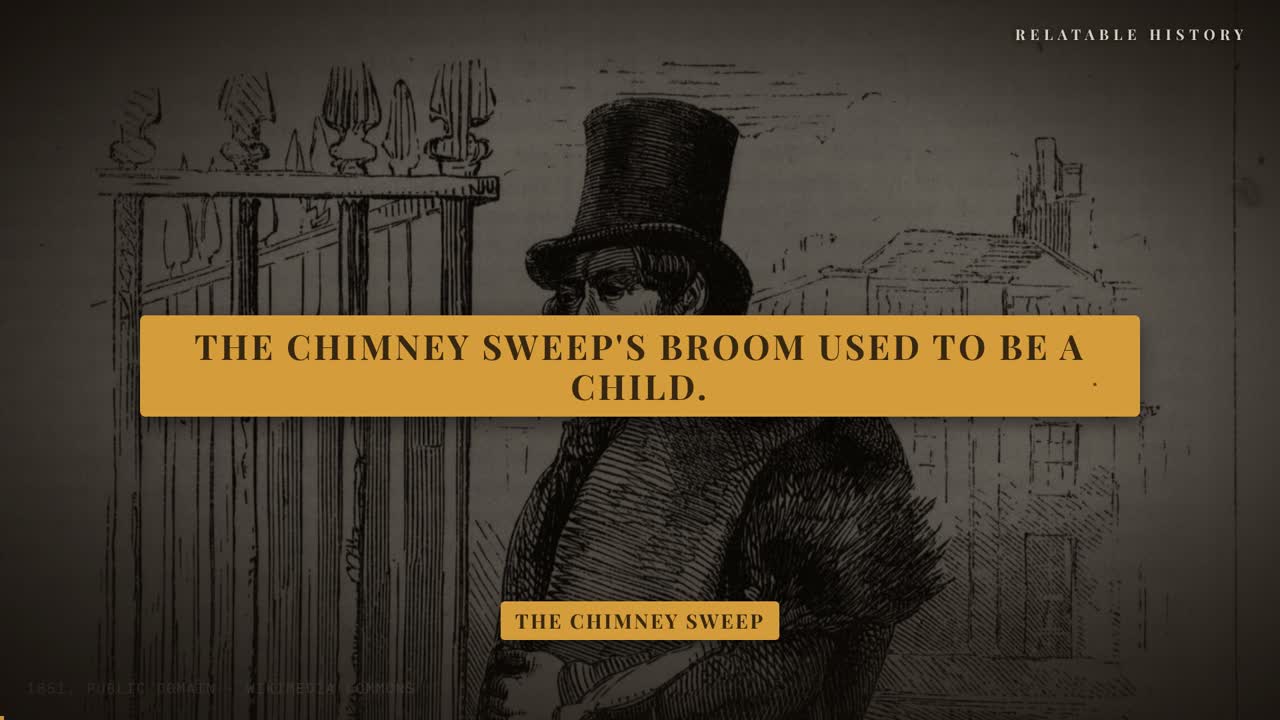
- Climbing Boys: The Children Britain Sent Up Chimneys — Climbing boys were chimney sweeps apprenticed as young as four and sent inside flues nine inches wide. It took a surgeon’s cancer discovery, three failed laws, and one more…
- How Much Firewood Heated a Farmhouse Through a 19th-Century Winter — A farmhouse with no coal or oil ran on wood that had to be cut, split, and dried for the better part of a year before anyone burned it — and what a single winter’s heat…
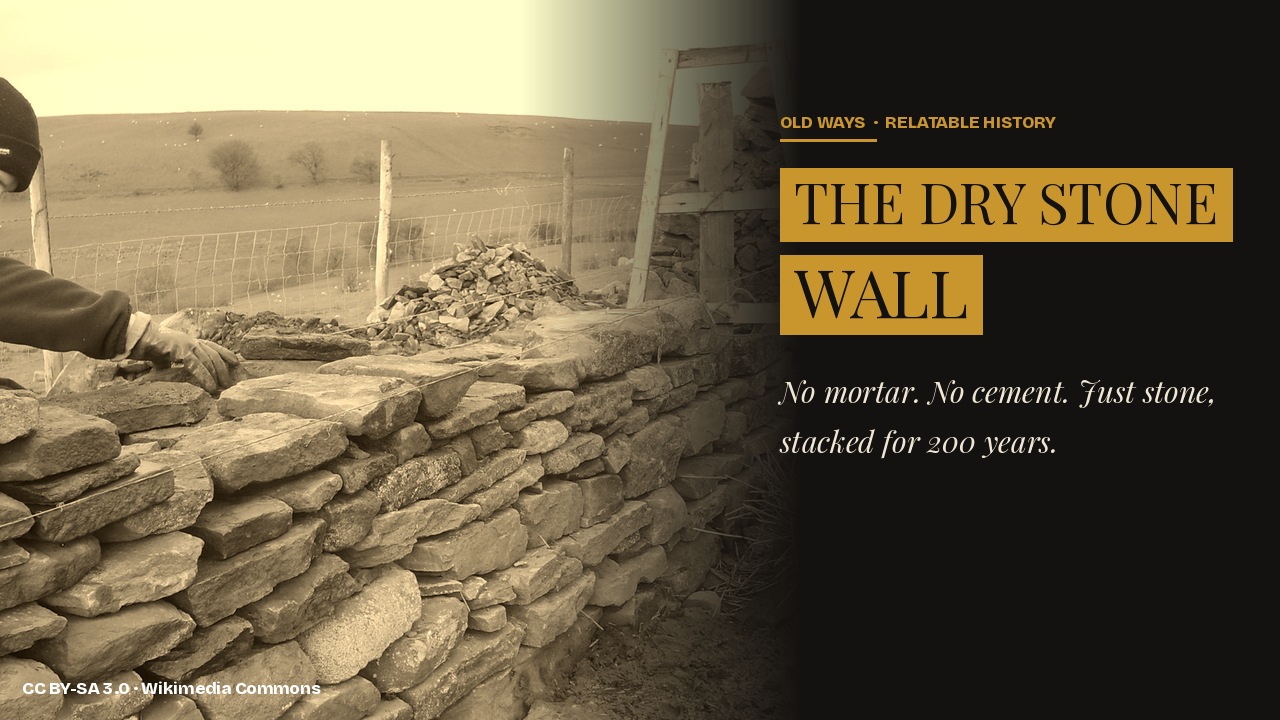
- How Dry Stone Walls Stay Up Without a Drop of Mortar — A dry stone wall has no mortar, no cement and no engineer’s drawing behind it — just stacked rock, weight, and a deliberate lean. Some examples still standing are pushing four…
- The 2,000-Year History of the Cold Frame — A Roman emperor demanded an out-of-season fruit every day of the year. Two thousand years later, a homesteading family in New Mexico used the same trick just to get through winter.
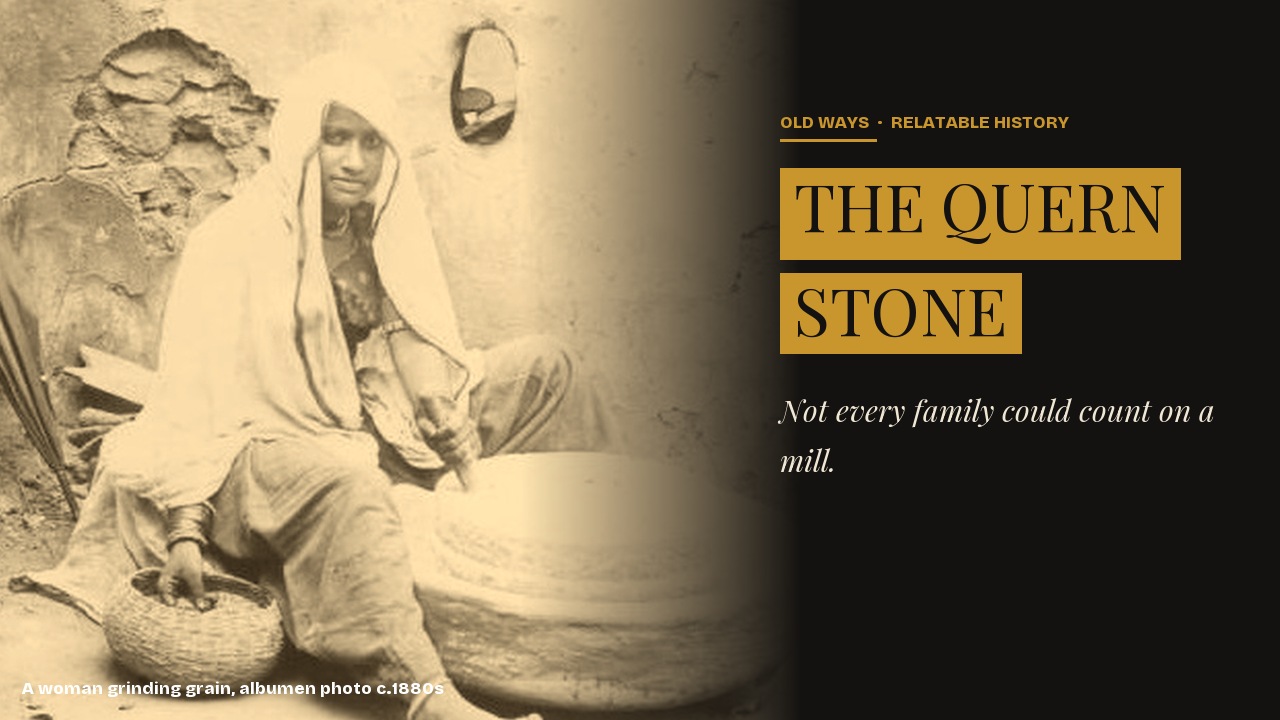
- What Was a Quern Stone? The Hand Mill That Outlasted Empires — Two stones, a wooden peg, and an hour of aching work for one loaf of bread. The quern stone outlasted Rome, survived a medieval ban, and fed the American frontier through a war.
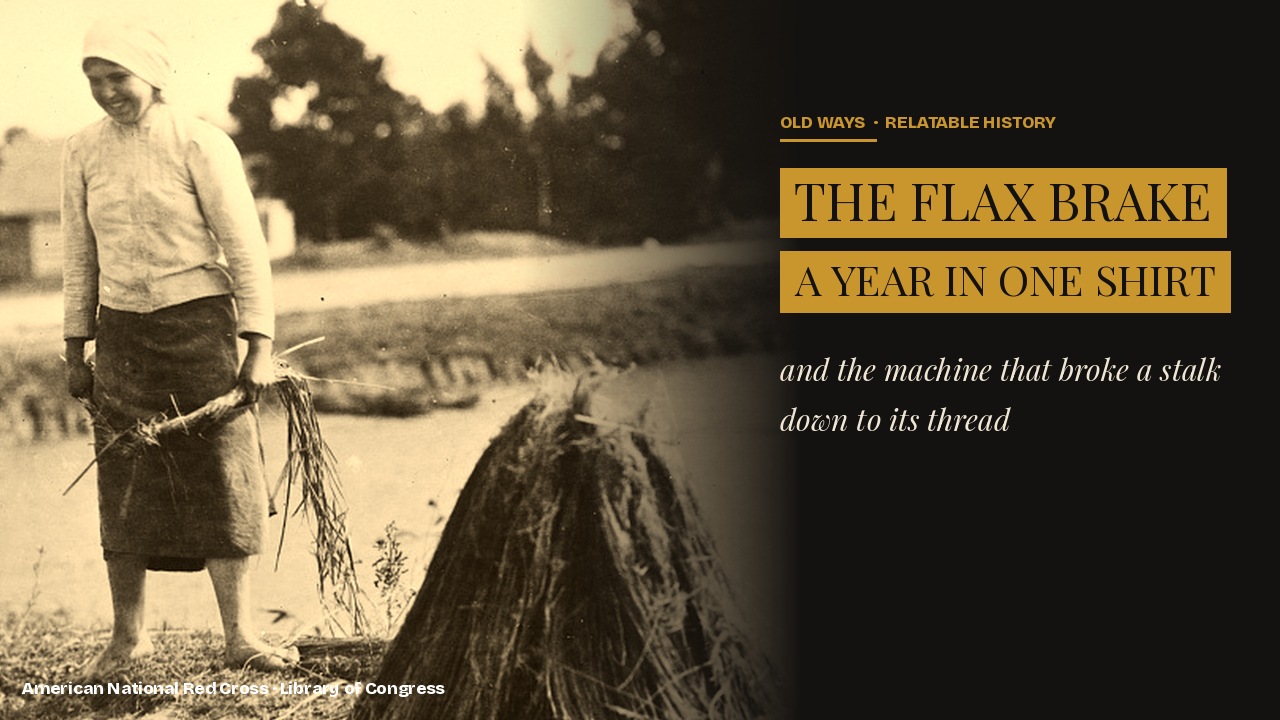
- Why Flax Never Became an American Industry — Cotton got the gin. Wool got the jenny and the water frame. Flax got almost nothing, in America at least — while across the Atlantic, the same fiber built an entire industrial…
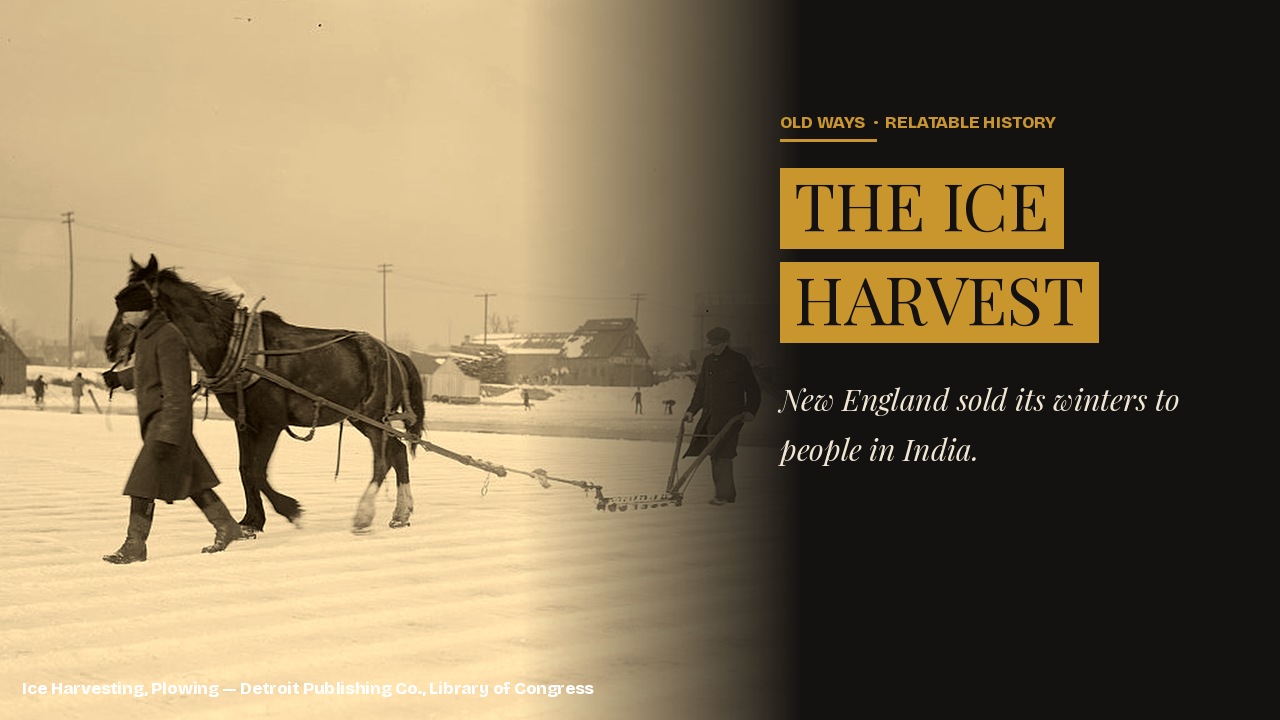
- Inside the 19th-Century Ice Harvesting Industry’s Boom and Bust — Cutting and hauling pond ice once employed tens of thousands of workers every winter and built Maine river towns almost overnight, until a rival trade across the Atlantic and a…
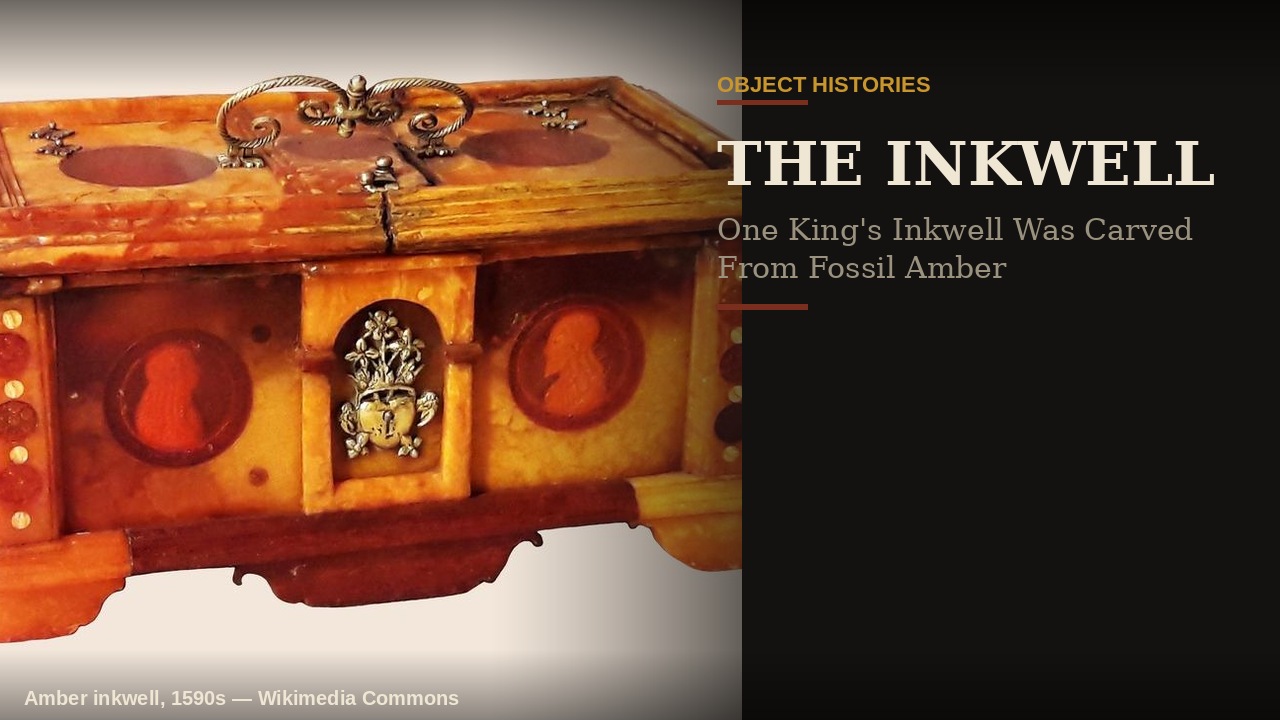
- How an Inkwell Actually Worked, From Ancient Egypt to the Classroom — An inkwell wasn’t just a vessel. It was a daily argument with evaporation, frost, and a chemical reaction that quietly destroyed the page it was written on.
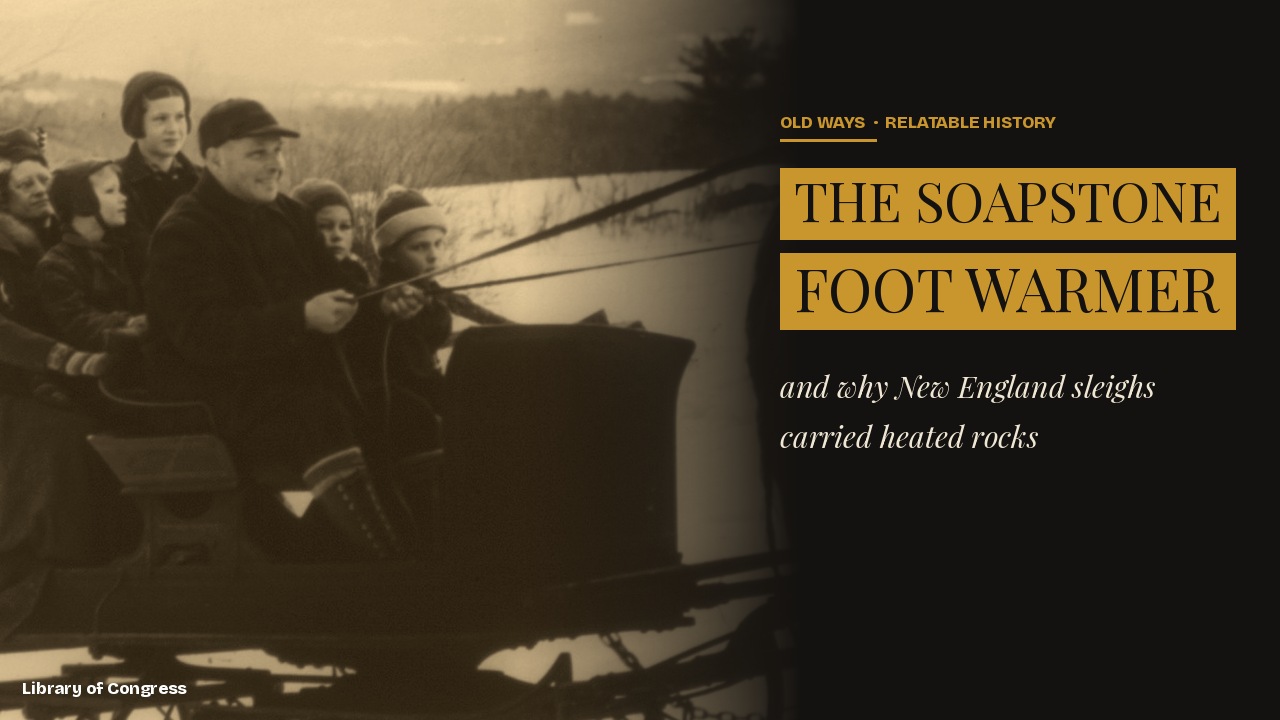
- How Soapstone Foot Warmers Worked, and What They Replaced — Long before the hot water bottle, New England families heated a flat stone and carried it into sleighs, pews, and beds, because it held heat almost twice as well as iron.
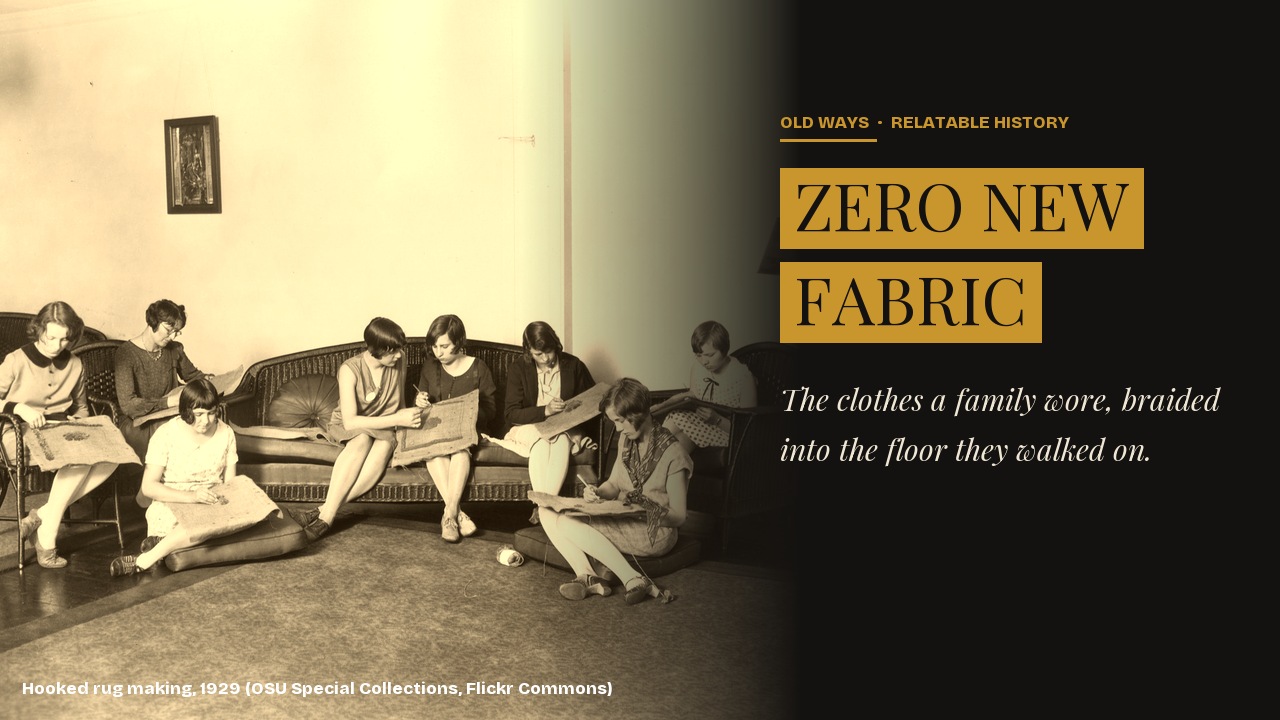
- How Rag Rug Making Worked, From Rags to Wages — Braiding, hooking and weaving solved the same problem three different ways. In one well-documented case, the craft also paid real wages — and sales nearly tripled in three years.
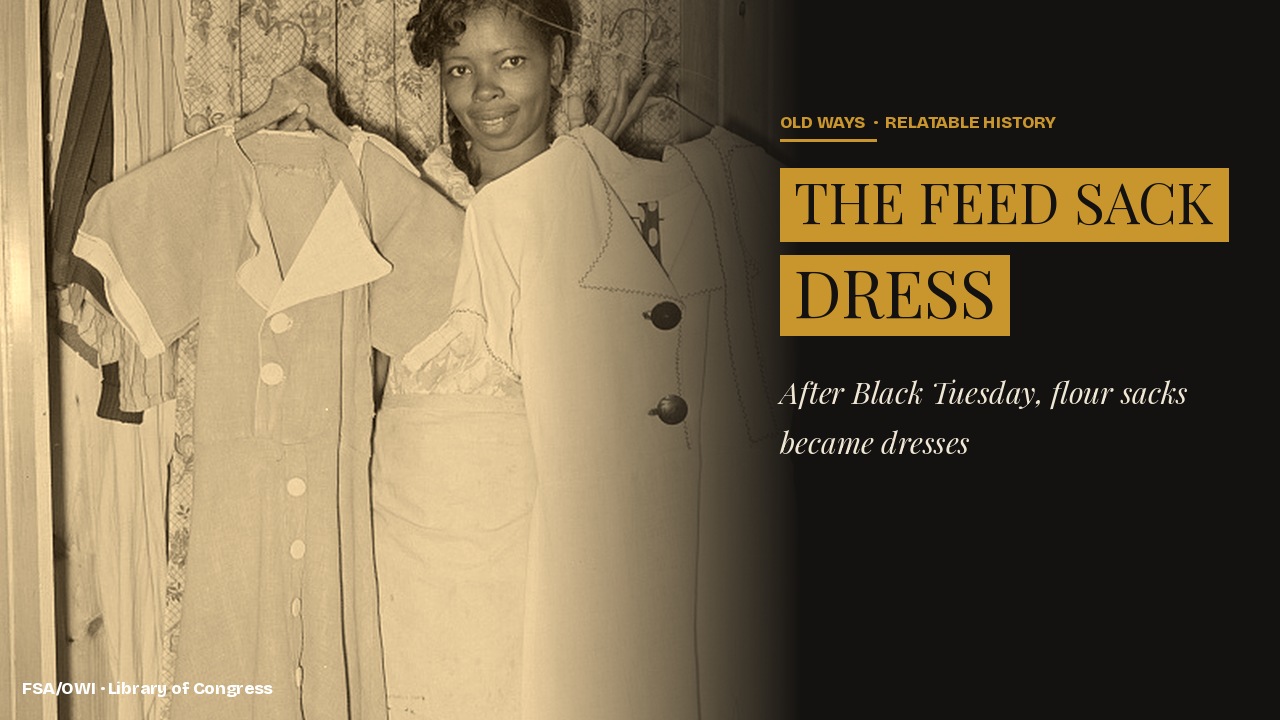
- The Cotton Bag Sewing Contest That Outlived the Great Depression — Long after the Depression that made feed-sack sewing a necessity, the bag industry invented a national sewing contest to keep farm women buying patterned sacks — and some of…
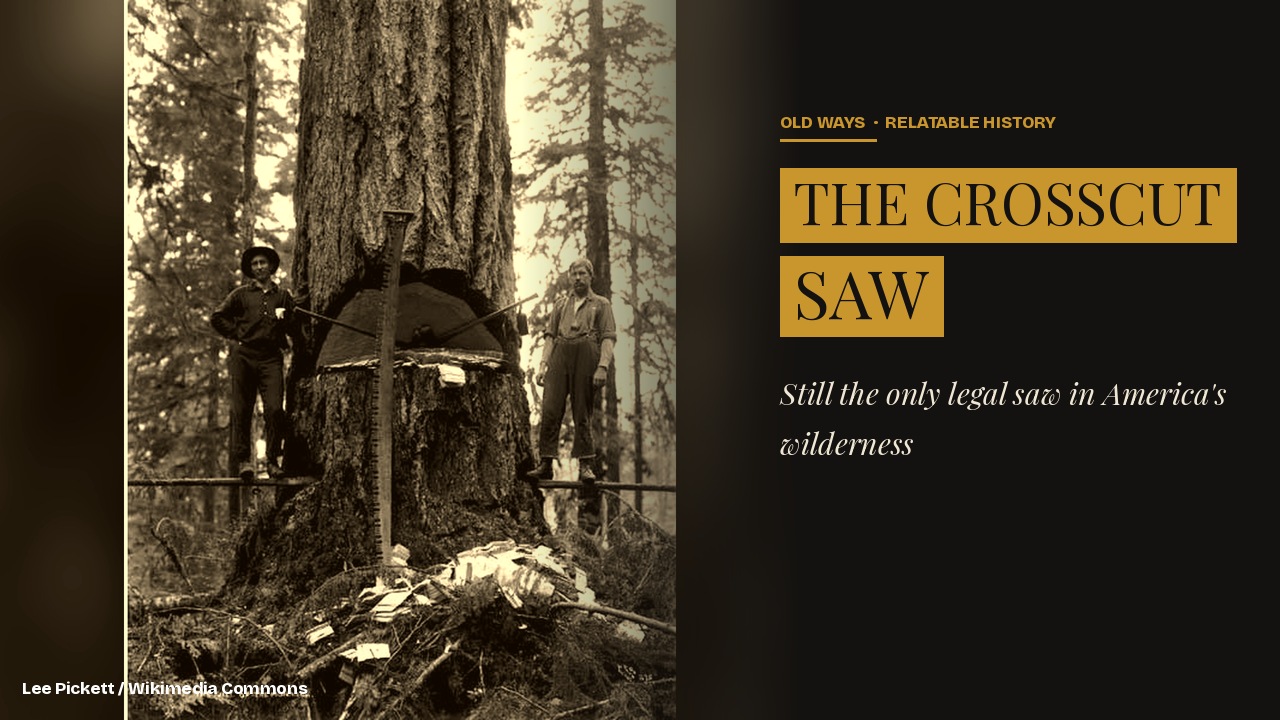
- Why the Crosscut Saw Is Still Legal in Wilderness Areas — A federal law written in 1964 never once says the word chainsaw. It still left millions of wilderness acres where the only legal saw is the two-person crosscut, worked by hand.
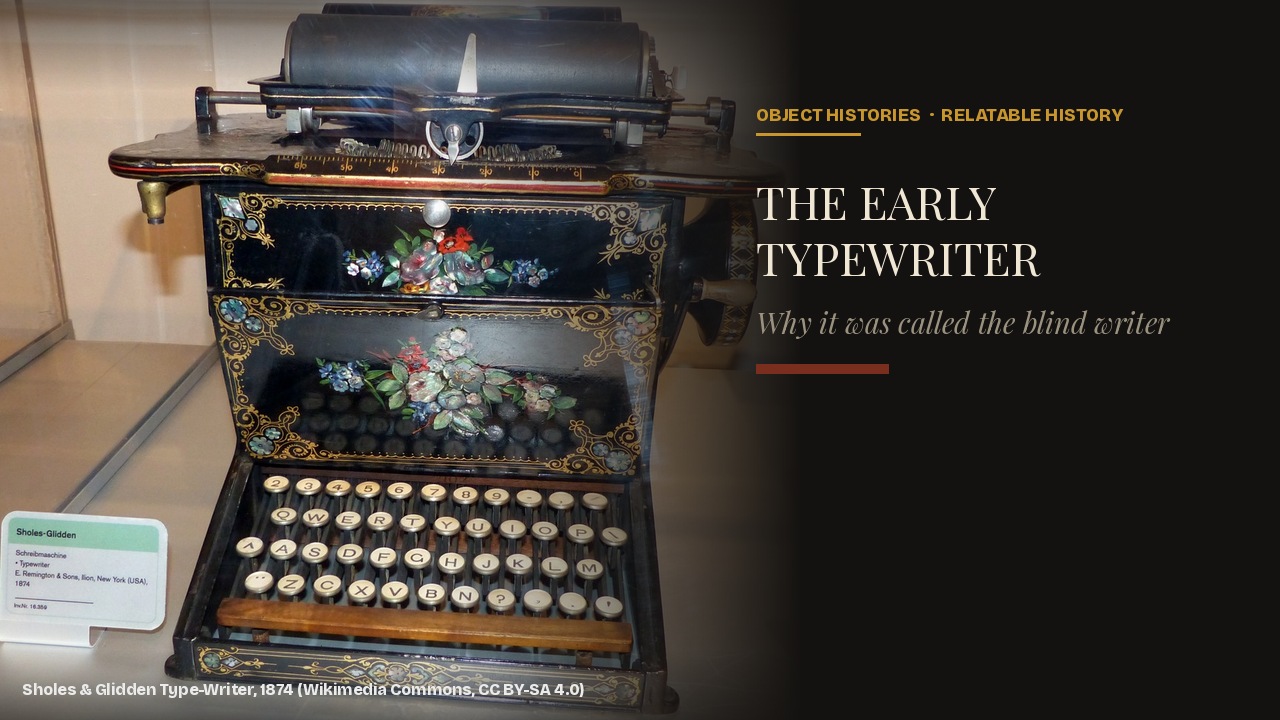
- Why Keyboards Use QWERTY — And What the Jamming Story Gets Wrong — The keyboard layout under your fingers right now was devised for a machine that typed blind, sold reluctantly by a rifle maker, and patented three times before it actually worked.
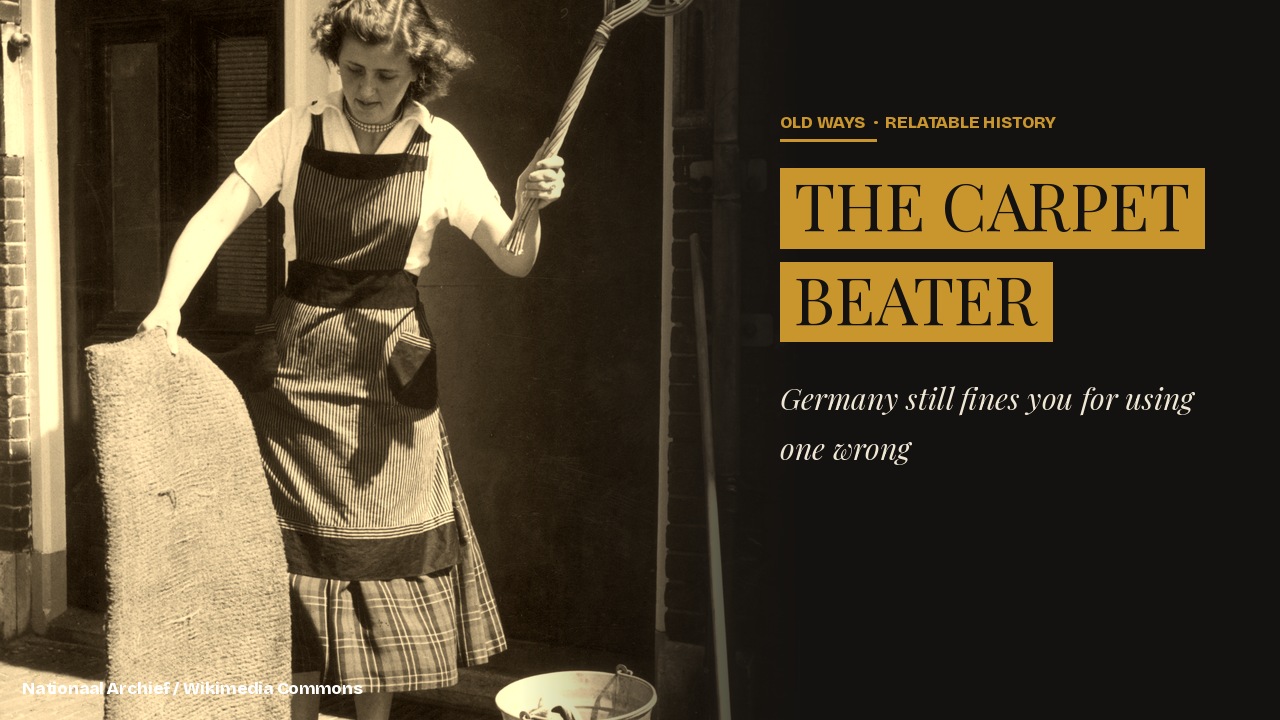
- How Carpet Beaters Worked Before the Vacuum Cleaner — The carpet beater’s shape was fixed by a single 1876 patent, and the household habit it built outlived the tool itself — it still shows up in German tenancy law about when…
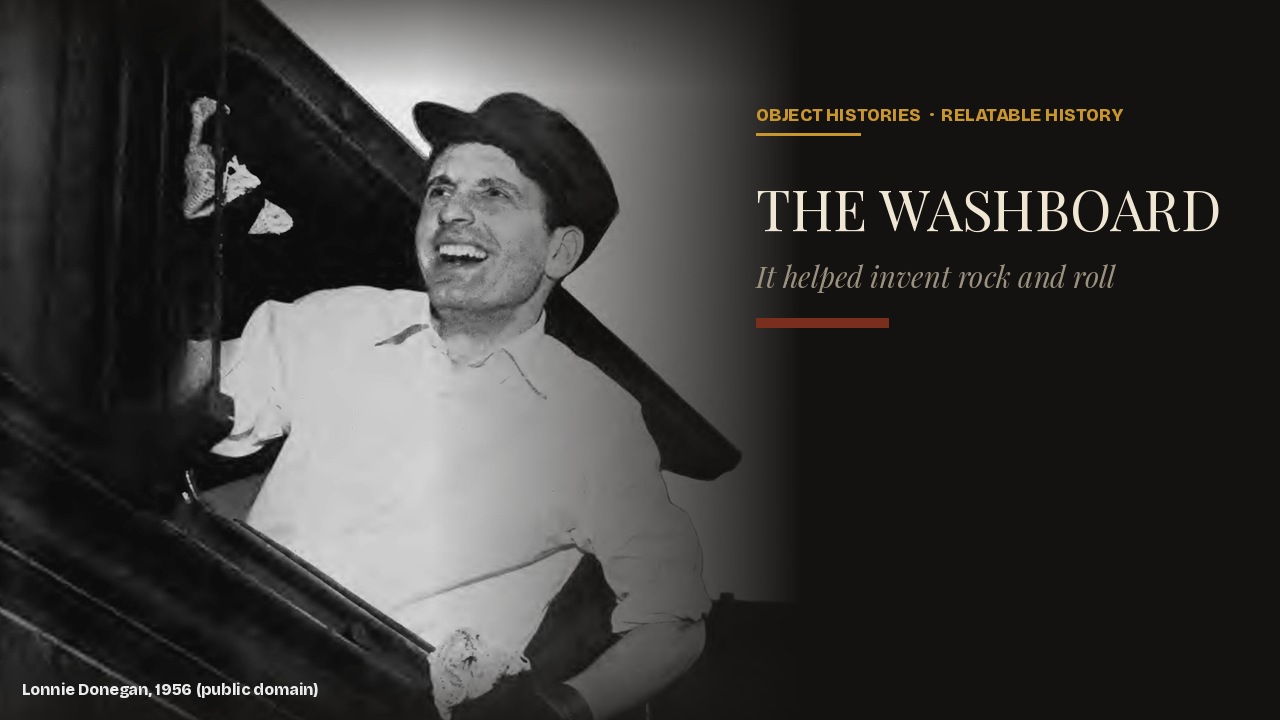
- How the Washboard Became a Musical Instrument — The corrugated board patented for scrubbing laundry in 1833 went obsolete within a lifetime — and was reinvented, separately, by a Louisiana welder and a generation of British…
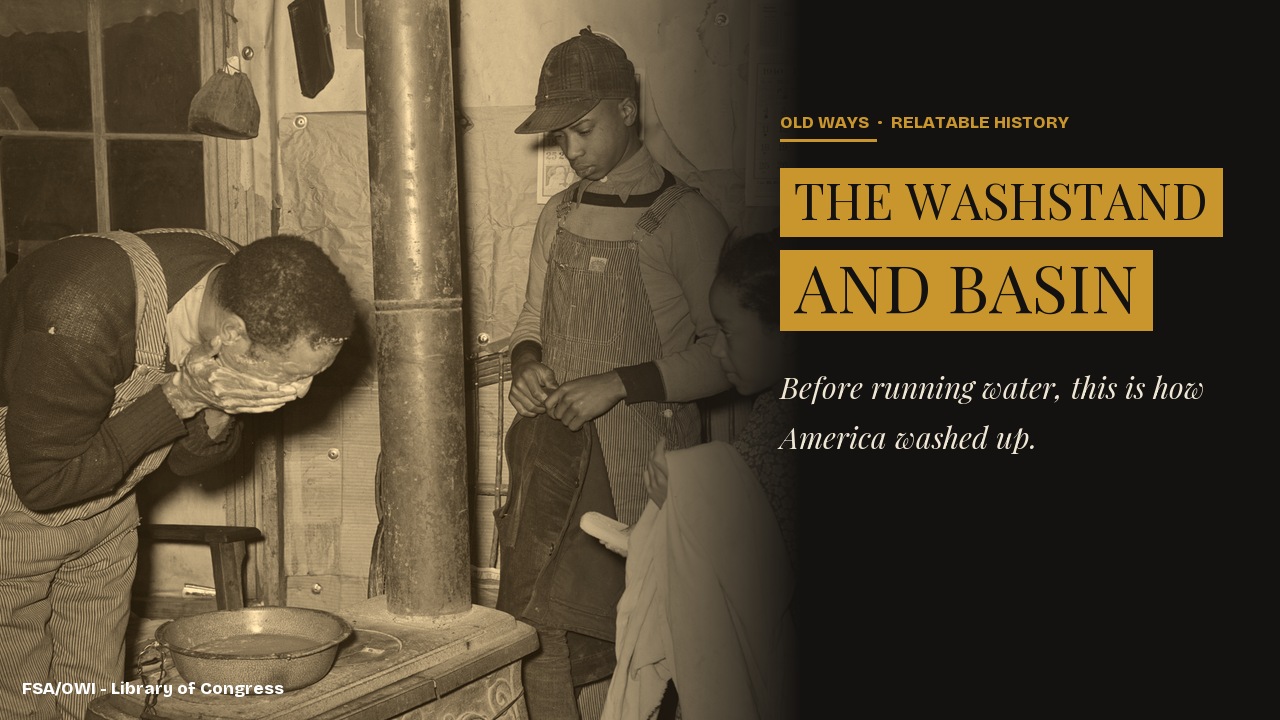
- What Washing Before Indoor Plumbing Really Looked Like — Long before the bathroom tap, an ordinary pitcher and basin, refilled by hand trip after trip, was how entire households washed, shaved, and got through the morning.
- How Oxen Were Trained to Plow Without Reins or a Bit — A yoke of oxen answered to two words and a stick, not a bridle. Here is how the training, the carving, and the hard economics of owning oxen actually worked on the American…
- Why the Lycurgus Cup Turns From Green to Red — A fourth-century Roman cup changes color depending on where the light comes from. The chemistry took sixteen centuries to explain. The craftsmanship is still a mystery.
- How a Fireplace Trammel Worked in a Colonial Kitchen — The crane got the swinging arm, but the trammel did the real work: a notched or ratcheted iron hook that let a cook dial in heat over open flame with no thermostat at all.
- How Stave Silos Worked: Turning Green Corn Into Winter Feed — Farmers once built fifty-foot wooden barrels just to make their corn rot on purpose. Here’s how a stave silo actually worked, who gets credit for inventing it, and why none are…
- Threshing Grain by Hand: The Flail, the Floor, and the Riot That Tried to Stop the Machine — For most of agricultural history there was only one way to get grain out of its husk: beat it loose by hand with a flail. Then a machine arrived that could do the job in…
- The History of Cheese Pressing: From Roman Molds to Jefferson’s 1,235-Pound Wheel — A borrowed cider press, nine hundred cows, and a disputed inscription: how a simple screw turned surplus milk into a political stunt, a patentable machine, and a dying…
- The Telephone Companies America’s Farmers Built Themselves — Long before any phone company reached rural America, farmers incorporated, financed, and ran thousands of telephone companies of their own — and one hand-crank exchange in…
- Why New England’s Stone Walls Run 240,000 Miles — For two centuries, New England farmers pulled stone out of their fields by hand, ox, and sledge, and never once found a way to make it stop coming back.
- Wash Day Before Washing Machines Started With a Patent Fight — Before the washing machine, clean clothes took a patented tub, a home soap recipe, and a blue dye bought to fool the eye. Here’s the paper trail wash day left behind.
- The Strange, Three-Thousand-Year History of the Ship’s Figurehead — A Boston sea captain once beheaded a carved president in a thunderstorm. A warship’s lion figurehead came up from the deep without her, 333 years later. This is the real…
- The Real History of the Worm Fence — Americans have told this fence’s story as frontier ingenuity for two centuries. The documented record says something stranger — and stranger still about the rails that made…
- How Hourglasses Were Made, and What Was Actually Inside Them — Most hourglasses never held sand at all. Here is what glassmakers actually put inside them, and why ships and churches couldn’t do without one.
- What Finding a Red Ear of Corn Actually Meant at a Husking Bee — The red ear everyone remembers from a husking bee came with its own policing, its own cheating scandals, and — on at least one recorded occasion — a very different ending.
- How the Sewing Machine Installment Plan Put One in Every Farmhouse — A hand-sewn shirt took about fourteen hours; the same shirt on a machine took about one. Almost nobody could pay for the machine outright, though — so a lawyer named Edward…
- How Scrimshaw Was Made, From Whale’s Tooth to Keepsake — A whale’s tooth sat in Greta Garbo’s keeping for thirty-six years before anyone traced it back to the Oval Office — and tracing it is most of what there is to know about how…
- How Tallow Candles Were Made, and Why Candle Day Was Dreaded — A single afternoon of rendering fat and pouring tin molds gave a household an entire winter of light. A 1754 probate inventory shows exactly how the accounting worked.
- The Spinning Wheel’s Economics Were Worse Than You Think — A 2019 economic-history study found that hand-spinning, the very sector mechanized first, was already some of the worst-paid work in England — which undercuts a famous theory…
- How Cream Separators Worked, and Why Every Farm Wanted One — A hand-cranked machine could pull nearly all the cream out of a bucket of milk in the time it took to turn a crank up to speed. Here is the engineering, and the chore, behind it.
- How Artificial Eyes Were Made, From Ancient Iran to Modern Acrylic — Before glass, an artificial eye was a crude disc worn over the socket. Here’s how a nearly 5,000-year-old Iranian prosthetic led, through Venetian secrecy and two world wars,…
- How Corn Shellers Worked, and Why American Farms Needed One — A crank and two toothed wheels replaced a chore that used to take all winter. Here is how the hand-crank corn sheller actually worked, and why hand shelling never fully…
- How Skep Beekeeping Worked Before the Movable-Frame Hive — A skep had no frames and nothing removable inside it, which is why, for roughly two hundred years, taking the honey usually meant killing the bees that made it.
- Why Combs Were Used for Lice Long Before They Were Used for Style — A 1700 BCE comb begs, in writing, for relief from lice. That was not an outlier — it was the comb’s main job for most of history, long before it was about style.
- Why Pencil Lead Isn’t Actually Lead — A storm in England’s Lake District uncovered the rock that would be mistaken for lead, guarded like treasure, and reinvented twice more — by Napoleon’s France and by a…
- How Cider, Not Beer, Became Colonial America’s Everyday Drink — A bushel of bitter, inedible farm apples, a hand-cranked grinder and a wooden screw press were how a colonial household drank through an entire year without touching the well.
- The True Story Behind the Flannan Isles Lighthouse Mystery — The famous overturned chair and untouched meal are not real. Here is what the Lighthouse Board’s own investigator found on the rock in December 1900, and how a poem replaced it…
- How a Water-Powered Grist Mill Turned Wheat Into Flour, No Cash Involved — A grist mill never sent a bill. Farmers paid in grain, by a fixed fraction called the toll, and the arrangement held for roughly three centuries before steel rollers ended it…
- How Farmers Harvested Wheat With a Grain Cradle — A cradler swinging a claw of wooden fingers could out-cut a sickle three to one and still lose the race to a horse. The forty-year run of the tool that came between them.
- Why a Corn Crib’s Walls Lean Outward, and Why It Never Fell Over — A corn crib’s slats, taper and stilts were not shortcuts or decay. Each one solved a specific problem in keeping a winter’s worth of corn from rotting with nothing but moving air.
- Who Really Invented the Rickshaw? Three Rival Claims, One Vehicle — In 1869 Japan, at least three different people claimed credit for inventing the rickshaw. Thanks to a total absence of patent law, none of them ever won the argument.
- The Clothespin Patent History Behind America’s Favorite Free Dryer — A hundred and forty-six patents were filed for a stick with a spring. Inside the rivalry, the science and the law that grew up around the household’s original dryer.
- The Full History of the German Beer Stein — A hinged lid, a vitrified clay body and a bearded face buried under doorsteps as a witch’s ward: the German beer stein carries more regulatory and craft history than any mug…
- How the Sedan Chair Actually Worked, and Why It Started as a Scandal — A sedan chair needed no horse, no street and no permission to come indoors. It also needed two men to carry it, which is exactly what got the first one in England into trouble.
- How Quill Pens Were Actually Made, and Why Steel Killed Them — A goose feather, a very sharp knife, and a pinch of hot sand. That is the entire recipe behind twelve centuries of handwritten history.
- How Sod Houses Were Built on the Nebraska Prairie: The Construction, the Homestead Act, and the Life Inside — The Homestead Act gave settlers 160 free acres and required a house on them. With no timber for fifty miles, they built one out of the prairie itself. Here is how a sod house…
- How One Farmer’s Patent Rebuilt the American Barn — A single 1867 patent let American barns double their storage for free. It also could not solve the other problem: hay packed too damp will heat itself past the point of…
- The Contested History Behind Blue Monday Washday — For close to a century, Monday had a color. The argument over why is more interesting than the folk explanation most people repeat.
- How the Farm Windmill Pumped Water on the Great Plains — Between the 1850s and the 1930s, American factories built farm windmills by the millions, and more than seven hundred companies at some point made one. Exactly one still does.
- How the Daguerreotype Actually Worked, and Why It Was Dangerous — Every daguerreotype is a one-of-a-kind object with no negative behind it, made by a process so toxic that ventilating your mercury was genuine period safety advice.
- Who Invented the Mousetrap? The Rat War That Made It Necessary — The spring-loaded mousetrap was patented in 1894 and has barely changed since. Getting there took a hundred and fifty years of rat catchers, gambling dens, and one very…
- How a Smokehouse Cured a Year’s Worth of Meat With Only Salt, Smoke, and Time — A smokehouse was a chemistry experiment disguised as a shed. Here is exactly how salt and smoke turned a fresh hog into a year of food, who actually did the curing, and why a…