Instruments, inventions, measurement, and the slow accumulation of technical knowledge.
93 articles so far, newest first. Browse the full archive.
- The Carnac Stones Are Older Than Stonehenge. Nobody Knows What They Were For. — A 2025 dig finally dated Brittany’s three-thousand-stone alignments — and turned up a mystery the archaeologists still can’t explain.
- The Kecksburg NASA Files Nobody Can Find — A federal judge ruled that NASA had not proven its own search for the Kecksburg records was adequate. Decades later, the boxes that might settle the question still cannot be…
- Who Invented the Electric Toaster, Really? — The electric toaster had a real, documented fire problem for thirty years, and it took four actual engineers working in stages to fix it. The man most people would now credit…
- Why the Dorabella Cipher Remains Unsolved — Eighty-seven symbols, three lines, one composer’s idea of a private joke. More than a century and a cash prize later, nobody has read a word of it.
- The History of the Vinaigrette Box: A Georgian Cure for Bad Air — A vinaigrette box was carried by Georgian and Victorian women as genuine medicine against disease, until a London physician’s cholera map proved the whole theory behind it wrong.
- What the Tarim Mummies’ DNA Actually Revealed — Every clue above ground pointed west: felted wool, a checked twill tunic, a weave matched to the Alps. The genomes said no one from the west had ever reached the cemetery at all.
- The Purpose of the Longyou Caves Is Still Not Settled — Four farmers drained a pond they had always been told was bottomless and found a hand-cut chamber thirty metres down. Three decades of survey later, nobody has settled why it,…
- Were the Ulfberht Swords Really Made With Crucible Steel? — Nine of the roughly 170 Viking-age swords inscribed with one Frankish name carry steel harder than medieval Europe is thought to have been able to forge. No one has ever found…
- What Was the Wow! Signal? Inside Astronomy’s Most Famous Unsolved Case — For 72 seconds in 1977, a telescope in Ohio recorded something it has never recorded again. Here is what nearly fifty years of searching for it has turned up, and the single…
- Why Kryptos K4 Is Still Unsolved, Even After a $962,500 Sale — In November 2025, the only complete solution to the CIA’s most famous unsolved cipher sold at auction for $962,500. The buyer still has not told anyone what it says.
- Who Built the Delhi Iron Pillar? The Question Nobody Signed Their Name To — The rust-resistance of the Delhi Iron Pillar is settled metallurgy. Who actually forged it, and where it stood before Delhi, is the argument two centuries of scholars still…
- The Statue of Liberty’s Torch Was Once a Legal Lighthouse — Long before it was sealed shut, the torch was a disappointing navigation light run by the U.S. Lighthouse Board. Four redesigns later, the original is on display forty feet…
- Why the Crosscut Saw Is Still Legal in Wilderness Areas — A federal law written in 1964 never once says the word chainsaw. It still left millions of wilderness acres where the only legal saw is the two-person crosscut, worked by hand.
- Why Keyboards Use QWERTY — And What the Jamming Story Gets Wrong — The keyboard layout under your fingers right now was devised for a machine that typed blind, sold reluctantly by a rifle maker, and patented three times before it actually worked.
- Where Damascus Steel Was Made (It Wasn’t Damascus) — The real source of “Damascus” steel was a cluster of furnace villages in India, not a forge in Syria — and the trade that moved it west collapsed before anyone recorded exactly…
- Did Franklin Invent the Franklin Stove? — Benjamin Franklin refused to patent his famous stove on principle — and lost the credit for the version that actually worked.
- Is the Cascajal Block Really Writing? Inside a Twenty-Year Argument — A single Olmec stone is being asked to prove an entire writing system existed. The only serious case against it is that there is just one of it.
- How the Jealousy Glass Let Theatergoers Spy Without Looking — An 18th-century optician drilled a hole and tilted a mirror inside an otherwise ordinary spyglass, and the result let a whole generation of theatergoers watch each other…
- Why the Lycurgus Cup Turns From Green to Red — A fourth-century Roman cup changes color depending on where the light comes from. The chemistry took sixteen centuries to explain. The craftsmanship is still a mystery.
- How the Apple Parer Worked, and Who Actually Invented It — Moses Coates patented his apple-paring machine in 1803 and wrote to Thomas Jefferson about it. The reply that actually survives says something different from the legend.
- What the Declassified Tehran UFO Documents Actually Say — A three-page government file, an evaluation form marked “high value,” and a dry lake bed with nothing on it. Here is what the declassified Tehran UFO report actually contains,…
- How Stave Silos Worked: Turning Green Corn Into Winter Feed — Farmers once built fifty-foot wooden barrels just to make their corn rot on purpose. Here’s how a stave silo actually worked, who gets credit for inventing it, and why none are…
- Is Water Glassing Eggs Actually Safe? What a Century of Science Found — A Scottish university chemist proved eggs could survive four years in a jar of liquid glass. A century later, food scientists found the reason you still should not try it today.
- Why Karahan Tepe Was Buried on Purpose — The room that made Karahan Tepe famous was not abandoned to collapse. It was deliberately packed with rubble, and nobody has a solid explanation why.
- Scientists Know Exactly When the Sky Went Dark in 536 AD. They Still Don’t Know Why. — Tree rings, ice cores and chronicles from three continents agree on exactly what happened in 536 AD. A century of volcanic detective work still hasn’t found who did it.
- How a Sextant Works, From Tall Ships to Apollo 13 — The sextant never needed updating in two hundred and fifty years. Here is the actual mechanism behind it, and the wartime cockpits, lifeboats and spacecraft that leaned on it…
- What Really Happened to the Peking Man Fossils? — Six skullcaps, fifteen jawbones and 157 teeth disappeared in two wooden crates in December 1941. Eighty-five years of searching has produced a hoax, a hundred tips, and four…
- The Nebra Sky Disc Dating Dispute, Explained — The gold went onto the Nebra Sky Disc in at least three separate phases long before anyone buried it — and in 2020, two archaeologists argued the whole object might be a…
- Drift Bottle Science: How Sealed Notes Helped Map the World’s Oceans — The note that broke a 131-year world record wasn’t a castaway’s plea — it was one slip in a 69-year government experiment that used cheap glass to map currents no satellite yet…
- The Robertson Panel UFO Report, Explained — Five scientists, four afternoons, and under a hundred case files decided how the U.S. government would talk about flying saucers for the next two decades. The report itself…
- How Sorghum Syrup Was Made Before Sugar Came in a Sack — For four decades, government chemists tried to turn sorghum into real sugar and kept failing. Rural America got something arguably better instead: a syrup it could make at…
- How Hourglasses Were Made, and What Was Actually Inside Them — Most hourglasses never held sand at all. Here is what glassmakers actually put inside them, and why ships and churches couldn’t do without one.
- The Furcula: The Science and Superstition Behind the Wishbone — A Roman commander once threw sacred chickens overboard rather than listen to them. Centuries later, their forked chest bone would help settle an argument about where birds…
- How an Abacus Actually Works, Bead by Bead — An abacus runs on a simple trick with beads and complements — simple enough that a trained operator beat a U.S. Army calculator in 1946, and sturdy enough that a version built…
- What Costa Rica’s Stone Spheres Were Actually For — Only about a dozen of Costa Rica’s three hundred stone spheres are still where they were originally placed. That is not much evidence, but it is almost everything…
- How Fire Alarm Telegraph Boxes Worked — A fire alarm telegraph box never detected a fire. It announced the number a human believed was closest to one – a distinction that nearly cost Chicago everything.
- The Jamestown Pocket Sundial That Told the Wrong Time — Archaeologists have pulled at least four ivory pocket sundials from the ruins of James Fort, each one engraved for a European latitude — Nuremberg, Venice, and beyond —…
- The Kaleidoscope Patent That Failed Its Own Inventor — In February 1815, Scottish physicist David Brewster looked through a triangular trough of glass at some loose bits of cement and saw a perfect symmetrical pattern. Two years…
- Why Player Pianos Outsold Real Pianos in 1924 — In 1924, more player pianos were sold in America than pianos people actually sat down and learned to play. This is the real history: the Detroit inventor who built the first…
- Charles Babbage and the Organ Grinders He Hated — Charles Babbage designed the first mechanical computer, then spent over a decade convinced London’s street organs were destroying his career. This is the real, documented…
- Why Music Boxes Disappeared: Rise and Fall of an Industry — By 1896, the Regina Music Box Company was America’s recognized market leader, selling self-playing steel discs to saloons and parlors from a 300-worker New Jersey factory. By…
- How the Mechanical Turk Worked, and Who Was Hiding Inside — Napoleon lost to a machine in 1809. Benjamin Franklin was personally invited to see it play. For fifty-seven years, almost nobody could prove the Mechanical Turk was a hoax.…
- What Was in Victorian Smelling Salts — The active ingredient in a Georgian lady’s silver vinaigrette was burnt deer antler. Two centuries later, NFL sidelines were using the same chemical trick — until the league…
- Who Really Invented the Ouija Board? — The Ouija board’s 1891 patent names three men. The fuller story includes a forgotten medium, a brothers’ feud that ran eighteen years, and the factory-roof accident that killed…
- Inside the Discovery of the Great Pyramid’s Big Void — In 2017, physicists found a space at least thirty metres long inside the Great Pyramid without touching a single stone. The record still doesn’t say what it’s for.
- The Storm Cellar Existed Before Tornado Warnings Did — Until 1948, the United States had no functioning tornado warning system — forecasters were officially barred from using the word at all. The storm cellar is what families built…
- The Battle of Los Angeles UFO Theory Comes From a 1980s Forgery — The UFO theory attached to the Battle of Los Angeles has an exact birth year: 1987. Here’s where it actually came from, and what the wartime documents themselves say.
- The Radium Water That Dissolved Eben Byers’ Jaw — A golf champion and steel millionaire believed radium water was perpetual sunshine in a bottle. By the time his jaw began to crumble, the dose was already fatal.
- How the Iron Lung Worked, and Who Was Still Breathing Inside One in 2026 — The iron lung never pushed air into anyone — it borrowed the same pressure trick your own ribcage uses. The last American who depended on one died only months before this was…
- How Many Lobotomies Did Walter Freeman Actually Perform? — Walter Freeman’s own tally ran past 3,400 lobotomies, and the United States was performing thousands more in a single year. The documented record is stranger than the legend.
- Who Discovered Ether Anesthesia? The Feud That Ruined Three of the Four Men Who Claimed It — Four men claimed credit for ending surgical pain with ether. One died broke after twenty years of litigation, one died in an asylum, one took his own life, and the one who…
- How Phrenology Hiring Practices Took Over Victorian Workplaces — Before resumes, some employers wanted a skull reading first. Here’s how a Viennese doctor’s theory of bumps became an American hiring filter, and why a judge eventually said no.
- How the Violet Ray Machine Worked, and Why It Took Decades to Debunk — A glass wand that glowed violet and crackled against the skin sat in millions of American bathroom cabinets for half a century, promising to cure almost everything it never…
- The Rendlesham Forest UFO Case: What the Evidence Actually Shows — The Halt memo is real, filed at the National Archives as DEFE 24/152. What it describes is where forty years of argument begins.
- What Was Project Mogul? The Secret Program Behind the Roswell Myth — The Roswell crash was real, and so was the cover-up. It just wasn’t covering what the legend says: a secret balloon built to listen for a Soviet bomb.
- How Project Blue Book Investigated UFO Reports — Behind the government’s case files on 12,618 UFO sightings is a stranger story than the numbers alone suggest: a skeptical astronomer, a classified panel, and a university…
- The Mercury Cure for Syphilis Lasted Four Hundred Years — For four centuries, doctors treated syphilis with mercury and watched for heavy drooling as proof it was working. Here’s what the cure actually did to patients, and the 1910…
- Why Were the Nazca Lines Made? What the Evidence Actually Shows — More than a thousand lines are etched into the Peruvian desert, and in 2024 an AI survey nearly doubled how many researchers knew existed. Here is what the evidence actually…
- Why Sunglasses Were Invented to Hide Things, Not Block the Sun — Chinese judges, American and British opticians, Army pilots, and Hollywood all reached for tinted lenses for reasons that had nothing to do with sunshine. Here’s how a…
- Why the Tunguska Explosion Left No Crater — The largest explosion in recorded history happened over Siberia in 1908, and nineteen years passed before anyone went to look. What they found was not what they expected.
- Why Pencil Lead Isn’t Actually Lead — A storm in England’s Lake District uncovered the rock that would be mistaken for lead, guarded like treasure, and reinvented twice more — by Napoleon’s France and by a…
- The Evolution of Toothbrush Bristles, From Boar Hair to Nylon — Toothbrushes are far older than their bristles. The real history runs from Chinese hog-bristle brushes and an English prison cell to a DuPont chemist’s accidental hygiene fix.
- Who Invented the Zipper? It Took Three Men and Sixty-Six Years — Elias Howe patented it in 1851 and never built one. Whitcomb Judson’s version jammed at the 1893 World’s Fair. It took a third man, and a war, to make the zipper actually work.
- Inside the 150-Year History of Vibration Therapy — A Paris neurologist, a Swedish gymnast, and a cereal magnate all bet that shaking the human body could cure it — and for a while, mainstream medicine agreed with all three.
- Why Venice Made Mirror-Making a State Secret — Venice turned a glassmaking trick into a monopoly guarded by statute for a century and a half. It took a king’s bribery, and two centuries later a chemist’s basic reaction, to…
- How the Antikythera Mechanism Predicted Eclipses — A corroded lump pulled from a Roman-era shipwreck in 1900 turned out to be a geared machine that modelled the sun, moon and planets and predicted eclipses decades in advance.…
- Why Umbrellas Were Once Considered Unmanly — An umbrella used to announce something humiliating about the man holding it. A Greek poet was mocking men for it twenty-five centuries before a London merchant finally made it…
- Why Nobody Can Read the Voynich Manuscript — A 2019 claim to have translated it was withdrawn within days, and the leading scientific theory says the text may not be a language at all. Here is what five hundred years of…
- Why Farms Caught Rainwater Instead of Using the Well — A well could run twenty grains of hardness to the gallon; a barrel under the eave ran close to zero. That difference built an entire piece of unpowered farm equipment around a…
- Was the Baghdad Battery Real? What the Evidence Actually Shows — A 1938 question mark turned into decades of ancient-battery folklore. Nine nearly identical jars dug up nearby held something else entirely, and most of them still had it inside.
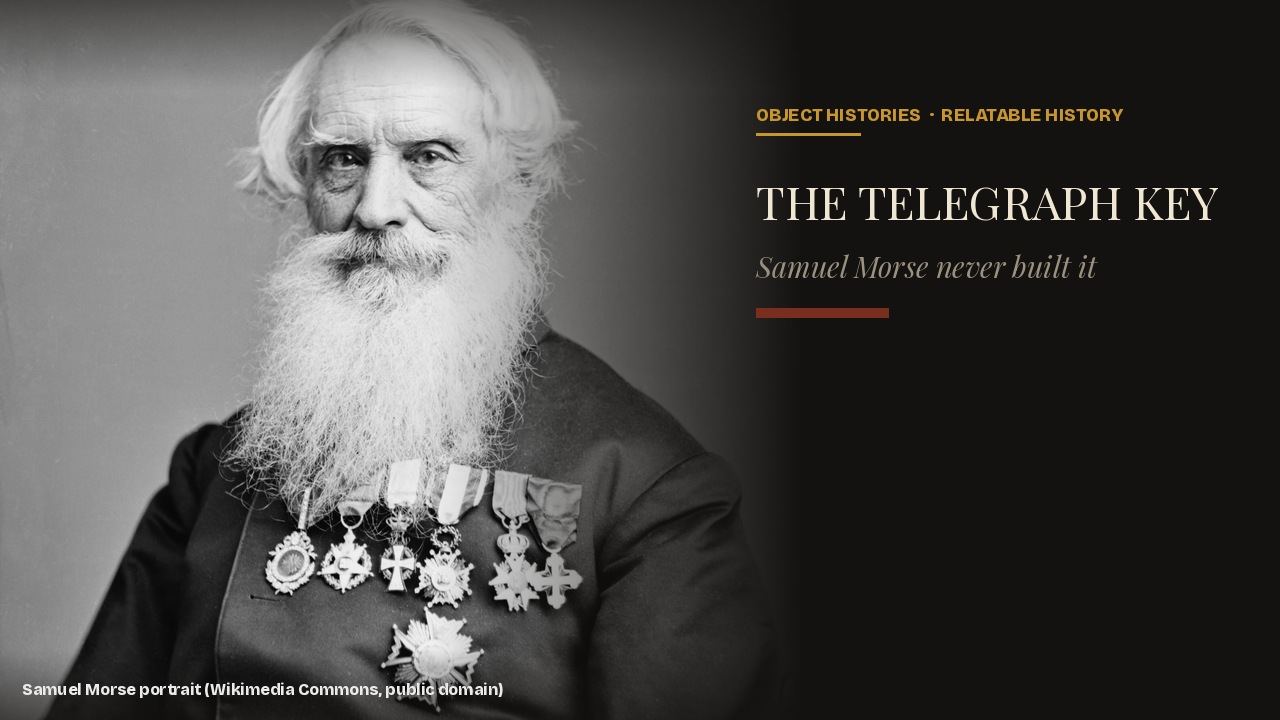
- Who Really Invented the Telegraph Key (It Wasn’t Samuel Morse) — The device that bears Samuel Morse’s name was engineered by a machinist named Alfred Vail, who redesigned Morse’s code too. Here is what the patent fight and the archives…
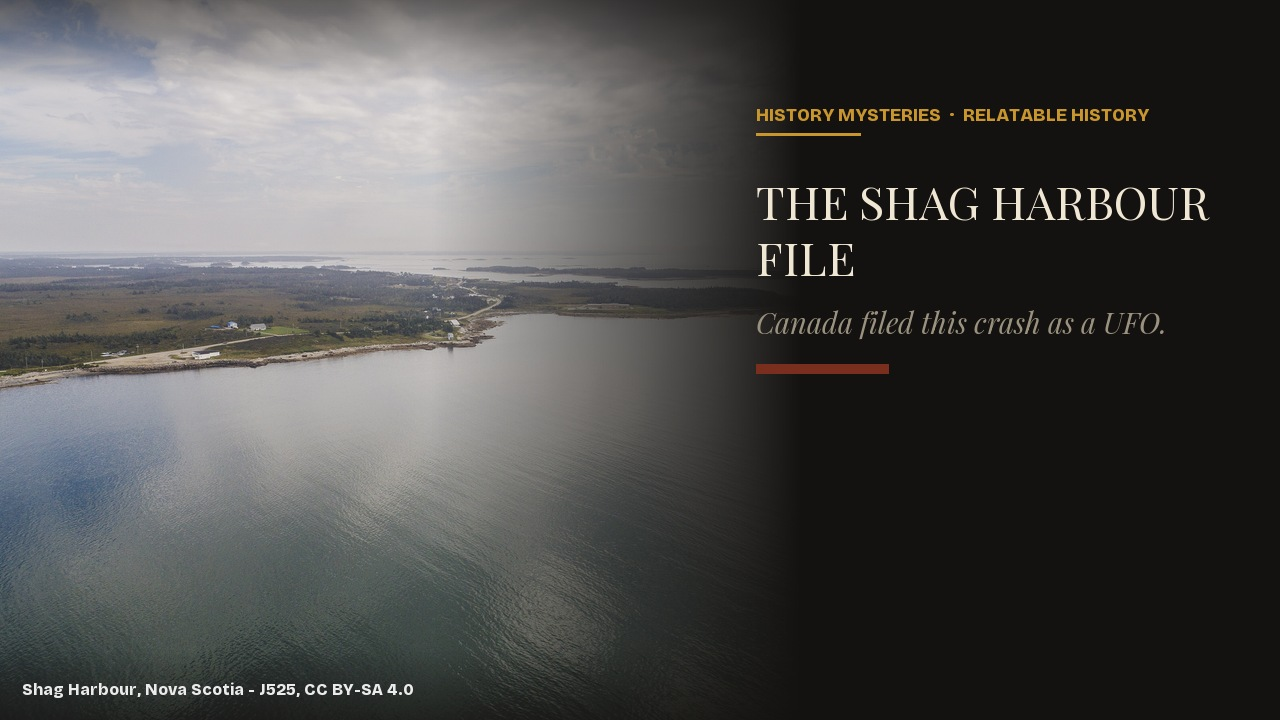
- What the Records Actually Show About the Shag Harbour UFO — On October 4, 1967, something came down over a Nova Scotia fishing village and eleven people watched it happen. Here is what the paperwork actually says, fifty-nine years later.
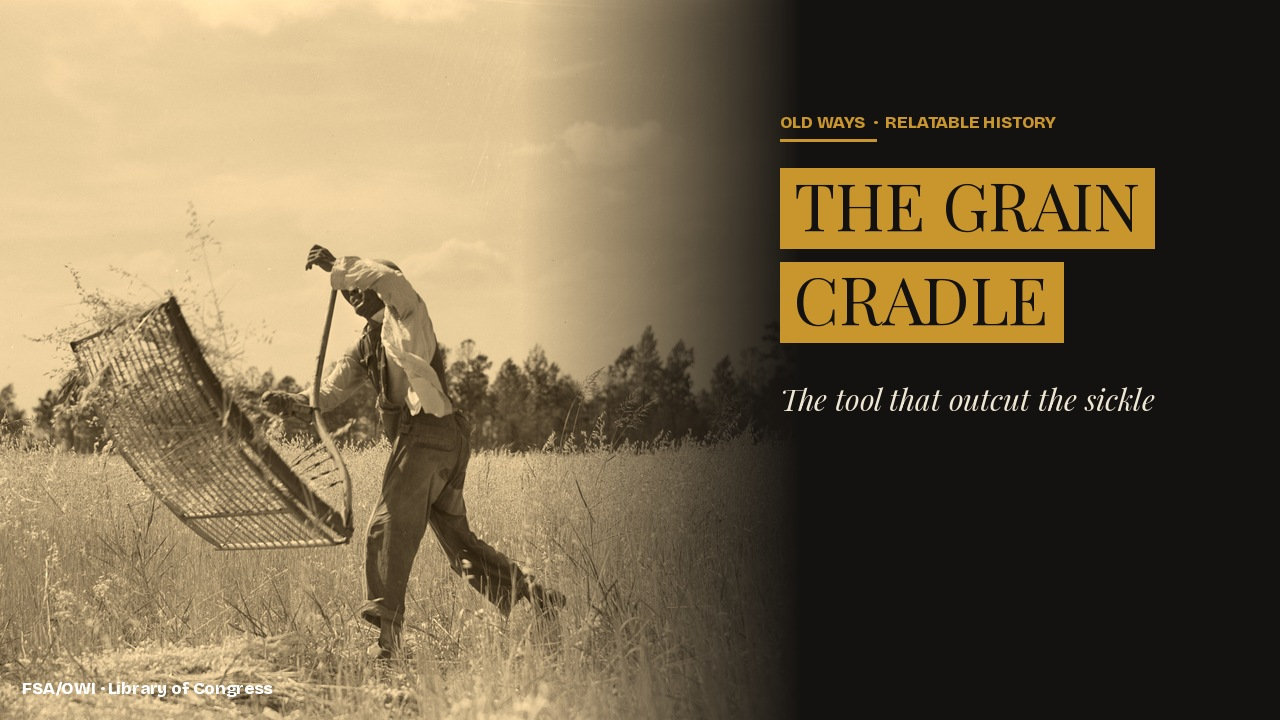
- How Farmers Harvested Wheat With a Grain Cradle — A cradler swinging a claw of wooden fingers could out-cut a sickle three to one and still lose the race to a horse. The forty-year run of the tool that came between them.
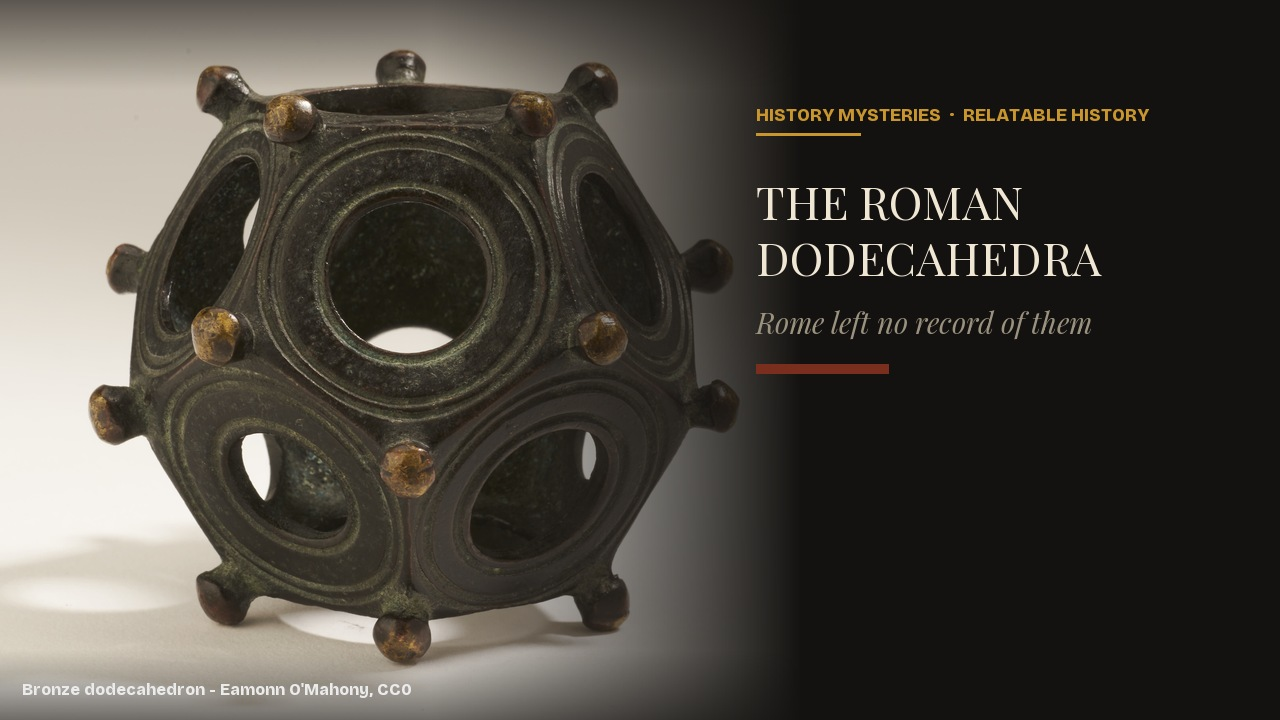
- What Were Roman Dodecahedra Actually Used For? — More than 130 bronze dodecahedra survive from the Roman north-west, cast by skilled hands and never mentioned in a single surviving text. Here is what the evidence actually…
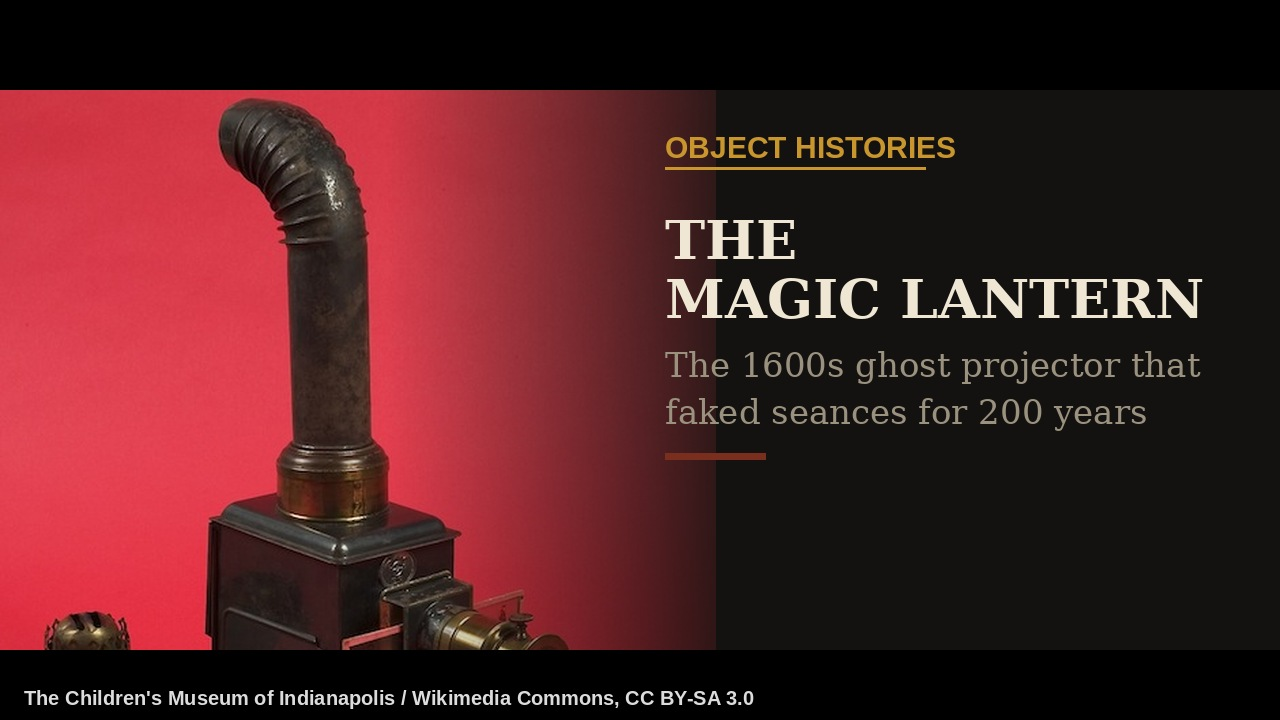
- How the Magic Lantern Became Europe’s First Horror Show — A Dutch scientist was too embarrassed to admit he’d built it. Two centuries later it was still terrifying audiences — while insisting, the whole time, that there was nothing to…
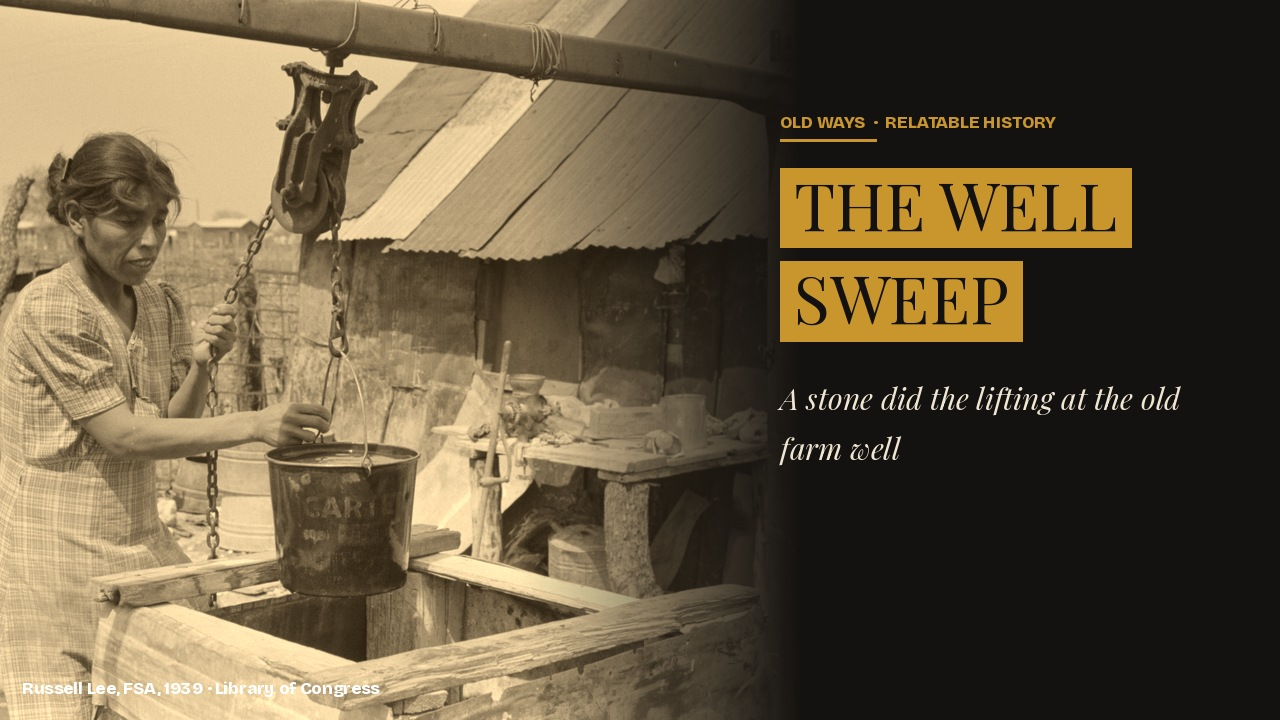
- How the Well Sweep Drew Water Before There Were Pumps — A counterweighted pole did most of the lifting at the farm well for four thousand years. Here is the mechanism, the daily labor behind it, and why it finally came down.
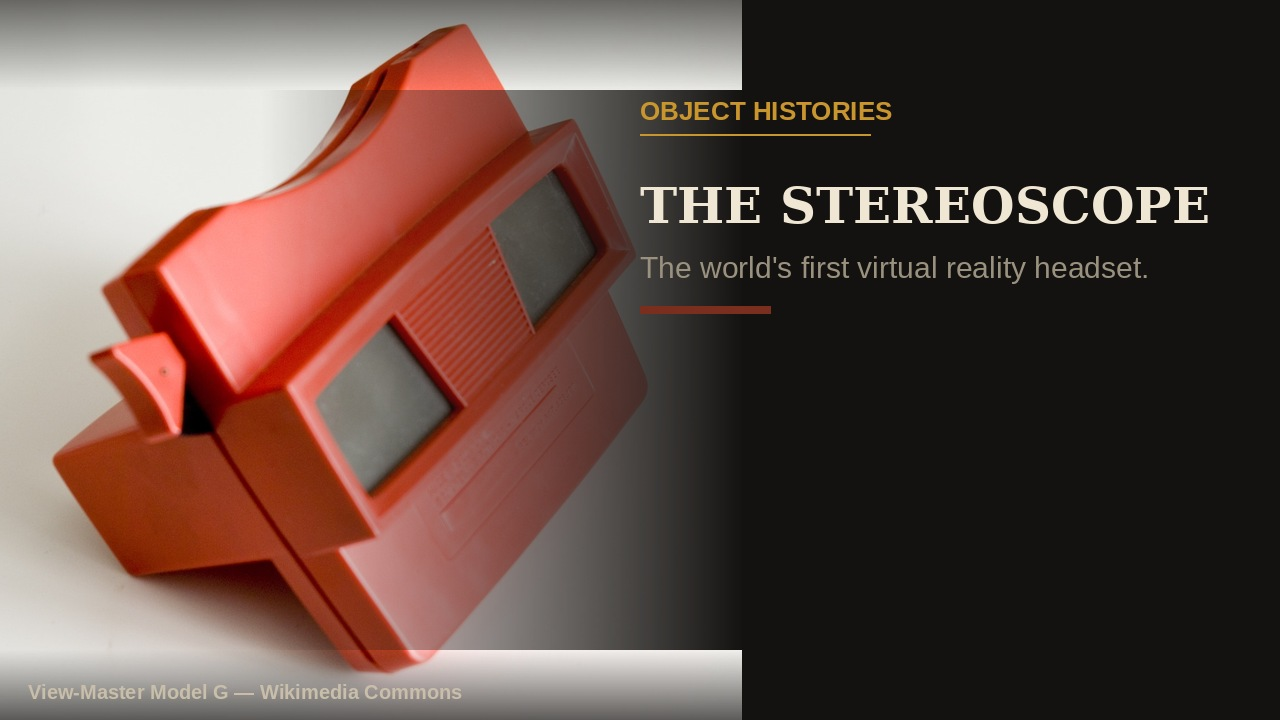
- The Stereoscope Craze That Swept Victorian Parlours — A wooden box that used mirrors and, later, lenses to fool the brain into seeing depth became a Victorian sensation, a Civil War reporting tool, and eventually a museum piece…
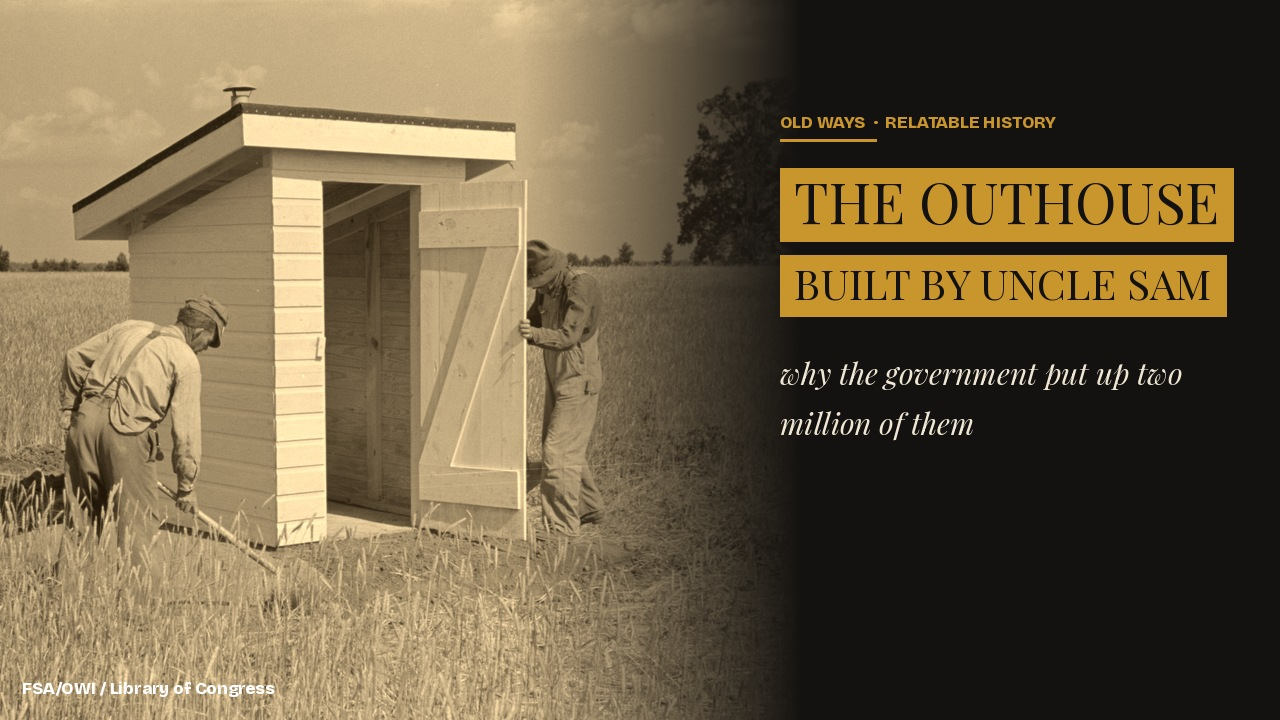
- The WPA Sanitary Privy Program That Built Two Million Outhouses — Between 1933 and 1945, federal work crews built 2.3 million concrete outhouses across rural America on purpose, as a public health program. Here is how the sanitary privy…
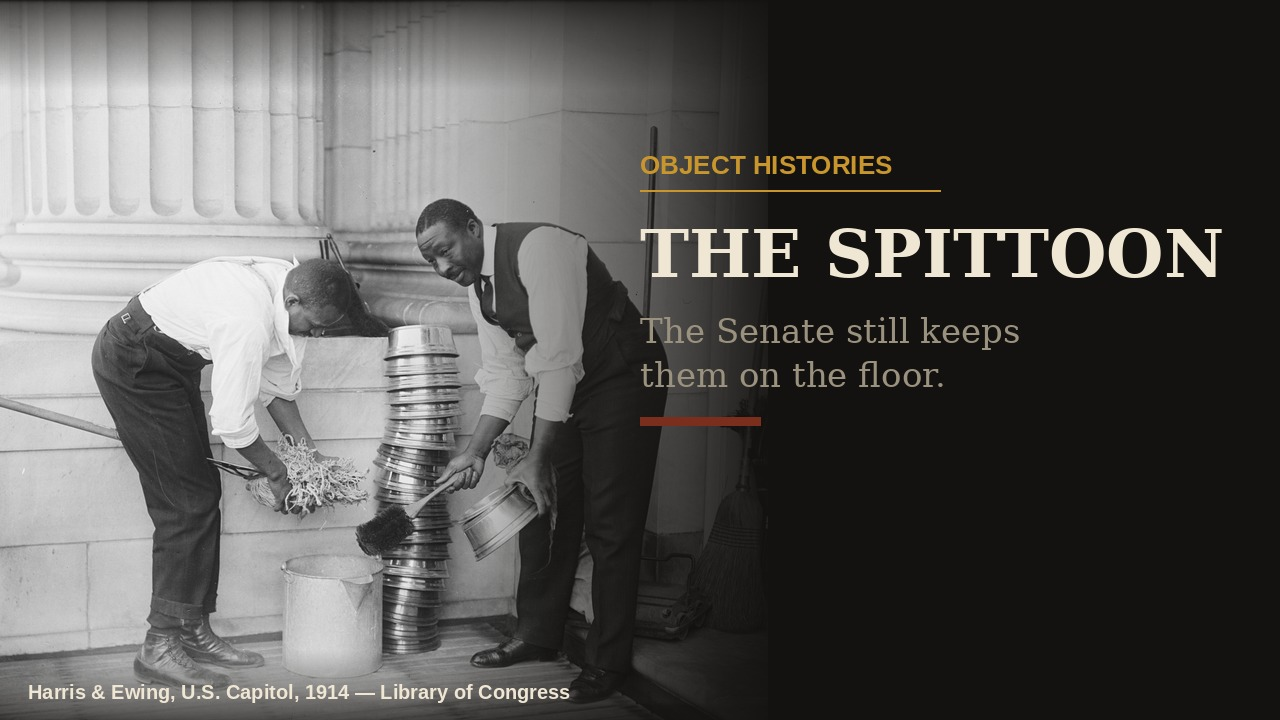
- Why the Spittoon Disappeared: The Laws That Made Spitting a Crime — A women-led health campaign, a new criminal offense and a cigarette-rolling machine did what changing taste alone never could: they made the spittoon vanish in about two decades.
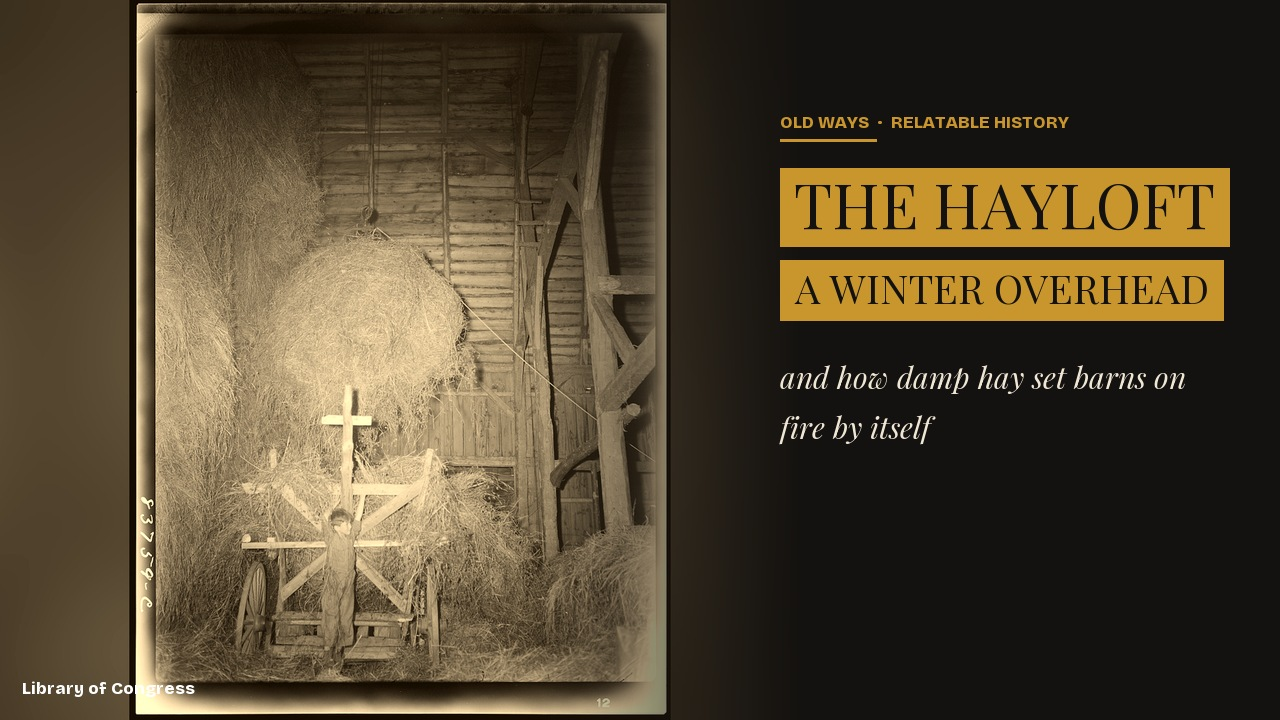
- How One Farmer’s Patent Rebuilt the American Barn — A single 1867 patent let American barns double their storage for free. It also could not solve the other problem: hay packed too damp will heat itself past the point of…
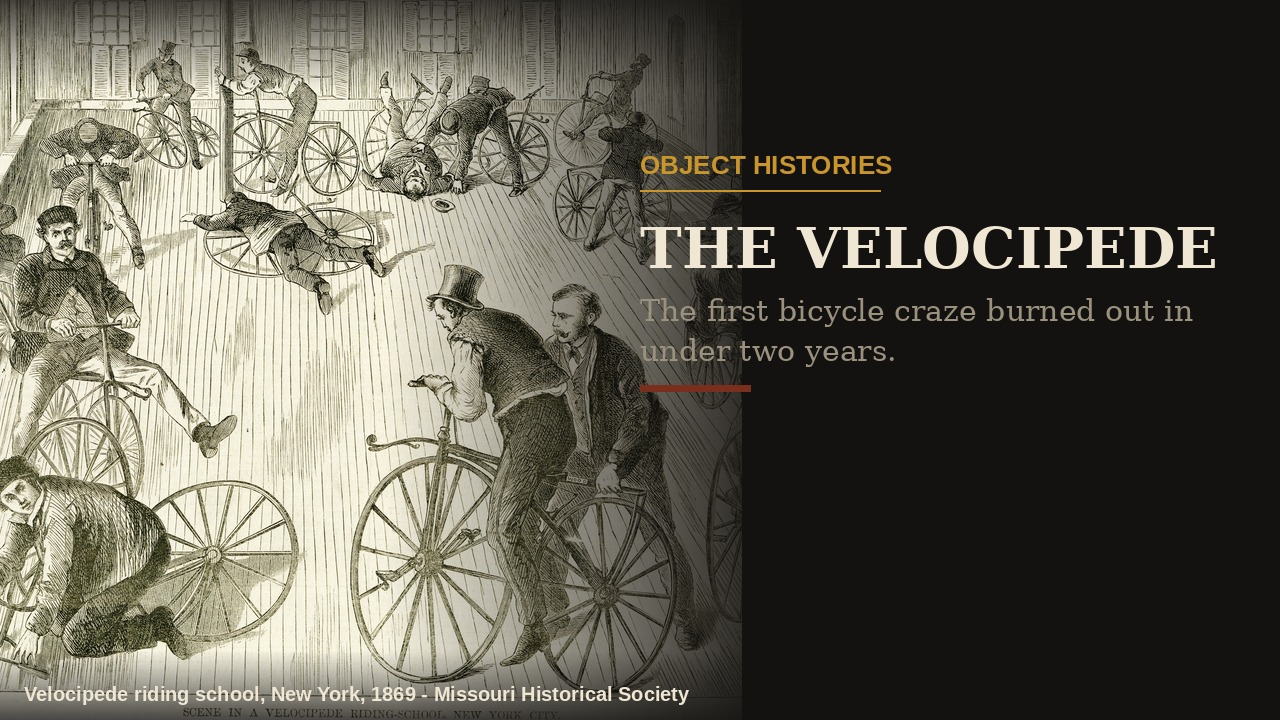
- Why the World’s First Bicycle Craze Collapsed in Eighteen Months — For about eighteen months, everyone wanted a velocipede. Riding academies opened by the dozen, races drew crowds, and then, almost as fast, the whole craze went bust.
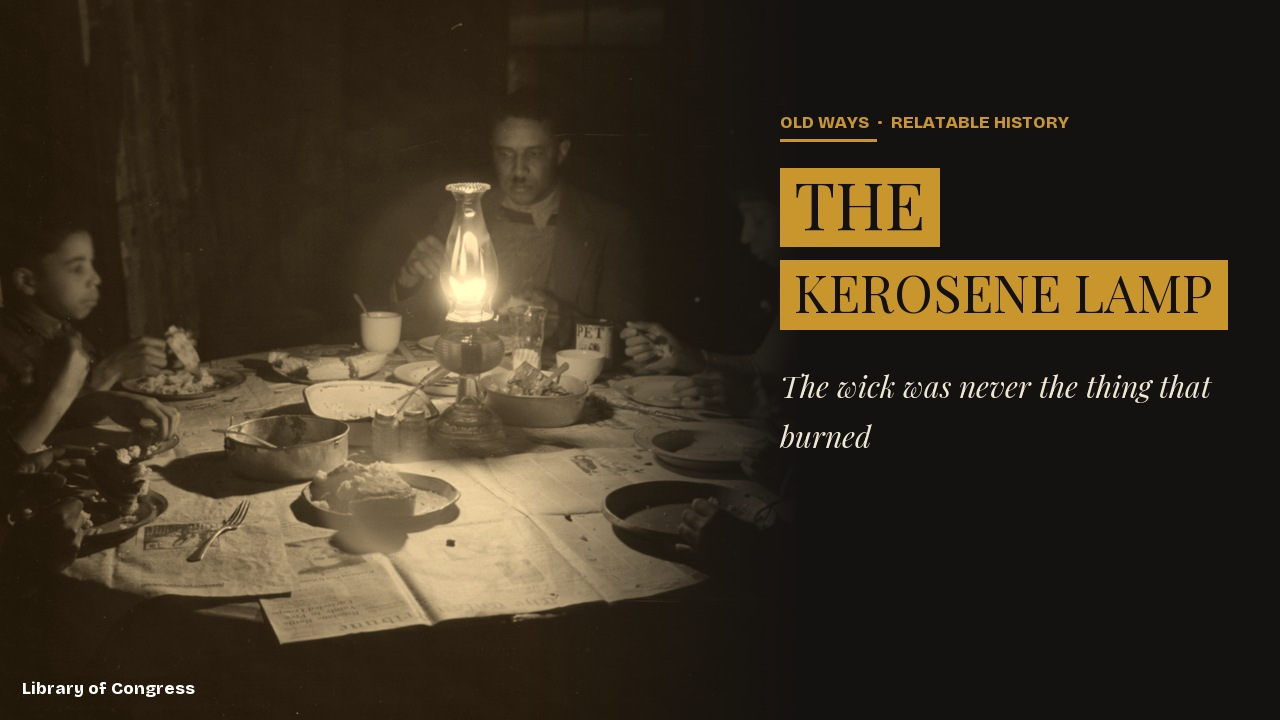
- How Kerosene Lamps Actually Worked (And Sometimes Exploded) — A kerosene lamp doesn’t burn its wick — it burns vapor drawn up through it. That chemistry lit rural America for ninety years, and for decades the fuel sold to power it was…
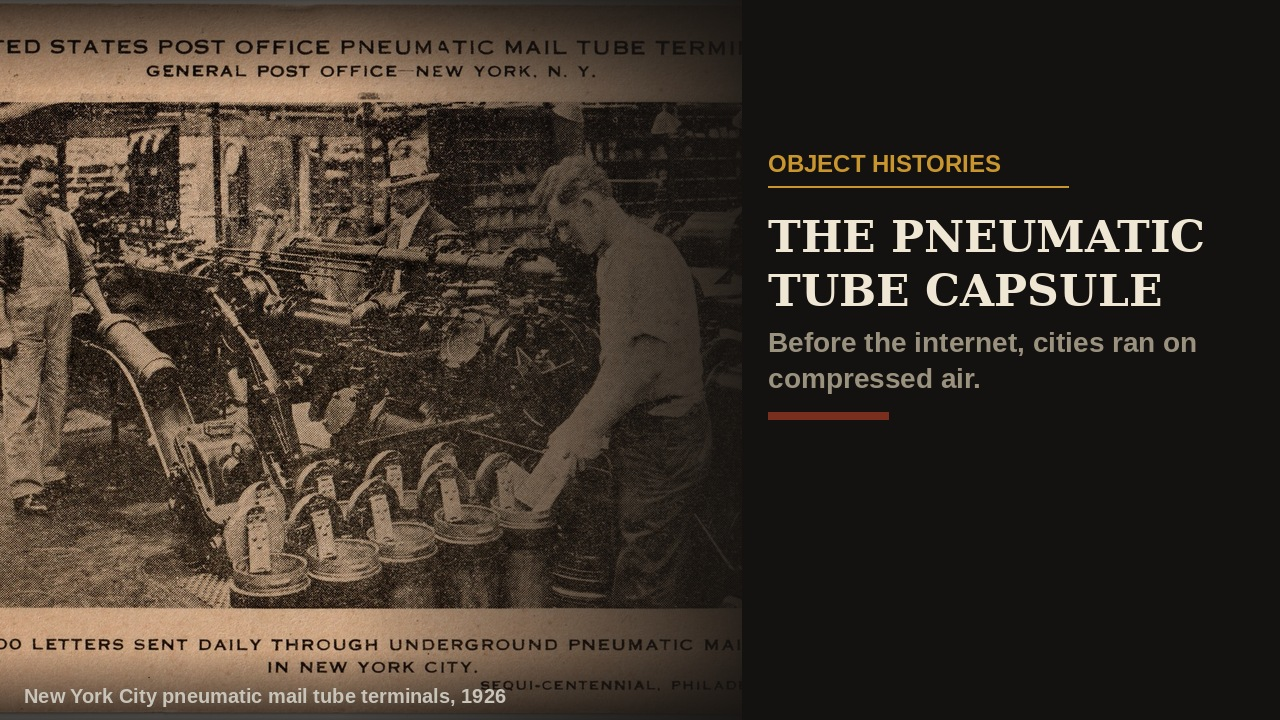
- Inside the Pneumatic Tube Networks That Once Ran a City’s Mail — At its peak, New York’s pneumatic tube mail network moved more than half the city’s letters underground at 30 miles an hour. Here is how that system, and half a dozen others…
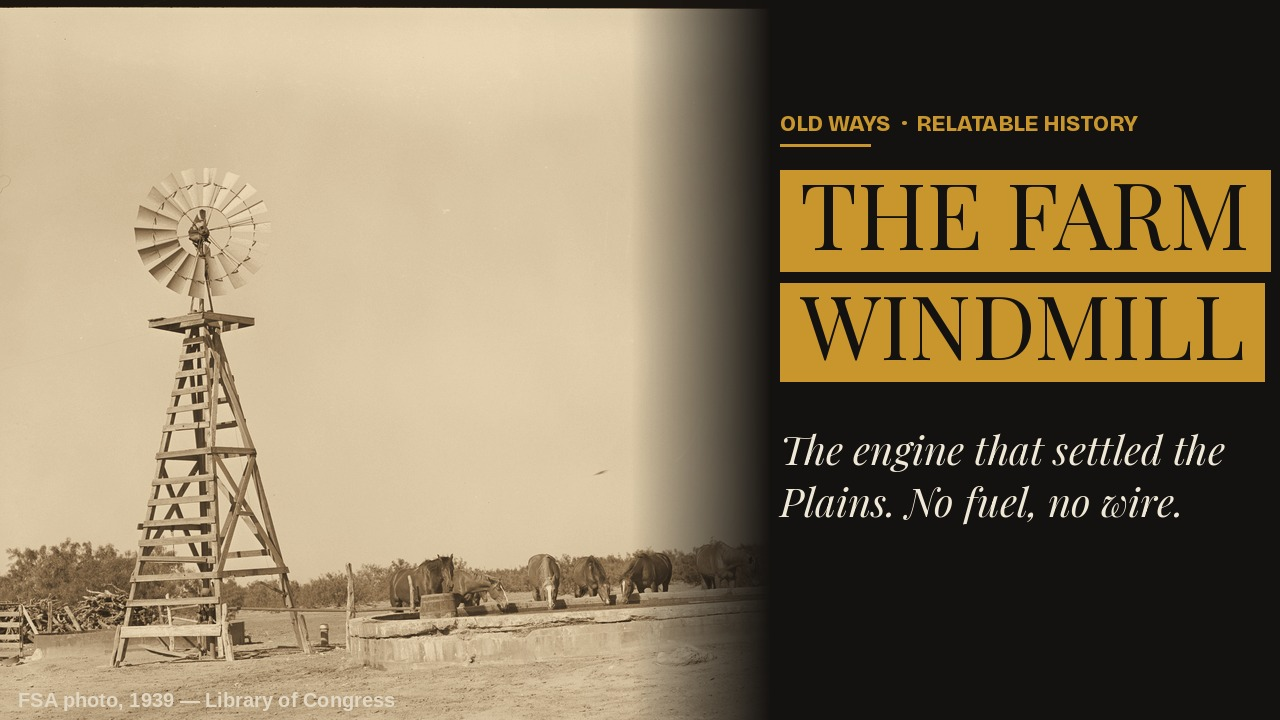
- How the Farm Windmill Pumped Water on the Great Plains — Between the 1850s and the 1930s, American factories built farm windmills by the millions, and more than seven hundred companies at some point made one. Exactly one still does.
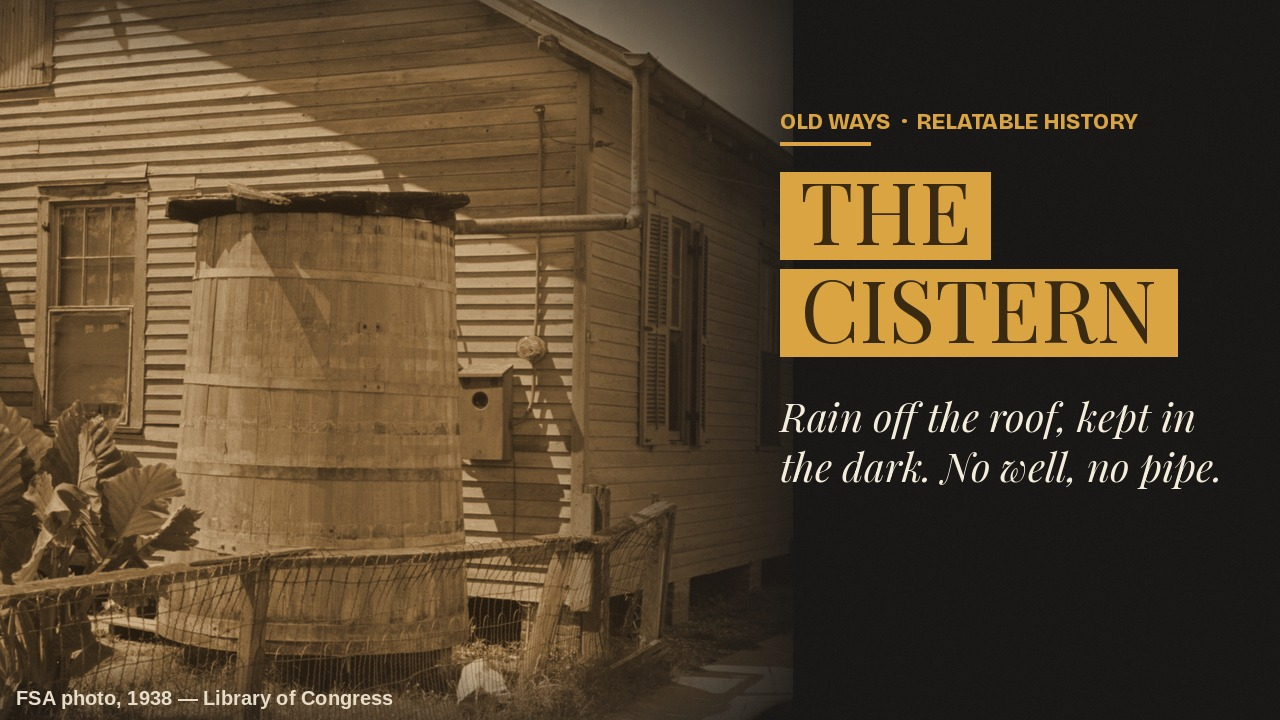
- The Real History of Rainwater Cisterns — A cistern is not just a farmhouse tank. It built a desert city, saved San Francisco from itself, and is still, by law, the only water supply an entire country has.
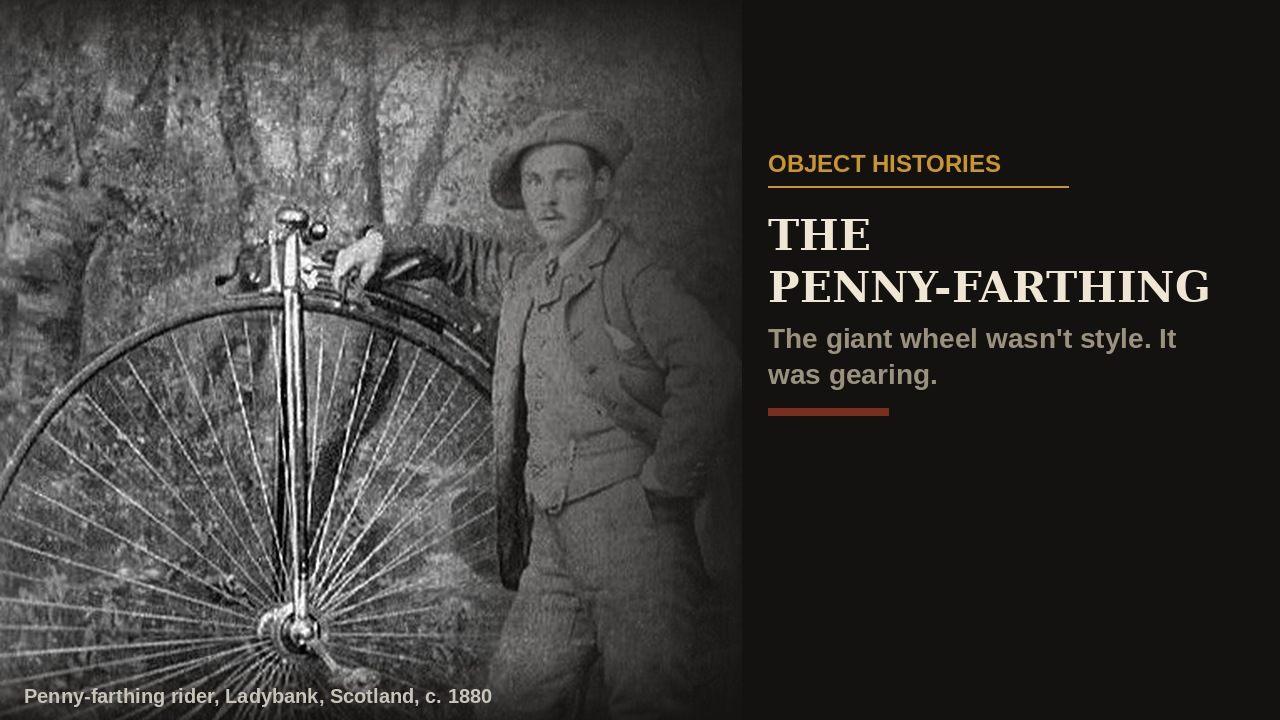
- Why the Penny-Farthing’s Wheel Had to Be So Big — Before the chain existed, a bicycle’s top speed was fixed by the size of its front wheel. That single constraint is the entire reason the penny-farthing grew as tall as a doorway.
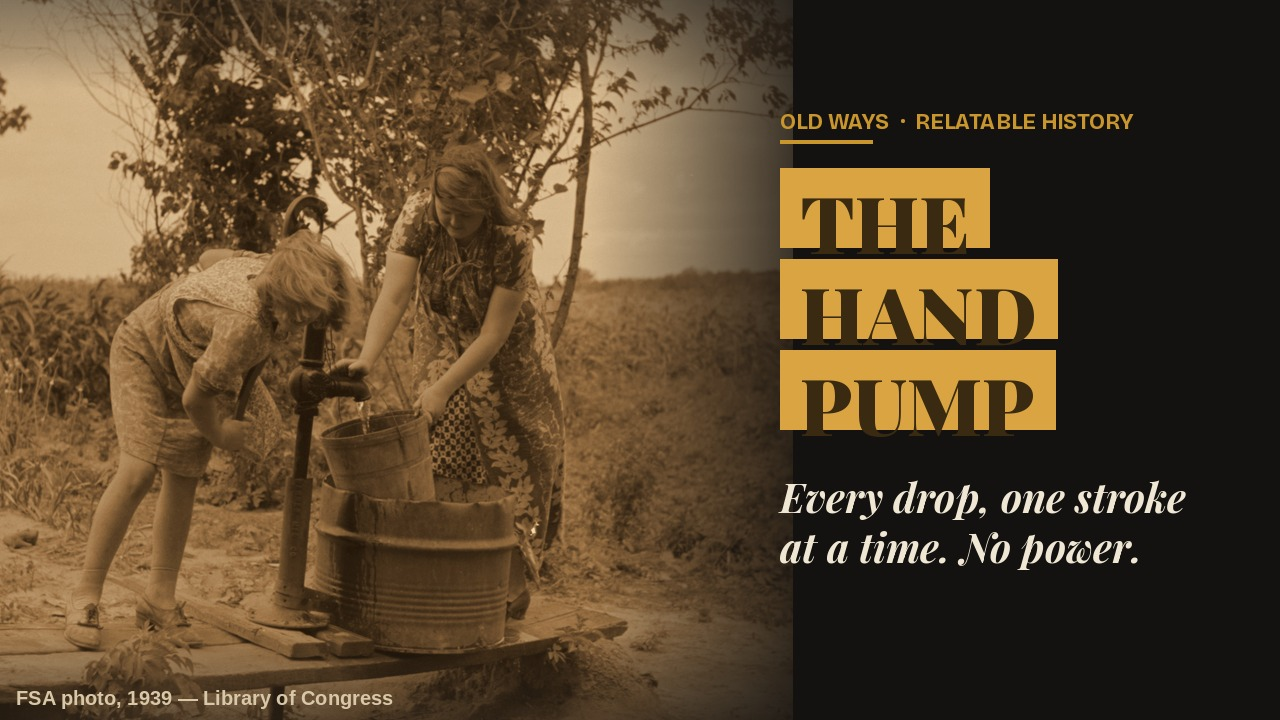
- How a Hand Pump Worked: Lifting Well Water With Nothing but Air Pressure — No pump ever pulled water out of the ground. The atmosphere pushed it, and that single fact set a hard limit on how deep a well could be worked by hand. Here is the mechanism,…
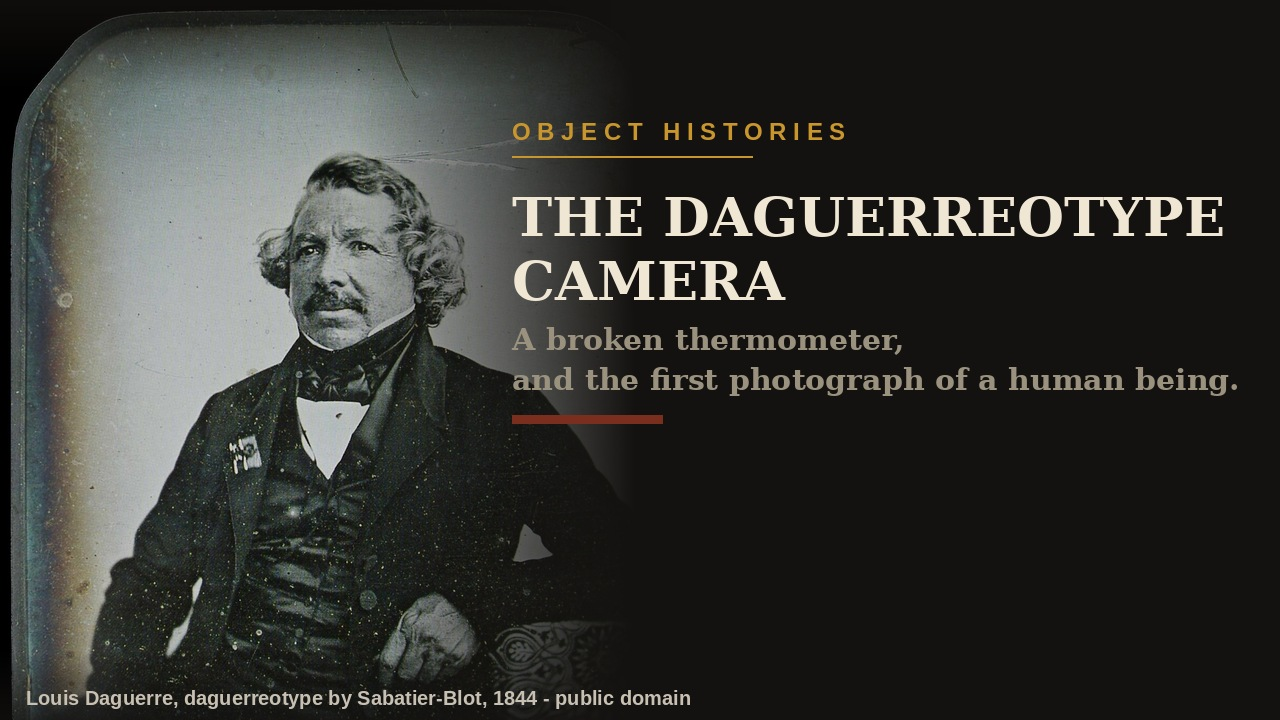
- How the Daguerreotype Actually Worked, and Why It Was Dangerous — Every daguerreotype is a one-of-a-kind object with no negative behind it, made by a process so toxic that ventilating your mercury was genuine period safety advice.
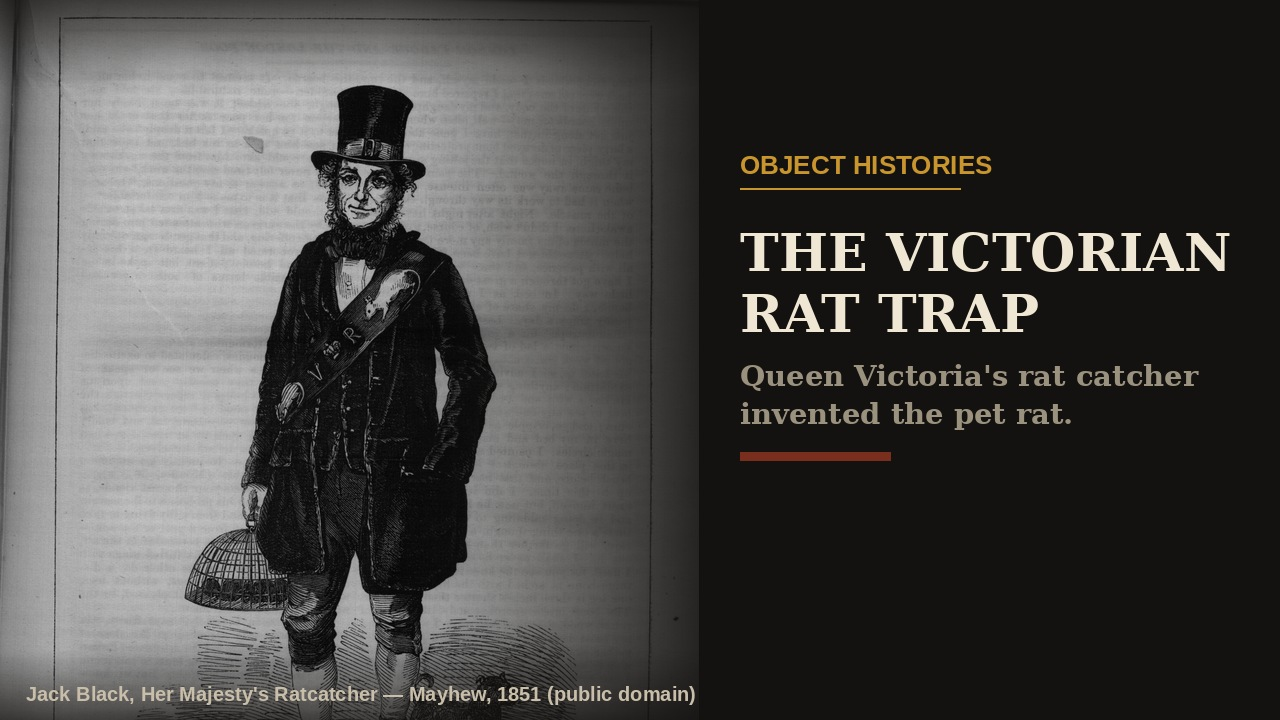
- Who Invented the Mousetrap? The Rat War That Made It Necessary — The spring-loaded mousetrap was patented in 1894 and has barely changed since. Getting there took a hundred and fifty years of rat catchers, gambling dens, and one very…
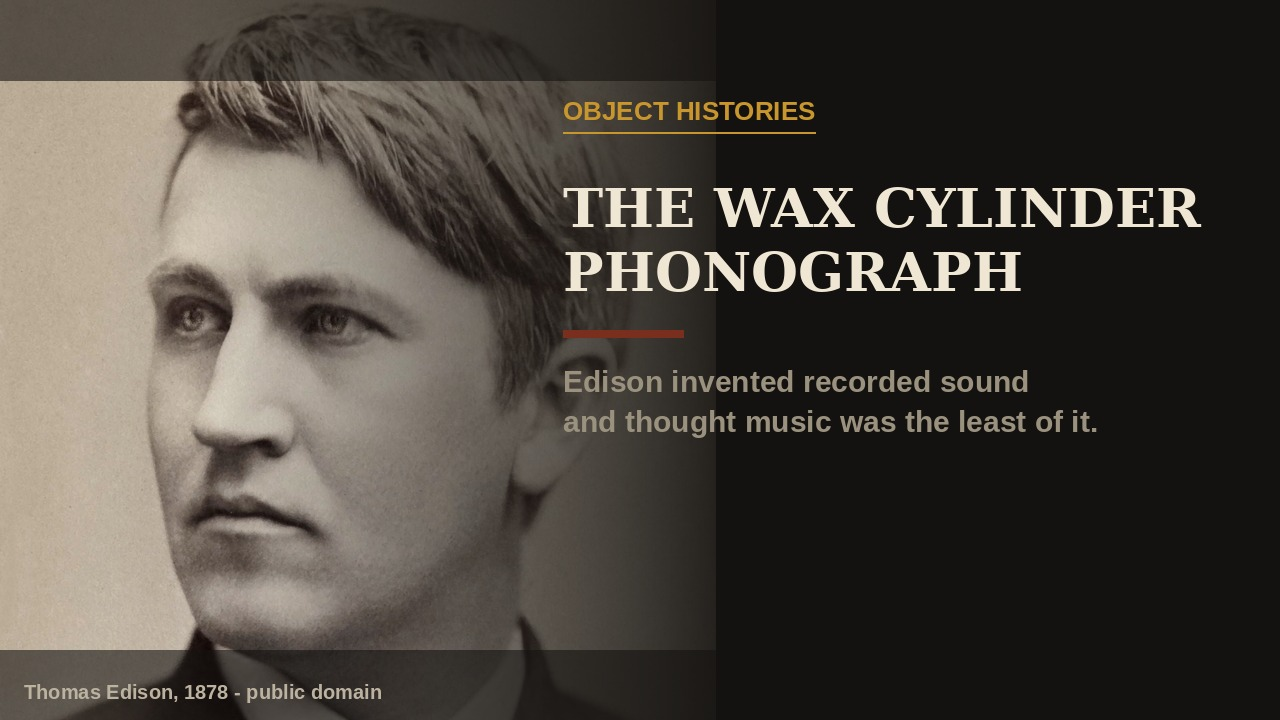
- Wax Cylinder Recordings: How an Office Machine Ended Up Saving Languages — Thomas Edison thought his invention’s future was office dictation. Instead it accidentally founded the recording industry, and preserved voices nothing else ever recorded.
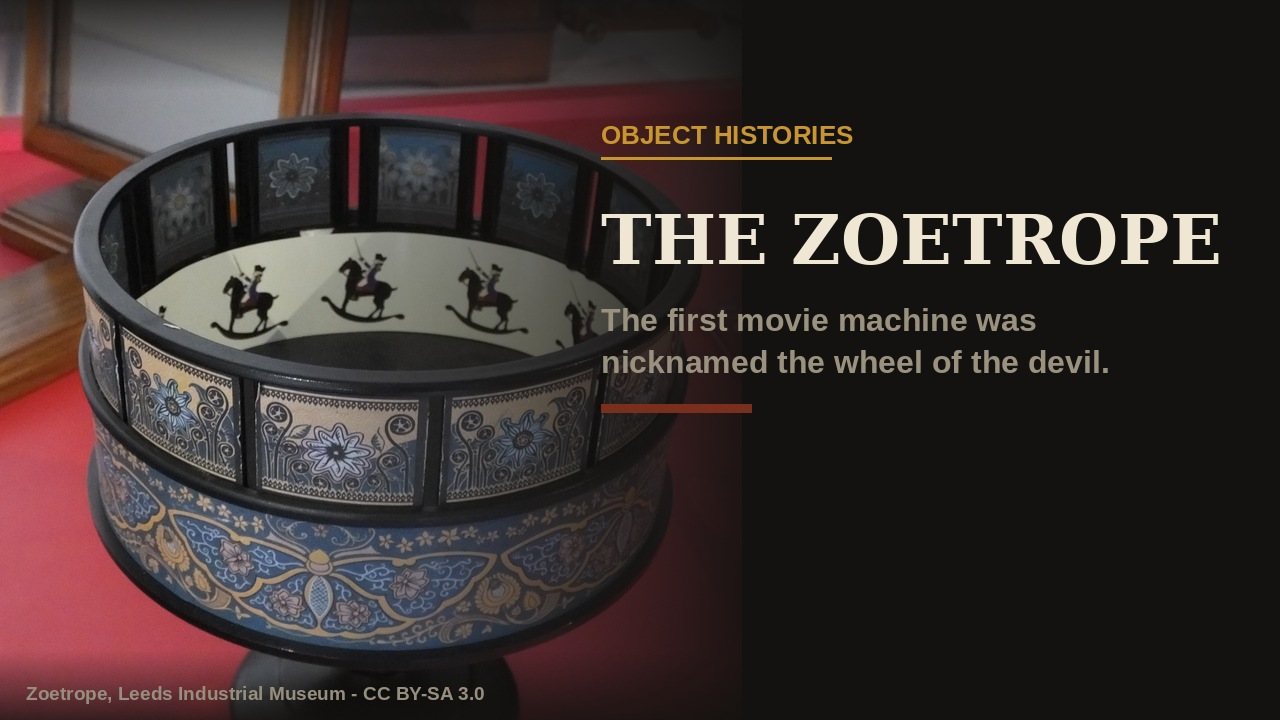
- Who Invented the Zoetrope? Three Men Have a Claim — The zoetrope has at least three inventors: one ancient and disputed, one who died having sold zero units, and two who filed competing patents seven weeks apart.
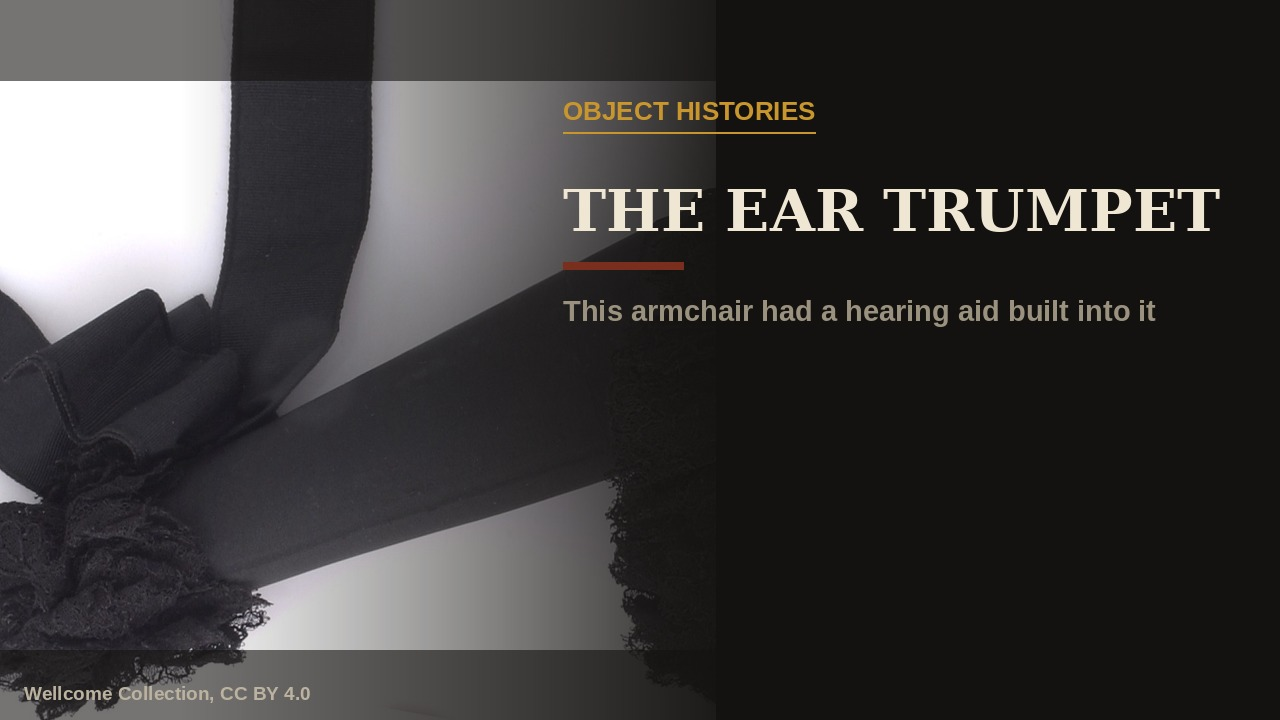
- How Ear Trumpets Worked: The Physics, the Disguises, and What a Brass Horn Really Did for Hearing — A three-hundred-year industry built on a cupped hand. The acoustics, the London trade, the trumpets hidden in hair and walking sticks, and the numbers that show how little some…
- The Nimitz Tic Tac Encounter: What the Official Record Actually Says — Two weeks of radar tracks, a five-minute intercept, one short infrared clip and twenty years of official paperwork that still ends on the same word. Here is what the record…