1900 to the present. The world wars, mass consumer culture, electrification, and the recent past still visible in the objects around us.
95 articles so far, newest first. Browse the full archive.
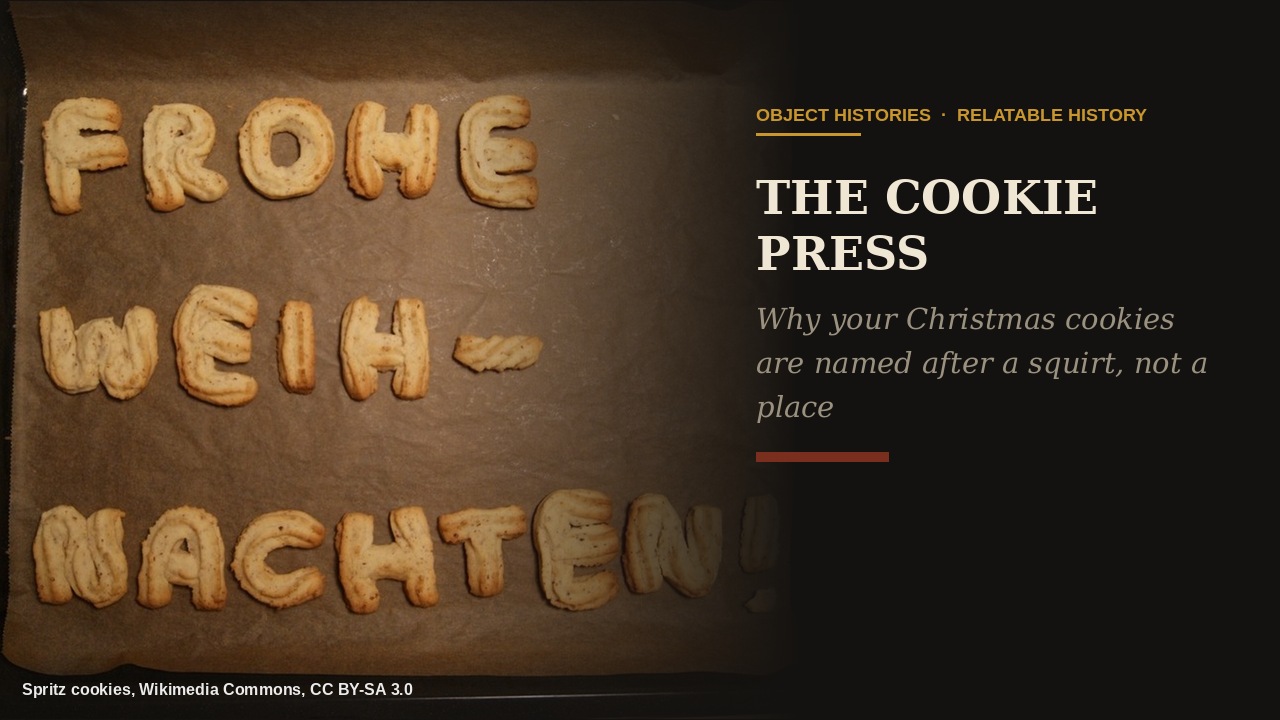
- How the Cookie Press Was Invented — The gadget in your kitchen drawer started as a London confectioner’s solution to a sore-arm problem, not a cookie recipe. Here is the two-hundred-year path between the two.
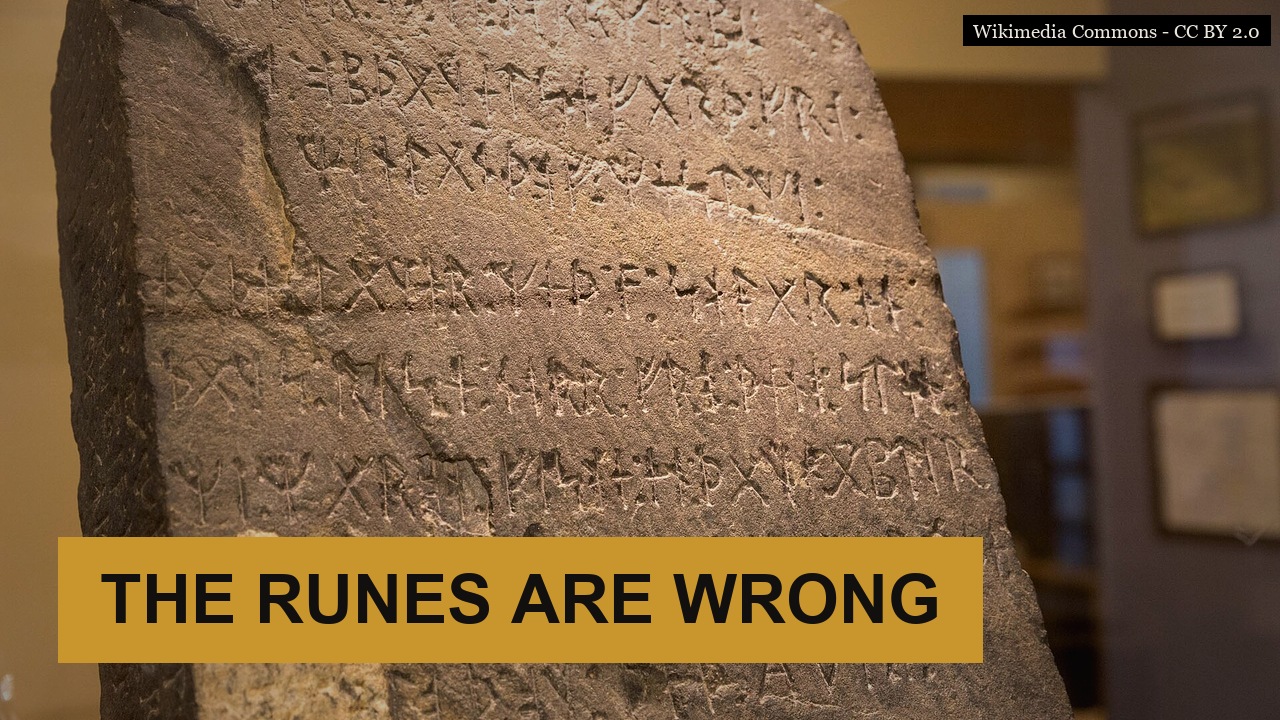
- The Kensington Runestone Hoax: What the Evidence Actually Shows — A 202-pound stone, a unanimous verdict from Scandinavia’s top runologists in 1899, and a confession problem that still has no name attached to it, more than a century later.
- The History of the Pie Funnel, From Plain Clay Tube to Ceramic Bird — Before it had feathers, the pie funnel was a patented plumbing fixture for a problem most bakers never notice: the vacuum that pulls juice out of a cooling pie.
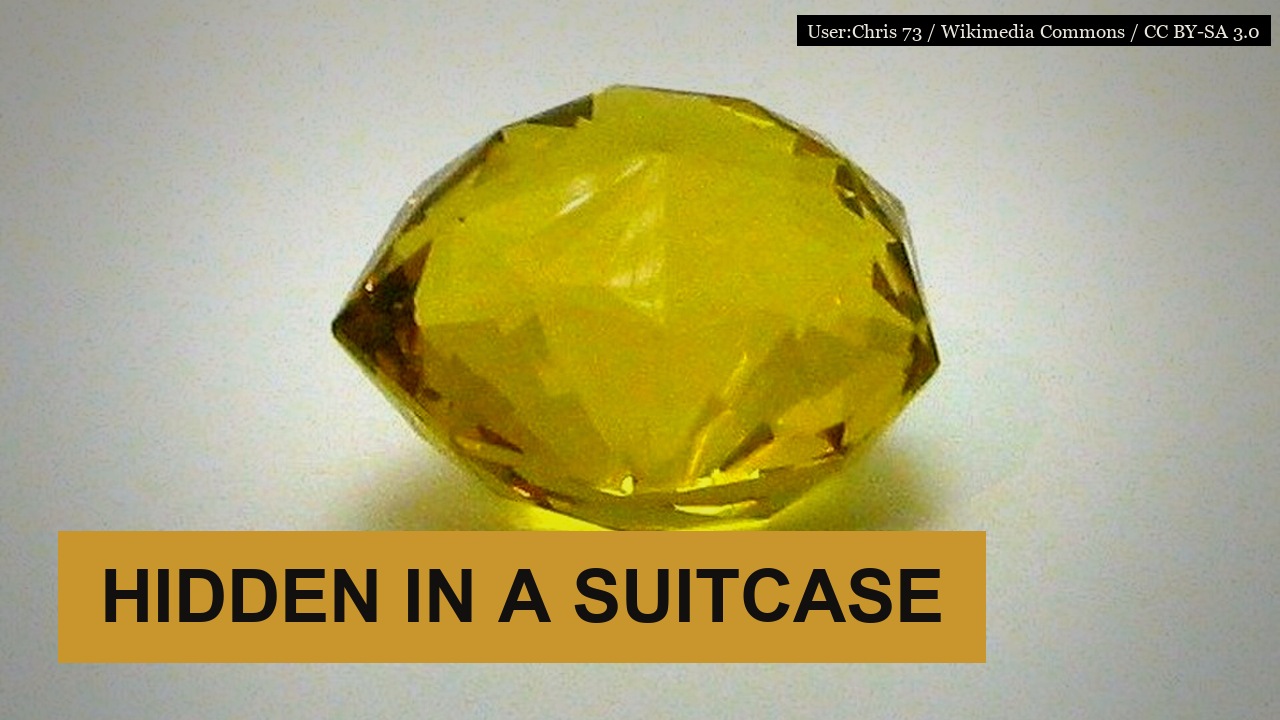
- What Really Happened to the Florentine Diamond — For a century, gem historians assumed the Florentine Diamond had been quietly sold and cut into unrecognizable pieces. It had not moved an inch since 1940.
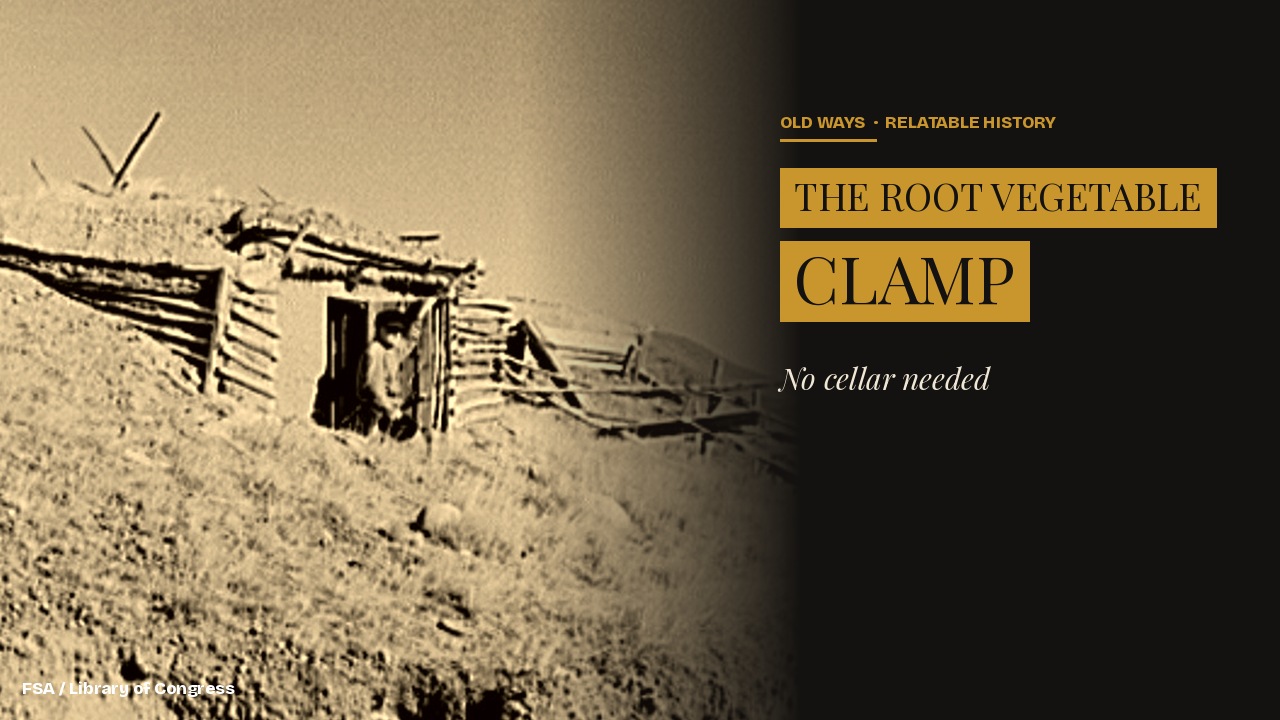
- How to Store Root Vegetables All Winter Without a Cellar — Long before refrigeration, a farm without a root cellar buried its potatoes and turnips in a mound of straw and earth called a clamp — and two governments eventually made…
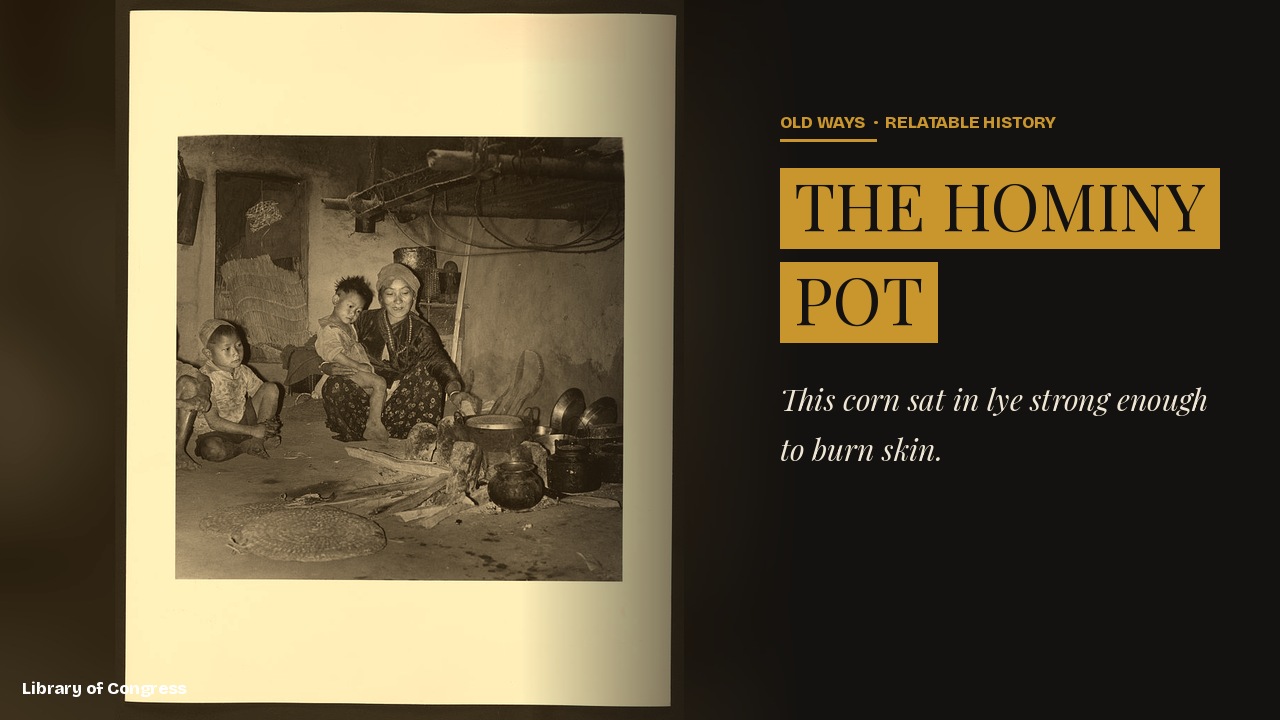
- Why Corn Was Soaked in Lye Before It Became Breakfast — Hominy starts with corn sitting in water caustic enough to burn skin. The practice is at least three thousand years old, and abandoning it turned out to carry a measurable body…
- Why Margarine Was Illegal in America for Almost a Century — For most of a century, selling the wrong-colored spread could mean a fine or jail. One of the two Supreme Court cases it produced is still cited today on how far a tax can go.
- The Kecksburg NASA Files Nobody Can Find — A federal judge ruled that NASA had not proven its own search for the Kecksburg records was adequate. Decades later, the boxes that might settle the question still cannot be…
- Who Invented the Electric Toaster, Really? — The electric toaster had a real, documented fire problem for thirty years, and it took four actual engineers working in stages to fix it. The man most people would now credit…
- Why Waffles Have a Grid Pattern (It’s Not About the Syrup) — The waffle’s famous grid wasn’t designed to hold syrup. For centuries it held something else entirely — a family’s coat of arms, a church’s sacred symbols, even the tread of a…
- The Quilting Bee Was Already a Punchline by the 1860s — The quilting bee was real, but probably not the way you picture it. A 160-year-old joke photograph, a midwife’s diary, and a Depression-era square dance tell a stranger story.
- What Was a War Garden? Inside America’s WWI Food Front — A multimillionaire with no government mandate talked a nation into digging up its lawns for food. Here’s how the campaign actually worked, and why its most famous numbers don’t…
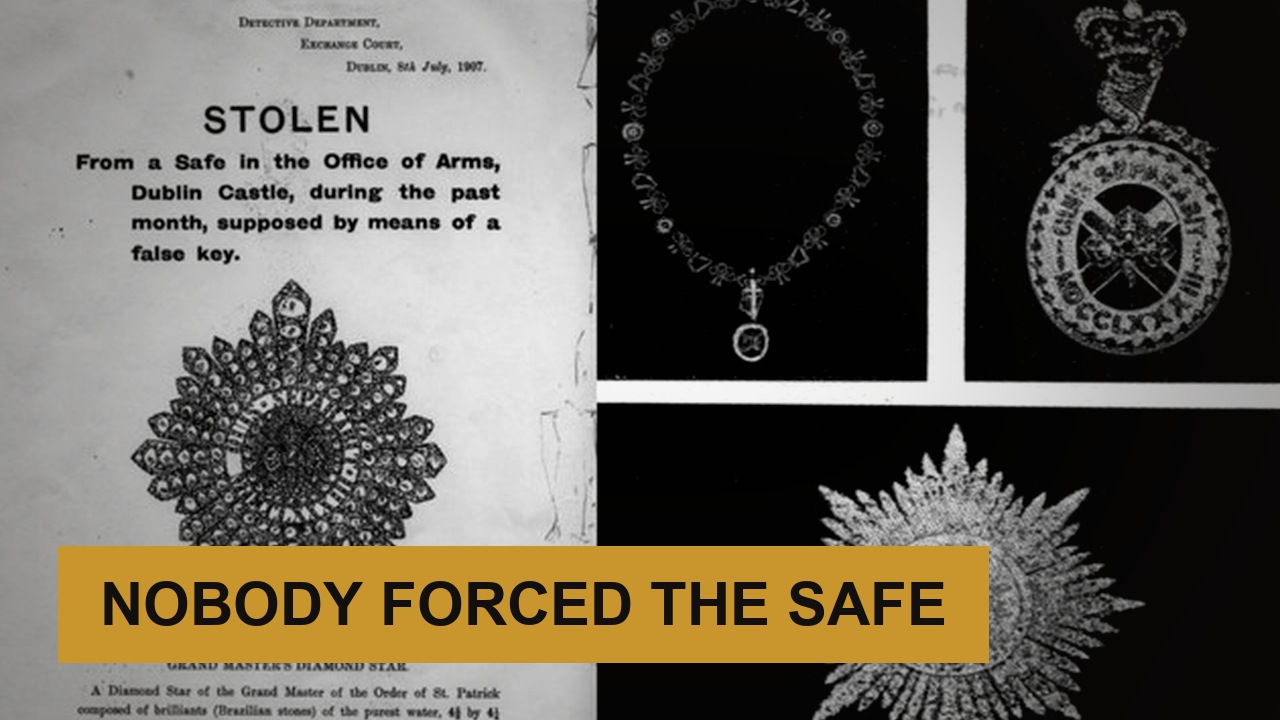
- Who Stole the Irish Crown Jewels? The Unsolved 1907 Dublin Castle Heist — In July 1907, Ireland’s crown jewels disappeared from a Dublin Castle safe that nobody forced open. A commission sat, a Scotland Yard report went missing, and the case has…
- Why We Wear Poppies for Remembrance, and Who Built the Tradition — A soldier’s death produced seventeen lines of penciled verse. Those lines produced an American pledge, a French fundraising campaign, and a British factory that still makes the…
- Who Invented the Two-Minute Silence? — Cape Town held a daily silent pause a full year before anyone wrote to a king about it, and the journalist whose letter beat the official credit into print by five months died…
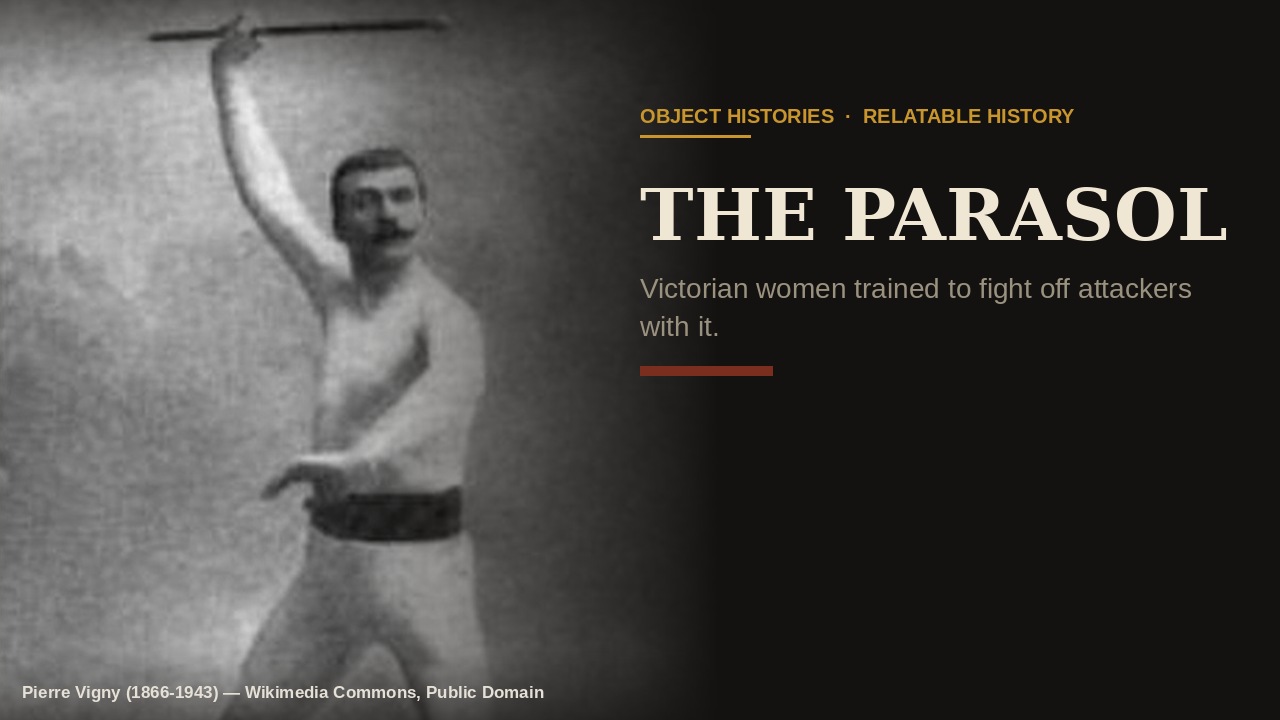
- The 4,000-Year History of the Parasol, From Royal Throne to Street Weapon — For most of its existence, a parasol wasn’t about rain or sunburn at all — it was a legally enforced marker of rank. Then, for about two decades, it was a genuine street weapon.
- The 2,000-Year History of the Cold Frame — A Roman emperor demanded an out-of-season fruit every day of the year. Two thousand years later, a homesteading family in New Mexico used the same trick just to get through winter.
- How to Tell Real Berlin Wall Pieces From the Fakes — East Germany tore down its own wall, then sold chunks of it for hard currency through an export monopoly, a Monaco auction, and at least one lawsuit over stolen graffiti.
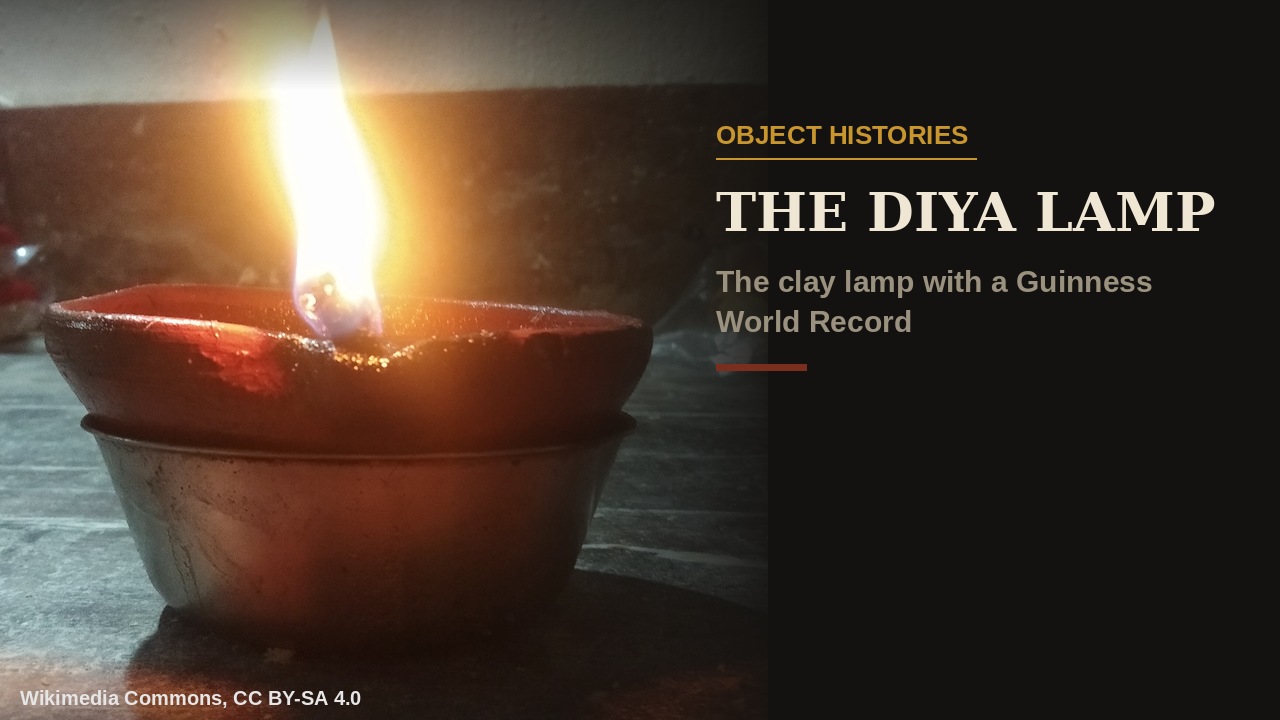
- The Diya: How a 5,000-Year-Old Lamp Became Diwali’s Icon — A shallow clay cup and a cotton wick have lit Diwali, Bandi Chhor Divas, and Mahavira’s nirvana night for thousands of years. Here is where each of those traditions actually…
- The Hatpin Peril: How a Fashion Pin Became an Outlawed Weapon — A steel pin built to anchor an Edwardian hat became a weapon women used against street harassers, and then the very thing a string of city councils tried to outlaw.
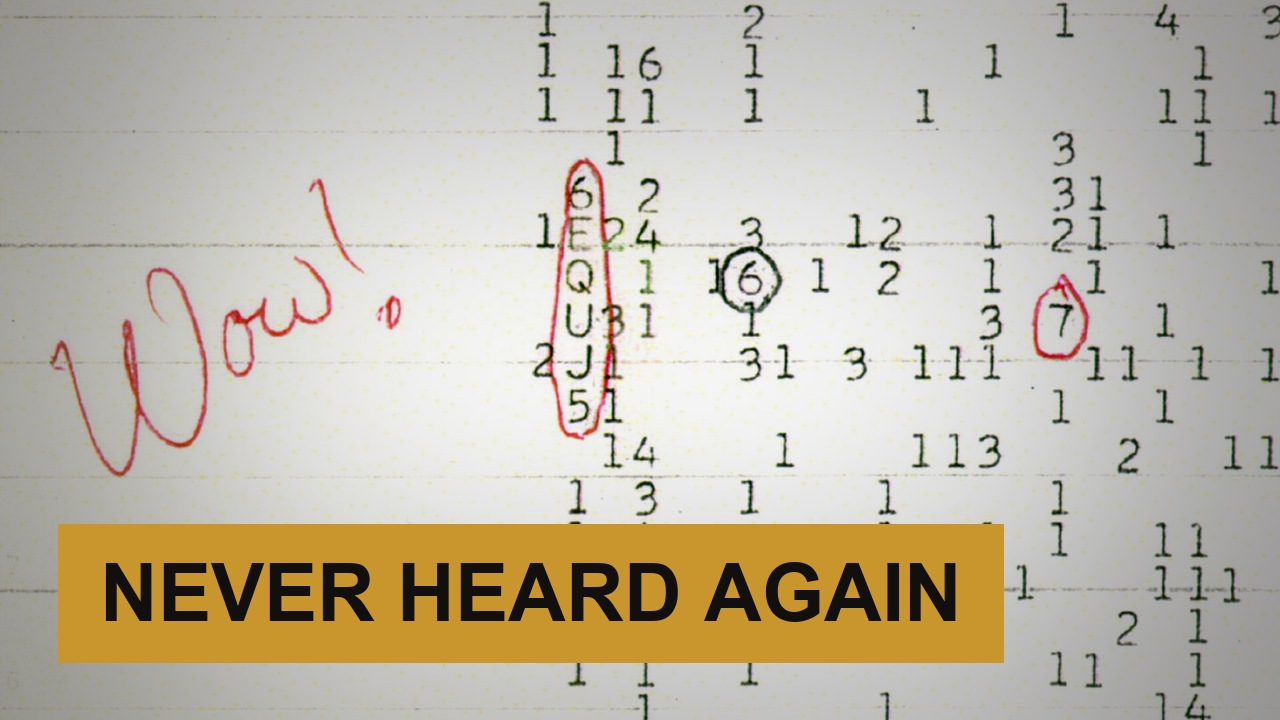
- What Was the Wow! Signal? Inside Astronomy’s Most Famous Unsolved Case — For 72 seconds in 1977, a telescope in Ohio recorded something it has never recorded again. Here is what nearly fifty years of searching for it has turned up, and the single…
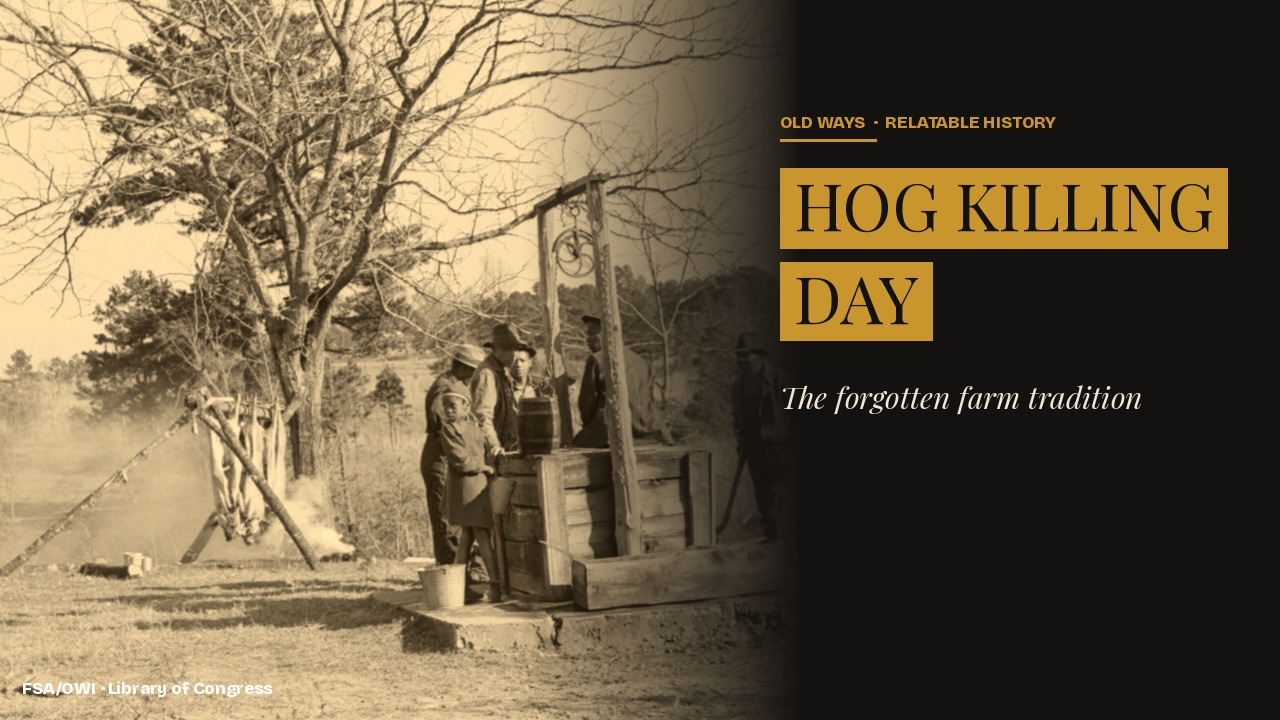
- How Hog Killing Day Worked on the American Farm — A frost-timed week of killing, scalding, and smoking that fed a farm family all winter — and the specific numbers behind why it stopped.
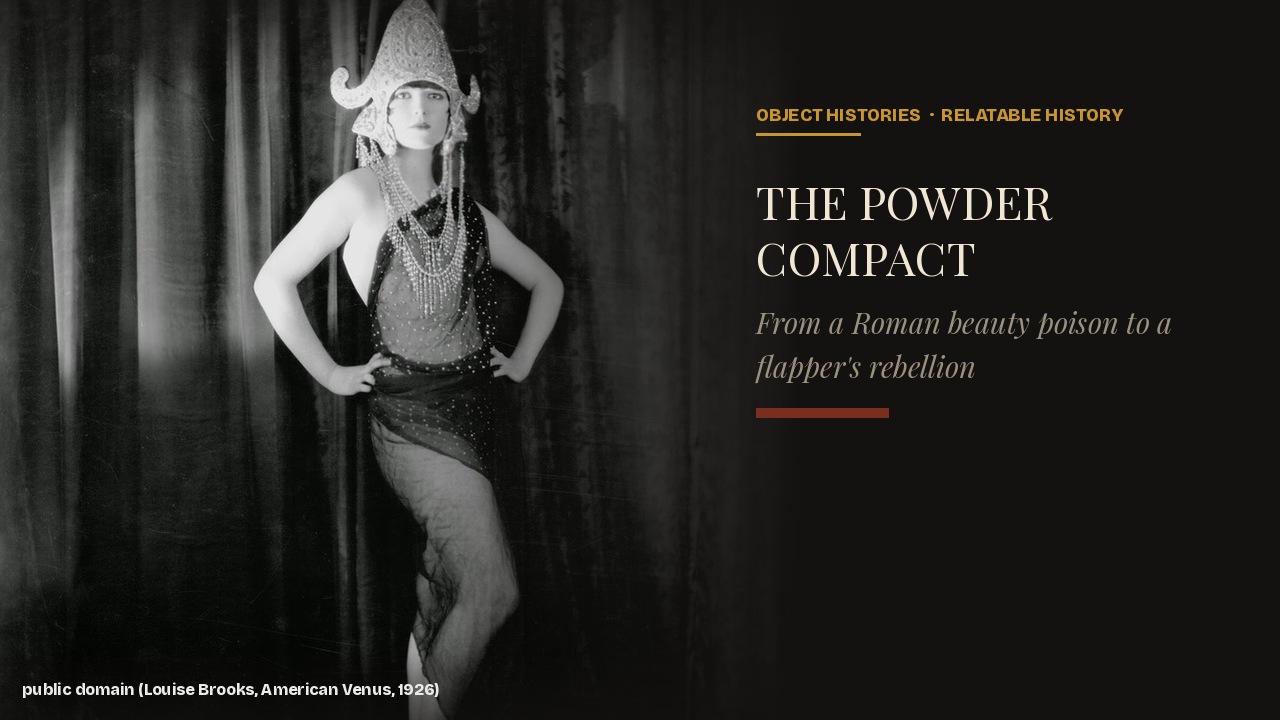
- The Dangerous History of Face Powder — From Roman Lead Paint to a Flapper’s Compact — Long before it was a flapper fashion statement, face powder was a genuine health hazard, and the law that finally regulated it took almost two thousand years to arrive.
- How an Ofrenda Is Actually Built — An ofrenda altar looks simple: flowers, paper, smoke, candles. Behind each one is a government subsidy, a colonial ban, a single craft town, or a lake vigil that still draws…
- Why Kryptos K4 Is Still Unsolved, Even After a $962,500 Sale — In November 2025, the only complete solution to the CIA’s most famous unsolved cipher sold at auction for $962,500. The buyer still has not told anyone what it says.
- The Real History of the Fountain Pen Is Older Than You Think — Centuries before a reliable fountain pen reached ordinary writers, a Fatimid caliph, a Romanian patent-holder and a string of leaking failures all tried to build one first.
- Why Sugar Skulls Get a Name Written on the Forehead — The candy on a Day of the Dead altar was invented as medicine in Islamic Spain, not as a memorial. This is the documented route it took to a Toluca wooden mold five centuries…
- Is the Day of the Dead Really a Pre-Hispanic Tradition? — Mexico’s schoolbooks call the Day of the Dead an unbroken pre-Hispanic inheritance. The documentary record has a gap exactly where that claim needs proof, and two camps of…
- How Houdini’s Code Worked, and Why It Could Never Prove Anything — The Houdinis turned an old vaudeville trick into the ultimate afterlife test: a code broadcast in sixty seconds flat. It also carried a flaw built into every code act that ever…
- How Rag Rug Making Worked, From Rags to Wages — Braiding, hooking and weaving solved the same problem three different ways. In one well-documented case, the craft also paid real wages — and sales nearly tripled in three years.
- Who Invented Carbon Paper, Really? Four Credible Answers — Carbon paper has four separate, well-documented origin stories — and one of them ends with a 1973 grand jury subpoena naming a White House aide’s memos by title.
- Why Belgium’s Just Judges Panel Investigation Has Never Closed — Belgium’s prosecutors still have an open case on a van Eyck panel stolen from a Ghent cathedral in 1934. Ninety years and three competing theories later, nobody has produced it.
- The History of Ticker Tape Parades Starts With a Broken Wall Street Machine — Wall Street’s confetti used to be real paper, printed by the same machine that couldn’t keep up on its worst day. Here’s how one telegraph printer created both a crisis and a…
- The Cotton Bag Sewing Contest That Outlived the Great Depression — Long after the Depression that made feed-sack sewing a necessity, the bag industry invented a national sewing contest to keep farm women buying patterned sacks — and some of…
- The Statue of Liberty’s Torch Was Once a Legal Lighthouse — Long before it was sealed shut, the torch was a disappointing navigation light run by the U.S. Lighthouse Board. Four redesigns later, the original is on display forty feet…
- Why the Crosscut Saw Is Still Legal in Wilderness Areas — A federal law written in 1964 never once says the word chainsaw. It still left millions of wilderness acres where the only legal saw is the two-person crosscut, worked by hand.
- The 1962 Tanganyika Laughing Epidemic: What the Investigation Actually Found — Two medical officers tested blood, spinal fluid and food trying to explain an illness that shut fourteen Tanganyikan schools in 1962. They found nothing – and that absence is…
- Where Damascus Steel Was Made (It Wasn’t Damascus) — The real source of “Damascus” steel was a cluster of furnace villages in India, not a forge in Syria — and the trade that moved it west collapsed before anyone recorded exactly…
- How Carpet Beaters Worked Before the Vacuum Cleaner — The carpet beater’s shape was fixed by a single 1876 patent, and the household habit it built outlived the tool itself — it still shows up in German tenancy law about when…
- How the Washboard Became a Musical Instrument — The corrugated board patented for scrubbing laundry in 1833 went obsolete within a lifetime — and was reinvented, separately, by a Louisiana welder and a generation of British…
- The Honjo Masamune Disappearance: What Happened to Japan’s Lost Sword — Fourteen swords went into a Tokyo police station in December 1945. One receipt came out, crediting a sergeant who appears nowhere else in any Allied record.
- What the Declassified Tehran UFO Documents Actually Say — A three-page government file, an evaluation form marked “high value,” and a dry lake bed with nothing on it. Here is what the declassified Tehran UFO report actually contains,…
- How Stave Silos Worked: Turning Green Corn Into Winter Feed — Farmers once built fifty-foot wooden barrels just to make their corn rot on purpose. Here’s how a stave silo actually worked, who gets credit for inventing it, and why none are…
- Is Water Glassing Eggs Actually Safe? What a Century of Science Found — A Scottish university chemist proved eggs could survive four years in a jar of liquid glass. A century later, food scientists found the reason you still should not try it today.
- Tenino’s Wooden Money: Inside the Depression’s Strangest Currency — In December 1931 the only bank in Tenino, Washington failed, so the Chamber of Commerce printed its own emergency currency on spruce veneer. People liked it so much they mailed…
- How a Sextant Works, From Tall Ships to Apollo 13 — The sextant never needed updating in two hundred and fifty years. Here is the actual mechanism behind it, and the wartime cockpits, lifeboats and spacecraft that leaned on it…
- What Really Happened to the Peking Man Fossils? — Six skullcaps, fifteen jawbones and 157 teeth disappeared in two wooden crates in December 1941. Eighty-five years of searching has produced a hoax, a hundred tips, and four…
- The Telephone Companies America’s Farmers Built Themselves — Long before any phone company reached rural America, farmers incorporated, financed, and ran thousands of telephone companies of their own — and one hand-crank exchange in…
- Drift Bottle Science: How Sealed Notes Helped Map the World’s Oceans — The note that broke a 131-year world record wasn’t a castaway’s plea — it was one slip in a 69-year government experiment that used cheap glass to map currents no satellite yet…
- Wash Day Before Washing Machines Started With a Patent Fight — Before the washing machine, clean clothes took a patented tub, a home soap recipe, and a blue dye bought to fool the eye. Here’s the paper trail wash day left behind.
- The Robertson Panel UFO Report, Explained — Five scientists, four afternoons, and under a hundred case files decided how the U.S. government would talk about flying saucers for the next two decades. The report itself…
- How Sorghum Syrup Was Made Before Sugar Came in a Sack — For four decades, government chemists tried to turn sorghum into real sugar and kept failing. Rural America got something arguably better instead: a syrup it could make at…
- The Furcula: The Science and Superstition Behind the Wishbone — A Roman commander once threw sacred chickens overboard rather than listen to them. Centuries later, their forked chest bone would help settle an argument about where birds…
- How Much a Feather Bed Was Worth, in Pounds and Shillings — A feather bed could be worth more than a family’s furniture, linens, and Sunday clothes combined — and, centuries later, turned out to carry a lung disease nobody had a name for.
- How an Abacus Actually Works, Bead by Bead — An abacus runs on a simple trick with beads and complements — simple enough that a trained operator beat a U.S. Army calculator in 1946, and sturdy enough that a version built…
- Who Really Invented the Ouija Board? — The Ouija board’s 1891 patent names three men. The fuller story includes a forgotten medium, a brothers’ feud that ran eighteen years, and the factory-roof accident that killed…
- How Artificial Eyes Were Made, From Ancient Iran to Modern Acrylic — Before glass, an artificial eye was a crude disc worn over the socket. Here’s how a nearly 5,000-year-old Iranian prosthetic led, through Venetian secrecy and two world wars,…
- Inside the Discovery of the Great Pyramid’s Big Void — In 2017, physicists found a space at least thirty metres long inside the Great Pyramid without touching a single stone. The record still doesn’t say what it’s for.
- The Storm Cellar Existed Before Tornado Warnings Did — Until 1948, the United States had no functioning tornado warning system — forecasters were officially barred from using the word at all. The storm cellar is what families built…
- The Battle of Los Angeles UFO Theory Comes From a 1980s Forgery — The UFO theory attached to the Battle of Los Angeles has an exact birth year: 1987. Here’s where it actually came from, and what the wartime documents themselves say.
- The Radium Water That Dissolved Eben Byers’ Jaw — A golf champion and steel millionaire believed radium water was perpetual sunshine in a bottle. By the time his jaw began to crumble, the dose was already fatal.
- How the Iron Lung Worked, and Who Was Still Breathing Inside One in 2026 — The iron lung never pushed air into anyone — it borrowed the same pressure trick your own ribcage uses. The last American who depended on one died only months before this was…
- How Many Lobotomies Did Walter Freeman Actually Perform? — Walter Freeman’s own tally ran past 3,400 lobotomies, and the United States was performing thousands more in a single year. The documented record is stranger than the legend.
- How the Violet Ray Machine Worked, and Why It Took Decades to Debunk — A glass wand that glowed violet and crackled against the skin sat in millions of American bathroom cabinets for half a century, promising to cure almost everything it never…
- Were Tapeworm Diet Pills Real? — For more than a century, people have insisted that mail-order pills once put a live tapeworm in your gut to help you lose weight. The investigators who went looking for that…
- The Rendlesham Forest UFO Case: What the Evidence Actually Shows — The Halt memo is real, filed at the National Archives as DEFE 24/152. What it describes is where forty years of argument begins.
- How Chewing Gum Was Invented, From Stone Age Resin to Dubble Bubble — Long before Wrigley, people were chewing tree resin for thousands of years. Here is the full chain of accidents that turned it into a global habit.
- What Was Project Mogul? The Secret Program Behind the Roswell Myth — The Roswell crash was real, and so was the cover-up. It just wasn’t covering what the legend says: a secret balloon built to listen for a Soviet bomb.
- How Project Blue Book Investigated UFO Reports — Behind the government’s case files on 12,618 UFO sightings is a stranger story than the numbers alone suggest: a skeptical astronomer, a classified panel, and a university…
- The Mercury Cure for Syphilis Lasted Four Hundred Years — For four centuries, doctors treated syphilis with mercury and watched for heavy drooling as proof it was working. Here’s what the cure actually did to patients, and the 1910…
- Why Sunglasses Were Invented to Hide Things, Not Block the Sun — Chinese judges, American and British opticians, Army pilots, and Hollywood all reached for tinted lenses for reasons that had nothing to do with sunshine. Here’s how a…
- Why the Tunguska Explosion Left No Crater — The largest explosion in recorded history happened over Siberia in 1908, and nineteen years passed before anyone went to look. What they found was not what they expected.
- How Carrier Pigeons Carried Messages Through Two World Wars — A capsule the size of a film canister carried Reuters’ stock prices, letters out of besieged Paris, and the order that stopped a barrage on American troops. Here is the century…
- The Evolution of Toothbrush Bristles, From Boar Hair to Nylon — Toothbrushes are far older than their bristles. The real history runs from Chinese hog-bristle brushes and an English prison cell to a DuPont chemist’s accidental hygiene fix.
- Who Invented the Zipper? It Took Three Men and Sixty-Six Years — Elias Howe patented it in 1851 and never built one. Whitcomb Judson’s version jammed at the 1893 World’s Fair. It took a third man, and a war, to make the zipper actually work.
- Inside the 150-Year History of Vibration Therapy — A Paris neurologist, a Swedish gymnast, and a cereal magnate all bet that shaking the human body could cure it — and for a while, mainstream medicine agreed with all three.
- What Actually Happened to the Amber Room — Popular retellings say the Amber Room burned with its castle in 1944. The documented timeline says it was still being packed into crates four months after that fire.
- Why Nobody Can Read the Voynich Manuscript — A 2019 claim to have translated it was withdrawn within days, and the leading scientific theory says the text may not be a language at all. Here is what five hundred years of…
- The Egg Money History of the Farmhouse Henhouse — For a farm wife a century ago, the henhouse out back wasn’t incidental. It was one of the only incomes she controlled herself, built on sun angles, careful records, and eggs…
- The True Story Behind the Flannan Isles Lighthouse Mystery — The famous overturned chair and untouched meal are not real. Here is what the Lighthouse Board’s own investigator found on the rock in December 1900, and how a poem replaced it…
- Who Really Invented the Telegraph Key (It Wasn’t Samuel Morse) — The device that bears Samuel Morse’s name was engineered by a machinist named Alfred Vail, who redesigned Morse’s code too. Here is what the patent fight and the archives…
- What the Records Actually Show About the Shag Harbour UFO — On October 4, 1967, something came down over a Nova Scotia fishing village and eleven people watched it happen. Here is what the paperwork actually says, fifty-nine years later.
- Why Nobody Can Read Easter Island’s Own Writing System — Twenty-six objects, about 14,900 carved glyphs, and one short passage anyone agrees on. Inside the 150-year failure to read Easter Island’s own writing system.
- Why a Corn Crib’s Walls Lean Outward, and Why It Never Fell Over — A corn crib’s slats, taper and stilts were not shortcuts or decay. Each one solved a specific problem in keeping a winter’s worth of corn from rotting with nothing but moving air.
- How Home Food Drying Fed American Farms for 150 Years — Before refrigeration, drying was how a farm survived winter on its own harvest. It also became an export industry, a wartime program, and, twice, a subject of federal instruction.
- Who Really Invented the Rickshaw? Three Rival Claims, One Vehicle — In 1869 Japan, at least three different people claimed credit for inventing the rickshaw. Thanks to a total absence of patent law, none of them ever won the argument.
- The WPA Sanitary Privy Program That Built Two Million Outhouses — Between 1933 and 1945, federal work crews built 2.3 million concrete outhouses across rural America on purpose, as a public health program. Here is how the sanitary privy…
- The Real Reason the Dumbwaiter Was Invented — A dumbwaiter’s whole job was to make a person disappear. Thomas Jefferson used one to silence his enslaved servants; the CIA later used one to move classified files.
- Inside the Pneumatic Tube Networks That Once Ran a City’s Mail — At its peak, New York’s pneumatic tube mail network moved more than half the city’s letters underground at 30 miles an hour. Here is how that system, and half a dozen others…
- The Public Health Panic That Made Baby Cages Seem Safe — A wire box bolted outside a window and a sleeping infant inside it was not reckless in 1930. It was doctor’s orders. Here is the public health crisis that made it look that way.
- How the Farm Windmill Pumped Water on the Great Plains — Between the 1850s and the 1930s, American factories built farm windmills by the millions, and more than seven hundred companies at some point made one. Exactly one still does.
- The Real History of Rainwater Cisterns — A cistern is not just a farmhouse tank. It built a desert city, saved San Francisco from itself, and is still, by law, the only water supply an entire country has.
- How a Smokehouse Cured a Year’s Worth of Meat With Only Salt, Smoke, and Time — A smokehouse was a chemistry experiment disguised as a shed. Here is exactly how salt and smoke turned a fresh hog into a year of food, who actually did the curing, and why a…
- The Nimitz Tic Tac Encounter: What the Official Record Actually Says — Two weeks of radar tracks, a five-minute intercept, one short infrared clip and twenty years of official paperwork that still ends on the same word. Here is what the record…
- Why Blowing a Shofar at the Western Wall Was a Crime — For seventeen years, sounding a ram’s horn at the Western Wall carried a fifty-pound fine or six months in prison. Someone did it every single year.